The History of Britain Magazine
Welcome to the History of Britain! The home nations share a varied and shared history unlike anywhere else, so we thought it only right to create a section dedicated to our mutual heritage.
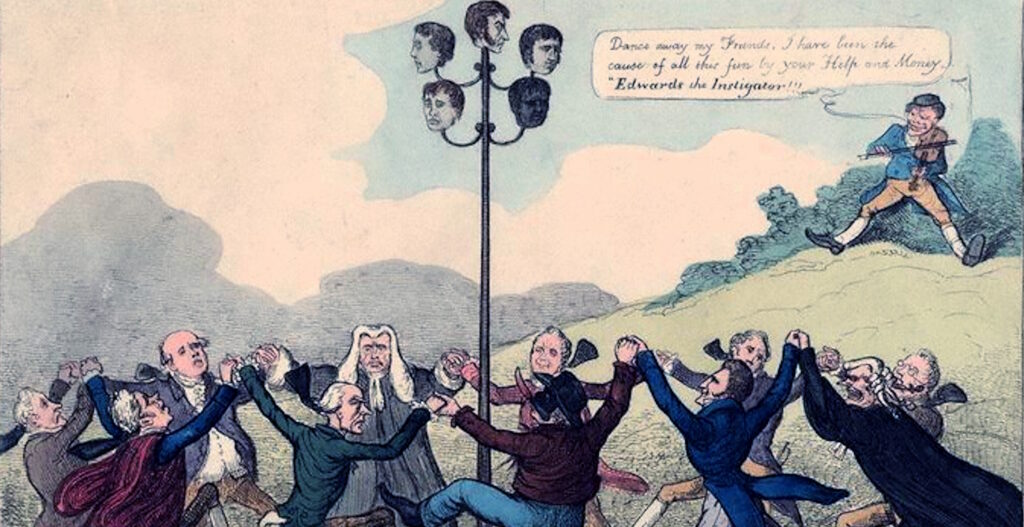
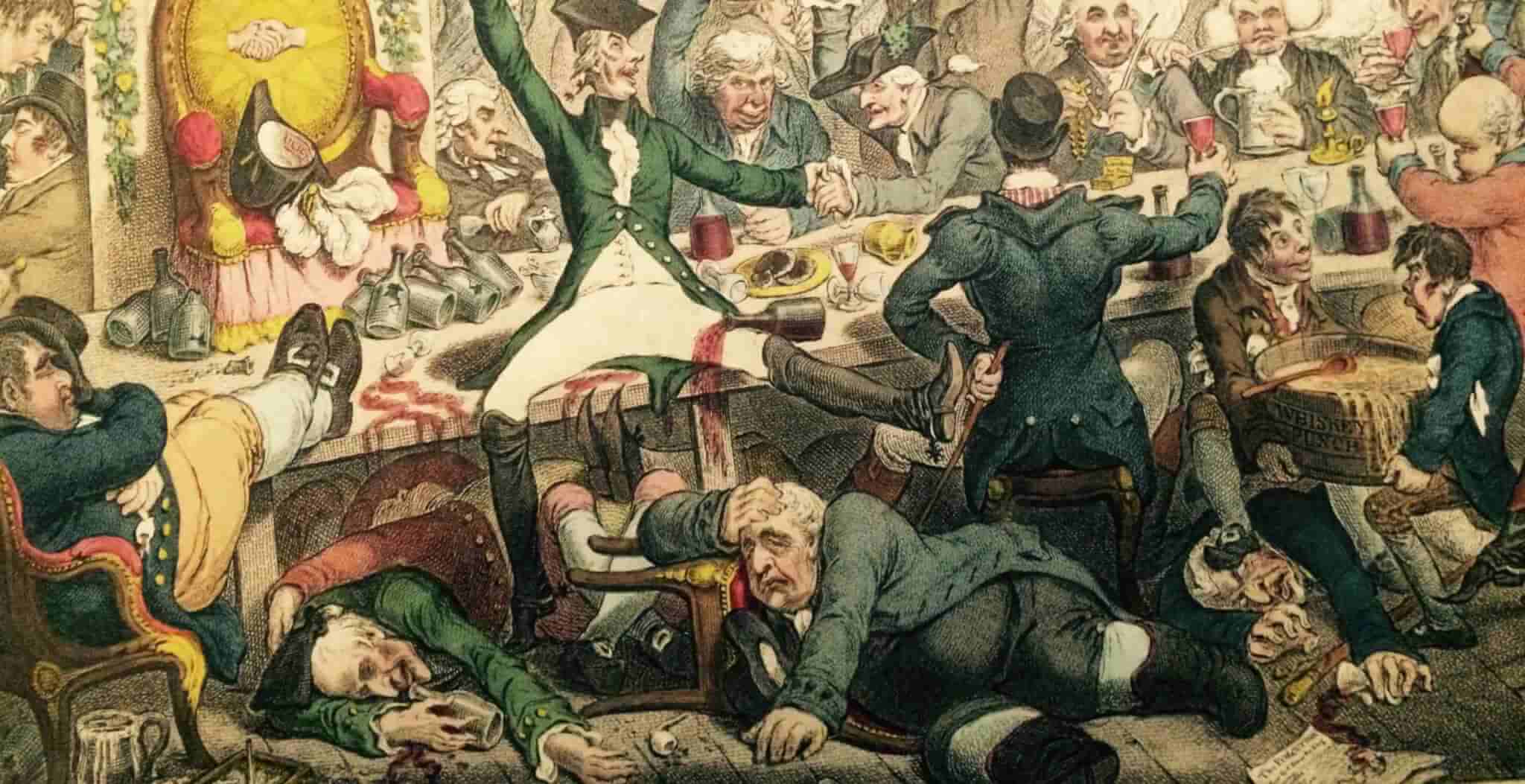
Cato Street Conspiracy
The Cato Street Conspiracy was a daring 1820 plot to kill Britain’s cabinet and trigger revolution. Betrayed and arrested, the conspirators were brutally punished…
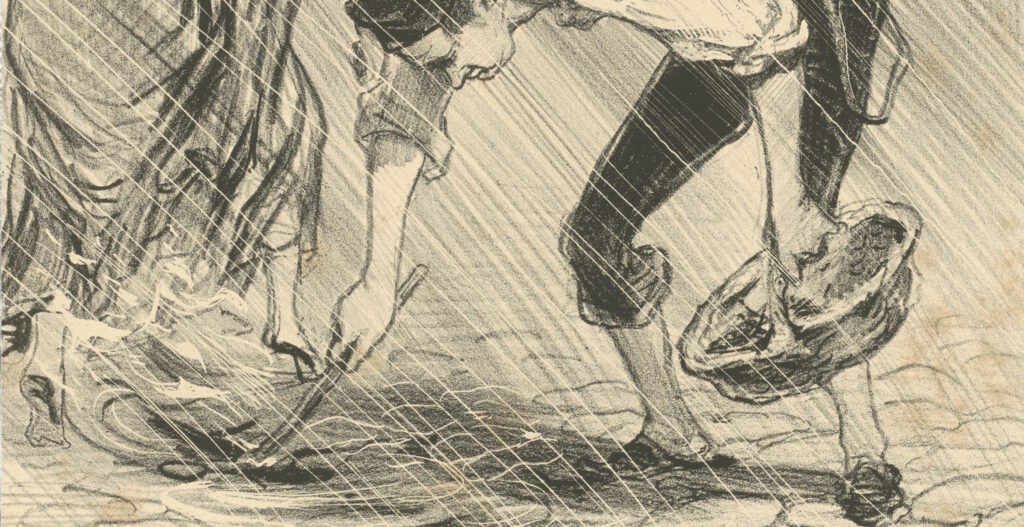
Mudlarks of London
Mudlarking was cold, dirty and dangerous work, but for the poor and destitute who scoured London’s muddy Thames banks, it gave them a meagre living. They hunted the shoreline for anything they could sell…
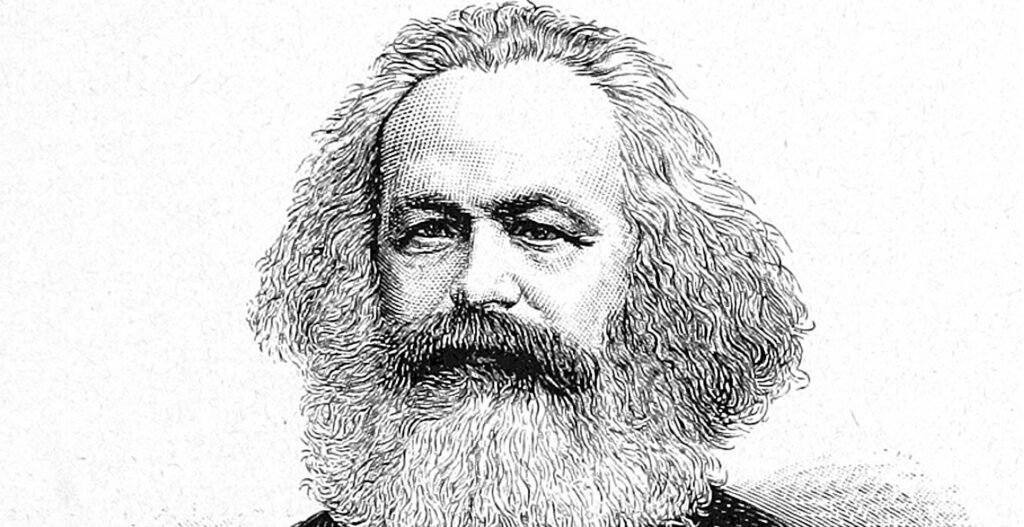
Karl Marx in London
Karl Marx, philosopher, writer, revolutionary, activist and political refugee. Marx and his family relocated to London where his seminal work, Das Capital, was written…
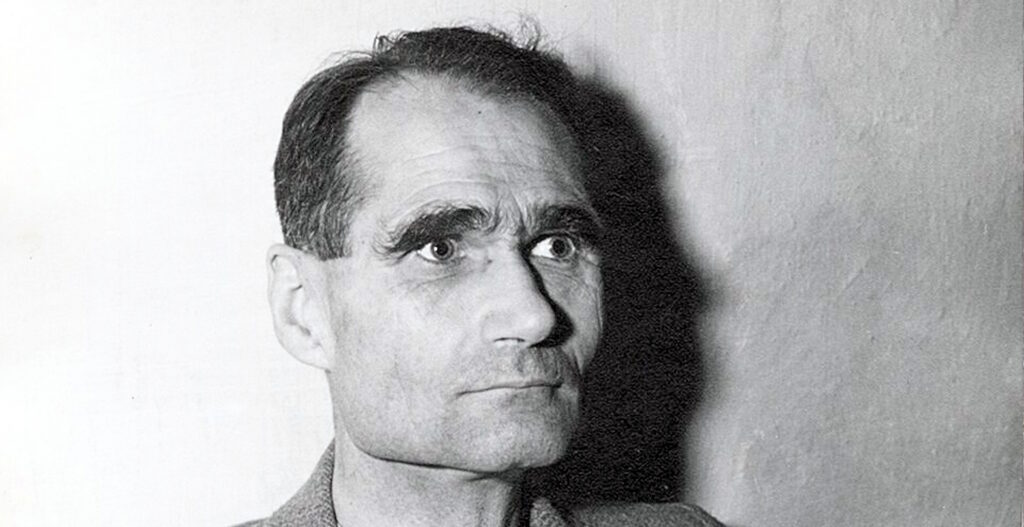
Rudolph Hess
Still considered to be one of the most inexplicable episodes of the Second World War, why did Rudolph Hess, an experienced pilot, leading Nazi and Adolf Hitler’s deputy, crash-land in rural Scotland in 1941?
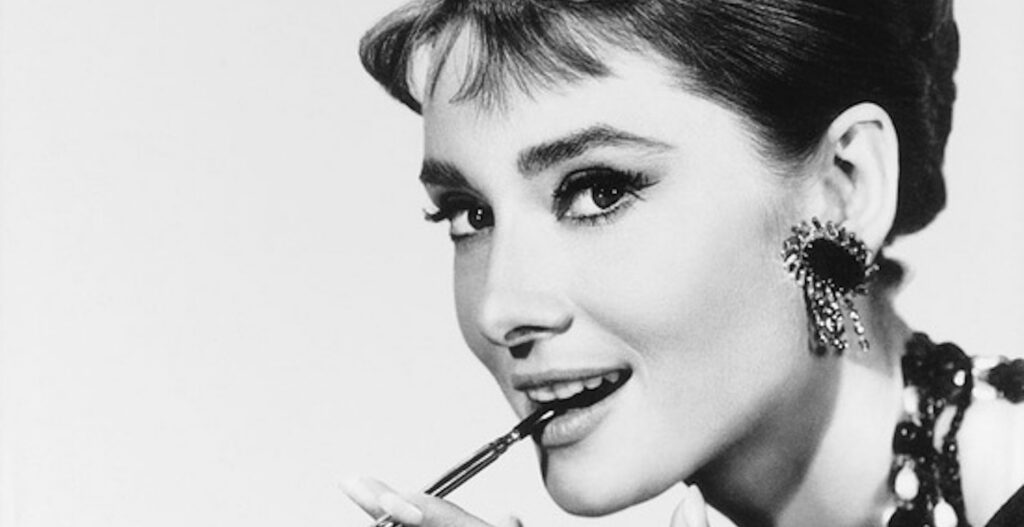
Defined by war: Audrey Hepburn’s early years
Audrey Hepburn’s name evokes the glamour and elegance of the golden age of cinema in the 1950s. Yet her childhood and adolescence were shaped by the harsh realities of Nazi occupation, starvation, and the devastation of war.
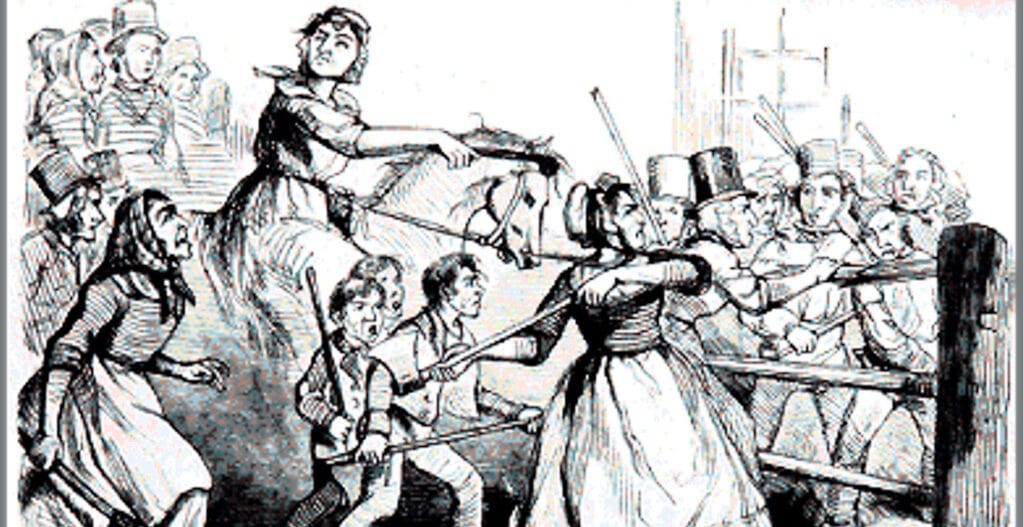
1842 – The Terrible Year
Often referred to as the ‘Hungry Decade’, the 1840s was characterised by social unrest, military losses and economic hardship. The year 1842 in particular was fraught with problems, which led to it becoming known as the Terrible Year, arguably the worst of the 19th century.

General George Cornwallis
General Charles Cornwallis is best known for his part in the British defeat at Yorktown during the American Revolutionary War. But there is much more to Cornwallis than this: his career then took him to India and later to Ireland…
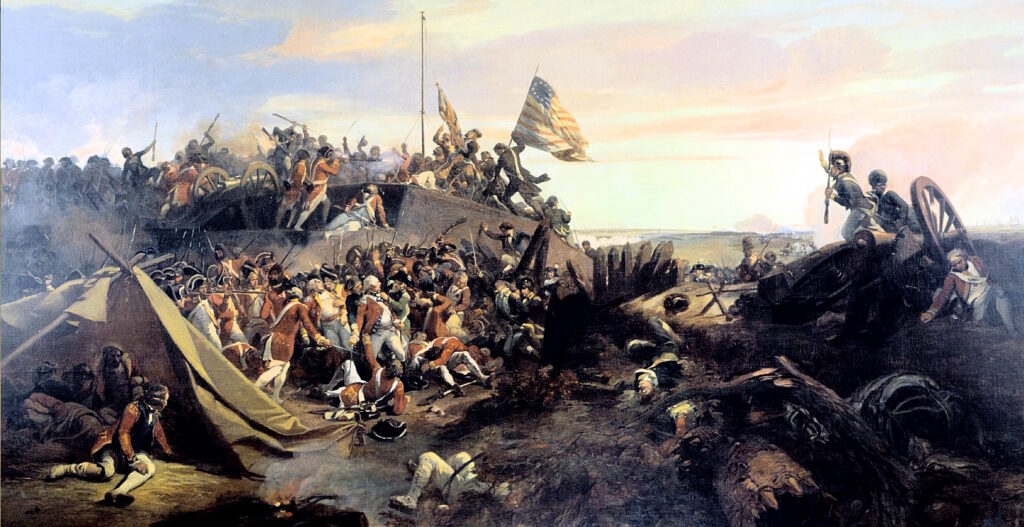
The Siege of Yorktown
In 1781, American and French forces under George Washington laid siege to the British army at Yorktown. This would become the most decisive battle of the American Revolutionary War…
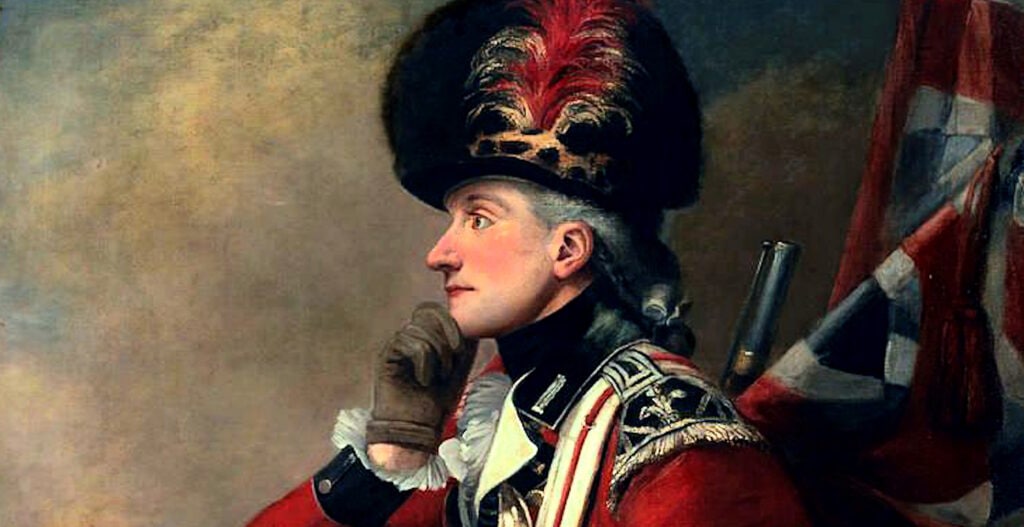
Major John André
A British Army intelligence officer, John André was hanged as a spy at Tappan, New York, on Oct. 2nd 1780 on the orders of George Washington..
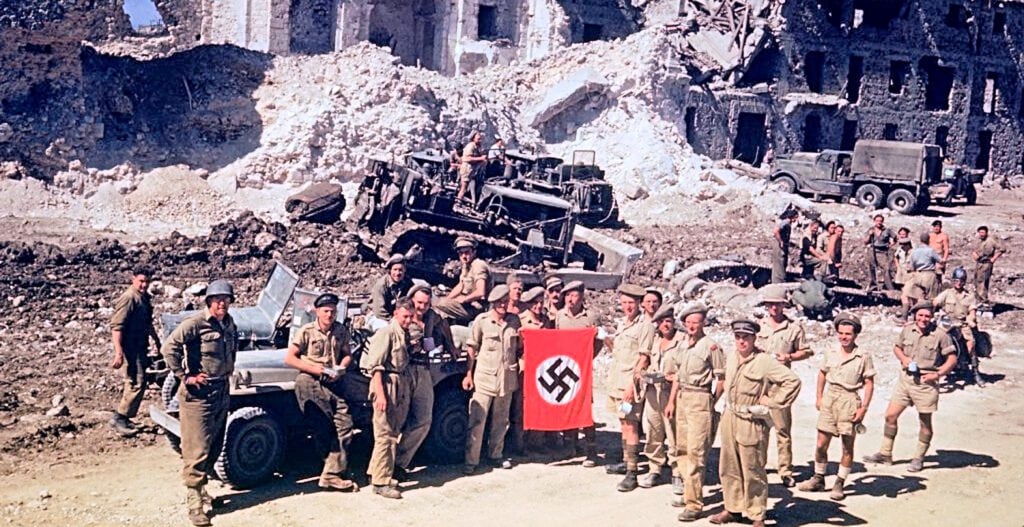
D-Day Dodgers – Defying Danger in Italy
The campaigns in Italy in 1943 and 1944 were tough and bloody ones, with some of the most brutal engagements of the Second World War. Yet somehow the sacrifice of the troops involved in the Italian campaign came to be overshadowed by the events of the better-known D-Day operation: the Normandy landings.