

Cavalry units raised in India played a significant part in wars involving Britain until the conflict of 1914-18. Indeed, some contributed beyond this time, and are part of the modern Indian army today. However, like many former cavalry units, they are now fully mechanised. Their story serves to illustrate how adaptable cavalry could be even into the twentieth century, and how essential multi-ethnic cavalry was to the British during the days of Empire, just as it had been to the Romans in the days of the Roman Empire.
One of the most feared regiments of horse was the Scinde Horse, or 14th Horse. Captain William Ward raised it initially as an irregular horse unit in Sindh (now part of modern Pakistan) in 1839. It was amalgamated from various existing horse troops, with a specific purpose in mind. Its role was to protect the trade route from the Bolan Pass in Afghanistan to Sukkur on the Indus from attacks by Baluchi warriors. As a consequence, the regiment still has as its insignia, an image of a mounted Baluchi warrior in recognition of the martial nature of their respected foe.
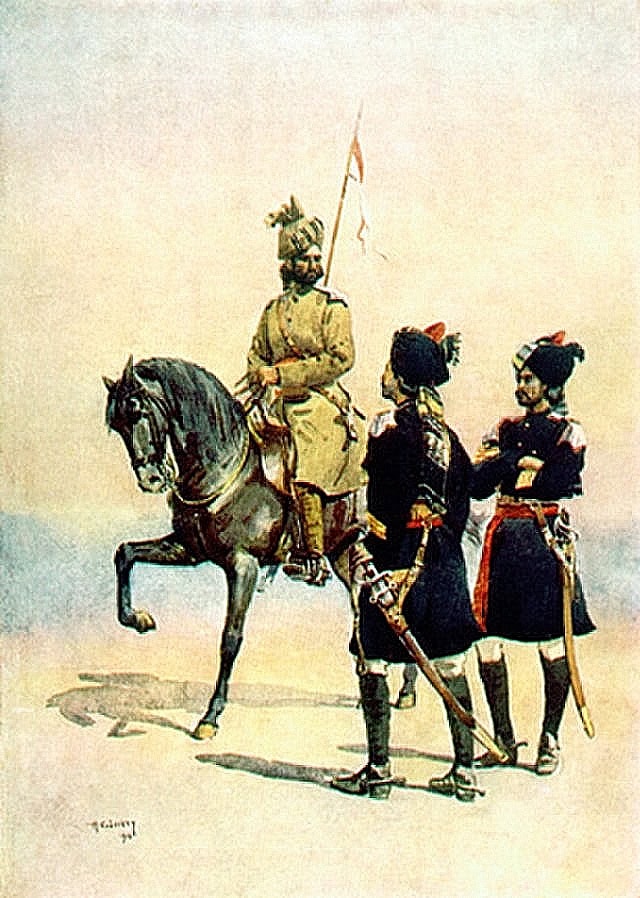
In 1846, a second Scinde Horse regiment was raised through dividing the first regiment and enlisting new recruits, and just over ten years later a third regiment was raised. The 2nd Regiment was under the command of an engineer from the Bombay Artillery, John Jacob, from 1839 until 1856. Jacob was clearly a able commander as, unusually given he was an engineer recruited to the cavalry, he was so successful in his work at commanding the regiment of horse that he attained the rank of Brigadier General, becoming Sir John Jacob, Governor of the province of Scinde. He was also responsible for the development of a type of rifled gun. He even had a town named after him, Jacobabad, where he is buried and where he has received veneration as a local saint.
Under Jacob, the regiment achieved great fame and there was a great deal of competition to join its ranks, although entry fees were high and the recruits were expected to provide a horse and groom. Although the Scinde regiments went through various changes of title, including the 5th and 6th Bombay Cavalry, by 1903 they were re-established as the 35th Scinde Horse and 36th Jacob’s Horse, reflecting their strong historic contribution.
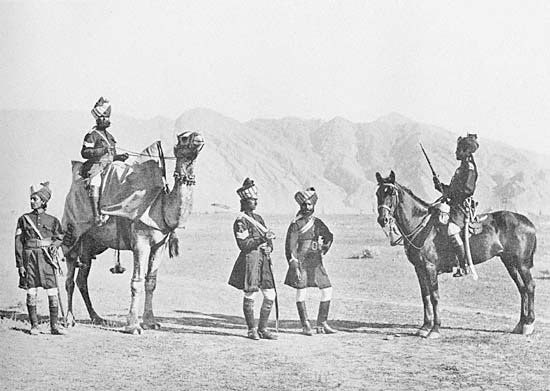
From early days protecting the northern trade routes, the Scinde Horse regiments went on to serve in central India, the North West Frontier, and Persia. During the First World War, they were active in both France and Palestine. Probably their most famous encounter was as part of the expeditionary force of Sir Charles Napier in 1843 when they, the Poona Horse, and others were faced with the entrenched armies of Mir Nuseer Khan at Meeanee.
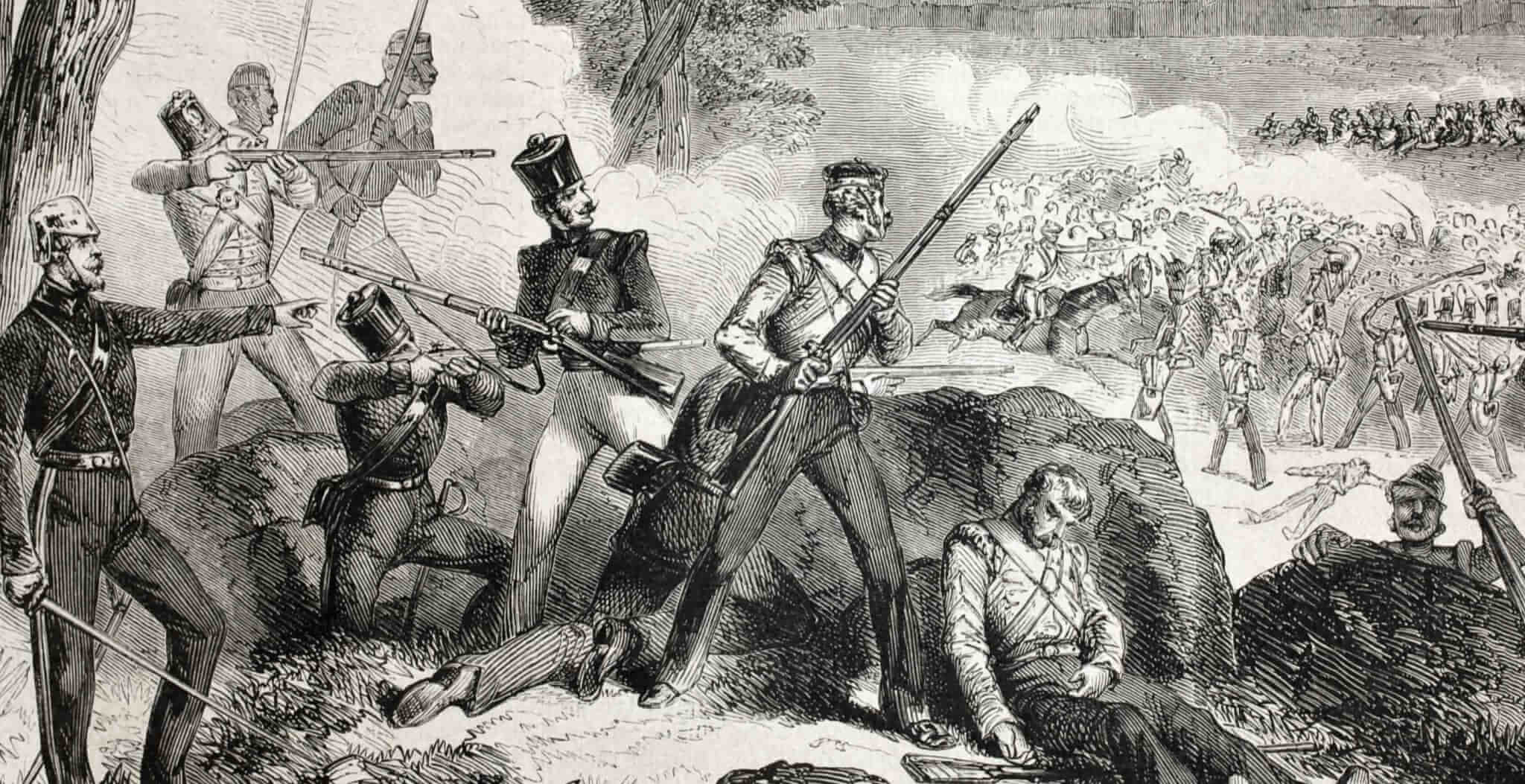
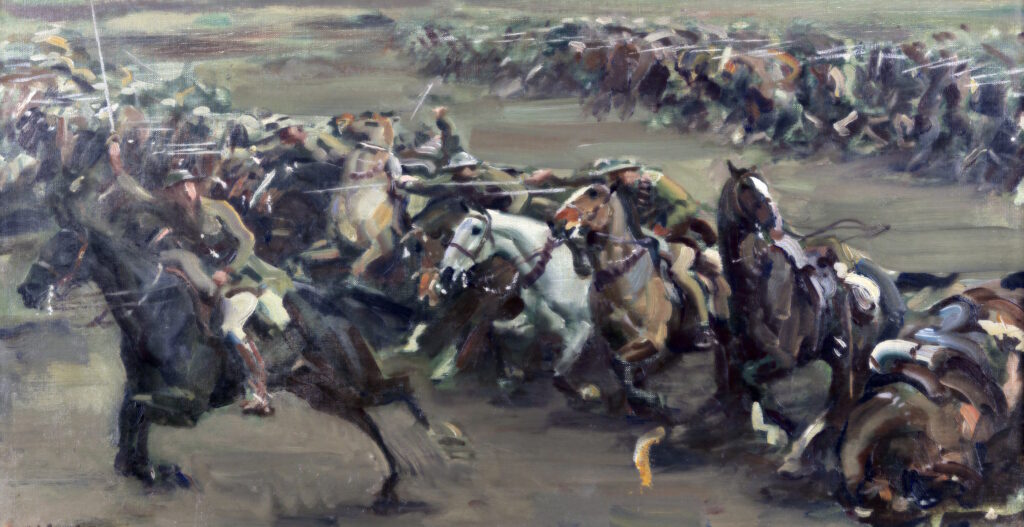
Making use of an incredible outflanking journey through forest and other terrain deadly to horses (over seventy died), the Scinde Horse took Mir Nuseer Khan completely by surprise by appearing at his rear and routing his army in a spectacular cavalry charge. This was the cavalry charge that resulted in Sir Charles Napier’s famous message alerting the top brass in Britain that his adversary had capitulated: the single word “Pecavi”, meaning “I have Sinned (Sindh)”. The Scinde Horse were awarded an unprecedented eight standards to carry on parade, one for each troop of horse. Mir Nuseer Khan’s own standard, bearing the “Hand of Allah” was kept as the main standard, making a total of nine.
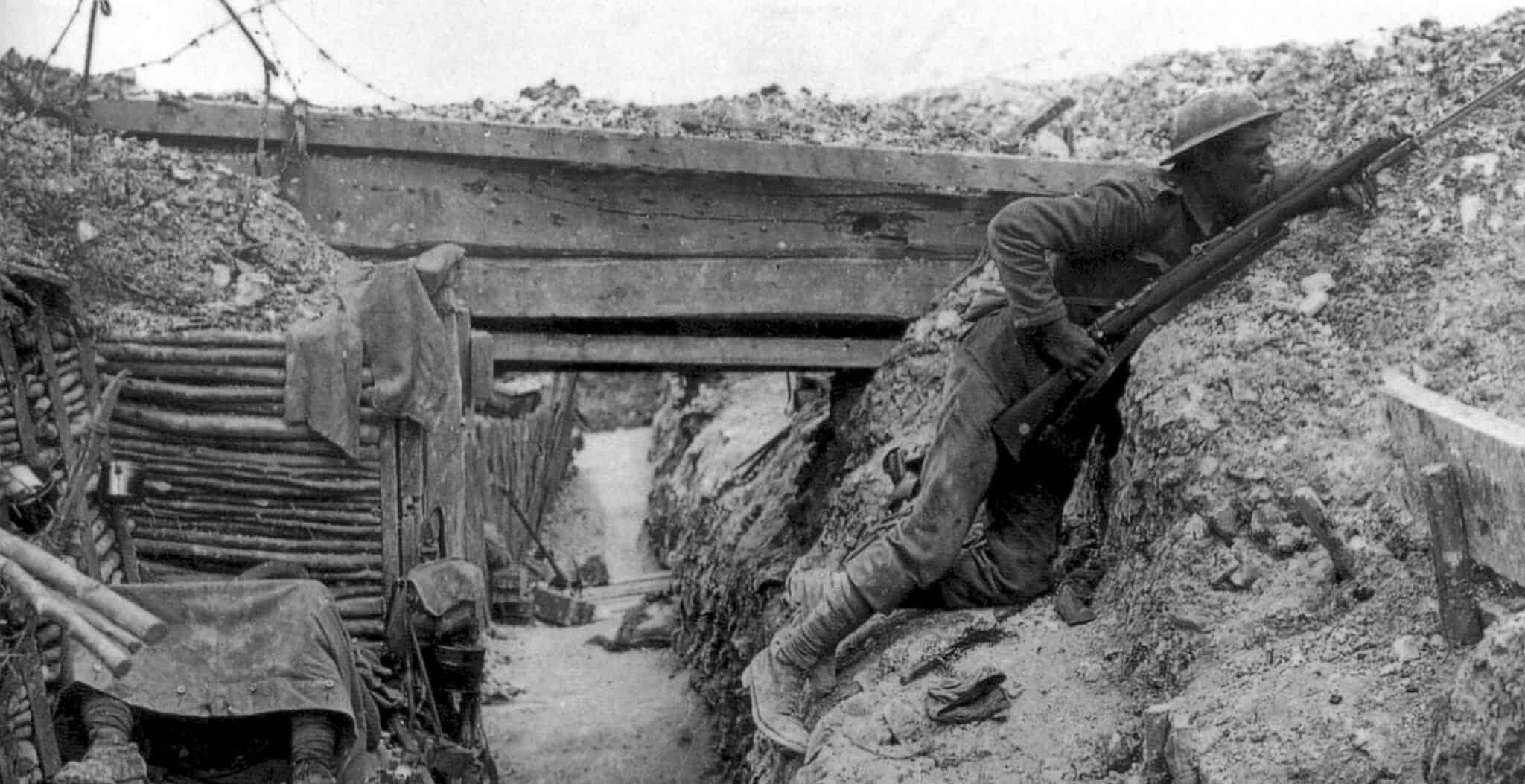
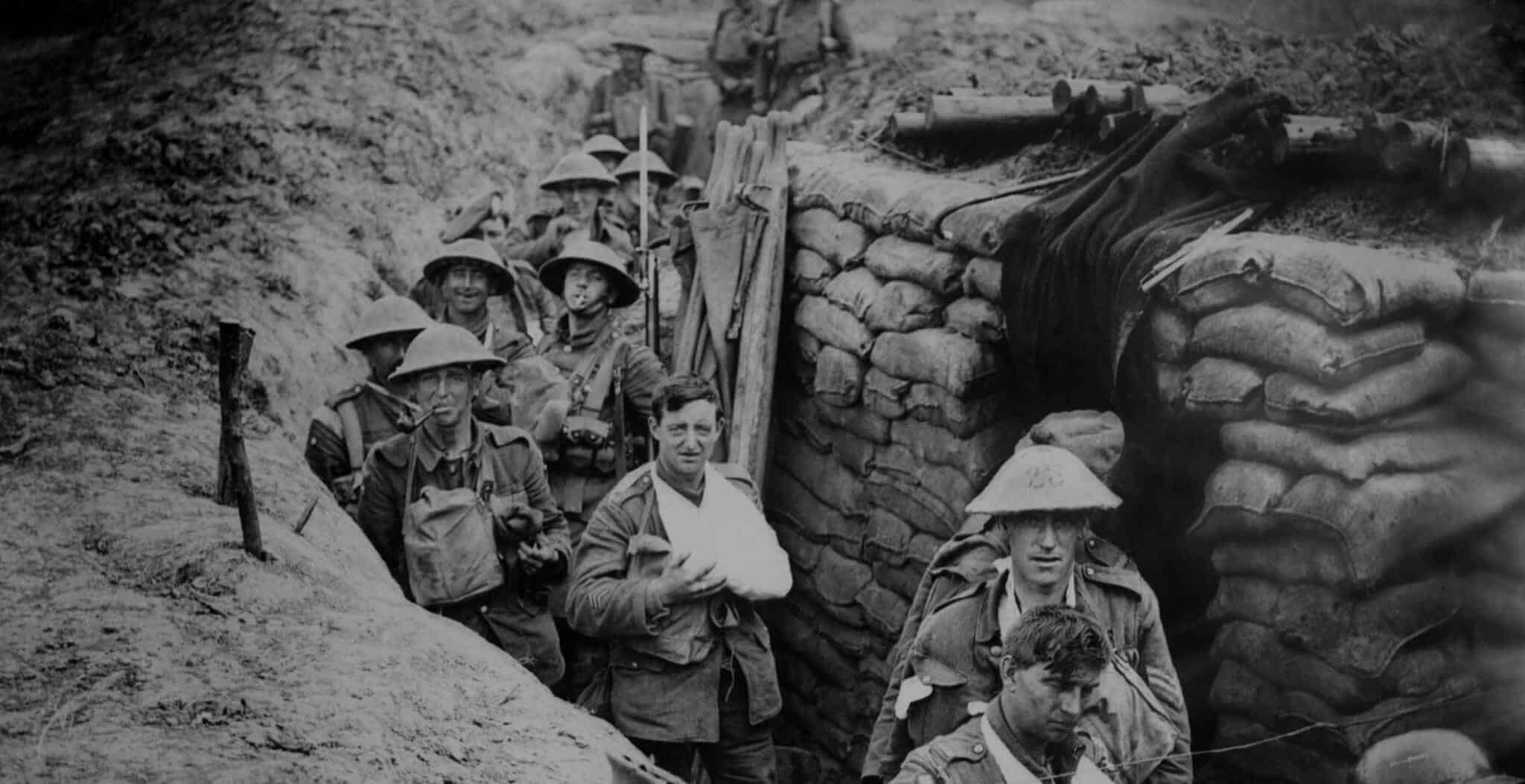
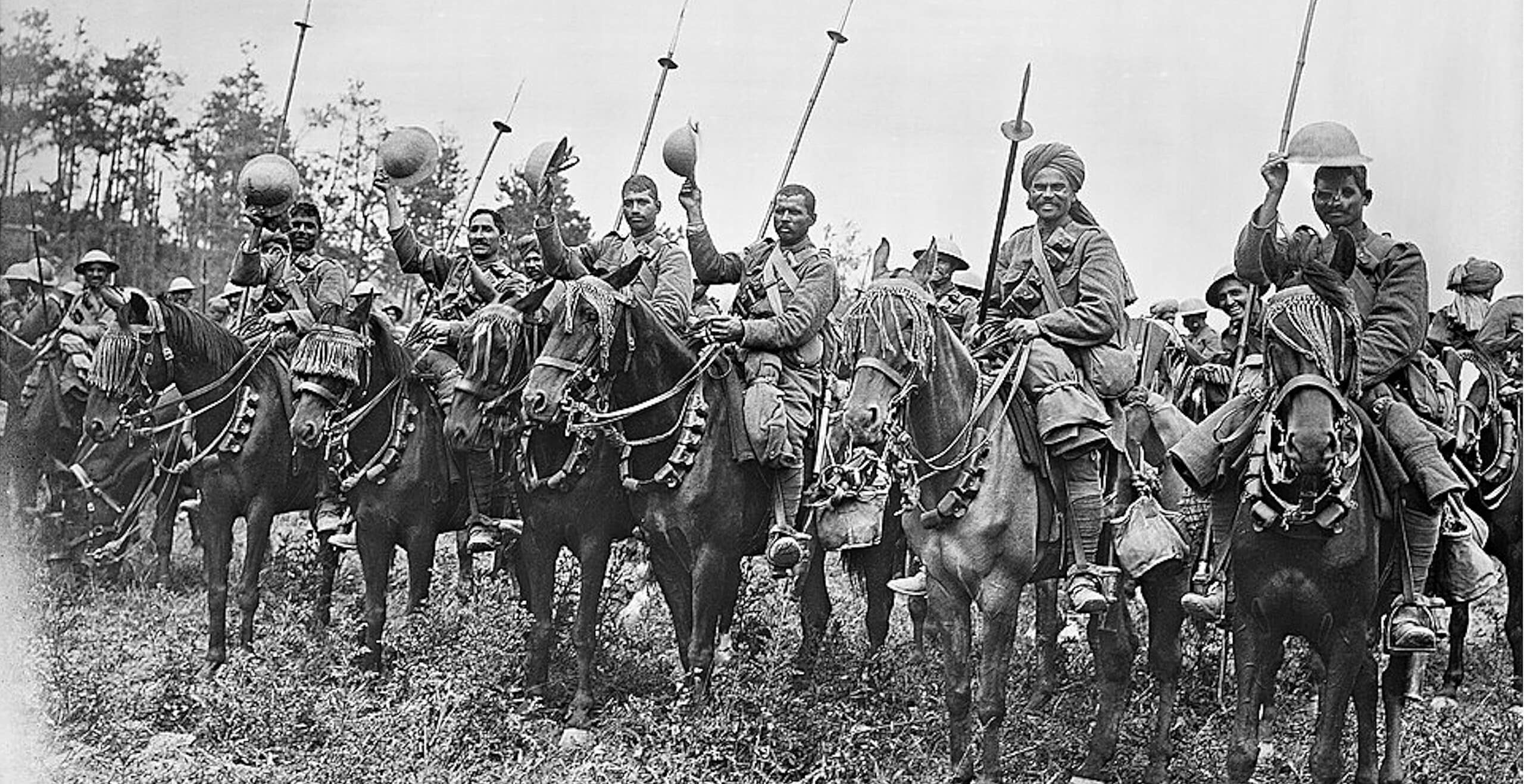
On the Western Front, the 36th Jacob’s Horse were active at the Second Battle of Ypres, the Somme and Cambrai. The formidable reputation of the Scinde Horse went ahead of them and “A” Squadron was involved in at least one charge during this period, while much of the rest of the cavalry of any origin had not had the opportunity to exercise their skills in this very new era of warfare. Arriving at the front after their sea voyage, the troopers and horses were immediately faced with entirely different conditions; the cold, sleet and rain made the horses coats grow longer.
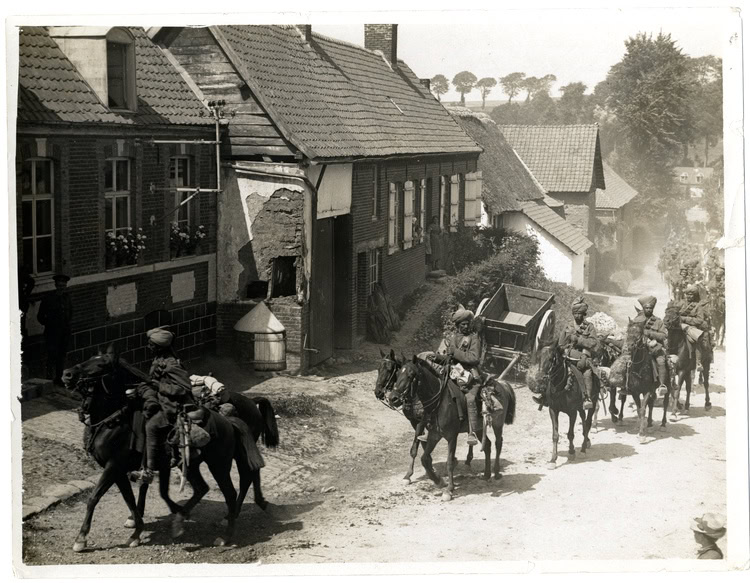
Frustrating weeks and months were spent on trench and other duties, with the horses sent back behind the line, waiting for the traditional opening for the cavalry that simply did not occur. The 36th Jacob’s Horse were then sent to Palestine to serve alongside the 1st (King’s) Dragoon Guards, and the Deccan Horse (29th Lancers), another famed Indian cavalry unit, all under the command of General Allenby. On this front, like the Anzac troops, they were able to make use of the cavalry skills they had honed over decades, even centuries, of horsemanship.
In 1921, the 35th and 36th were amalgamated to create the 14th Prince of Wales’s Own Scinde Horse. Then, in 1938, the tradition of Scinde mounted cavalry came to an end; the Scinde Horse became the first mechanised Indian Cavalry Regiment, going on parade on horseback for the last time on 14 April 1938. After independence and partition, the regiment, with its diverse units of Moslem, Sikh, and Pathan recruits, remained part of the Indian army.
Equally famous, and very highly decorated, the 9th Deccan Horse (later the Royal Deccan Horse) was one of the earliest cavalry units in India. The Deccan Horse served in both World Wars. As long ago as 1790, an irregular cavalry unit known as Asif Sah’s Irregular Cavalry existed, and this is where the long association with the Nizam of Hyderabad in Berar began, under the general title of the “Hyderabad Contingent”. The Nizam funded the Deccan cavalry, paying for Wilkinson-produced swords, among other items.
Lieutenant-Colonel E. Tennant, in his history of the regiment, “The Royal Deccan Horse in the Great War”, traces the origin of the cavalry tradition even further back in time, to 1294 AD, and Ala-ud-Din, the son of Jellal-ud-Din, Sultan of Delhi. The fabulous treasure apparently amassed by the mysterious activities of Ala-ud-Din led to the multiple conflicts and alliances of the various groups within the region, whether Rajput, Moslem, Sikh, or Mogul. The one thing that was certain was that formidable cavalry formed part of the culture of them all.
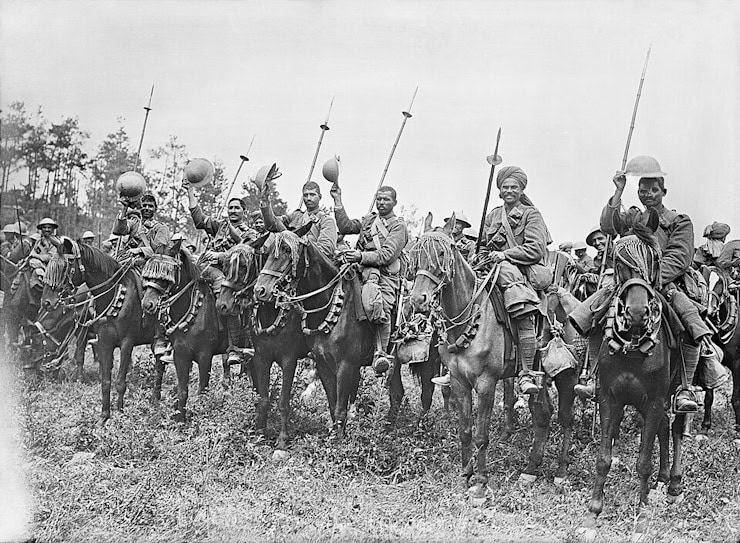
Like the Scinde Horse, the 9th Deccan Horse went through many changes of name before (and after) becoming part of the regular British Indian Cavalry in 1903. Also like the Scinde Horse, the make-up of the unit was diverse, including Sikhs, Muslims, and Jats. Officers were drawn from both Britain and India.
As well as exploring the general history of the Deccan horse, a compelling narrative in itself, Tennant includes an appendix explaining how the silladar system operated. A silladar was the owner of the horse and its equipment, known as the assami, consisting of “everything required by the soldier with the exception of his uniform”. It was possible to be a trooper who was not a silladar; in that case he was paid the basic rate of a dismounted soldier, and the silladar (the owner of horse and equipment) received the rest of the money. A paigah was a person who owned any number of assamis, and they themselves did not need to be a soldier.
There were deductions made from each trooper for various funds, including the horse fund, the barrack fund, tent fund and many more. This inevitably led to nightmarish levels of paperwork, and it is perhaps not entirely surprising that we hear of so many regimental accounts officers being drummed out of the army for financial irregularities! They may not all have been corrupt, simply overcome by the immensity of the book-keeping task. Despite all these regular deductions from the average trooper’s pay, competition to join the Indian cavalry units remained fierce.
Serving in Palestine was particularly hard on the cavalry horses, which suffered from laminitis among other issues, in this case not due to overfeeding which is its usual cause, but to lengthy enforced travel over unyielding and stony ground. The farriers and veterinary officers must have been hard pressed to maintain the health of the horses. By the mid-nineteenth century, most Indian cavalry was mounted on locally-bred (sometimes known as country-bred) horses. By the early twentieth century, this had shifted to the popular Australian-produced Walers, viewed as outstanding warhorses, capable of carrying plenty of weight, having much endurance, and a turn of speed derived from the Thoroughbred.
It should be noted that the contribution of Indian cavalry was not simply serving under British command, but also contributing to the development of cavalry in the army and to its culture. For example, military historian Richard Holmes notes the devastating effect of the “tulwar”, or Indian curved cavalry sword, leading to its authorisation by Hugh Gough for use among British cavalry troopers. The Scinde Horse, Holmes points out, also had chains sewn along the outside of the arms of their coats and on their breeches. The curb chains of the horses were appropriated for this use, leading eventually, Holmes argues, to the shoulder chains that are part of cavalry dress uniform today. On the Western Front, Lieutenant-Colonel Tennant noted that British troopers and officers were learning Hindustani, the language of the Deccan Horse recruits.
The roll call of honour for the Deccan Horse includes, as one might expect, some martial British names, and not unusually, among them a smattering of Scots names such as Ogilvy, Armstrong, Mcleod, and Murray. Also included in the lists of those who gave their lives in the First World War, are the names Rissaldar-Major Inder Singh, Lance-Duffadars Mam Chand, Najaf Ali, and Dalip Singh; along with the regimental smith, Usman Ali, cooks Multan Singh, and one simply identified as “Magha”. There is also the regimental tailor Mir Usman Ali and the syce, or groom “Muttra”. There are 185 names of men in the 29th Lancers (Deccan Horse) alone who lost their lives in this devastating conflict, far from their homes.
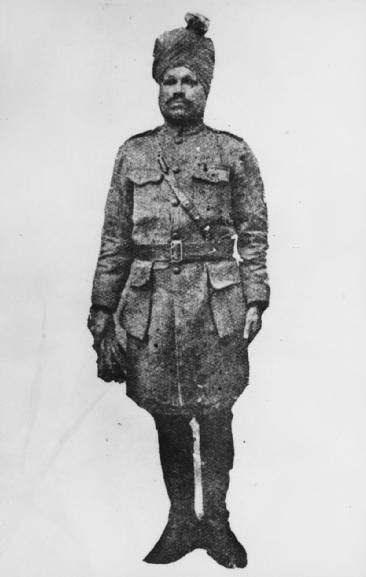
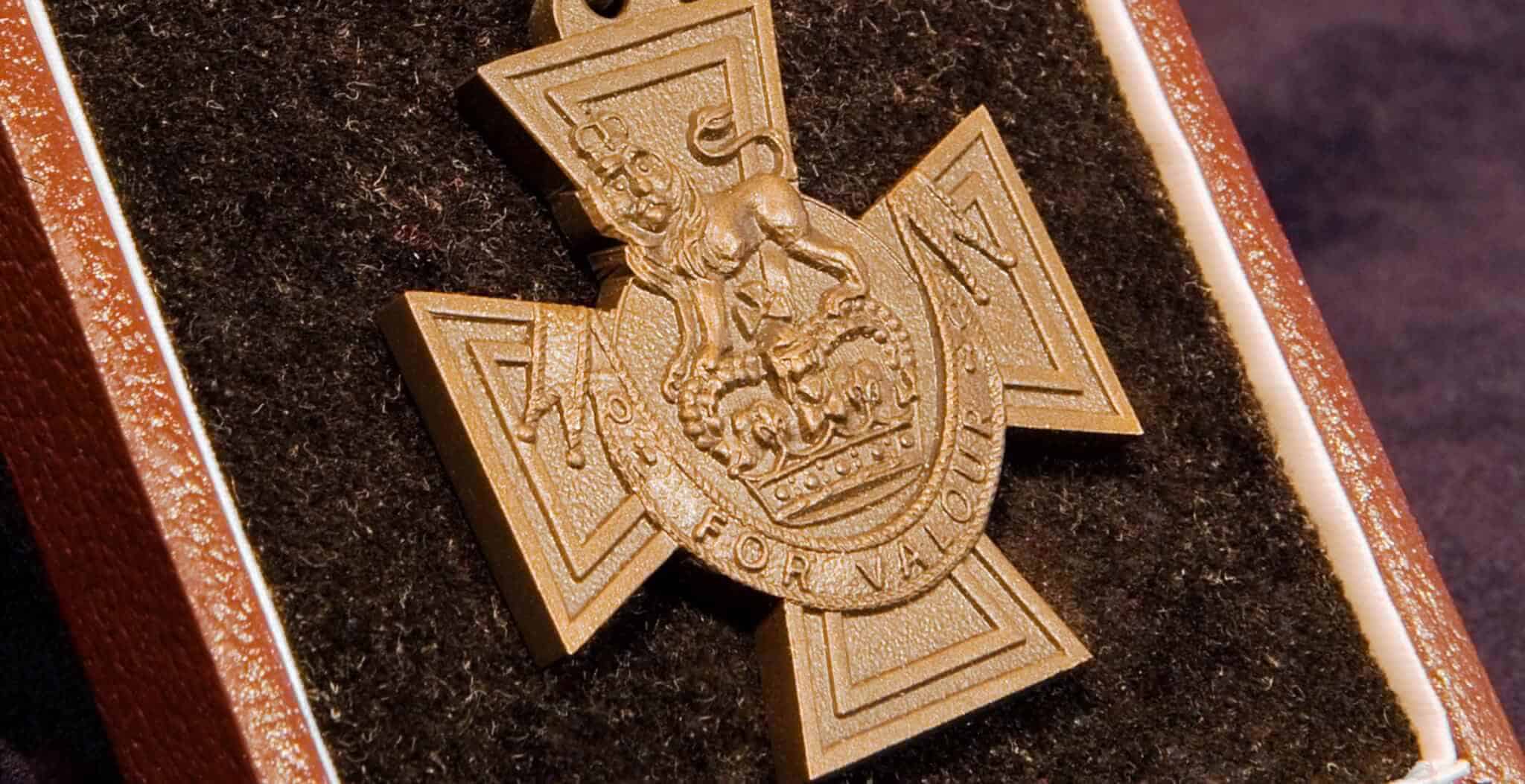
At the head of the list of “Honours and Awards” in Tennant’s book is the posthumous recipient of the Victoria Cross, Rissaldar Badlu Singh, who on 23rd September 1918 charged a small hill on the west bank of the River Jordan from which machine guns were raking fire on the allies. Singh captured one of the machine-guns himself and brought all the enemy infantry to surrender, being mortally wounded as he did so. Rissaldar Badlu Singh was a member of the 14th Murray’s Jat Lancers which was at the time attached to the 29th (Deccan) Lancers, a reminder once again of the diversity of those who fought and died in cavalry regiments raised in the Indian subcontinent.
Miriam A. Bibby PhD FSA Scot FRHIstS is an archaeologist, historian, and Egyptologist specialising in the history of the horse-human relationship. She is co-editor-in-chief of Cheiron, the International Journal of Equine and Equestrian History. She is the author of Invisible Ancestor: The Galloway Nag and its Legacy, the only monograph on the little-known yet extremely influential Galloway horse. A further book on the early history and historiography of the Thoroughbred racehorse is about to be published by Palgrave Macmillan. Her latest book, Working Horses in London, is available from Amberley Publishing. Find out more about it here: Working Horses in London – Amberley Publishing
Published: 24th October 2025