

Lady Mary Lovelace was an artist, architect, writer and prominent figure in the English nobility, and was associated with the pioneering work of the Arts and Crafts movement.
Born on 10th May 1848, Mary Caroline Stuart-Wortley was the daughter of the Conservative MP James Stuart-Wortley and his wife Jane, a notable philanthropist. Her family had aristocratic connections with links to the Barons Wenlock and Barons Wharncliffe.
She was the eldest of six siblings who grew up in the comfortable surroundings of St James Place in London. Whilst politics was in the family, so too was a passion for the arts which was indulged by her siblings, including Mary’s brother Archibald who became an illustrator. Meanwhile, her younger sister Caroline, who married into the Grosvenor family, also became an artist and novelist.
As a young woman, Mary was allowed to pursue her interest in art when she began her education at the Slade School of Fine Art in Gower Street.
Founded in October 1871, the Slade School came to fruition thanks to the legacy of lawyer and philanthropist Felix Slade. Now part of the famous University College London, the fine arts school employed a plethora of notable teachers and produced an even finer display of students, including the likes of Augustus John, Percy Wyndham Lewis and William Orpen.
Mary was in good company, meeting the likes of Mary Fraser Tytler who went on to become a designer, symbolist craftswoman and social reformer, as well as Evelyn Pickering who became a prolific painter in the Pre-Raphaelite movement.
In this environment, Mary learnt a great deal about her craft but also began to socialise in a new environment, with people representing new ideas and advocating for bold and revolutionary changes in the artistic world and beyond. Nevertheless, the social restrictions of the day demanded that Mary attend the school with a companion to and from the college, so as not to tarnish her reputation as a lady.
Mary however was now brimming with concepts about art, innovation and social reform, ideas which she was determined to act on despite the social demands of marriage.
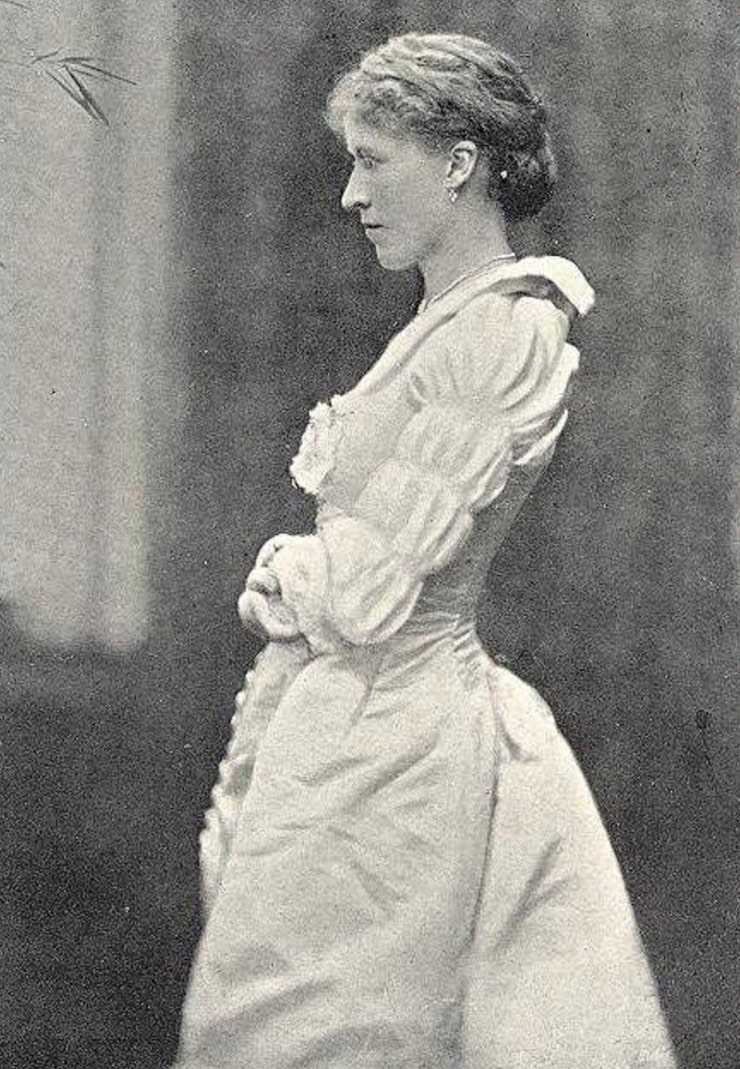
In 1880, at the age of thirty-two, Mary Caroline Stuart-Wortley married Ralph Gordon King-Milbanke, then 13th Baron Wentworth. She subsequently became Baroness (Lady Wentworth) and much later in her married life was known as Countess of Lovelace until her death.
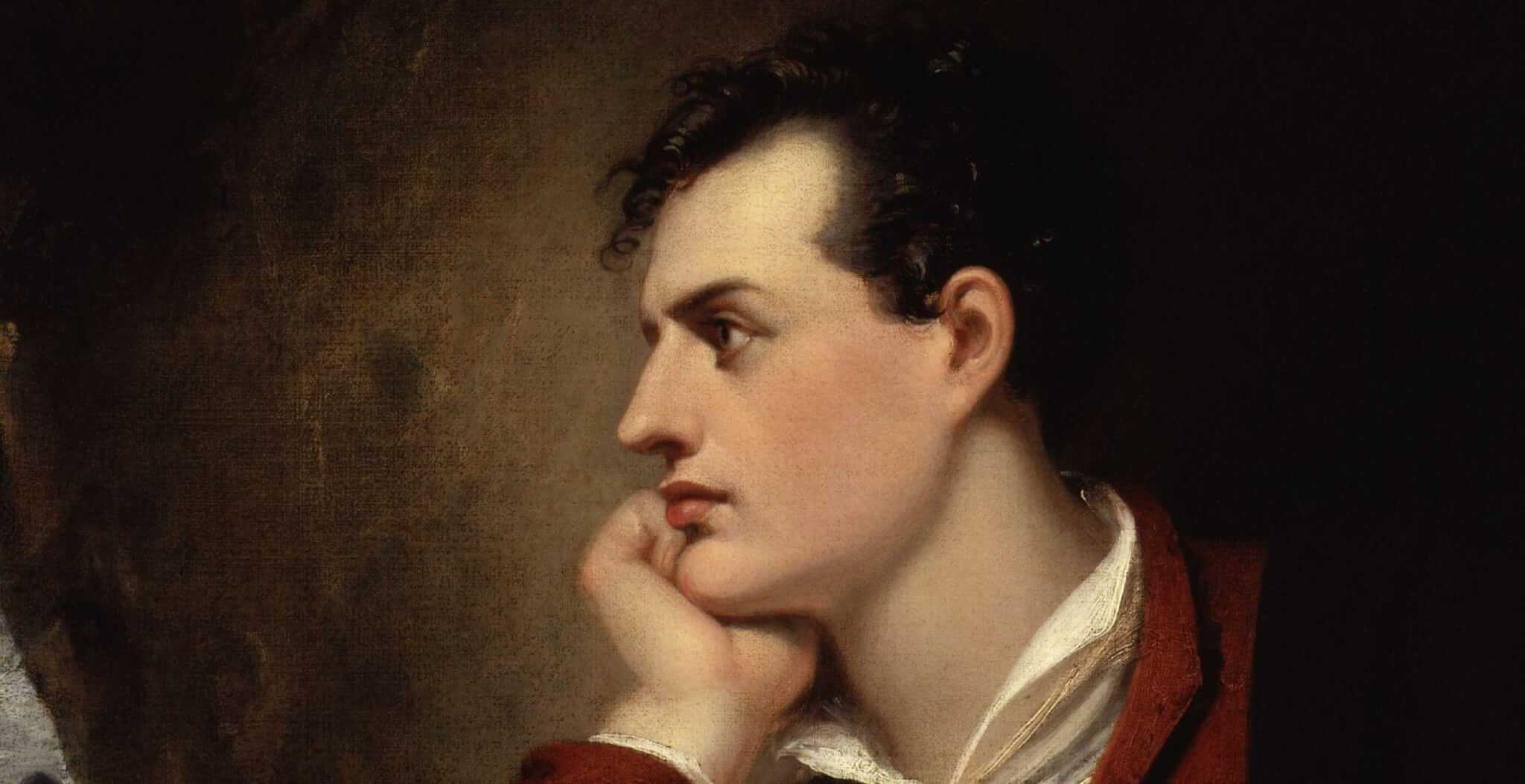
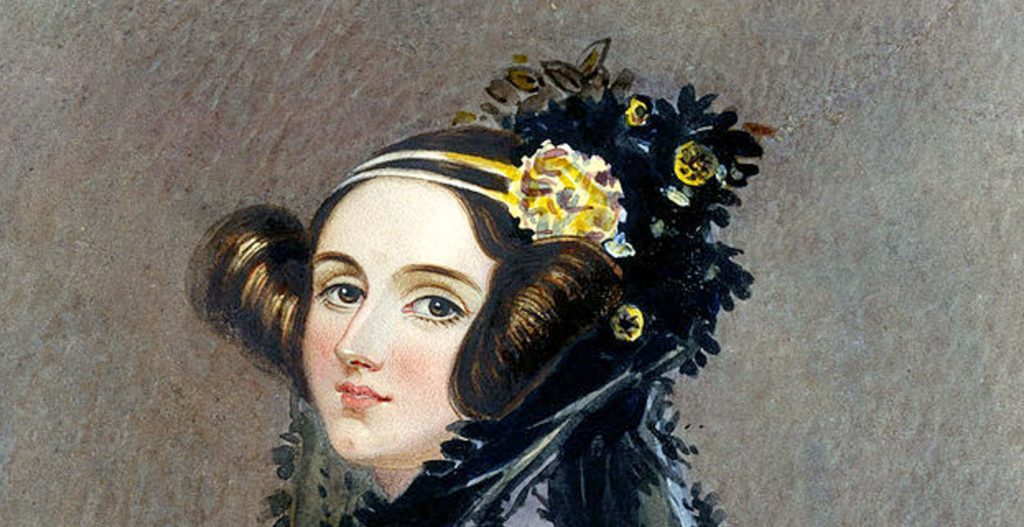
Ralph King-Milbanke was the second son of William King-Noel, 1st Earl of Lovelace and Ada King, Countess of Lovelace. His family were not only aristocratic but well-known for their talents, as his mother was the world’s first computer programmer whilst his grandfather was the famous poet, Lord Byron.
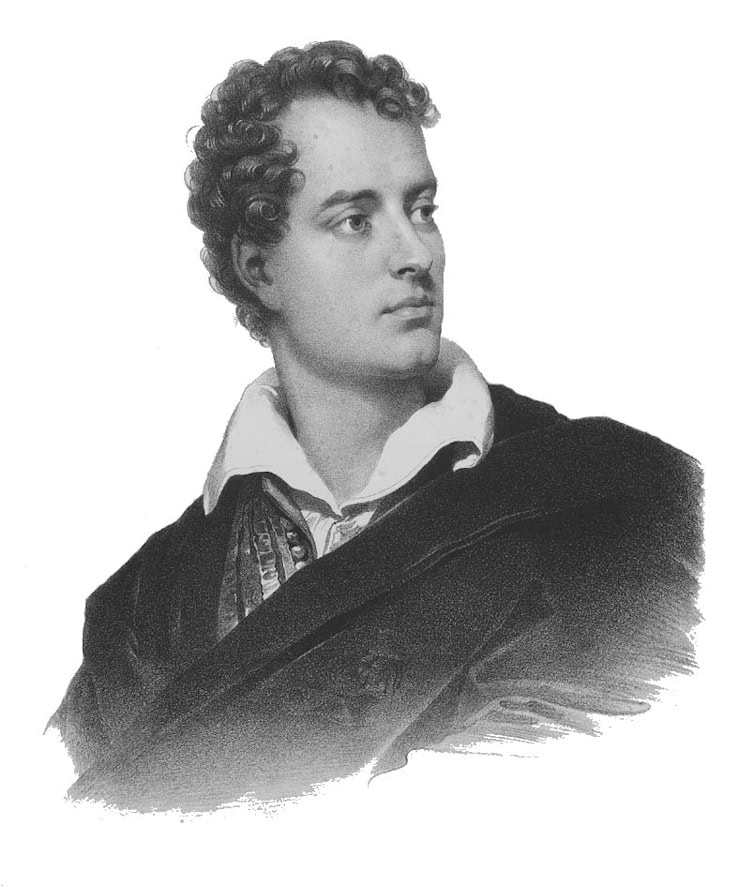
Ralph’s marriage to Mary was not his first, as he had already married and had a daughter called Ada. His second marriage was without issue and after his death, his daughter succeeded her father’s barony of Wentworth.
After they married Mary continued her artistic pursuits which led to an exhibition at the Grosvenor Gallery. The gallery had been set up by Sir Coutts Lindsay and his wife in 1877 and played host to many artists of the emerging Aesthetic Movement whose style was less welcome at the Royal Academy.
The art movement emerged in the late 19th century as a challenge to the cultural norms of mainstream Victorian culture. During this period, art, literature, music and design focused on the beauty of the finished product, hence the popular phrase ‘art for art’s sake’.
Whilst the Aesthetic Movement had many appealing qualities for up-and-coming artists like Mary, it was the emerging Arts and Crafts Movement which she embraced. Whilst both approaches dealt with the increasingly industrialised Victorian world, the latter focused its attention on craftsmanship, social reform and taking inspiration from nature.
Championed by prominent figures such as William Morris and John Ruskin, Mary Lovelace was a keen supporter and collaborator of the movement.
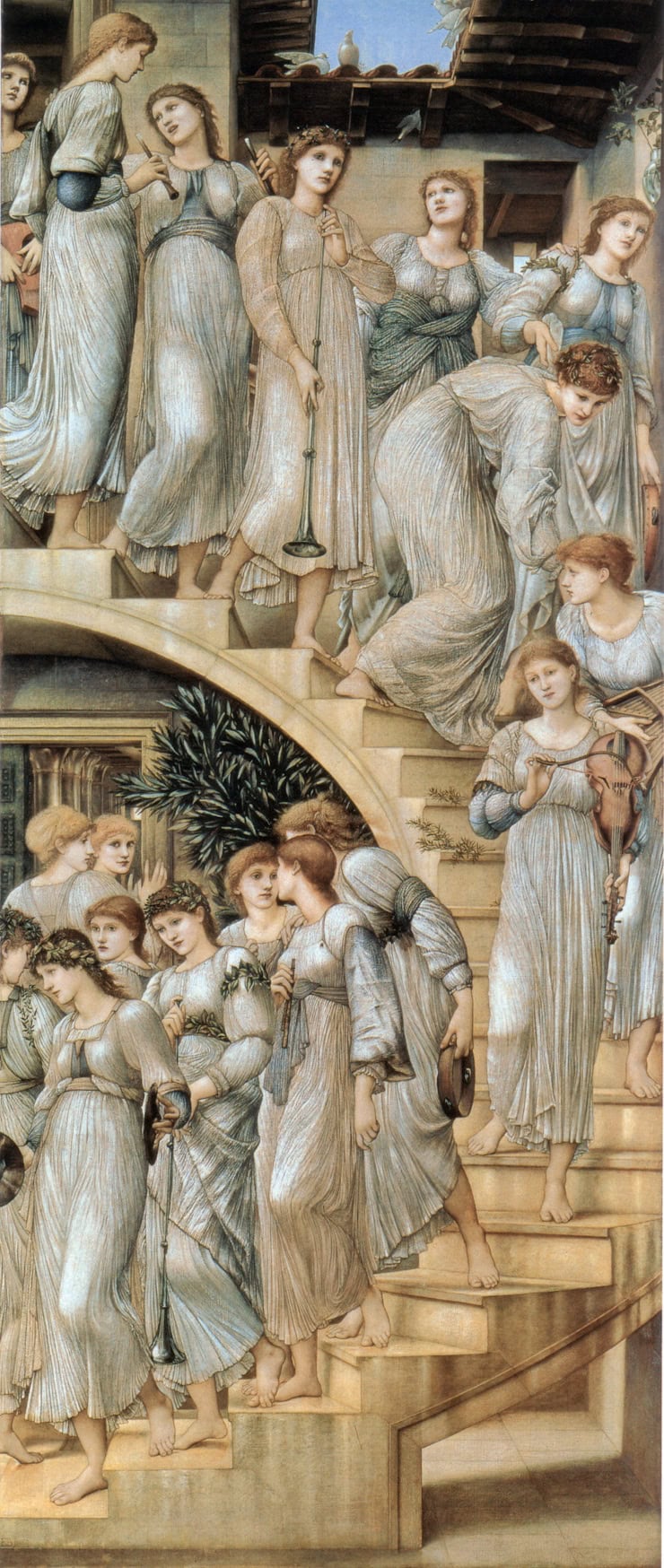
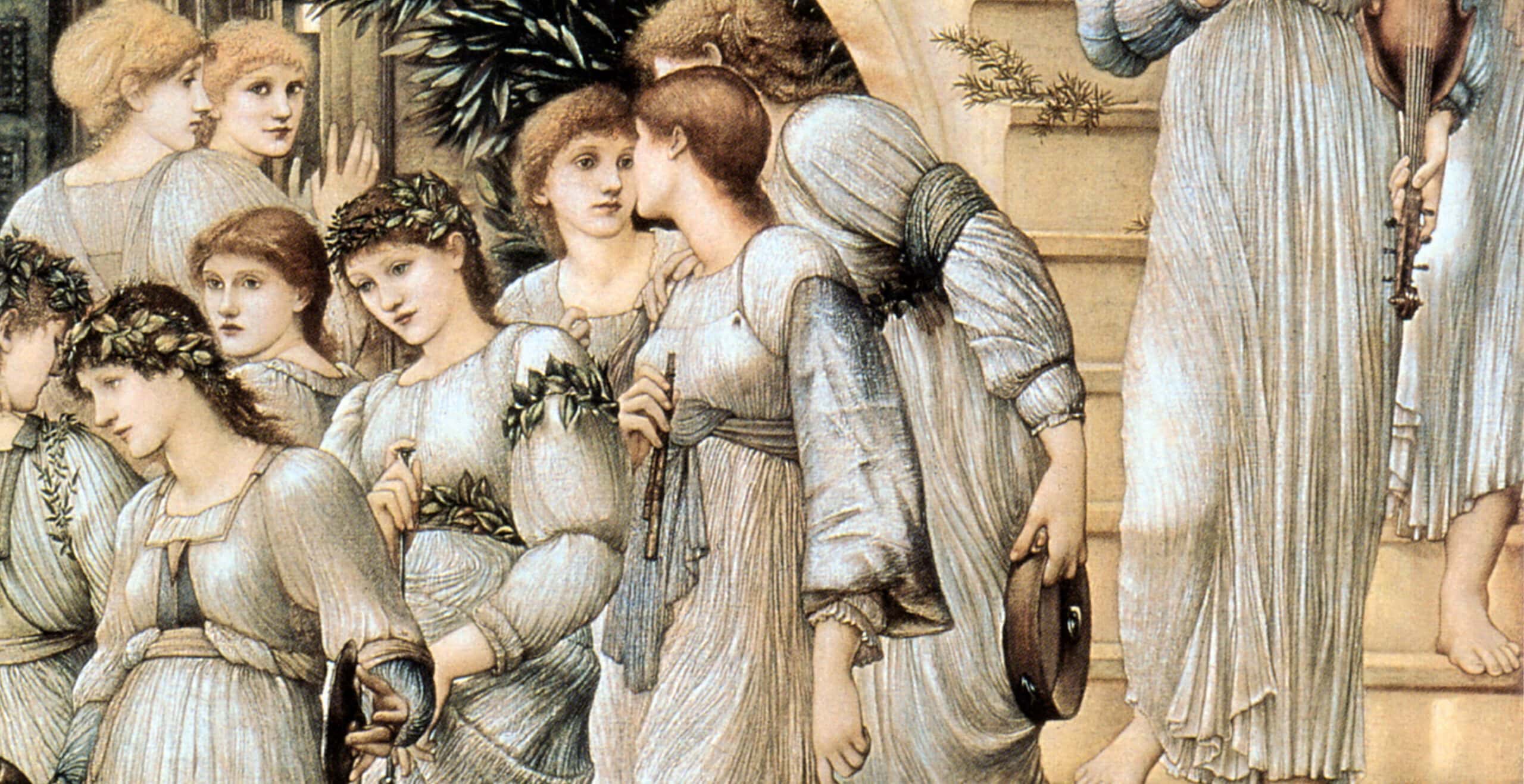
Her role and prominence in the movement is best demonstrated by her inclusion in the famous painting by Pre-Raphaelite artist Edward Burne-Jones, entitled ‘The Golden Stairs.’ Exhibited in 1880, the painting was a symbolic work depicting a group of women descending a spiral staircase carrying musical instruments. Lady Mary Lovelace is one of many notable figures represented in the artwork which also included Burne-Jones’ daughter Margaret and Mary Gladstone (daughter of William Gladstone).
Whilst her education was grounded in art, she sought to branch out from this and embrace the study of architecture. She was one of the chosen few who was fortunate enough to find an architecture firm willing to accept her and provide the necessary training and educational background.
The company she joined in 1893 included the famous architect and designer C.F.A Voysey, who was a significant member and proponent of the Arts and Crafts style.
Such a profession was very much the domain of men and remained so for many years, however a select few women like Mary found a new route to learning before the Architectural Association accepted females.
Mary applied her instruction in architecture to make improvement to her husband’s properties at Ockham Park and Ashley Combe.
At Ockham Park she was responsible for designing the Parish Rooms as well as the Lovelace Cottages which were bequeathed to the local community.
The project for which she became most well-known was Lillycombe House, which was a joint venture between herself and the well-respected C.F.A Voysey. Built near Porlock in Somerset, the structure featured in the periodical ‘The British Architect’ in 1912.
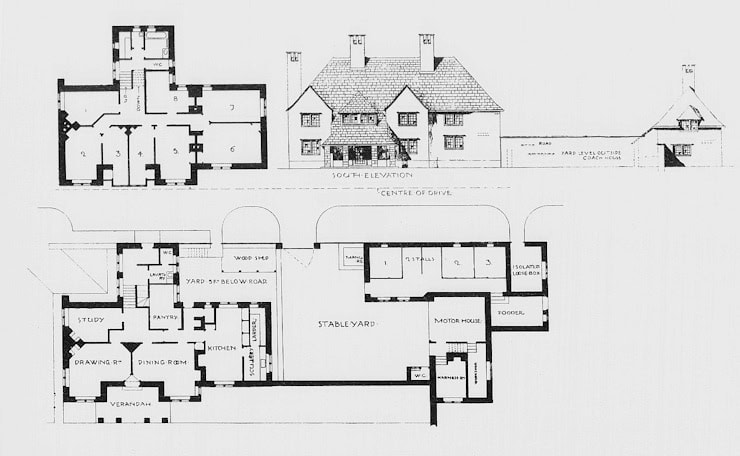
Her collaboration saw her recognised as a vital supporter of the Arts and Crafts movement alongside leading figures such as Voysey and renowned Scottish architect Rennie Mackintosh who recorded his visit to Porlock in the 1890s through his watercolour depicting the cottages near the seafront (a painting now displayed at the Hunterian Gallery in Glasgow).
Later in her career, the advent of the First World War saw Mary oversee the reconstruction of a small harbour at Porlock Weir in Somerset near her family home. Once the changes were made, the harbour was able to play a significant role in the war effort, supplying timber which was much in demand for the construction of trenches.
As part of her wider knowledge and understanding of architectural planning, she also became involved in the Chelsea Society, a group founded in 1927 by the author Reginald Blunt with the purpose of preserving the historic integrity of the borough. The society involved issues ranging from infrastructure, urban planning and environmental management.
Mary invested her time and energy in causes which she felt passionately about, including advocating for the arts by joining organisations such as the Home Arts and Industries Association as well as the Kyrle Society which focused on the need for ‘open spaces’ for the health and wellbeing of local communities.
Branching out from art and architecture, she also worked as an editor and writer, assisting her husband in his book entitled ‘Astarte’ which focused on his famous grandfather Lord Byron. Moreover, she would later publish a memoir about her husband.
She proved able to apply herself adeptly to multiple disciplines whether as an artist, architect or in the world of literature. Her contributions to the burgeoning Arts and Crafts movement however were linked to a wider philosophy of going back to nature, understanding craft and skill as well as appreciating the symbiosis between construction and the natural world. Her disciplines often led her to the world of philanthropy in which she would advocate for causes she felt strongly.
She was, like a select few women of her era, able to carve out a space for herself in a male dominated world and in doing so refashion the ideas and perceptions around women’s capabilities in Victorian England.
Jessica Brain is a freelance writer specialising in history. Based in Kent and a lover of all things historical.
Published: 2nd March 2026