

Sophia Duleep Singh was a Punjabi Princess by birth, a woman of mixed cultural heritage and goddaughter of Queen Victoria who lived an eventful life as a prolific campaigner for women’s rights.
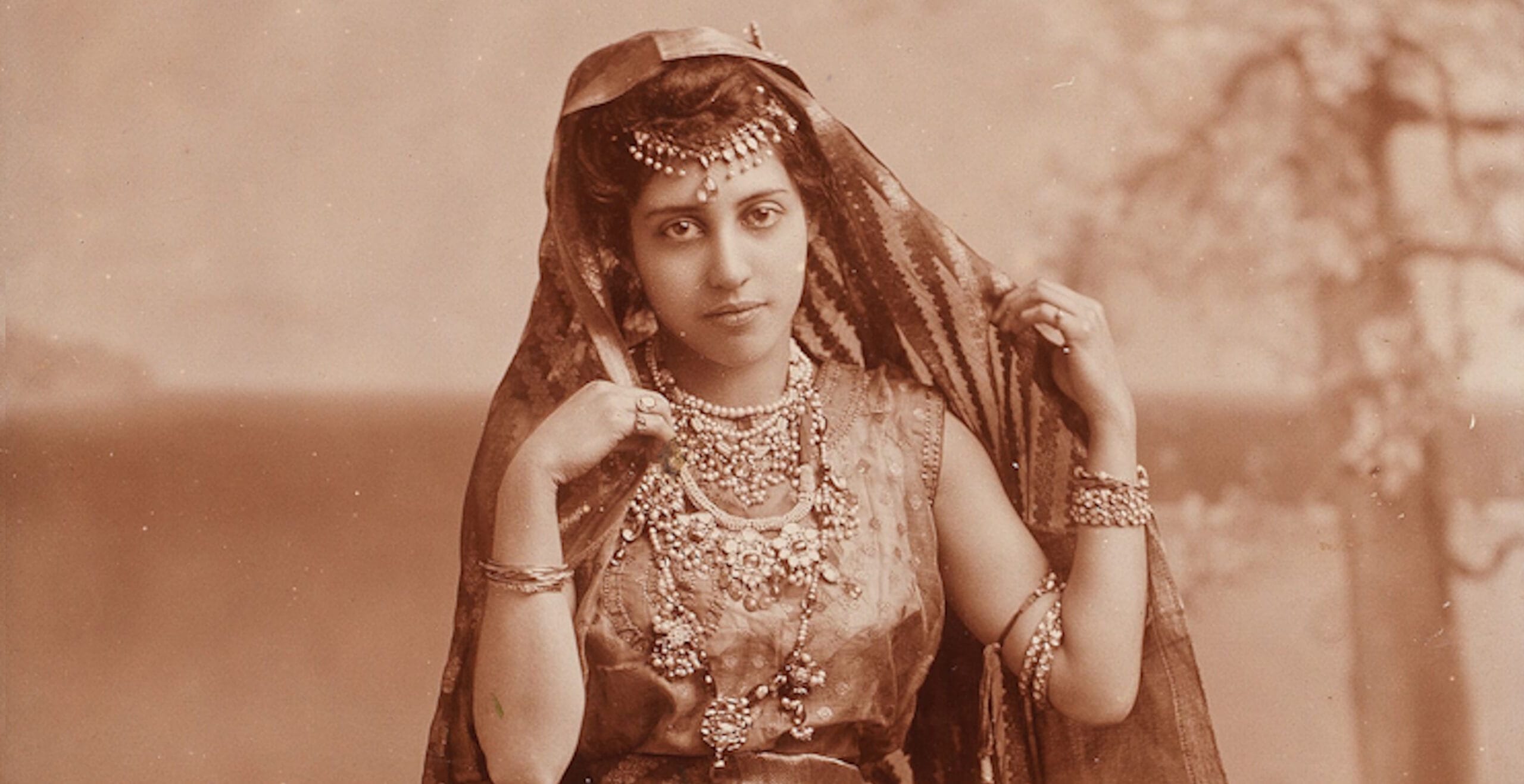
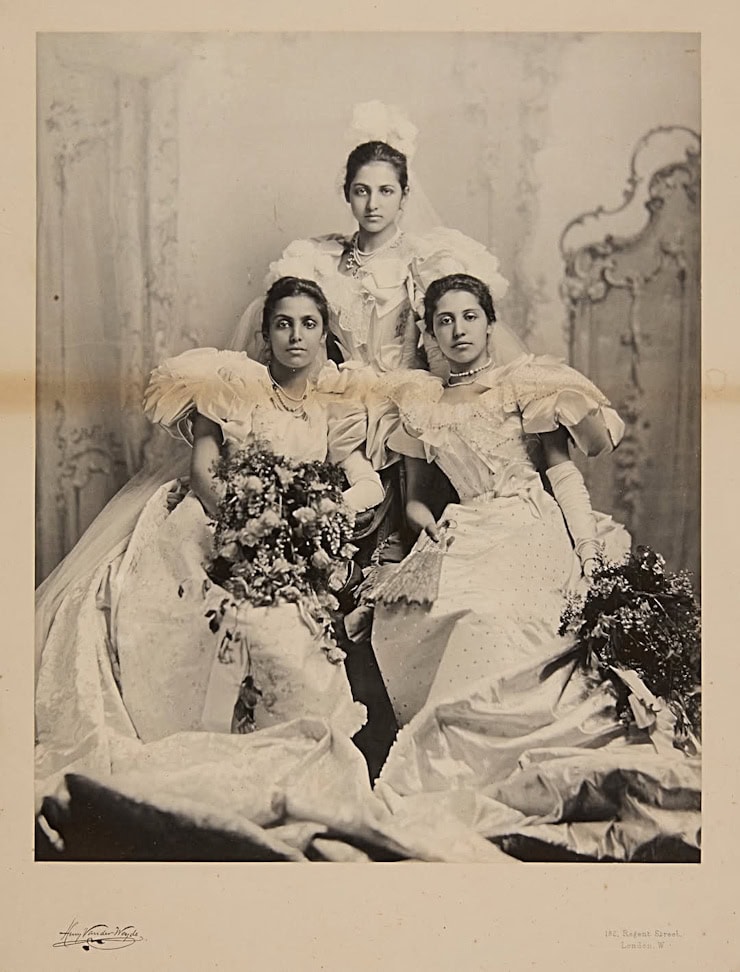
Sophia Jindan Alexandrovna Duleep Singh was born on 8th August 1876, the third daughter of the last ruler of the Sikh Empire and his first wife, Bamba Müller. On her mother’s side, Sophia was the descendant of a German banker and his mistress, who was of Abyssinian descent. She was from a large family and remained close to her siblings throughout her life, particularly her two full sisters. The Singh family were a multicultural family, and Sophia was given names to represent and honour this mixed heritage.
Her family’s future in India became inextricably tied to the burgeoning interests of Britain’s imperial ambitions.
Sophia grew to become a headstrong woman finding her feet in society, gradually moving away from the gilded lifestyle of her youth to the life of a grass-roots activist, drawing attention to the plight of women, Indian soldiers in the army and more broadly, British rule in India.
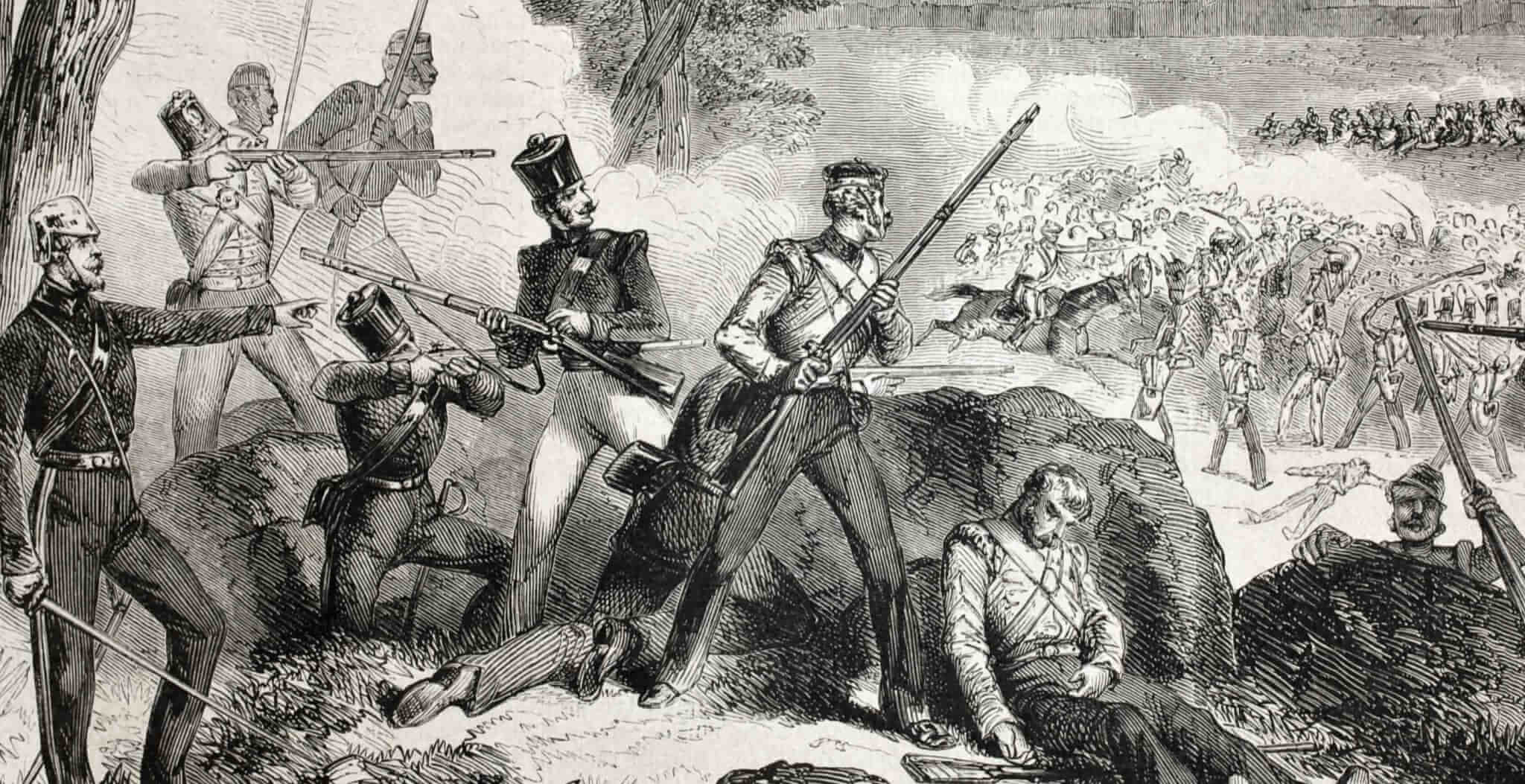
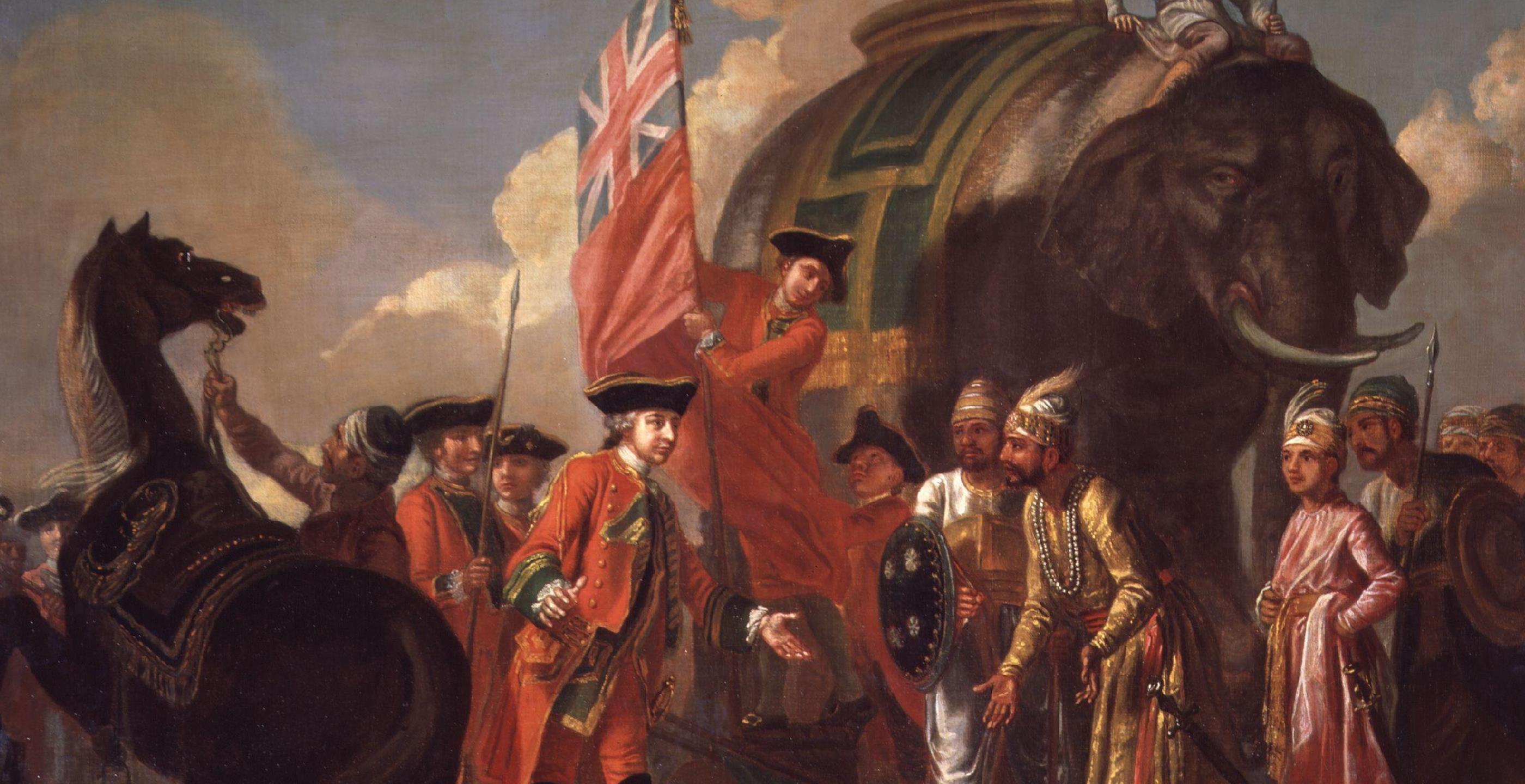
Her father lost his inherited Sikh empire when he was eleven, forced to abdicate after the Second Anglo-Sikh War and cede his kingdom to the East India Company (EIC). Moreover, he was also forced to hand over the Koh-I-Noor diamond to Lord Dalhousie, a diamond which now forms part of the British Royal Crown and has notably become a source of contention.
Her father was taken into the care of Sir John Login and his family, prevented from seeing his mother who was incarcerated and exiled by the British government. He was subsequently given a residence in the north-west of the Punjab, however the Sikh Empire had been seized by the British and was now in the control of the East India Company (EIC).
Following this shift in power, four years later he was exiled from India and moved to England.
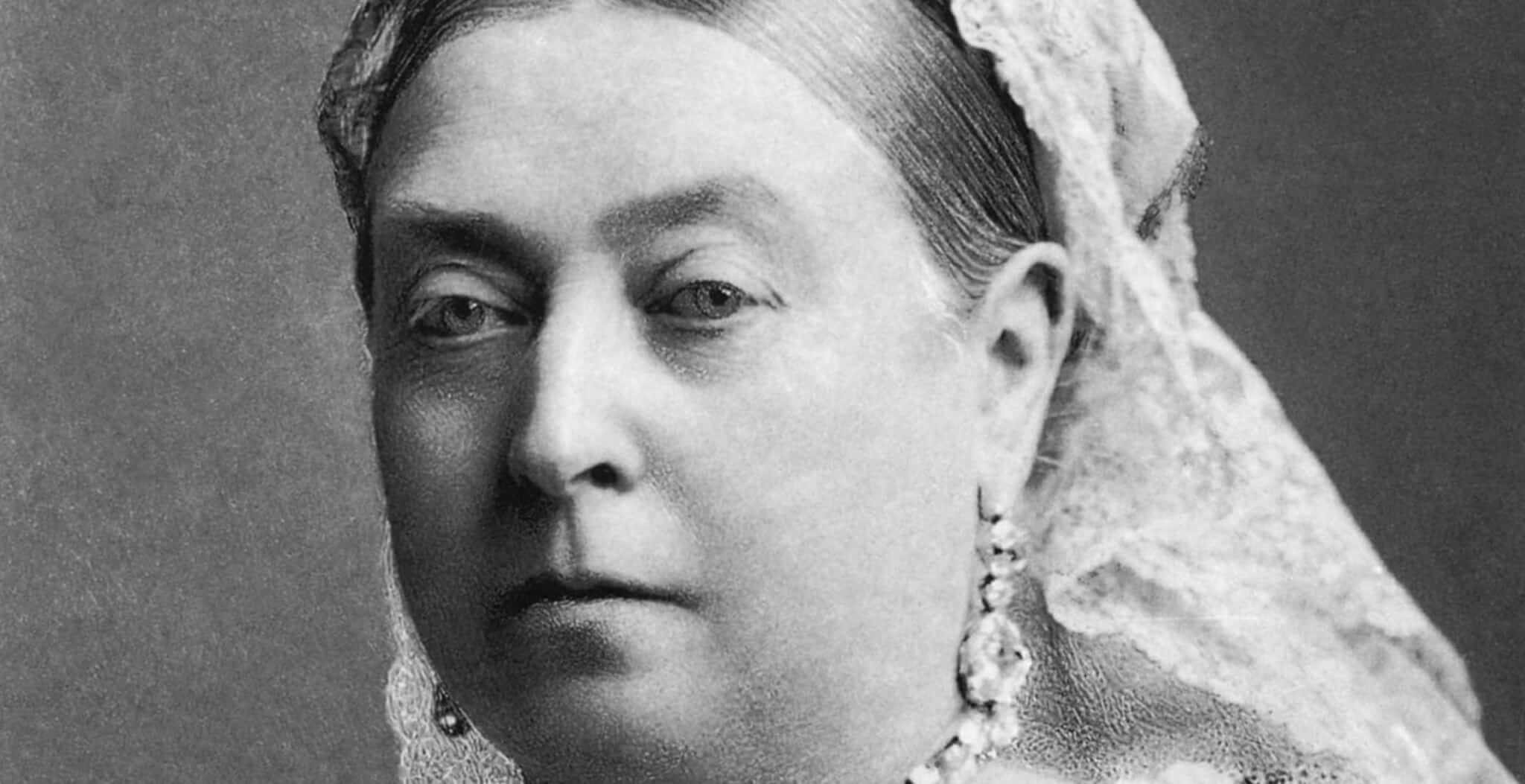
Queen Victoria and Prince Albert subsequently welcomed the young royal into their lives, impressed by his regal charm and good looks, allowing them to form a closer relationship over the coming years.
After meeting his wife on a trip to Egypt, he went on to have a large family, with many of his children becoming the godchildren of Queen Victoria.
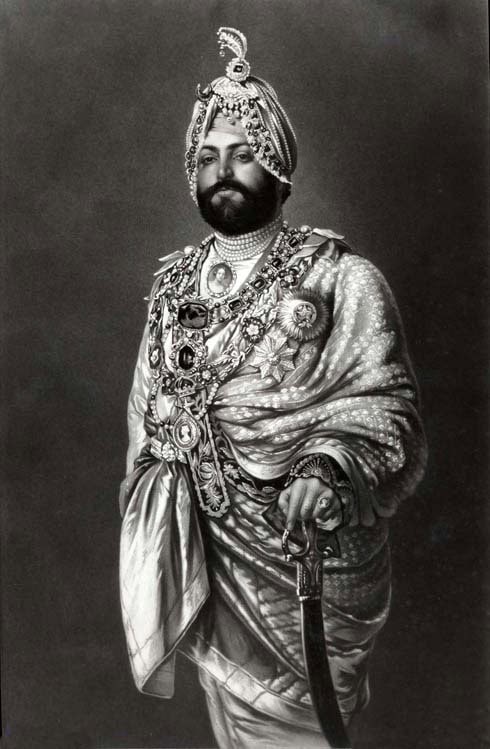
Sophia and her siblings lived their early years at the lavish Elveden Hall in Suffolk, where they were immersed in a stereotypical aristocratic lifestyle. Her father redesigned the home in an oriental style with lavish textiles and furnishings and with exotic birds allowed to roam the extensive gardens.
Sadly, much of his annual £25,000 income provided by the government was spent on the running of Elveden Hall and he soon ran up substantial debts forcing him to sell his beloved property. He was at this point determined to return to India and reclaim what was rightfully his, however the government intercepted him and his family en route and he only travelled as far as Yemen before being forced to send his wife and children back to England.
The Maharajah had been drawing criticism for his extravagant lifestyle, his attitude towards the British government as well as his personal treatment of his wife and children.
Whilst his family settled back in England, he journeyed to Paris and joined his mistress, Ada Weatherill.
Not long afterwards, Bamba Müller passed away after nursing her daughter Sophia who was suffering from typhoid at the time.
After her death, the children were taken into the home of the Maharajah’s equerry, Arthur Craigie Oliphant, who welcomed them to his family home in Folkestone before sending the children to boarding school.
Unfortunately, further tragedy followed when Sophia’s beloved younger brother Edward passed away from pneumonia. Her father, who was in Paris, was also gravely ill and died six months later. After the death of her father, Sophia and her siblings inherited a substantial sum which allowed them to pursue independent lifestyles.
Despite her father falling out of favour in Britain, Queen Victoria remained fond of her godchildren and in May 1895, Sophia and her sisters were presented at court and referred to as princesses.
Moreover, the sisters were given Faraday House, a large home, considered to be a grace and favour ‘apartment’ in Hampton Court.
Sophia was a young woman with many interests, hobbies, and energy. She was enthusiastic about a variety of sports, music, photography and well-known as a lover of animals, in particular dogs.
Seven years later, a new monarch took to the throne and prompted a significant journey for the sisters, who travelled back to their homeland of India.

Under the auspices of Edward VII’s coronation celebrations, although they were not formally included in the festivities, the sisters arrived in Delhi before journeying north to Lahore. Treated with contempt by British officials, they were however made welcome by Harnam Singh, who was uncle to the Maharajah of Kapurthala.
Whilst raised in a typically English aristocratic environment, Sophia had a strong and enduring bond with her homeland of India and involved herself in the local Sikh community in London.
Upon her return to England, she began a lifetime of campaigning, beginning with her first fund-raising ambition focused on the plight of Indian seamen she had observed at Lahore. Subsequently, she raised money for their welfare which contributed to the creation of a club for them at the Victoria Docks.
On a second visit to India in 1907, Sophia met more relatives and became acquainted with the loss endured by her family after surrendering to the demands of the EIC.
Sophia witnessed firsthand abject poverty and the growing independence movement from its grassroots level. Her experiences and the optics of British-controlled India pivoted Sophia’s mindset as she turned against British control and would remain dedicated to activism thereafter.
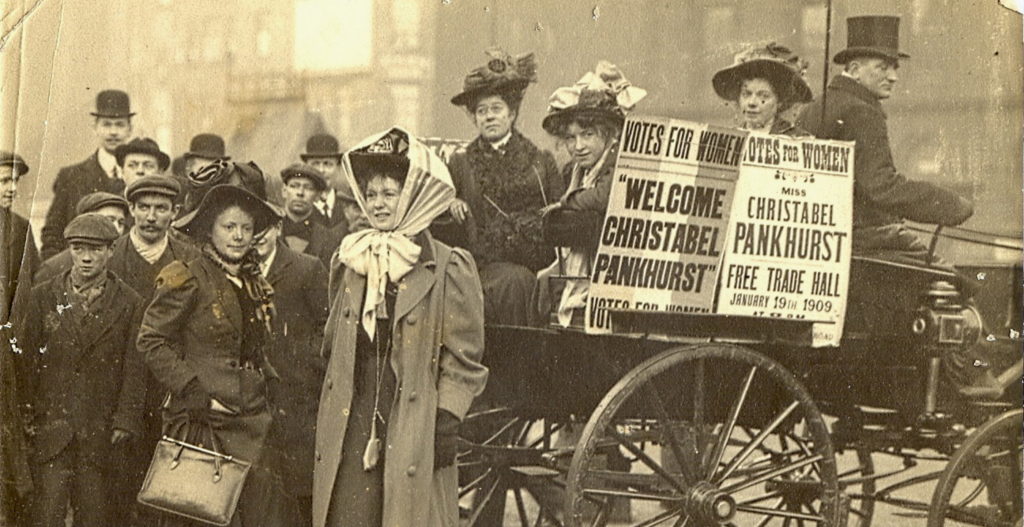
Back in London, Sophia began to meet like-minded people who were dedicated to raising awareness for their causes. One in particular peaked Sophia’s interest when in 1908, she met Una Dugdale who was a member of the Women’s Social and Political Union (WSPU).
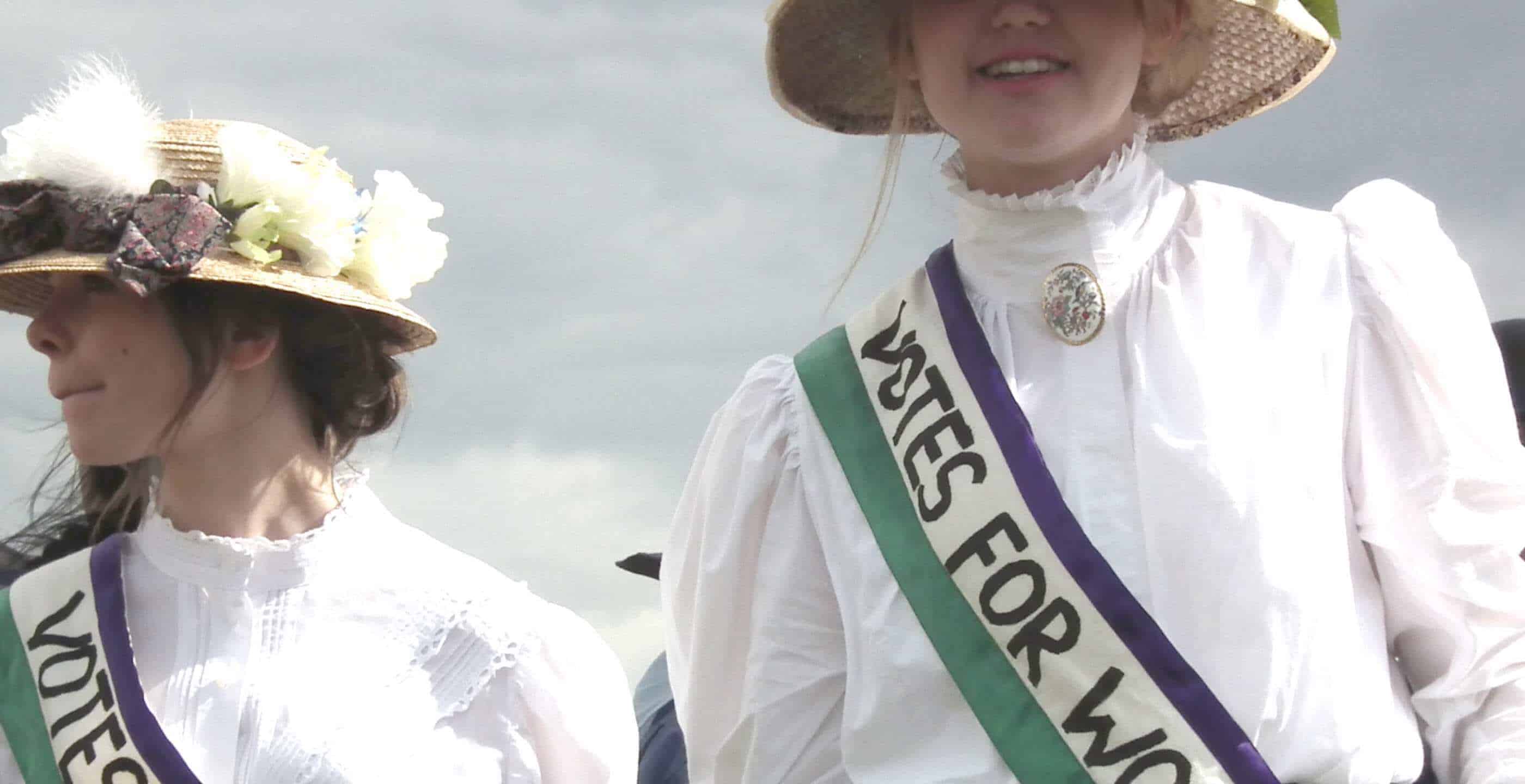
This chance meeting sparked off a lifetime’s work of activism for the suffragette cause, as Sophia became acquainted with her local WSPU branch in Kingston upon Thames.
Initially cautious in public speaking, in the early years of her activism Sophia remained a visible but quieter figure in the group, however she grew in confidence and in time led numerous meetings.
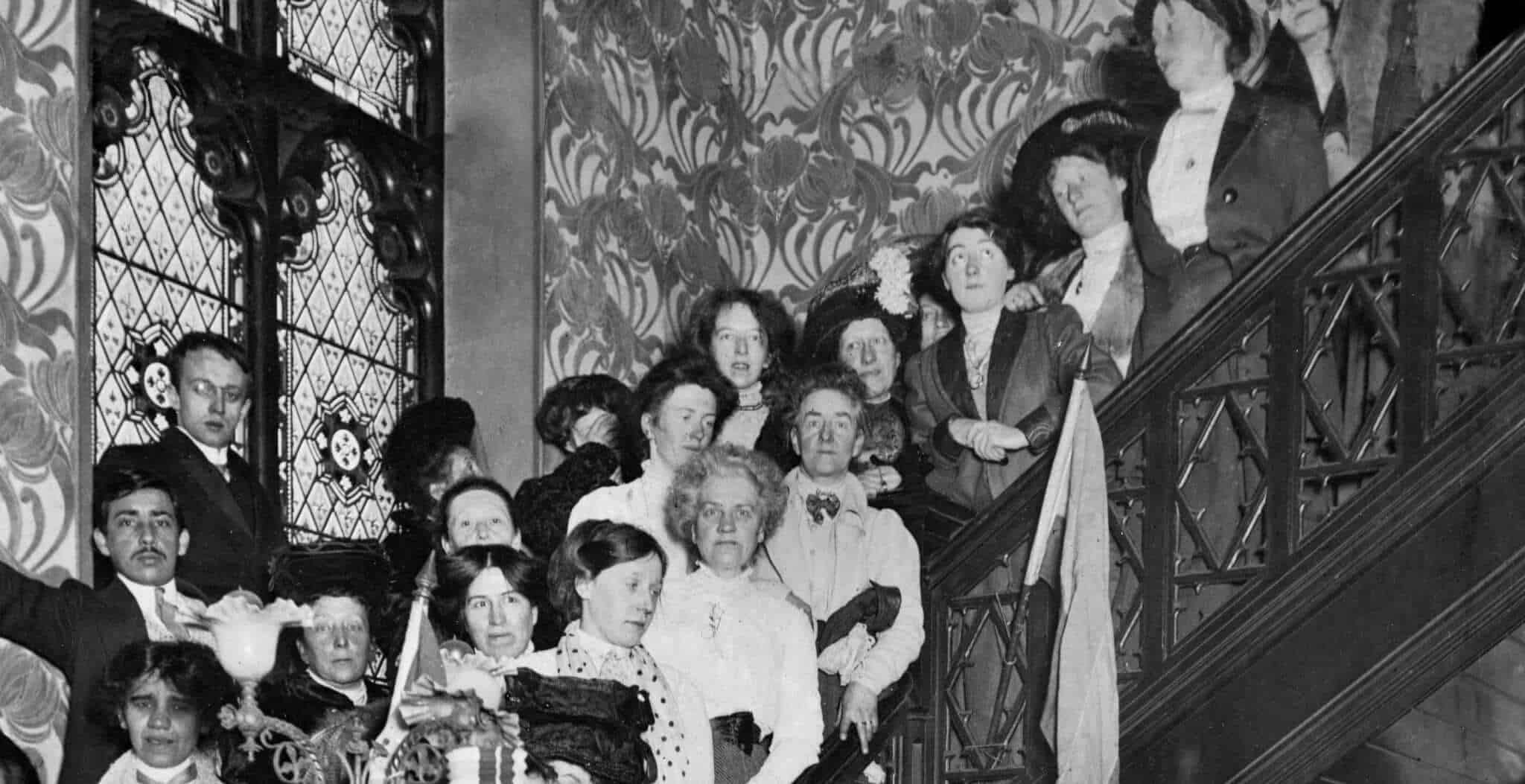
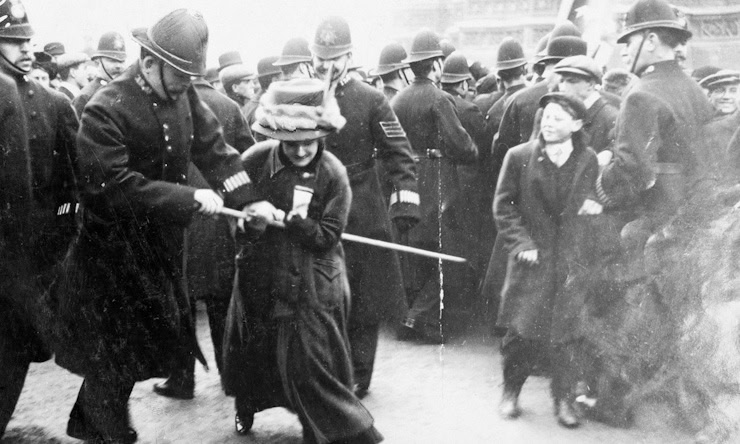
On 18th November 1910 the suffragettes, including Sophia, gathered at Westminster for a demonstration with around 300 other women against Prime Minister Asquith’s refusal to grant the Conciliation Bill any more time in parliament.
The women marched to the Houses of Parliament however in response, lines of police supported by members of the public lined up in opposition. The day became known as ‘Black Friday,’ earning its name from the violence meted out to protesters, some of it sexual, by the Metropolitan Police and male bystanders.
Undeterred, Sophia and her campaigners continued fighting, prompting her to join the group known as the Women’s Tax Resistance League (WTRL), promoting refusal to pay tax without being granted political representation.
In 1911, Sophia had one of her diamond rings impounded in response to non-payment of tax, however, a fellow WTRL member bought it at auction and returned it to a grateful Sophia. Two years later, for the same reason, Sophia found herself on the receiving end of legal proceedings, forced to appear at Feltham police court for tax refusal. Her long-term London residence known as Faraday House was famously raided by bailiffs as part of her resistance movement.
Sophia also participated in the boycott of the 1911 census and was well-known as a distributor of leaflets and the newspaper ‘The Suffragette’ on the streets of London.
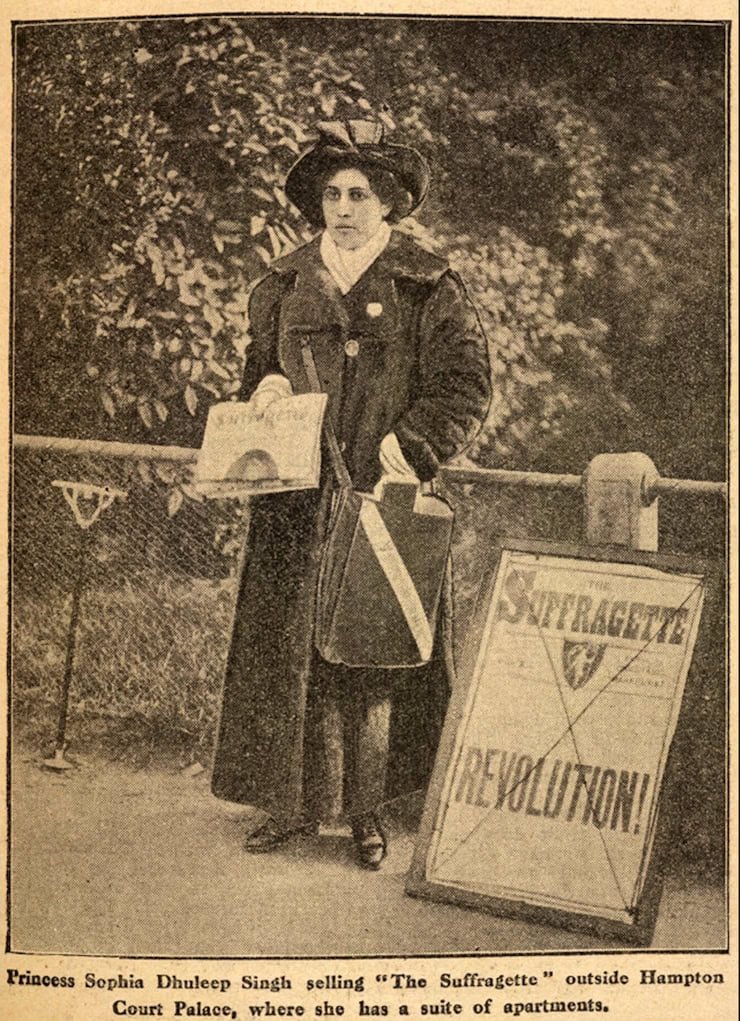
In response to her continued activism, a vexed King George V was purported to have said, ‘Have we no hold on her?’ reflecting a change in dynamics between the Singh family and the royal household.
As the tactics of the WSPU became increasingly combative and violent, Sophia remained undeterred, realising that change was not possible without a great demonstration of public will.
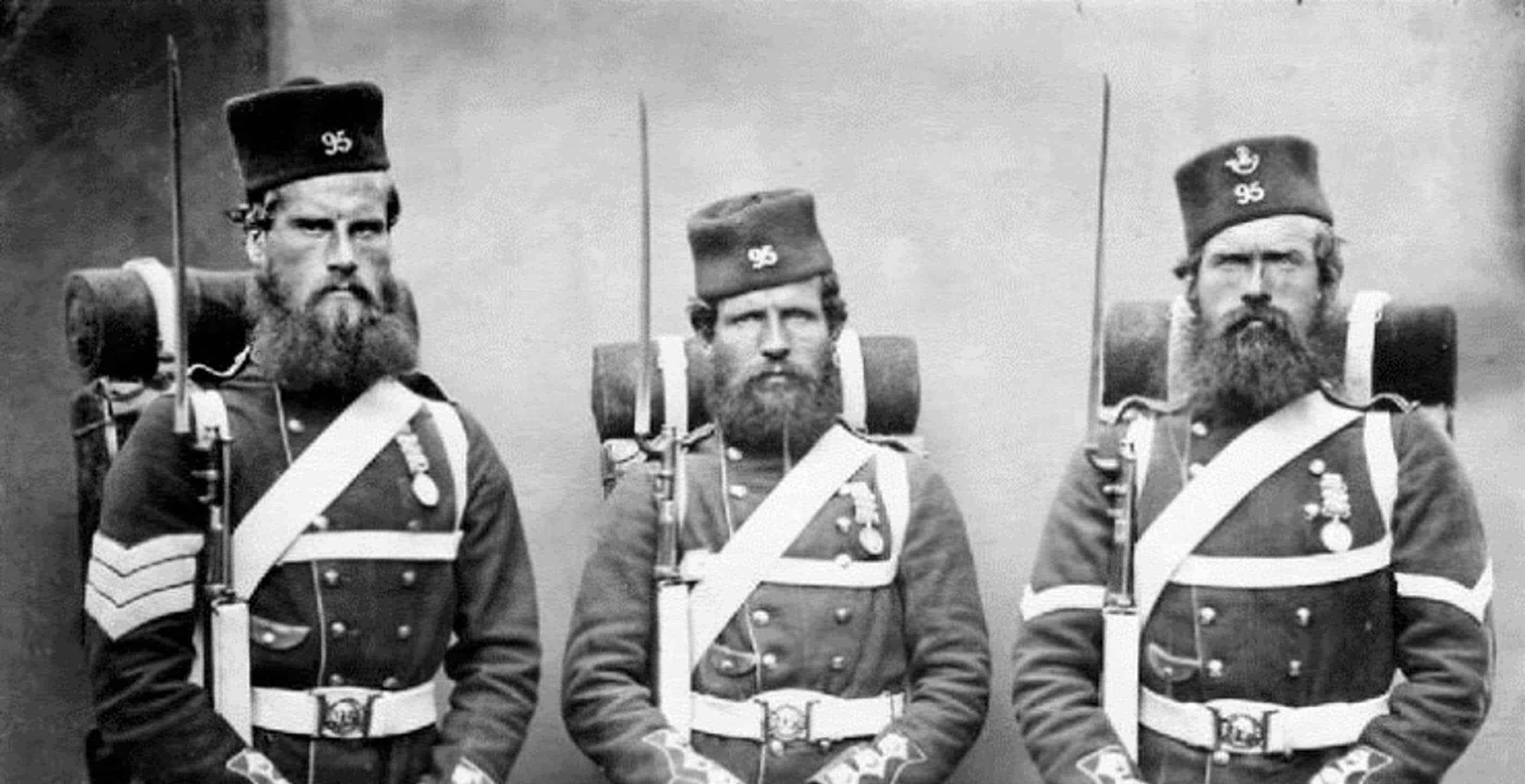
By 1914, however everything changed. The outbreak of the First World War brought an abrupt halt to campaigning by the WSPU, as the war effort required the input of both men and women alike.
Sophia volunteered her services as a Red Cross nurse caring for Sikh soldiers and raised funds to contribute to the Indian soldiers’ welfare funds. The success she garnered through this fundraising endeavour led her to hold regular collections and by the end of the war, the charitable donations amounted to 50,000 huts for sepoys.
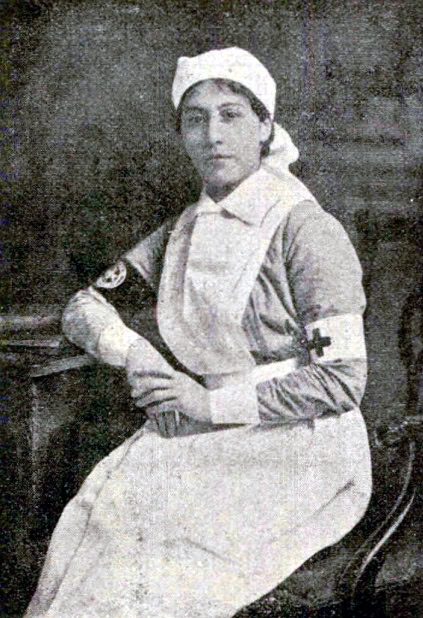
As the war concluded, social changes were afoot and in the same year, the Representation of the People Act was introduced, allowing women over the age of 30 to vote.
In the following years, Sophia continued to campaign, realising her work was far from over and even took the fight back to India which she visited again in 1924, where throngs of crowds gathered to see Sophia and her sisters. During her visit she wore a badge which promoted women’s suffrage, thus seeing the cause transported to India.
Later, Sophia joined the Suffragette Fellowship which had been founded in 1926 to safeguard the memory and achievements of the women’s suffrage movement.
In 1928, further gains were made when the Equal Franchise Act was given royal assent allowing women over the age of 21 to vote. Another substantial victory that Sophia and her fellow campaigners could boast of after years of relentless activism.
With the outbreak of the Second World War, Sophia and her sister Catherine opened their homes to evacuees as well as Jewish refugees, such as the Chopin family who stayed at Faraday House.
After years of campaigning, Sophia passed away at the age of 71, leaving a great legacy and lifetime’s work dedicated towards activism and women’s rights. Her final resting place was in India where her ashes were taken, returning to her family’s homeland and place of her ancestors.
Jessica Brain is a freelance writer specialising in history. Based in Kent and a lover of all things historical.
Published: 26th May 2026.