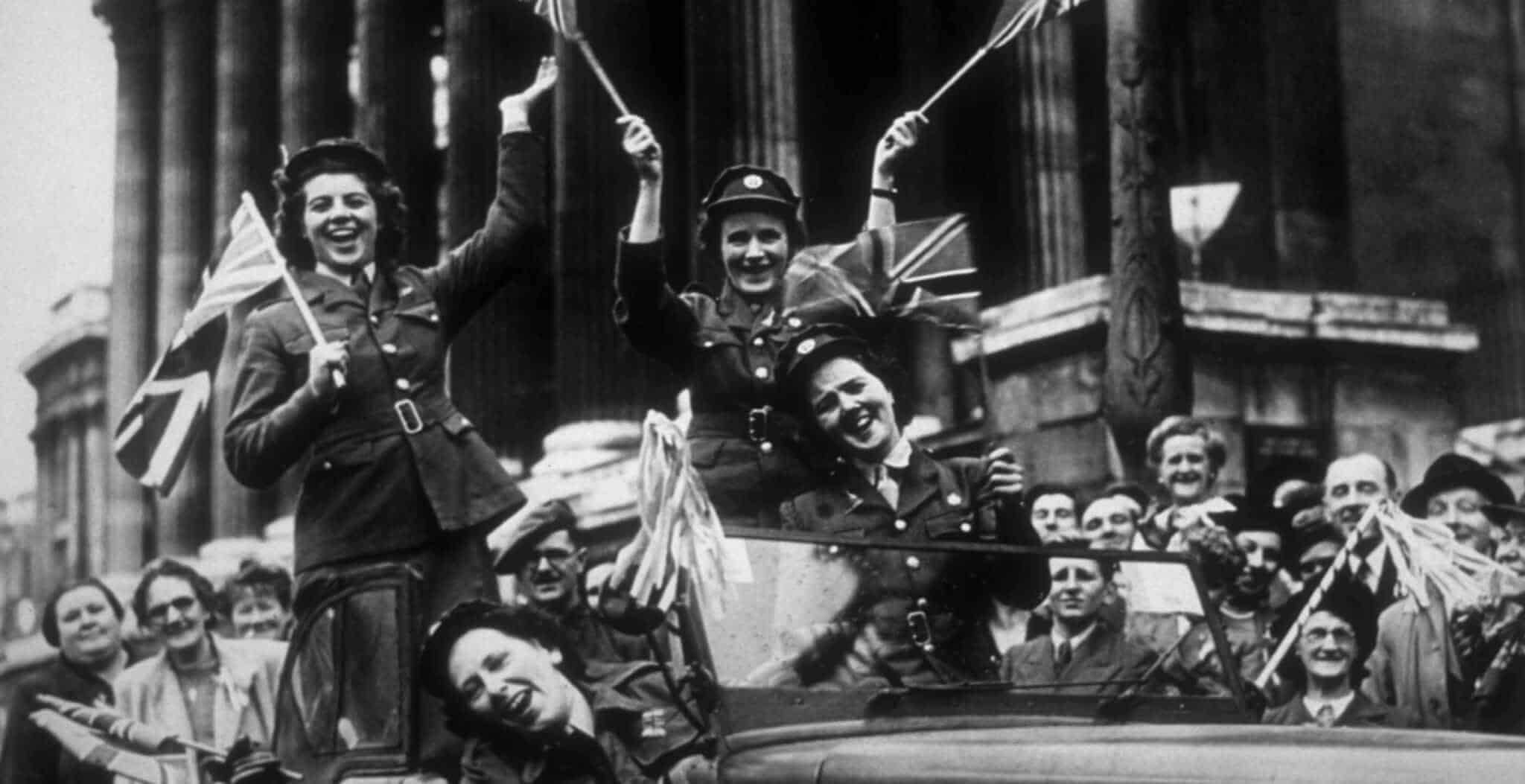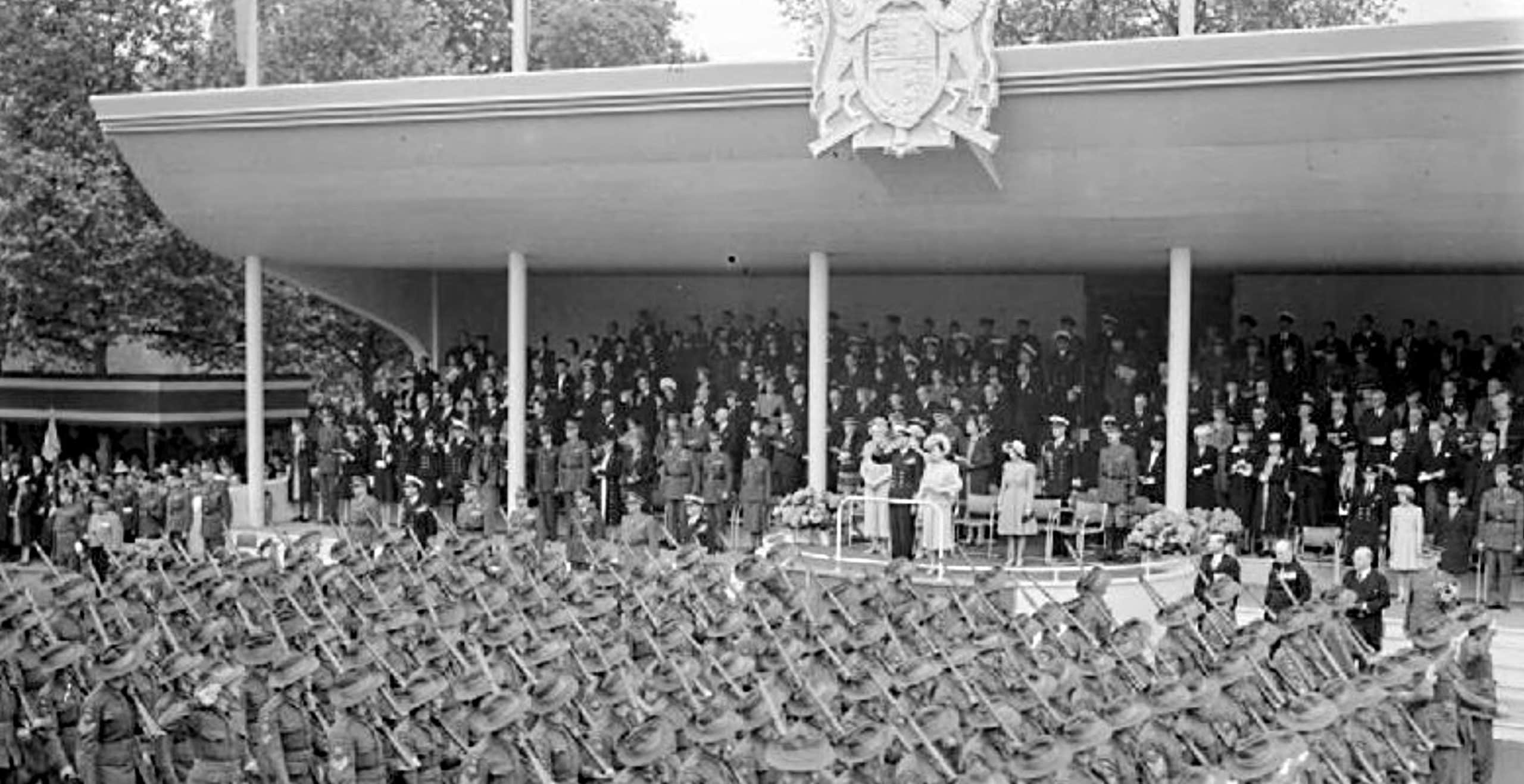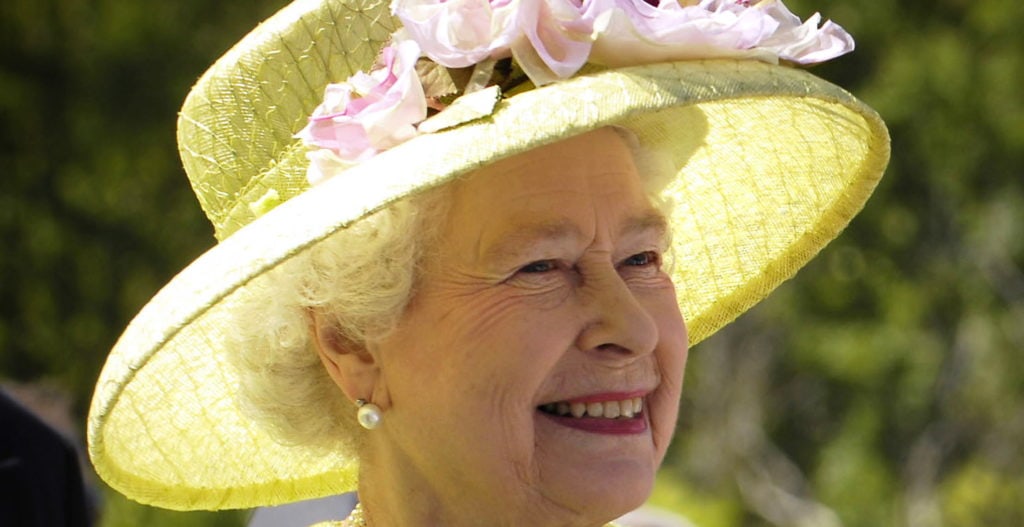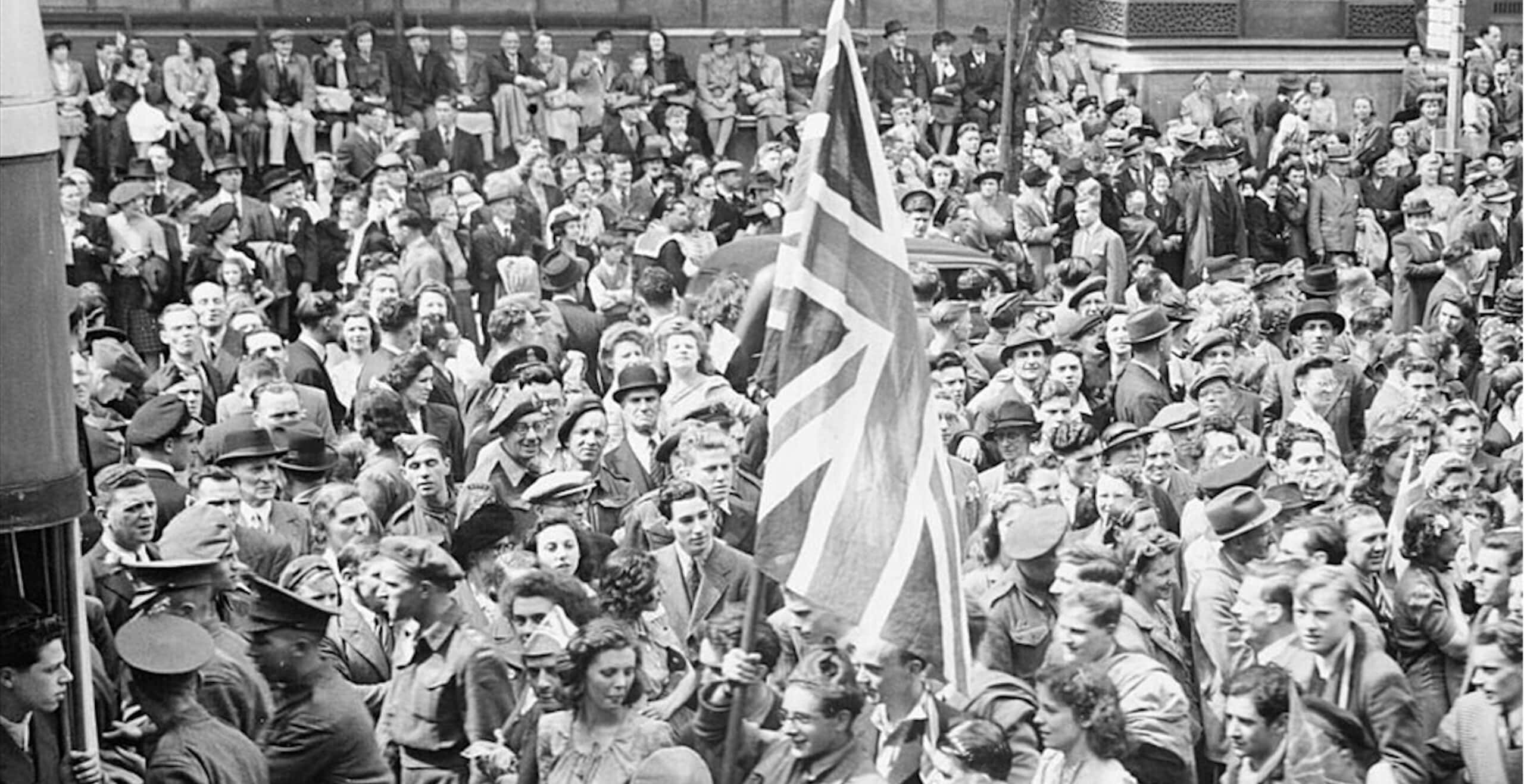


On 8th May 1945 the day had finally come, a day of celebration, commemoration and most importantly, victory. For this reason it became known as V.E. Day (Victory in Europe), finally bringing the Second World War to a close. It was also a day when Queen Elizabeth herself, in a rare and once in a lifetime event, could join in the festivities and with her sister and small royal entourage, could be incognito for the day.
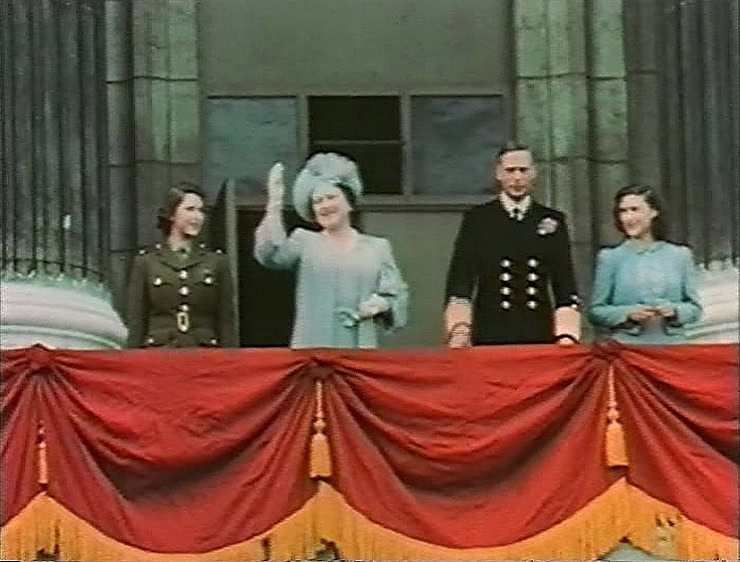
Thousands of people took to the streets of London in wave of spontaneous euphoria. Many gathered outside Buckingham Palace where King George VI made what would become one of many appearances on the balcony, alongside his wife and two daughters. Princess Elizabeth (the future Queen Elizabeth II) appeared on the balcony wearing the uniform of the Auxiliary Territorial Service (ATS).
The future queen had been only thirteen years old when the war broke out in September 1939 and like many children living in London, was evacuated. Whilst she and her sister had been sent to the safety of Windsor Castle, around twenty miles outside of London, the young princesses were acutely aware of the war and its impact.
On 13th October 1940, Princess Elizabeth gave her first address on the radio from the drawing room of Windsor Castle. This would mark her first formal involvement in the war effort and the important role the monarchy would serve in boosting morale during this time.
As the war progressed, Princess Elizabeth continued to participate in important messaging such as the government’s ‘Dig for Victory’ campaign where she was photographed in the allotments at Windsor Castle.
Aged sixteen, she undertook her first military role, inspecting the regiment during a parade and was given an honorary role as colonel of the Grenadier Guards.
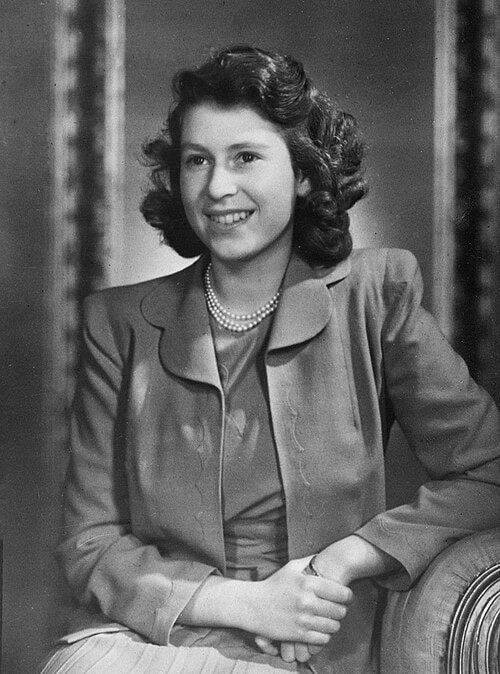
In 1944, now eighteen years old, she requested to join the Auxiliary Territorial Service where she started as a second subaltern and was later promoted to Junior Commander.
By March 1945, Princess Elizabeth was training as a mechanic and qualified in her course for driving and vehicle maintenance. She was one of many thousands of members of the ATS from across the British Empire fulfilling important roles on the home front.
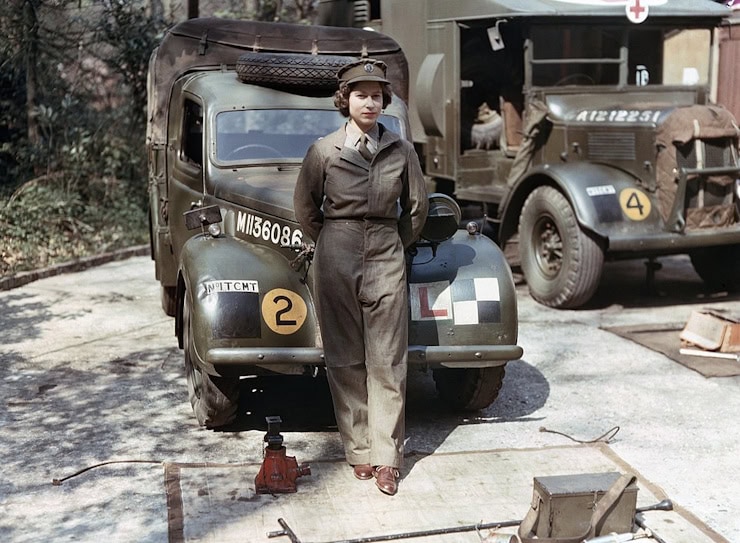
Her participation in the service was a momentous step, for she was the first woman in the Royal Family to have served as an active full-time member of the Armed Forces. Famously photographed learning to repair and maintain vehicles, Princess Elizabeth and the rest of the family proved the importance of participating in the war effort and sharing in the collective responsibility whilst men fought bravely overseas.
Whilst the balcony appearance of the Royal Family on V.E. Day garnered a great deal of coverage, perhaps more telling was the celebration which continued.
Not wanting to miss out on the action, the two young princesses asked their parents if they could join the crowds despite the fear of recognition, thus allowing them to take part in this once in a lifetime occasion. Aged just nineteen and fourteen respectively, the warm and convivial memories of being surrounded by the crowds which had amassed in London was something which would be cherished by the future queen for the rest of her life.
Wearing her uniform helped Princess Elizabeth blend in to the crowds and become one of the many sea of faces watching and cheering as the King and Queen reappeared on the balcony.
In a party of around sixteen people, Princess Elizabeth and Margaret, along with close confidantes such as Margaret Rhodes who was their first cousin and future lady-in-waiting, joined in the festivities and marvelled at the chance to be among the many thousands of people celebrating the end of the war. Included in the royal entourage was Jean Woodroffe, Lord Porchester and Peter Townsend who was later associated romantically with Princess Margaret.
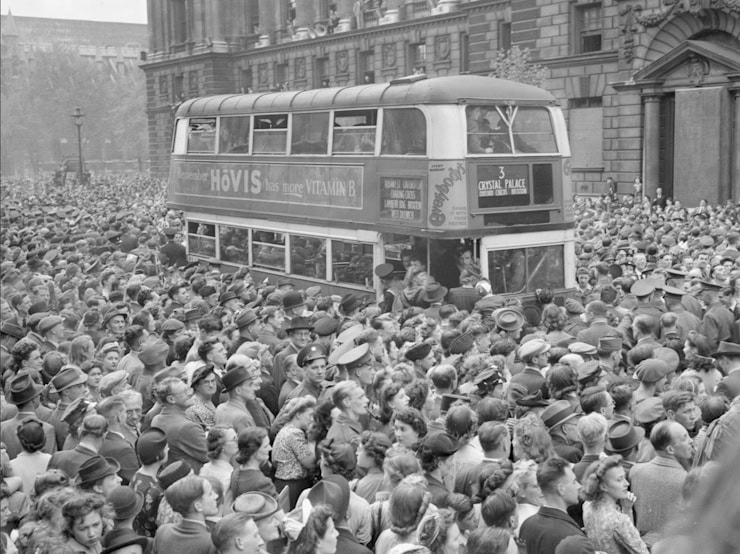
In a recollection from Queen Elizabeth herself many decades later, she recalled the lines of people she passed all linking arms and ‘swept up in a tide of happiness and relief’. Queen Elizabeth also recalled attempting to remain unrecognised by pulling her cap down over her face, however a Grenadier in their party promptly corrected her and told her that all officers must dress correctly in his presence.
After spending several hours out on the streets of London, the royal party ended the day at the Ritz Hotel in Piccadilly. Margaret Rhodes herself remembering the rather amusing anecdote surrounding the conga procession that was formed in the entrance of the hotel, much to the shock of the older and more sedate crowd frequenting the Ritz.
The journey back home took the young princesses back through the Royal Parks such as Green Park and St James’s where people were celebrating, holding hands and embracing, walking through London whilst enjoying the night sky in a way that could not have been done for the last five years. At midnight a crowd of thousands descended on the Mall and greeted the King and Queen, who granted another appearance after the princesses had sent a message to the palace saying that they were outside and waiting for them.
This would conclude an extraordinary day and night’s events as Victory in Europe was celebrated across the continent, commemorating the defeat of Nazi Germany and the triumph of the Allied forces against the greatest threat to democracy the world had ever seen.
Unsurprisingly, in an interview from 1985, Queen Elizabeth looked back on the day with fond memories describing it as ‘one of the most memorable nights of my life’. A sentiment shared by many others who celebrated VE Day in the busy streets of London and the thousands more who breathed a sigh of relief knowing that the Second World War was finally over.
Jessica Brain is a freelance writer specialising in history. Based in Kent and a lover of all things historical.
Published: 5th May 2026.