Culture UK
Who are the British? Do they really drink tea, eat roast beef and Yorkshire pudding and never leave home without an umbrella? Find out more about true Brits; past and present, myth and legend, fact and fiction.
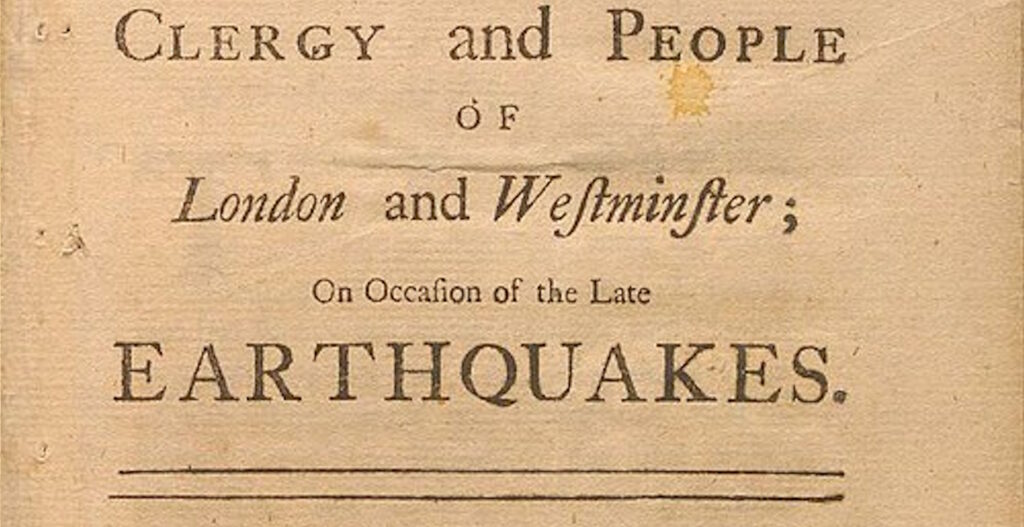
When London shook: Elizabethan and Georgian earthquakes
Two earthquakes shook London in early 1750. Then a third was predicted. Cue thousands of Londoners fleeing the city in panic, women clutching their ‘earthquake gowns’…
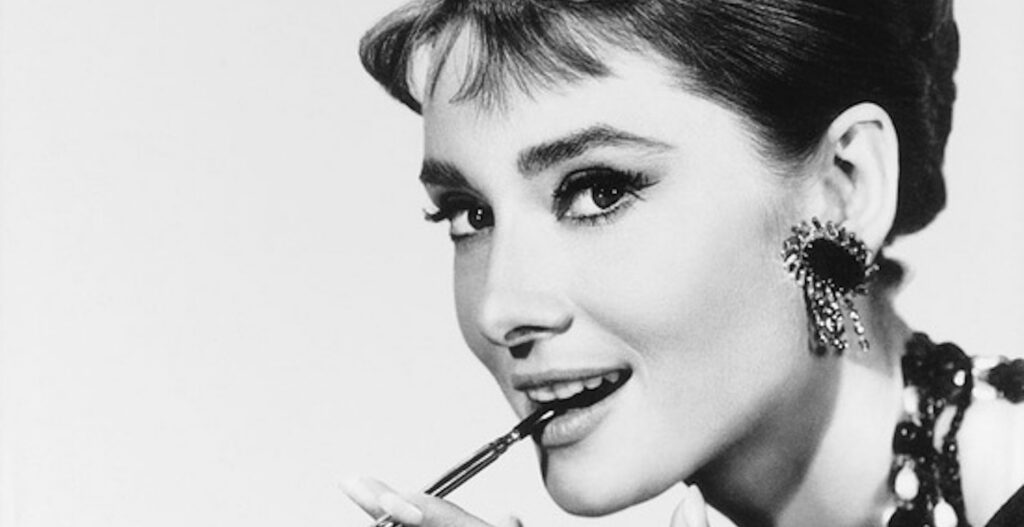
Defined by war: Audrey Hepburn’s early years
Audrey Hepburn’s name evokes the glamour and elegance of the golden age of cinema in the 1950s. Yet her childhood and adolescence were shaped by the harsh realities of Nazi occupation, starvation, and the devastation of war.
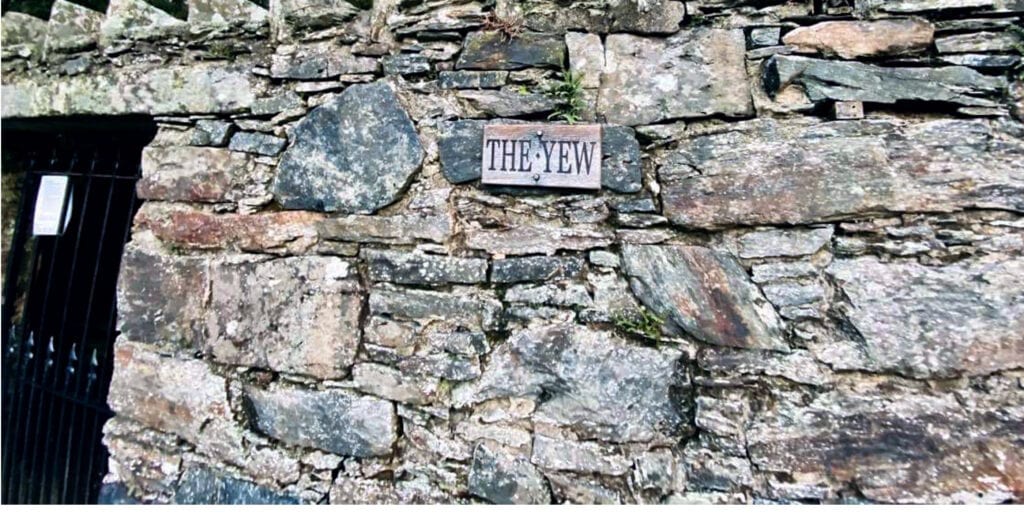
The Common Yew
Worshipped by the Druids for its longevity, the Common Yew is typically found in churchyards, its soft wood used over centuries for the longbows that defined medieval warfare. Its Latin name however warns us of its toxicity: ‘Taxus baccata’ translates as ‘toxic tree with berries’…
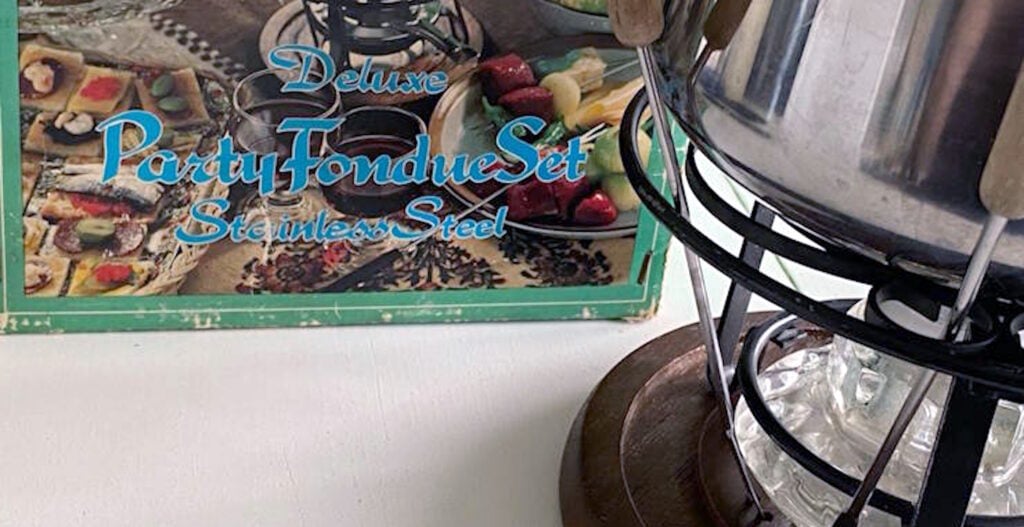
The Dinner Party – 1970s Style
In the 1950s and early 60s, entertaining at home had meant a cocktail party with nibbles rather than a sit down meal. A decade later, with a mortgage to pay and money a little tighter than before, for many couples the dinner party was an ideal way to socialise…
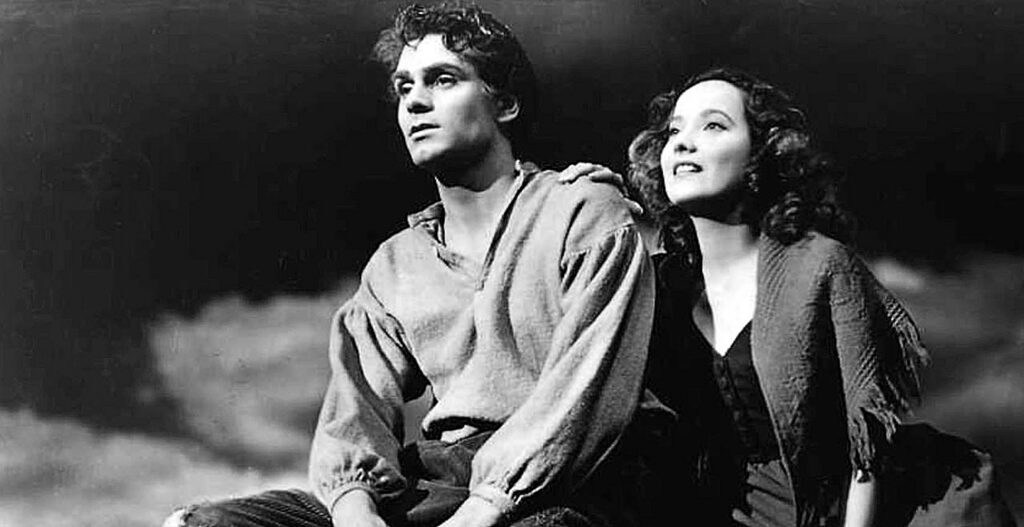
Inspirations Behind Wuthering Heights
Wuthering Heights is the story of the doomed love between Heathcliff and Catherine Earnshaw, a tale of passion and violence. First published in December 1847 under the pseudonym Ellis Bell, it was astonishing to discover that the novel was actually written by a parson’s daughter, who lived on the edge of the wild and remote Yorkshire Moors.
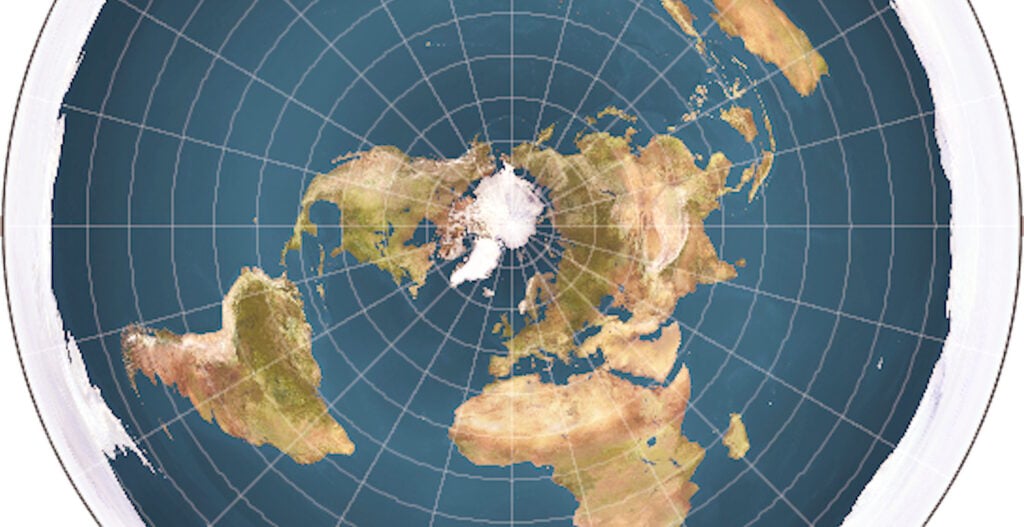
Bedford Level Experiment – Flat-Earthers in the Fens
In January 1870, a challenge was issued: a man called John Hampden bet any scientist £500 that they couldn’t prove the Earth was round. The challenge was accepted by the naturalist Alfred Russell Wallace – and so it began…

Dangerous Toys of the 1950s and 1960s
The childhood of the 1950s and 1960s was very different from that of children today. Mostly left to their own devices, and aided and abetted by downright dangerous toys, what could go wrong? Yet for most, childhood was a wonderful time…
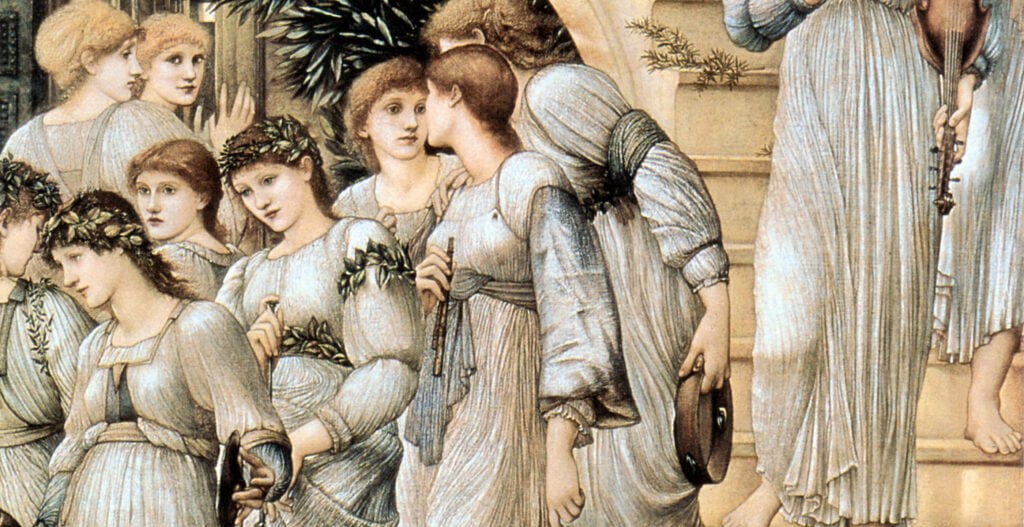
Lady Mary Lovelace
Artist, architect and writer, Lady Mary Lovelace was a passionate supporter of the Arts and Crafts Movement.
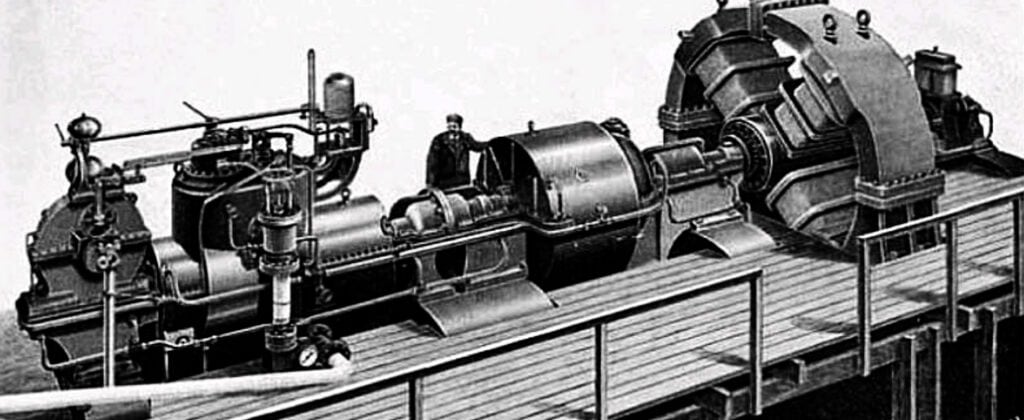
Sir Charles Parsons – the Man who Powered the World
Electricity: it is impossible to imagine the modern world without it. Simply turn the switch on and it works, but how is it generated? Well, that can be traced back to something called a steam turbine, invented by Charles Algernon Parsons back in 1884…