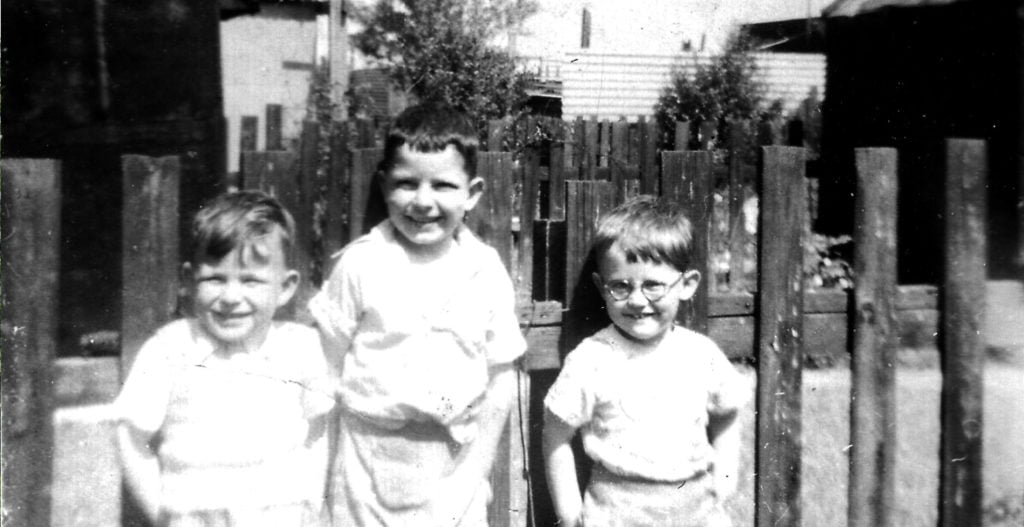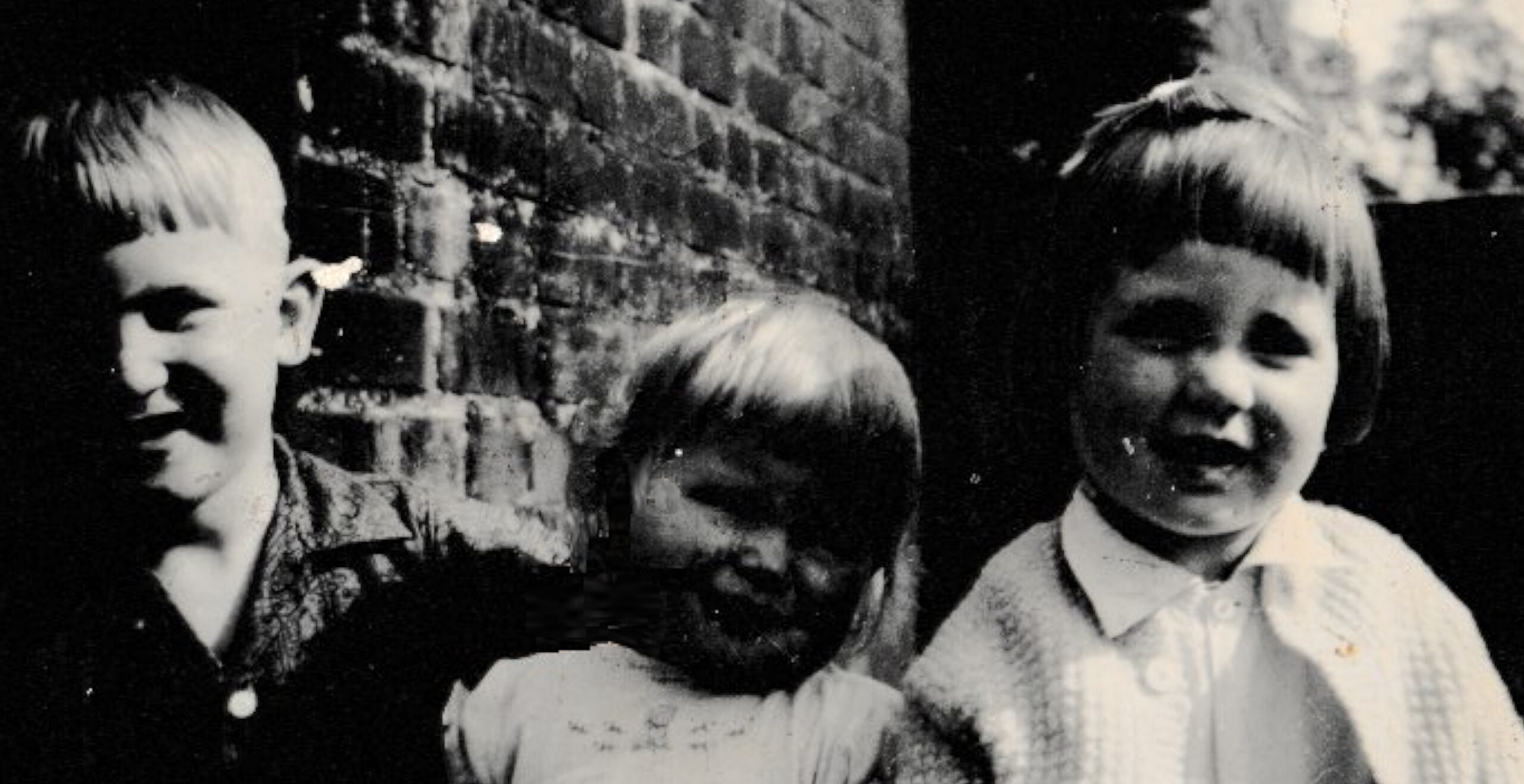


In this article we reminisce about the toys of yesteryear, the toys of the 1950s and 1960s.
Childhood in the 1950s and 1960s was one of freedom and exploration, especially when compared to that of children today. Children always played out-of-doors, weather permitting of course. And what games did they play, you may ask? Or as this article explores, what toys did they play with?
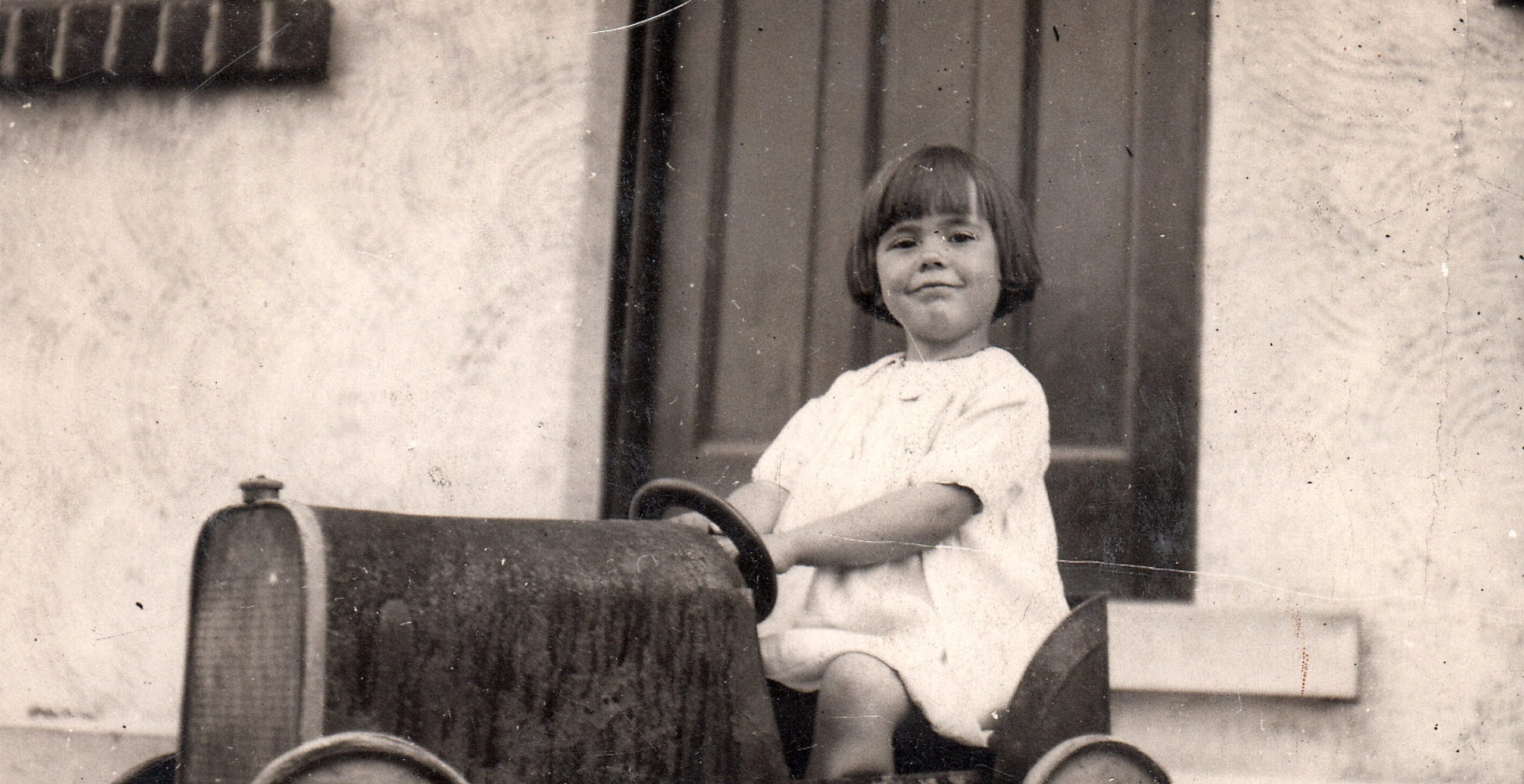
Children of the 1950s, 1960s and 1970s were mobile. They rode bikes and scooters, including the iconic chopper bikes, often cycling miles from home on the much less crowded roads of that era. Cue scrapped knees and bruises, especially when falling onto concrete or the road. But this was nothing compared to the potentially life-threatening homemade trolley or go cart! Handmade by kids from waste pieces of salvaged old wood, with wheels from ancient old prams and no brakes, what could possibly go wrong?
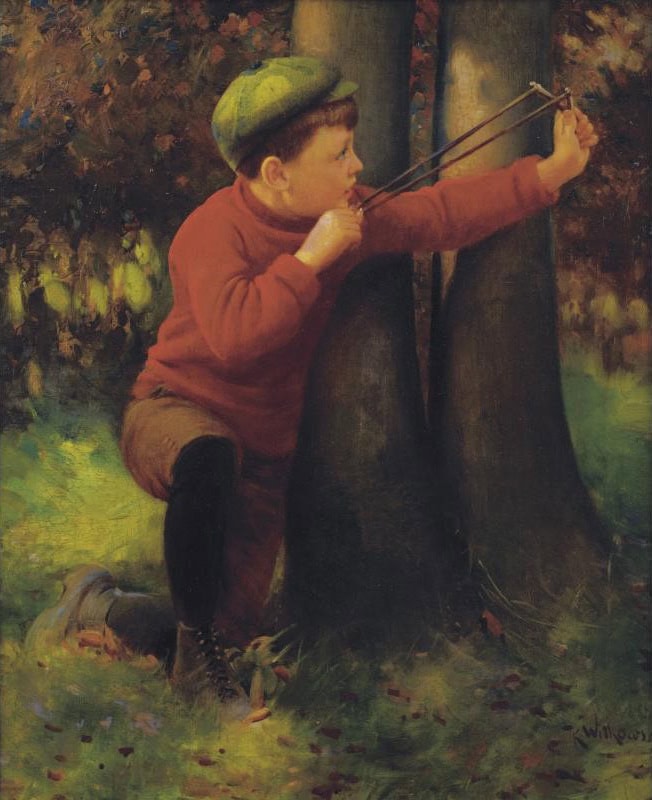
And then there were the weapons. Oh yes – weapons. Homemade catapults, ‘gats’, for example. A strong forked branch and 6 inches or so of thick elastic from your mother’s sewing basket made a quite formidable weapon when loaded with small stones. Or perhaps you had saved up your pocket money and bought a crossbow with metal bolt!
Then there were bows and arrows, perfect for playing ‘Cowboys and Indians’ as watched every Saturday morning at the ‘6d rush’ at the local cinema. Handmade or bought, these too were quite dangerous if aimed at friends in play, especially if the ends had been whittled to a sharp point with a Swiss army knife. More of those knives later.
Pea shooters sounded innocuous enough. They consisted of a pipe into which a child put a pea and then blew hard to launch it. This of course ran the huge risk of choking, should a child inhale instead of exhale when attempting to launch a pea through the tube. Possibly even deadly.
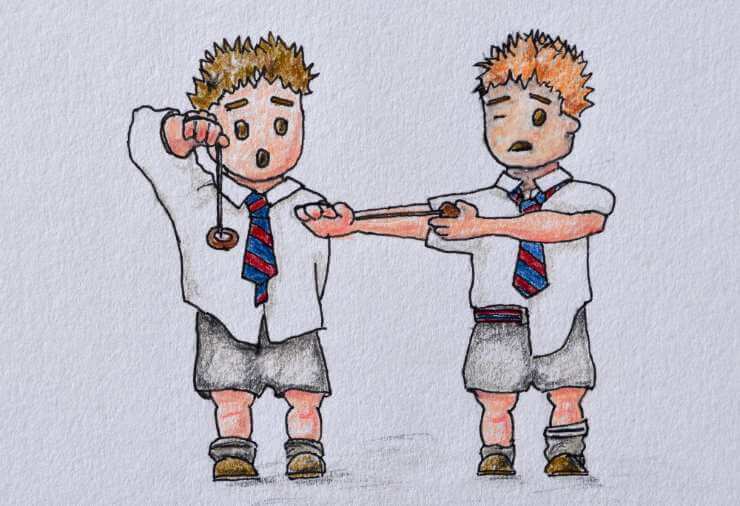
Then in autumn came the conkers – and often more visits to the hospital. A hole was drilled through the conker and then it was suspended on a string. Opponents faced each other; one held their conker straight on its string and the other attempted to hit it with theirs, hoping to destroy it. Of course, many times the conker was missed and then you had a fast projectile heading straight towards the opponent. Those things could really hurt, especially if the opponent’s conker had been tampered with. Such was conker rivalry in the playground, that in order to harden their conkers and increase the chance of victory, some children might have baked, steeped in vinegar or painted their conkers with nail varnish.
Educational toys would be fine, you would think. Not so. Chemistry sets of the 1950s and 1960s included all sorts of toxic and hazardous compounds, most of which are now banned. Some of the booklets that came with these kits even included helpful instructions on how to make an explosive mixture. Salter Science (later Merit) were based in Scotland. Their kits included a various number of chemicals, including iron filings, copper wire, magnesium ribbon, ammonium chloride, zinc dust, potassium nitrate (useful if making gunpowder), copper sulfate and much more. The kit also included, amongst other things, essentials such as goggles, test tubes and racks, and a methylated spirit burner to heat up the chemicals. Chemistry was never more fascinating! Often without adult supervision, many baby boomers remember hair-raising experiences when experiments didn’t go quite as expected – blowing up kitchens, garages and bedrooms, for example. However many eminent chemists at prestigious universities credit their childhood chemistry sets for ‘igniting’ their passion for science.
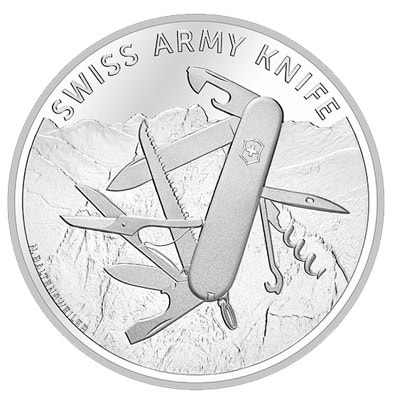
Back to that Swiss Army knife mentioned earlier. Often gifted to boys for their birthday or Christmas, by the age of 10 most boys had one. This ingenious piece of kit, when folded out, included a corkscrew, a bottle opener, nail file, can opener, small scissors – and a 2″ small knife. Essential when camping and ideal for whittling arrows to a sharp point and sharpening spears and pencils, amongst other things. Many older folk now sport a variety of scars on their hands from misusing this sharp little blade as a child! If you were a Boy Scout, for birthdays you were often given a sheath knife, a.k.a. Bowie knife. With this fine instrument you could whittle away to your heart’s content and help secure wood for the camp fire.
And then there were the guns. Let’s start with the least dangerous – the potato or spud gun. This was loaded by pushing the gun into a raw potato. Sounds innocuous but those things packed a punch – the potato projectile sped out when fired and could easily take out an eye or at least, leave a nasty bruise.
Moving up to pellet guns and air rifles. The pellet guns were highly realistic and perfect for playing James Bond or cowboys and indians. As for air rifles, so dangerous without adult supervision, these were mainly used to shoot tin can targets and the odd bird. All good preparation for the multitude of special forces units such as the Air Training Corps (ATC) and Army and Sea cadets, which you could join from the age of 11 or 12.
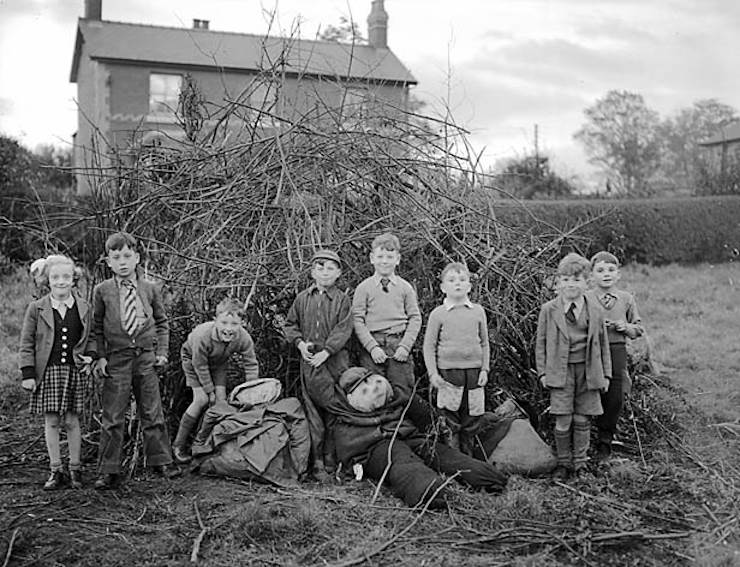
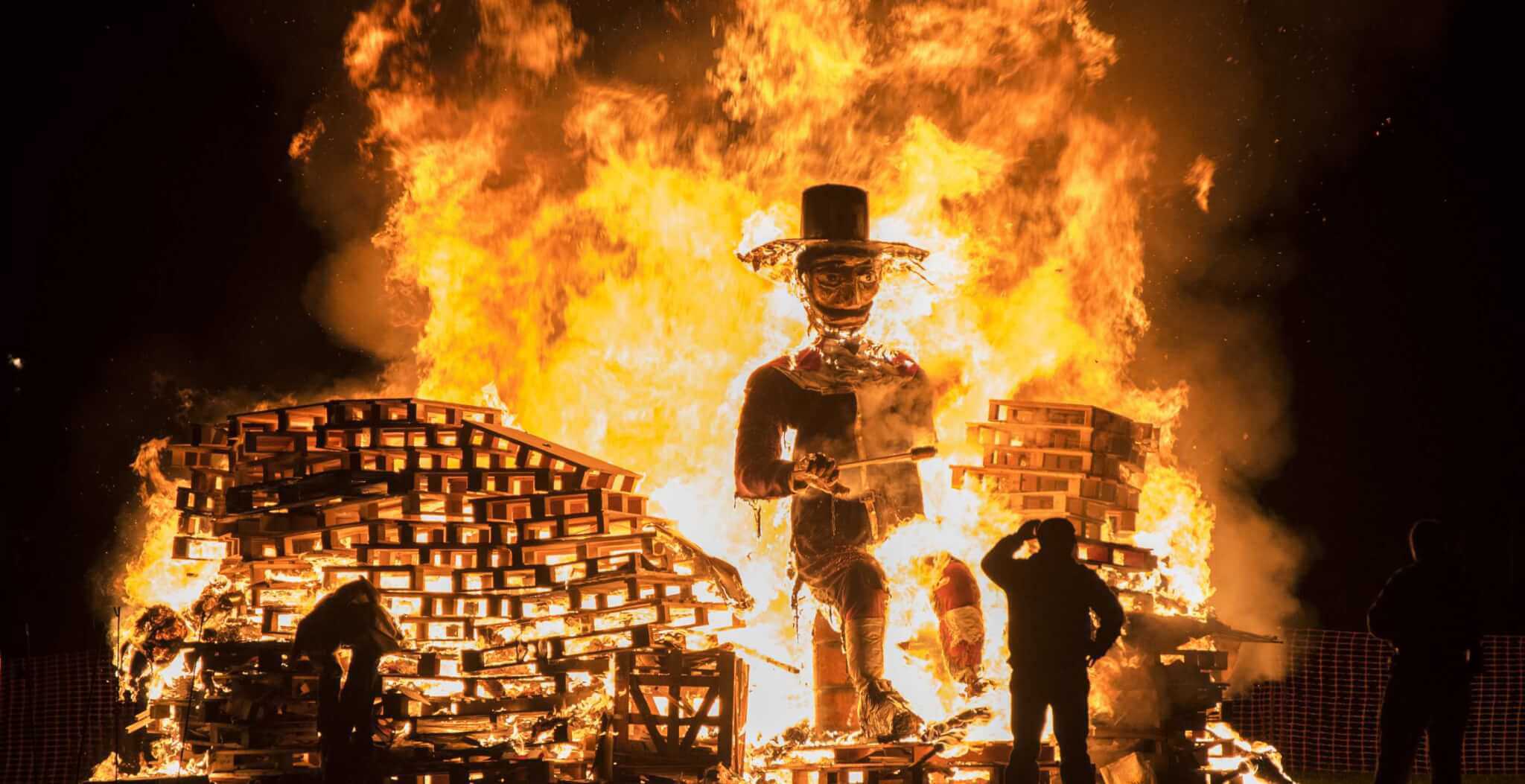
The favourite time of year, apart from Christmas, was Bonfire Night. The preparation began weeks in advance with the creation of a ‘guy’. This was a stuffed dummy to represent Guy Fawkes, the man caught in the cellars of the Houses of Parliament in 1605, surrounded by barrels of gunpowder. The guy was wheeled around the neighbourhood or placed on the pavement, with a sign, “Penny for the guy”. Money collected this way was used to buy fireworks for the big day. In the 1950s and 1960s children were allowed to buy fireworks on their own. Shopkeepers were even happy to sell children fireworks singly; just one rocket, or one catherine wheel, and so on. Bangers or jumping jacks were favourites, as were sparklers and rockets. The rip-raps were a particular favourite, thrown by the boys to make the girls dance!
So how did we baby boomers survive our childhood? Ask anyone and they will tell you it was a time of freedom and of experimentation; a time that taught confidence, determination, invention, personal safety (more often than not through experience!), self discipline and above all, resilience. It has been said that those who grew up in the 1950s and 1960s have a different mindset from those born later, a different outlook in life developed through this independent play without adult supervision.
Childhood in the 1950s and 1960s was indeed often dangerous, but through that play, children matured, learned what was dangerous and what wasn’t, and above all, had great fun. Most will say it was wonderful.
Published: 10th March