

Between the seventeenth and nineteenth century, for a fortunate selection of aristocrats, the experience of the Grand Tour became a rite of passage, a journey from boyhood to manhood where travelling, experience and pleasure was top of the agenda.
Akin to a glamorous and expensive gap year experience, the Grand Tour was a way to travel extensively following an itinerary which prioritised art, architecture and literature, as well as a range of undisclosed extra-curricular social activities for the young and aristocratic men of England.
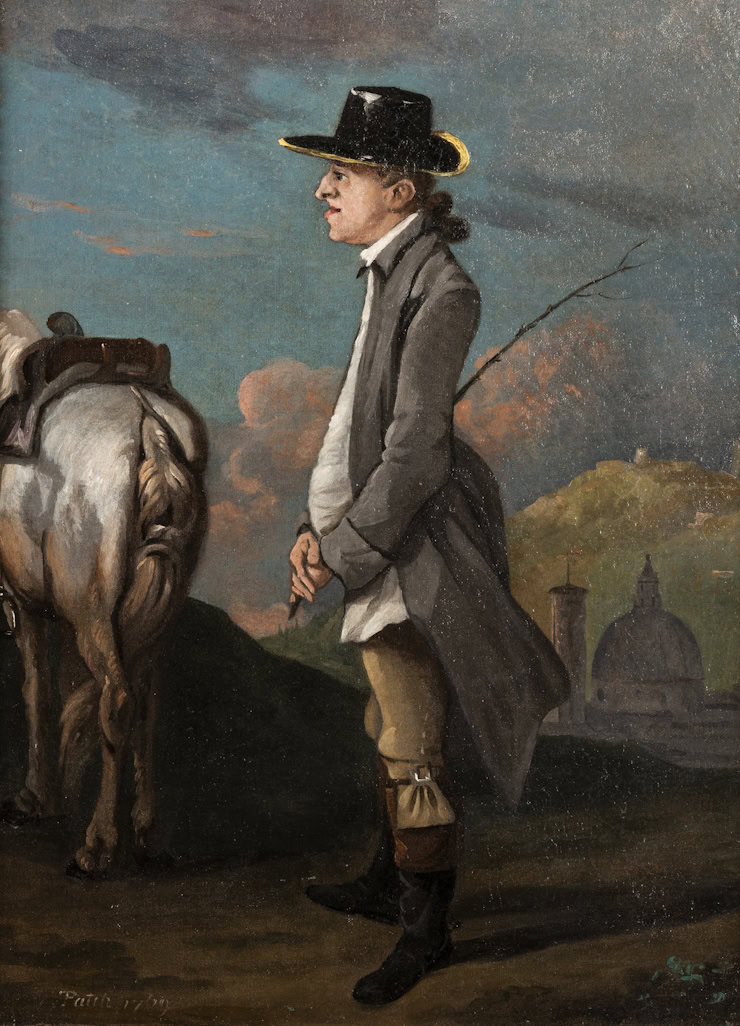
Whilst the experience itself was more often associated with British nobility, other young aristocrats from neighbouring northern European countries also partook in this ritual coming of age cultural extravaganza.
The trips proved to be very stimulating, a chance to immerse oneself in an artistic setting whilst also indulging in other pleasures such as drinking, sexual liaisons and gambling, to name just a few.
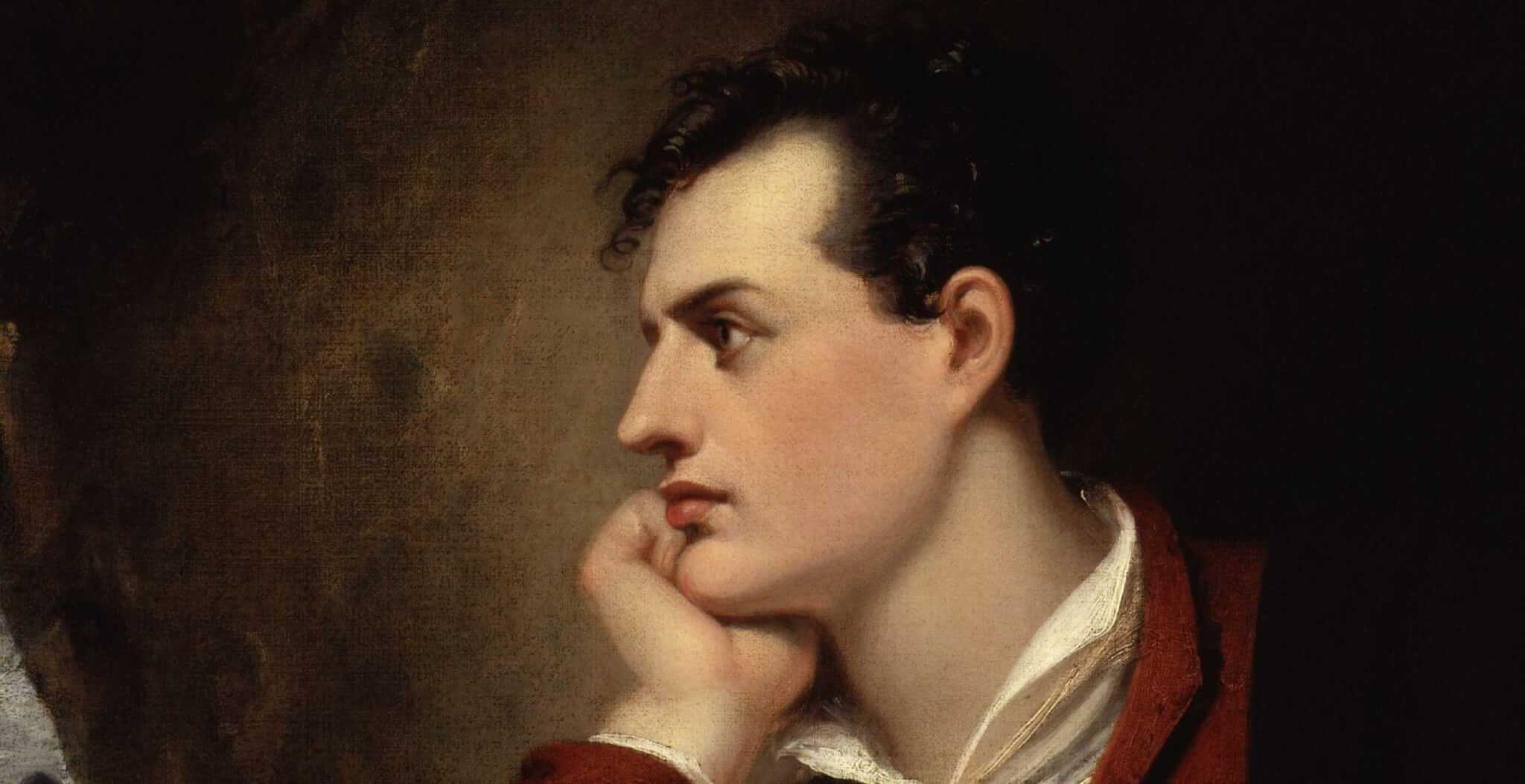
For the more intellectual amongst them, the Grand Tour helped to hone skills and crafts in the world of literature, art and architecture which many would take back to Britain and transform into a career. Many of the English literary giants of the period ranging from Lord Byron and Percy Shelley found inspiration in the beauty of their new surroundings in Italy, France or Switzerland.
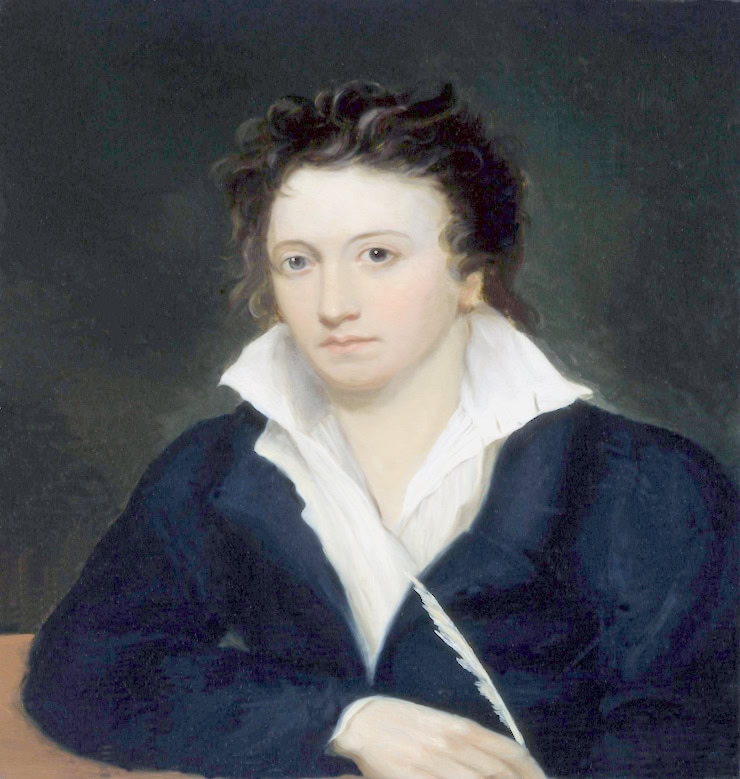
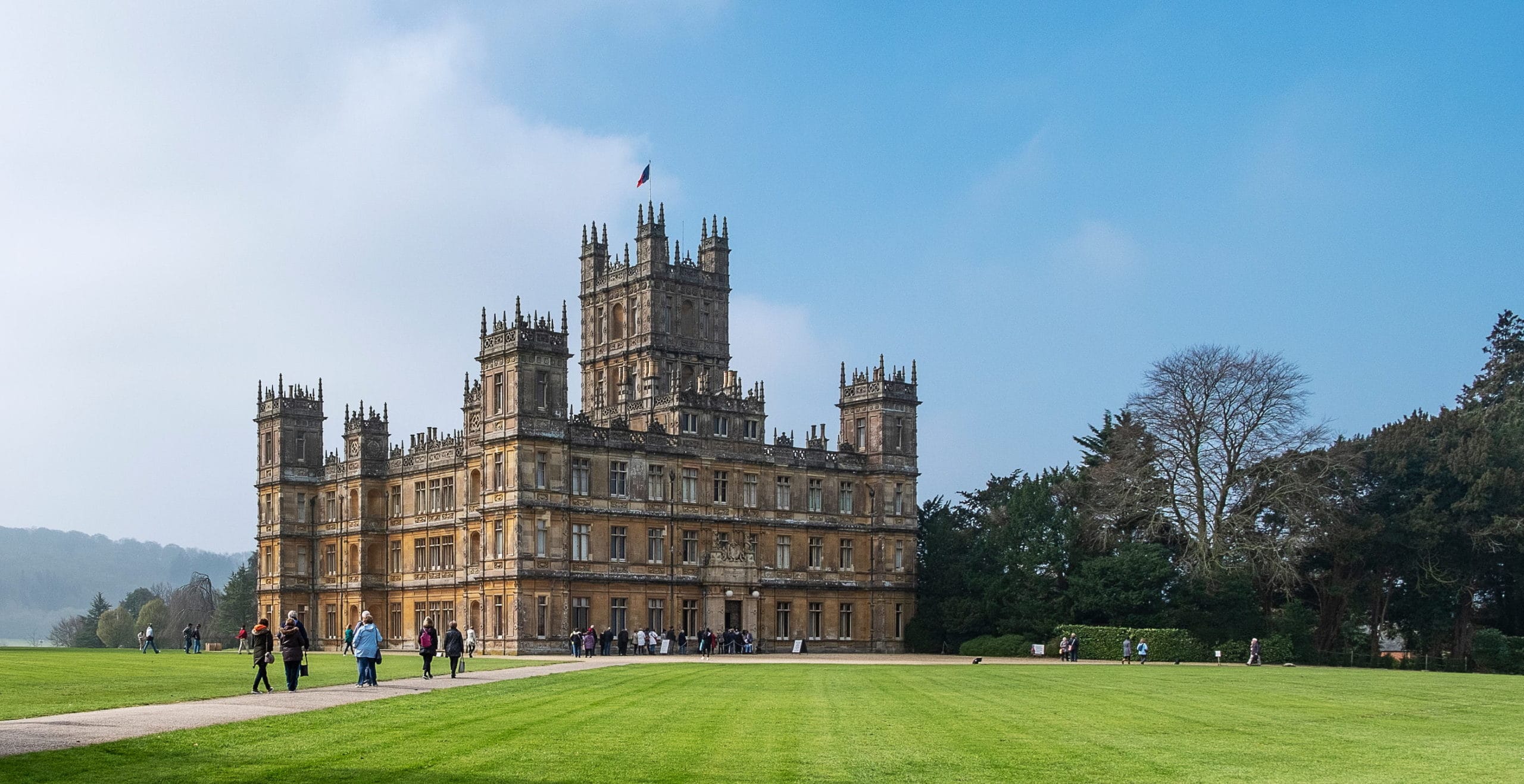
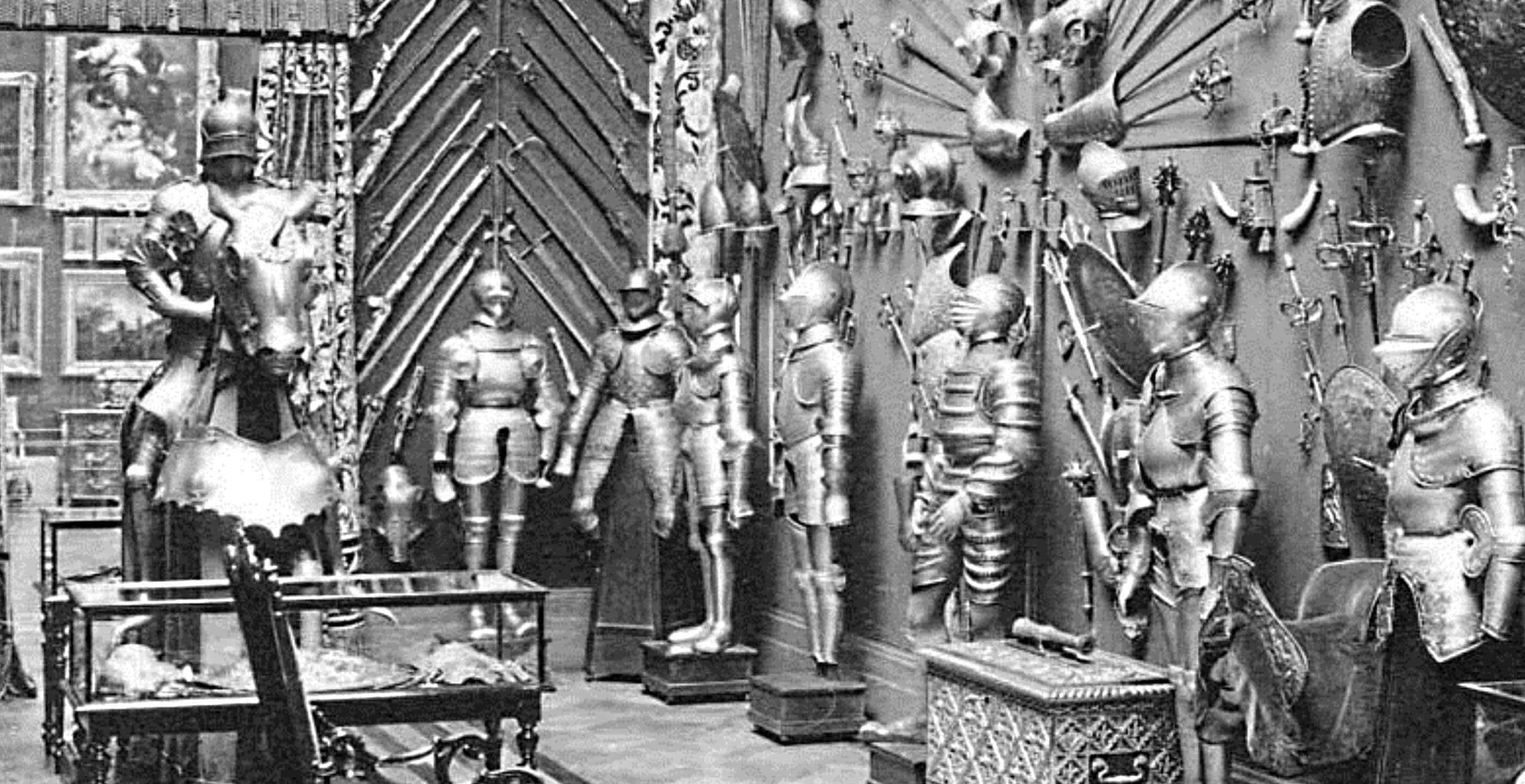
Many aristocrats would also collect souvenirs and return home laden with objets d’art which would adorn and grace their country estates.
The travelling tradition began to emerge in the mid-1600s, whilst the term “Grand Tour” entered the travel guide vernacular in a publication dated 1670.
The chosen few who could partake in the long expedition were aristocrats, often at the age of twenty-one who were in the process of finishing their education. In time, women would be permitted to join in such a tradition by the 1800s.
The entire process helped to facilitate burgeoning industries and employment centred on the Grand Tour experience. This included tutors who, more often than not, were merely unofficial chaperones forced to ensure that their charges kept out of trouble. In Paris and Rome, tourist infrastructure such as hotel accommodation and restaurants began to cater for the increasing number of British tourists.
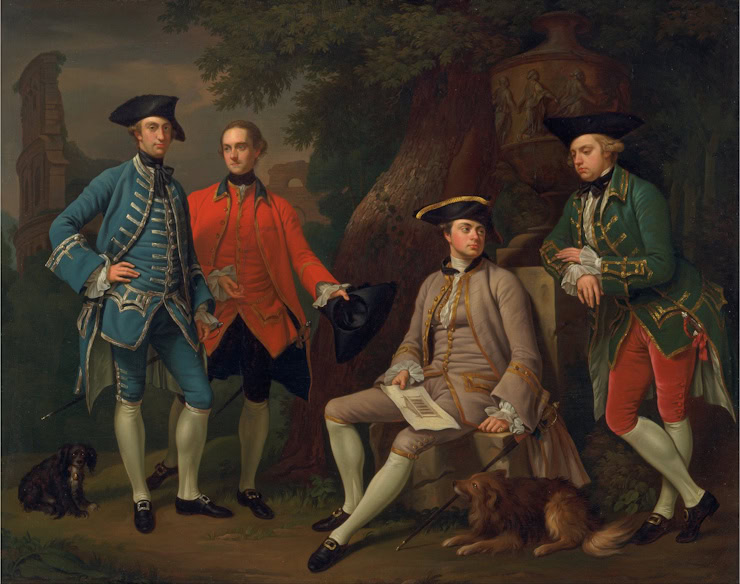
The traditional route started in France, often with an entourage which included a tutor and if finances would allow, a number of servants who would facilitate the venture. They would stop off at all of the most important destinations such as Paris, Lyon and the Alps before embarking to Italy and touring the most famous cities such as Venice, Florence, Rome and Naples.
Whilst in Paris, the Grand Tour tourist would undertake lessons, perhaps with a French guide, or practising the language skills they had already acquired from their earlier education. Extra-curricular activities included attending dances, as well as for the sportier amongst them, the typical upper class hobbies of riding and fencing.
The value of a young English gentleman learning the manners and rules of French society could not be underestimated, as these skills would prove vital for their later careers, which often included entering the diplomatic service or government at home.
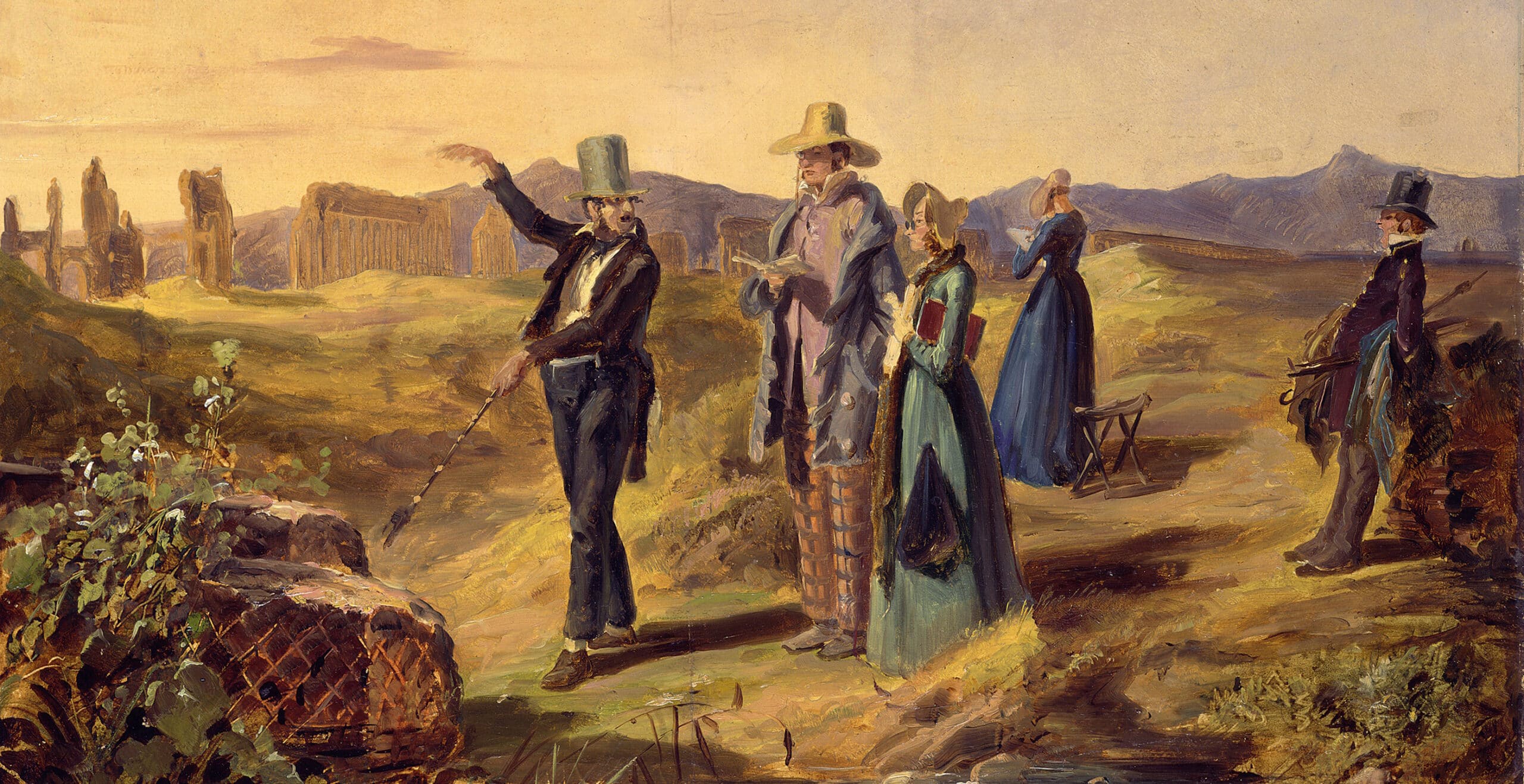
After traversing the Alps, the tourist would arrive in Italy which would be the highlight of the trip. It was obligatory to visit some of the most famous and historic sites in the country, which often helped to facilitate individual interest in archaeology, architecture and art. The recently uncovered locations of Herculaneum and Pompeii would be high on the agenda for anyone interested in history or keen to pursue their pastime of archaeology.
In Florence, there was already an established society of Englishmen abroad, whose focus was on Renaissance artwork and sculpture.
Whilst a great deal of time was spent in Italy, beginning in the north with Florence and Venice before terminating the trip in the southern reaches of the country in Naples, the tourist of the era might decide to journey back north and cross the Alps into the German speaking parts of Europe. During this time, important and highly thought of universities such as Heidelberg would have proven to be quite a draw for any young gentleman wishing to further his academic studies.
One final stop before embarking on the journey home would include the galleries on offer in Holland and Belgium, offering a glimpse into the artistic endeavours of fellow northern Europeans before crossing the Channel back to England, thus concluding a long, educational and culturally enriching trip around Europe.
The Tour proved popular enough to fuel the rise of artists who could depict their chosen scene and sell to tourists as a lasting memento of their trip. One such artist to benefit from these commissions included Giovannni Antonio Canal, better known as Canaletto, who proved to be most popular amongst the Grand Tourist community.
Born in Venice, Canaletto became one of the most valued members of the 18th century Venetian school, famous for his cityscapes (vedute) depicting the beauty of his hometown Venice, as well as Rome.
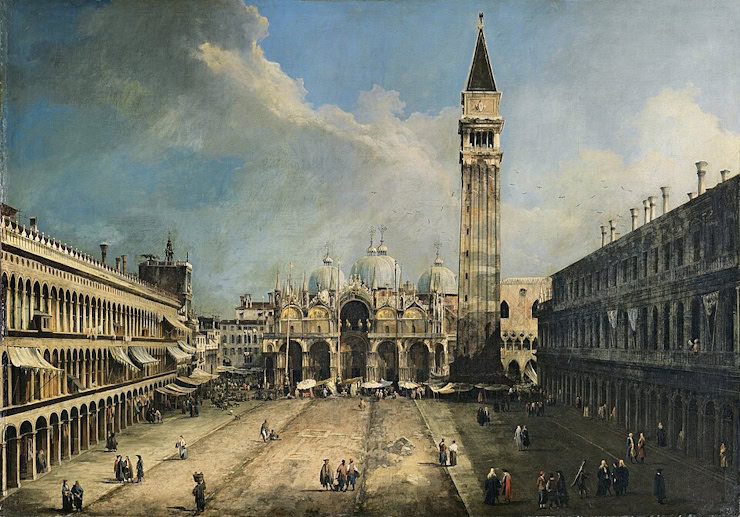
The travelling Englishman became his best customer, thanks in large part to Owen Swiny, an Irish art dealer who encouraged him to paint small cityscapes for the visitors. Later, the banker and British consul, Joseph Smith became Canaletto’s agent and patron, acquiring a vast collection of his work which was later sold to King George III.
Canaletto went on to receive commissions from significant figures such as Lord John Russell (soon to be 4th Duke of Bedford) who requested 24 Venetian cityscapes after returning home from his visit. Russell was willing to pay large sums of money for such an exclusive souvenir.
The impact began to be seen in art and architectural styles back in England as many were keen to replicate designs they had seen on their travels.
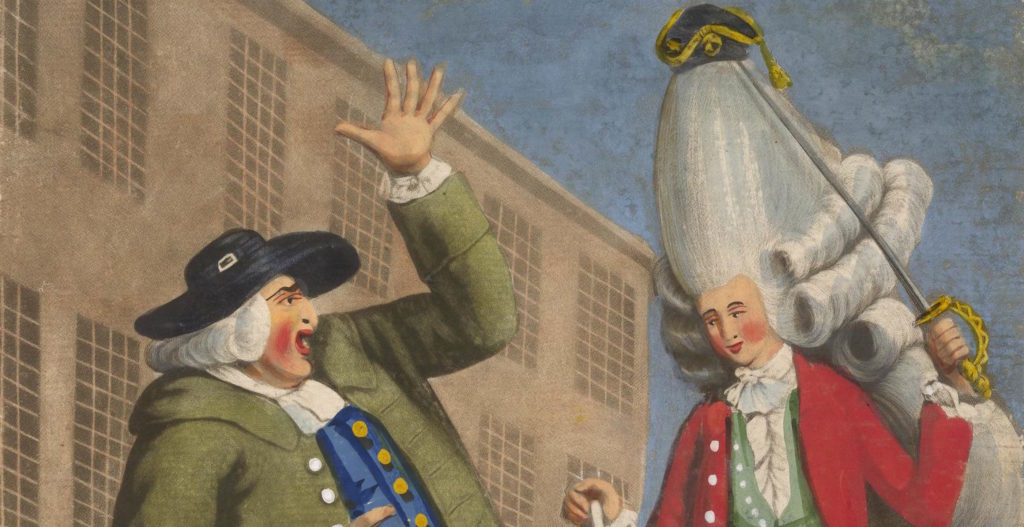
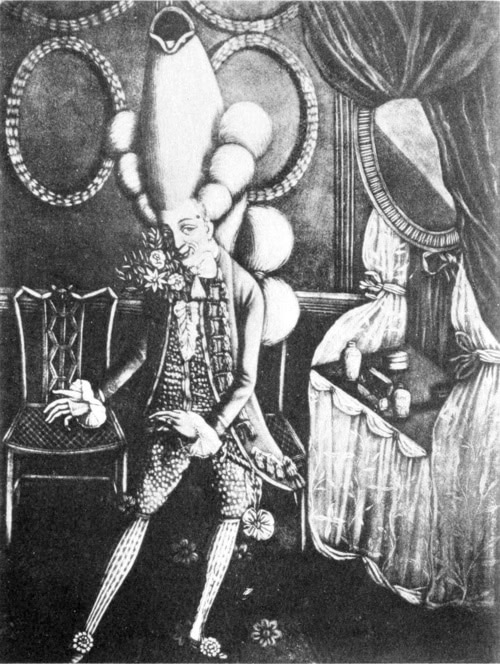
Moreover, the practice also fostered a new fashion for elaborate dress, described as the ‘macaronis’. The men who indulged in this style wore elaborate high wigs, tight trousers and adopted a more openly effeminate manner. This style characterised the Georgian era and served as a precursor to the ‘dandy’ stereotype cultivated in later eras.
Whilst the Grand Tour endured for many decades, the practice was impacted by other events which inevitably led to its decline. This included, amongst other things, the outbreak of the French Revolution which made travelling to France a risky affair for the young British tourist. Moreover, by 1796 Napoleon had invaded Italy and thus that country had also become a dangerous destination.
In view of the political fragility of these events, some chose to embark on the Tour but using a different route, visiting German speaking Europe instead of France, as well as enjoying the cultures of southern Europe in the Ottoman Empire in place of Italy.
In 1815, the Treaty of Paris instated an uneasy peace in Europe which allowed travellers to once more resume their itinerary. This later period also saw women included in the Grand Tour, and much like her male counterpart, she was accompanied by a chaperone, usually an aunt or older relative to ensure no shenanigans occurred on the trip.
In the meantime, another significant development had occurred. The advent of steam-powered travel allowed for mass tourism, fuelled by the likes of Thomas Cook who offered “Cook’s Tours”.
By the nineteenth century, the nature of travelling was changing, with the innovation of new technology making it more accessible to a larger group of people, not only the very titled and rich. The Grand Tour was losing its exclusivity; the subsequent century saw a new kind of tourist dominate the travel scene.
The Grand Tour had been a valuable rite of passage for the aristocrats of Europe, particularly in England which helped to foster a unique cultural legacy which at its heart was focused on the beauty of Renaissance art and classical antiquity.
Today, the legacy of the Grand Tour lives on in the stately homes of aristocrats, in the objects which adorn many a living room, in the museums which are filled with beautiful art and most importantly, in the continued desire of tourists to visit, learn and experience other cultures.
Jessica Brain is a freelance writer specialising in history. Based in Kent and a lover of all things historical.
Published: 24th November 2025