The History of Britain Magazine
Welcome to the History of Britain! The home nations share a varied and shared history unlike anywhere else, so we thought it only right to create a section dedicated to our mutual heritage.
The Whigs
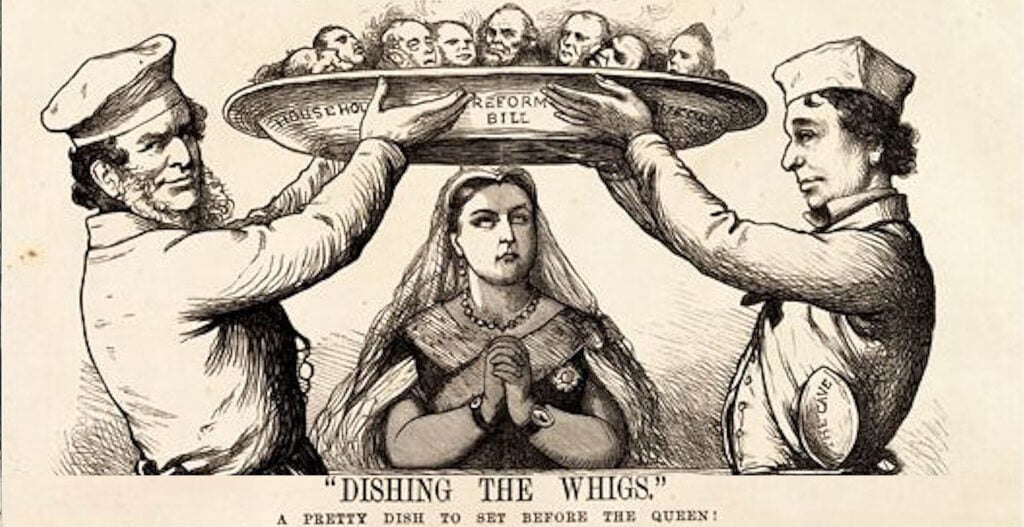
From the original political parties the Tories and the Whigs, evolved two of the three main protaganists of the modern era, the Conservatives and the Liberals. But what happened to the Whigs you may ask…and who were they?
Dressed for War: Love Letters from Britain
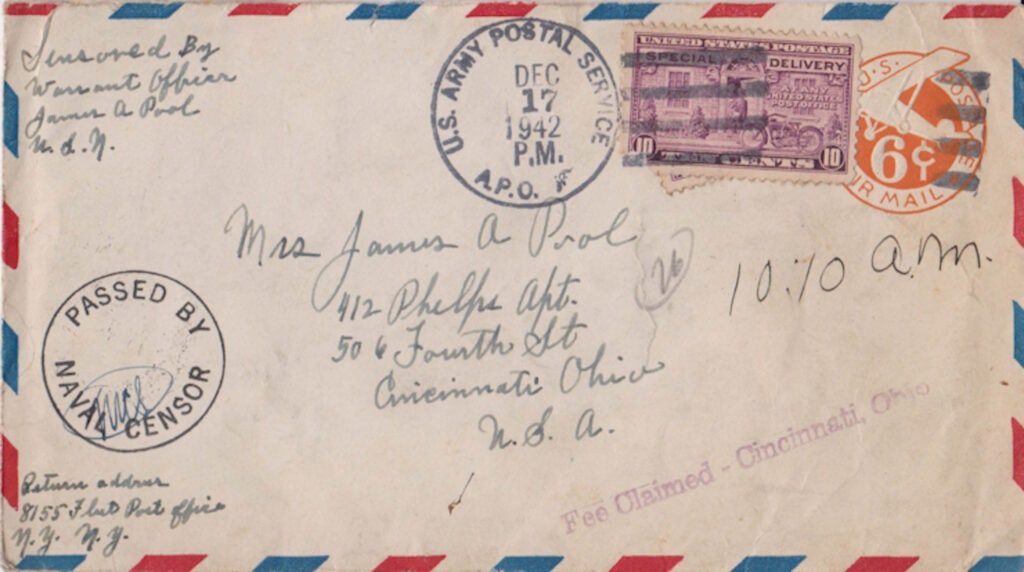
Chief Warrant Officer James A. Pool, 29th Naval Construction Battalion (known as CBs or “Seabees”), US Navy, was stationed in Britain in the run-up to D-Day. Throughout this time, he wrote regular letters to his wife, in which he described his experiences of Britain and preparations for the D-Day landings. His daughter Suzanne shares some of these in the article below.
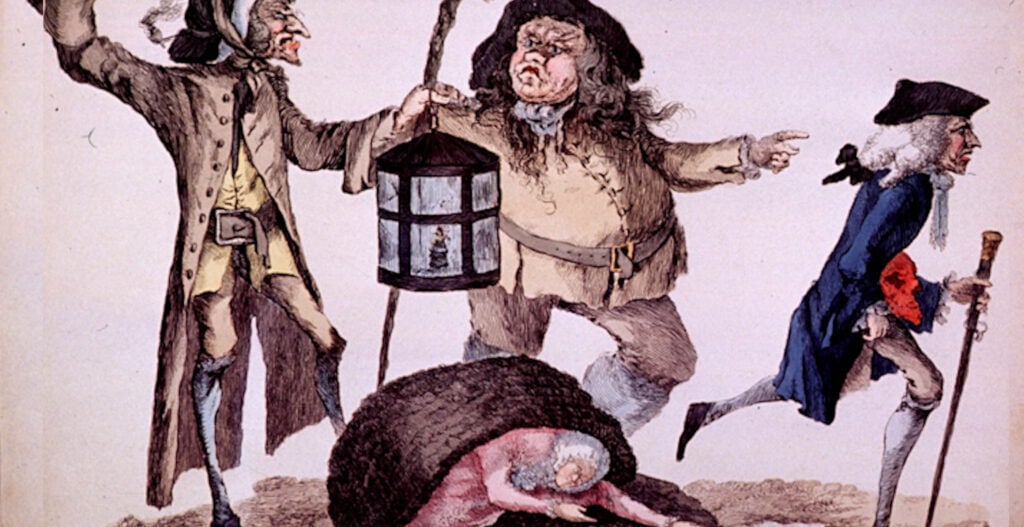
The Wardsend Cemetery Riot
The Victorians had a morbid fear of being removed from their coffins in the dead of night by Resurrection Men, to be used as dissection specimens for medical students. When rumours of grave robbing arose at one cemetery, a crowd gathered and the mob turned ugly…
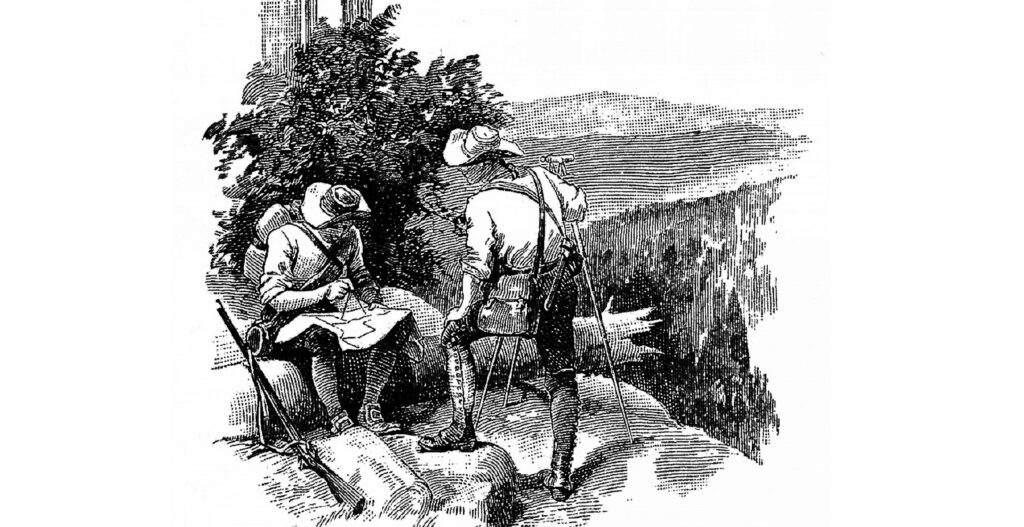
Charles Mason and Jeremiah Dixon, Surveyors of the Mason-Dixon Line
Probably the most famous surveyors in history, Jeremiah Dixon and Charles Mason set out across pre-Civil War America to solve a boundary dispute. For many, their Dixon-Mason Line would later come to represent the dividing line between north and south, between free and slave states…
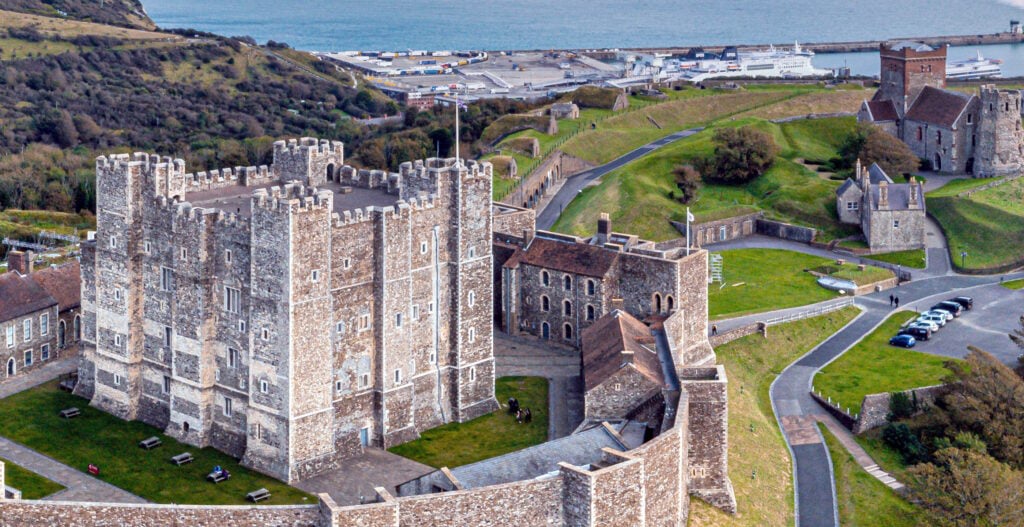
Dover Castle, Operation Fortitude and D-Day
Dover Castle stands imperious overlooking the harbour and across the sea to France. Underneath this imposing castle lies a myriad of clandestine tunnels, the nerve centre for Allied strategy for the invasion of Normandy, including Operation Fortitude, designed to deceive, confuse and distract the Germans prior to D-Day…
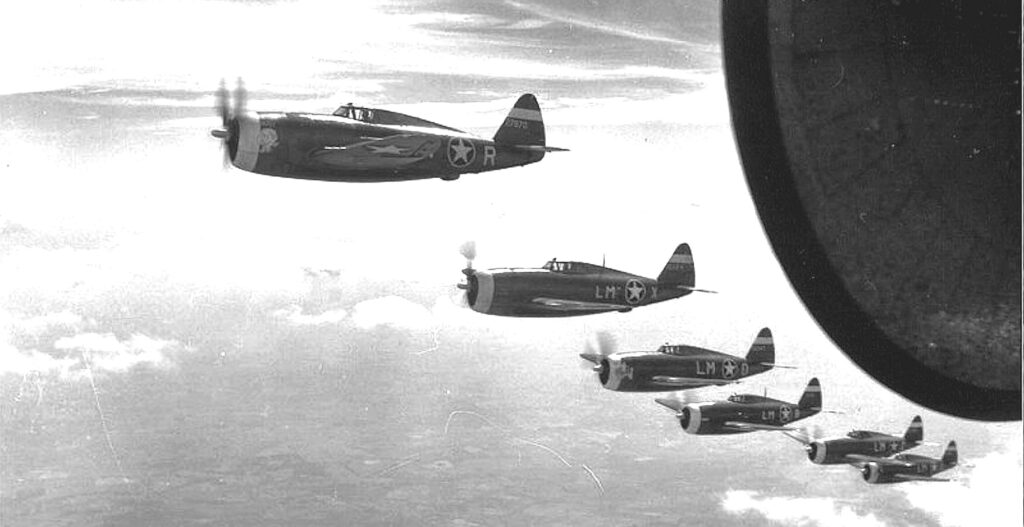
D-Day: Operation Pointblank
Operation Pointblank was one of the plans designed to protect the troops landing on the beaches of Normandy on D-Day. Instead of focusing bombing campaigns on German cities and industry, the objective of this new plan was to drive the Luftwaffe from the sky…
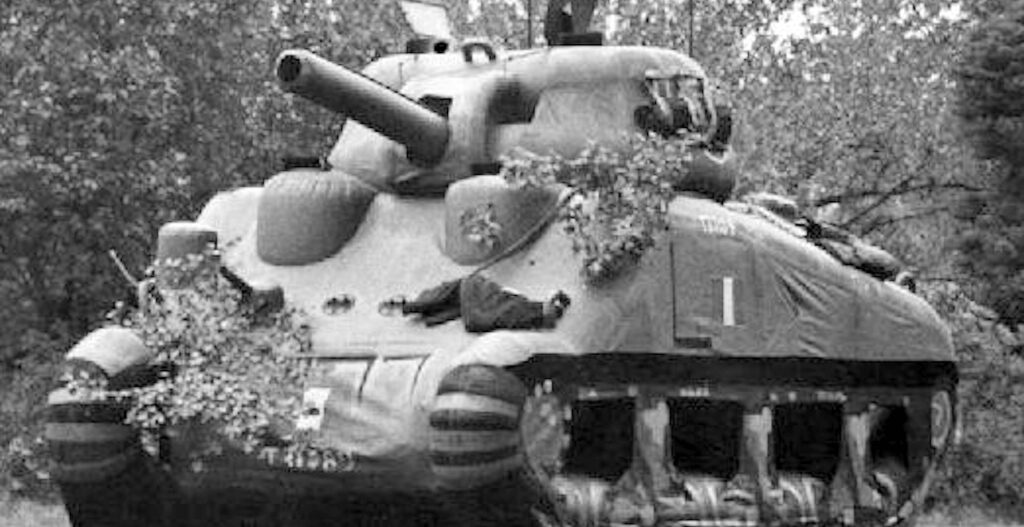
The D-Day Deceptions: a Masterclass in Subterfuge
Wooden aircraft set on mock airfields, fake ships in fake ports and inflatable Sherman tanks that could be lifted and moved by just four men – just some of the devices used to confuse the Germans as to the plans of the Allied forces in the run up to D-Day…
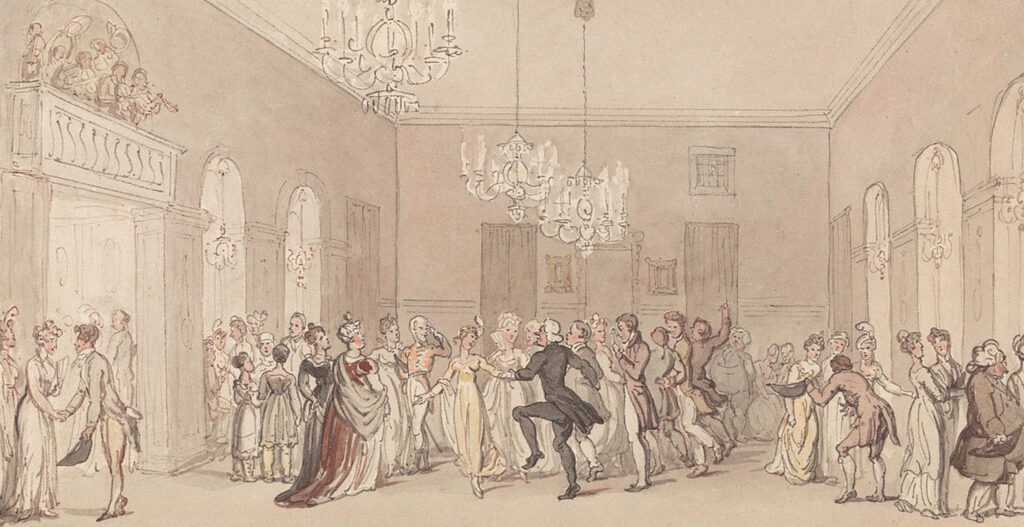
The Great Regency Fête of 1811
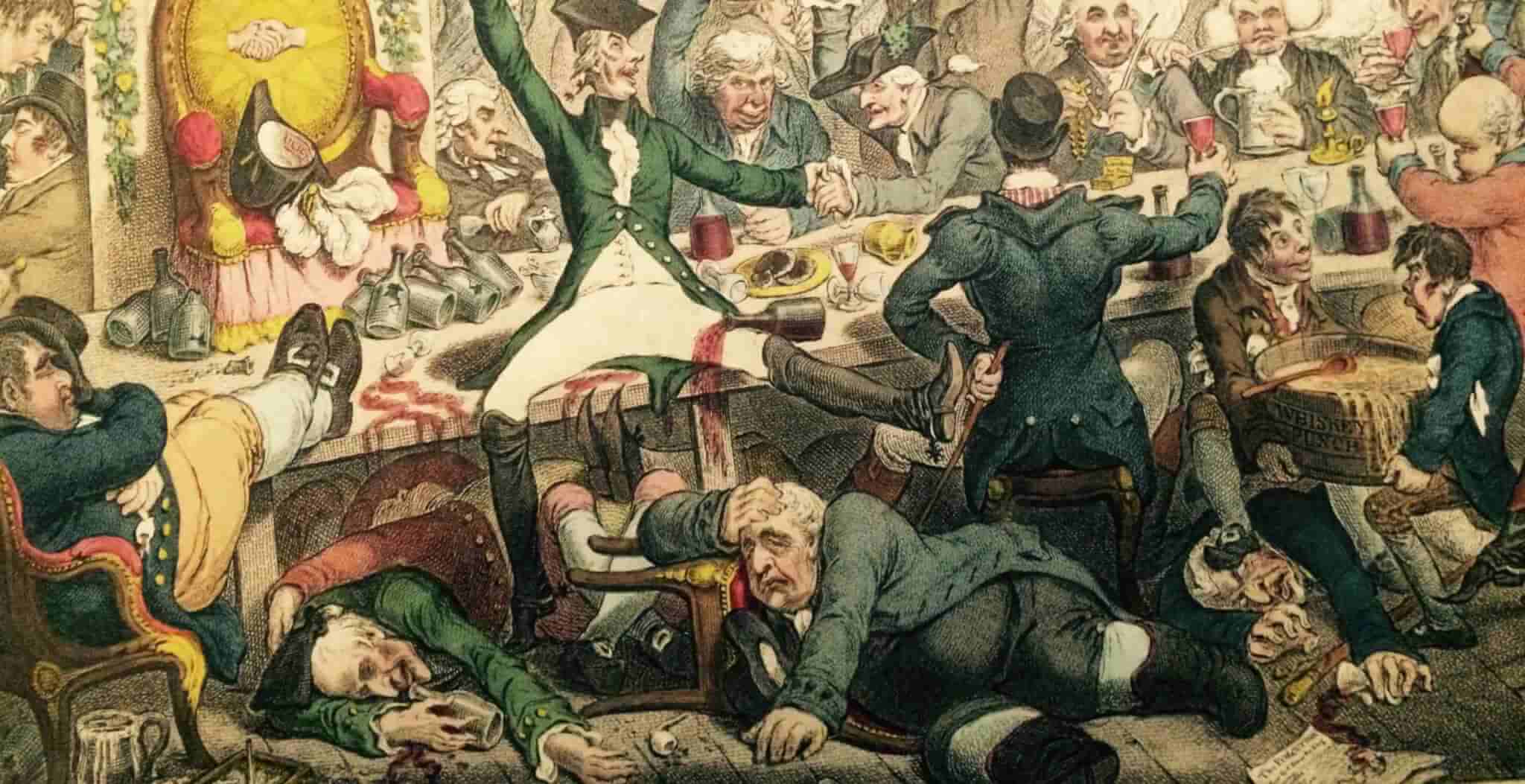
On 5 February 1811, George, Prince of Wales, was declared Regent of the United Kingdom of Great Britain and Ireland. One of George’s first acts as Regent was to throw a grand party…
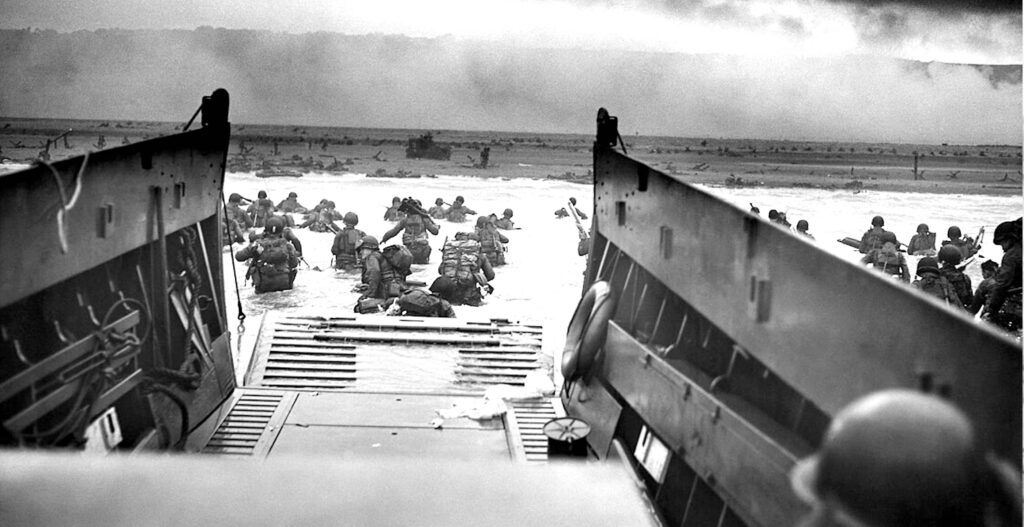
Operation Gambit: Britain’s D-Day X-Craft
Precise navigation to the invasion beaches was essential. Tasked with shining beacon lights out to sea in the early hours of D-Day to guide the army of landing craft ashore, two X-craft midget submarines were towed in secret and stationed off Sword and Juno beaches. Lying on the seabed, the 5 man crews waited for news that the invasion had begun…