|
Every month we will feature articles relating to
the history of Scotland - famous people, famous battles, famous
places etc. These will build over the months into a full and
intriguing insight into the history of this ancient land. Previous
articles.
|
This Month's feature article
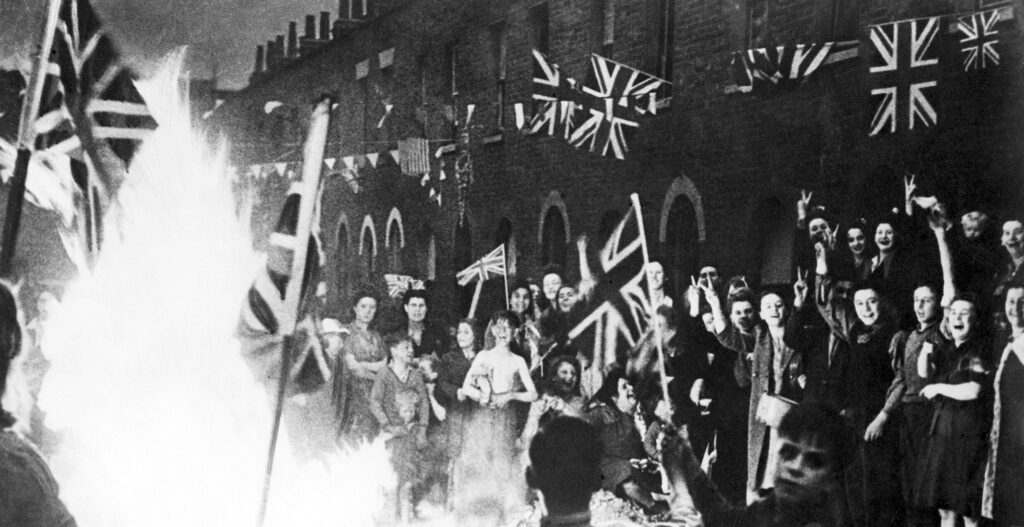
Empire Day - 24th May
The words "Empire
Day" summon up an
image of a motherly Queen Victoria presiding over an Empire which
spanned almost a quarter of the entire globe.
However it
was not until after the death of Queen Victoria, who died on 22
January 1901, that Empire Day was first celebrated.
|
Previous
articles
|

Duncan and MacBeth - Kings of Scotland
Duncan and MacBeth - famous names thanks to Shakespeare and the Scottish Play,
'Macbeth'. But how historically accurate is Shakespeare's story?
The Royal and Ancient Game of Golf
During the 15th century, Scotland prepared to defend itself, yet
again, against an invasion by the ‘Auld Enemy’. The nation's
enthusiastic pursuit of golf however, led many to neglect their
military training, so much so that the Scottish parliament of King
James II banned the sport in 1457.......
The Victoria Cross On 26th June 1857, at an award ceremony in Hyde Park, Queen
Victoria presented the first sixty-two Victoria
Crosses in front of a cheering crowd of 100,000
people. A century and half later, the medal
remains the highest honour for bravery and
valour that can be awarded to members of the
British Armed Forces.....
Robert "Rabbie" Burns Burns
Night - January 25th. Robert Burns is the best loved Scottish poet, admired not only for
his verse and great love-songs, but also for his character and wit, his high spirits, 'kirk-defying', hard drinking and womanising!
New
Year's Eve Celebrations in Scotland: Hogmanay Only
one nation in the world can celebrate the New Year or Hogmanay with
such revelry and passion – the Scots!
But what are the actual
origins of Hogmanay, and why should a tall dark stranger be a
welcome visitor after midnight?
St Andrew, Patron Saint of Scotland
St Andrew's Day is celebrated each year
on November 30th.......
“Just one more push” to Passchendaele On 6th November 1917, after three months of fierce fighting,
British and Canadian forces finally took control of the tiny village of
Passchendaele in the West Flanders region of Belgium, so ending one of
the bloodiest battles of World War I. With approximately a third of a
million British and Allied soldiers either killed or wounded, the Battle
of Passchendaele (officially the third battle of Ypres), symbolises the
true horror of industrialised trench warfare.
World War Two
Chronology
Presenting the major
events of each year of World War II, from the German invasion of Poland
in 1939, the evacuation from Dunkirk in 1940, the Japanese attack on
Pearl Harbour in 1941, Montgomery’s famous victory at El Alamein in
1942......
The Auld Alliance This historic alliance between France and Scotland dates back
to 1295
and was first and foremost a military and diplomatic alliance.
However the Scots love of a fine claret seems to have played
an important part as well.....
The Two Flags of Scotland
The national flag of Scotland is St Andrew's Cross or the Saltire,
but what other flag do we also associate with Scotland?
Haggis, Scotland's national dish
What
actually is a haggis? Some furry four legged creature or....
The Piob Mhor, or the Great Highland Bagpipes
Nothing defines the sound of Scotland quite like the great
Highland bagpipes....
The Act of Union 1707
2007 marks the 300th
anniversary of the Act of Union between England and Scotland.
Scottish Sovereigns Kings and Queens of Scotland 1005 - 1603
Scottish Shortbread Scottish Shortbread, beautifully gift-wrapped or
presented in tartan boxes, is one of the most popular souvenirs to
bring home after a visit to Scotland.....
Highland Dancing
Perhaps nothing captures the spirit of Scottish culture better than
the sight of Highland dancing being performed at some Highland
gathering in some far flung corner of the world. Whilst the majority
of dancers now entered into these competitions are female, the roots
of these ritualistic dances lay with warriors imitating epic deeds
from Scottish folklore.......
Mary Queen of Scots Her life provided tragedy and romance, more dramatic
than any legend.
The Secret of a Scotsman's Sporran
An
essential piece of Highland dress to accompany a Scotsman’s kilt is the
ornately decorated pouch that hangs down the front, commonly referred to
as the sporran. But were did the sporran originate and what was its
purpose?
Robert William Thomson
One
of Scotland’s most prolific, but now largely forgotten, inventors was
Robert William Thomson. But who was he, and what did he invent?
The Battle of the Somme 1916 July
1st 1916 - the bloodiest day in the
history of the British Army, or The Battle of the Somme –
The Lost Generation.
Ninety years ago on 1st July 1916 at around 7.30 in the
morning, whistles were blown to signal the start of what would be
the bloodiest day in the history of the British Army.
The Edinburgh
Vaults Edinburgh's South Bridge spans a deep valley to
the south of the Royal Mile. Under its 19
enormous arches, in a catacomb of underground
chambers, a community used to thrive. Trades,
first legal and then illicit, flourished.... The
underground vaults were created in the late 18th
century, abandoned by the 1830s - and only
opened again to the public in 1994.
The
Tale of Sawney Bean A tale not for the squeamish
.......
William McGonagall, the Bard of Dundee - the world's worst poet? His
most famous work, The Tay Bridge Disaster, recounts
the events of the evening of 28th December 1879, when,
during a severe gale, the bridge collapsed as a train
was passing over it. Only
a true master could have thought of conveying the shock
of the people of Dundee with immortal lines like:
And
the cry rang out all round the town, Good
heavens! The Tay Bridge has blown down.......
The Brahan Seer
The Scottish Nostradamus.
The Brahan Seer, or Coinneach Odhar, was
gifted with "the sight". His prophecies were so impressive that they
are still quoted to this day....
Brochs
The tallest prehistoric structures
in Britain .
Built during the last few centuries BC and the first few centuries
AD, brochs combine features of fort, fortified house, and status
symbol...
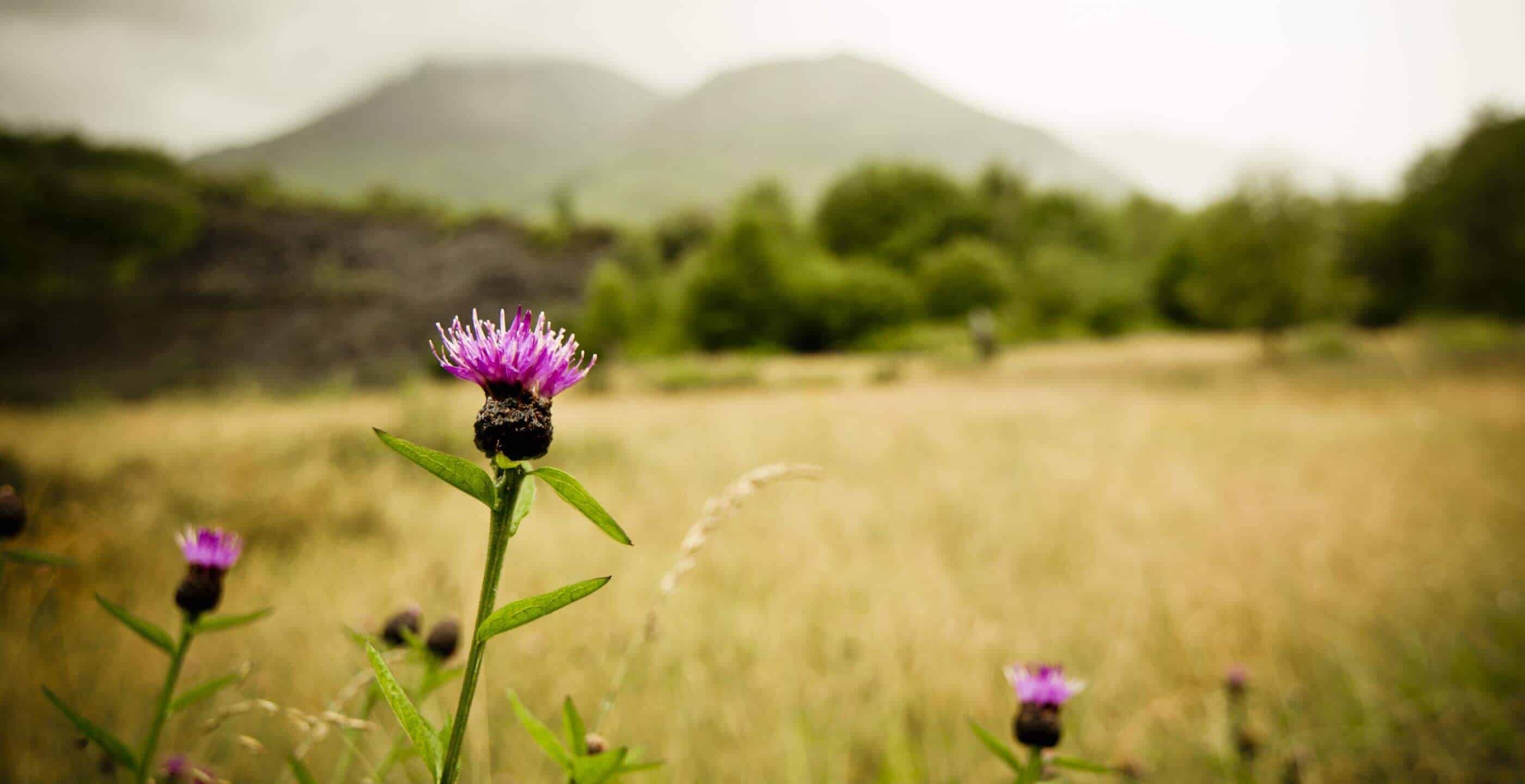
The Thistle - National Emblem of Scotland
Common
throughout the highlands, islands
and lowlands of Scotland, the prickly purple thistle has been Scotland's
national emblem for centuries.
There are several
different legends that tell how the thistle became Scotland's
symbol.....
The Jacobite Revolts - a
Chronology July 2005 marks 260
years since the start of the 'Forty-Five' Jacobite Rebellion. We
have charted the events which culminated in the last
major battle to be fought on British soil ...Culloden.
The Border Reivers and the rescue of Kinmont
Willie
The
story of the Border Reivers dates from the 14th century and
continued through into the late 17th century. In those days, the
border between the two sovereign countries of England and Scotland displayed all the characteristics of a frontier,
lacking law and order. Cattle rustling, feuding, murder, arson and pillaging were all common occurrences.....

The Romans in Scotland There is little doubt that Caledonian tribes of Scotland would
have been well aware of the mighty reputation of the Roman war
machine. By the summer of AD 84 Agricola and his legions had
pushed deep into the Caledonian homelands. It was at Mons
Graupius (somewhere in the Grampian Mountains, perhaps at
Bennachie by Inverurie) that the Caledonians made the fatal
error of confronting the Romans head on.......
The Stone of Destiny The
Stone of Destiny, upon which the Scottish kings were crowned, was
forcibly removed by the
English King Edward I (“Hammer of the Scots”) after his Scottish
victories in 1296, and taken to Westminster Abbey in London. The
current Coronation Chair was made to house the stone in 1301 and it
was first used at the coronation of Edward II, and thereafter to
crown every subsequent king and queen of England. But was this the
actual Stone of Destiny - or another, an imposter.....
Saor Patrol
Saor (pronounced
‘shore’) comes from the Gaelic word ‘Saorsa’ meaning freedom or liberty.
Let them entertain you .....with
music - and combat displays?!
St Margaret of Scotland
- the only royal Scottish saint
Black Agnes -
“That brawling, boisterous, Scottish wench”
Flower of Scotland ....or God Save
the King?
Ever wondered
why Scottish folk prefer to sing the words to the recently written
Flower of Scotland rather than the traditional national
anthem God Save the King? Could it have something to do with
the little known sixth verse of the traditional anthem …?
The 'Honours' of Scotland The story of the Scottish regalia
is stranger than fiction.....
Greyfriars Bobby A touching
tale of devotion......
The Symbol of the Clan
Accounts from travellers to Scotland
dating back several hundred years record the wearing of Tartan by
its inhabitants.......
A
wee dram of uisege beatha?
No visit to
Scotland would
be complete without sampling a ‘wee dram’ of uisge beatha or ‘the
water of life’ …the name given by the ancient Celts to the fiery amber
nectar we now call Scotch whisky....
Rob Roy MacGregor In Victorian times,
people were enthralled by the novels of Sir Walter Scott, who portrayed
a man called Rob Roy in his stories - a dashing and chivalrous outlaw.
The truth however was a little less glamorous of course.....
The Pittenweem Witch Trials
In 1705, as a result of some wild stories told by a 16 year old boy,
three people died and others were cruelly tortured......
The
Highland Forts
The three forts of Fort George, Fort Augustus
and Fort William, span the Great Glen of Albyn, which cuts the
Scottish Highlands in two from coast to coast. The forts were built by the government to
pacify the Highlands during the period of Jacobite unrest and the
subsequent rebellions........
Burkers and Noddies Beware of the 'Burkers' , as these body-snatchers were called.....
 Langholm's proud horsemenThe Border burghs of Scotland were always the first places to feel the onslaught of the English invaders, and they celebrate their continuing existence with a flamboyant ceremony
called the 'Common Ridings'.
One of the oldest takes place on the last Friday in July at Langholm, Dumfries-shire....
St Columba and the Isle of Iona Lying off the west coast of the Isle of Mull is the tiny Isle of Iona, barely three miles long by one mile wide. Iona's place in history was secured when in 563 AD St. Columba arrived on its white sandy beaches with 12
followers, built his first Celtic church and established a monastic community...
Captain William Kidd - Pirate The name "Captain Kidd" is synonymous with deeds of piracy on the high seas and for stories of
buried treasure....but was he really the cut-throat villain of legend?
Helen Duncan - Scotland's last witch
Spiritualist, medium (well large actually, she weighed in at over 22 stones (that's over 300 lbs to any reader from the USA)) and the last person in Britain to be tried and sentenced under the 1735 Witchcraft
Act
Orkney and Shetland - The Northern Isles To many people on
the UK mainland and beyond, the Shetland and Orkney Islands are 'somewhere up at the top' of the map of Great Britain. In fact the Shetland Isles are located in the North
Atlantic, as close to Norway as to Aberdeen, whilst the Orkney islands are located six miles north of the Scottish mainland. Both Orkney and Shetland are unique and unlike any other part of Great Britain. They have managed to retain many of their original, unique customs and
traditions resulting from their long and eventful history.
Deacon William Brodie It
is said that Brodie's bizarre double-life was the inspiration for Robert Louis Stevenson's story of a split personality, 'The
Strange Case of Dr. Jeckyll and Mr. Hyde'......
The
Loch Ness Monster The
first recorded account of 'Nessie' is that of an eyeball to eyeball
confrontation with the Irish saint, St. Columba in the 6th
century.......
The Darien Scheme "The
most ambitious colonial scheme attempted in the 17th century" which ultimately brought about the fall of Scotland
The
Highland Clans
The
word "clann" comes from the Gaelic and means children, and its members claimed kinship from the common ancestor whose name they bore. In
the 17th century the chief of the clan was both a gentleman and a barbarian.....
Rebellion!
A
Tale of Two Pretenders, a drummer boy, a whore, and some lost
treasure......
Stewart Monarchs of Scotland - a most unsuccessful dynasty?! For example, was
Robert III the only king in Scottish history to have died from low self esteem?
The
Fairy Flag The
most precious treasure of the MacLeods....
The
Auld Enemies The
story of four important battles, spanning a period of over 200 years, each one a
landmark in the struggle for power between England and Scotland.
Scotland's
"Bravehearts" William Wallace and Robert The Bruce Separating the fact from the fiction.
|
|