
“Uneasy lies the head that wears a crown,” said restless insomniac King Henry IV in the opening scene of Shakespeare’s eponymous play. The story of Arbella Stuart (1575 – 1615) shows that life was just as uneasy, if not more so, for contenders to the crown as well.
Born in 1575, in Hackney, London, Arbella Stuart was the descendant of some of the most powerful and politically significant dynasties on the island of Britain. She was the daughter of Charles Stuart, the younger brother of Henry, Lord Darnley, who was the husband of Mary Queen of Scots and the father of James VI of Scotland (later James I of England).
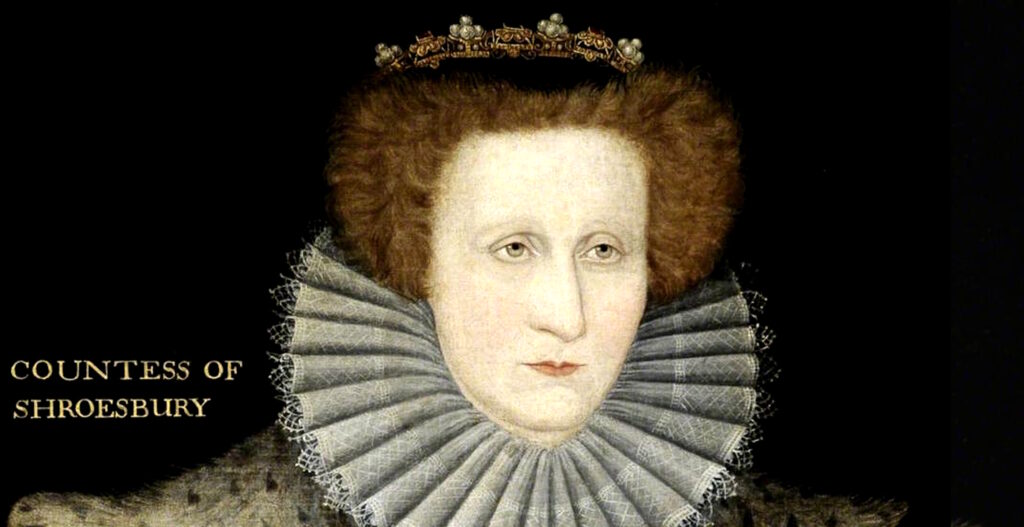
Charles Stuart’s mother was Margaret Douglas, Countess Lennox, daughter of Margaret Tudor, the sister of Henry VIII and widow of James IV, King of Scots. Margaret Tudor had married Archibald Douglas, 6th Earl of Angus, after the death of James, and Margaret Douglas was their only child. Arbella’s mother, Elizabeth Cavendish, was the daughter of the formidable Bess of Hardwick, Countess Shrewsbury, a noblewoman of extraordinary wealth and influence.
Arbella’s unusual name may have been a misunderstanding of the name Anabella, an ancestral queen of the Stewart and Lennox lines. However, Arbella she was named, and Arbella she remained, though her grandmother Bess called her “my Arbell”, and “my jewel”, a term she extended to all her grandchildren.
Arbella’s parents came together through a mutual connection of Bess and Lady Lennox. These two senior countesses were playing a dangerous dynastic game, and Lady Lennox (known familiarly as Meg) had already experienced the wrath of Elizabeth because of the marriage between her son Henry Stuart, Lord Darnley, and Mary Queen of Scots. However much Bess and Meg might play the wide-eyed innocents, saying that Charles and Elizabeth had met by accident and theirs was a true love affair, few believed it. Now, once again through Margaret’s line there was a new child, Arbella, another descendant of Henry VII who was also niece to Mary Queen of Scots and full cousin to James VI of Scotland.
From the moment she was born, Arbella existed in a world of intrigue and danger. Her parents should not have married without the permission of Queen Elizabeth of England. Royal Assent was required in all marriages if royal blood was involved. On this occasion, Elizabeth was feeling tolerant, or perhaps it was due to her close friendship with Bess, whose husband was responsible for housing and caring for Mary Queen of Scots in her exile and captivity. Charles and Elizabeth were forced to remain in their house in Hackney along with baby Arbella, but no further action was taken.
Shortly after Arbella was born, her father died. Arbella’s mother died when she was just seven, leaving Arbella under the authority of her powerful grandmother, Bess, who ensured that Arbella received an exceptional education. This included mastery of several languages, deep knowledge of history, and an understanding of courtly politics. Arbella would also add musicianship to her skills. She was raised in Bess’s homes in Derbyshire, spending much of her teens at Hardwick Hall. Here she was isolated from the political turbulence of the Elizabethan court but keenly aware of her potential place in history.
It must have been interesting being a small child under the influence of two such authoritative grandmothers, both so different and yet each so focussed on their dynastic legacy. Her grandmother Meg Lennox, a Catholic, was never in favour with Queen Elizabeth and spent time in the Tower. Bess, although she often ran very close to the wind in her dealings with Elizabeth, managed to never fall out entirely with her, thus keeping her liberty – and her head. While Elizabeth’s claim to the throne had been contested when she was growing up, the royal lineage of Margaret Countess of Lennox was incontestable. Elizabeth’s opinion of Arbella the new arrival as potential heir to the throne was bound to be ambivalent, just as it had been towards Mary Queen of Scots.
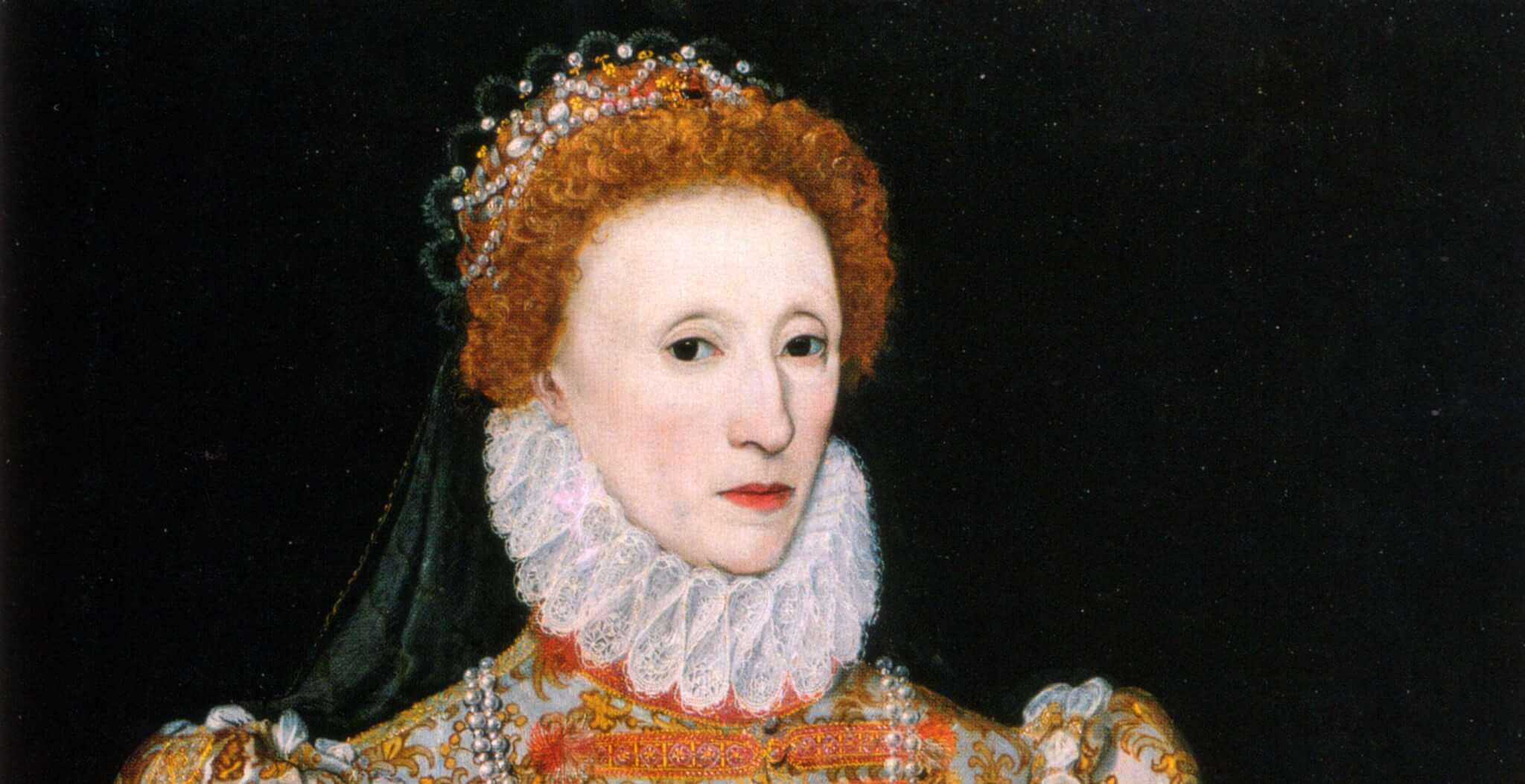
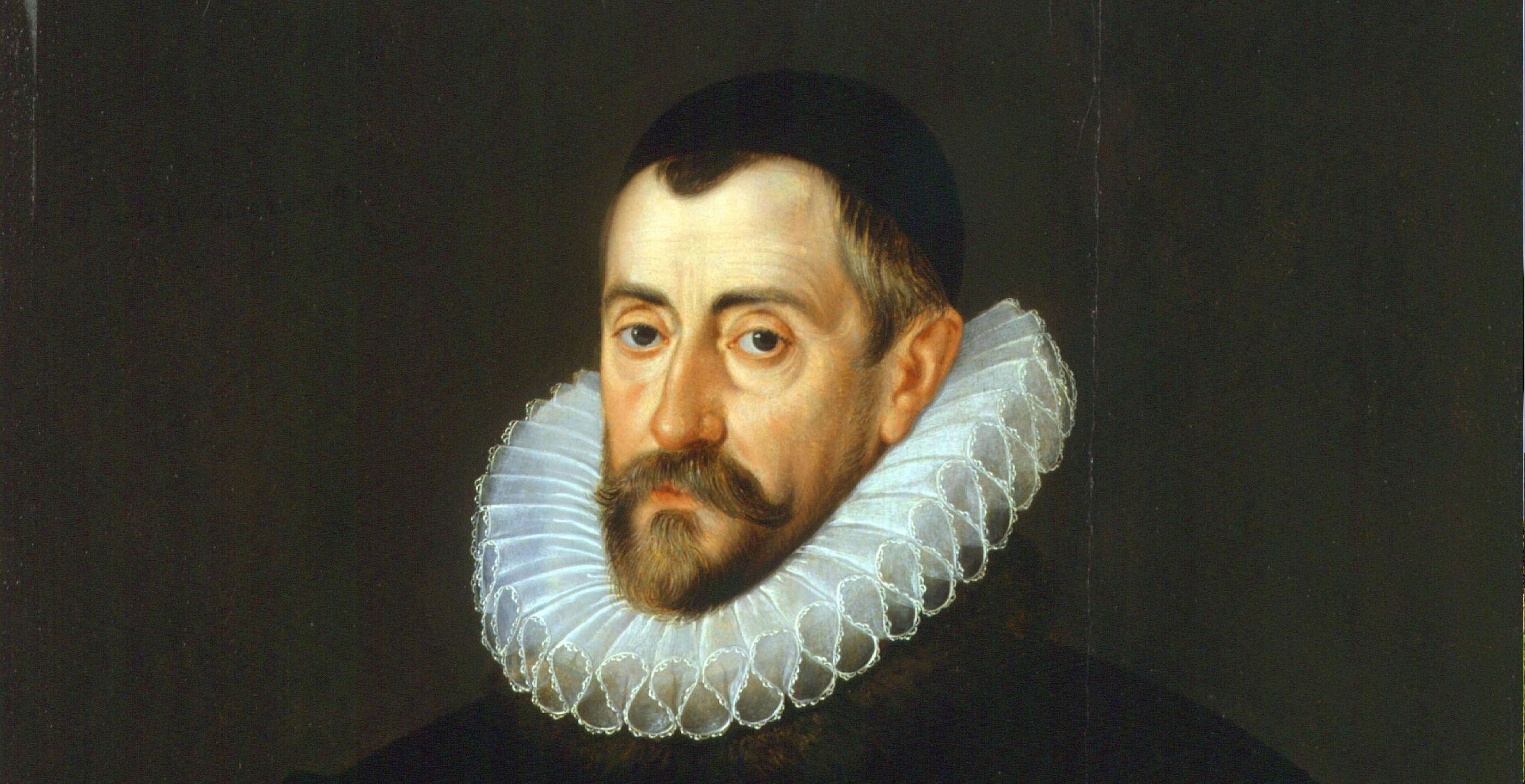
Elizabeth had already dealt with Queen Mary’s attempts to force a decision about the succession. “I’m not ready for my winding sheet yet!” was the gist of her blunt response while the two cousins were still corresponding with one another in happier days. Elizabeth’s own advisors such as Cecil and her secretary Francis Walsingham were driven to distraction by her refusal to name an heir.
As heir to the Lennox earldom after the death of her father Charles, Arbella should have inherited the Lennox estates. However, they were taken by the Scottish Crown on behalf of young King James, in fact through the machinations of the Regent Morton, who ever had an eye for gain. The Lennoxes had spent many years in England; in effect they were more an English family than a Scottish one. However, Meg, Countess Lennox, badly wanted the return of those estates and their income, as she was in debt to the English crown and also to Bess.
Within three years of Arbella’s birth, Countess Lennox was dead too; there were whispers of poison. James VI later tried to claim not just the Lennox estates in Scotland, but those in England as well. The main seat of the family in England was at Temple Newsam in Yorkshire. The Scottish crown also managed to obtain the Lennox jewels, which Countess Lennox had left to Arbella. In 1580, James gave the Lennox title and property to his current favourite, Esmé Stuart, thereby preventing any future claims on it from Arbella’s supporters.
A little mischievously perhaps, Queen Elizabeth suggested a marriage between Esmé Stuart’s eldest son Ludovic and Arbella when Arbella was aged only five. That would have been one way to return the title to Arbella. However, soon Esmé Stuart was sent out of Scotland, and the Regent Morton was beheaded. James VI’s former “managers” and in crowd were out of popularity.
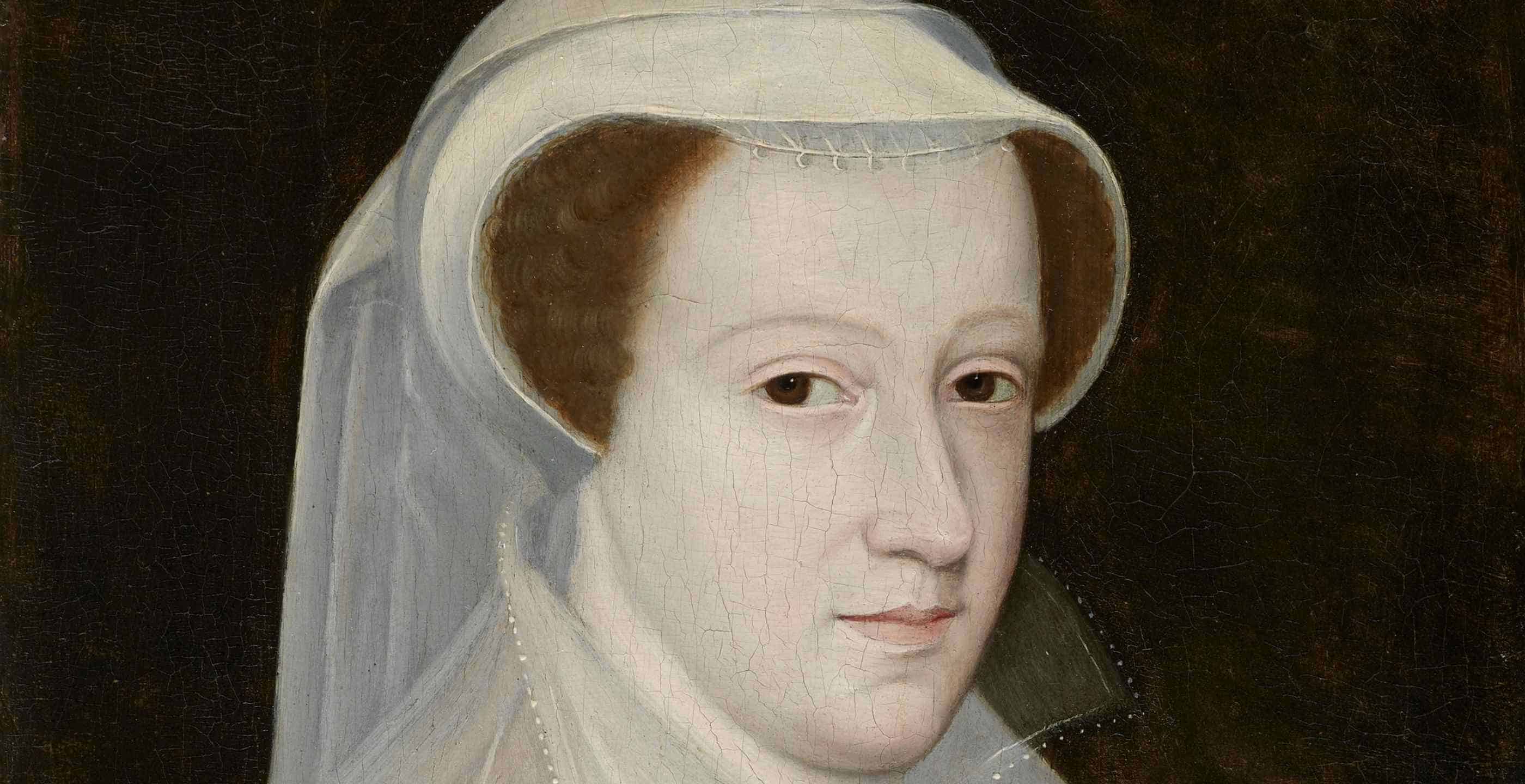
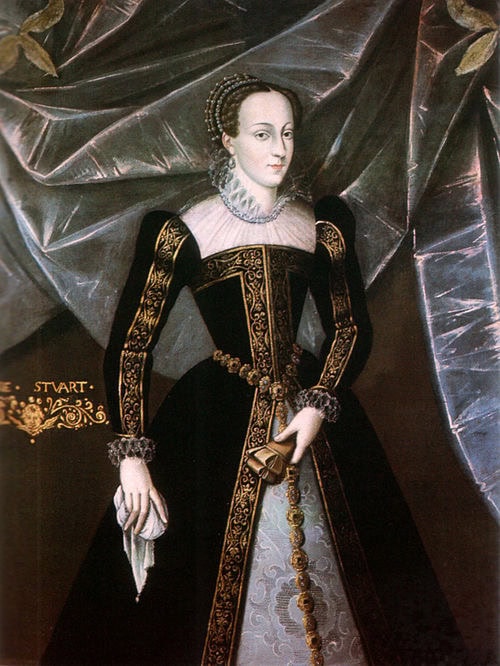
Then, of course, there was Arbella’s romantic, beautiful (and troublesome) aunt, Mary Queen of Scots, who showed a great interest in her new niece. The two saw a great deal of one another before a major row between Mary and Bess resulted in Mary being denied access to Arbella. Thereafter, Arbella was kept strictly controlled by Bess, both for her own safety and for that of the Shrewsbury family.
Arbella’s isolation at Hardwick Hall ensured that she remained out of direct court politics, yet she maintained correspondence with influential figures who kept her informed of England’s shifting political landscape. Bess kept her under strict control, even making sure she slept in Bess’s bedroom. Arbella became deeply frustrated with her lack of autonomy, sensing that she would never be allowed to fulfil the impressive potential she had inherited by her birth, of which she was increasingly all too well aware.

Of course, Arbella’s royal lineage made her a very desirable marriage prospect. Throughout her life, various factions attempted to arrange unions that would benefit their own political ambitions. Elizabeth I, however, was highly protective of the succession and wary of any noble who might pose a challenge to her rule. As a result, Arbella remained unmarried well into adulthood, unable to pursue personal happiness due to her perceived threat to the throne.
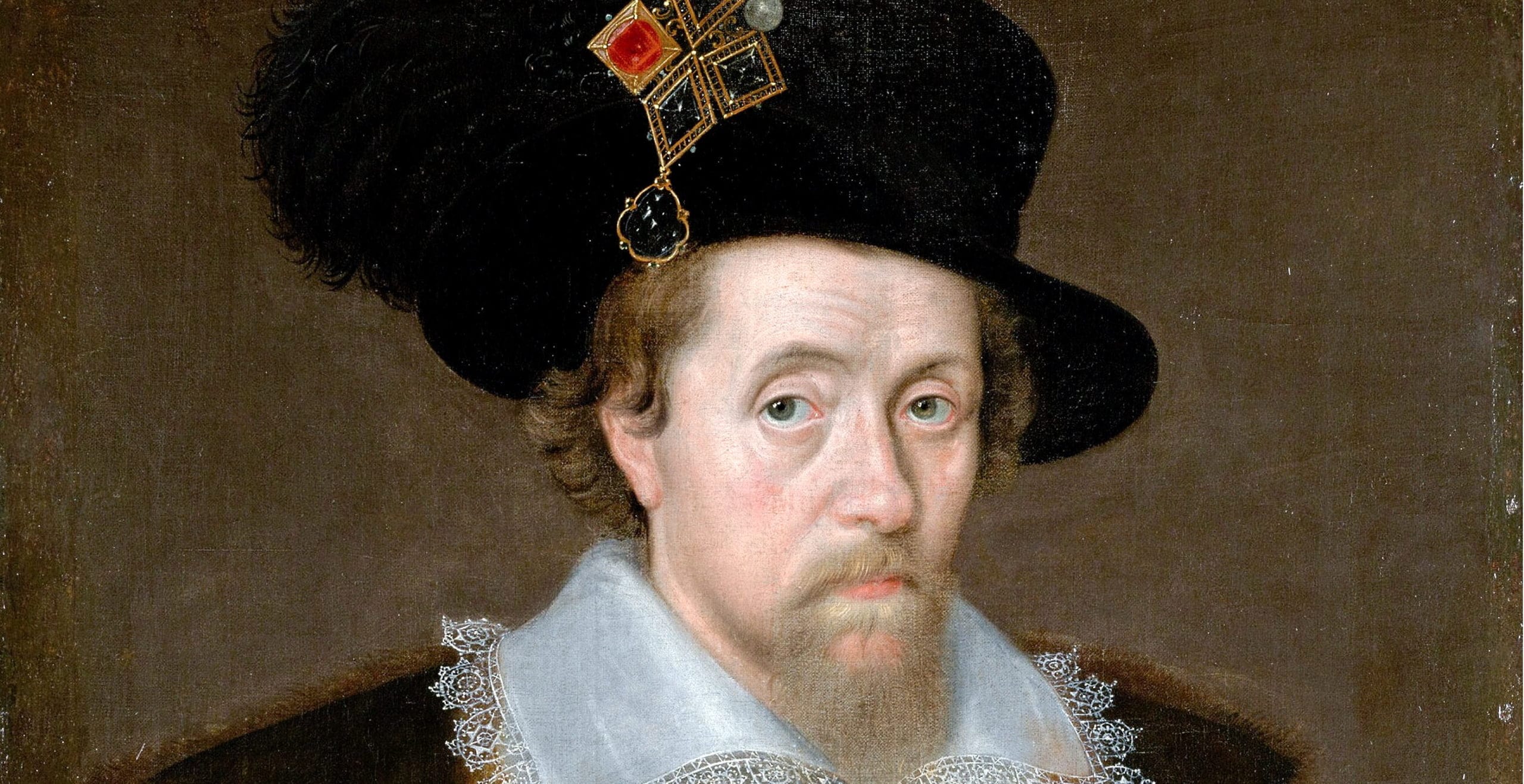
An early marriage prospect proved popular with Elizabeth’s secretary Francis Walsingham. That was that Arbella should marry her cousin James VI. This would have provided a solution that could have had historic consequences: both of the house of Stuart, both Protestants, first cousins – what could be more natural for a united and peaceful Britain? It didn’t happen. After a strange interlude during which James even suggested a possible marriage to Elizabeth herself, despite being 34 years her junior, he eventually wed Anne of Denmark. Arbella’s family and supporters continued to control her, and the search for a suitable match continued.
There came another audacious idea, plotted by Bess of Hardwick and Queen Elizabeth’s long-term favourite and supporter, Robert Dudley, Earl of Leicester. The proposal was to marry Arbella to Leicester’s son Robert, Lord Denbigh. He was four and Arbella was eight. This suggestion was the cause of the ultimate breakdown between Mary Queen of Scots and Bess of Hardwick since it was an attempt to trump Mary’s efforts to marry her son James and Arbella.
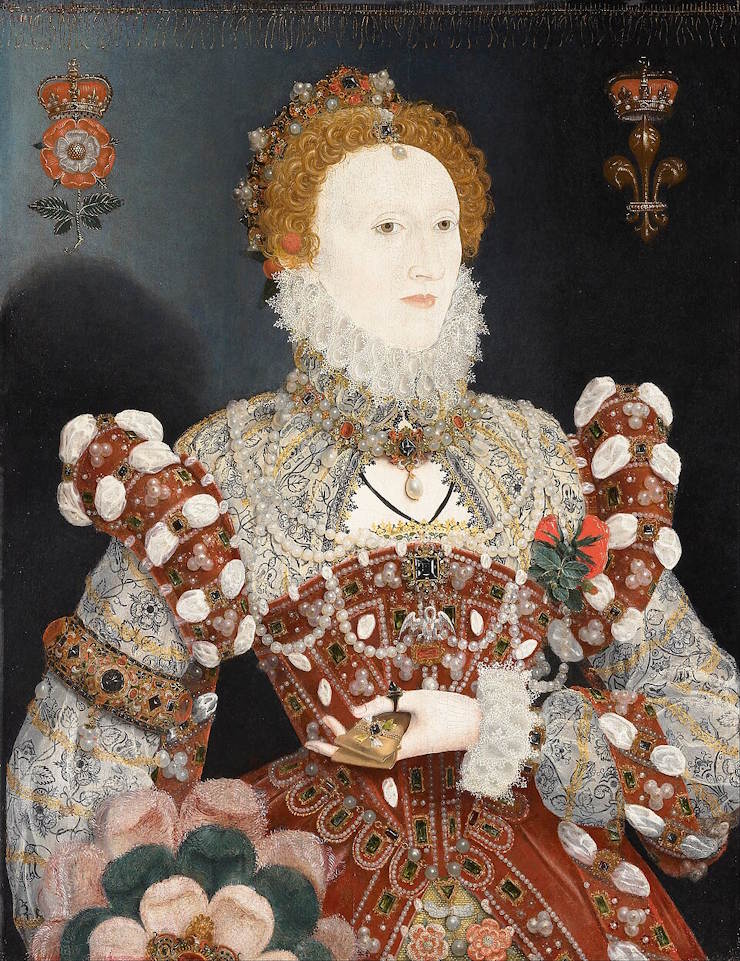
As she approached her teens, Arbella was sent to court where she was looked on very favourably by Elizabeth. She also made an impression on courtiers such as Walter Raleigh through her intelligence and knowledge of languages. Arbella and James VI were now the two most likely heirs to the English throne, and Elizabeth made no secret of her preference for Arbella. She was recognised as a princess and called “Your Highness”. Bess of Hardwick must have felt that her plans were coming to fruition and all the effort in raising Arbella to accomplished womanhood was worthwhile.
With a crisis looming with Spain after the execution of Mary Queen of Scots, Elizabeth viewed Arbella as potentially useful in a strategic marriage with the Farnese family. The Duke of Palma was Governor General of the Netherlands and his son Ranuccio Farnese was proposed as bridegroom. At this time Elizabeth made a comment about Arbella to the French ambassador that has gone down in history: “Look at her well. She will one day be even as I am.” This opened the possibility of a future Queen Arbella with her consort Ranuccio, bringing peace between England and Spain. In the event it did not happen, and Arbella returned to Hardwick for a time before returning to court.
Whether at court or at home, Arbella continued to study and develop her talents. It is possible that Christopher Marlowe was her tutor for a time. Several more marriage proposals were considered for Arbella but never materialised. Arbella fell for Robert Devereux, the 2nd Earl of Essex, the stepson of Leicester and himself a favourite of Elizabeth I. However, Essex’s own political ambitions and eventual downfall rendered the idea impossible. There were also proposals from European courts, including suggestions that Arbella be married into the Spanish Habsburgs or the French aristocracy, but unsurprisingly, Elizabeth blocked all attempts at foreign alliances. Later, even the Queen’s Secretary Robert Cecil aspired to wed Arbella and take the throne himself.
Arbella often found herself the focus of plots, frequently planned by Catholics who wished to restore both Arbella and England to their faith. The Catholic Earl of Northumberland proposed to marry her in order to do both. Arbella was essentially stuck in Derbyshire during her late teens and early twenties, unable to marry anyone but the Queen’s choice, and incessantly in the company of her grandmother Bess. Today psychologists would term theirs an “enmeshed” relationship.
Arbella found it dull in Derbyshire, with only her grandmother’s building projects and local gossip to entertain her. She said as much to the few people she could trust. Around her, plots and marriage discussions continued to swirl.
In 1602 Arbella herself developed a complicated plan to marry Edward Seymour, the son of Lord Beauchamp. This was potentially inflammatory, since the Seymours were descendants of Katherine Grey and thus in a direct line of kinship from Henry VIII’s sister Mary. Katherine was the sister of Lady Jane Grey, the tragic girl who had been created briefly and unwillingly queen. Katherine had died in the Tower, probably through refusing food.
Bess of Hardwick managed to get her extricated without rousing the queen’s fury, but the relationship between the two was never the same again. Arbella was as much a prisoner in Derbyshire as her aunt Mary had been, and subject to verbal abuse and physical abuse from her grandmother and uncle. Arbella wrote compulsively and incoherently to anyone she felt could help, but most of her letters were intercepted. Eventually, Bess cut her from her will, though there was a reconciliation just before Bess died some years later.
When Elizabeth I died in 1603, Arbella hoped that her fortunes would change under her cousin James I, who wrote to her, and about her, sympathetically, and he and Queen Anne welcomed her at court. Although James did not grant her any significant political role, she was recognised through various actions such as following just behind Queen Anne in processions. Courtly life did not suit Arbella, however. She found it frivolous and ribald. She wrote of her loneliness. Once again she found herself caught up in plots that she had no desire in which to be involved.
By 1610, Arbella at the age of 35 took one last chance to seize control of her own destiny. She secretly married William Seymour, a member of the prominent Seymour family and himself a distant claimant to the throne. The marriage was conducted without royal permission, making it a direct act of defiance against James I.
When the king discovered the union, he was furious. Like Bess, Arbella’s grandmother, he felt betrayed by his cousin’s behaviour. Both Arbella and Seymour were arrested and separated. Arbella was initially placed under house arrest, but the couple attempted to escape. Perhaps recalling spirited tales of her Aunt Mary, Queen of Scots, who had ridden alongside Darnley wearing a steel cap on her head on the Chaseabout raid, Arbella dressed as a boy and fled. It would be the greatest, and only, adventure of her life.
 Flight of the lady Arbella Stuart in men’s clothing, Henry Marriott Paget
William managed to flee to the Continent, but Arbella’s escape was foiled when she was intercepted at sea on her way to France. James I reacted harshly, imprisoning Arbella in the Tower of London. Her health deteriorated under the strain of captivity. Cut off from her husband and the outside world, she fell into despair.
Arbella’s time in the Tower was marked by suffering. She eventually refused food, like her relative Katherine Grey, likely hoping to end her life through starvation, though some historians suggest that she may have been suffering from an illness exacerbated by imprisonment.
In 1615, after years of isolation, Arbella Stuart died. Her death, whether by illness, despair, or starvation, was a tragic end to a life that had once been full of promise.
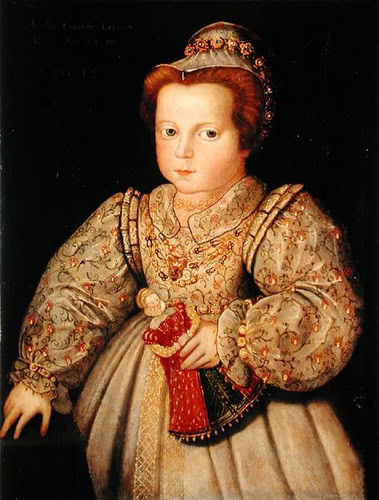
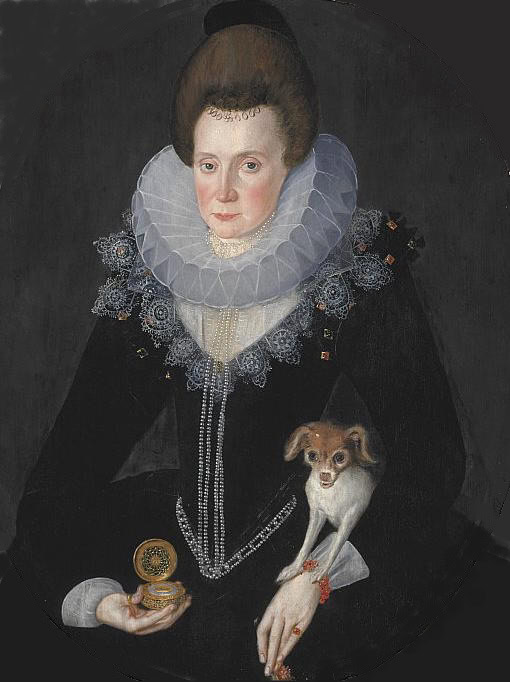
Bookish, learned Arbella was a victim not of her own desire to be Queen of England, but of the ambitions of others. Her portraits, even that commissioned by the Countess of Lennox when she was a toddler, show her prinked out to impress upon the viewer that she was created for a role she never wanted.
Arbella Stuart’s life was defined by her royal lineage and the ambitions others had for her, but despite her noble birth, she never ruled. Instead, she spent her years trapped between political aspirations, personal struggles, and forced isolation. She was seen both as a potential queen and a political pawn, her fate ultimately dictated by forces beyond her control.
Dr Miriam Bibby FSA Scot FRHistS is a historian, Egyptologist and archaeologist with a special interest in equine history. Miriam has worked as a museum curator, university academic, editor and heritage management consultant.
Published: 28th August 2025