

The Tudors were a family of larger-than-life-characters, and Margaret Douglas was no exception. Though less well known than relatives such as Henry VIII or Elizabeth I, the role she played in the destinies of both England and Scotland was ultimately more important than either of these two celebrated monarchs.
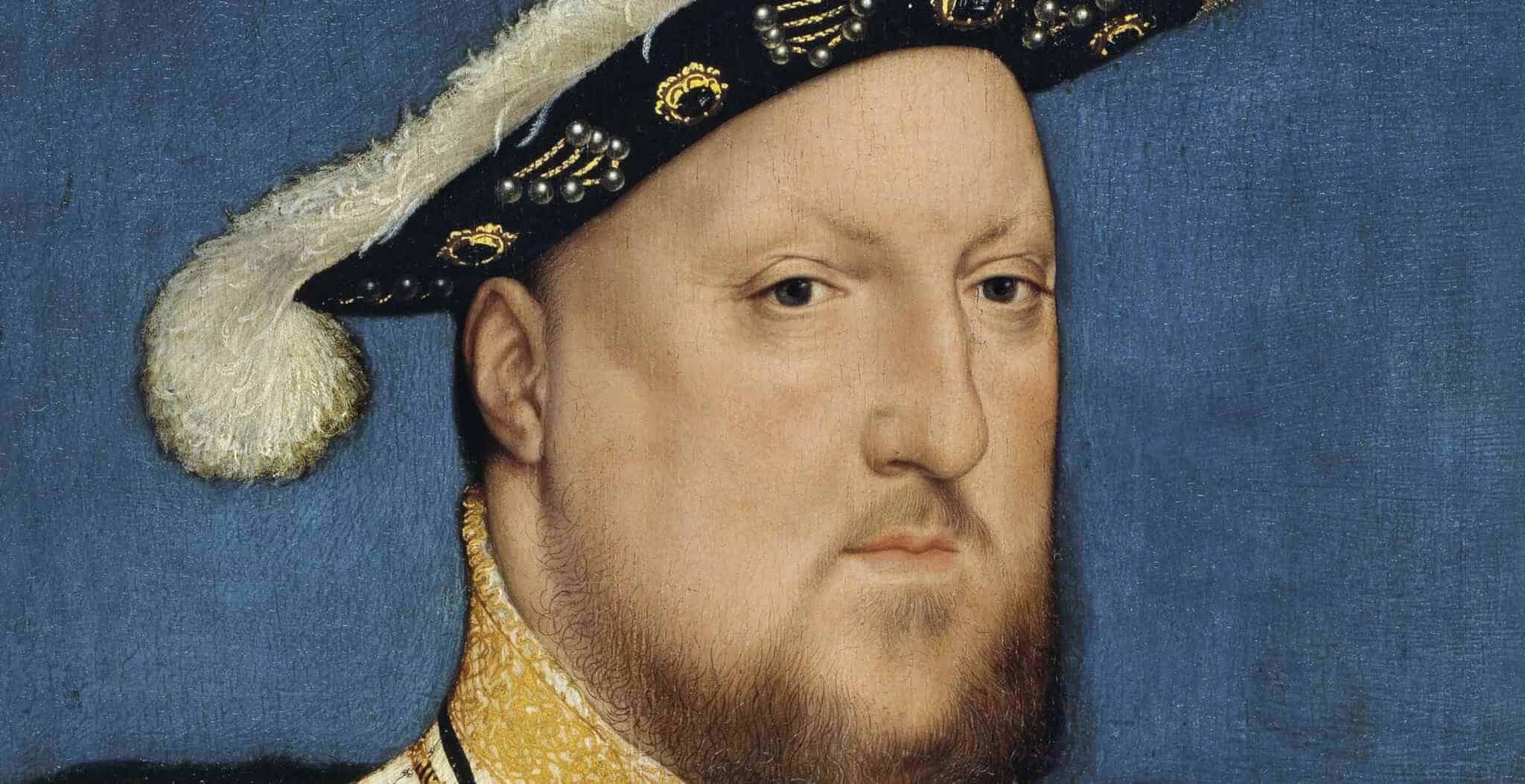
Margaret’s early years were adventurous – and the adventures began while she was still in the womb. Born on October 8, 1515, at Harbottle Castle in Northumberland, England, Margaret Douglas was the daughter of Archibald Douglas, 6th Earl of Angus, and Margaret Tudor. Her mother was the widow of King James IV of Scotland and the sister of King Henry VIII of England. This lineage made Margaret a granddaughter of Henry VII, placing her in close proximity to the English throne.
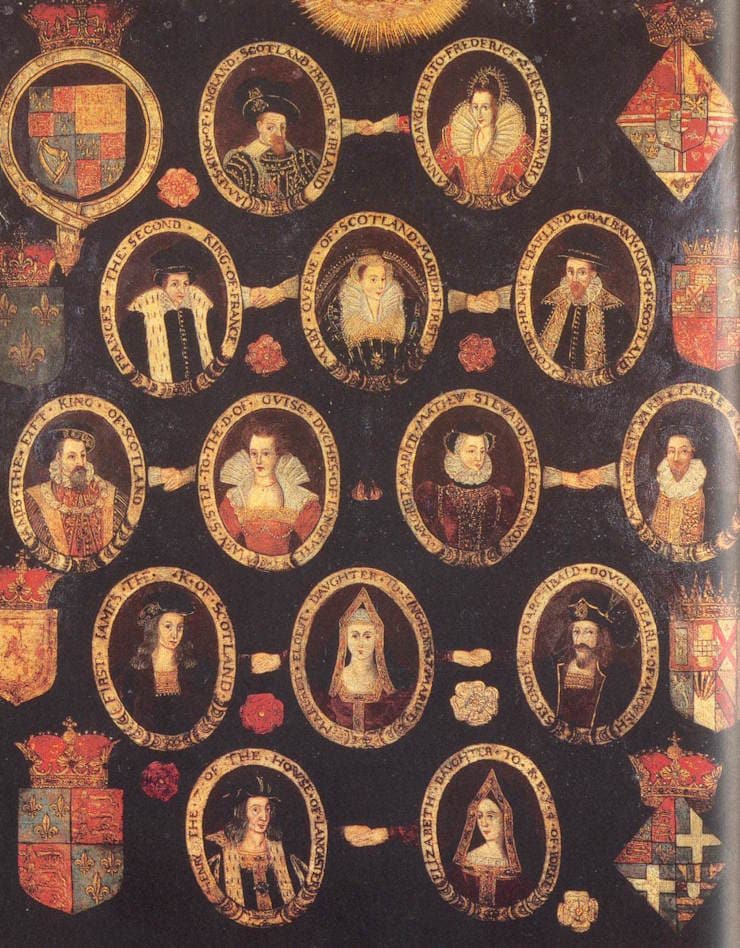 Pictorial genealogy showing James I and VI’s Tudor ancestry. Mary Stuart, Queen of Scots, James’ mother, is shown in the centre of the second row, holding hands to signify marriage first with Francis II and secondly with Lord Darnley, father of James. Beneath Mary to her right are her parents, James V of Scotland and Mary of Guise. Beneath Darnley are his parents Lady Margaret Douglas and Matthew Stewart, Earl of Lennox.
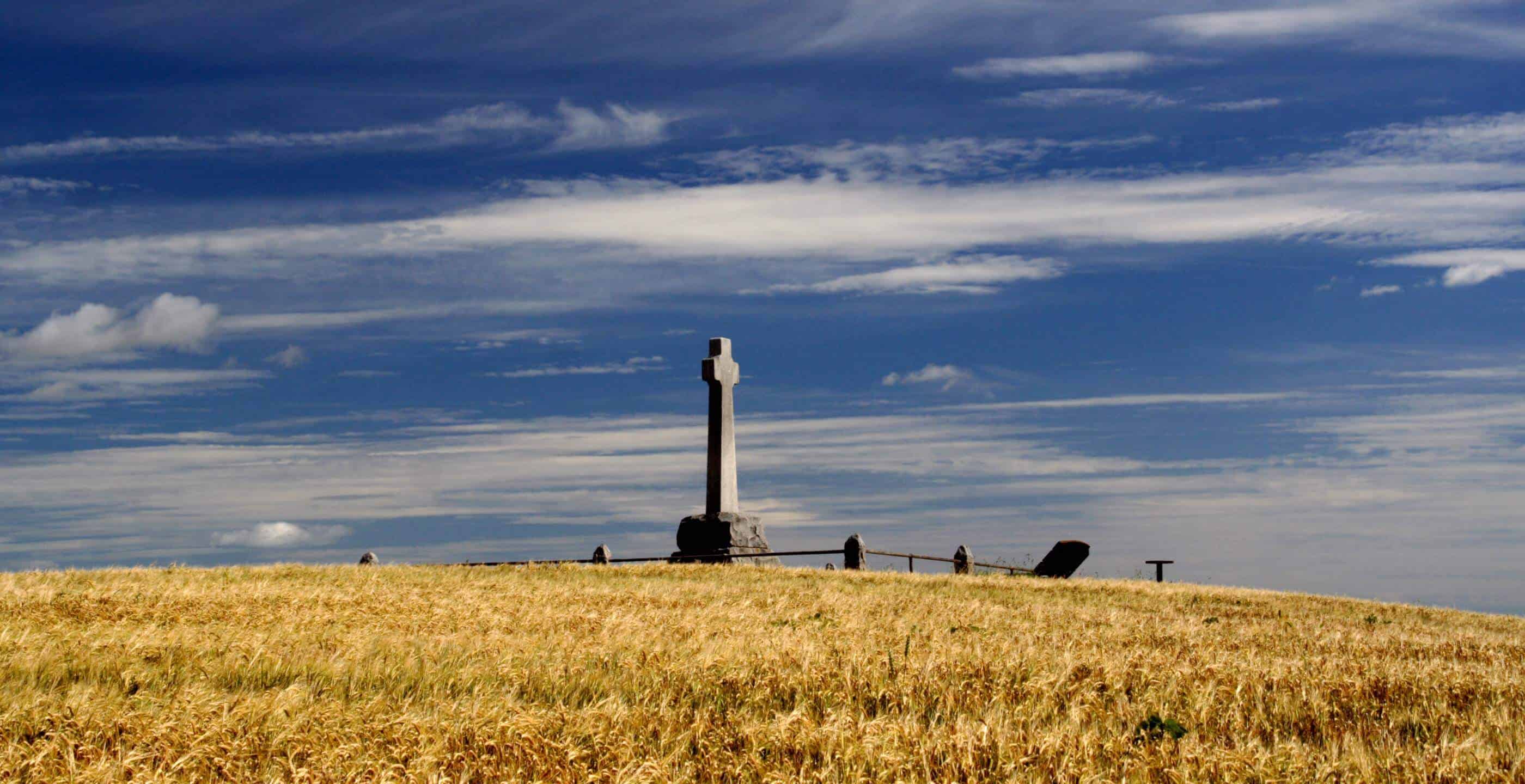
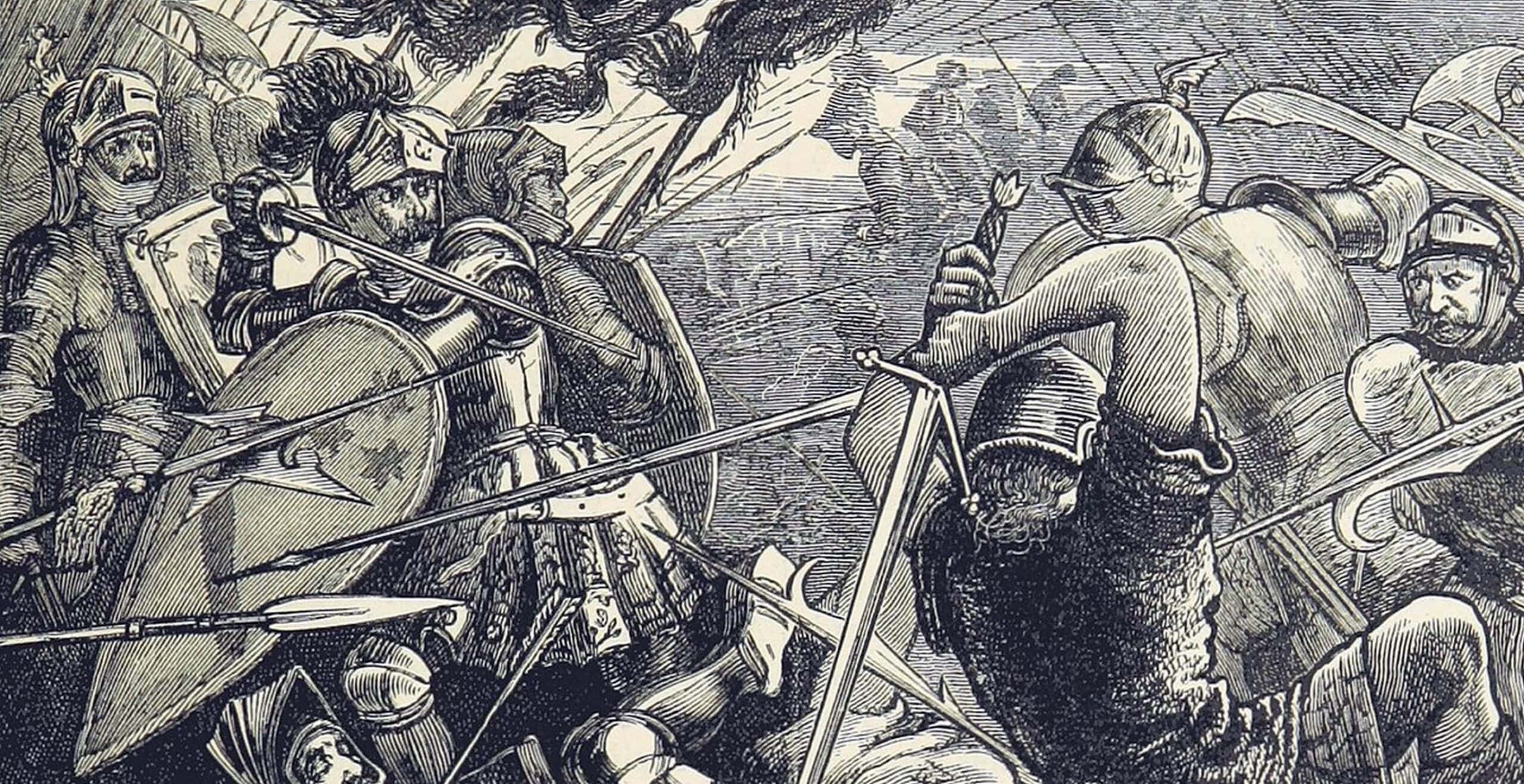
After the death of James IV at the Battle of Branxton (also known as Flodden Field), Margaret Tudor was left a widow at just 25 years old, and the mother of two surviving sons: James, the new king, and Alexander, Duke of Ross. She had been pregnant with her second son when James fell at Flodden.
At first, Margaret Tudor was made regent with her son in her care. However, as was often the case in Scotland, a change in succession was the cue for conflict, with various parties vying for authority over the monarch. The warring parties were broadly divided into pro-French and pro-English factions, although it was not unusual for individuals to waver in their loyalties according to expediency! The political situation was further complicated by the inexorable rise of Protestantism in Scotland.
Within a year of the death of James IV, Margaret Tudor had remarried. Her second husband was Archibald Douglas, Earl of Angus. Like many of the senior families of Scotland, the Douglases were ancient and wily stock, who had been to the fore throughout many of the key incidents of Scottish history. Good-looking, ambitious, and clearly power-hungry, Archibald Douglas was a widower and probably a good choice for Margaret from the perspective of sheer survival in increasingly dangerous times.
However, she married him in secret, not telling either the Scottish Lords or Henry VIII of her choice. Since anyone with any claim to the English throne was supposed to only marry with the knowledge of the ruling monarch, Margaret was in fact putting her life into danger rather than securing it. Margaret’s young sons became pawns in the power play of the Scottish nobles, led by Margaret Tudor’s arch-enemy, the Duke of Albany.
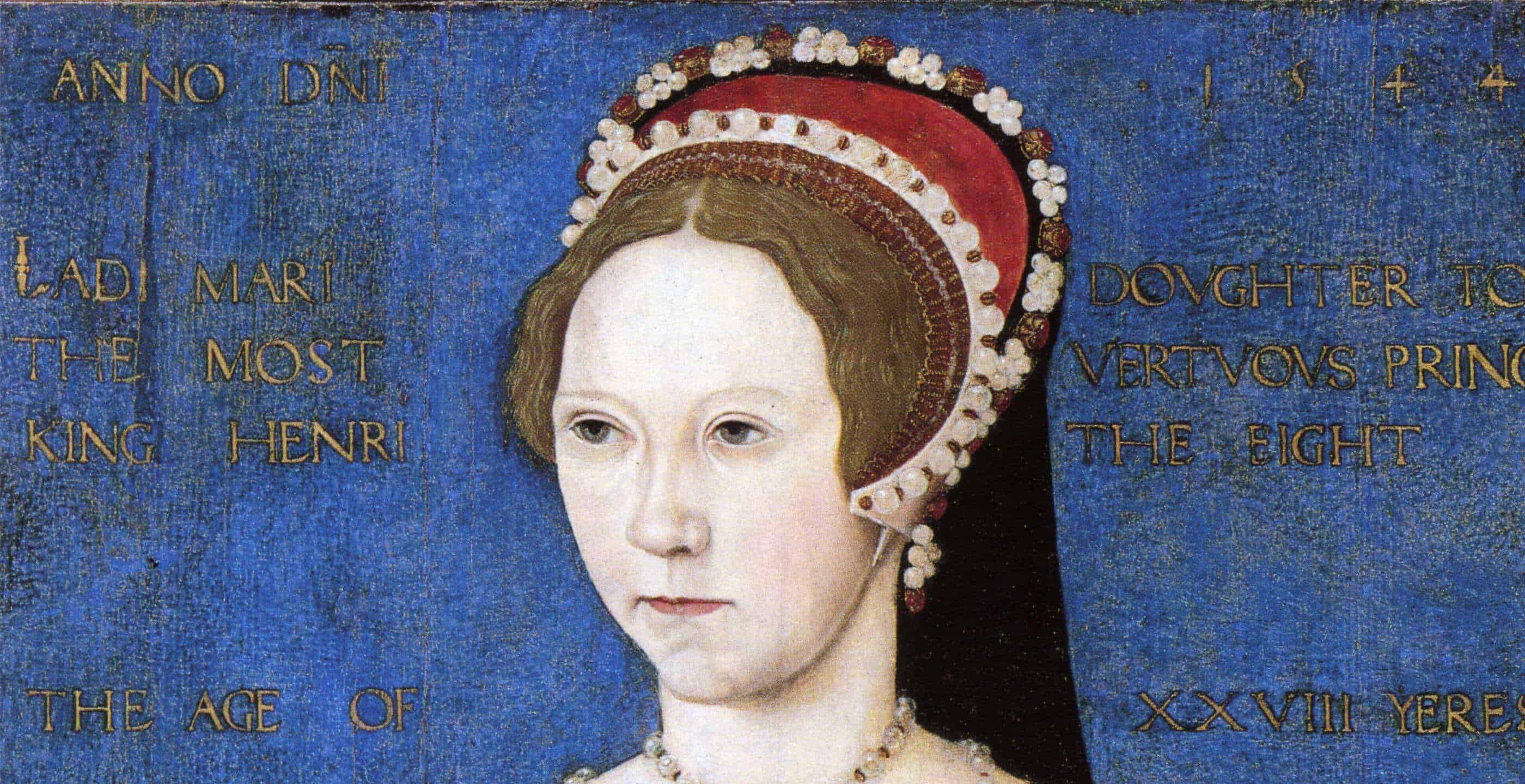
Forced to flee while pregnant with Angus’s child, Queen Margaret was eventually helped to safety in Northumberland where she gave birth to her daughter Margaret Douglas. Both mother and daughter found security for a time at the English court, where the younger Margaret was raised as a princess. She became close to her cousin, Princess Mary, later Queen Mary I, since both girls were very close in age. Margaret was educated in the royal household and later became a lady-in-waiting to both Anne Boleyn and Mary Tudor, which positioned her at the heart of Tudor politics. Margaret Douglas continued to be a lady-in-waiting to Henry’s later wives.
Margaret Douglas’s relationship with both parents was fractured and chaotic. Her early years were marked by conflict between both of them, including her mother’s return to Scotland and later attempts at divorce, and a period during which the young Margaret lived with her father at Tantallon Castle. On one notorious occasion, when Queen Margaret was besieged by her husband Angus, she ordered cannon to be fired on him. The young Margaret was close to her father, and it appears after the scandal of her mother’s divorce and third marriage, she never saw her mother again.
At the age of fifteen Margaret Douglas rejoined the English court. She was once again treated as a princess, and a favourite of King Henry VIII. Henry never lost his fondness for Margaret and even when she was later imprisoned in the Tower he sent her gifts. For Henry and other members of the royal family, Margaret was their beloved niece and cousin Megget. However, these were the years of Henry’s divorce, and his relationship and marriage to Anne Boleyn, which meant that Princess Mary was now declared illegitimate and the line of succession to the throne shifted once again.
Margaret was always in the line, and therefore always the focus of marriage plans made either by her mother or her uncle Henry VIII. As was so often the case among young women expected to play a part in dynastic politics, Margaret thwarted them by making her own life plan. In 1535 she simply fell in love with Thomas Howard, the younger brother of Sir William Howard, both members of the powerful Howard family of Norfolk, and was secretly betrothed to him.
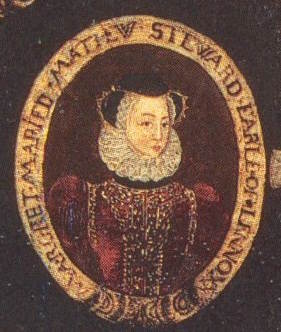 Miniature of Margaret Douglas
This was potentially a direct threat to King Henry VIII’s own succession plans. On his orders, Margaret and Thomas were imprisoned in the Tower of London. The rules of royal succession were changed in order to make marrying without the monarch’s express approval a potentially capital offence. Since Henry VIII hadn’t held back from beheading his own wife Anne Boleyn, Margaret was risking her life what appears to have been a true affair of the heart. While imprisoned, Margaret and Thomas wrote love letters to one another, which have been preserved in the Devonshire manuscript.
Both Margaret and Thomas Howard were ill while being kept in the Tower. Thomas died in captivity in 1537. Margaret was eventually released but remained under close watch. She regained her favour at court, and there are numerous records of the presents she was given at Christmas and other special occasions.
However, she was later involved in another scandal when she had an affair with Charles Howard, a relative of her former fiancé. This led to another period of disgrace, but she managed to recover her standing once again. Margaret was in the strange position of being over-eligible, a fate that would also overshadow the life of her granddaughter Arbella Stuart. She was so close to the succession to the English throne that at times she was in second place; but this made the need for her to make precisely the right match even more compelling. As a result, while various names were suggested, Margaret remained unmarried well into her late twenties.
In 1544, Margaret married Matthew Stewart, 4th Earl of Lennox, a Scottish nobleman with royal blood. This marriage was politically significant, as it strengthened ties between England and Scotland. Lennox had been playing a wary game before his marriage, since he was also paying court to Marie of Guise, the Queen Mother, whose daughter was Mary Queen of Scots.
There were benefits to the Douglas-Stewart marriage as far as Henry VIII was concerned, since he intended to use Lennox to gain control over key strategic locations in Scotland. In the event, Lennox failed to live up to expectations, and the couple lost control, estates, and influence in Scotland, and failed to gain power in England. They did however have estates in England and spent time and energy on building projects. Their main seat was at Temple Newsam in Yorkshire.
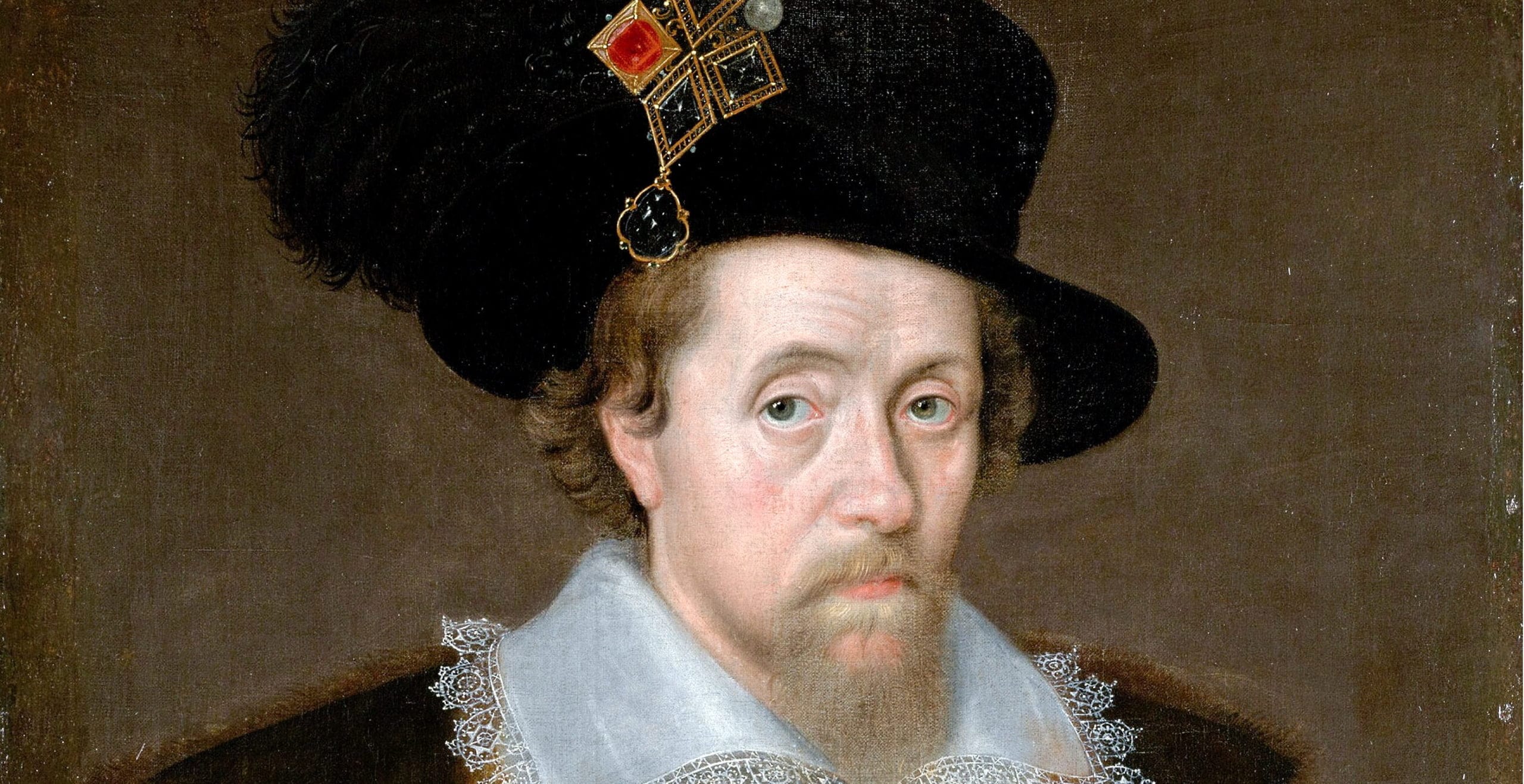
Despite various dynastic and political intrigues before and after their marriage, Margaret and Matthew appear to have had a genuinely happy relationship. They had several children, including Henry Stuart, Lord Darnley, who would later marry Mary, Queen of Scots, and become the father of King James VI of Scotland and I of England. Only two of the Lennox children survived into adulthood: Darnley and his younger brother Charles.
Margaret remained staunchly Catholic throughout her life and as a friend of Mary I of England, was no natural ally to Elizabeth I. Her homes in the north of England were safe havens for Catholics throughout her life. However, after Mary’s death and Elizabeth’s accession to the throne, Margaret made sure that she and her husband Lennox approached Elizabeth immediately to show their loyalty.
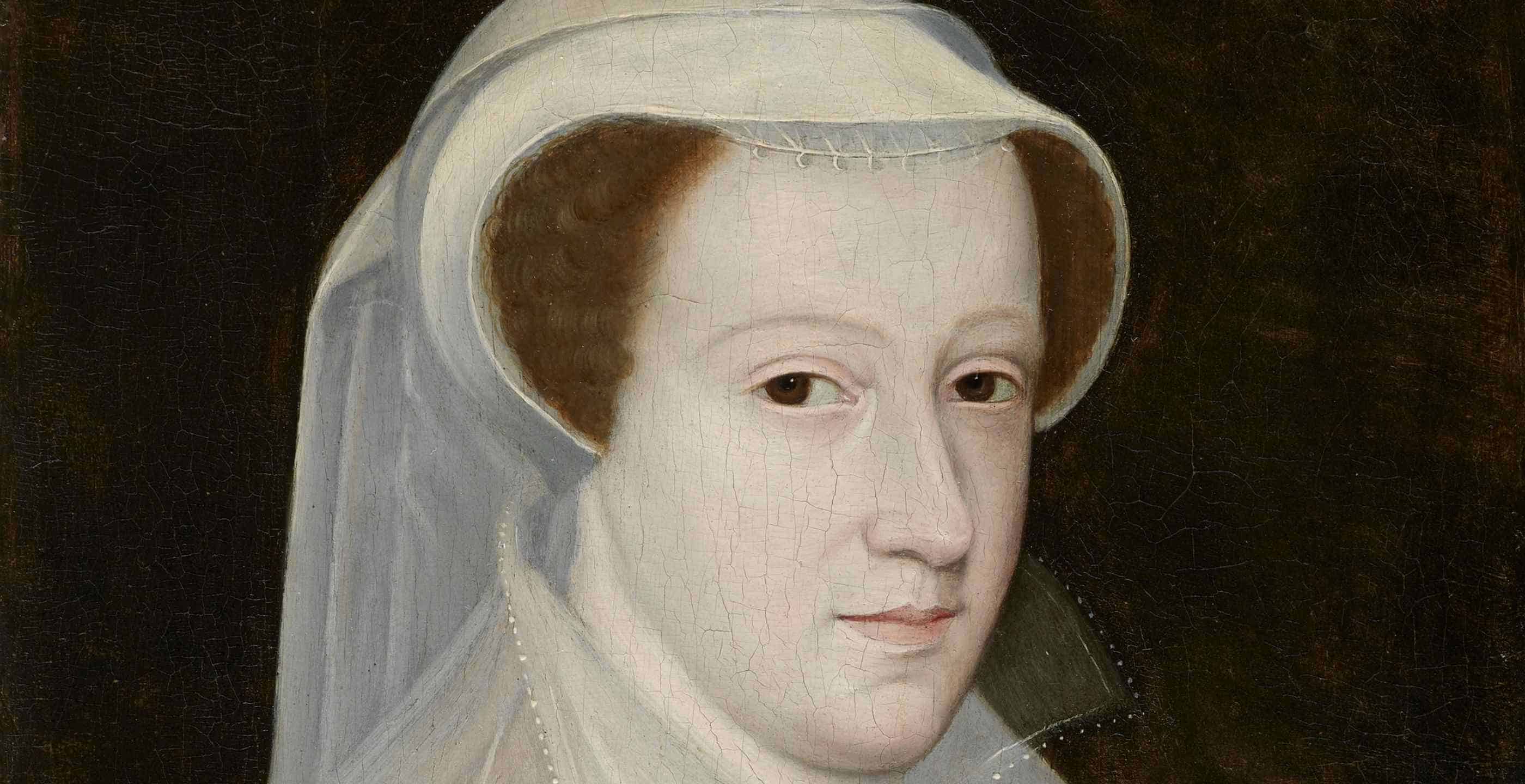
Margaret was deeply involved in securing her family’s claim to the throne. She worked tirelessly to promote her son Darnley as a suitable husband for Mary, Queen of Scots, believing that their union would strengthen her family’s position in both kingdoms. She was already working on the plans for this marriage when Mary was married to the Dauphin Francis, and still plotting when he became king. Francis was sickly and not expected to live long. Once he had died, Margaret devoted herself to her son’s cause with Mary.
Margaret comes across as an almost stereotypically ambitious mother, determined that her son should marry Mary and ultimately fulfil her own ambitions. However, Darnley’s marriage to Mary ended in tragedy – he was murdered in 1567, an event that led to Mary’s notorious downfall and ultimately captivity and execution.
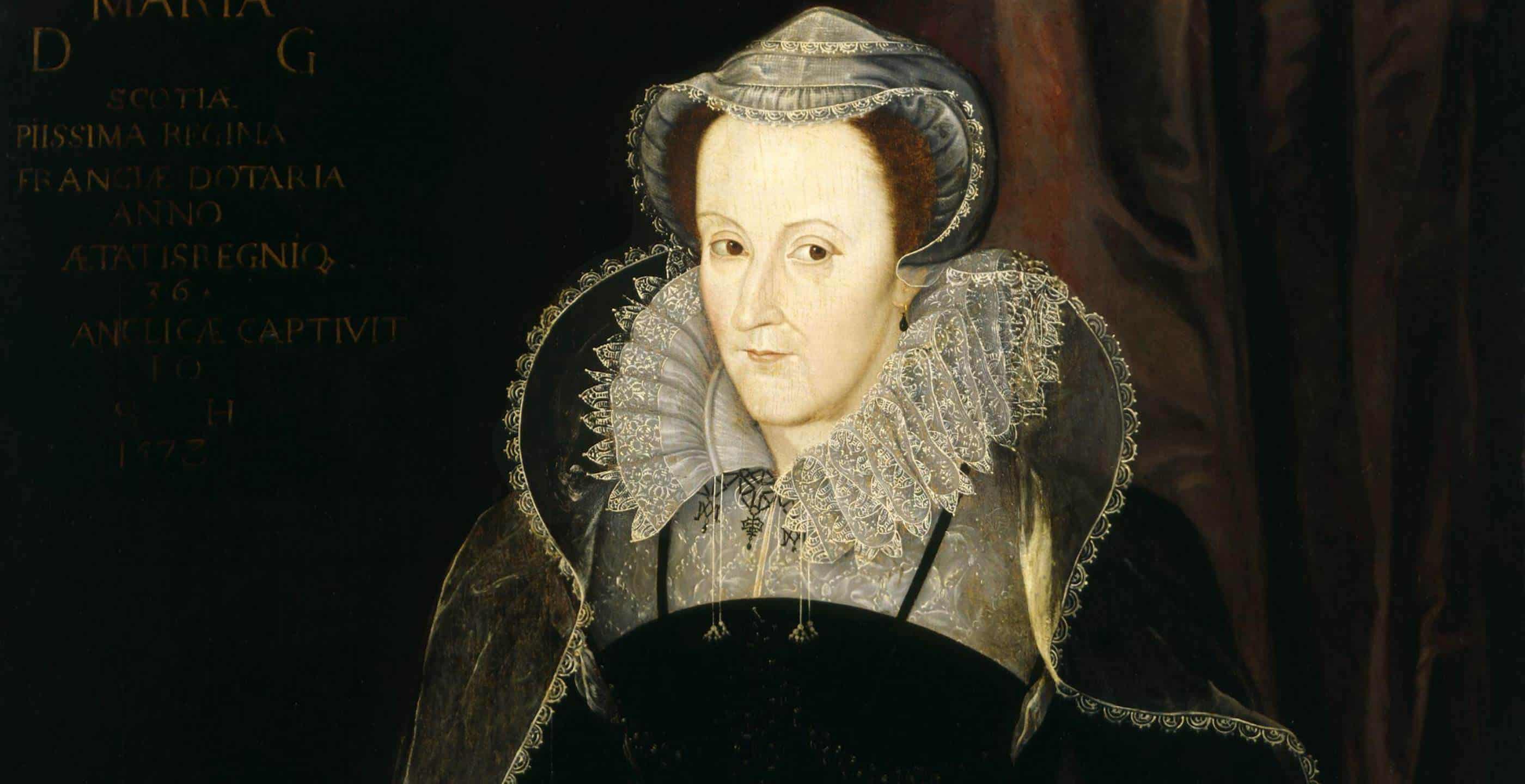
After Darnley’s murder, Margaret initially condemned Mary, Queen of Scots, but later reconciled with her when Mary was under the supervision of Bess of Hardwick and her husband. The influence and significance of this little group of extraordinarily powerful women – Mary Queen of Scots, Queen Elizabeth, Bess of Hardwick, Countess of Shrewsbury, and Margaret Douglas, Countess Lennox – cannot be overstated. They were at the heart of Tudor and Stuart dynastic politics, both drivers of the island of Britain’s affairs, and also driven by them. Without knowledge of the complex relationship between them all, it is impossible to understand the sixteenth century. They gossiped about and with one another, continuously scheming, and were at the heart of intrigues and politics.
In 1574, Margaret was imprisoned again due to the marriage of her younger son, Charles Stuart, to Elizabeth Cavendish, daughter of Bess of Hardwick, a match that Queen Elizabeth I had not approved. She was eventually released but lived in relative poverty. Despite being one of the most important people in the land, Margaret’s entire life was lived precariously, like so many of the women who were in proximity to the throne, and indeed in the succession.
Margaret helped to care for her granddaughter Arbella Stuart after the death of her son, Charles. Her own death came not long after that of Charles, in March 1578. She became ill after dining with Robert Dudley, Earl of Leicester, who had formerly been one of her supporters. Poisoning was suggested but never proven. There’s little evidence for it, and no real motive.
Despite dying in debt, her jewels craftily appropriated by her grandson James VI, Margaret was buried in splendour paid for by Elizabeth I. She shares a grave with Charles her son, and has a lavish monument with an alabaster effigy.
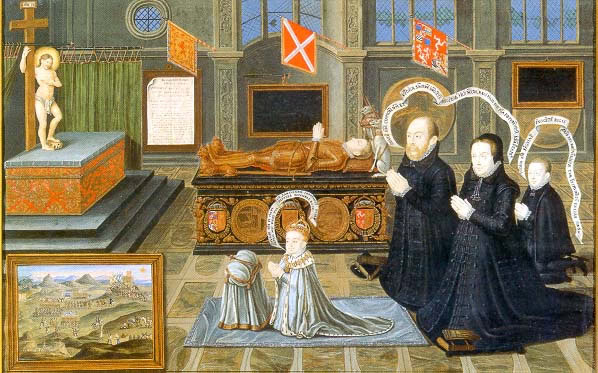
Two artefacts in particular are associated with Margaret Douglas. The first is the famous “Vendetta portrait” which shows the murdered Lord Darnley lying on a tomb. There is an altar in the scene, with Christ holding a cross. King James VI, still a boy, kneels in front of the altar wearing his crown. Behind him kneel the Earl and Countess Lennox, with their youngest surviving child kneeling behind them. The whole family is dressed in mourning, although James VI wears his state robes and a crown.
To stress the fact that Darnley was murdered, there are smaller images within the painting, one depicting Darnley and his page being torn from their beds, and then lying dead in the garden at Kirk o’ Field. Another shows the defeat of Mary at Carberry Hill. The Lords who opposed her are shown carrying a banner with Darnley’s image on it and the words “Judge and avenge my cause, O Lord”. The young King James echoes the cry: “Arise O Lord, and avenge the innocent blood of the king my father and, I beseech you, defend me with your right hand”. There are two versions of the painting, and numerous copies.
The second artefact is the Lennox Jewel, which eventually was owned by Queen Victoria, and is now on display in Holyrood Palace.
Margaret Douglas was a formidable figure in Tudor history. Her ambition, resilience, and political acumen ensured that her family remained at the centre of royal affairs. Though she faced imprisonment and disgrace multiple times, she never wavered in her pursuit of power for her descendants. Despite her struggles, she did achieve her ultimate goal. Her grandson, James VI of Scotland, would later inherit both the Scottish and English thrones, becoming King James I of England.
Dr Miriam Bibby FSA Scot FRHistS is a historian, Egyptologist and archaeologist with a special interest in equine history. Miriam has worked as a museum curator, university academic, editor and heritage management consultant.
Published: 17th July 2025.