

We have compiled an alphabetical listing of the more ‘interesting’ destinations that you may wish to visit within the UK.
The more sinister sites are denoted with a reddish shade, whilst those involving the church have a hue of blue and those associated with folk & legend have a tint of green.
Readers should always check with local Tourist Information Centres (TIC’s) that events or festivals are actually taking place before setting out to attend.
| Destination | Folklore, Custom or Legend |
| Abbots Ann, Hampshire | The custom of hanging the ‘Maidens Garlands’ in the local church in memory of deceased virgins dates back to the early eighteenth century. |
| Abbots Bromley, Staffordshire | The ancient Horn Dance takes place here each September. |
| Abbotsbury, Dorset | Garland Day is still celebrated here each May |
| Abingdon, Oxfordshire | The traditional election of the Mayor of Ock Street is held in mid-July. |
| Adderbury Oxfordshire | Local folklore connects the Devil with the church spire. |
| Alfriston, Susex | The shape of the Church of St Andrews is said to have been inspired by four oxen. |
| Allendale, Northumberland | Tubs of blazing tar are carried through the streets during the New Year’s Eve Fire Festival. |
| Alnwick, Northumberland | Traditional Shrove Tuesday Football is played annually. |
| Ambleside, Cumbria | A rush-bearing ceremony takes place on the last Sunday in July. |
| Appleby-in-Westmorland | Britain’s largest horse-fair takes place in June. |
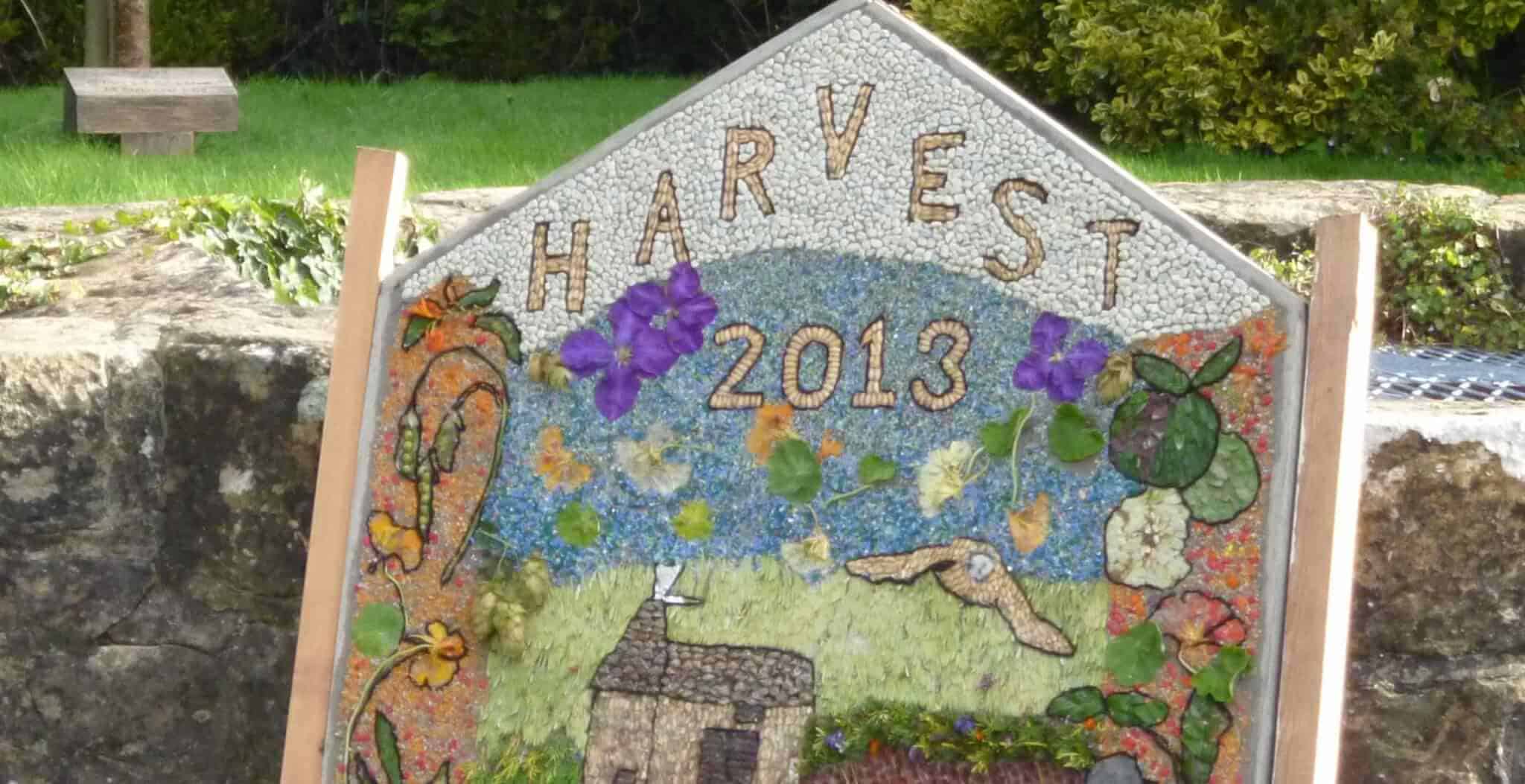
| Ashbourne, Derbyshire | Shrovetide Football is played with goal a mere 3 miles apart. The village is also know for well-dressing. |
| Ashford, Derbyshire | The tradition of well-dressing takes place in May. |
| Aston on Clun, Shropshire | Arbor Day celebrations take place in May. |
| Athelney, Somerset | King Alfred hid from his enemies and burned those famous cakes when sheltering in a cottage here. |
| Atherstone, Warwickshire | A venue for the annual Shrovetide Football event. |
| Bacup, Lancashire | Famous for the mildly eccentric ‘Nutters Dance’! |
| Badbury Rings, Dorset | An Iron Age hillfort associated with Mount Badon, where King Arthur defeated the Saxons. |
| Bakewell, Derbyshire | Well-dressing takes place in June. |
| Bamburgh Castle, Nothumbria | Associated with the legends of Sir Lancelot, also the haunt of the Laidley Worm. |
| Bampton, Oxfordshire | The Bampton Morris Men annually celebrate Whit Monday in style. |
| Bardney, Lincolnshire | A shaft of holy light appeared before the monks of Bardney when they refused to accept the bones of St Oswald. |
| Barlow, Derbyshire | The well-dressing tradition is practised every August. |
| Barnsdale, Yorkshire | Believed by many to be the true home of Robin Hood and his Merry Men. |
| Barrowden, Leicestershire | A traditional rush-bearing ceremony takes place here each June. |
| Barwick-in-Elmet | Famous for its Maypole dancing event. |
| Baslow, Derbyshire | Well-dressing takes place here each July. |
| Bath, Somerset | Associated with legend of the leper Prince Bladud, who discovered the healing power of the spa. |
| Berden, Hertfordshire | The annual ceremony of the enthroning of the Boy Bishops takes place here each December. |
| Berkeley, Gloucestershire | The Witch of Berkeley was carried away to hell by the Devil on a horse covered with spikes. |
| Berry Pomeroy, Devon | Preferring death to dishonour, two brothers rode their horses off the castle ramparts after a failed rebellion attempt. |
| Berwick-upon-Tweed | The annual ceremony of Blessing the Salmon Nets takes place here each February. |
| Biddenden, Kent | In memory of a pair of Siamese twins, the Biddenden Dole gifts are distributed each Easter Sunday. |
| Bideford, Devon | Each New Year’s Day, at the custom known as Andew’s Dole, loaves of bread are given out. |
| Biggar, Strathclyde | Each New Year’s Eve a traditional celebration known as ‘Burning the Old Year Out’ takes place. |
| Blidworth, Nottinghamshire | A cradle-rocking ceremony takes place each February in the local church. |
| Bloxham, Oxfordshire | A local legend connects the Devil with the church spire. |
| Blythburgh, Suffolk | Back in 1577, evil spirits came a calling at Blythburgh’s Church of the Holy Trinity. |
| Bonsall, Derbyshire | Well-dressing takes place here each July. |
| Bourne, Lincolnshire | The annual running auction is held each Easter Monday. |
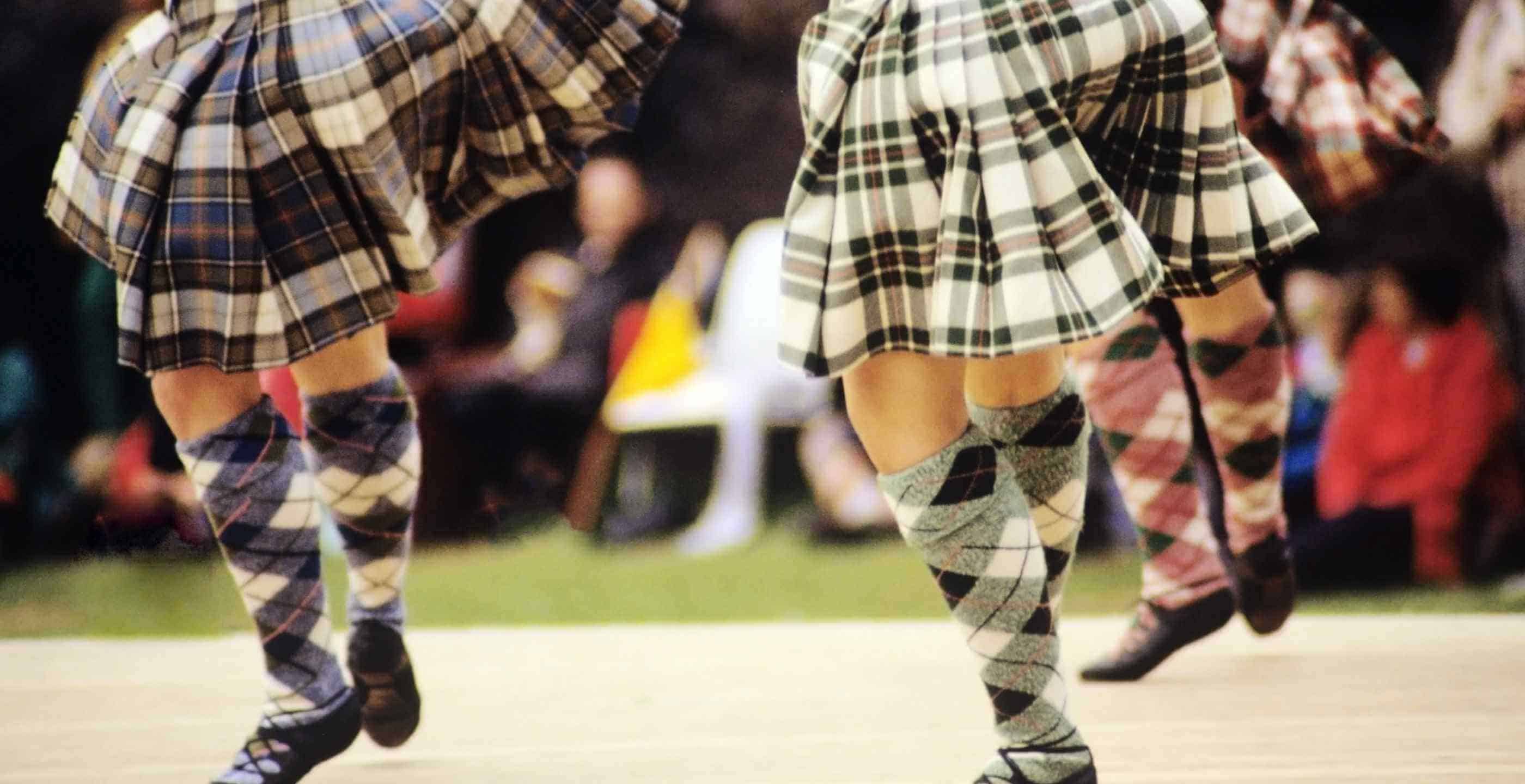
| Braemar, Grampian | The Royal Highland Gathering meets each September. |
| Bradwell, Derbyshire | Well-dressing takes place here each July. |
| Brandeston, Suffolk | The Witchfinder-General Mathew Hopkins, sentenced the Rev’d John Lowes to be hanged for witchcraft in 1645. |
| Braunton, Devon | Braunton’s first church was founded by St Brannoc, who had sailed from Wales in a stone coffin. |
| Bristol, Somerset | Each Whit Sunday a rush-bearing procession takes place at St Mary Redcliffe’s Church. |
| Brockworth, Gloucestershire | Each Spring Bank Holiday cheeses are rolled down Cooper’s Hill. |
| Bromsgrove, Worcestershire | Associated with a legend that involves the slaying of a magical boar by Sir Rylas. The head appears on the towns’ coat of arms. |
| Buckland, Surrey | The village was once terrorised by a fearsome creature known as the Buckland Shag. |
| Burghead, Grampian | An ancient fire festival known as the ‘Burning the Clavie’ is celebrated each January. |
| Buxton, Derbyshire | Well-dressing takes place here each June. |
| Cadbury Castle, Somerset | The Iron Age hillfort believed by many to be the most likely site of King Arthur’s Camelot. |
| Calder Valley, Yorkshire | The traditional Pace-Egg Play is performed each Good Friday. |
| Callington, Cornwall | The ancient Christian Depth Well is signposted from the village centre |
| Canewdon, Essex | A local legend connects the tower of St Nicholas’s Church with seven witches. |
| Carhampton, Somerset | The tradition of Wassailing the cider apple trees is held on the Old Twelfth Night. |
| Carlisle, Cumbria | Several Arthurian legends are connected to the city. |
| Carmarthen, Dyfed | Celebrated as where Merlin’s Oak grew, also for Job’s Healing Well. |
| Castleton, Derbyshire | Garland King Day celebrates Charles II’s escape from the Roundheads each May. |
| Chanctonbury Ring, Sussex | A hillfort linked with legends of buried treasure, druids and the Devil himself. |
| Charing, Kent | The Hooden Horse celebrations are thought to have been brought to Kent by the invading Jutes. |
| Charlton-on-Otmoor, Oxfordshire | Traditional May Day celebrations include Garland Dressing and Maypole dancing. |
| Chelmorton, Derbyshire | Well-dressing takes place each June. |
| Chelmsford, Essex | One of the most infamous sites associated with the witchcraft trials. |
| Chester, Cheshire | The Miracle Plays take place in July every fifth year. The next is scheduled for 2018. |
| Chester-le-Street, Durham | The Shrove Tuesday football match is an annual event. |
| Chichester, Sussex | Blessing the Plough Ceremony takes place on the first Sunday following Twelfth Night. |
| Christchurch, Hampshire | Local legend recalls how divine intervention helped to construct the town’s priory church. |
| Cilgerran, Cardiganshire | Venue for the annual coracle races that take place each August. |
| Cleator Moor, Cumbria | Pilgrims arrive to pray at the replica shrine of Our Lady of Lourdes. |
| Combe Martin, Devon | Over the Spring Bank Holiday the village practices the seventeenth century custom of ‘The Hunting of the Earl of Rone’. |
| Comrie, Tayside | ‘Burning the Old Year Out’ is celebrated each 31st December. |
| Constable Sands, Cheshire | These sand bars on the River Dee commemorate a miracle by St Werburga. |
| Corfe Castle, Dorset | King Edward the Martyr was murdered here by order of his stepmother. |
| Cottingley, West Yorkshire | Setting for those controversial ‘Cottingley Fairies’ photographs. |
| Coventry, West Midlands | Site of Lady Godiva’s naked ride. |
| Deerhurst, Gloucestershire | For years the townsfolk lived in fear of a dragon until it was slain. |
| Derwentwater, Cumbria | St Herbert’s Isle in Derwentwater is named after the holy hermit who once lived there. |
| Devil’s Bridge, Cumbria | Legend tells that the Devil built the bridge across the River Lune in order to trap an old woman. |
| Devil’s Dyke, Sussex | An old woman saved the local folk by outwitting the Devil |
| Dewsbury, Yorkshire | A bell known as Black Tom tolls every Christmas Eve to keep the Devil from the streets of Dewsbury. |
| Dilston, Northumberland | Linked with supernatural occurrences after the Jacobite leader James Radcliffe was beheaded in London. |
| Dore, Yorkshire | Well-dressing takes place here each July. |
| Duloe, Cornwall | Site of St Cuby’s holy well. |
| Dunmow, Essex | Each leap year the Dunmow Flitch Trial is held in order to establish the couple who share marital bliss. |
| Dunster, Somerset | Hobby Horse celebrations take place each May Day. |
| East Dereham, Norfolk | Site of a convent founded by St Withburga in the seventh century. Her holy well and shrine are close to St Nicholas’s church. |
| Ebernoe, Sussex | Site of the Horn Fair held each July. |
| Edenbridge, Kent | Bonfire celebrations take place on 5th November. |
| Edinburgh, Lothian | The Beltane Fire Festival takes place annually. |
| Edmondthorpe, Leicestershire | The effigy of local witch, Lady Ann Smith, can be seen in St Michael’s Church. It is said that she could turn herself into a cat. |
| Edwinstowe, Nottinghamshire | The enthronement of Boy Bishops takes place each December. |
| Egremont, Cumbria | The world Gurning (face-pulling) Championships are held each September. |
| Endon, Staffordshire | Site of well-dressing and the ‘Tossing the Sheaf’ event. |
| Etwall, Derbyshire | Well-dressing takes place each May. |
| Eyam, Derbyshire | Famous as a ‘Plague Village’, which is commemorated annually at an outdoor service every August. |
| Eynesbury, Huntingdonshire | A local legend recalls a duel between two spear-throwing giants. |
| Farne Islands, Northumberland | Evil pagan spirits were soon evicted to the outlying islands when St Cuthbert arrived there. |
| Featherstone Castle, Northumberland | The setting for the legend of the phantom wedding party. |
| Fenny Stratford, Buckinghamshire | The tradition of ‘Firing the Fenny Poppers’ takes place each St Martin’s Day. |
| Folkestone, Kent | At various times and events during the year the Hooden Horse makes an appearance. |
| Foolow, Derbyshire | Well-dressing takes place each August. |
| Frensham, Surrey | The Legend of Mother Ludlam, a friendly old white witch who lived in a local cave close to village of Frensham. |
| Fyvie Castle, Aberdeenshire | Site of the ‘Fyvie of the Weeping Stones’, the result of an ancient curse. |
| Gawthorpe, Yorkshire | The May Day celebrations include Maypole dancing, and the May Queen procession. |
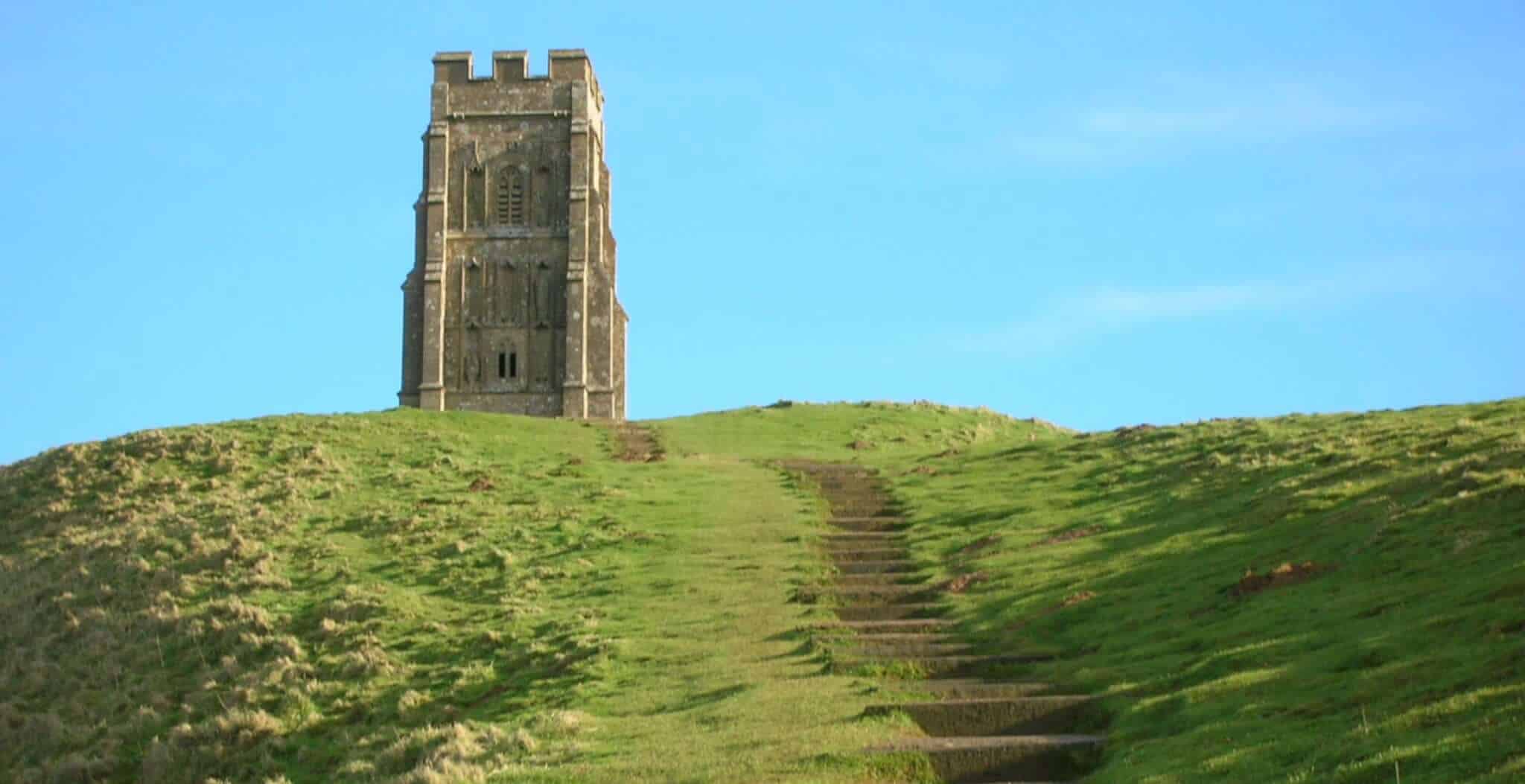
| Glastonbury, Somerset | The oldest Christian site in Britain, legendary burial place of King Arthur and an even more ancient Leycentre. |
| Grasmere, Cumbria | Every July a rush-bearing procession and church ceremony takes place. |
| Great Corby, Cumbria | The castle is associated with the Radiant Boy, one of England’s best known ghosts. |
| Great Melton, Norfolk | Associated with sightings of ghostly horse-drawn coach with headless coachman and passengers. |
| Great Wishford, Wiltshire | Each May villagers gather to celebrate Oak Apple Day. |
| Griffydam, Leicestershire | The griffin that terrorised the village was eventually put to the sword by a knight. |
| Griston, Norfolk | Wayland Wood is the supposed setting for the Babes in the Wood folk-tale. |
| Guiseley, Yorkshire | St Oswald’s is the setting for the custom of Clipping the Church each August. |
| Hallaton, Leicestershire | Venue for the Easter Monday Bottle Kicking and Hare Pie Scramble. |
| Handale, Yorkshire | Home of the Serpent of Handale, a local dragon that developed an unhealthy appetite for the village womenfolk. |
| Hartington, Derbyshire | Well-dressing takes place each September. |
| Harland Point, Devon | Mass is celebrated by St Nectan’s holy well in June. |
| Haselbury Plucknett, Somerset | Once the home of the animal loving St Wulfric. |
| Hastings, Sussex | The traditional Blessing the Sea ceremony is still performed just prior to Ascension Day. It is also the venue for the annual Jack-in-the-Green festival. |
| Hatherleigh, Devon | Blazing tar barrels are rolled through the streets each November. |
| Hathersage, Derbyshire | The local churchyard is said to be the final resting place of Robin Hood’s right-hand-man Little John. |
| Haxley, Lincolnshire | Famous for the Haxley Hood Game, played each year on the Feast of Epiphany in January. |
| Heath, Derbyshire | Well-dressing takes place each July. |
| Hell Gill Beck, Yorkshire | Site of some stones that local legend says the Devil dropped whilst building a nearby bridge. |
| Helston, Cornwall | Venue for the famous Furry Dance, which takes place each May. |
| High Wycombe, Buckinghamshire | The town mayors are traditionally weighed in order to check their diligence. |
| Hinton St George, Somerset | The venue for Punky Night celebrations each October. |
| Holmwood, Derbyshire | Well-dressing takes place every July. |
| Holywell, Cambridgeshire | The well that gave its name to the village was reputed to cure eye ailments. |
| Holywell, Flintshire | Some have referred to it as ‘The Lourdes of England’. St Winefride’s Well is to be found on the edge of town. |
| Holmesfield, Derbyshire | Well-dressing takes place every July. |
| Hope, Derbyshire | Well-dressing takes place in June. |
| Hungerford, Berkshire | A medieval custom known as The Hungerford Hocktide Festival or Tutti Day is still celebrated. |
| Ickerwell Green, Bedfordshire | May Day celebrations include Maypole dancing. |
| Innerleithen, Peebles | Venue for the annual Cleikum Ceremonies and burning the De’il’. |
| Jarrow, Durham | Within the church of St Paul’s is a chair believed to have been used by the Venerable Bede. It was once the custom for brides to sit in the saint’s chair to enhance their fertility. |
| Jedburgh, Roxborough | The famous ball game is held here each February. |
| Kentchurch, Herefordshire | The home of the legendary Jack o’ Kent, who is said to have got the better of the Devil. |
| Keynsham, Somerset | Legend has it that the ammonites found here are the petrified remains of snakes that St Keyne turned to stone.They still decorate some of the cottage walls in Keynsham |
| Kilve, Somerset | Once frequented by the fearsome Blue Ben, a dragon, said to have been the mount of the Devil himself. |
| King’s Lynn, Norfolk | The town is famous for its Valentine Fair. |
| Kirklees Park, Yorkshire | One legend claims that Robin Hood died at the local nunnery, he was buried where his arrow landed. |
| Knaresborough, Yorkshire | Britain’s most famous prophetess Mother Shipton was born in a cave on the edge of town in 1488. |
| Knutsford, Cheshire | Home of the annual Royal May Day Festival. |
| Lambton Castle, Durham | Legend recalls that the famous Lambton Worm, a local dragon, met its bitter end here sometime in the fifteenth century. |
| Lanark, Strathclyde | Associated with the unique Whuppity Scoorie custom. |
| Land’s End, Cornwall | Where the fabled land of Lyonesse once joined Britain. |
| Lane End, Hampshire | The twelfth century Tichborne Dole ceremony is still practised on Lady Day each March. |
| Little Cornard, Suffolk | Where two dragons fought in the fifteenth century. |
| Little Salkeld, Cumbria | Site of the stone circle know as Long Meg and her daughters, said to be a petrified sabbat of witches’. |
| Little Chester, Derbyshire | Well-dressing takes place every May. |
| Litton, Derbyshire | Well-dressing takes place each June. |
| Llanarth, Cardigan | The Devil was forced to jump from the church tower. |
| Llanenddwyn, Gwynedd | The water from the well of St Enddwyn was said to be able to cure various eye and skin diseases, including King’s Evil. |
| Llanfor, Merioneth | A village once terrorised by a satanic pig. |
| Llangollen, Powys | Home to the International Music Eisteddfod. |
London Sites |
|
| Buckingham Palace | Site of the Changing of the Guard Ceremony |
| Chapel Royal, St James’s Palace | Venue for the distribution of the Royal Epiphany Gifts. |
| Church of St Andrew Undershaft | The John Stow Commemoration honours the famous London historian. |
| City of London | The Lord Mayor’s Show takes place each November. |
| St Ethelreda’s Church, Ely Place | Venue for the healing ceremony known as ‘Blessing the Throats’. |
| Guildhall, City of London | Signor Pasquale Favale’s Bequest is celebrated each July.
The election of the Lord Mayor of the City of London takes place in September. |
| Horse Guards Parade | The annual Trooping the Colour event takes place in June. |
| London Bridge | The world’s oldest rowing event, Doggett’s Coat and Badge Race, starts from the Old Swan Pier on a day nearest to 1st August, dictated by the state of the tide. |
| Mansion House | The Knolly’s Rose Ceremony is still observed each Midsummer’s Day. |
| Marble Arch | The annual Tyburn Walk ends here on the last Sunday in April. |
| Royal Hospital, Chelsea | Founder’s Day is celebrated each May in memory of Charles II. |
| St Clement Danes | To hear the peal (or should that be peel?) of ‘Oranges and lemons say the bells of St Clemens’. |
| Smithfield | Each Good Friday at the Church of St Bartholomew the Great, the annual distribution of hot cross buns takes place. |
| Tower of London | Each night the Ceremony of the Keys takes place, and every three years Beating the Bounds is still practised. |
| Trafalgar Square | The execution of Charles I is commemorated by a ceremony of remembrance in January. |
Lord Mayor’s Show, City of London Photograph © Corporation of London |
|
| Long Compton, Warwickshire | It was once said that ‘There are enough witches in Long Compton to draw a load of hay up Long Compton Hill.’ |
| Long Stanton, Cambridgeshire | Back in 1657 local Quakers were accused of using witchcraft to turn Margaret Pryor into a horse. |
| Longor, Staffordshire | Well-dressing takes place every September. |
| Lyminster, Sussex | Once the home of a dragon with an unhealthy taste for maidens. |
| Marden, Hertfordshire | Site of St Ethelbert’s miraculous well. |
| Marhamchurch, Cornwall | The annual Marhamchurch Revel commemorates St Marwenne, who brought Christianity to the village. |
| Marston Moretaine, Bedfordshire | The tower of the local church is not connected to the main building, because as legend recalls, the Devil tried to steal it. |
| Meon Hill, Warwickshire | It is said that the prayers offered up by St Egwin at this site, thwarted the Devil’s attempt to destroy Evesham Abbey. |
| Middleton, Derbyshire | Well-dressing takes place in May. |
| Minehead, Somerset | Hobby Horse celebrations take place each May Day. |
| Minsterley, Shropshire | It is from Minsterley that Eadric the Wild will ride from when Britain next needs his sword. |
| Moneyash, Derbyshire | Well-dressing takes place each May. |
| Mousehole, Cornwall | A prophecy made by Merlin was fulfilled, when in 1595 Spanish warships destroyed the village. |
| Munlochy, Highland | One of Scotland’s famous ‘cloutie’ wells in located nearby. |
| Newark, Nottinghamshire | Penny Loaf Day is celebrated each March. |
| Newchurch-in-Pendle, Lancashire | The surrounding area was home to those notorious Lancashire Witches. |
| Norton, Northamptonshire | St Patrick is said to have worked here as a farmer, until he became convinced that God wanted him to go to Ireland. |
| Nunnington, Yorkshire | Peter Loschy, the slayer of a magical dragon is said to be buried in Nunnington Church. |
| Odell, Bedfordshire | When the Devil shook the building in a rage he left his marks on the church porch. |
| Olney, Buckinghamshire | From the market square to the church, the course for the famous Shrove Tuesday Pancake Race. |
| Orford, Suffolk | A thirteenth-century legend recalls that a merman known as ‘The Wild Man of Orford’ was caught in the net of a local fisherman. |
| Ottery St Mary, Devon | Each 5th November flaming tar barrels are rolled through the main street. |
| Oxford, Oxfordshire | On May Day choristers from Magdalen College climb to the top of the college tower to sing a Latin hymn. |
| Padstow, Cornwall | Site of the famous ‘Obby ‘Oss’ celebrations each May Day. |
| Paganhill, Gloucestershire | An aptly named venue for May Day Maypole dancing. |
| Par, Cornwall | Boy Bishops are enthroned here each December. |
| Peebles, Border | Venue for the Beltane Festival, one of Scotland’s oldest Celtic celebrations. |
| Pelham, Hertfordshire | Within the local churchyard is buried the dragon-slayer Piers Shonks. |
| Penhale, Cornwall | Beneath the shifting Penhale Sands lie the lost town and people of Langarroc. The holy well in the village is connected with a fifth century virgin called St Keyne who performed miracles. |
| Penrith, Cumbria | The giant Ewan Caesarius is buried in rather a large grave in St Andrew’s churchyard. |
| Piddinghoe, Kent | Local children enjoy games and a tea party known as Little Edith’s Treat each July. |
| Pluckley, Kent | Reputed to be the most haunted village in England. |
| Ponteland, Northumberland | Venue for a wheelbarrow race held each New Year’s Day. |
| Port Isaac, Cornwall | Near to the village lie the remains of Castle Damelioc; it was here that Gorlois, Earl of Cornwall, was slain by Uther Pendragon. |
| Preston, Lancashire | Each Easter Monday the ancient custom of Pace Egging is enjoyed in Avenham Park. |
| Renwick, Cumbria | “When pulling down the old church, the people were startled by a hideous monster which flew amongst the ruins …one more courageous than the rest John Tallantire – succeeded in destroying the monster.” |
| Rillaton, Cornwall | The area surrounding the manor was once the ‘haunt’ of a phantom Druid. |
| Roche, Cornwall | Site of a Holy Well said to contain waters for soothing the insane. |
| Rothbury, Northumberland | Venue for annual Shrove Tuesday football match. |
| Roslin, Midlothian | The nearby Rosslyn Chapel is renowned for its carvings, grail tourists can walk in the footsteps of the Knights Templar. |
| Rowsley, Derbyshire | The site of well-dressing each June. |
| Rudston, Yorkshire | Britain’s tallest monolith (standing stone), with a height of almost eight metres, is situated in the village churchyard. Legend recalls that the devil threw the stone at the nearby church but missed. |
| Runswick, Yorkshire | A nearby cave called Hob Hole was once the home of a brownie that could cure whooping-cough. |
| St Albans, Hertfordshire | St Alban, England’s first Christian martyr, was executed on a nearby hill. |
| St Andrews, Fife | Students from the University take part in the Kate Kennedy Procession each April. |
| St Bees, Cumbria | Named after St Bega, who was shipwrecked nearby. |
| St Briavels, Gloucestershire | Each Whit Sunday, the Bread and Cheese Dole is distributed. |
| St Columb Major, Cornwall | Hurling the Silver Ball is played each Shrove Tuesday. |
| St Ives, Cornwall | The ancient game of Hurling the Silver Ball is played in honour of St Ia. |
| St Ives, Huntingdonshire | A custom known as Dicing for Bibles takes place each Whit Monday. |
| St Keverne, Cornwall | A custom known as Crying the Neck takes place at harvest time. |
| St Keyne, Cornwall | Newly-weds race each other to the water from her well, as the first to taste it will be the dominant partner. |
| St Leonard’s Forest, Sussex | Once the home of a dragon that was finally slain by St Leonard. |
| St Osyth, Essex | After being found guilty of witchcraft, Ursula Kemp and Elizabeth Bennett were hanged here in 1582. |
| St Weonards, Hertfordshire | The Saxon Saint Weonard is said to be buried in a golden coffin within a burial mound close to the church. |
| Sedgefield, County Durham | The annual Shrovetide Football game takes place on the village green. |
| Servage Wood, Somerset | Once the home of a dragon with an unhealthy appetite for ponies. |
| Sewingshields, Nothumberland | One of several sites where King Arthur and his Knights are said to be lying in an enchanted sleep. |
| Shapwick, Somerset | The site where a number of pilgrims were murdered by Saxons as they returned home from Rome. The crime was discovered when a miraculous beam shed light on their resting place. |
| Shawcross, Derbyshire | A Shrove Tuesday football game takes place each year. |
| Shebbear, Devon | The ancient custom of Turning the Devil’s Stone takes places each November. |
| Shepton Mallet, Somerset | Legend claims that the Devil once came a calling with his horse and cart to take an old woman to Hell. |
| Sherborne, Dorset | The Pack Monday Fair which dates back to the thirteenth century takes place each October. |
| Sible Heddingham, Essex | Site of the last recorded instance of a suspected witch enduring the swimming test back in 1863. |
| Southampton, Hampshire | Venue for the two hundred year old bowls tournament, the ‘Knighthood of Southampton Old Green Championship’. |
| South Dalton, Yorkshire | Starting point for the ancient Kipling Cotes Derby. |
| South Queensferry, West Lothian | The Burry Man makes his annual appearance at the Ferry Fair each August. |
| Stanton Drew, Somerset | The site of group of megaliths, said to be petrified wedding guests are locally known as the Devil’s Wedding. |
| Stogursey, Somerset | Legend recalls that pixies once lived in the nearby Bronze Age Mound known as Wick Barrow. |
| Stonehaven, Grampian | A New Year’s Eve custom to ward off evil spirits includes Swinging the Fireballs. |
| Stonehenge, Wiltshire | Modern Druids gather each year for midsummer celebrations. |
| Stony Middleton, Derbyshire | Well-dressing site each July. |
| Stratford-upon-Avon, Warwickshire | The town celebrates its most famous son’s birthday, William Shakespeare, on 23rd April. |
| Sunbury, Surrey | The ancient tradition of Swan Upping takes place each year on the River Thames. |
| Symondsbury, Dorset | A Mummer’s Play is staged each year on New Year’s Day. |
| Talland, Cornwall | A local legend tells of a phantom coach driven by a demon. |
| Thaxted, Essex | Venue for an annual Morris Dancing Festival. |
| Thirwall Castle, Northumberland | Associated with a legend concerning a dwarf and a golden table. |
| Thorpe, Yorkshire | The nearby Devil’s Bridge acquired its name when a shoemaker persuaded the Devil to build a bridge over the River Dibb. |
| Tichborne, Hampshire | Venue for the famous Tichborne Dole custom that dates back to the twelfth century. |
| Tideswell, Derbyshire | The site of well-dressing each June. |
| Tinsley Green, Sussex | Venue for the annual Marble Championships. |
| Tintagel, Cornwall | Legendary birthplace of King Arthur. |
| Tissington, Derbyshire | Venue for well-dressing each May. |
| Totnes, Devon | The still unexplained phenomena known as the Devil’s Footprints started here back in 1855. |
| Tresco, Isles of Scilly | A cave known as Piper’s Hole was once the meeting place of Mermaids. |
| Truro, Cornwall | Venue for a Christmas wassailing custom. |
| Tunstall, Norfolk | The bells of the local church were once stolen by the Devil. |
| Twyford, Hampshire | Every October the ‘Lost in the Dark Peal’ commemorates a man being saved from death by the ringing of a church bell. |
| Ufton, Berkshire | Each Lent the traditional Dole is distributed to the ‘poore of Ufton’. |
| Vale of the White Horse, Berkshire | The site of England’s oldest hillside horse, the Uffington White Horse. |
| Wadsworth, Yorkshire | Venue for Maypole dancing each May Day. |
| Walsingham, Norfolk | The shrine of Our Lady of Walsingham was a popular destination for pilgrims until it was destroyed in the Reformation. It was restored in 1931. |
| Warcop, Cumbria | On St Peter’s Day in June, a rush bearing procession is held in the local church. |
| Wareham, Dorset | Each November the Leet Court convenes to consider matters of local concern, the legacy of a once powerful feudal court system. |
| Watton, Norfolk | A local legend recalls that following an unholy contract a ghostly coach arrived to collect the soul of George Mace. |
| Welford-on-Avon, Warwickshire | Famous for its Maypole and May Day celebrations. |
| West Hallam, Derbyshire | Traditional well-dressing takes place each July. |
| Weston, Hertfordshire | Within the churchyard is the rather large grave of the giant Jack o’ Legs. |
| West Witton, Yorkshire | Each August on St Bartholomew’s Day, the custom known as ‘Burning the Bartle’ is practised. |
| Whitby, Yorkshire | In a custom dating back to 1159, local folk gather at the harbour to ‘Plant the Penny Hedge’. |
| Whittlesey, Cambridgeshire | Straw Bear is celebrated here on the Saturday before Plough Monday. |
| Whitwell, Derbyshire | Well-dressing takes place each July. |
| Widecombe-in-the-Moor, Devon | A traditional folk song recalls that Old Uncle Tom Cobleigh once visited this Dartmoor village fair. |
| Winchester, Hampshire | St Swithin the ninth century Bishop of Winchester is best remembered for his forty days of rain. |
| Windsor Castle, Berkshire | The venue for an annual service dedicated to the memory of Charles I. |
| Wingrave, Buckinghamshire | A hay-strewing tradition is held in the local church each July on the Sunday nearest to St Peter’s Day. |
| Winster, Derbyshire | The venue for an annual pancake race since 1870. |
| Wirksworth, Derbyshire | The tradition of Clipping the Church takes place each September. |
| Wishford, Wiltshire | Villagers gather to preserve their Grovely Forest rights. |