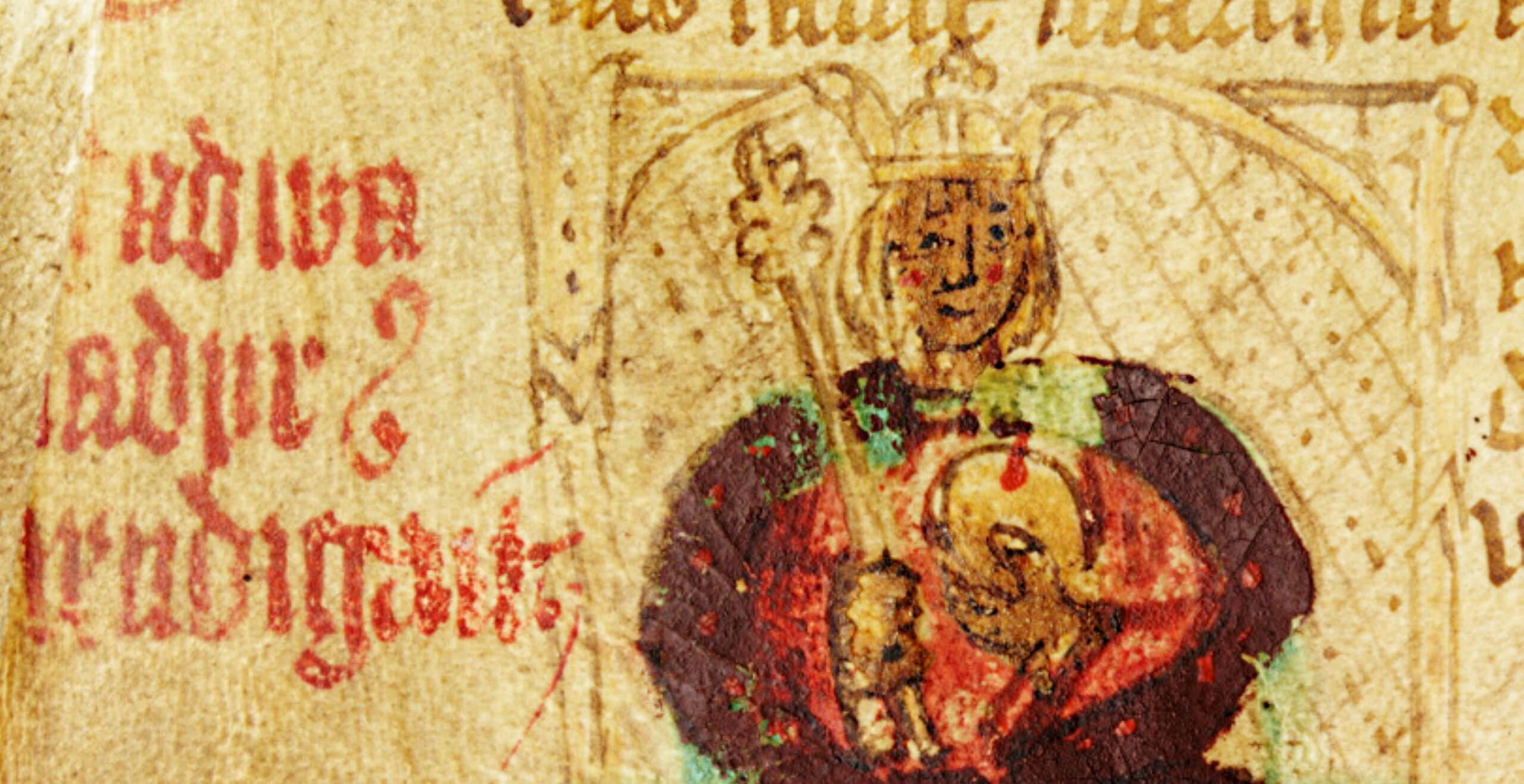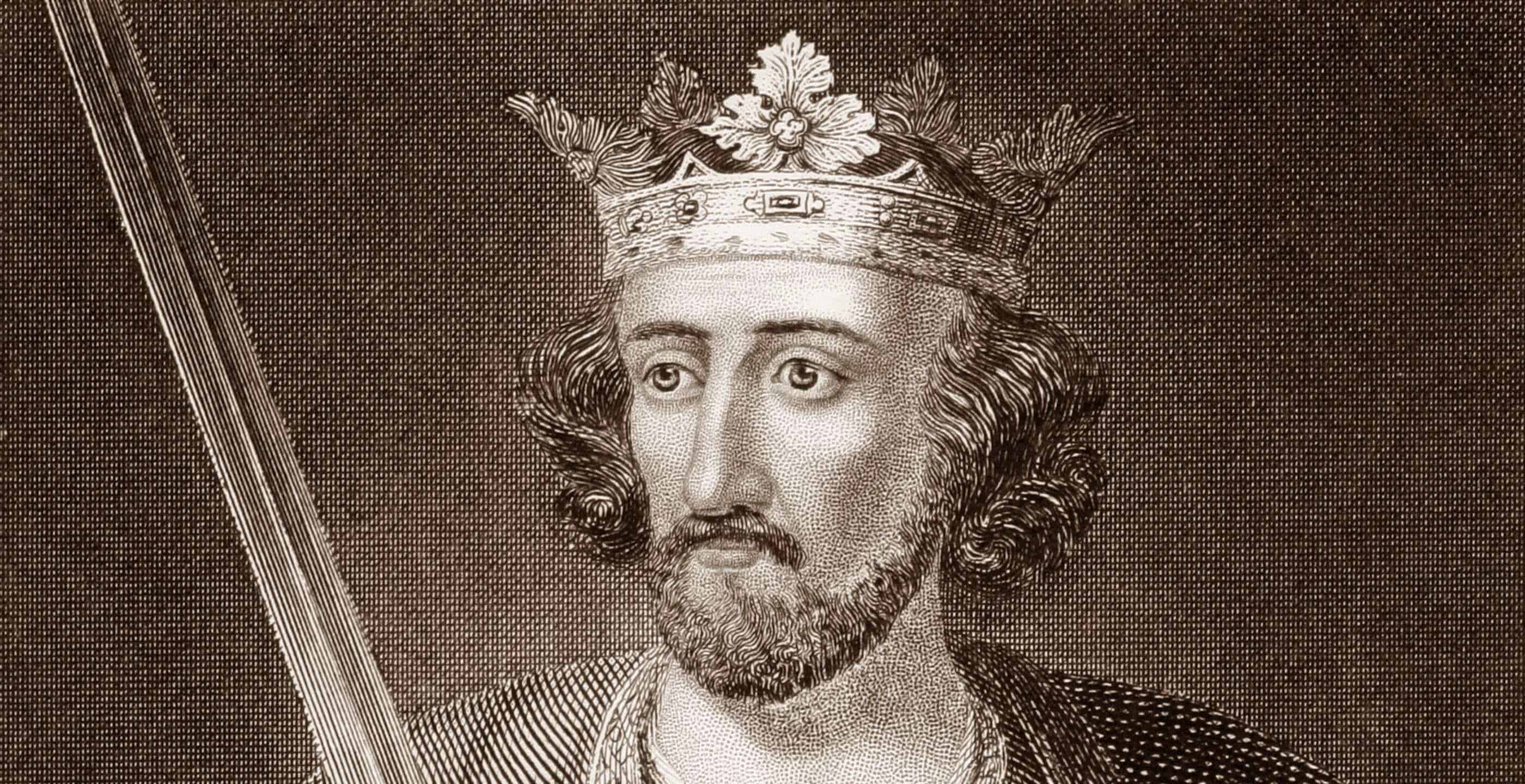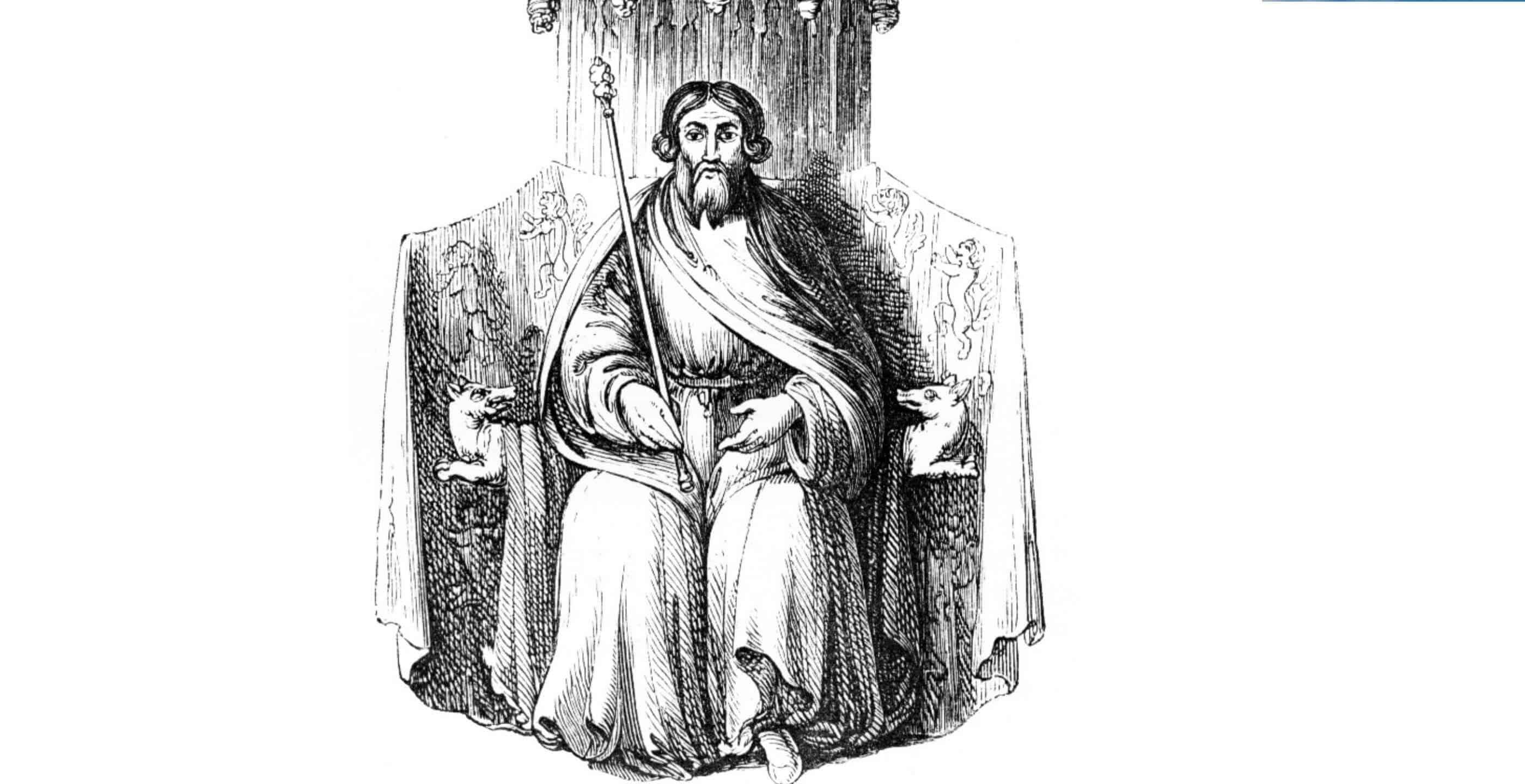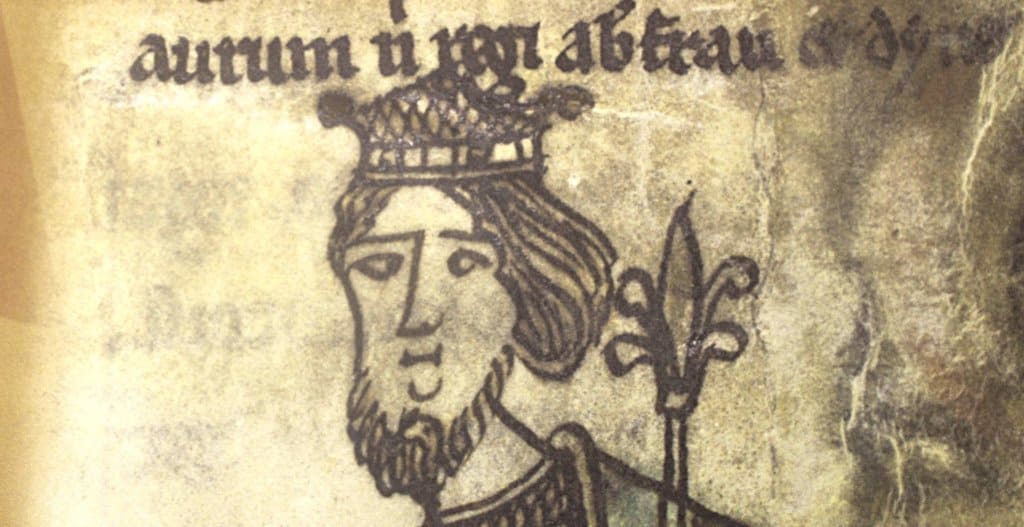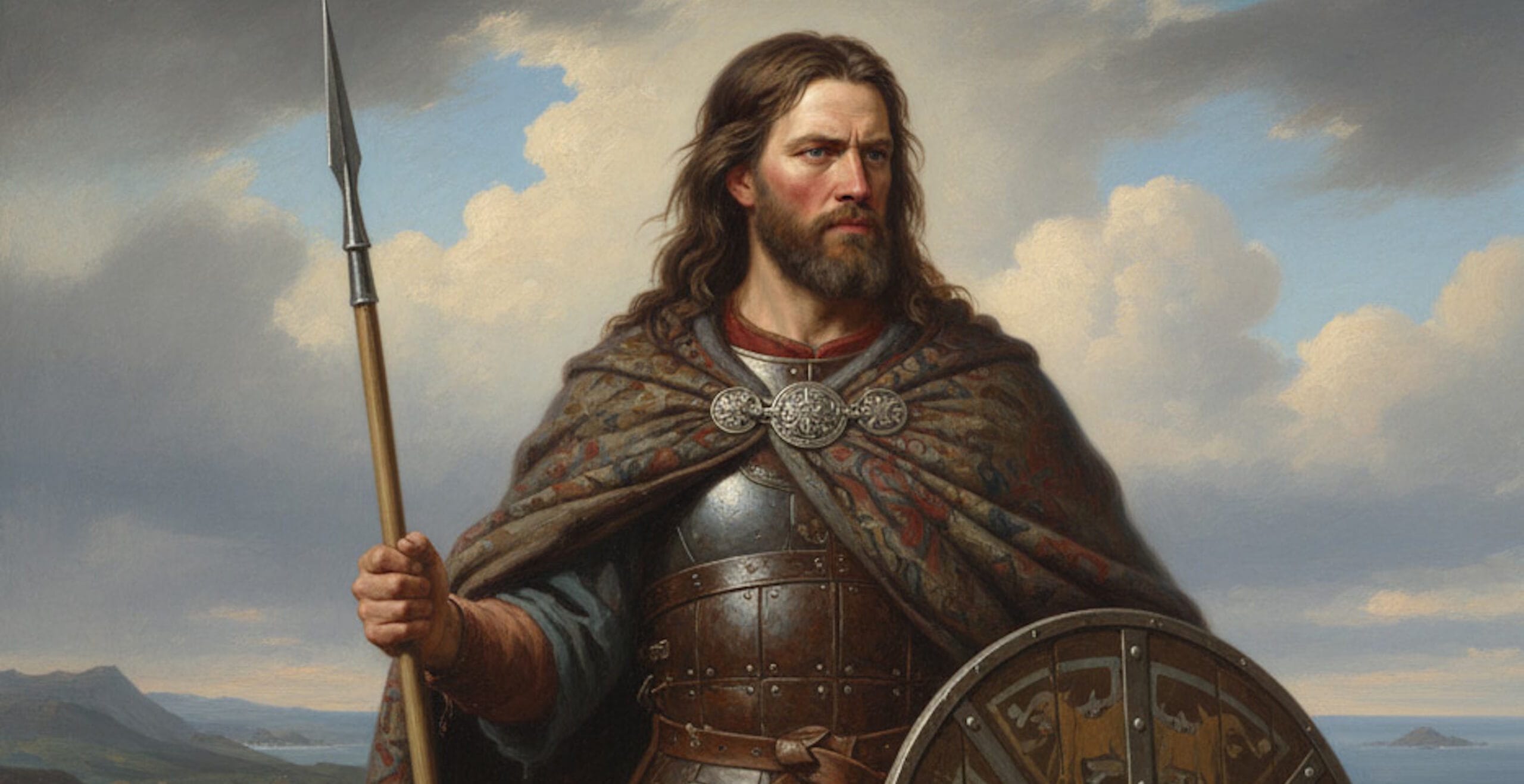


Rhodri ap Merfyn, commonly known as Rhodri the Great (Rhodri Mawr in Welsh), is a legendary figure in Welsh history. As the ruler of Gwynedd and one of the earliest Welsh leaders to unite the fragmented Welsh kingdoms under a single king, he would become the archetype that future leaders would emulate. He is also celebrated as a fierce warrior and statesman. Rhodri Mawr left an enduring legacy on Welsh culture and history.
Rhodri ap Merfyn was born into the royal family of Gwynedd during the 9th century; son of Merfyn frych, king of Gwynedd and Nest of Powys. He could trace his ancestry back to the earliest Welsh kings, who fought against Anglo-Saxon incursions. Rhodri’s royal ancestry linked to notable Welsh dynasties, granting him a legitimate claim on the throne of Gwynedd while also guiding his ambitions beyond his kingdom. In an age where royal pretenders often invaded and usurped the previous king, having a legitimate claim to the throne only strengthened Rhodri’s position.
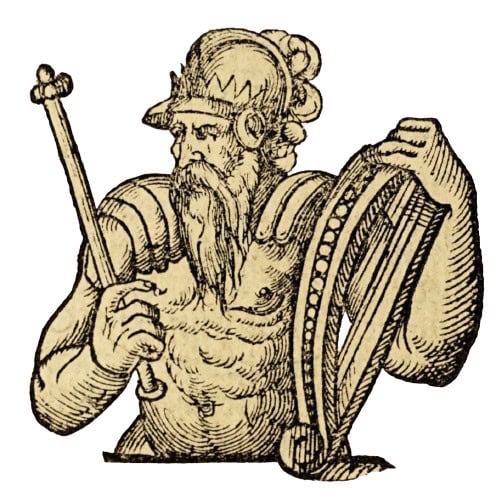
Rhodri’s youth was spent against the backdrop of a turbulent time in Wales, with the ever-present threat of Anglo-Saxon conflict to the rising Viking presence. To the south multiple small kingdoms each vied for power, with their survival often determined by the power and strength of their kings. These threats and challenges would mould Rhodri into a fierce warrior king and would play a defining role during his life.
Rhodri ascended to the throne of Gwynedd in 844 AD following the death of his father and quickly set about consolidating his power and control over North Wales. One of Rhodri’s most celebrated achievements was defending Wales against Viking invasions, which they accomplished by exploiting the fractured political Welsh landscape.
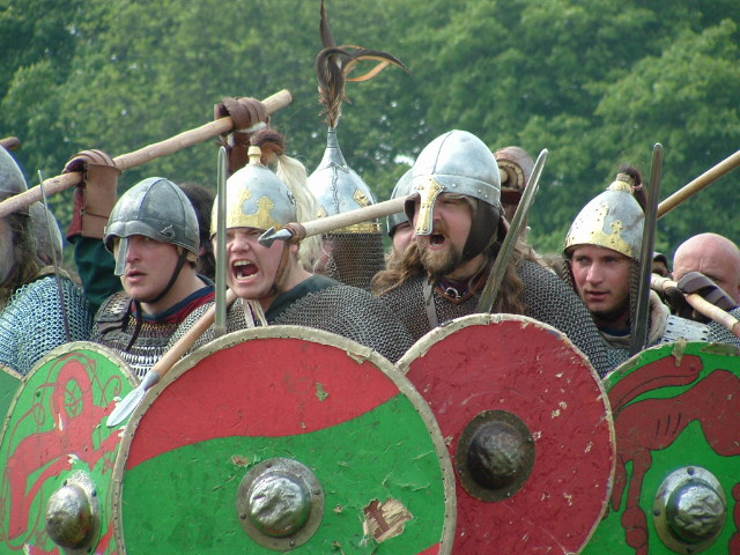
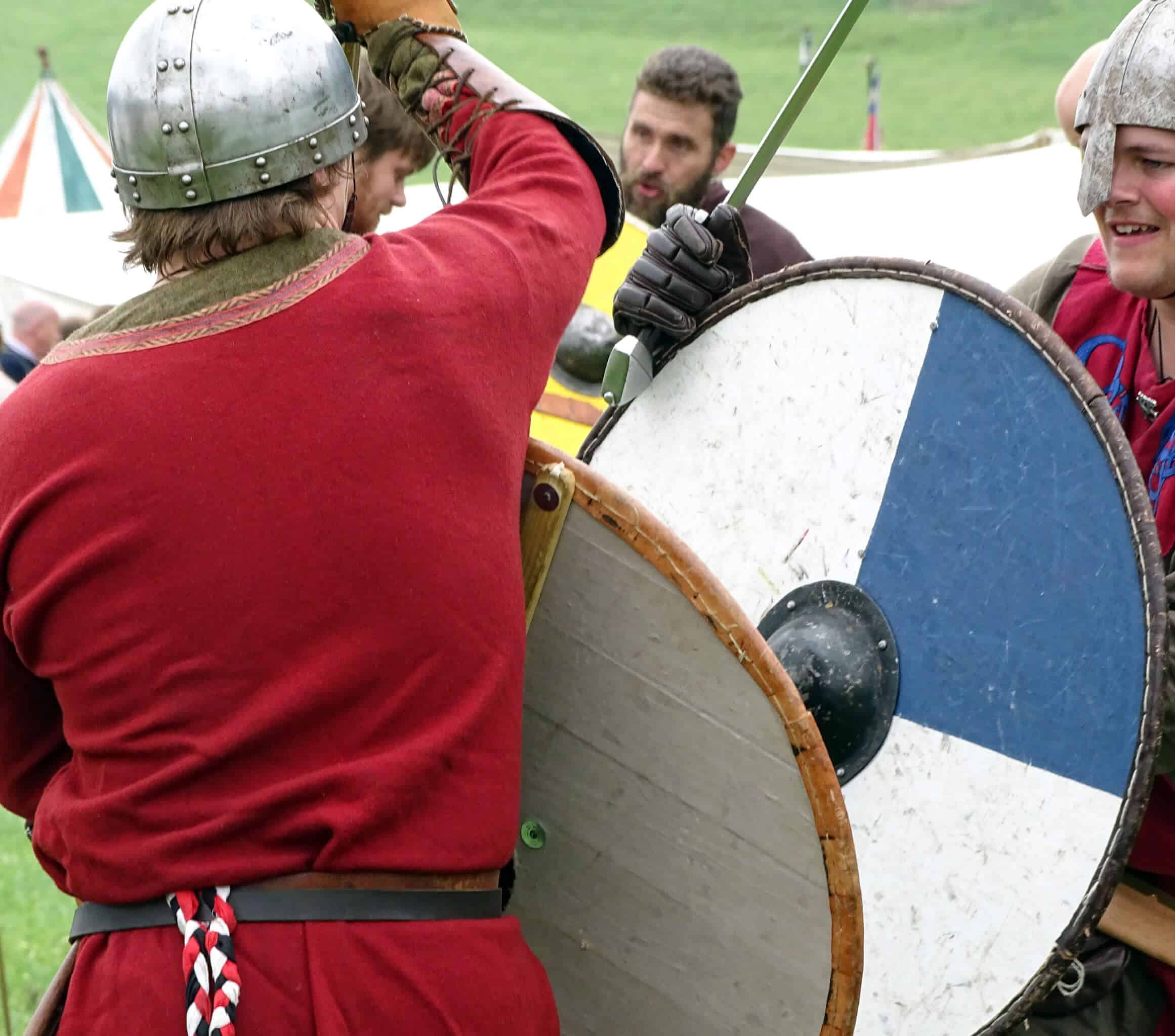
In 856 AD Rhodri defeated a Viking raid led by Gorm, a Danish chieftain in a battle on Anglesey, which garnered him international acclaim even reaching the ears of the Frankish king Charles the Bald whose lands Gorm had previously raided. His success against the Vikings was partly due to his innovative defensive strategy; using guerrilla warfare against the enemy. Rather than rely on an open, pitched battle Rhodri would use the Welsh landscape to his advantage. The rugged terrain of North Wales, with its mountains and valleys, provided ideal conditions for ambushing tactics, which allowed his forces to strike at the Vikings before retreating safely. This method of warfare made it difficult for the Vikings to gain a foothold in North Wales and Rhodri’s strategy would inspire later Welsh leaders to use the same tactics.
In that same year Rhodri inherited and annexed the kingdom of Powys following the death of its exiled ruler, and his uncle, Cyngen ap Cadell in Rome. This formed the basis of Gwynedd’s claims of lordship over Powys for next 443 years. In 871 AD through Rhodri’s marriage to Angharad, the sister of king Gwgon ap Meurig, he would inherit the kingdom of Seisyllwg. As women could not inherit under Welsh law, the throne passed to their son who became a subordinate king under his father. These territorial gains made Rhodri one of the most powerful leaders in Welsh history, allowing him to unify regions that had traditionally been ruled independently.
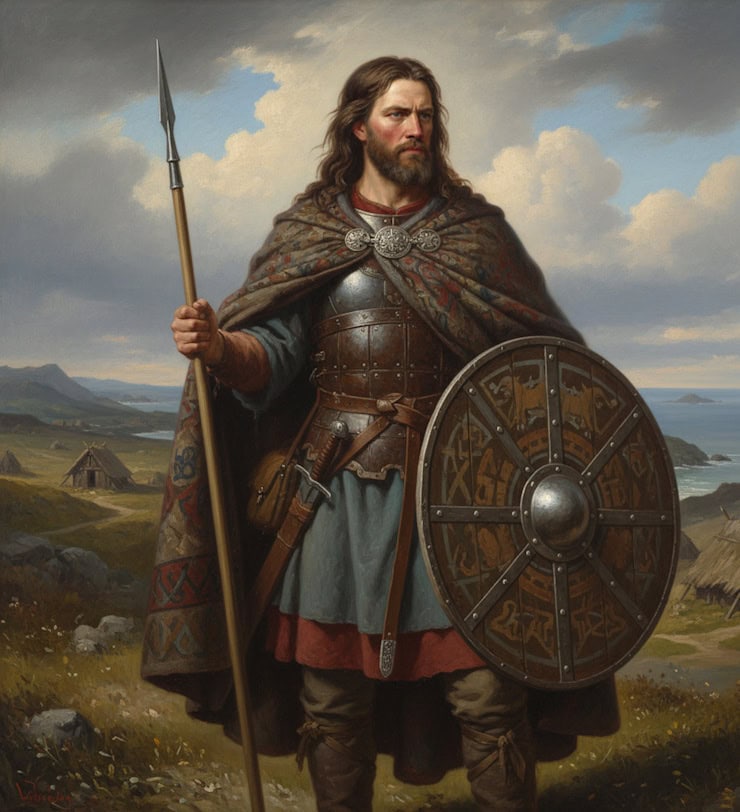
Rhodri’s focus on establishing a consistent legal code across Gwynedd and his newly acquired territories, is one of his most enduring contributions. Although he did not create formal written laws, Rhodri’s unified system of law encouraged fair treatment and consistency throughout his lands. This approach would lay the foundations for future Welsh kings like Hywel Dda (Howel the Good), his grandson, to codify Welsh law.
During the year 872 AD, Rhodri won two more successive battles against the Vikings, securing victories at the battles of Banolau and Enegyd on Anglesey. These victories however would be short lived. In 877 AD a Danish force, aided by their client king of Merica Ceolwulf II attacked Anglesey, intent on avenging Gorm’s death years earlier. They succeed at defeating Rhodri at the battle of Sunday and seizing Anglesey. Accounts disagree on what happened next. One account claims that Rhodri and his son Gwriad were killed during the battle, while others claim he was forced in exile in Ireland. In 878 AD Rhodri would return from his Irish exile and win a battle against the Vikings to retake Anglesey. However, Rhodri and Gwriad would later perish in a battle against the Anglo-Saxon king Ceolwulf II.
Upon his death and according to Welsh law, Rhodri’s kingdom was split between his sons. His eldest son Anarawd became king of Gwynedd and would later avenge the deaths of his father and brother at the battle of Conwy in 881 AD against the Mercians. The battle is celebrated in Welsh annals as ‘God’s vengeance for Rhodri’. Another son, Cadell would become king of Seisyllwg and would later claim the kingdom of Powys from his brother Merfyn. Though his kingdom would be shattered shortly after his death, Rhodri Mawr’s legacy would carry on through the royal lineages his sons would create. Through Anarawd the house of Aberffraw would rule Gwynedd, until the death of the last prince during the conquest of Wales by Edward I. Cadell and his descendants would form the house of Dinefwr and would create the kingdom of Deheubarth in Southwest Wales. Both would claim descent from Rhodri Mawr.
The legacy of Rhodri Mawr reaches far beyond his lifetime. As a unifier, warrior and visionary he is remembered as a foundational figure in Welsh history. His achievements created the foundation for future leaders, who would draw on his vision and legacy to unify the people of Wales and oppose foreign invaders. Rhodri Mawr is renowned as a symbol Welsh of resilience and pride, a cornerstone of Welsh heritage that is still celebrated today.
Written by Siôn Williams who enjoys all things old and historical.
Published: 22nd October 2025