Culture UK
Who are the British? Do they really drink tea, eat roast beef and Yorkshire pudding and never leave home without an umbrella? Find out more about true Brits; past and present, myth and legend, fact and fiction.
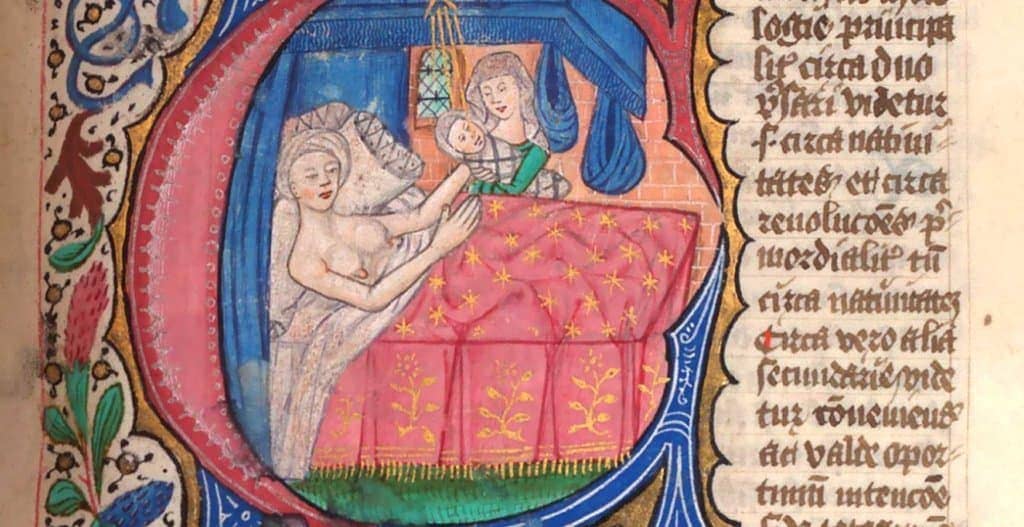
The Mysticism and Madness of Margery Kempe
Margery Kempe must have cut quite a figure on the pilgrimage circuits of Medieval Europe: a married woman dressed in white, weeping incessantly, and holding court with some of the greatest religious figures of her time. She leaves her life story with us in “The Book”, often thought of as the oldest example of an autobiography in the English language.
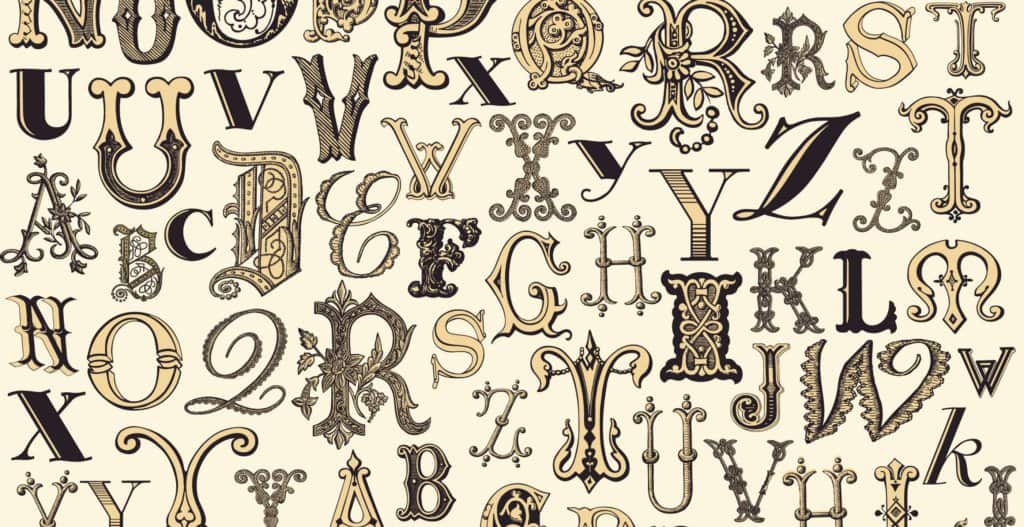
Victorian Words and Phrases
What does it mean to have your nose described as aquiline? Is it a good thing to be living in a two-pair back? Is a…

April Fools Day 1st April
April Fool’s Day is celebrated on April 1st each year with pranks, tricks and cries of ‘April Fool’!
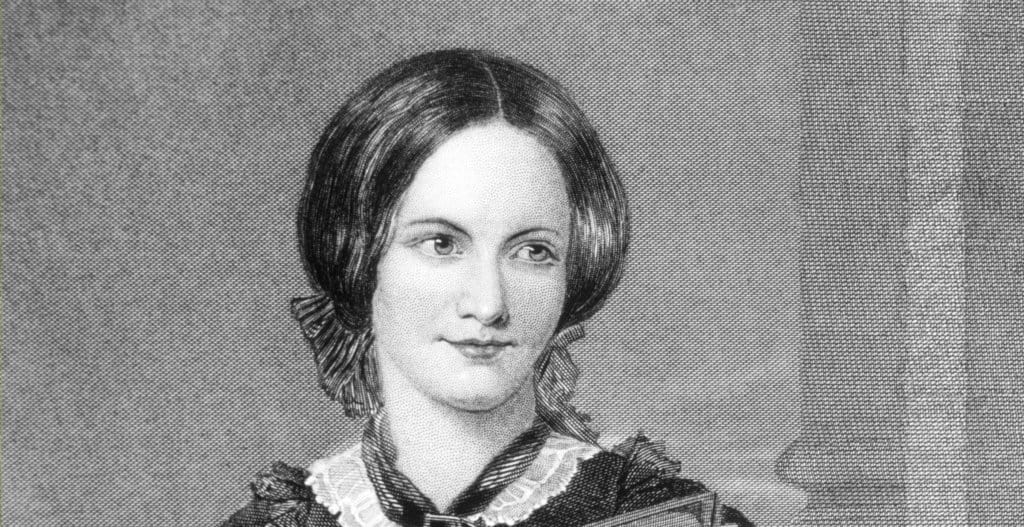
Charlotte Brontë
The eldest of the three Brontë sisters who survived into adulthood, Charlotte Brontë’s novels have become classics of English literature…
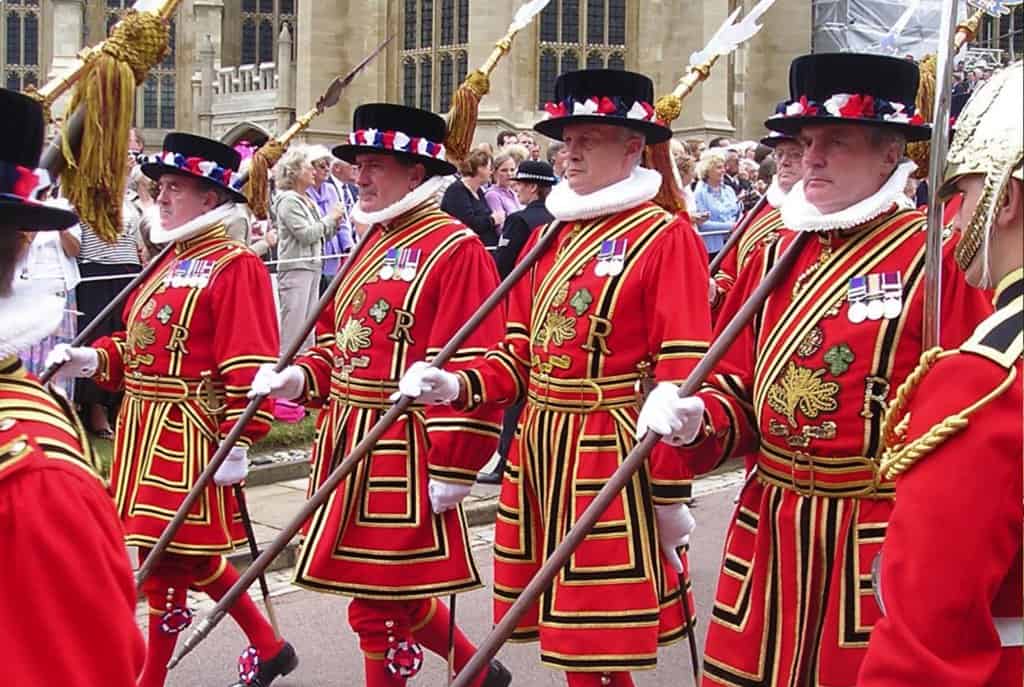
The Yeomen of the Guard
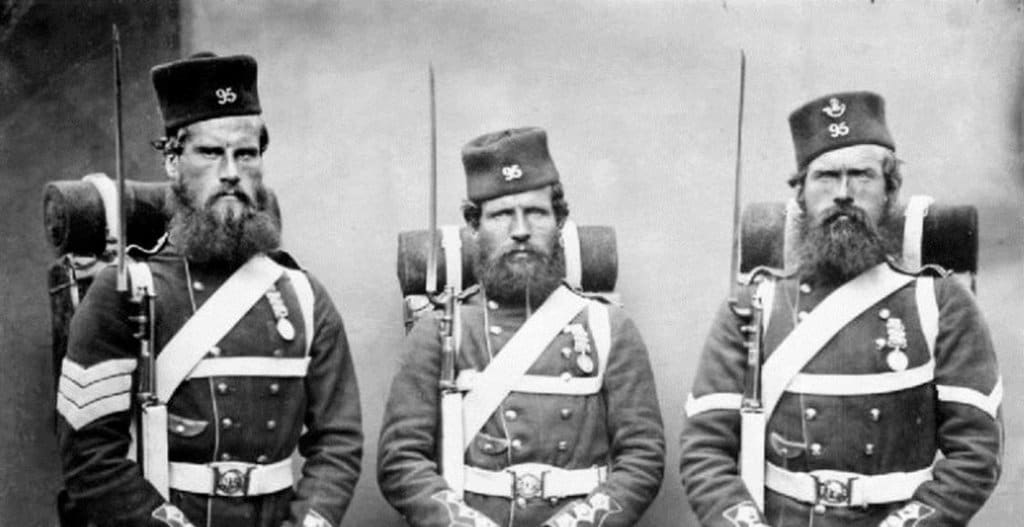
The first part of the ceremony of the State Opening of Parliament takes place out of public sight, when the cellars beneath the Palace of Westminster are searched by the Yeomen of the Guard, resplendent in their Tudor-style uniforms…

The Marvellous Life of Roald Dahl
Born in Wales in 1916, the life story of Roald Dahl reads like a film script…
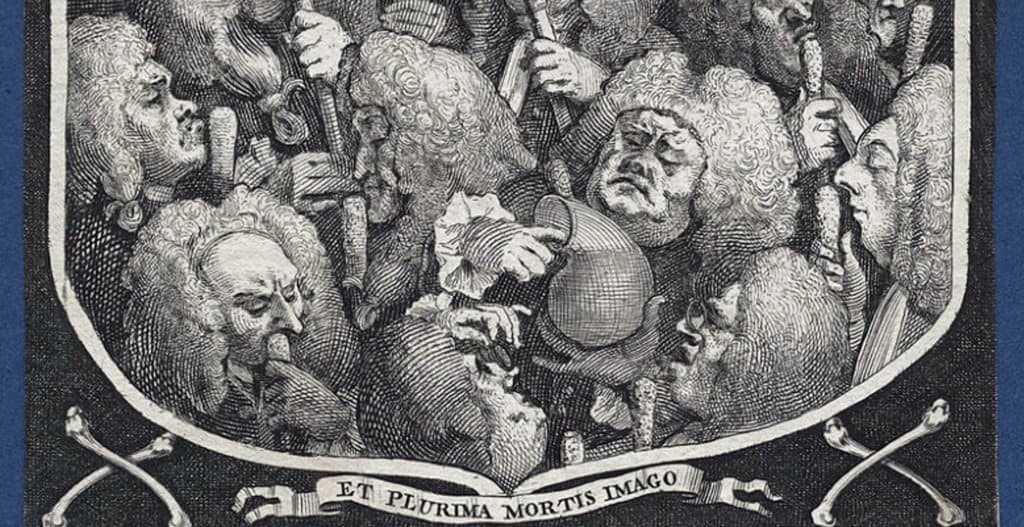
A Good Death – An Early Modern Obsession
In Early Modern England, the deathbed was a spiritual drama, a battle for the dying individual’s soul between the forces of God and the demons of Satan. If the individual died well, peacefully, with family and priest, then salvation was assumed to be theirs. A bad death, alone or in agony or without a holy man’s sacrament, was to be avoided at all cost…
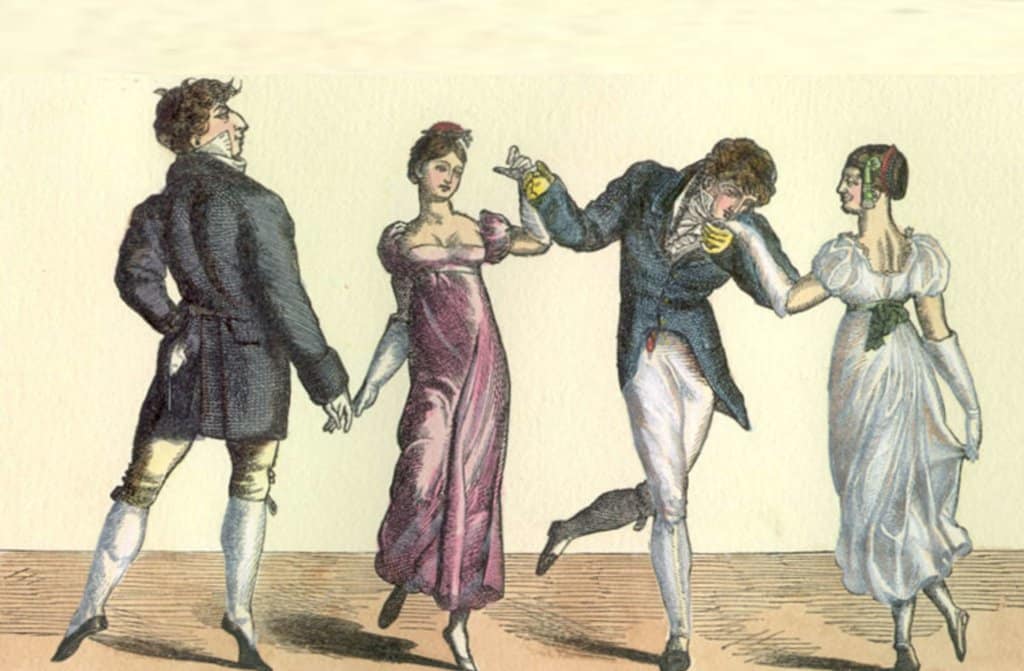
Assembly Rooms
Fans of Jane Austen will be well acquainted with that hub of the Georgian social scene, the Assembly Rooms…