

“Gall of goat and slips of yew
Sliver’d in the moon’s eclipse,
Nose of Turk and Tartar’s lips”
Macbeth, Act IV, Scene I
A few lines from one of the most famous scenes in world literature. Three witches are gathered round a bubbling cauldron, chanting spells and tossing an assortment of vile ingredients into its boiling contents. Included are some twigs from a yew tree. This might be surprising when you consider that among the other ingredients are human body parts.
Shakespeare had a good reason for doing this.
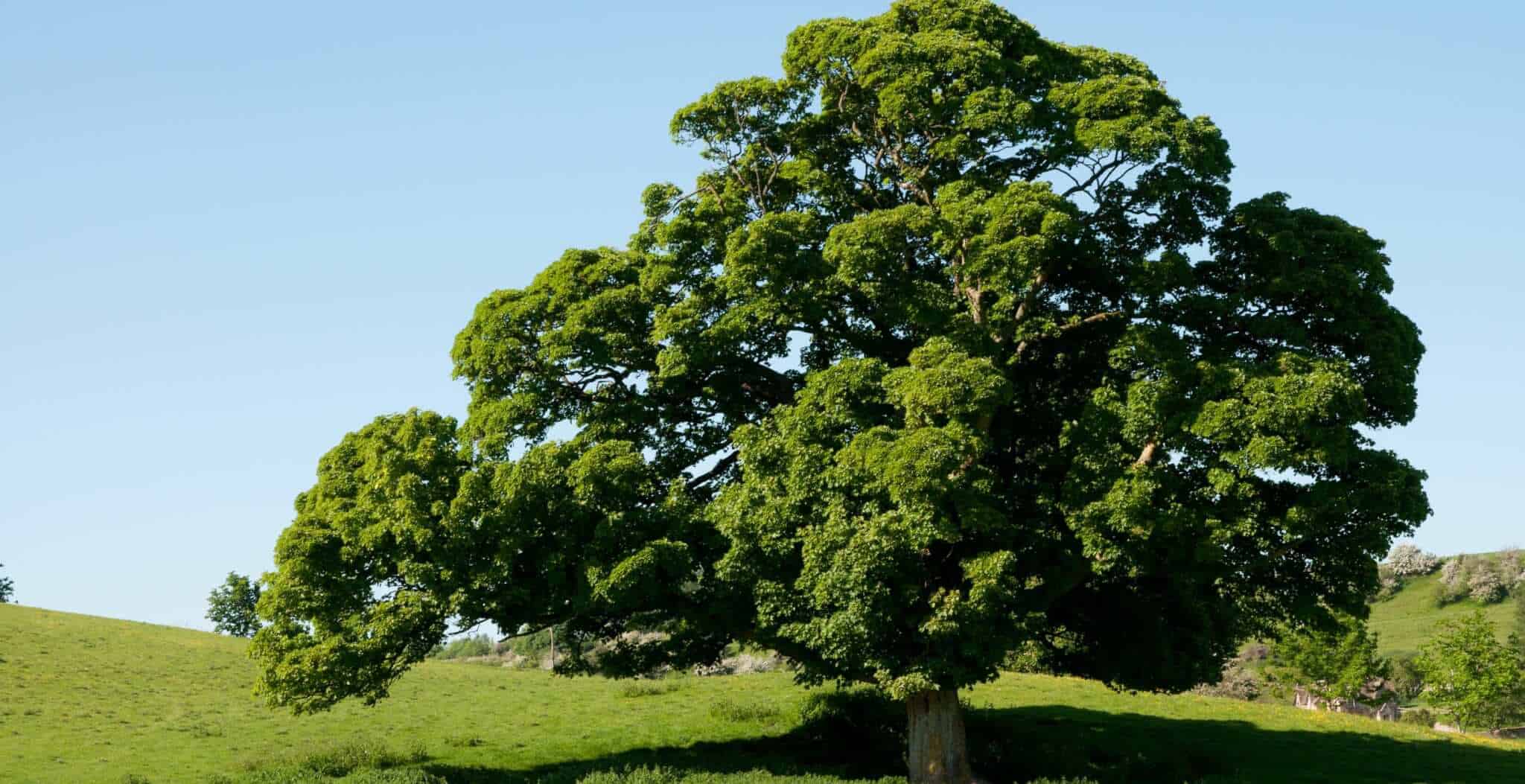
Together with Scots pine and juniper, the common yew is one of only three native conifers in Britain. Its Latin name, Taxus baccata, translates as ‘toxic tree with berries’. The thin, needlelike leaves are poisonous and ingesting only a few can be fatal. Even the tree’s reddish-brown bark is poisonous. In fact, every part of this tree is toxic to humans and most animals, the one exception being the red seed cap that appears on female trees during autumn and winter.
Given its toxicity, you would think the yew tree is something that people would tend to avoid, but the truth is that this remarkable plant has been utilised for its properties since antiquity and has even played a role in shaping British history.
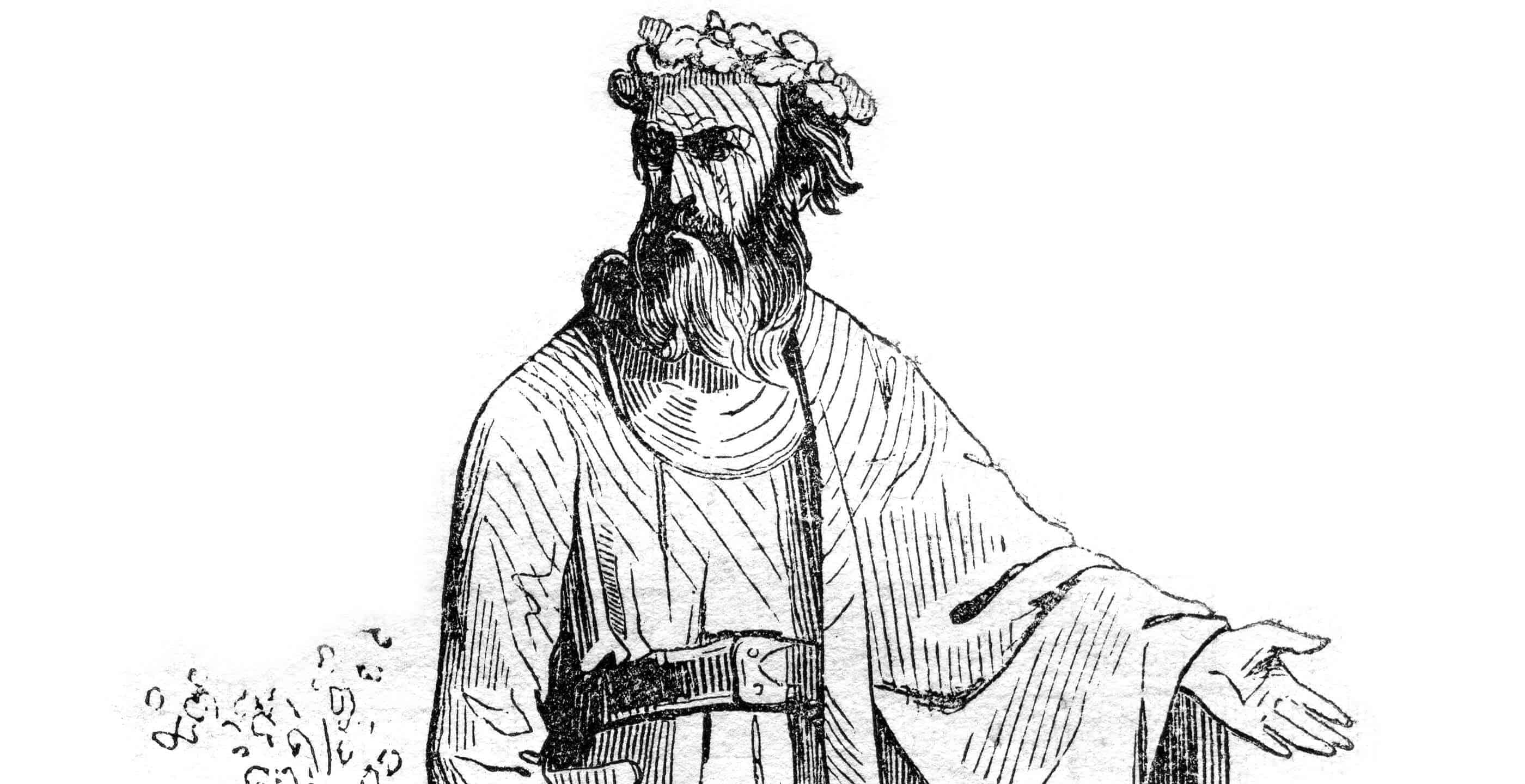
The Druids, who revered the yew, built Beltane fires with its kindling to mark the start of summer. To them, the tree was sacred, perhaps due to its longevity: yews are among the longest-living tree species in Europe, with some specimens in Britain up to 5,000 years old. Yew branches grow downwards and enter the ground to form new trunks, allowing the tree to continuously regenerate, even if other parts succumb to disease or injury. Thus, the yew tree became a symbol of immortality for the Celts across the British Isles, representing the cycle of life, death and resurrection. So important was the yew that the Druids planted them on sacred sites.
Early Christians noted this connection and built churches on these sites to persuade pagans to follow the new religion. The yew’s association with immortality reflected the story of Christ’s resurrection, and this could be why yew trees were planted in churchyards. Today, over 500 churches in Britain have yew trees on the grounds that are older than the buildings themselves.
For centuries, yew branches were carried by worshippers on Palm Sunday, as well as during funerals. Yew shoots were even buried with the dead.
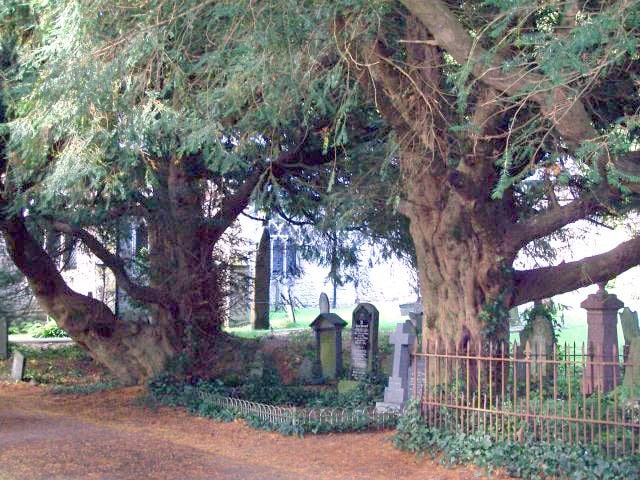
In Nevern, Pembrokeshire, the graveyard of the 6th century St. Brynach’s Church contains several yews. One has a wound on its trunk, from which seeps blood-red sap. Known as the Bleeding Yew of Nevern, it has been doing this for as long as anyone can remember. The cause is unknown, but the parallel with Christ’s crucifixion is obvious.
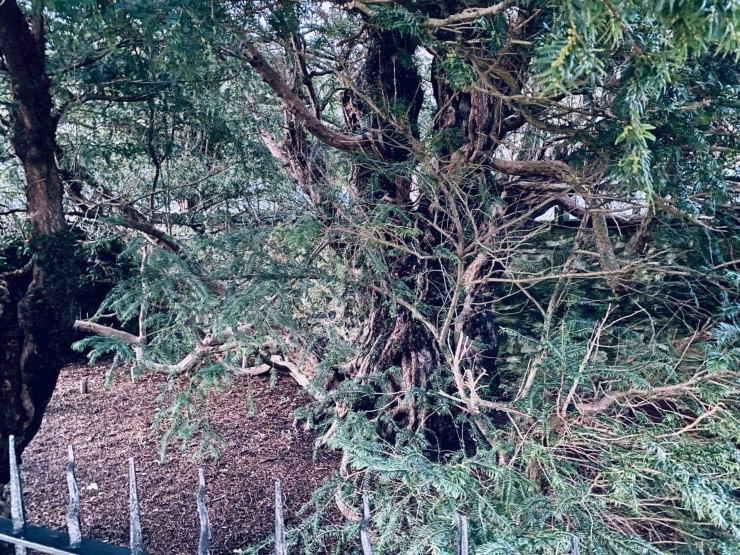
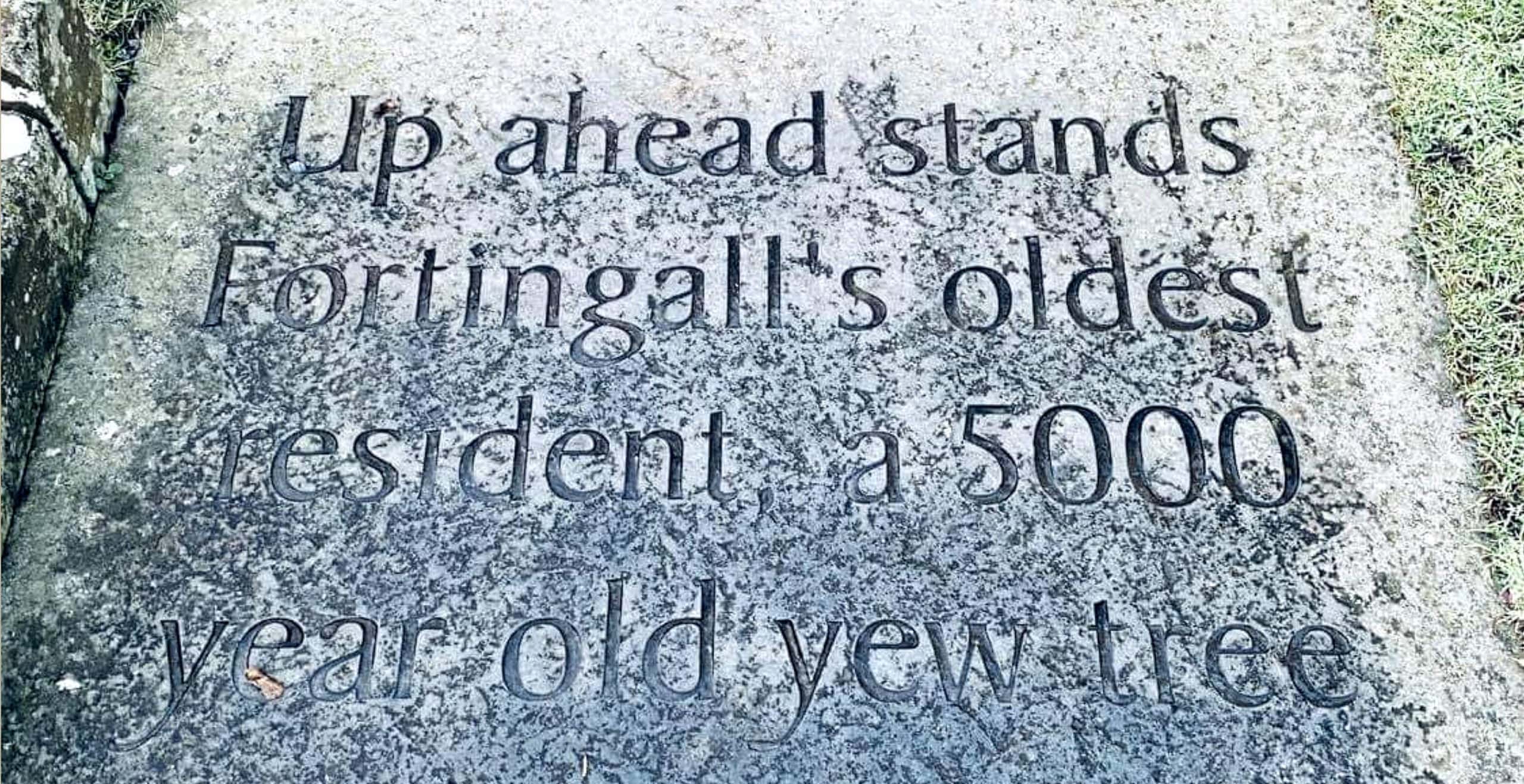
At 700 years old, this famous tree is a mere adolescent compared to the ancient yews that inhabit other churchyards. The Fortingall Yew in Perthshire is thought to be the oldest in Britain at 5,000 years old and though its girth has diminished over the past 200 years, in the 18th century it was measured at an incredible 16 metres!
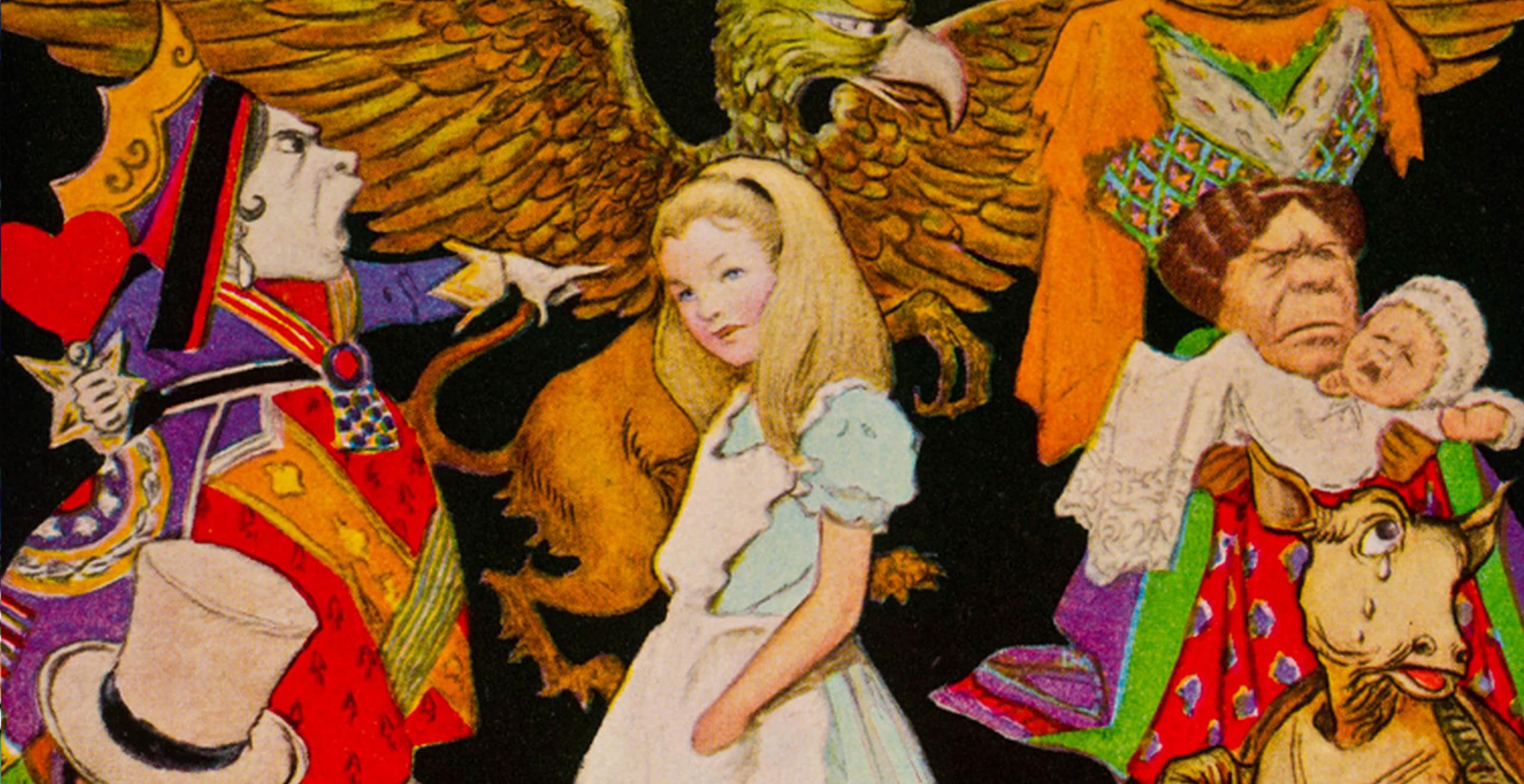
In Surrey, the Crowhurst Yew is believed to be around 4,000 years old, and in the early 1800s its hollow trunk was fitted with a door, leading some to suggest the tree may have inspired Lewis Caroll to write Alice’s Adventures in Wonderland.
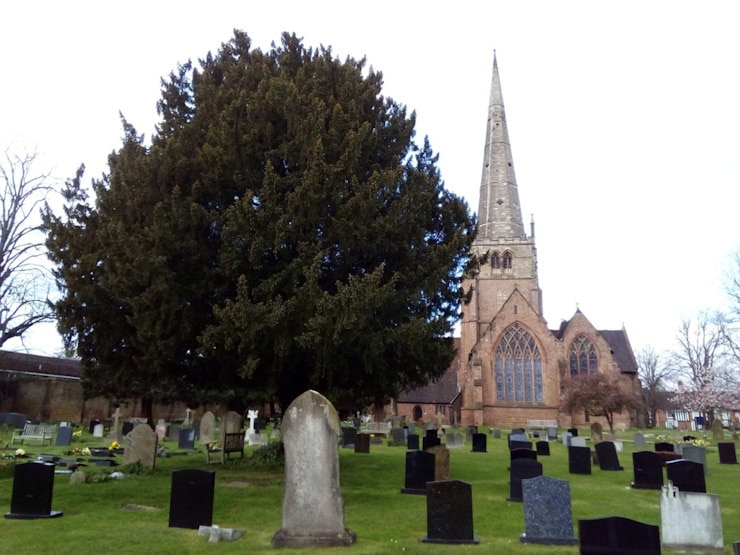
Britain is home to more ancient yews than the rest of the world put together, and most of these can be found in churchyards. Not all churches contain ancient yews, though. St. Alphege Church in Solihull has a yew growing in its graveyard that is around three centuries old – some 400 years younger than the nearby medieval building.
The delightfully named Ankerwycke Yew stands near the ruins of St. Mary’s Priory in Wraysbury, Berkshire. Believed to be somewhere between 1,300 and 2,500 years old, this tree was already ancient when King John put his seal on the Magna Carta in 1215 at Runnymede, only a stone’s throw away across the River Thames. Allegedly, the tree was used as a meeting place for Henry VIII and Anne Boleyn in the 1530s.
The link between the yew tree and royalty extends north of the Border. According to tradition, Robert the Bruce ordered longbows to be constructed from the sacred yews at Ardchattan Priory in Argyll. The procurement evidently paid off, because in 1314 the Scots secured victory against the English in the Battle of Bannockburn.
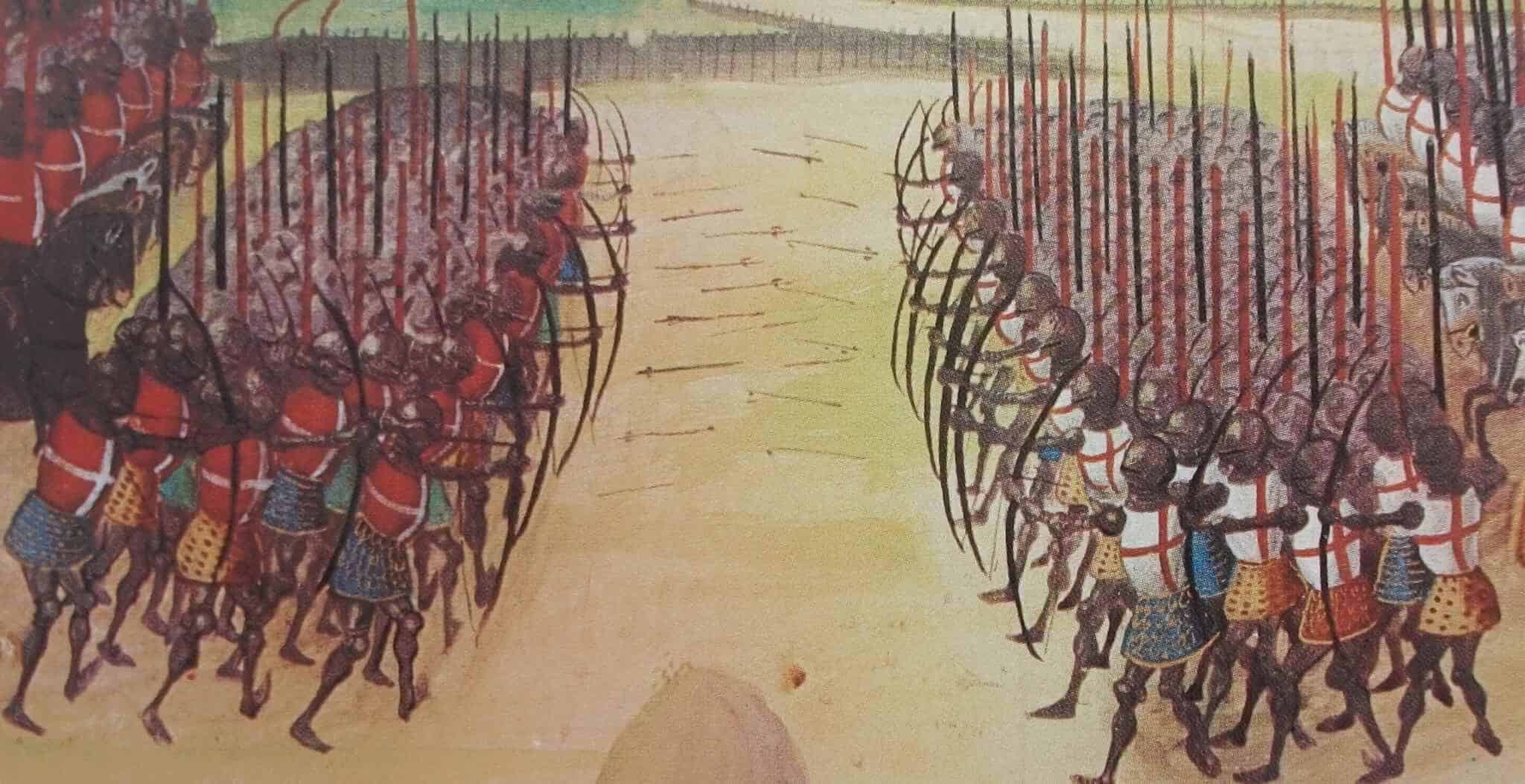
Over a hundred years later, yew longbows were used by English archers during the Battle of Agincourt. Consequently, the English beat the French against overwhelming odds.
Yew is a very strong softwood. It is ideal for making bows but not much else, because its trunk grows differently to other species, such as oak, meaning that its practical uses are limited, at least when it comes to construction. That said, some things are still made from it today. Furniture, car dashboards, bowls, combs, musical instruments, and tool handles can be fashioned from yew, and if you want to go and look for hidden sources of water, then you might just find it with a yew dowsing rod!
Even the poison has its uses. The taxine alkaloids found in the tree have properties that inhibit the growth of cancer cells. Taxol, a chemotherapy drug, is derived from these highly toxic compounds.
The yew is one of the most poisonous plants in the world. It can be found in churchyards and gardens up and down the country. Though common, it is extraordinary nonetheless.
David Jones is a writer of all things weird and wonderful. He lives in the West Midlands.
Published: 14th May 2026.