

With metal detectors and trowels at the ready, today’s amateur archaeologists known as mudlarks scan the River Thames for hidden historical treasures, a far cry from the original mudlarks of the Victorian era.
Nicknamed mudlarks, in the 18th and 19th century, the poorest members of London’s destitute communities resorted to finding scraps in the local river. Ranging in age from the incredibly young to the elderly, searching for anything they could find which could be sold so that they could have money to eat was a harsh and constant reality of life in Victorian London.
Sometimes the fortunate mudlarks would stumble across something of value including iron or copper, even lumps of coal or rope discovered on the riverside could amount to something of worth.
Such activities were not only signs of utter desperation but proved to be incredibly perilous with the mud being easy to sink into combined with unpredictable and fast-moving currents, the River Thames was riddled by a number of pollutants making it a danger to public health.
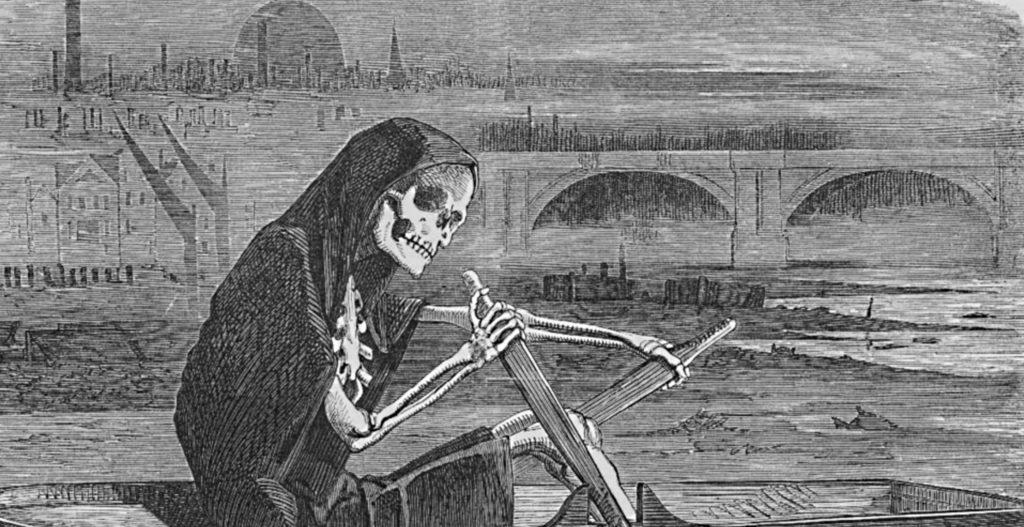
This situation reached its climax with the emergency known as the Great Stink in the summer of 1858, which saw the summer heat exacerbate the already highly polluted river. A variety of problems including effluence and industrial output lead to a host of contagious diseases. Such was the scale that three outbreaks of cholera were attributed to the Great Stink perpetuated by the ongoing neglect of the Thames.
The mudlarks however had no other choice but to take the risk and attempt to find anything which could be sold so as to survive another day of destitution. The daily life of a mudlark was arduous, beginning with early rises dependent on the tide and the seasons.
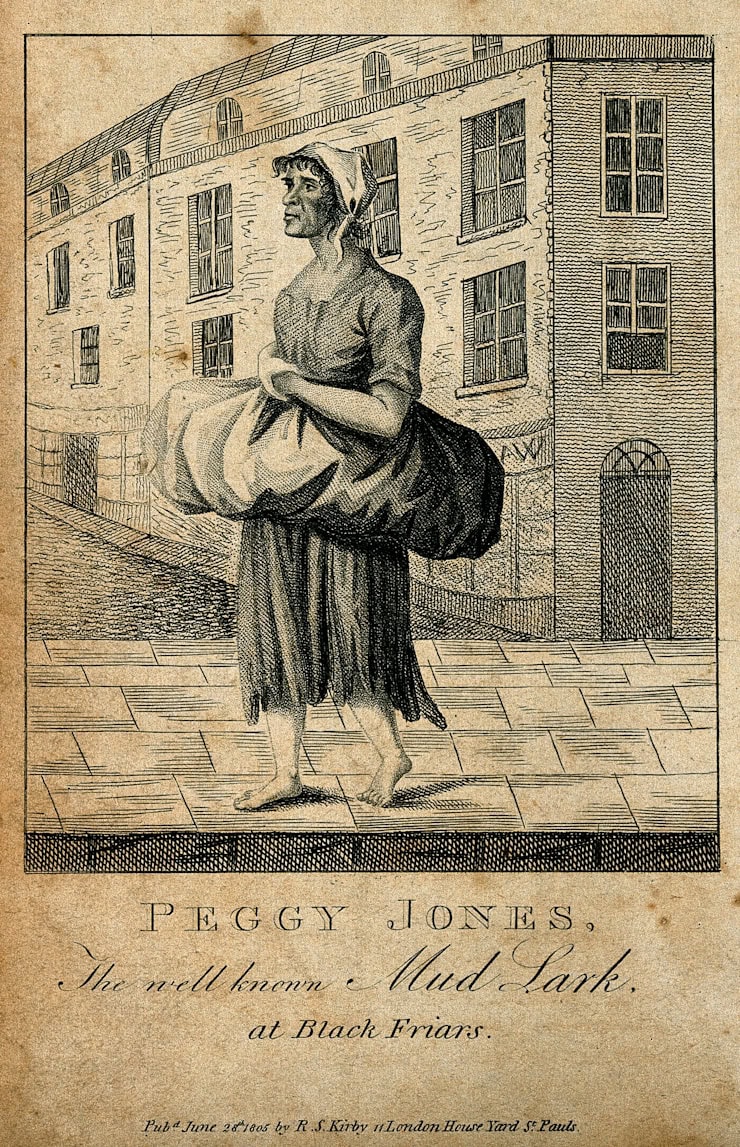
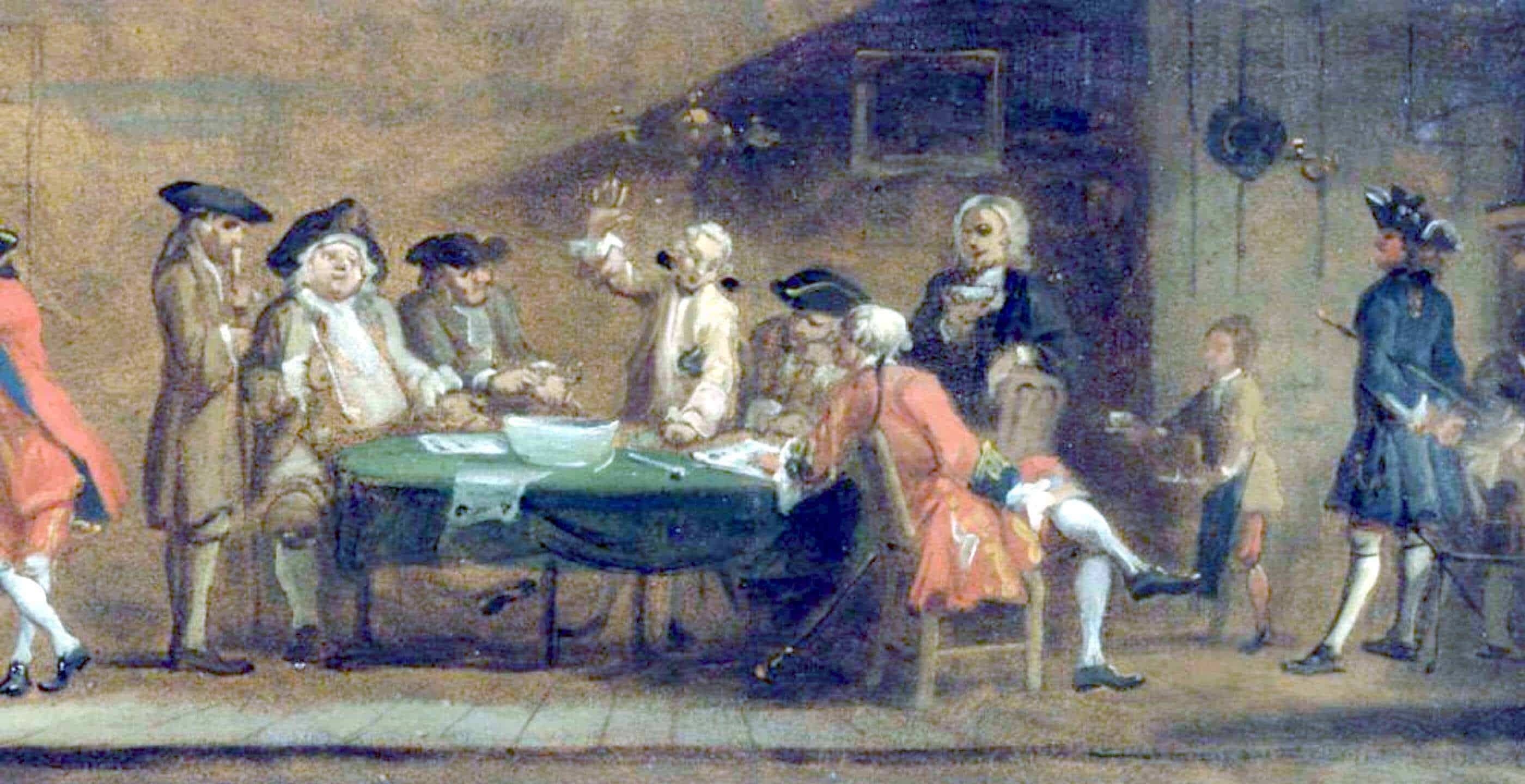
In terms of food, the mudlark was barred from entering the coffeehouses due to their dishevelled and dirty appearance. Any food they did consume was likely to consist of bread for breakfast whilst dinner was often missed. If a mudlark had a particularly successful scavenging session, the bread would be consumed with a pint of beer as a treat.
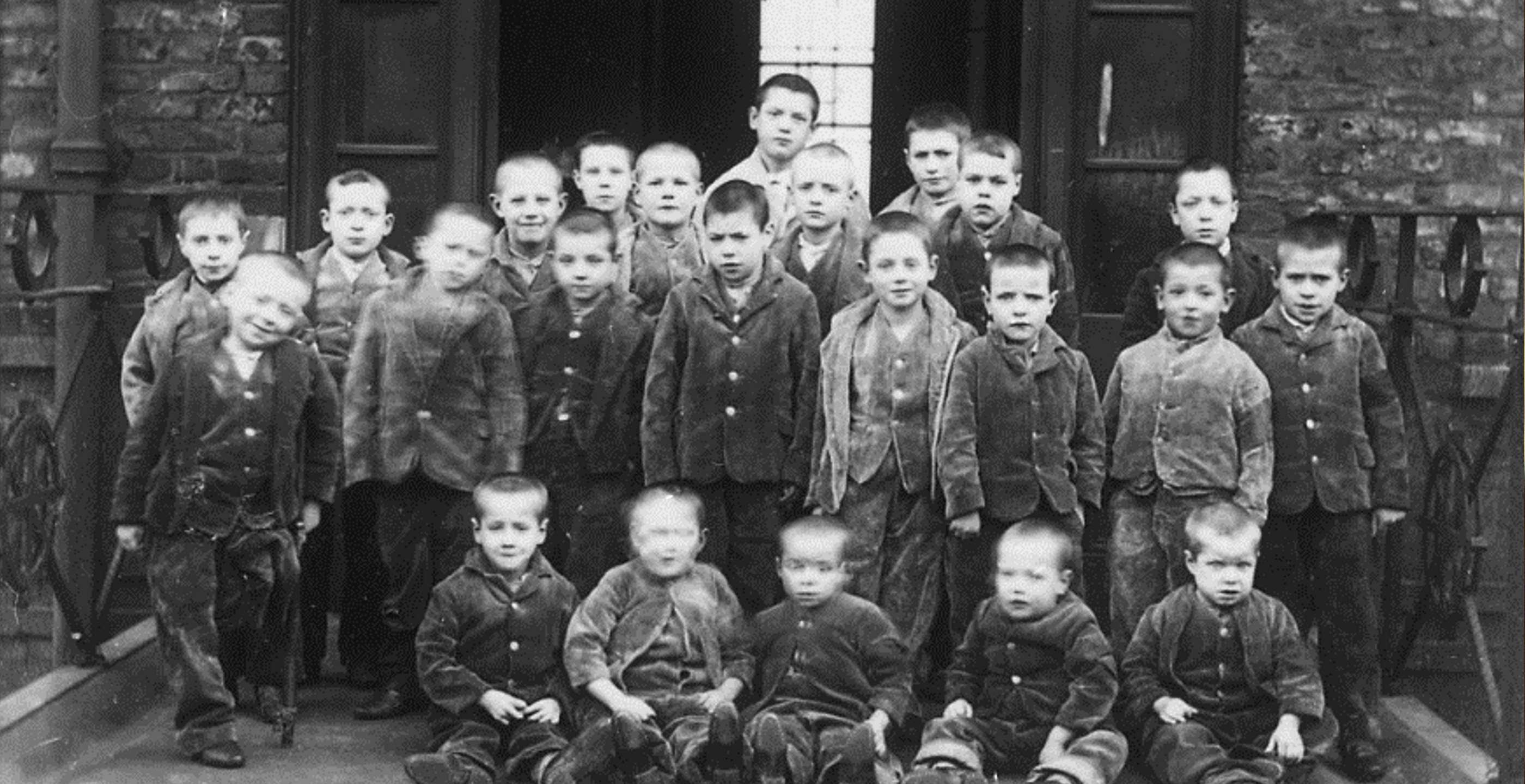
Whilst some of the children still had a family to return home to, other children were orphans who found a place to rest their head in a nearby shed or stable. Some of these orphans would have had clothing, the same outfit both to scavenge in and sleep in, whilst others were in such a poor condition that they had very little to cover them and were riddled by the effects of living with vermin.
Inevitably, such large risks were taken that injuries were incurred by the mudlarks particularly relating to their bare feet when accidently treading on sharp articles that were hidden in the depths of the mud. Nails and broken glass were often impaled on feet causing injury, lameness, and difficulty in continuing to wade through the mud in search of other items.
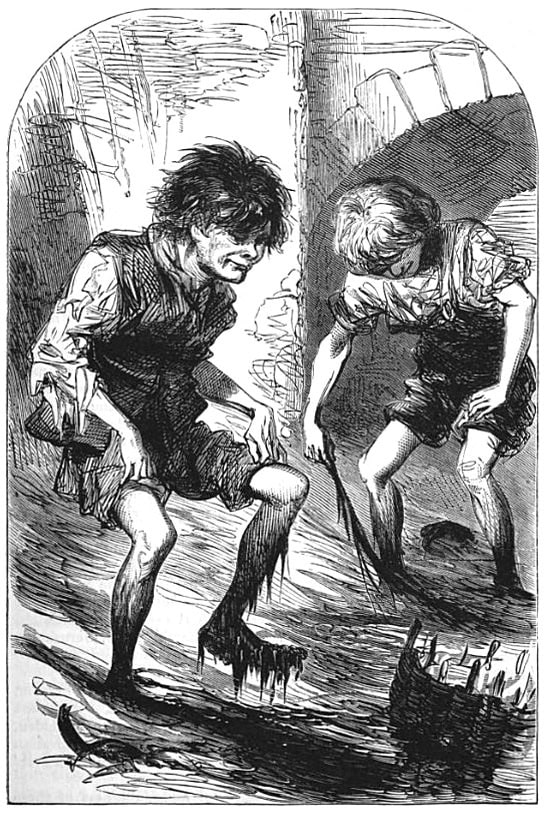
These circumstances of extreme poverty were best summarised by the journalist and outspoken reformer Henry Mayhew who described the individuals as being ‘compelled from utter destitution’ and ‘appeasing their hunger in the mud,’ such was the gravity of the situation.
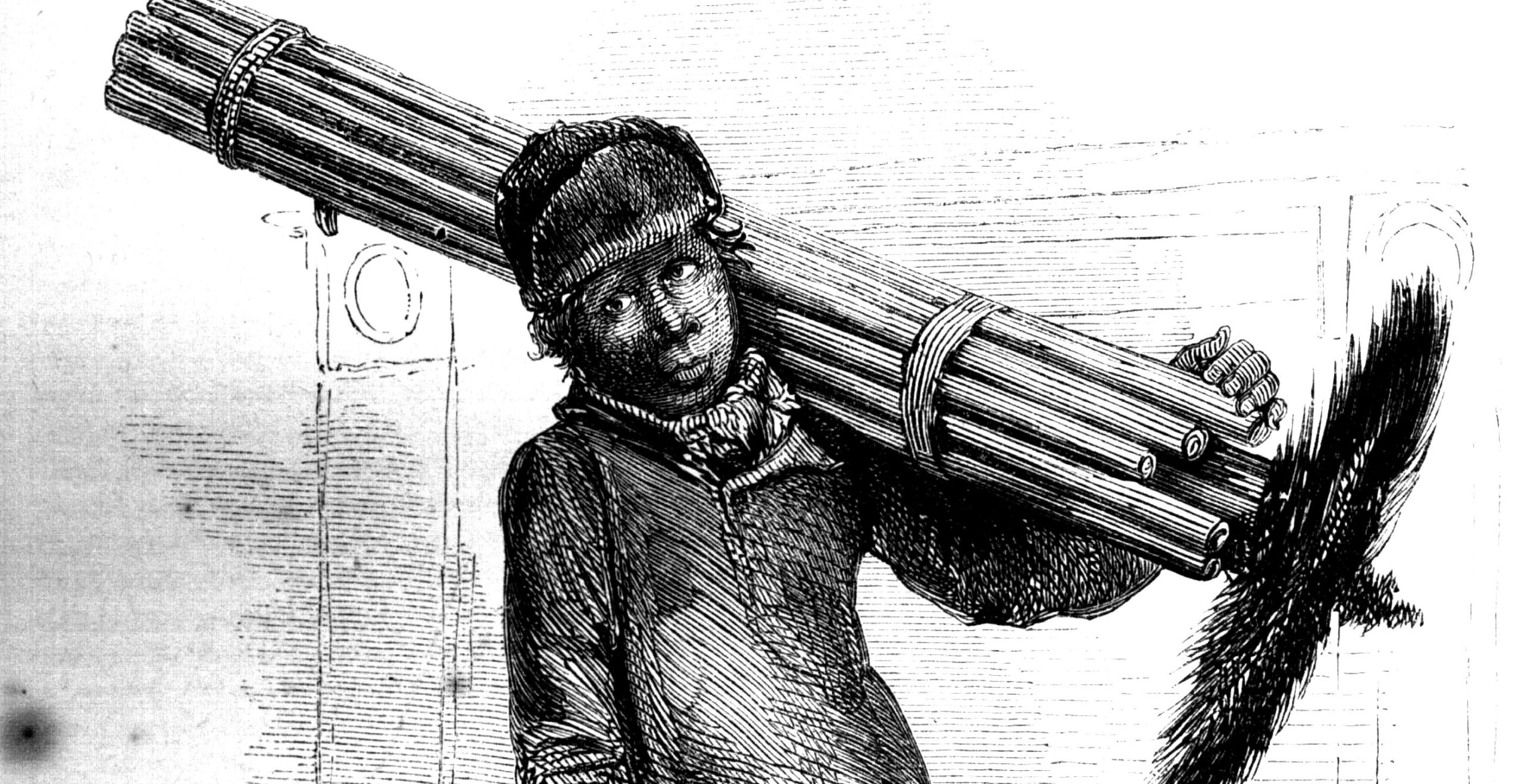
In his volume of London Labour and London Poor (1861), Mayhew provides vivid descriptions of the boys and girls, some as young as eight, who were lugubrious figures one could spot on the horizon.
Mayhew published this account ten years after his original three volumes. According to Mayhew, the mudlarks who congregated by the river began to gather when the tide was low enough to begin looking for items, operating from Vauxhall Bridge to Woolwich. In this context, their clothes and bodies would inevitably be coated in thick and smelly mud.
Crouched figures in rags and filthy from their scavenging, some of the children were orphans whilst others still had their families, including those whose fathers spent all their money in the pub whilst their mothers were content for them to skim the Thames, looking for a few pence.
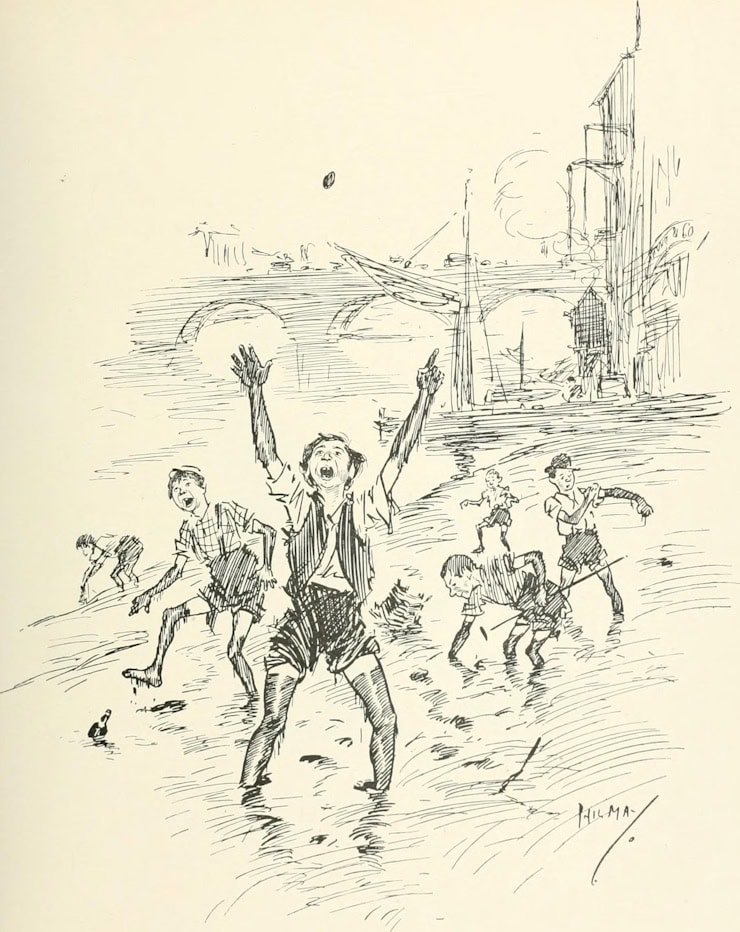
In one particularly poignant account, Mayhew recounts meeting a boy on a float near the Ratcliffe Highway who turned out to be a thirteen-year-old Irish lad, covered in dirt and wearing a coat and cap.
He relays his conversation with the boy who tells him that he left school at eleven years old and began his life as a mudlark in Millwall, finding the odd item of worth such as iron from the rivets of ships and copper. He is informed by the boy that when he finds coal he is able to sell it to poor people in the neighbourhood and manages sometimes to get enough to sell for 8d.
One of the best locations for finding waste industrial materials was in the Limehouse neighbourhood, where the shipbuilding and barges were located.
The Irish boy in Mayhew’s account also describes intervention by the police who seized their goods and who subsequently threw them overboard, only to have the mudlarks swim to the shoreline, with many of them being strong swimmers out of necessity alone.
Fellow journalist and author James Greenwood recounted similar distressing accounts including a disturbing event which occurred in 1867 when one young mudlark found himself stuck in a sewer pipe, forcing him to squat in one position, enduring rat bites and a rising tide. After surviving his ordeal, he went on to become a street sweeper instead.
A mudlark’s only consolation for their gruelling existence was that their meagre findings were their own, without the harsh and tyrannical Victorian bosses who terrorised their child labourers in factories and workhouse settings. The mudlarks were independent, a small and grim consolation in the harsh and unrelenting world of the Victorian workforce.
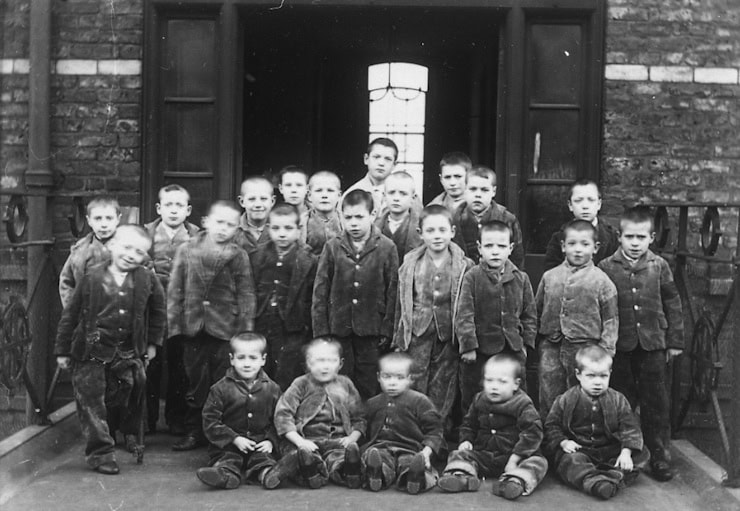
For the remainder of the Victorian era mudlarks, and many others like them, from the toshers who searched the sewers for scrap metal to those who practised extreme recycling using dog dung for tanneries, continued to scrape together a meagre existence, surviving hand-to-mouth every day.
By the turn of the 20th century, a mudlark was still an occupational description, however it was viewed as socially unacceptable and legally admonishable.
In the years that followed, the term took on a new meaning, describing London children earning money by jumping into the Thames as passers-by threw coins into the mud.
In modern parlance, it now refers to the licensed activity of searching for historical artefacts on the shoreline, a stark contrast to its destitute origins.
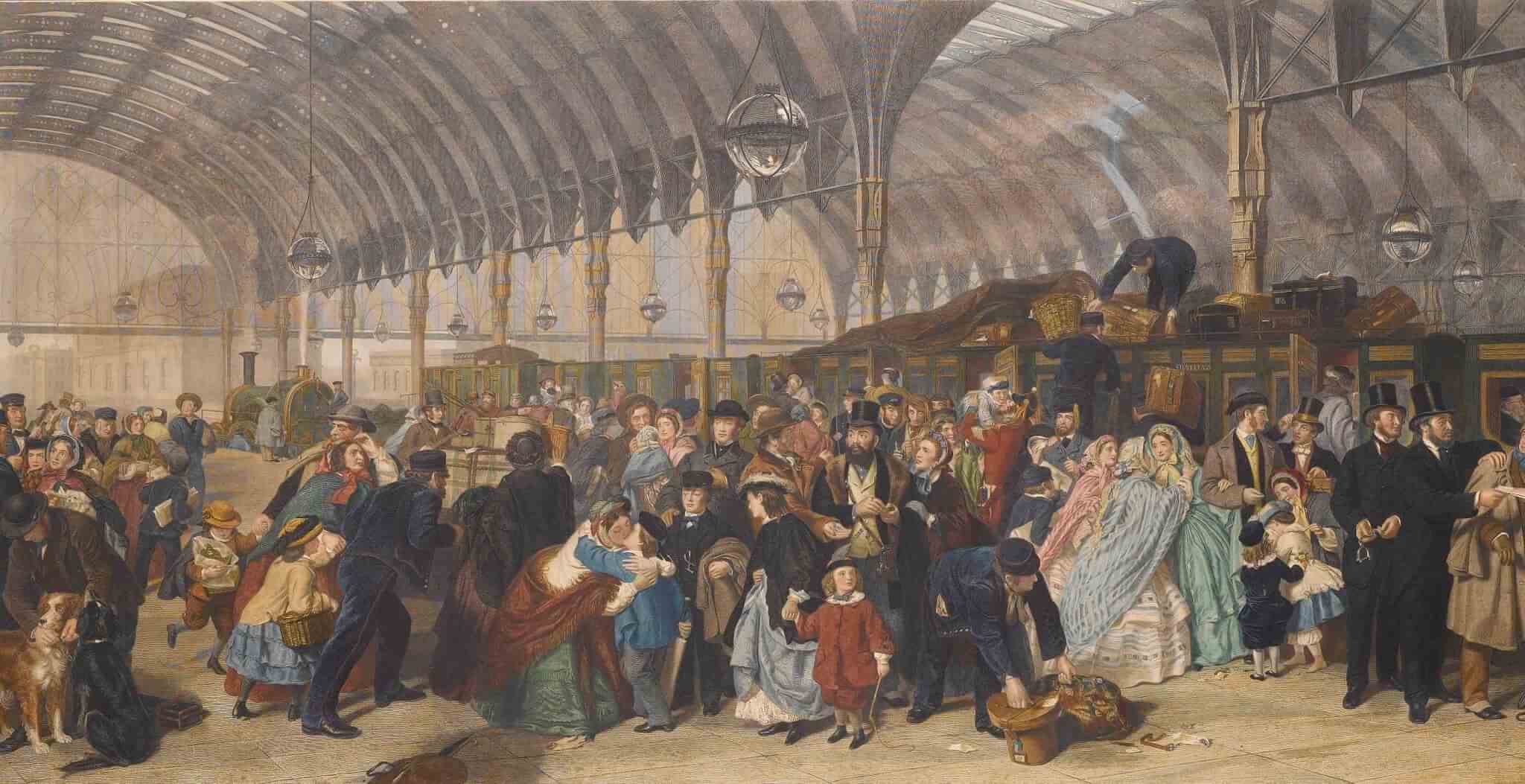
Victorian England was a harsh and difficult social landscape, a place where great wealth was being produced, but at the expense of many. These circumstances made the mudlarks characters of the forgotten children’s stories of the period, much like their peers trapped in the workhouses, toiling down the mines, stuck with a broom in the chimneys and labouring in the textile mills.
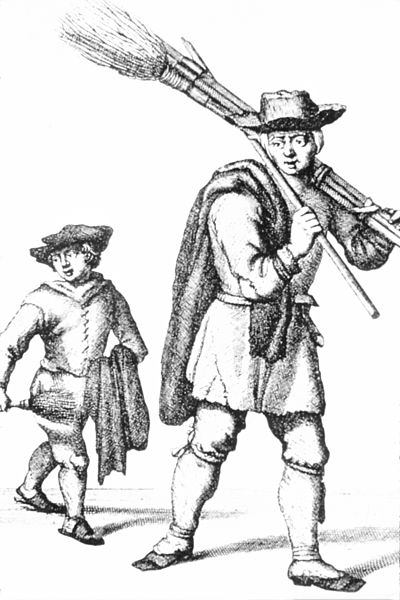
The story of the mudlarks is an important one, as it illustrates the everyday social norms of Victorian society which today we would find abhorrent, highlighting the desperation of poverty-stricken families as well as the resourcefulness of children with nothing but an empty stomach to motivate them.
Jessica Brain is a freelance writer specialising in history. Based in Kent and a lover of all things historical.
Published: 7th September 2026.