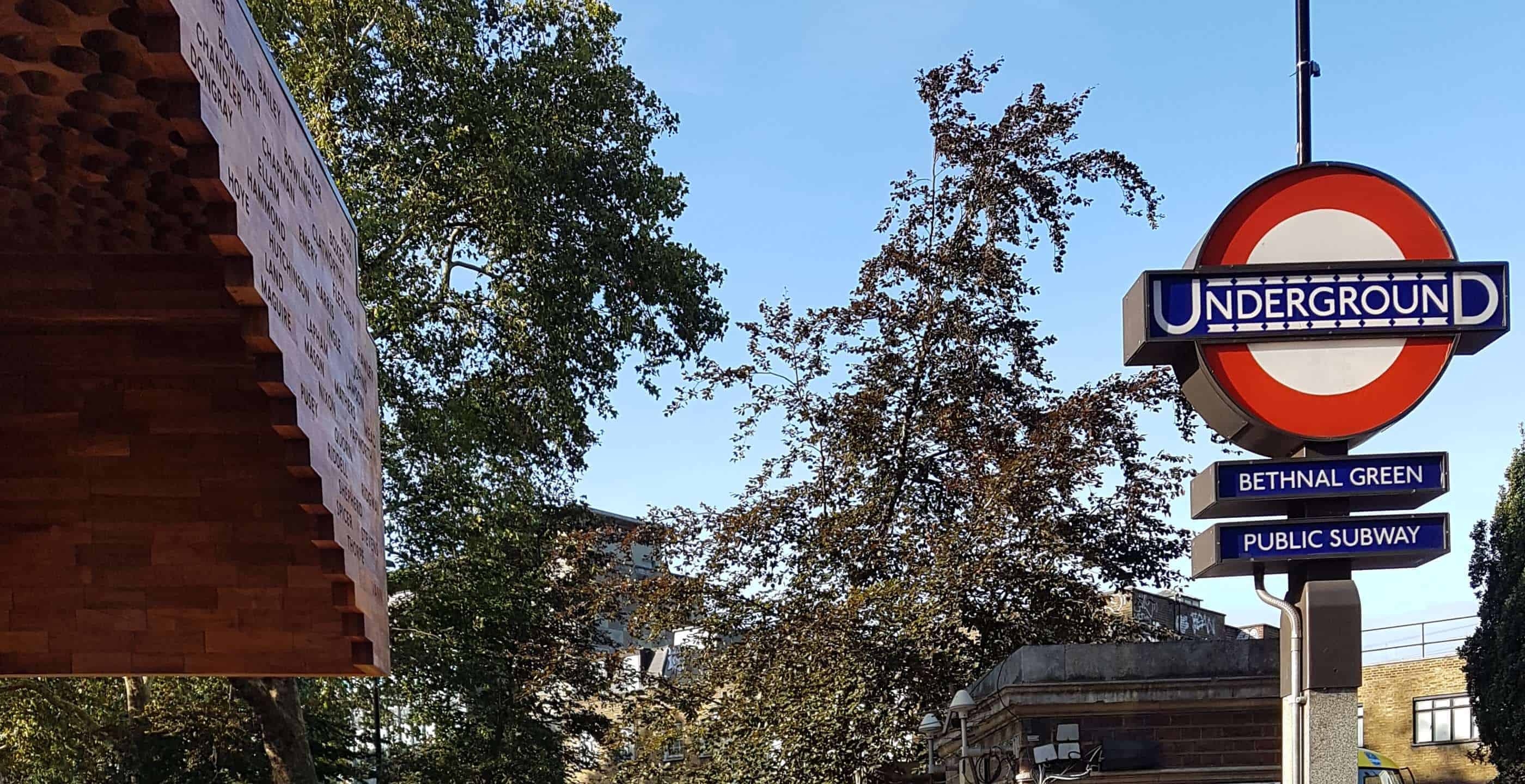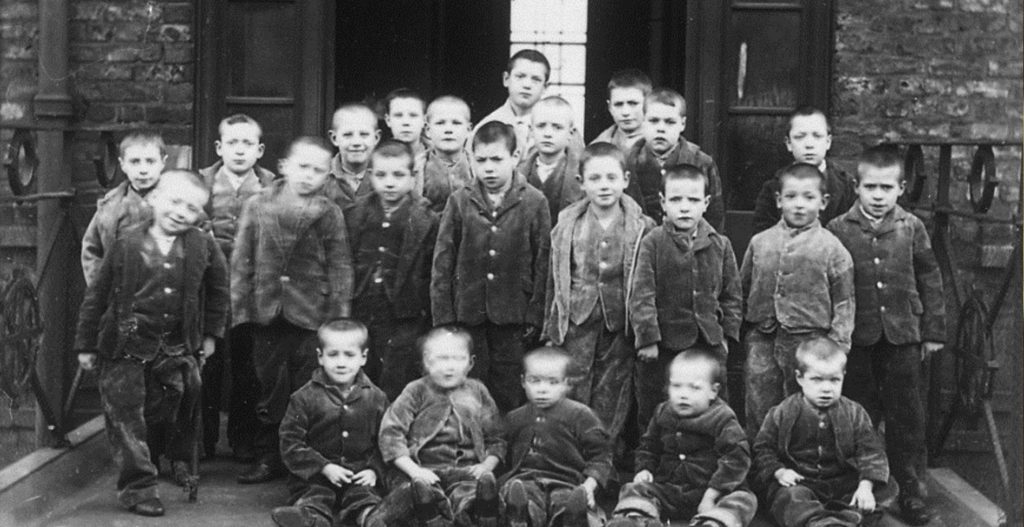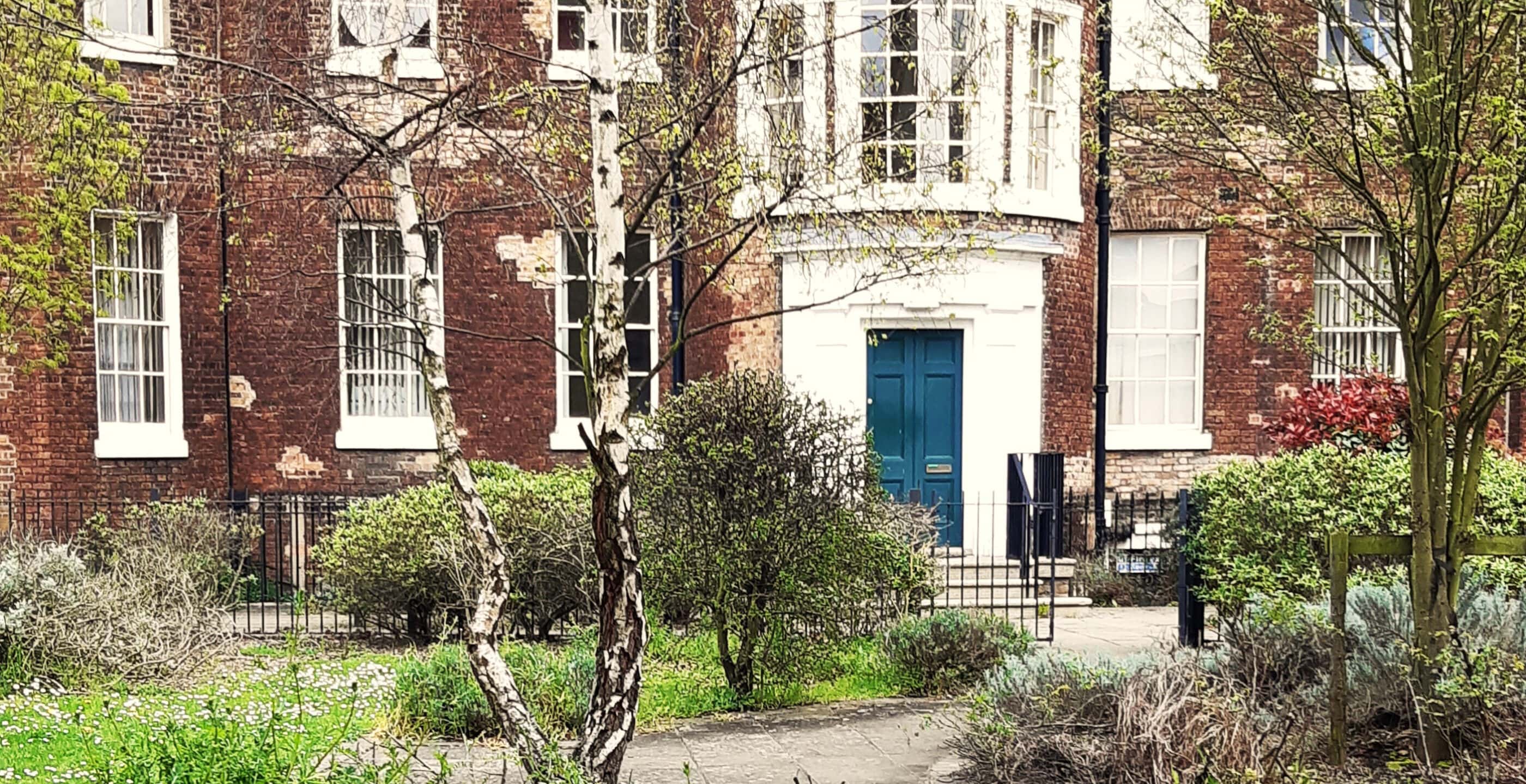


The Bethnal Green School for the Juvenile Poor is not in Bethnal Green, London E2, as you might expect, but in Leytonstone E11. Thanks to enlightened visionaries, like Dr Barnado, the Bethnal Green Board of Guardians decided to build a village style children’s home in, what was then, semi-rural Leytonstone.
The land, and a fine house, was bought from the famous philanthropist Buxton family for £9,000. No doubt the Buxton family move was prompted by the new railway line built across their land.
It took over 10 years to build the village home and, even by today’s standards, the facilities were outstanding. There was a gym, library, band room, classrooms, Montessori nursery, swimming pool, playing fields, tennis courts, infirmary, isolation block, covered outdoor playing area with equipment, dentist, chapel and a great hall that doubled as a dining room and chapel. Indeed, private schools of the day would look poorly equipped compared.

The home could look after over 500 children, such as the Hammerstone boys, the Littlejohn family and the Trevallian sisters. The logistics of feeding, educating, entertaining and washing that many children, is staggering.
There were strict guidelines written down by Board of Guardians on the care of the children, including when and what punishments were allowed. The records of the home are at the London Archives, but surprisingly, there are only a handful of images of the home and children.
The home closed in 1930s and became Leytonstone House Hospital, a hospital for mentally disabled people. Perhaps this is when site became cut off from the local community and ‘disappeared’.
In 1954, when the area was still clearing bomb damage from the Second World War, Leyton Borough Council realised these Victorian buildings were worth preserving. The 18th century main house, (Leytonstone House) was granted Grade ll listing status and the Victorian buildings were designated curtilage. Curtilage status means the building share the same legal standing as the main house.

The famous architectural historian Elain Harwood wrote a report for the Greater London Council 1990 and spoke,
“It (Bethnal Green School for the Juvenile Poor) must be regarded as one of the first attempts in London to follow the ideas of Dr Barnardo at Barkingside and is therefore of some interest.”
Peter Higginbotham, the historian author and broadcaster, has written several books on workhouses, asylums and children’s homes. Thanks to his work over many years, there is now a body of knowledge available on this important aspect of British social architectural history.
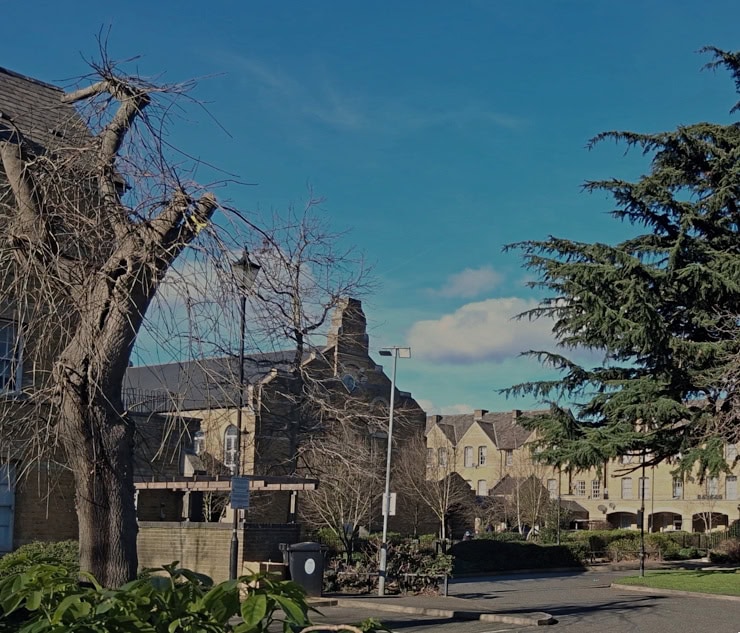
He wrote:
“The school provides an early example of the move away from the large “barrack” schools erected to house pauper children in the 1850s-60s… Because of the limited space on the site, the layout – never adopted elsewhere – was a unique half-way house between the two systems, featuring closely-spaced ‘homes’ either side of a central dining hall and kitchen. From an architectural viewpoint, the site has great significance”.
By the mid-1990s the hospital had closed, residents had been moved into smaller homes in the community and the land had been sold off. Tesco supermarket now owns most of the site. During development of the site and the building of the A12 motorway, half the original Victorian buildings were demolished, presumably with Listed Building consent.
However, the remaining buildings were protected and sympathetically restored. Some were incorporated into the Tesco store, the remaining buildings repurposed into a GP surgery, social housing and a day care centre.
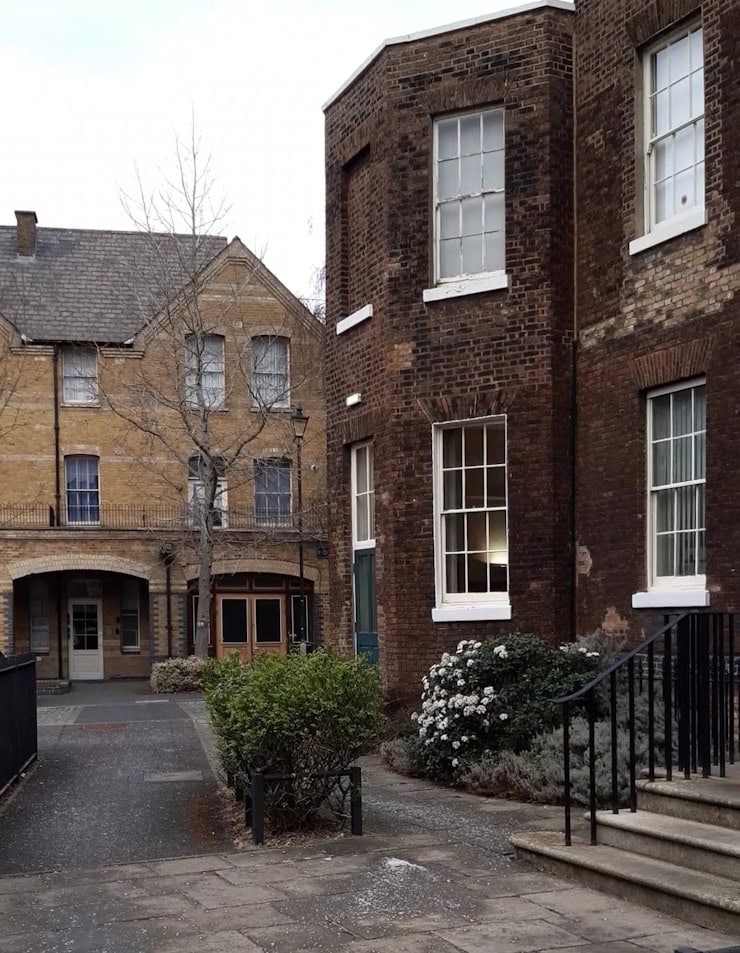
Today, LB Waltham Forest has designated the nine acres a ‘site allocation’ suitable for ‘transformational ‘and ‘intensive’. 1100 flats are suggested in the Borough Plan.
That would certainly be transformational for this important heritage site!
In the past, local authorities were deemed to be responsible and trustworthy guardians of the nation’s heritage. Sadly, that can no longer be relied upon. Additionally Historic England does not have the resources to challenge developers, or local councils, in the courts. And to be fair, even with the best will in the world, local councils do not have the resources to challenge developers in the high court.
So, it is up to us to make a noise and let people know what is around them. All the research shows heritage is valued by ordinary people, creates social cohesion and wellbeing in communities. Developers and sadly some councils, are not on the same song sheet.
By Hilda Varley. For more information please watch our video. If you would like to help the campaign to save two rare heritage sites in Leytonstone, East London, the Bethnal Green School for the Juvenile Poor and Wallwood Farmhouse, please get in touch, details at the end of the video. .
Published: 20th October 2025