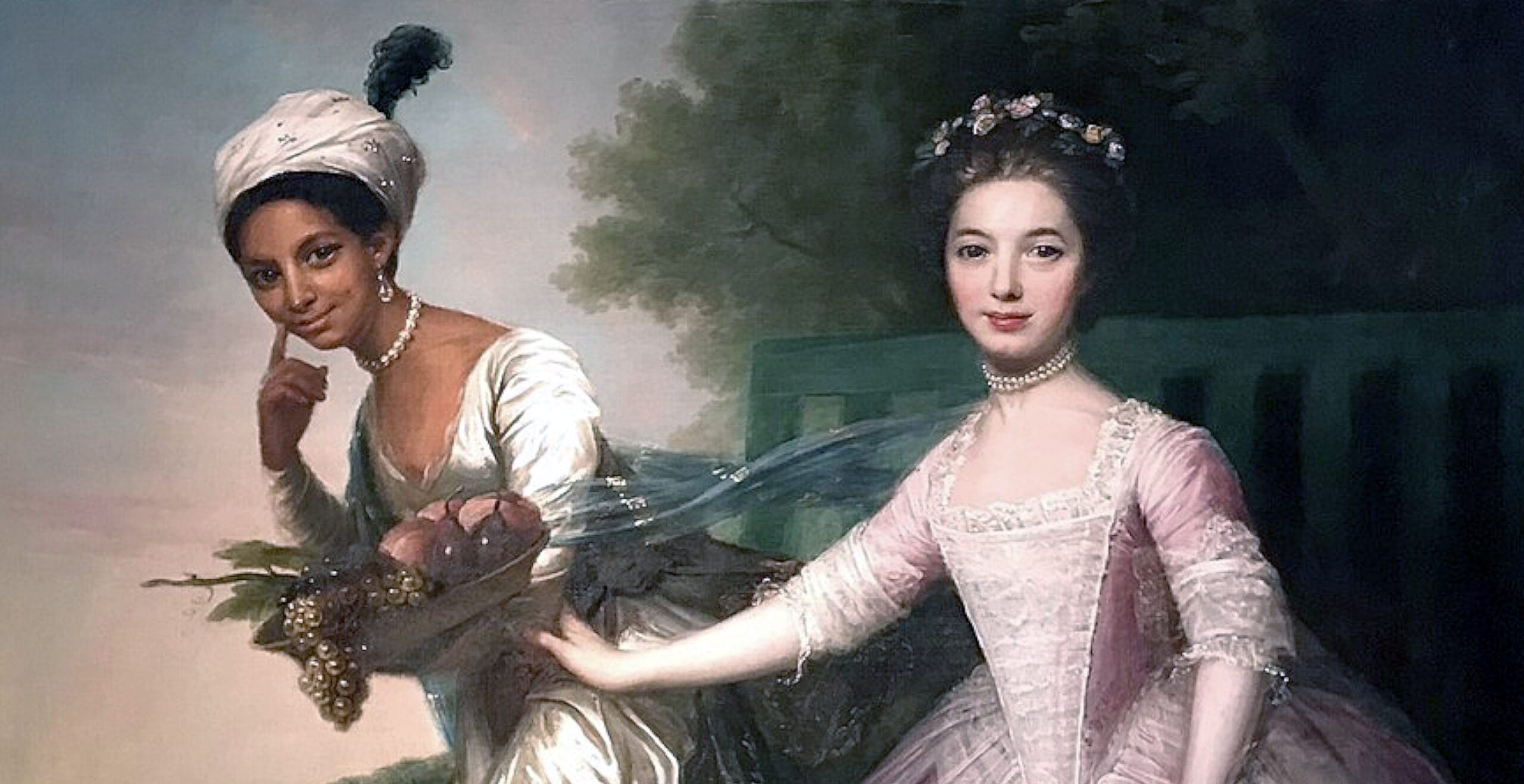


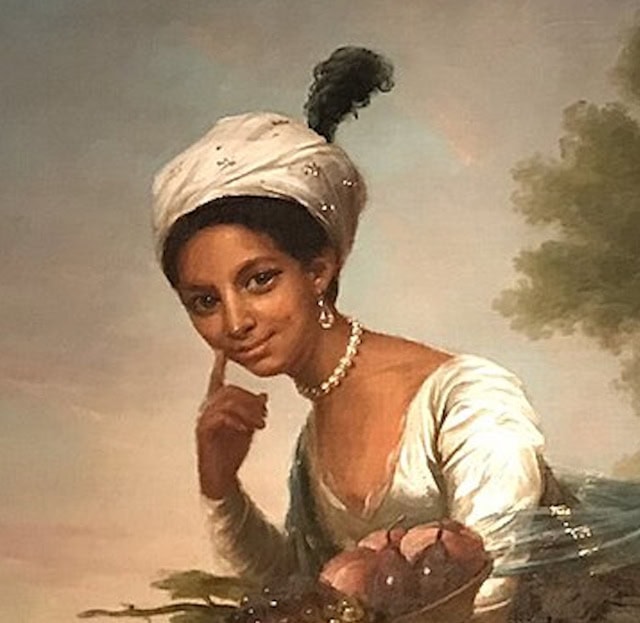
On the walls of Scone Palace in Scotland hangs an 18th century portrait of two high society women completed by the artist David Martin. One of the protagonists is painted sitting down reading whilst the other clutches a basket of fruit. Both women wear typical Georgian silk dresses whilst their necks are adorned with pearl necklaces. The two women are cousins, Lady Elizabeth Murray and Dido Elizabeth Belle, however what makes this particular portrait so unique is that one of these ladies is bi-racial.
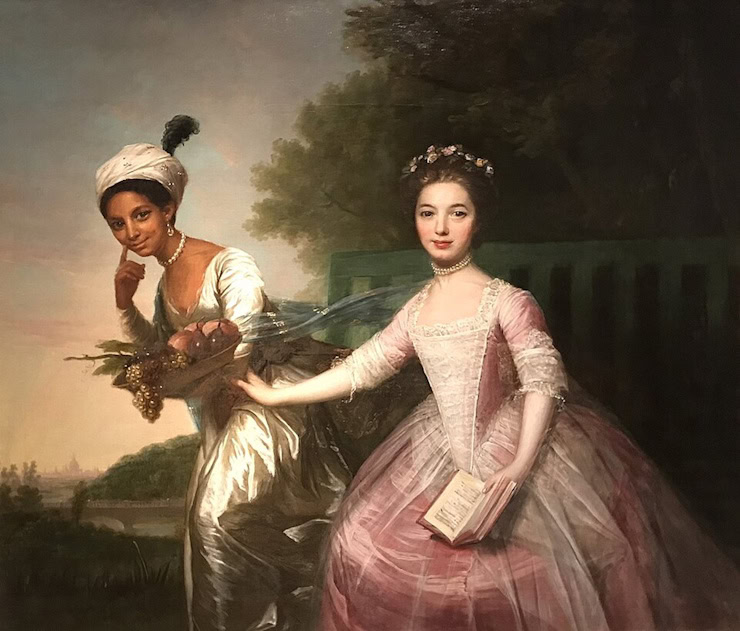
Whilst Dido Elizabeth Belle grew up in the comfort of a stately home and spent her time in the high society culture of England, she started her life in very different circumstances. Dido Elizabeth Belle’s background as the illegitimate daughter of Royal Naval officer Sir John Lindsay and an enslaved woman called Maria Belle, made her story extremely unusual for the time.
Spending much of her youth in a stately home called Kenwood House in Hampstead Heath, north London, Dido grew up in comfortable surroundings a far cry from her mother’s circumstances as a slave.
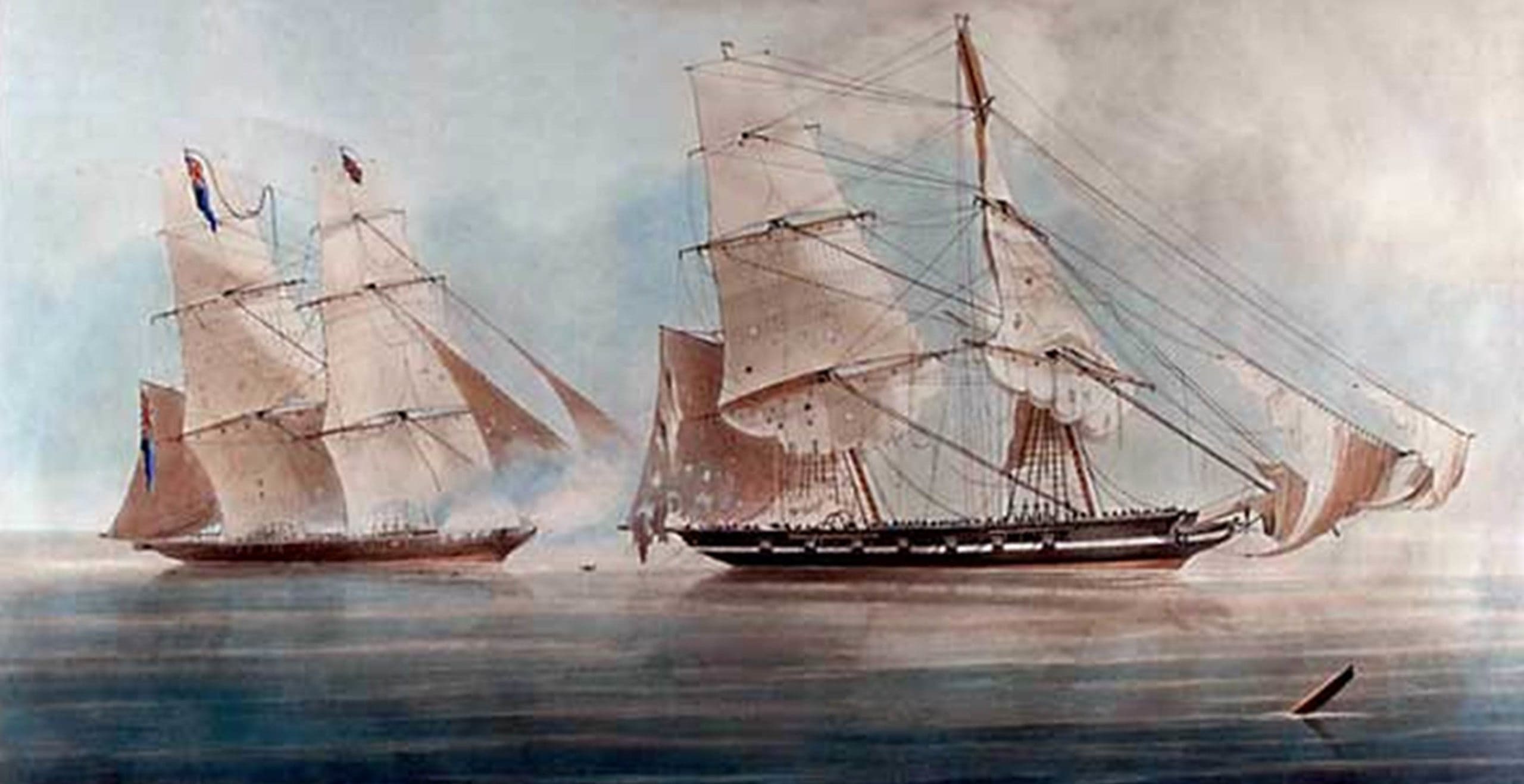
Sir John Lindsay embarked on his career on the high seas, joining the Royal Navy during the Seven Years’ War where he served off the coast of France. He subsequently was promoted to commodore and commander-in-chief of the East Indies Station. In 1761, Lindsay was serving as the captain of the British warship HMS Trent with the objective of patrolling the coastline of Senegal as well as monitoring the seas surrounding the Caribbean.#
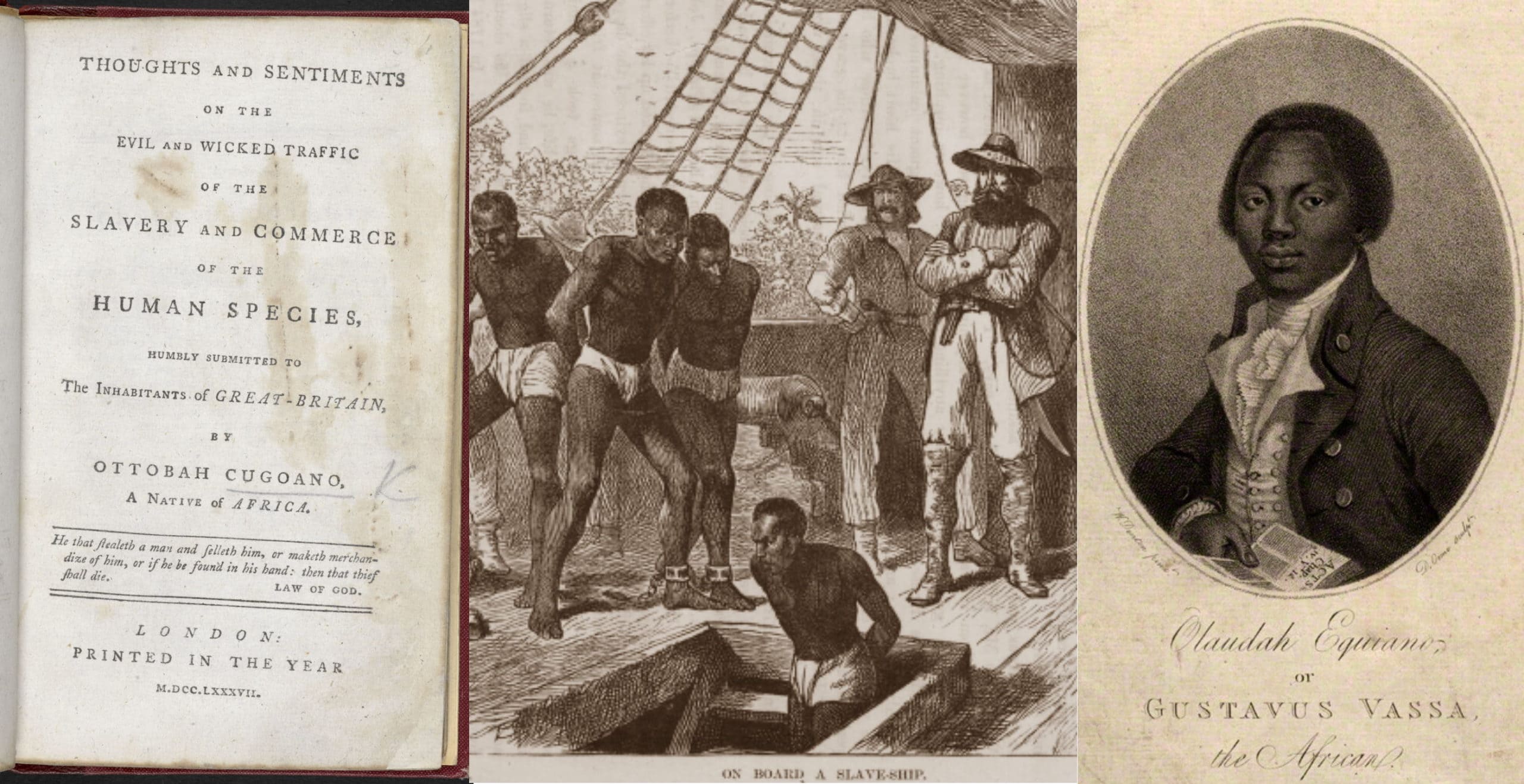
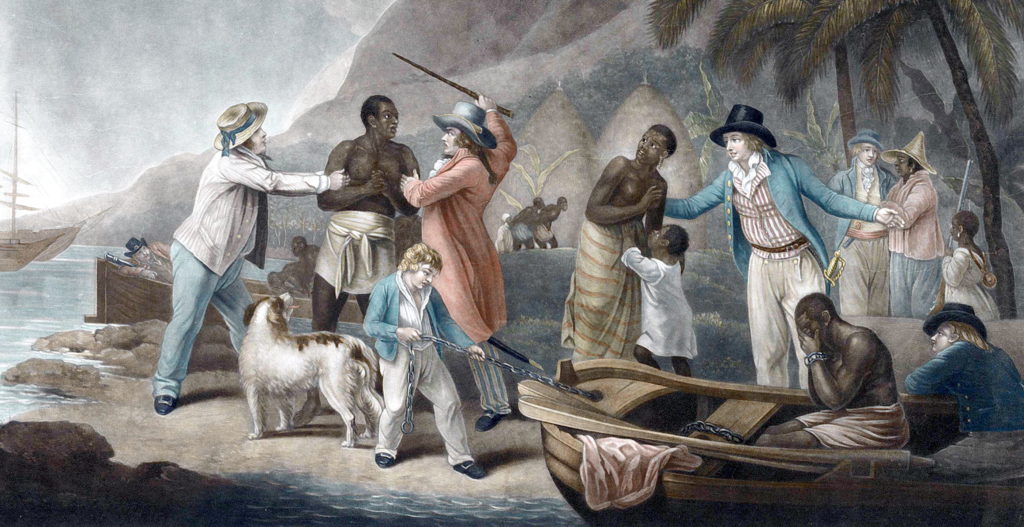
Whilst exact details of their meeting remain unrecorded, it is believed that aboard HMS Trent, Sir John Lindsay intercepted and captured a Spanish slaving ship which was making its way to the Caribbean. One of the victims of slavery was a young African girl called Maria Belle who was only fourteen years old and whom Lindsay took an interest in.
After his encounter with the young girl, a few months later Maria found out she was pregnant and gave birth to a baby girl. After which time, John made arrangements to transport his daughter and Maria back to England.

Now in London, the girl was baptised in November 1766 as Dido Elizabeth Belle in St George’s Bloomsbury without the presence of her father. In fact, Lindsay passed her on to his uncle and failed to ever publicly acknowledge her or include her in his will.
Fortunately for Dido, Lord Mansfield offered her the care and upbringing Lindsay failed to provide.
Maria Belle eventually returned to America in 1774 once Lindsay had made her free and paid for her manumission. A piece of land was subsequently transferred to her ownership in Pensacola where she could build a home in the following decade. Meanwhile, Lindsay invested in a slave plantation in Nevis.
Back in London, her daughter Dido Elizabeth Belle was sent to live with her great-uncle, a man called William Murray, 1st Earl of Mansfield. Lord Mansfield was a powerful man who served as the Lord Chief Justice and thus presided over some of the most important judicial cases in the land. Both he and his wife were never able to have children, however they were happy to invite Dido into their home in much the same way they had done with her cousin, Elizabeth Murray whose mother had sadly passed away.
The Mansfield family thus welcomed Dido and Elizabeth into their palatial stately home, Kenwood House, on the outskirts of London.
Whilst the cousins grew up together, some differences did emerge, for example, Lady Elizabeth was expected to attend Royal balls and other events however Dido was not. Moreover, whilst Mansfield provided both with an allowance, Belle received £20 annually compared to Lady Elizabeth’s £100. Her identity as both bi-racial and illegitimate imposed a set of social boundaries which restricted how much she would receive and was entitled to.
Meanwhile, Lindsay returned to his naval escapades and was subsequently knighted. In his private life, whilst he had no children from his marriage, he did have several illegitimate children by different women.
Back in Hampstead Heath, Dido benefited from the generosity of her great-uncle who made sure she benefitted from the same educational opportunities as her cousin. Like other wealthy British families at the time who welcomed the illegitimate offspring into their family, Dido benefited from inherited wealth and status which gave her opportunities that no other person of colour could have dreamt of in Georgian England. That being said, whilst Dido benefited from being welcomed into a family, navigating the social expectations in society was more complex.
Her closeness with her great-uncle was demonstrated by the fact that he would often dictate letters to her, regarding her handwriting as rather beautiful. It showed an element of pride, trust and conviviality which was to be enjoyed between them.
It also resulted in Dido’s awareness of several cases Lord Mansfield was dealing with at the time, particularly pertinent to her own background having being born into slavery.
In 1772, Lord Mansfield ruled in favour of an ex-slave in the famous case of Somerset vs Stewart, whereby a slave owner wanted to see his captured slave taken back to the West Indies to be sold. The conclusion Mansfield came to fell in favour of the former slave, as he declared the practise to be ‘odious’. This ruling became a turning point in judicial matters, reflecting a gradual change in attitude that for the first time had been reflected in court. Lord Mansfield’s own relationship with Dido must have gone a long way in informing his decision. For many of his peers, the realisation of the abhorrence of the slave trade would take much longer to resonate. Dido would remain close to her great-uncle for many years, nursing him in his old age when his wife passed away.
In 1788, Lord Mansfield died and left Dido with an inheritance of £500 plus an amount of annuity. Meanwhile, her cousin and Lord Mansfield’s fellow great-niece was bequeathed the considerable sum of £10,000.
Only a few months later Dido, now 32, married a French steward called Jean Louis Charles Daviniere at St George’s Church, Hanover Square.
The couple went on to have three children together, two twin boys Charles and John, and a younger son called William Thomas. The three boys were born and raised in London where they grew up in Pimlico in a modest house with a small garden.
Sadly, just ten years into her marriage Dido fell ill and died at only 43 years of age, leaving behind three young sons.
Dido Elizabeth Belle died in obscurity however her life story was far from modest or mundane. Born into slavery in the Caribbean but transported to England, she was in receipt of a good education and bequeathed social comforts enjoyed by a select few.
Her slave background, like so many others reflected an existence and survival despite the odds, providing a valuable insight into the history of slavery, empire and society more generally.
Jessica Brain is a freelance writer specialising in history. Based in Kent and a lover of all things historical.
Published: 23rd September 2025