

In a previous article we celebrated the genius who perhaps did more than anybody to save the country in its ‘finest hour’ and help win the Battle of Britain. His name was Robert Watson-Watt, the inventor of RADAR. In this article, we honour the two men who developed the device that helped this country and its Allies win the Battle of the Atlantic, the battle which kept our parents and grandparents fed and well-armed. Their names are John Randall and Harry Boot, the inventors of the prototype cavity magnetron.
“The what” we hear you scream? Well, you all have one in your kitchen, which you use every day to heat up your coffee and your convenience meals – your microwave oven houses such a tiny device!
Working together at the University of Birmingham, England, in 1940, the research physicists John Randall and Harry Boot invented the very first cavity magnetron.
So why was this such an important invention and why was it needed to win the all-important Battle of the Atlantic?
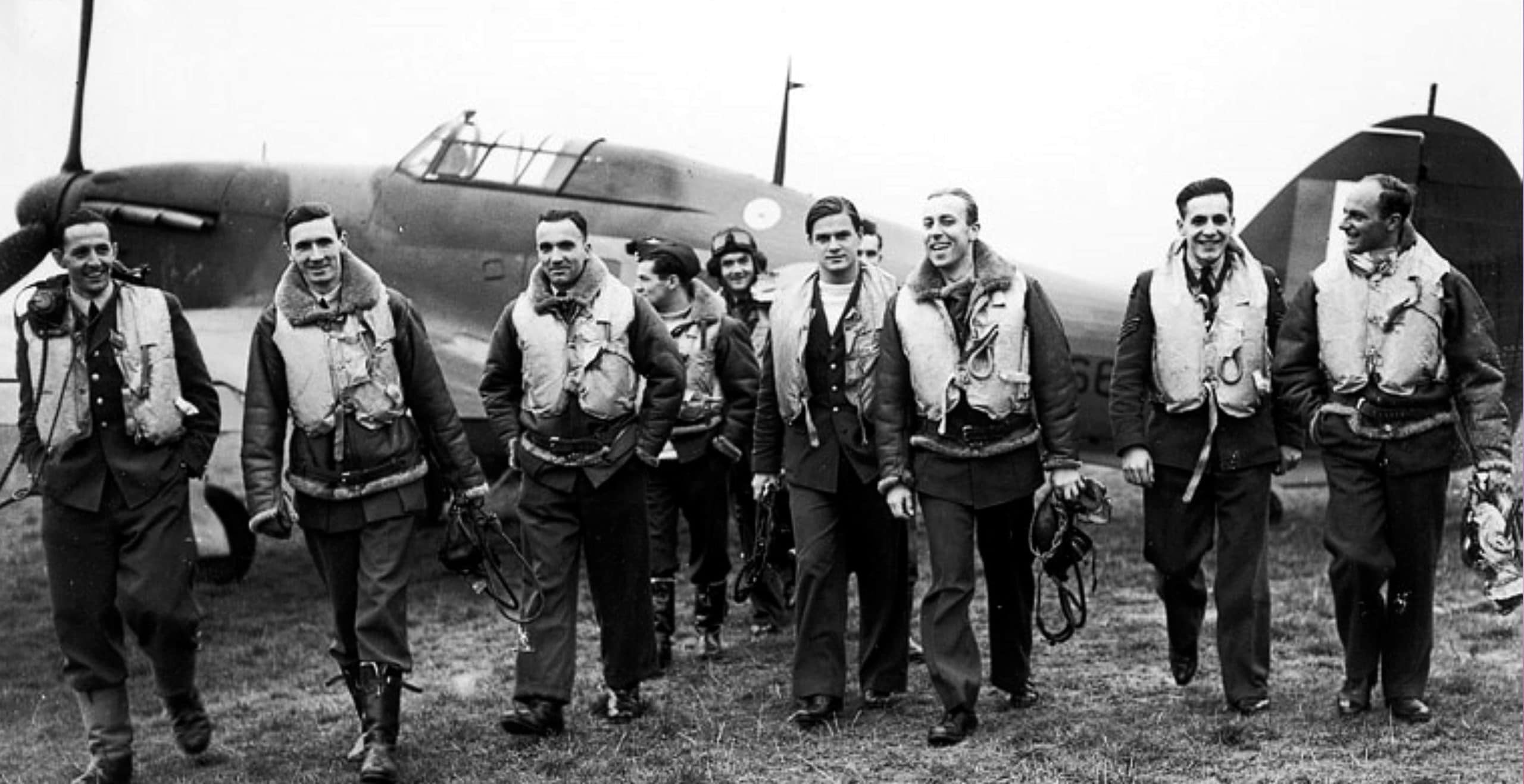
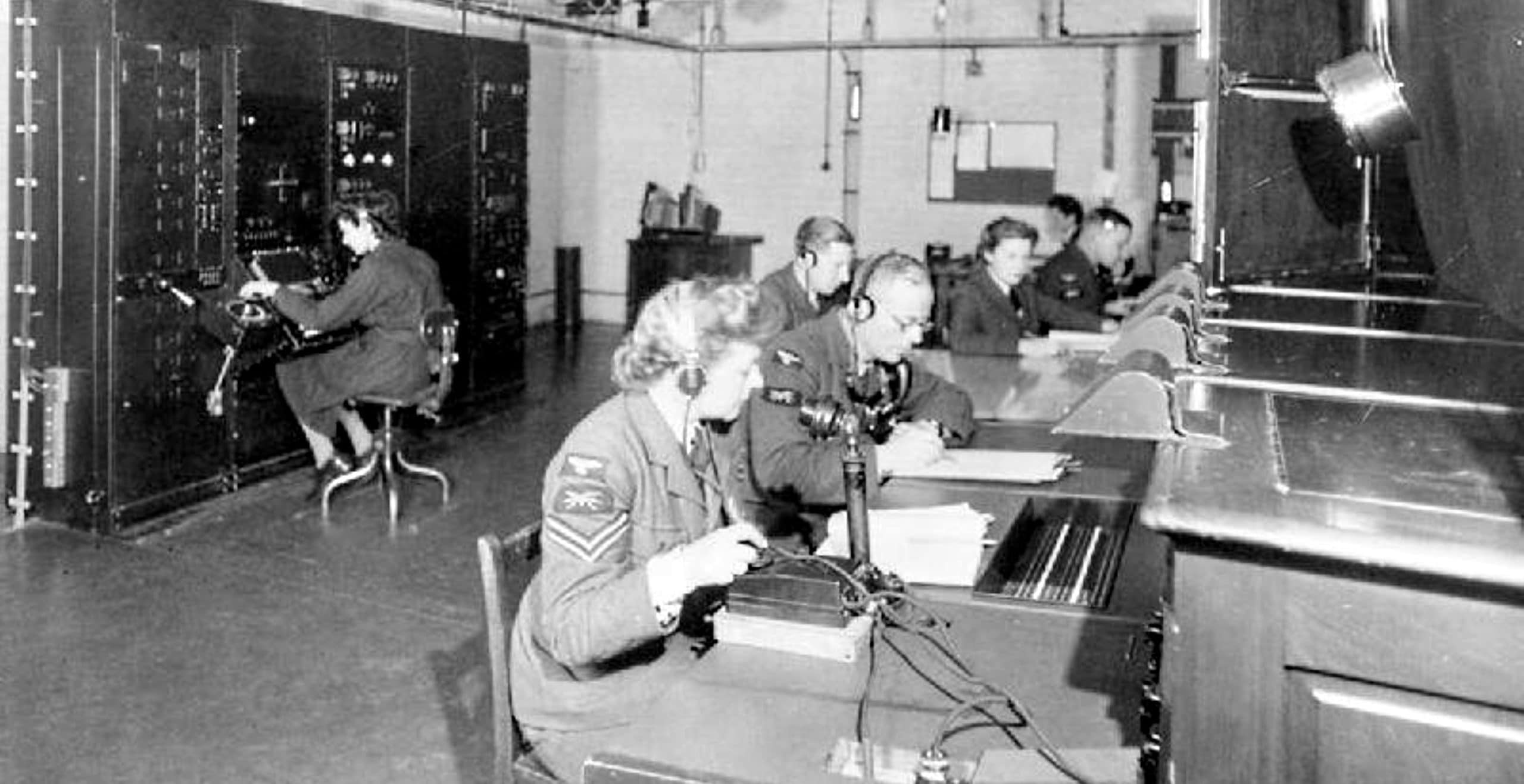
As mentioned above, just prior to the start of World War Two, Robert Watson-Watt had already developed his detection system, which showed for the first time in Britain that aircraft could be detected by bouncing radio waves off them. By 1939 there were 20 stations tracking aircraft at distances up to 100 miles away. Later known as RADAR (standing for Radio Detection And Ranging), it was this invention, more than any other, that saved the RAF from defeat in the 1940 Battle of Britain.
The issue with Watson-Watts RADAR system was that it used relatively long radio waves (of 10 -13 meters) bouncing off metal aircraft to detect incoming German aerial attacks. Such equipment required 240ft and 360ft tall structures for the transmitting and receiving towers, with wires hung between them to create curtain antennae. Not really something that could easily be miniaturised for use, say on an aircraft or ship and that was exactly what was needed in the Battle of the Atlantic.
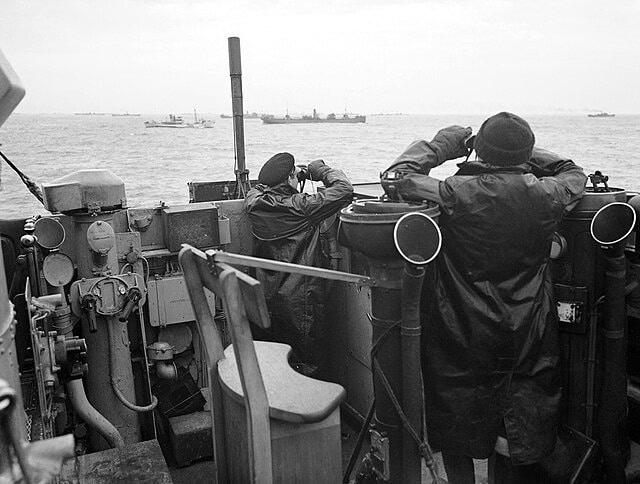
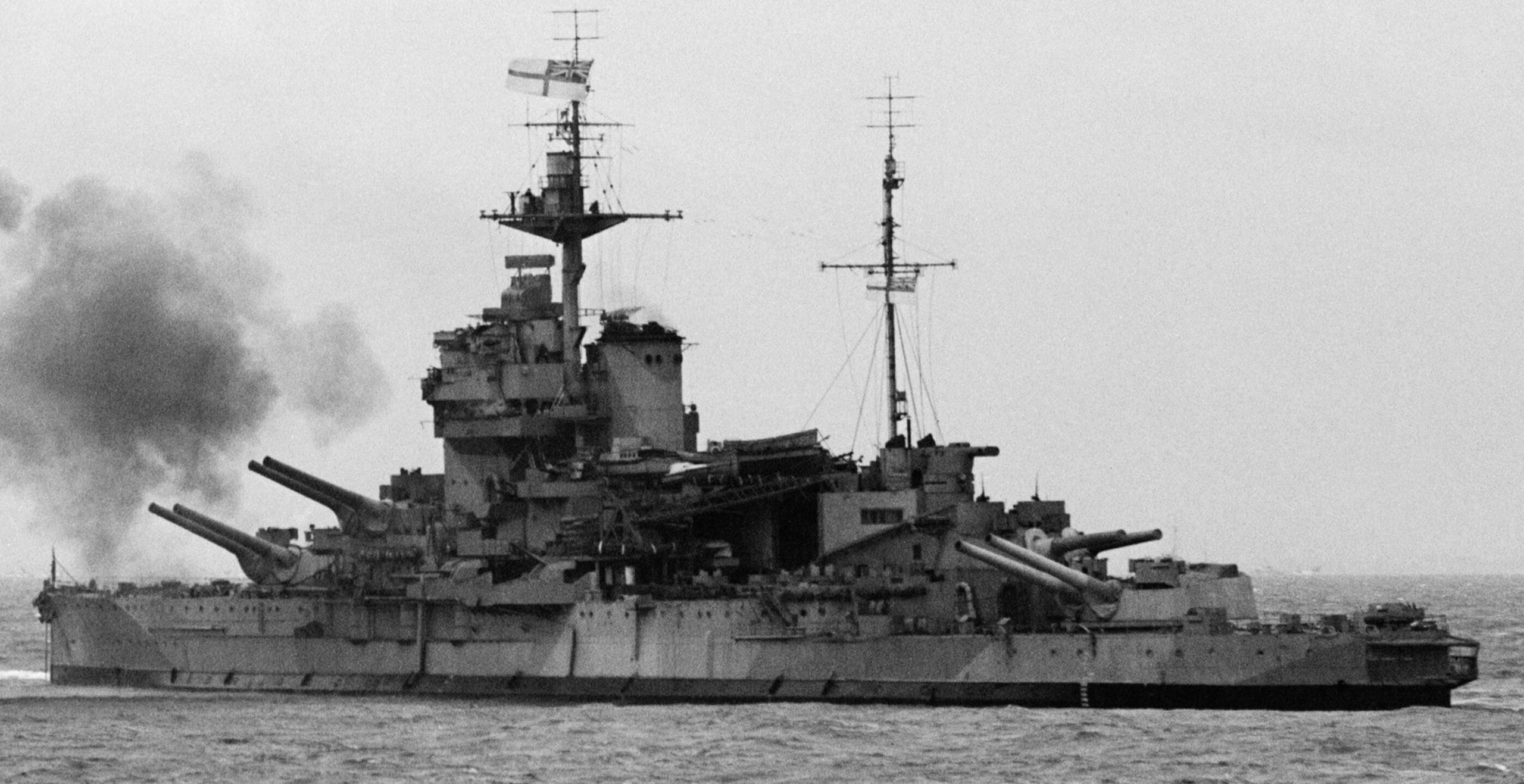
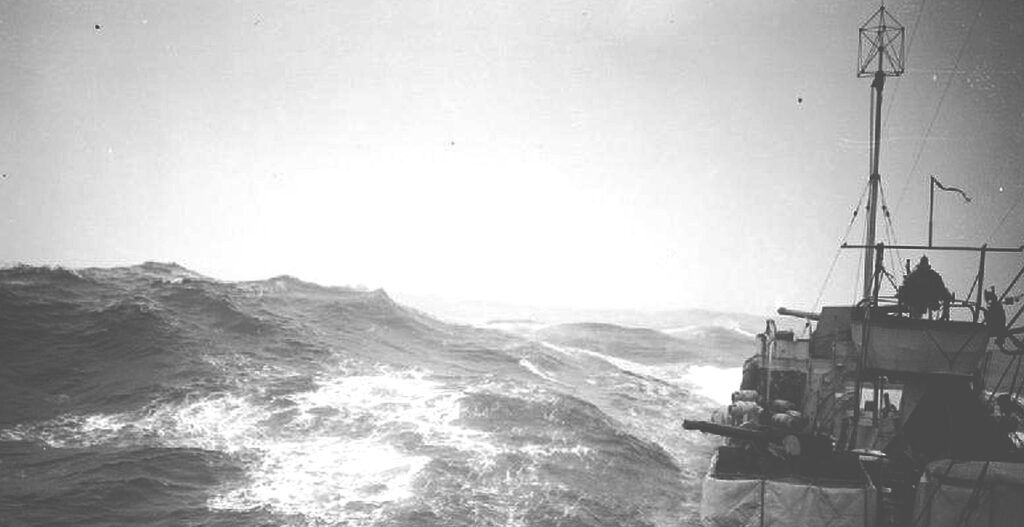
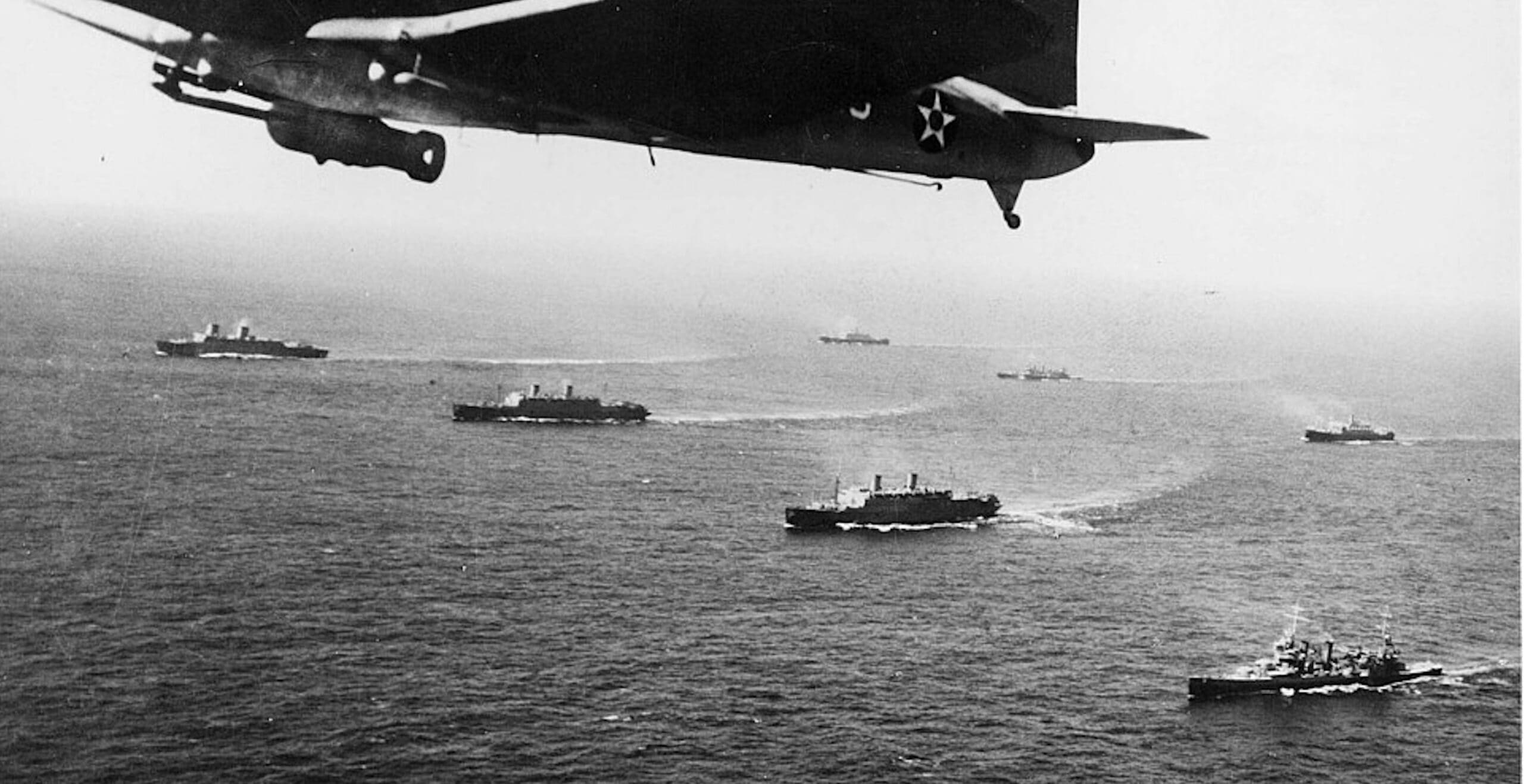
Running from 1939 until the end of the war in 1945, the Battle of the Atlantic pitted Allied convoys protecting supply ships from North America and the Empire against German submarines and warships. As mentioned above, those supply ships carried the essential food and weapons that kept the nation fed and indeed, armed well enough to continue the fight. But what was needed was a radar system small enough that could be fitted to the ships and aircraft that were protecting those convoys, which is where that cavity magnetron comes into the story.
Randall and Boot, at the University of Birmingham in England, had invented the cavity magnetron, a device that produced microwaves of around 10 centimetres in length. Small in size, it could fit into the palm of a hand, but with the much smaller wavelength that it emitted, it could detect much smaller vessels. They first demonstrated their protype device on 21st February 1940.
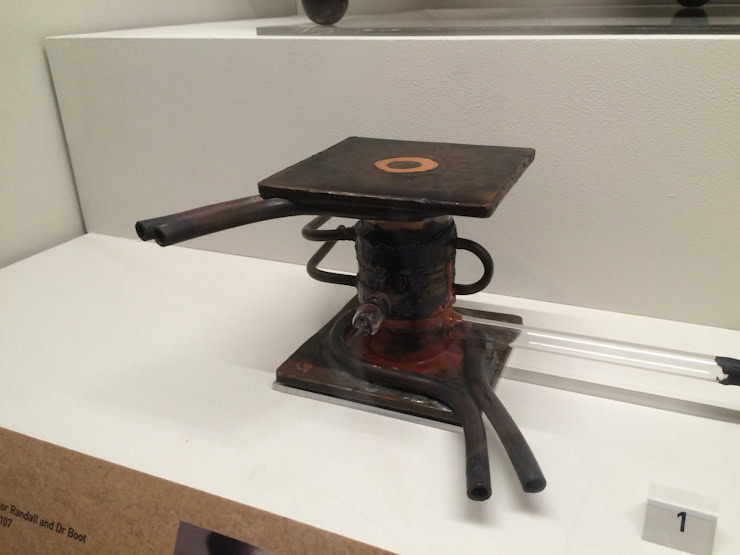
Things moved on very quickly when their experimental magnetron was handed over to the GEC Research Laboratories in Wembley, London. Randall and Boot’s magnetron was a laboratory device that yielded fairly low power when operated. The Wembley staff introduced several developments that rendered it suitable for operational use, including operating at much higher power levels and the capability of sending out as pulsed signals. The prototype of this design was tested on 29th June 1940, and others were quickly produced in the Wembley laboratories.
It was one of these early models that indeed found its way to the USA in September 1940 during the Battle of Britain, as part of the Tizard Mission. Led by Sir Henry Tizard, this secret mission involved a group of senior British military officers and scientists travelling to the US with a number of technical innovations in order to secure American assistance in maintaining the war effort. The mission even came bearing gifts: not only ideas, but blueprints and prototypes, including the cavity magnetron.
After the war it was said in the United States of the cavity magnetron that “when the Tizard Mission brought one to America in 1940, they carried the most valuable cargo ever brought to our shores”. Well, it was after all reckoned to be 1,000 times more advanced that anything the Americans had been working on to date.
Back in the Battle of the Atlantic, German U-boats and warships were devastating the Allied convoys, sinking hundreds of thousands of tons of merchant shipping. The fall of France in June 1940 gave the U-boats bases on the Atlantic coast, and U-boat production increased during spring 1941, giving the Germans enough submarines to deploy their so called ‘wolf packs’.
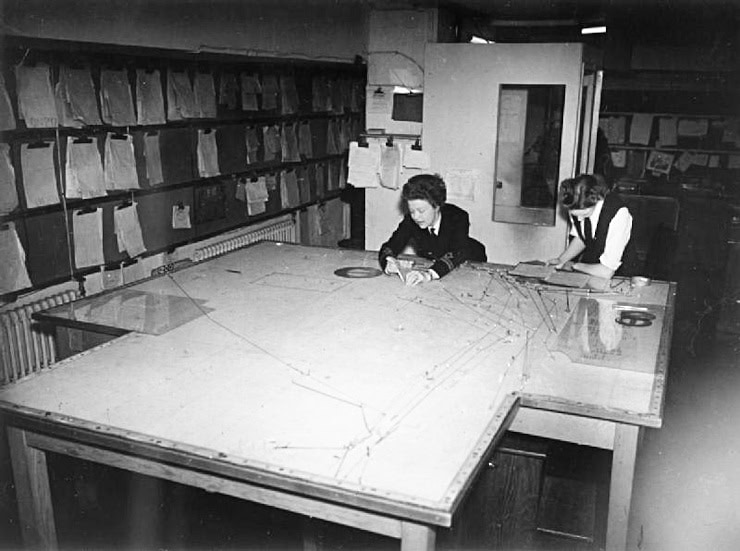
Not to be outdone, in 1942, Captain Gilbert Roberts R. N. and his small group of young Wrens used war games to develop tactics to outsmart those German U-boats from their Western Approaches Tactical Unit (WATU) facility based in Derby House in Liverpool. But much more than mere tactics were needed if the Battle of the Atlantic was to be won.
With the British and its Allies heavily involved in the day to day fighting of the war, it was considered by the Churchill War Cabinet that although they were not currently involved in the conflict, that the Americans could utilise their considerable knowhow to test and ultimately mass-produce the cavity magnetron for use in naval and airborne radar systems. The cavity magnetron was handed over to Bell Laboratories who immediately set-up the Radiation Lab, or RadLab at MIT, to develop the various lightweight and compact radar systems that could be used aboard marine vessels and aircraft.
The major concern at this point in the war was that if such systems were indeed fitted to aircraft, and if those aircraft were shot down over enemy territory, then this technology would be lost to the enemy. As such, a decision was reached that these radar systems would only be fitted to naval vessels. This decision would delay their use on some aircraft for almost two years, and it would not be until 1943 that they were used for overland bombing missions.
Back once again to the Battle of the Atlantic, where it was determined that the loss of such radar systems would be much less likely to fall into enemy hands. After all, if a reconnaissance aircraft was shot down over hostile waters it would be highly unlikely to be recovered, and that very same logic could also be applied to naval vessels.
By 1942, the effect of these new radar systems was beginning to turn the tide of the battle in favour of the Allies. Those German U-boats ‘wolf-packs’ hunters who at this stage in the war had already sunk millions of tons of Allied shipping, now became the hunted.
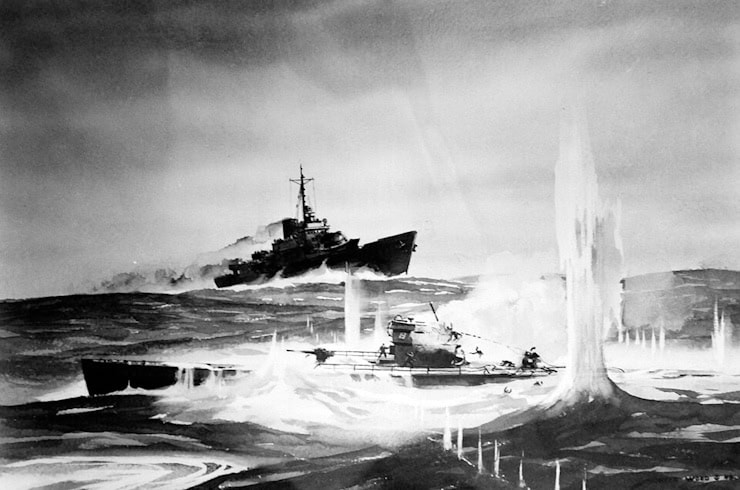
Having recently broken the German enigma codes, Allied aircraft could now search in all weathers for the conning towers of surfaced U-boats and either take direct action themselves or simply warn the convoys where the U-boat were. U-boats returning to their bases along the occupied Franch coast generally surfaced at night in order to replenish air supplies and to recharge their batteries. Using their new aircraft mounted radar however, Coastal Command bombers could leave the returning U-boats with their very own ‘welcome home’ presents.
The Germans quickly realised that just getting in and out of their submarine bases was far more dangerous and their losses mounted. In January 1943, Grand Admiral Karl Dönitz was appointed Commander-in-Chief of the German Navy (Kriegsmarine), replacing Erich Raeder, but after suffering major defeats in the Atlantic, in May 1943 (“Black May”), he was forced into a temporary withdrawal of submarine activity from the area due to unsustainable losses.
Perhaps a very strange ending to this dramatic story of how the Allied forces had succeeded in their endeavours. At the very beginning of the war, Adolf Hitler and the rest of the German High Command had decided that although German scientists had some understanding of the potential of radar technology, perhaps even as much as the British, they determined that no scientist research would take place on individual projects unless actual results could be realised within one year. Perhaps preferring a somewhat costly mistake of “Strength over subtlety”!
Dedicated to our own Hero of the Battle of the Atlantic, Merchant Seaman Reece Davies, who returned safely to British shores in 1945 thanks to ingenuity of Messer’s John Randall and Harry Boot.
Published: 26th February 2026