

In 1820 Cato Street in Edgeware was a typical busy mews alley of the type that could be found anywhere in London’s wealthier residential areas. That year this unremarkable mews would make history by becoming the setting for one of the most subversive political conspiracies of modern times.
While mews buildings are highly desirable residences today, that wasn’t the case in the 1820s. The original medieval mews had been built to house the hawks of the royal household. After the most important royal mews was rebuilt as a stable in the sixteenth century, the name mews came to describe any street of buildings designed to accommodate horses and carriages in London.
A mews kept the bustle, noise, and smell of the stables away from the houses of the wealthy who owned the horses and carriages, but they were close enough to enable the vehicles to be summoned quickly when needed. Space was also required to store hay, horse feed, and straw for bedding, and also to house the grooms and other servants and their families.
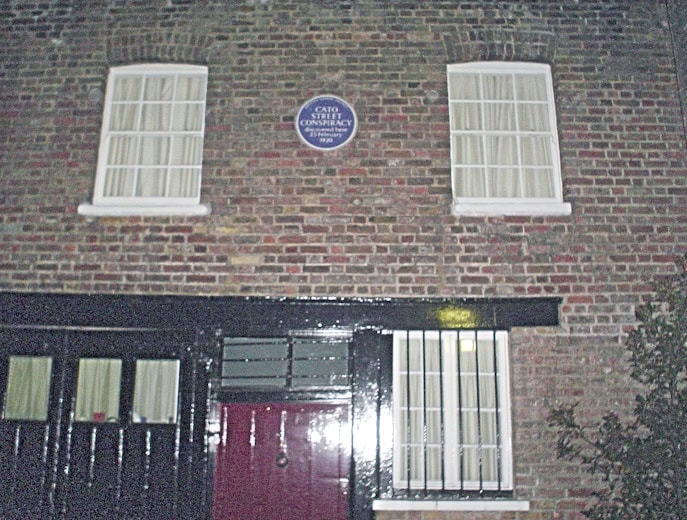
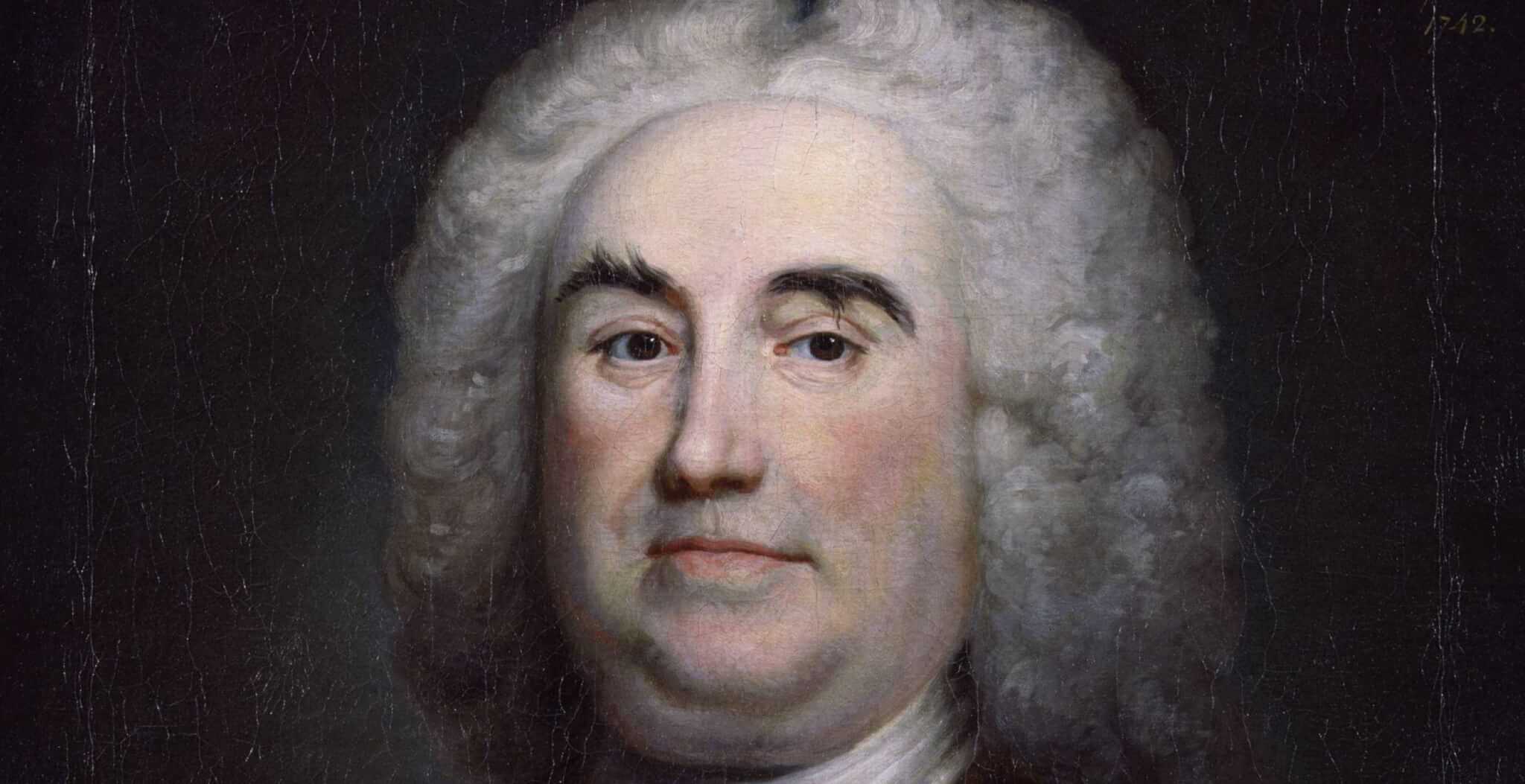
One of the haylofts in Cato Street became the meeting place for a group of conspirators with a daring plan; to assassinate the entire British cabinet as the politicians dined together at a house in nearby Grosvenor Square. On the night of 23rd February 1820 there were around twenty conspirators secreted in the loft, ready to carry out their plot. They believed the politicians would be dining at the home of Lord Harrowby, President of the Privy Council. The conspirators planned to burst in and kill all of them, including the unpopular Home Secretary, Henry Addington, Viscount Sidmouth (1757 – 1844), and the even more loathed Foreign Secretary, Robert Stewart, 2nd Marquess of Londonderry, better known as Lord Castlereagh (1769 – 1822).
The conspirators gathered together up in the loft with a cache of weapons were true revolutionaries, and desperate men. One of them intended to place the heads of Sidmouth and Castlereagh on spikes to be borne through the streets and displayed as traitors to the people. They genuinely believed there would be massive public acclaim for their deeds and a more general uprising of Britain’s oppressed working class. Both politicians were viewed as reactionary oppressors not only by the conspirators but by many of the working people of Britain. The timing was not random; George III had recently died and the arrival of George IV on the throne was an opportunity to overthrow the monarchy and its ministers.
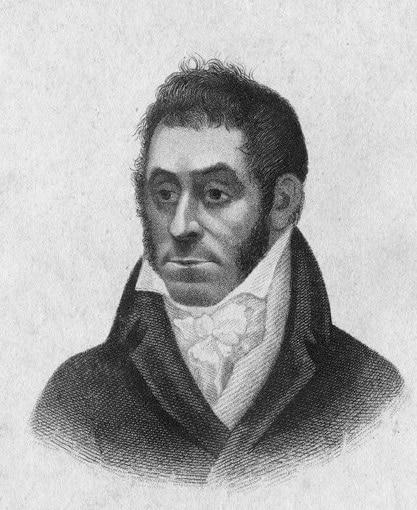
The leader of the conspirators was Arthur Thistlewood (1774–1820), a follower of the ideas of the radical Thomas Spence. He and his collaborators were known as Spencean Philanthropists, a name which sounds mild enough, but Spence was viewed as one of the most dangerous revolutionaries of his time. Born on the Quayside in Newcastle upon Tyne, he had radical ideas on the reform of voting and land ownership, arguing for the rights of individuals including women and children. He had founded a society whose aims appeared innocent, and even appealing: “THE Society holds a meeting once a week at least, for Lectures, Readings, Free-Debate, or Conviviality, free of admission to all persons of decent demeanour, which is presided at by every member in succession, (the president using a bell to keep order.)”
It scarcely sounds alarming. All the Spenceans were educated men (and women), often self- educated. Some were atheists, but most believed their aims were based on “divine and immutable justice”. They had a committee, a library, and a democratic voting structure. As part of his largely auto-didact studies, Thomas Spence had read Thomas Paine’s “Rights of Man”, which had a profound effect on him. In 1775 he had published his own “Property in Land Every One’s Right”, which has earned him the description “agrarian communist”. He moved to London and by 1817 the Spenceans were considered so dangerous that they were in the short-lived Seditious Meetings Act of 1817-1818. Their beliefs were viewed not only as criminal, but actually treasonable, and potentially treason of the highest kind. By this time Thomas Spence was gone, having died in poverty in London in 1814.
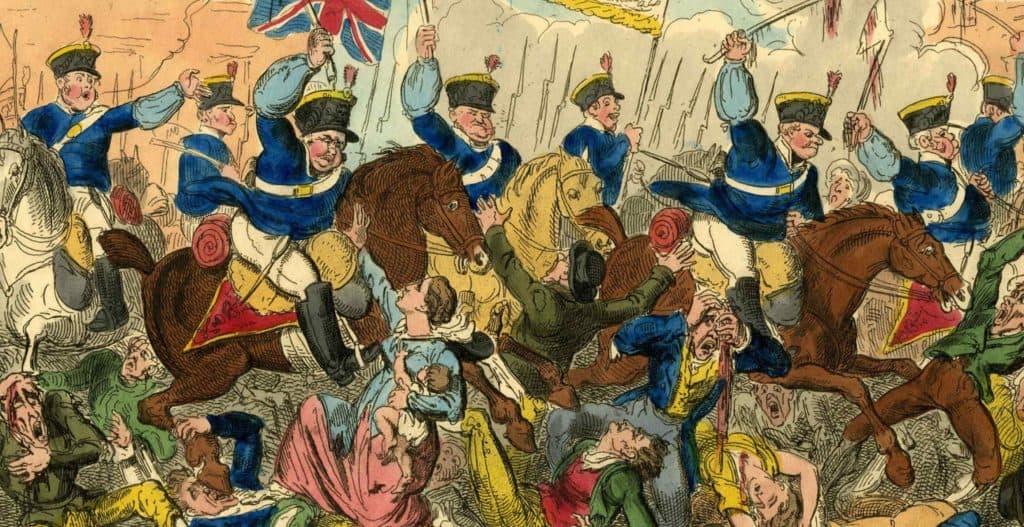
Thus the conspirators knew the risks they were taking but they had faith in their ideals and their plan. Spencean Philanthropists under the leadership of Thistlewood had been involved in the Spa Fields Riots of 1816, and the violence of Peterloo in 1819 had radicalised them further. Spencean Philanthropists were linked to the Society of United Irishmen, an organisation that joined Catholics, Protestants, and Dissenters together politically, and thus the Spenceans, like the United Irishmen, were directly in conflict with Castlereagh.
They also had the support of African Caribbean activists such as William Davidson and Robert Wedderburn. Davidson (c.1781–1820) was the illegitimate son of Robert Sewell, the Attorney Journal of Jamaica. His mother was black. He had come to Britain to study law in Scotland, and ended being press-ganged into the navy. His father was willing to pay for his education, but Davidson later chose to set up his own business. Like many of the other Spencean Philanthropists, he was at first religious, having joined the Wesleyans. Having been a witness to the events at Peterloo, Davidson was now a committed revolutionary; and the arrest and imprisonment of the radical publisher Richard Carlile caused him to lose his faith.
Davidson was introduced to the Spencean Philanthropists by John Harrison and he was soon part of the radical, or revolutionary committee of the organisation. Davidson was essential to the success of the plot since he had worked for the Earl of Harrowby and still had contact with the staff at Grosvenor Square.
Despite being told by a servant that Earl of Harrowby was away, the conspirators assumed the servant was not telling the truth and prepared to go ahead on the chosen evening as planned.
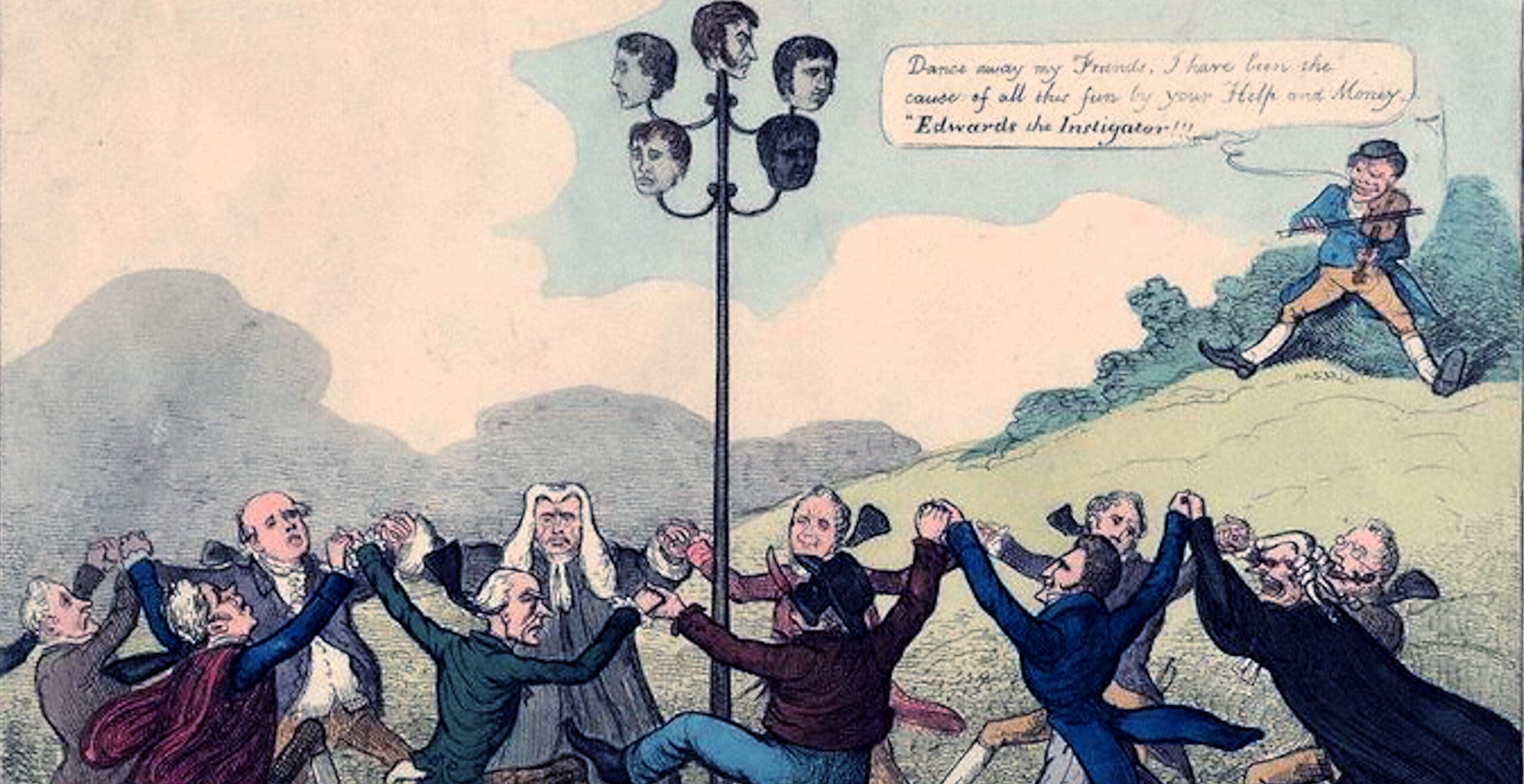
What they didn’t know was that there was a mole in their midst, a police agent working with the knowledge of the government. George Edwards had managed to manipulate the Spenceans into creating the plot, inventing a dinner party at Harrowby’s home on the evening of February 23rd.
Sidmouth knew all about it. Now Thistlewood and his co-conspirators were totally committed, and with the evidence of the conspirators’ weapons alongside them in the hayloft, the police were ready to act.
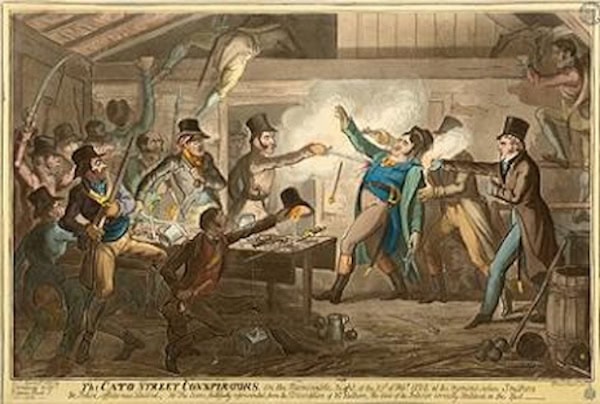
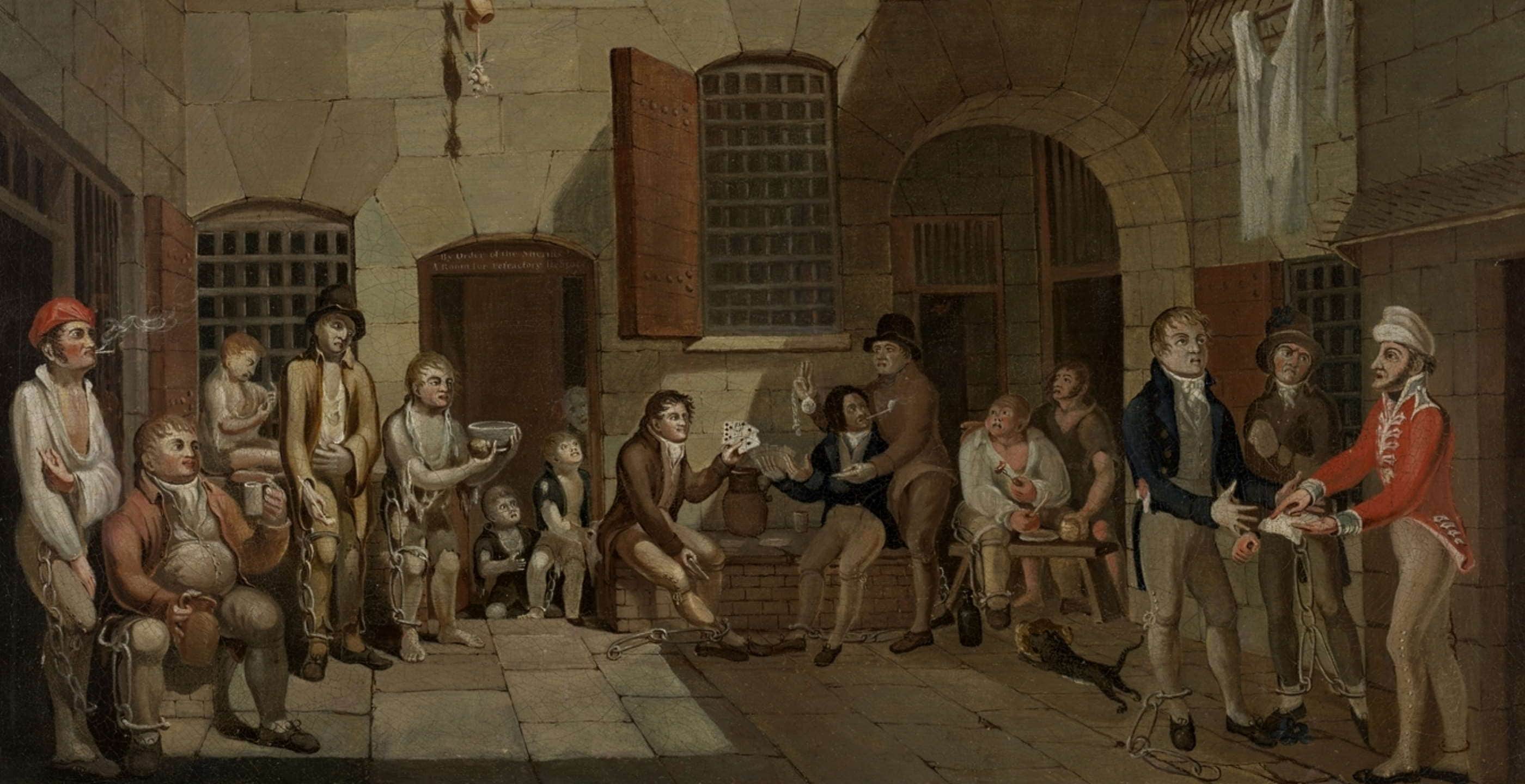
Thirteen Bow Street Runners from a nearby station, led by George Ruthven, rushed as quickly as they could up the ladder and into the hayloft. There was a brief fight during which Thistlewood killed officer Richard Smithers with a sword. Davidson was hit by a truncheon and dropped his own weapon, a blunderbuss. In the ensuring tussle in the dark, Thistlewood, John Harrison, John Brunt, and Robert Adams managed to escape through a window in the loft.
Most of them weren’t free for long, though. George Edwards was able to identify them and they were soon arrested. Of the conspirators, eleven were eventually charged and found guilty.
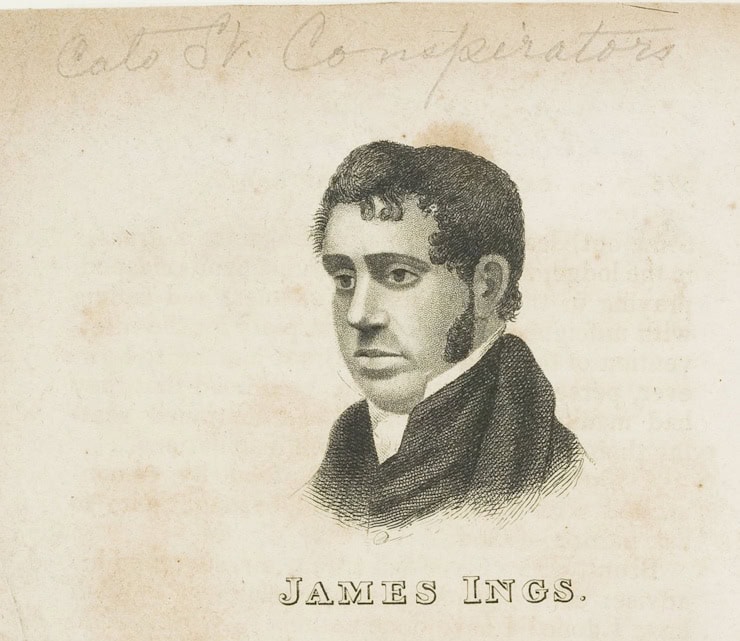
Thistlewood, Davidson, John Thomas Brunt, James Ings and Richard Tidd were found guilty of high treason, for which the punishment was death. Their guilty co conspirators had their death sentences commuted and were transported for life to Australia. This was the second time that Thistlewood had been accused of high treason, the first being after the Spa Fields Riot.
Given the serious nature of the crime, a truly medieval punishment could have been handed out to the Cato Street Conspirators: that of hanging, drawing, and quartering, followed by beheading.
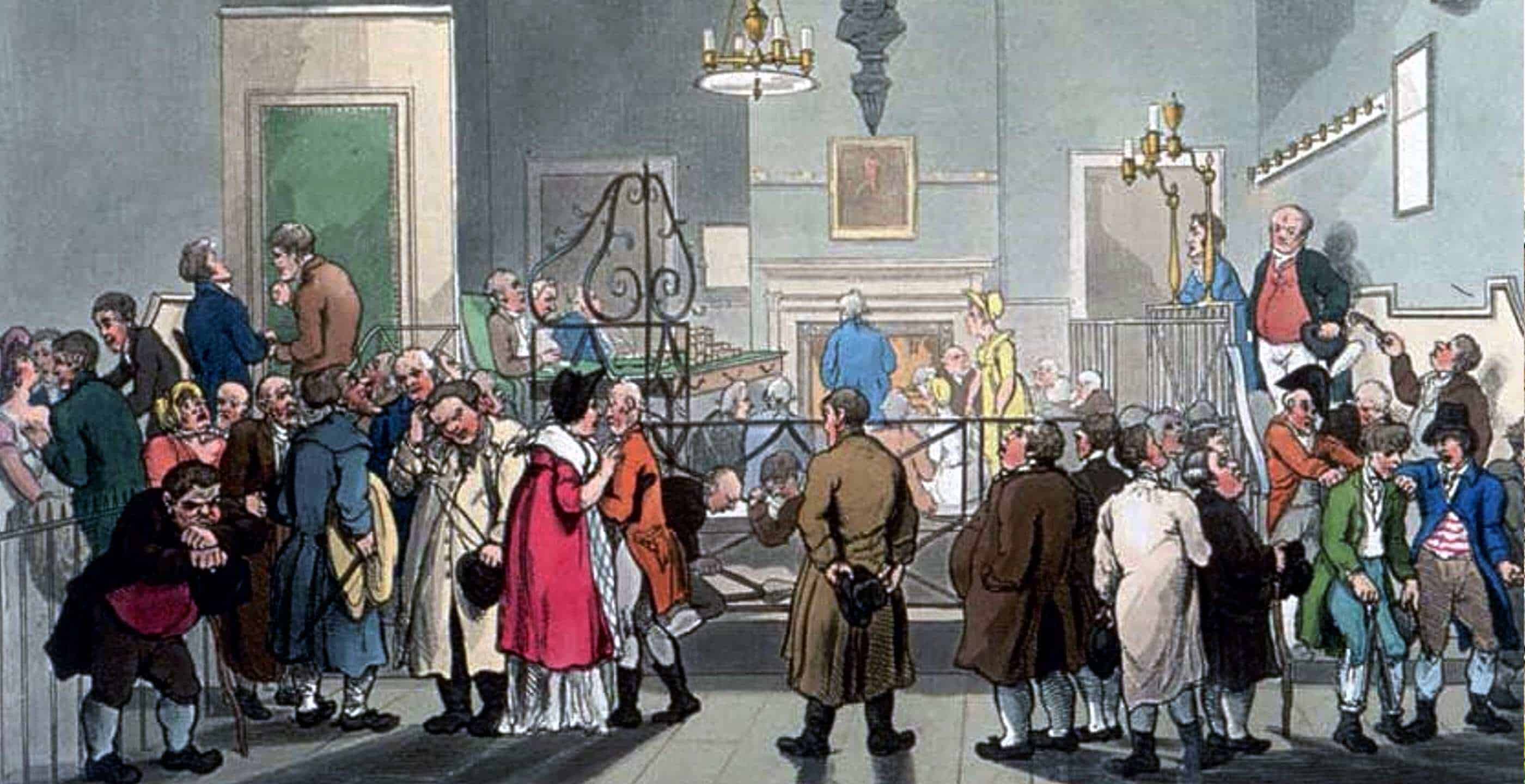
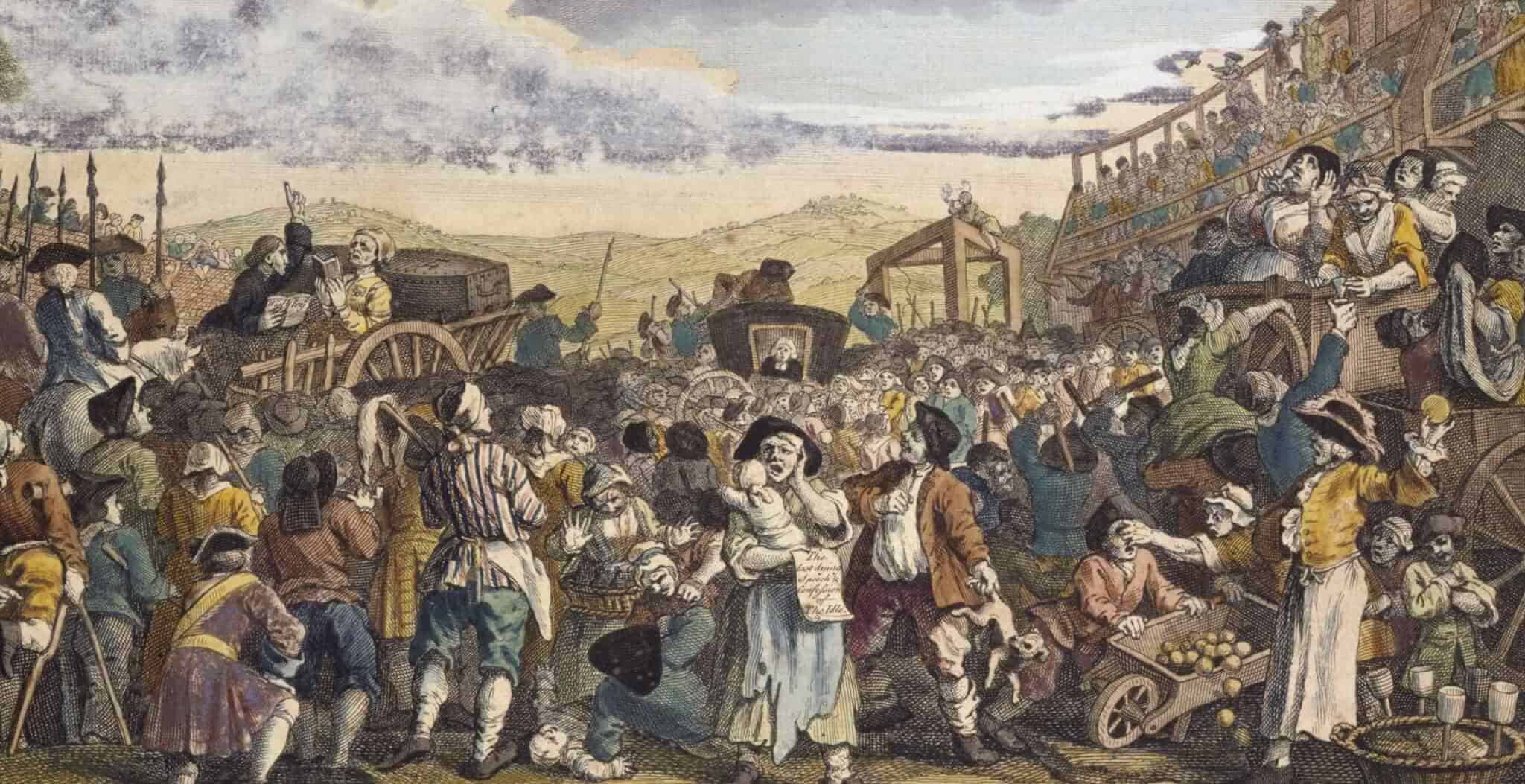
However, the prisoners were not subjected to the drawing and quartering, although they were hanged publicly outside Newgate Prison on 1 May 1820 in front of a large crowd. On the gallows, Thistlewood maintained his radical beliefs: “I desire all here to remember, that I die in the cause of liberty”. The government ensured there were sufficient soldiers in the vicinity to quell any potential rioting.
The aftermath was suitably macabre, however, and made an unusual contribution to medical history. The bodies were still hanging half an hour after the execution when a masked man climbed onto the platform and beheaded them not with an axe, the usual implement, but a surgeon’s knife.
This was Tom Parker the resurrectionist, who was used to “cutting off nobs for the purpose of getting the gnashers” (nobs being heads, and gnashers being teeth, in which there was a lucrative trade). This time he was not acting disreputably, but under the instructions of the deputy-sheriff.
Rumour flew among the already angered crowd that the masked man was not Parker but a surgeon living in Argyll Street. Since only one surgeon, Thomas Wakley, lived in Argyll Street, his house became the focus of an organised break-in, apparently by supporters of the conspirators. Wakley was attacked with knives, beaten and kicked. His house was set on fire and Wakley and his family and servants just escaped with their lives.
Wakely believed the attack was the work of supporters of the conspirators. However, he had recently doubled the insurance on his house, and his insurers were not impressed by his claim.
Eventually he did win, but during the inevitable aftermath, he decided to quit medicine to become a journalist (allegedly encouraged by William Cobbett, who was certainly not radical enough for the Spenceans!). Thus was born “The Lancet”, the journal for the medical profession, an unexpected consequence of the Cato Street Conspiracy.
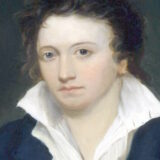
In 1822, Castlereagh committed suicide. The same year, the poet Percy Bysshe Shelley drowned in Italy. His description of Castlereagh in his “Masque of Anarchy” was uncompromising:
I met Murder on the way –
He had a mask like Castlereagh –
Very smooth he looked, yet grim;
Seven blood-hounds followed him:
All were fat; and well they might
Be in admirable plight,
For one by one, and two by two,
He tossed the human hearts to chew
Which from his wide cloak he drew.
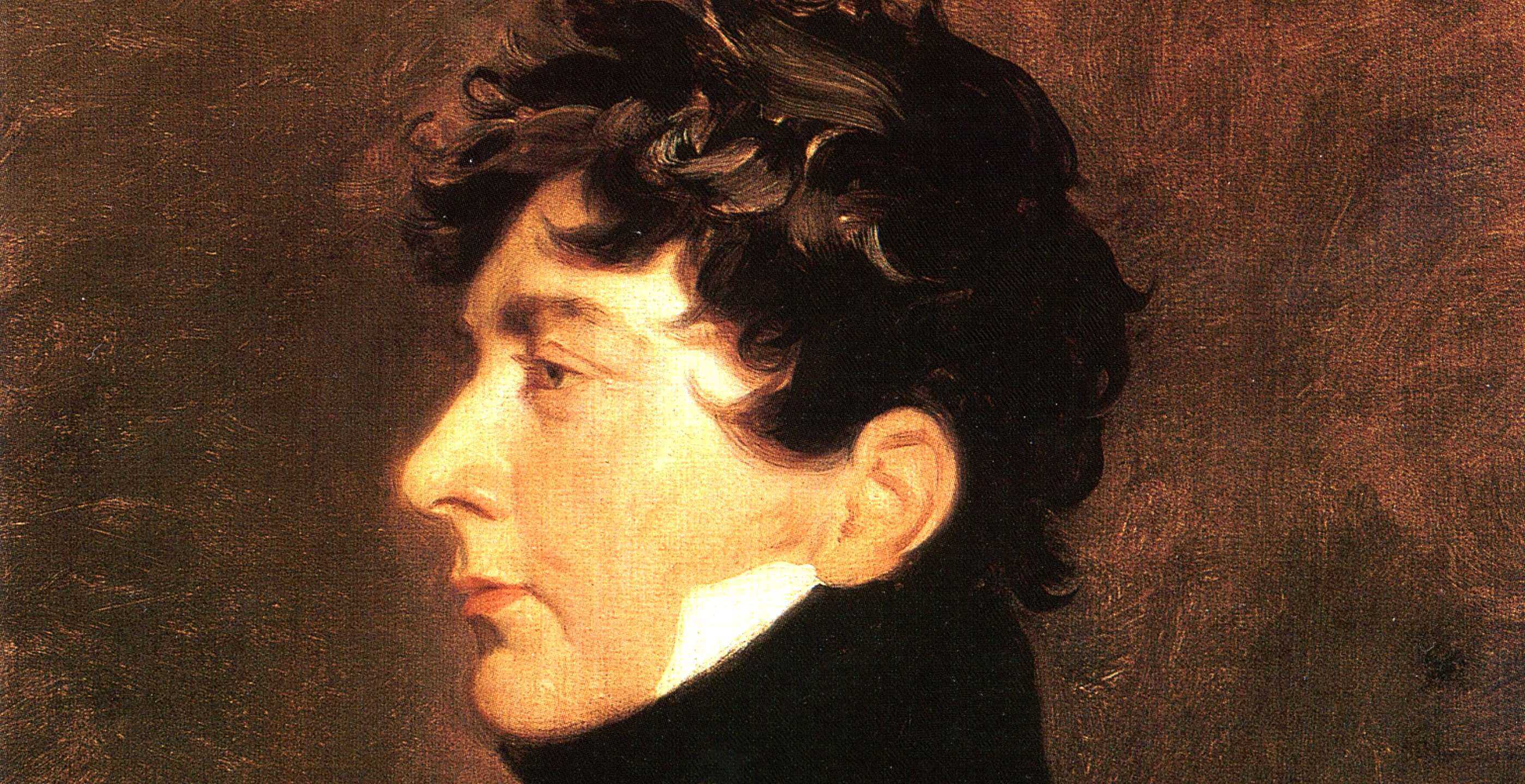
Byron’s epitaph on Castlereagh was just as uncompromising:
So Castlereagh has cut his throat!–The worst
Of this is, – that his own was not the first.
So He has cut his throat at last!–He! Who?
The man who cut his country’s long ago.
Dr Miriam Bibby FSA Scot FRHistS is a historian, Egyptologist and archaeologist with a special interest in equine history. Miriam has worked as a museum curator, university academic, editor and heritage management consultant.
Published: 25th September 2026.