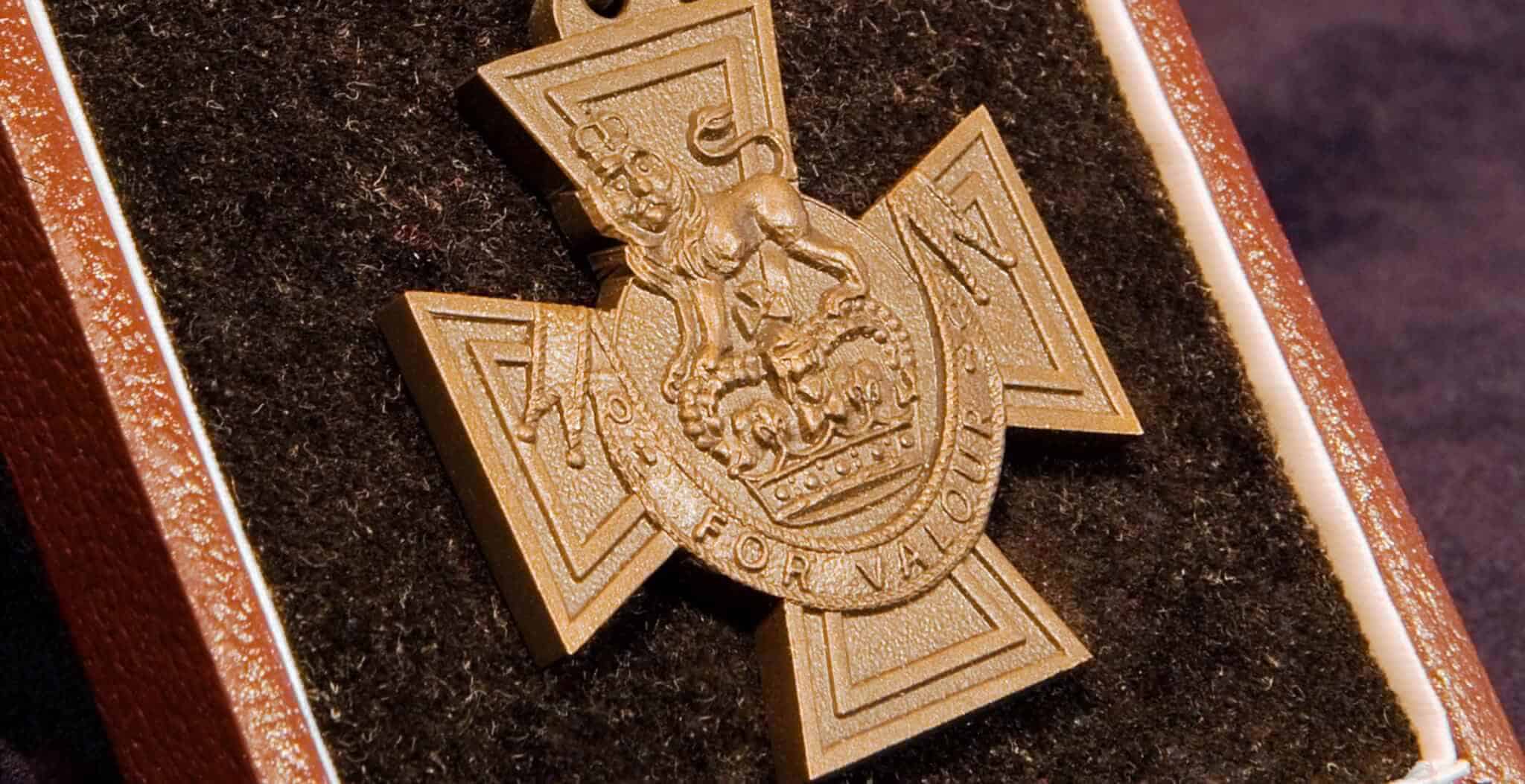


On 26th June 1857, at an award ceremony in Hyde Park, Queen Victoria presented the first sixty-two Victoria Crosses in front of a cheering crowd of 100,000 people. A century and half later, the medal remains the highest honour for bravery and valour that can be awarded to members of the British Armed Forces.
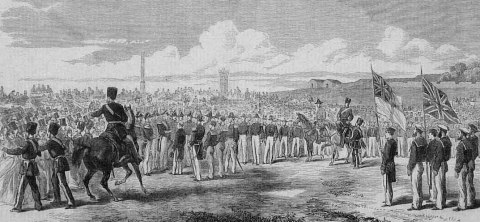
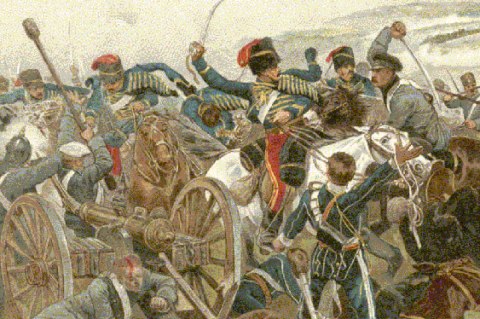
The origins of the Victoria Cross can be traced back to 1854, when Britain found itself fighting a major war against Russia.
The Crimea War was one of the first ‘modern wars’, complete with reporters from the major newspapers of the time, describing tales of derring-do from the front line for the news-hungry folk back home. And, whilst the bravery of the gallant officers involved could be recognised via the Order of the Bath, an award founded by George I in 1725, no such award was available to acknowledge the heroic actions of the ordinary British serviceman.
Other European countries already had awards for their armed forces that did not discriminate against class or rank. And so in early 1856 with increasing public support, Queen Victoria ordered the War Office to strike a new medal, the Victoria Cross, which was made open to all members of the British armed forces regardless of rank. The award was to be backdated to 1854 in order to recognise acts of bravery from the Crimea War.
The original Royal Warrant for the Victoria Cross stated that the award should be:
“…ordained with a view to place all persons on a perfectly equal footing in relation to eligibility for the Decoration, that neither rank, nor long service, nor wounds, nor any other circumstance or condition whatsoever, save the merit of conspicuous bravery shall be held to establish a sufficient claim to the honour.”
Mate Charles Davis Lucas onboard HMS Hecla performed the act which was to earn him the honour as the first recipient of the Victoria Cross on 21st June 1854. Whilst attacking the great gun batteries of the Russian fortress at Bomarsund in the Aland Islands, a live shell landed on the deck of the Helca. Disregarding orders to take cover, Lucas picked up the shell with its fuse still burning and calmly walked to the edge of the ship before dropping it over the side, the shell exploded as it hit the water. Thus the standard was set for others to follow.
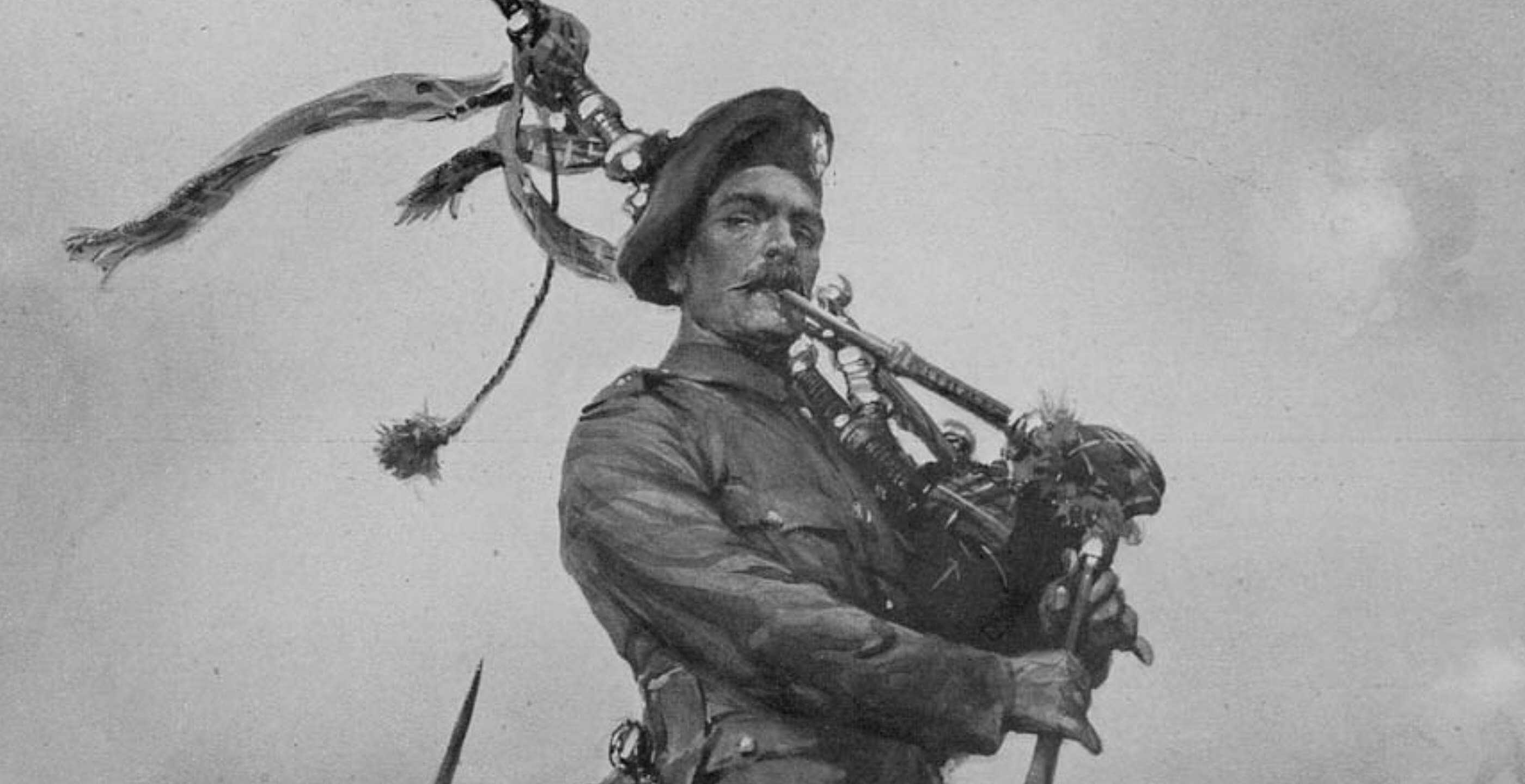
Since then a total of 1356 Victoria Crosses have been awarded in its 150 year history. In its early years the use of the new honour appears prolific, with more VCs awarded to those soldiers who fought to suppress the Indian Mutiny than to the soldiers who fought in the Second World War. In just one day alone, on 16th November 1857 at the Relief of Lucknow, no less than 24 VCs were awarded.
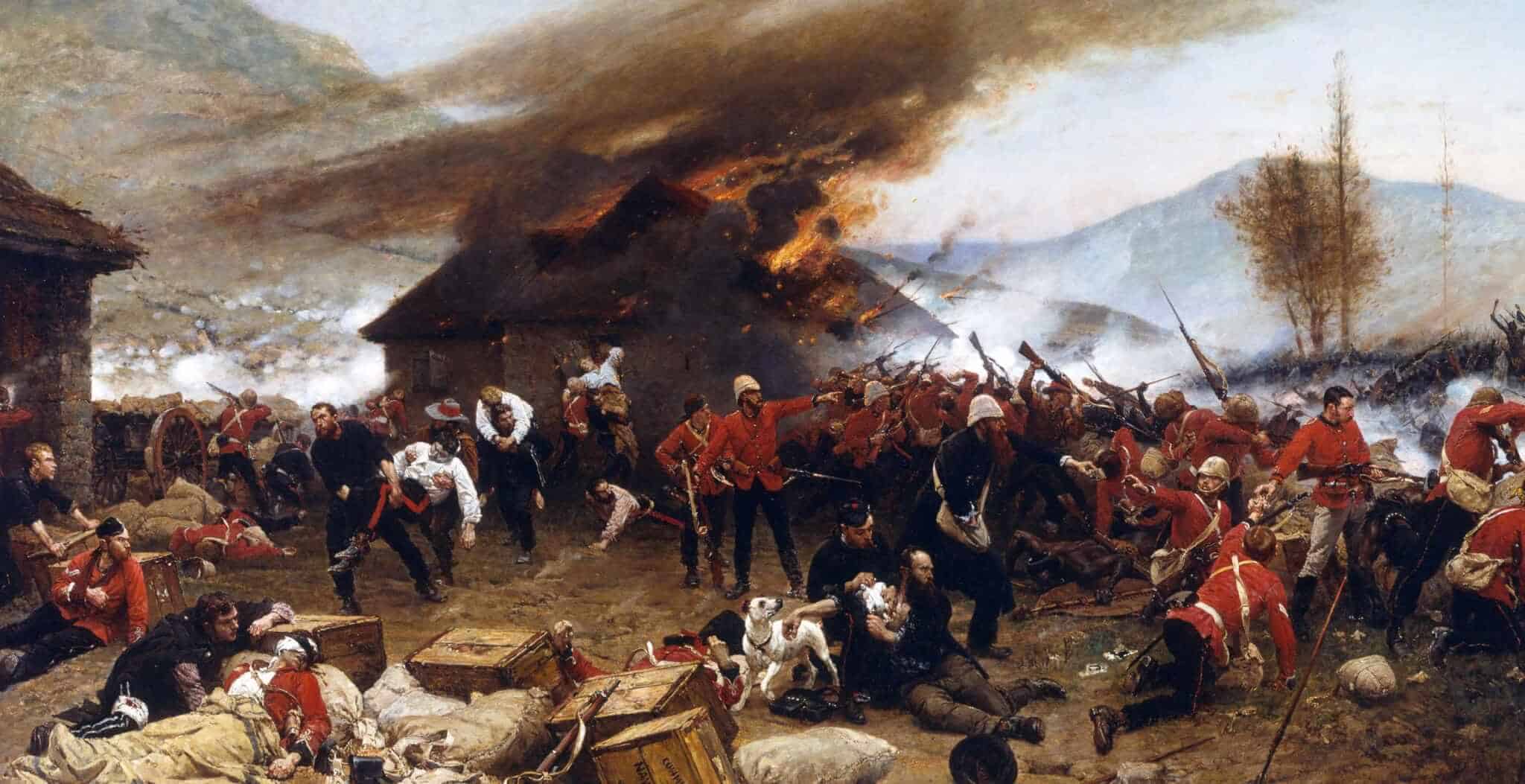
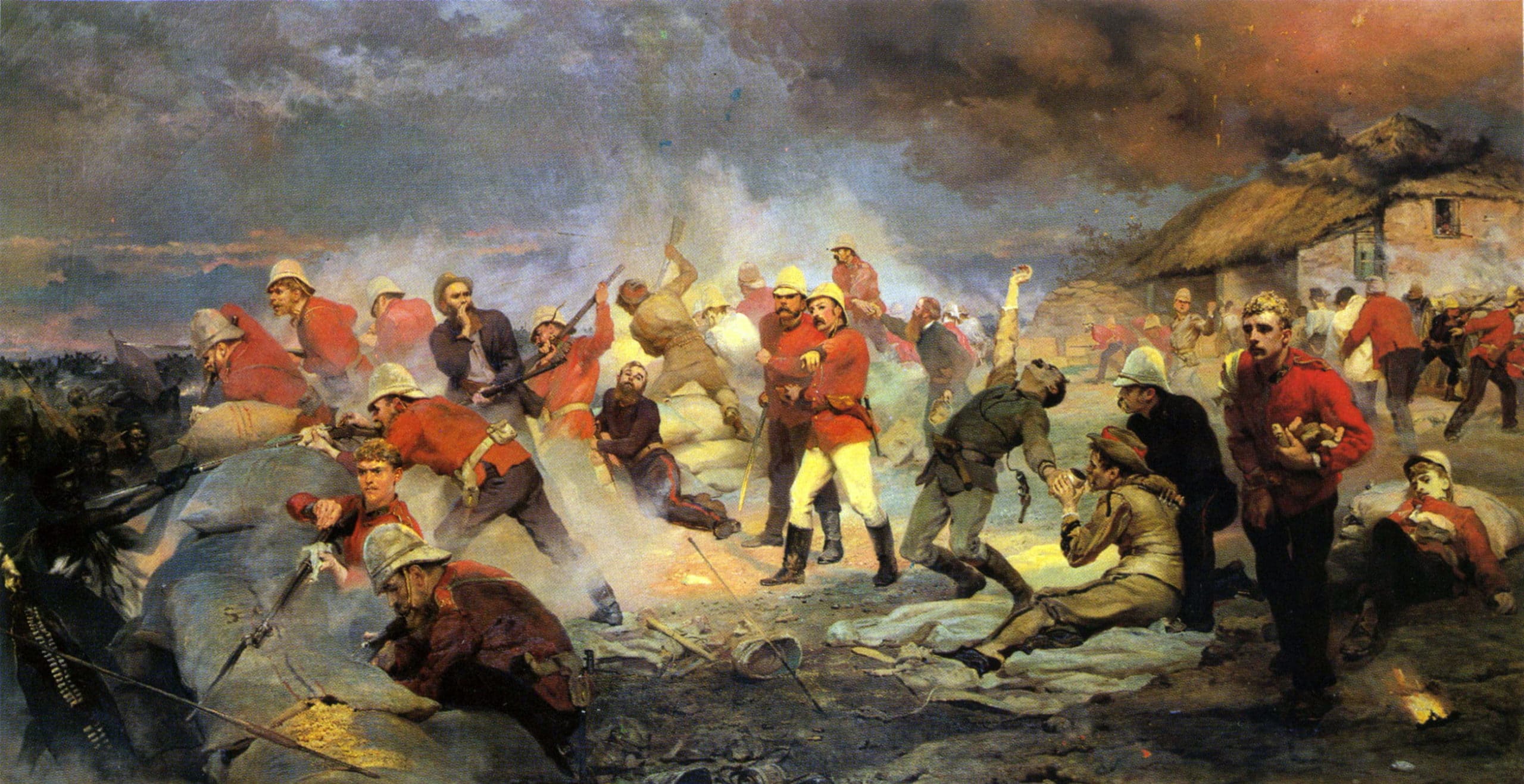
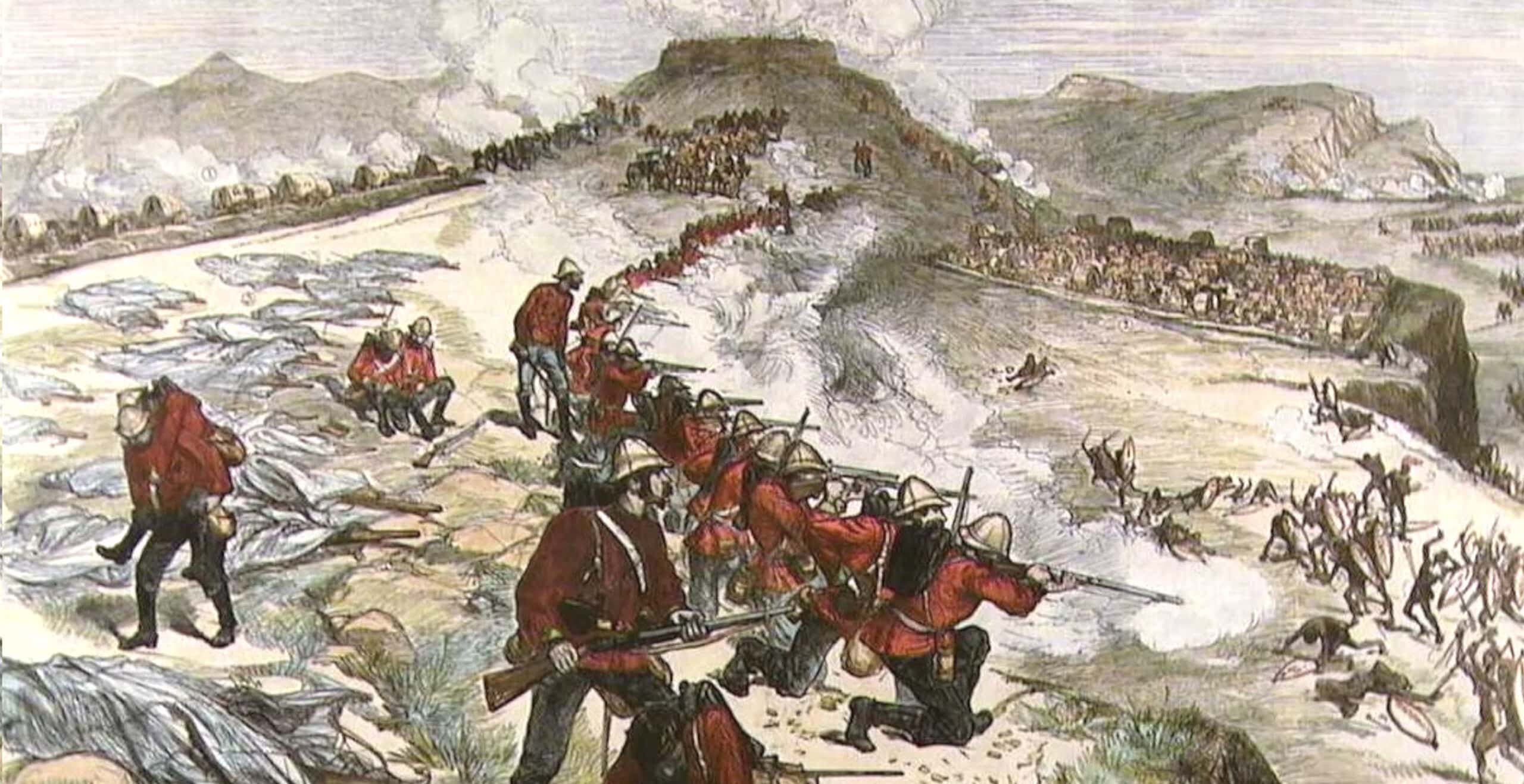
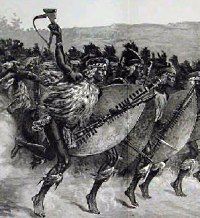 In 1879, at the now famous Battle of Rorke’s Drift, a small British contingent of only 137 stood firm against an army of thousands of Zulu warriors. For that one single battle, eleven Victoria crosses were awarded. It was originally thought that the medals were cast from the bronze of two Russian cannons that were captured at Sebastopol during the Crimean War. More recent research however, reveals the medals to be made from metal of Chinese origin, possibly from captured Chinese weapons that the Russians reused at Sebastopol.
Only thirteen VCs have been awarded since the end of the Second World War. The most recent being presented to Private Johnson Beharry for actions in Iraq. In 2004, when exposed to ferocious enemy fire, Private Beharry steered his own Warrior armoured vehicle away from an ambush, leading five other Warriors to safety. Beharry suffered a head injury as a result. Returning to duty the following month, he again suffered a serious head injury whilst reversing his Warrior out of yet another ambush. In addition to saving his own life, Private Beharry undoubtedly saved the lives of his injured commander and the other crew members of the Warrior.
Whilst still recovering from brain surgery, Private Beharry was presented with his award by Queen Elizabeth II in April 2005, who apparently told him “it’s been rather a long time since I’ve awarded one of these.”
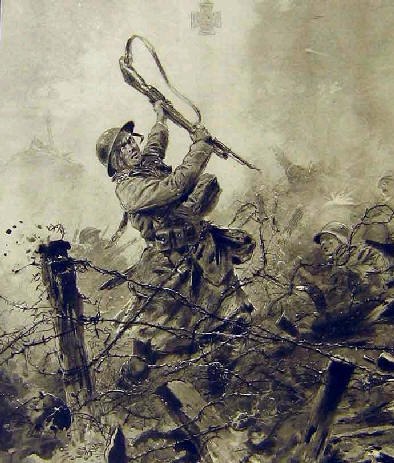
As well as in Britain, the Victoria Cross remains the highest military honour for valour in the Commonwealth countries of Canada, Australia and New Zealand.
Published: 13th December 2014.