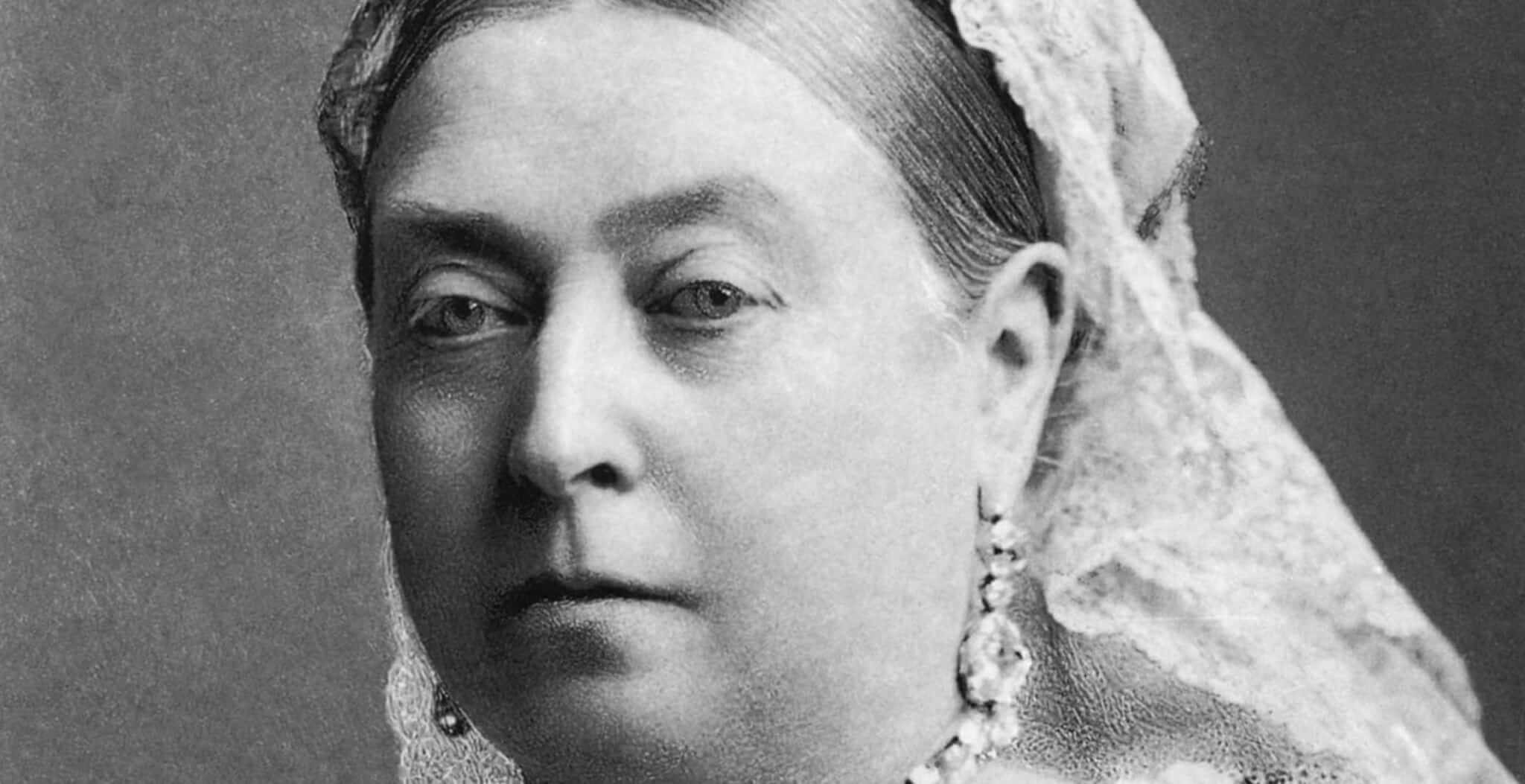


As the second longest serving British monarch, Queen Victoria’s glorious reign lasted some 64 years. During this period Britannia ruled the waves with the world’s largest navy and the sun is said to have never set over the extent of the world’s largest empire. A time of great change brought about through rapid progress, new inventions and modern trade and industry.
The scientists and engineers that helped to fuel this great change included the likes of Charles Babbage who developed the first computer in 1835, Alexander Graham Bell who invented the telephone in 1876 and perhaps the most influential engineer of the time Isambard Kingdom Brunel (!806-59). Brunel’s genius helped develop the infrastructure that kept the fires of the industrial revolution burning through the early part of the 19th Century laying railways, building road and rail bridges and the first all iron steamship – S.S. Great Britain.
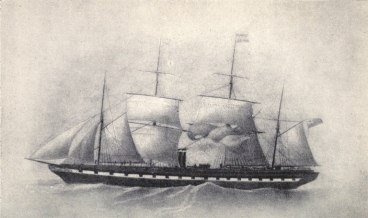
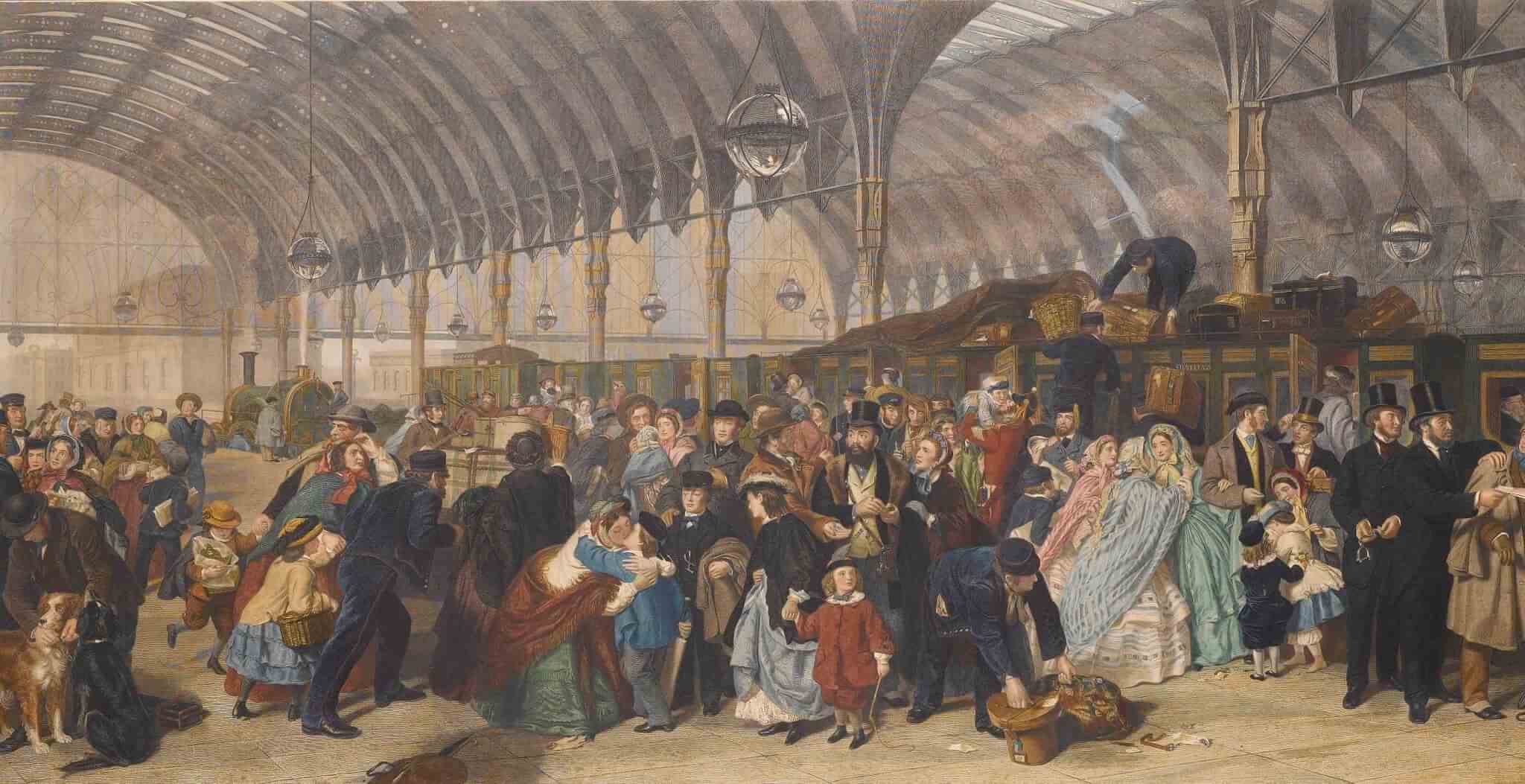
At the start of the century on good roads, stagecoaches could average 12 km/h; by the 1830s the first railways dramatically increased this to 30 km/h and by the 1850s railways transported goods and people at a nose bleeding 80 km/h. Steamships brought in the raw materials to keep the greedy cotton mills of northern England fed and took away the finished cloth for export worldwide. Food was imported from the far reaches of the empire including that now great British dish – curry.
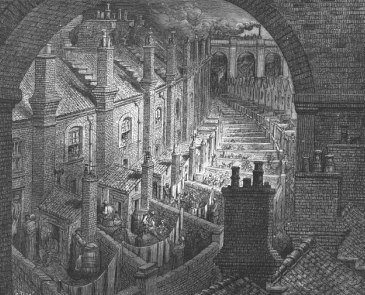
Able to feed itself, the population of Britain rose from 11 million in 1801, to 21 million in 1851 and to 37 million by 1901. More than half of these people lived in towns, working in the mines, mills and factories. The mills and factories all looked the same, as did the houses, the streets and ultimately the towns. Previously, buildings had been made from local stone and materials, railways however provided cheap transport throughout the country for red London bricks and grey Welsh roof tiles. With so many people living and working together in relatively small areas, town planning had to adapt quickly. The mill and factory owners also had to make sure that their workers could get to work and adapt to the new 24-hour pattern of shift-work. By 1900 most town streets had pavements (sidewalks) and lighting and most new homes included gas lighting and cooking, mains drainage and some even boasted the revolutionary new concept of inside lavatories.
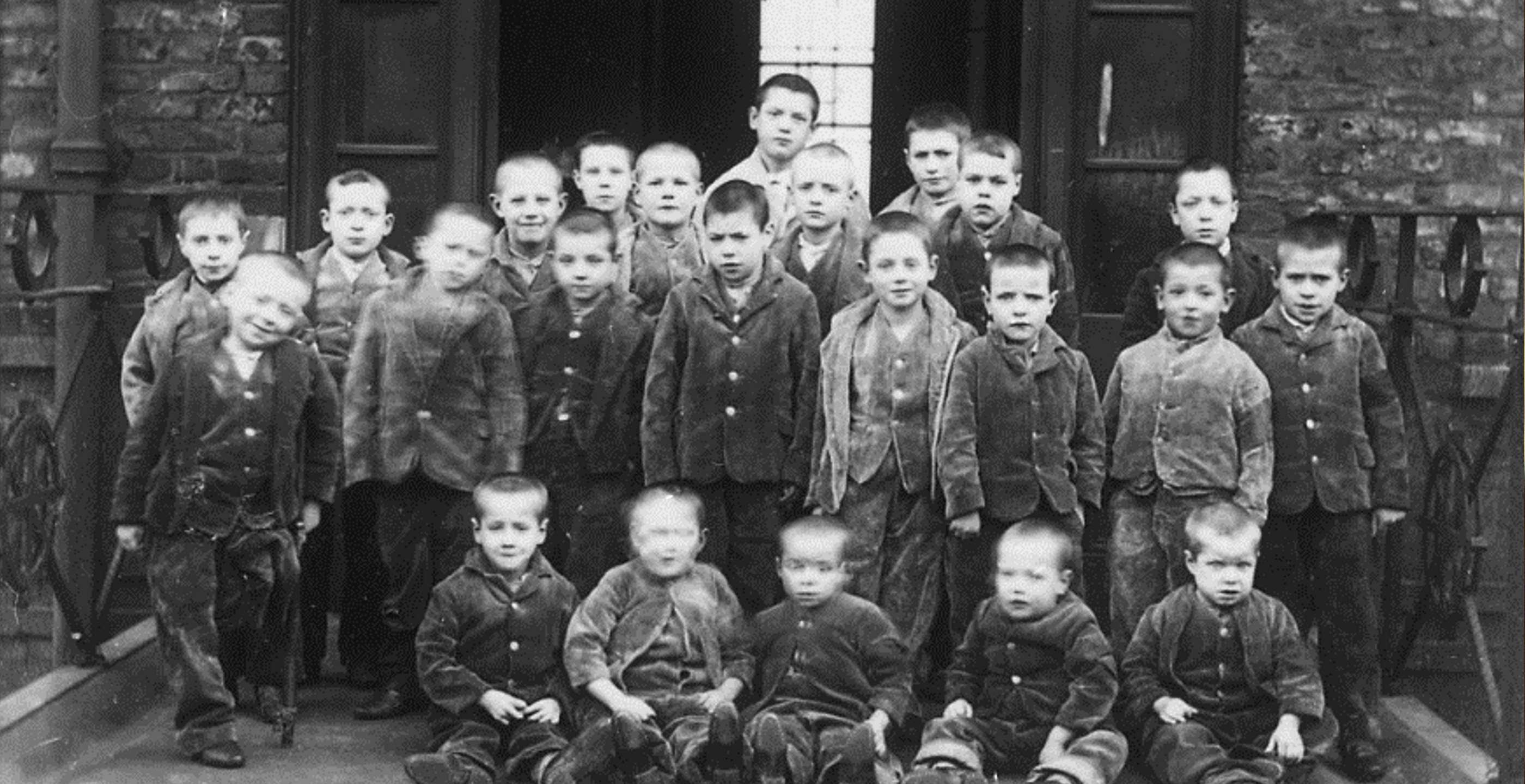
Workers started to demand their say in the running of the companies and of the country. Trade Unions represented the interest of the working classes. Members of Parliament (MPs) did not receive pay until 1911, so working men could only get elected to Parliament with the financial support and backing of Trade Unions. Strict laws still governed who could and couldn’t vote but certainly not women! Secret voting was introduced in 1872 to avoid intimidation at the ballot box, and in 1883 a law was passed against bribing voters – whatever next, educating the working classes? Although not everybody appears to have been in agreement, it was generally accepted that it was a good idea to teach the common folk to read. In the 1870’s the Government accepted the responsibility for educating all children between ages 5 – 10, by sending them to school. By 1900, 90% of all children were enrolled in and regularly attended school, with the exception of course of those who lived in the country, especially at harvest time.
Parliament spent around a third of its time debating religious issues, making laws and controlling what people could and couldn’t do on Sundays. Christianity boomed as thousands of new churches were built including some that appeared a little more ornate than the others. For the first time in four hundred years the concept of religious tolerance was practiced as Catholic Churches were built, to cater for the moral welfare of a large numbers of Irish immigrants. Until 1829 Catholics were forbidden to become MPs or judges in Britain.
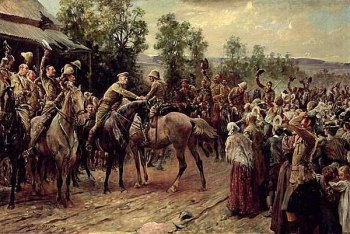
With the Irish reputation for enjoying a good fight, many were recruited to serve in the ranks of the British Army and Royal Navy. However, after having exhausted most of the favoured opposition in Europe over the last 700 hundred years or so, the Army could find only one major war to get involved in, against Russia in the Crimea (1854-6). Smaller wars and skirmishes across the extent of the empire more than made up for any creditable European opposition – Afghan (1839), China (1839 & 1856), Indian (1857), Ashanti (1873), Zulu (1879), Egypt (1882), Boers (1899), to name but a few!
With the wealth generated by trade and industry and, only minor wars to finance, the middle and upper classes could afford a certain amount of leisure time. Parliament had attempted to remove all the fun by banning bull and bear baiting and cock fighting, so new games and activities had to be invented;
- 1834 – The first town park is opened in Preston, Lancashire.
- 1839 – Sussex forms the first County Cricket Club.
- 1843 – The first Rugby Football Club is formed at Guy’s Hospital, London.
- 1863 – The rules of soccer are formalised by the Football Association.
- 1863 – The first athletics club is founded in London.
- 1872 – England 0 – Scotland 0, the first international soccer match ends in a draw.
- 1873 – Lawn Tennis game invented.
- 1875 – Snooker is conceived at a British Army officers’ club in India.
- 1877 – England and Australia play the first international cricket test match.
- 1888 – Twelve clubs found the Association Football (Soccer) League.
The less energetic could enjoy trips to the new museums and the less salubrious music halls or visit the many theatres to perhaps listen to Charles Dickens reading from his latest novel or one of the comic operas of Gilbert and Sullivan – either way a more civilised existence for most compared with the start of the Victorian age!