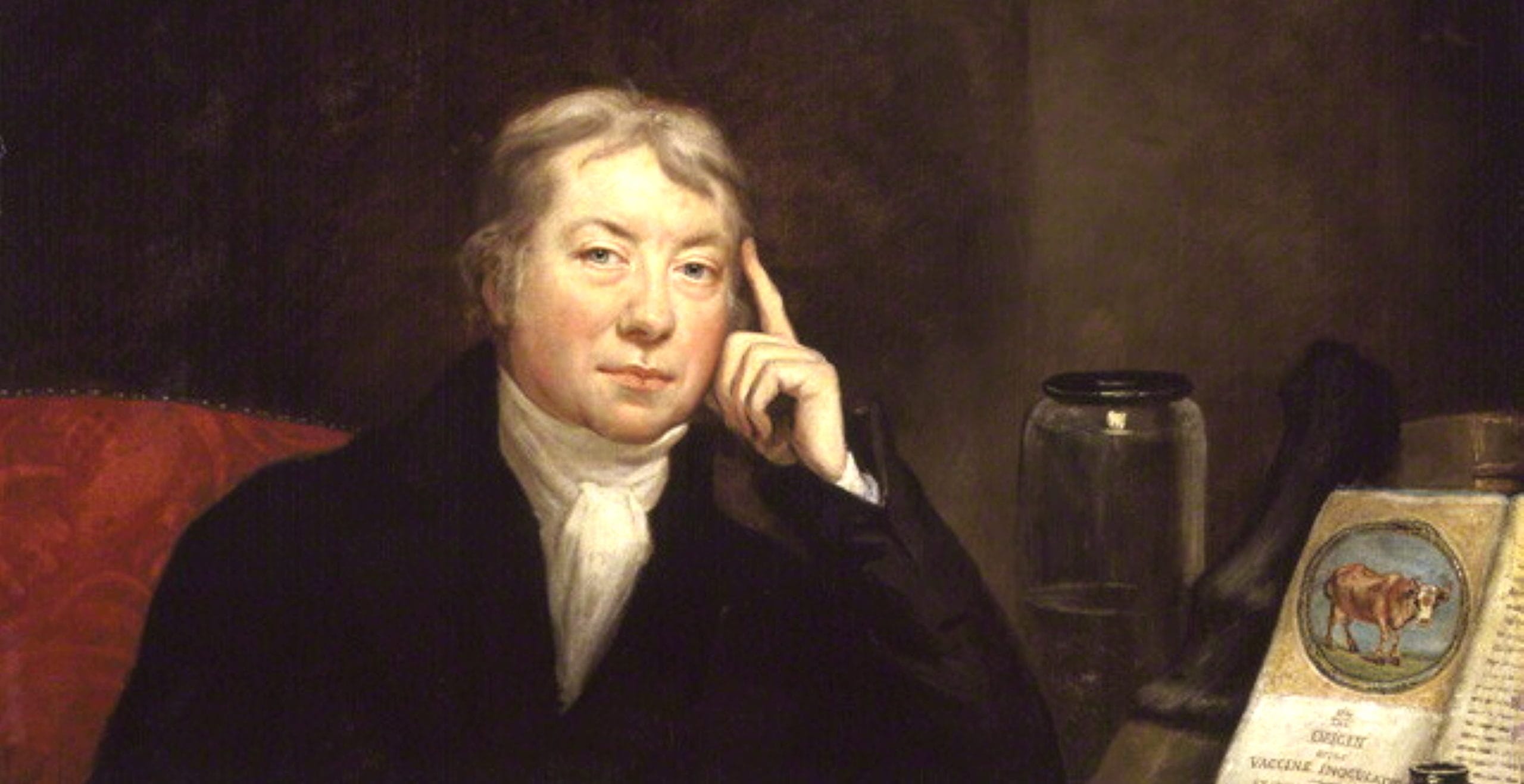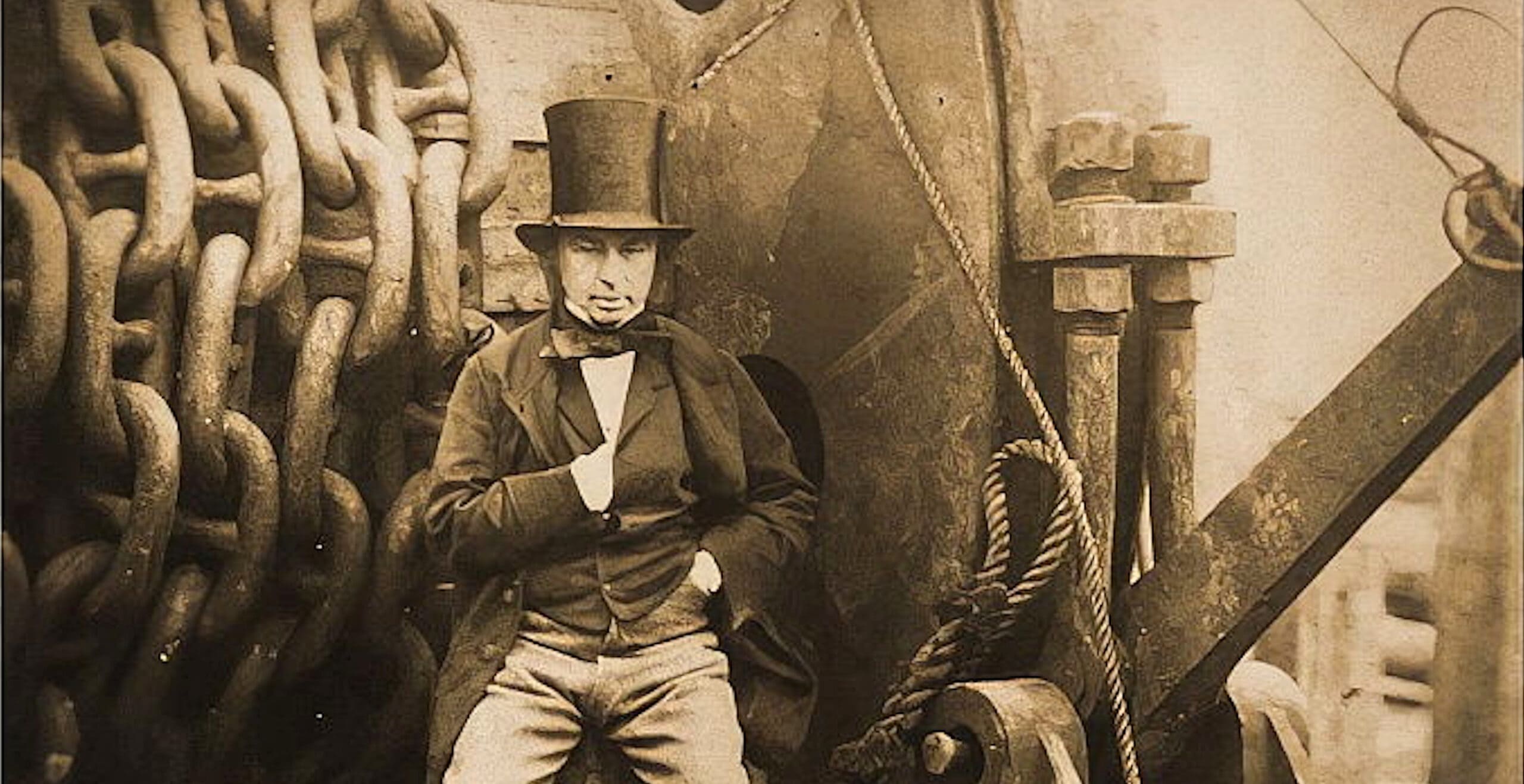


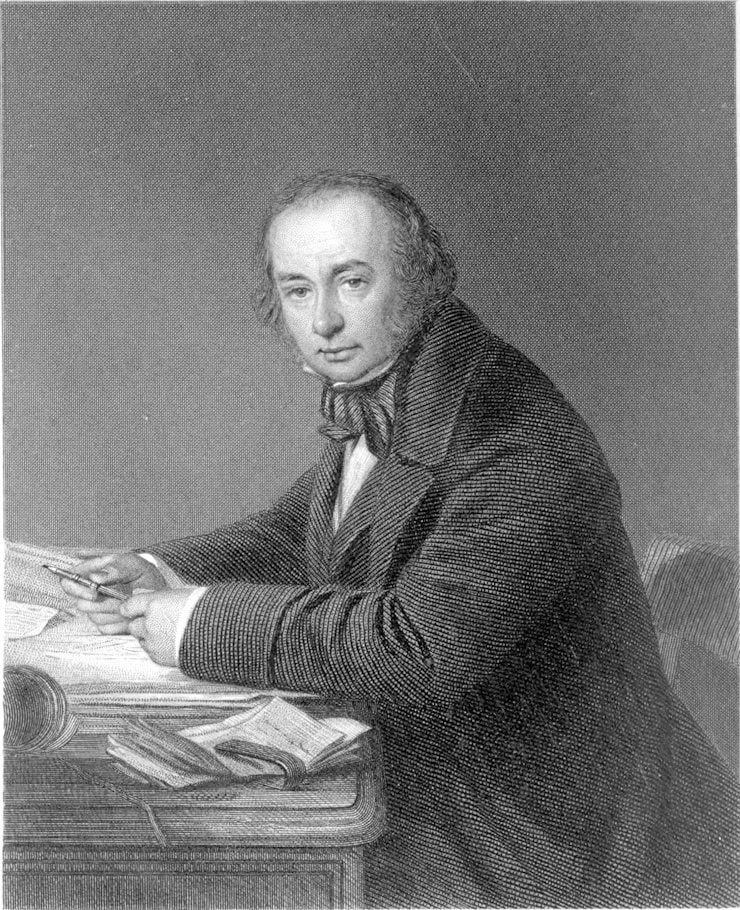
Isambard Kingdom Brunel (IKB) was born at Portsea, Portsmouth, Hampshire, on 9th April 1806 to an English mother, Sophia Kingdom, and a French father, Sir Marc Isambard Brunel. IKB had two elder sisters, Sophia and Emma. The whole family moved to London in 1808 to support his father’s work as a civil engineer.
IKB had a happy childhood, with his father assuming the role as his teacher during his early years. His father taught him drawing and he quickly learned to speak French fluently, as well as an understanding of the basic principles of engineering. Like his father, IKB demonstrated an aptitude for mathematics and mechanics.
IKBs father was determined that his son should have access to the same high-quality education that he had enjoyed in his youth in France. Accordingly, at the age of 14, IKB was enrolled firstly at a college in Caen, then at Lycée Henri-IV in Paris.
When IKB was 15, his father, who had accumulated a significant amount of debt, was sent to a debtors’ prison. After some months in prison, Marc Brunel announced that he was considering an offer to move abroad to work for the Tsar of Russia. With the prospect of losing such a prominent civil engineer, the British government finally issued Marc with £5,000 to clear his debts in exchange for his promise to remain in the country.
On completing his studies at Henri-IV, IKB undertook an apprenticeship with the prominent master clockmaker Abraham-Louis Breguet, finally returning to England in late 1822.
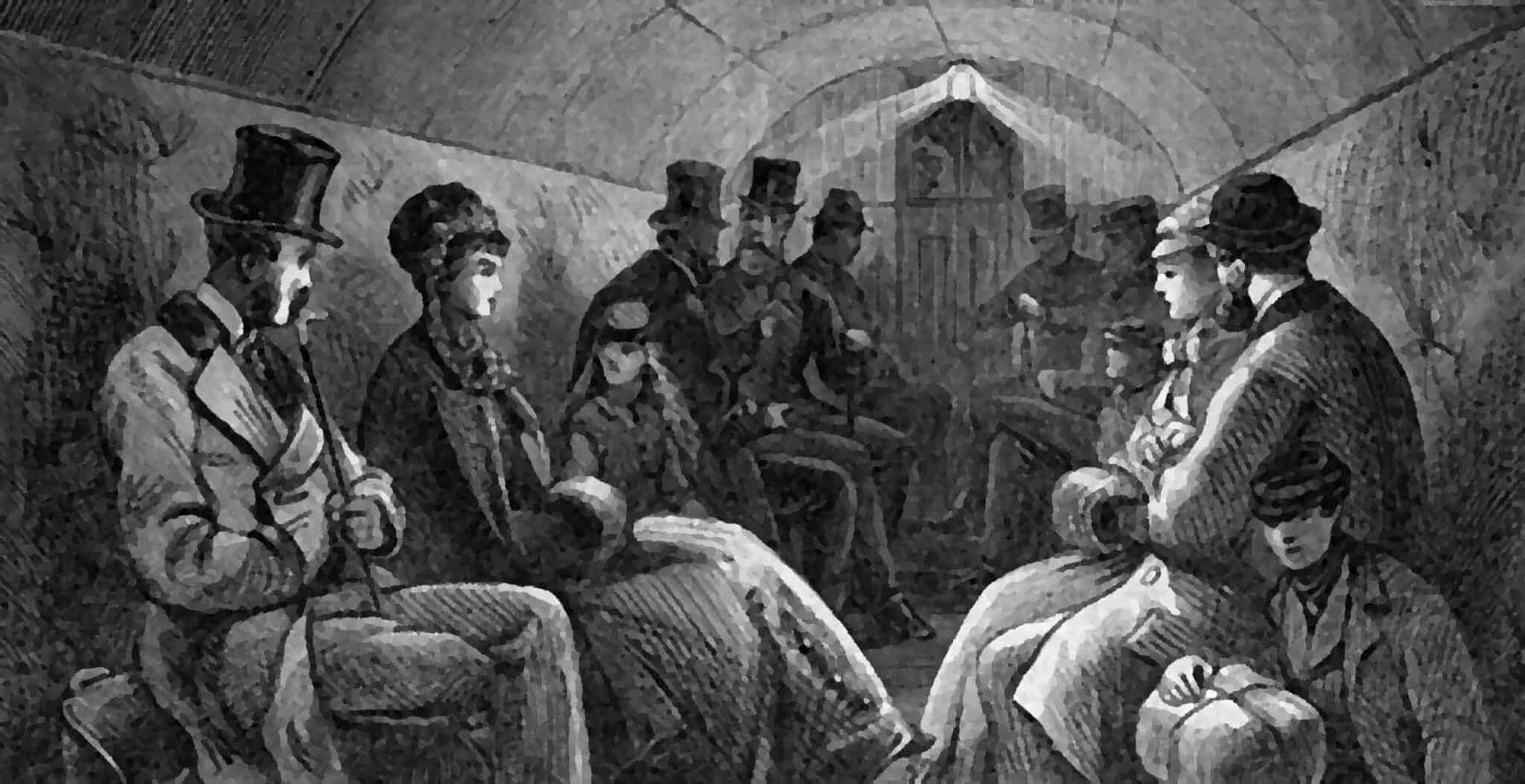
Back in England Sir Marc was engaged in the highly ambitious project of building a tunnel under the River Thames. An extremely dangerous endeavour that cost the lives of many workers and one that nearly resulted in the death of IKB himself. In January 1828, Thames waters broke into the tunnel, flooding it. IKB narrowly escaped with his life, suffering serious internal injuries as a consequence. Incidentally, Brunel’s tunnel is still in operation today as part of the London Overground railway network.
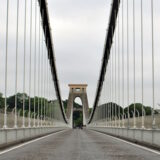
One of IKB’s first designs was for the Clifton Suspension Bridge that spanned the Avon Gorge in Bristol. IKB had submitted his designs as part of a competition in 1829, however they were not accepted until 1831, with building work starting almost immediately. The project was beset with many problems, and the actual bridge was not completed until 1864, sometime after IKB’s death. Spanning over 702 ft, at a height of 249 ft above the River Avon, it was the longest span of any bridge in the world at the time of its construction. Still in operation today, more than 4 million vehicles drive over it every year.
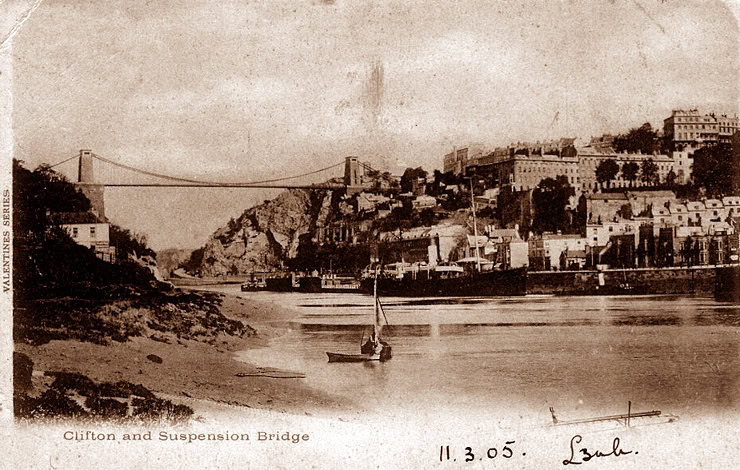
This early association with Bristol would become a recurring theme throughout IKB’s life, including the design and construction of a floating harbour. Although perhaps some of his most influential designs involved his Three Great Ships. The first of these was the SS Great Western, then came the SS Great Britain, and last of all the SS Great Eastern. All three of which would influence maritime designs for several generations to come.
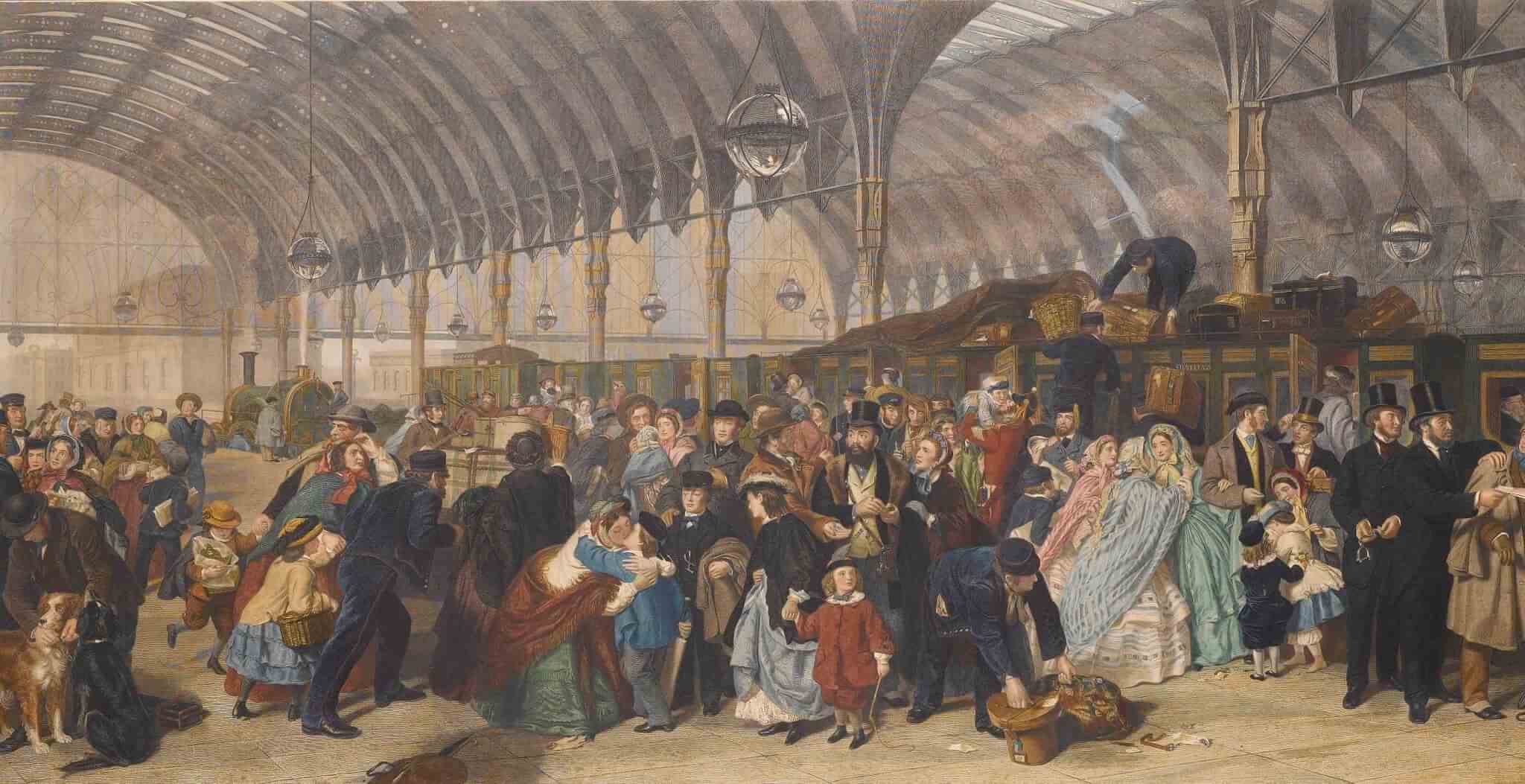
It was in the early years of IKB’s life however, that the first use of railways began to take off as a major means of transport for both people and goods. This influenced IKB’s involvement in railway engineering, and so in 1833, even before the Thames Tunnel was completed, Brunel was appointed chief engineer of the Great Western Railway (GWR), one of the wonders of Victorian Britain, a train line running from London to Bristol and later on to Exeter.
It was IKB’s grand vision that passengers would be able to purchase one ticket at London Paddington and travel from London to New York, changing from the Great Western Railway to a Great Western Steamship.
IKB surveyed the entire length of the route between London and Bristol himself and made the controversial decision to adopt a broad gauge of 7 ft 1⁄4 in for the track, which he believed would offer superior running at high speeds. At the time when almost all British railways to date had used standard gauge (4 ft 81⁄2 in), IKB muted that this was nothing more than a carry-over from the mine railways that George Stephenson had worked on prior to making the world’s first passenger railway. It was only after IKB’s death, that the decision was taken that narrower, standard gauge should be used for all railways across the country.
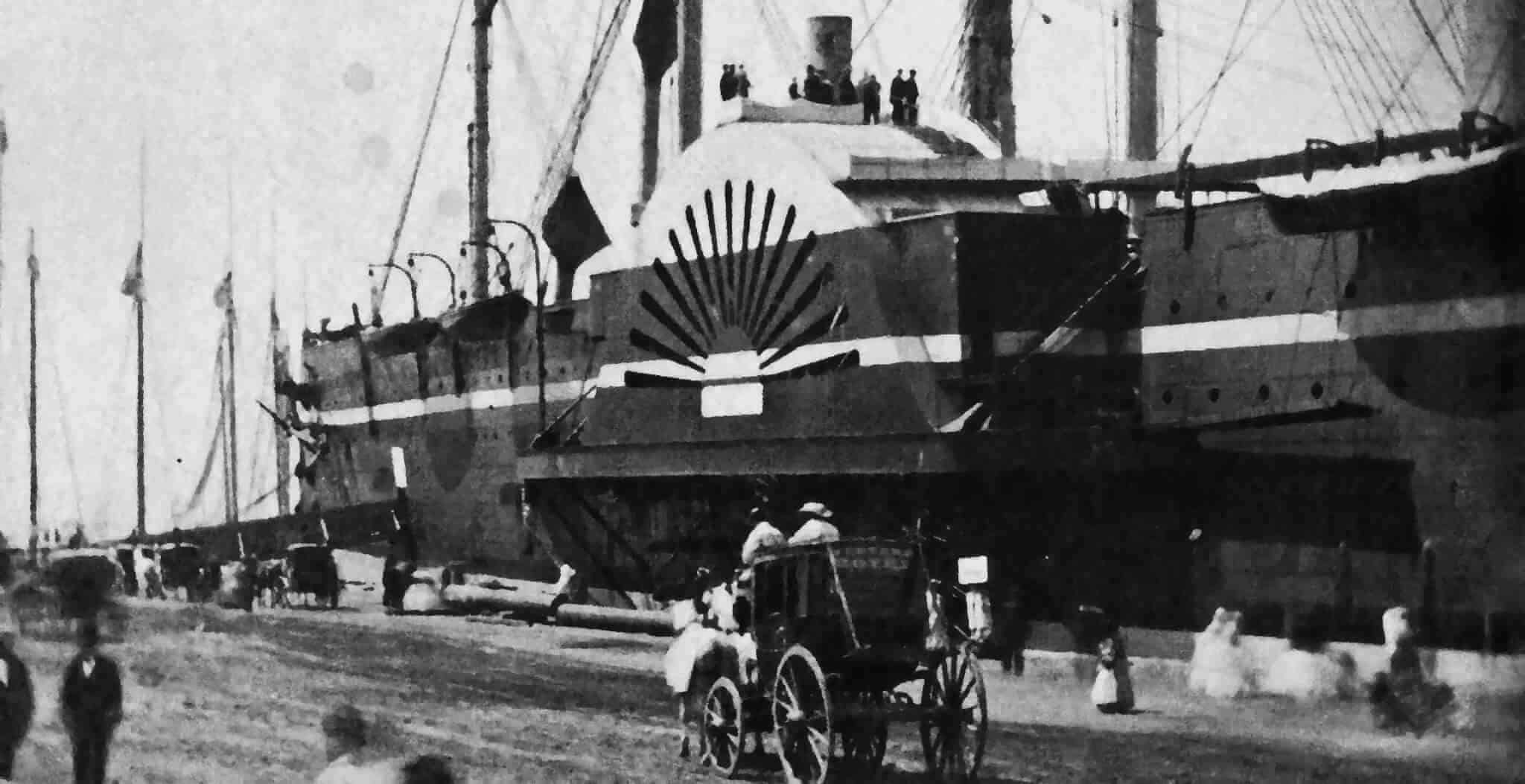
Prior to the Great Western Railway’s grand opening in 1835, the Great Western Steamship Company was formed by Thomas Guppy, who appointed IKB onto its building committee and entrusted him with designing its first ship, the SS Great Western. When it was constructed, the Great Western was the longest ship in the world at 236 ft. Constructed mainly of wood with steam-powered paddle wheels, she became the second ship to cross the Atlantic under steam power alone, beaten by just a day by a competitor that had set-off some four days earlier.
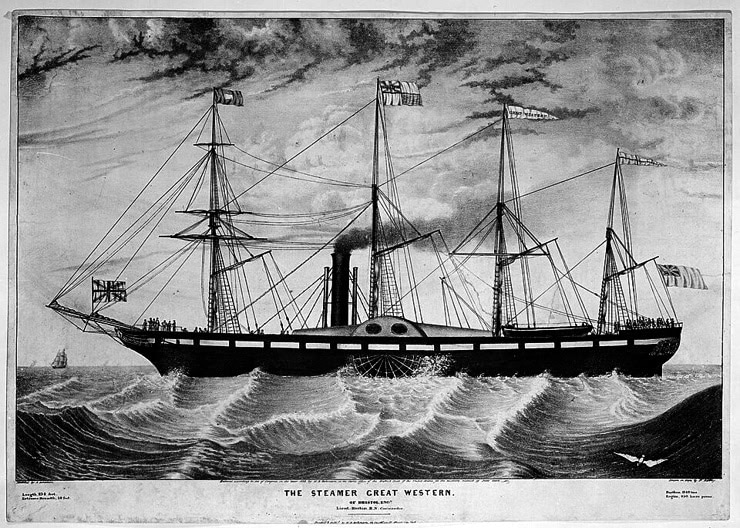 The Steamer Great Western. H.R. Robinson, 1838
The Great Western had proved the viability of commercial transatlantic steamship service, which led to the company using her in regular service between Bristol and New York between 1838 and 1846. All in all, she made 64 crossings and proved that the service was commercially successful enough for a sister ship to be sanctioned, which IKB was asked to design.
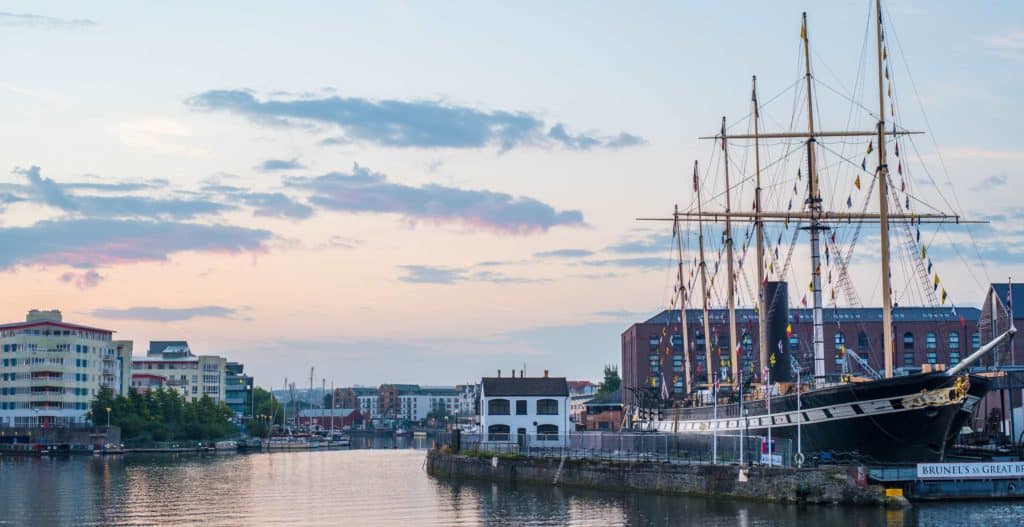
By this time IKB had become convinced of the superiority of propeller-driven ships over paddle wheels. After initial tests, IKB incorporated a large six-bladed propeller into his design for the 322ft long Great Britain, which was launched in 1843. The SS Great Britain is widely considered to be the world’s first modern ship, being built of metal rather than wood, powered by a steam engine rather than wind, and driven by propellers rather than paddle wheels. She was the first iron-hulled, propeller-driven ship to cross the Atlantic Ocean. Her maiden voyage was made in August and September 1845, from Liverpool to New York. Brought back to Bristol in 1970 after being beached on the Falkland Islands for many years, the SS Great Britain is now fully restored and takes pride of place in Bristol Docks.
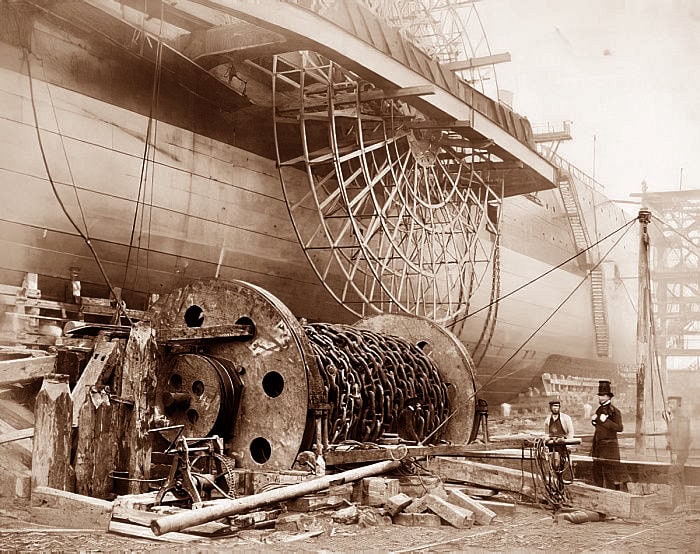
In 1852 IKB designed his third ship. Even larger than her predecessors, she was intended for voyages to India and Australia. The SS Great Eastern was again designed using the latest cutting-edge technology: almost 700 ft long, and capable of carrying over 4,000 passengers non-stop from London to Sydney and back again… since at that time it was believed that Australia had no coal reserves. Like many of IKB’s ambitious projects, the ship soon ran over budget and behind schedule in the face of a series of technical problems.
IKB died on 15th September 1859, following a bout of ill health, largely brought on by the stress in completing the SS Great Eastern. The great man never saw his behemoth in full steam and although she proved to be somewhat of a failure at her original purpose that of passenger travel, she eventually found a role as an oceanic telegraph cable-layer. Under Captain Sir James Anderson, the SS Great Eastern played a significant role in laying the first lasting transatlantic telegraph cable, which enabled modern telecommunication between Europe and North America.
Whilst this article goes some way in detailing how IKB has perhaps earned the title as the ‘King’ of Engineers it falls far short of listing his many other technical achievements, such as viaducts, specially designed stations, and tunnels including the Box Tunnel, which was the longest railway tunnel in the world at that time. Not to mention the Renkioi Hospitals. Pioneering prefabricated buildings made of wood, designed by IKB as a British Army military hospital for use during the Crimean War, later described by Florence Nightingale as “those magnificent huts”.
By Trevor Alan.
Published: 9th January 2026