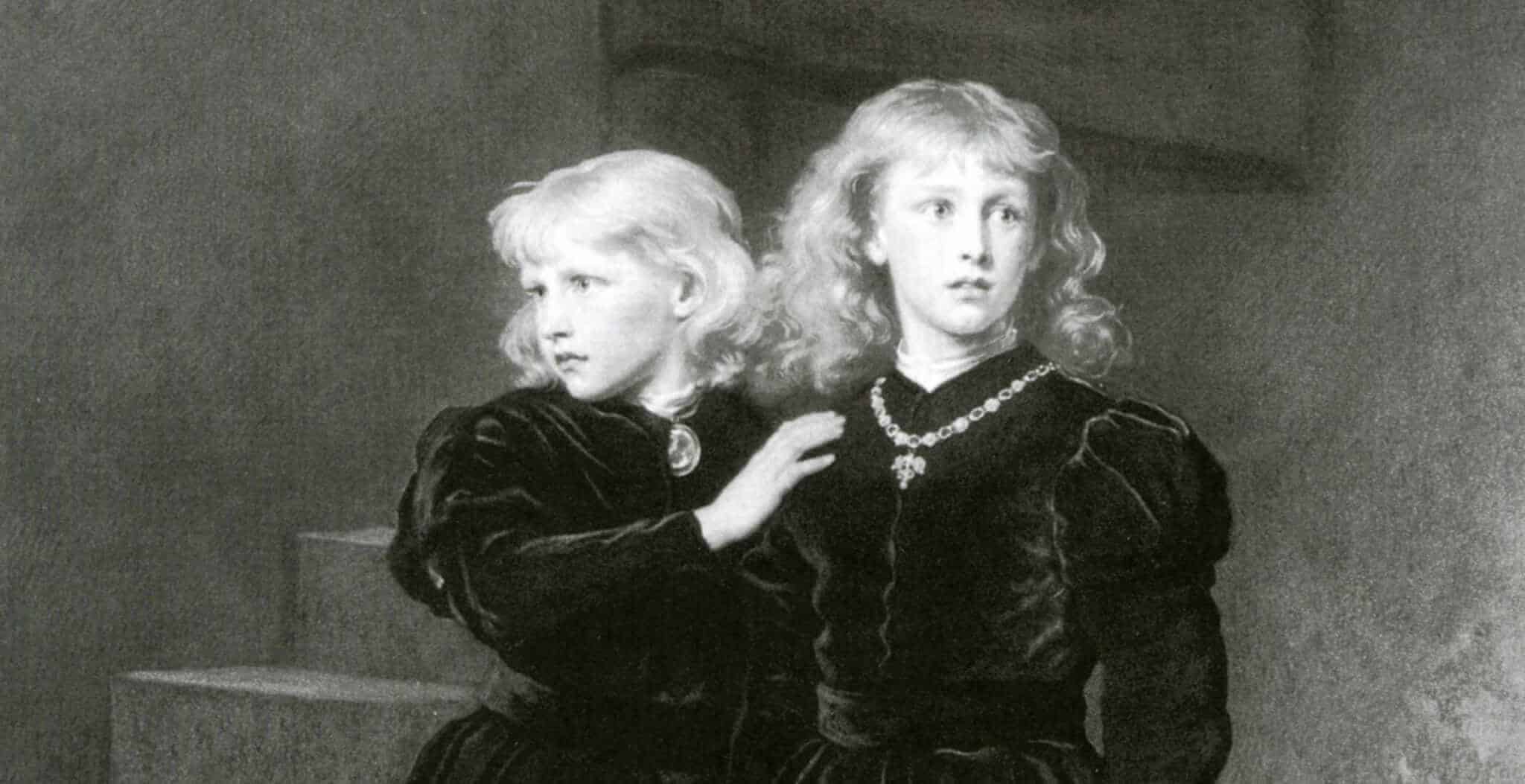


In 1933 the skeletons of two young boys, one aged about 10 and the other 13, were disinterred from Westminster Abbey and examined by L.E. Tannery and W. Wright.
These bones had been re-buried in an urn in 1674 and placed in the Henry VIIth Chapel in the Abbey. The skeletons aroused much interest and debate as they were believed by many historians to be the bones of the two princes who were reputedly murdered in the Tower of London in the 15th century.
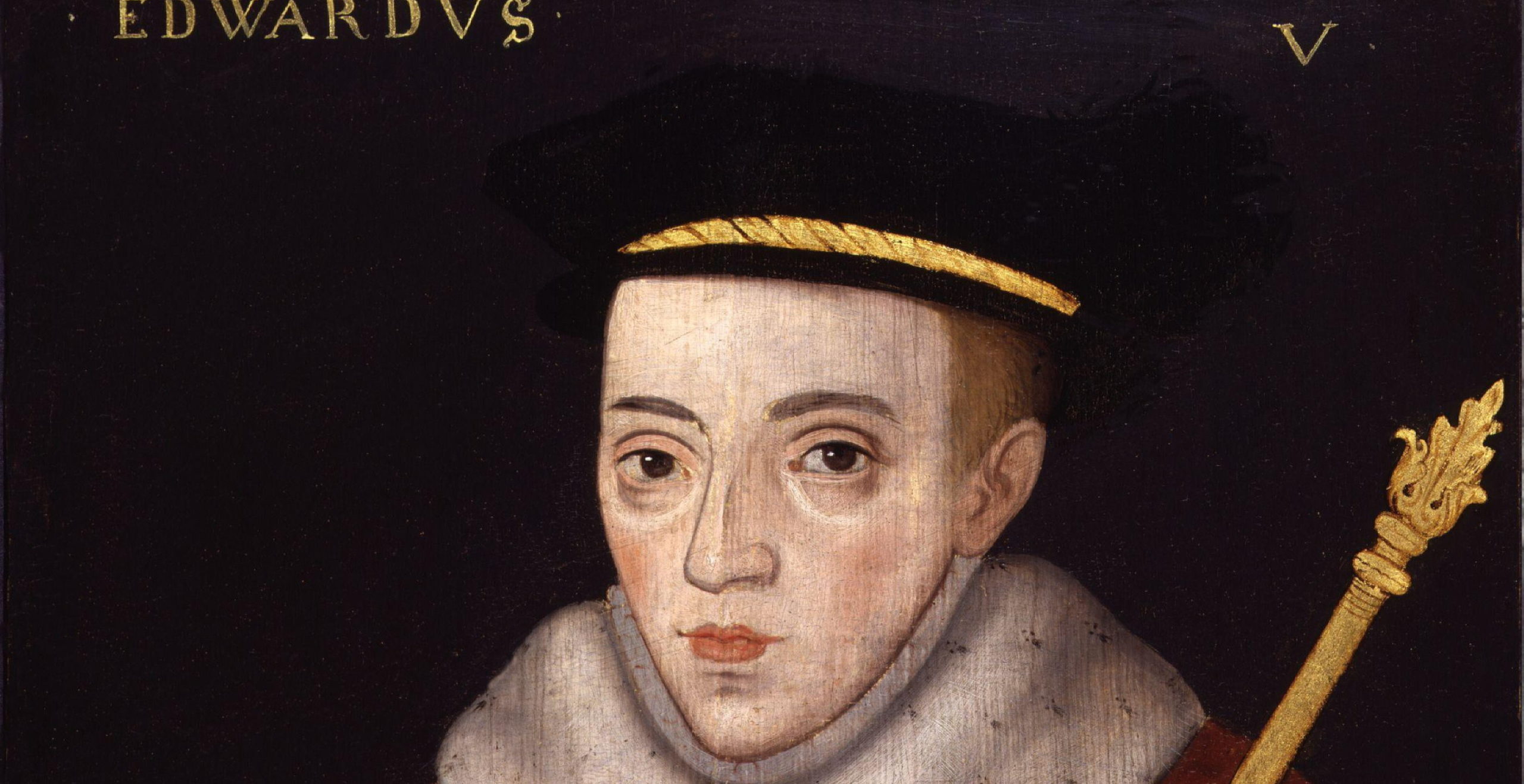
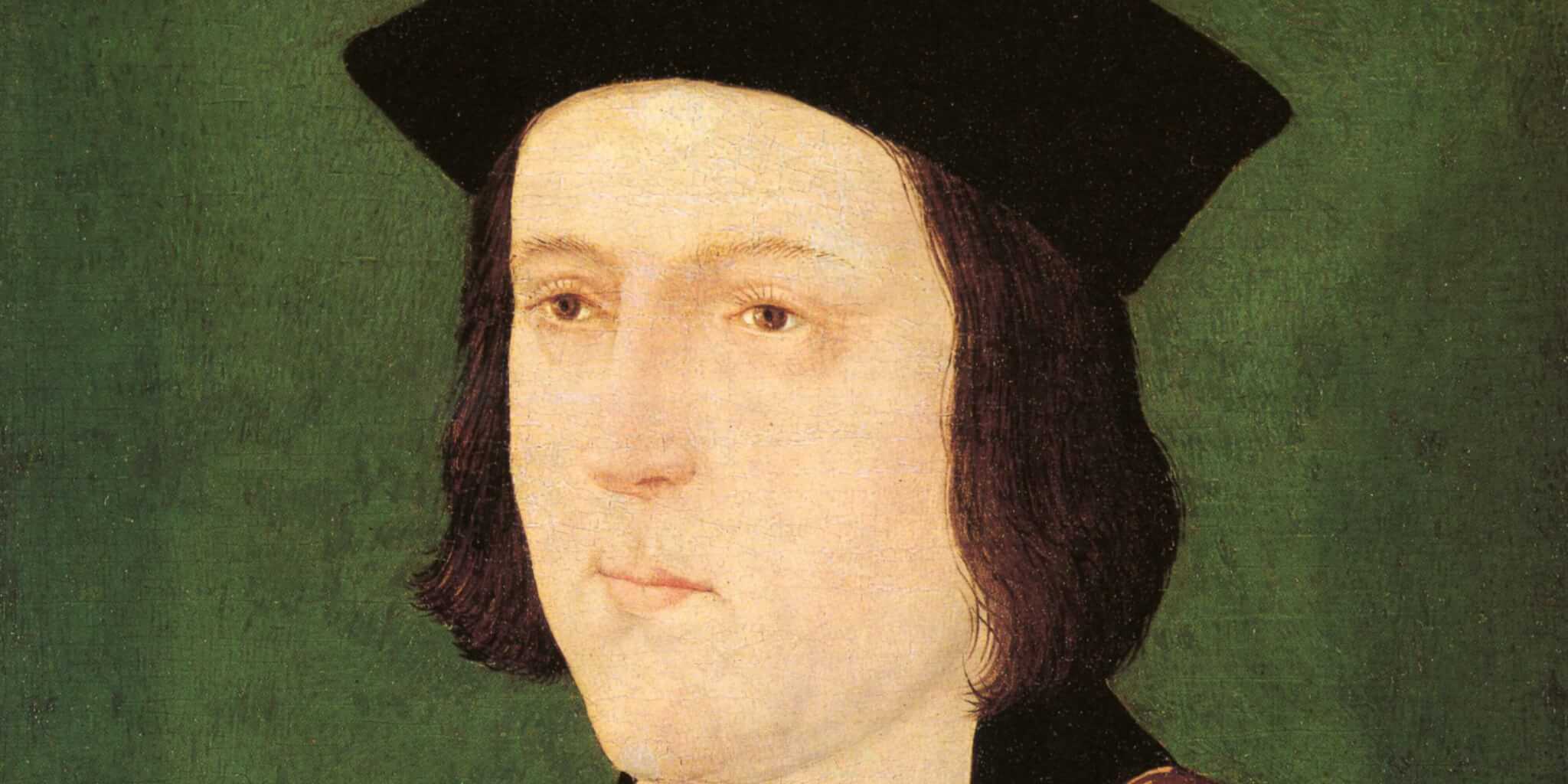
The princes were Edward V and his brother Richard Duke of York, the sons of Edward IV and his Queen, Elizabeth Woodville. Their uncle, Richard of Gloucester, later Richard III, came after them in the succession.
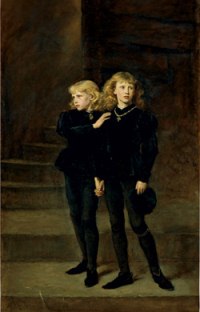 In his ‘history’, Sir Thomas More was quite sure that these young boys were murdered by their uncle Richard of Gloucester and Shakespeare also portrayed Richard III as the evil murderous uncle.
Sir Thomas More states in his writings that the princes were buried “at the stair-foot, meetly deep” and certainly in 1674 two skeletons were found buried beneath a stone staircase during alterations at the Tower.
Mr. Tannery and Professor Wright concluded in 1933 that the princes had “probably” died in the summer of 1483.
Sir Thomas More states that the princes were smothered with the pillows on their beds by Sir James Tyrell, John Dighton and Miles Forest. Tyrell is reported to have confessed to the crime in 1502 when under sentence of death for treason.
But who gave the orders to Tyrell and his accomplices?
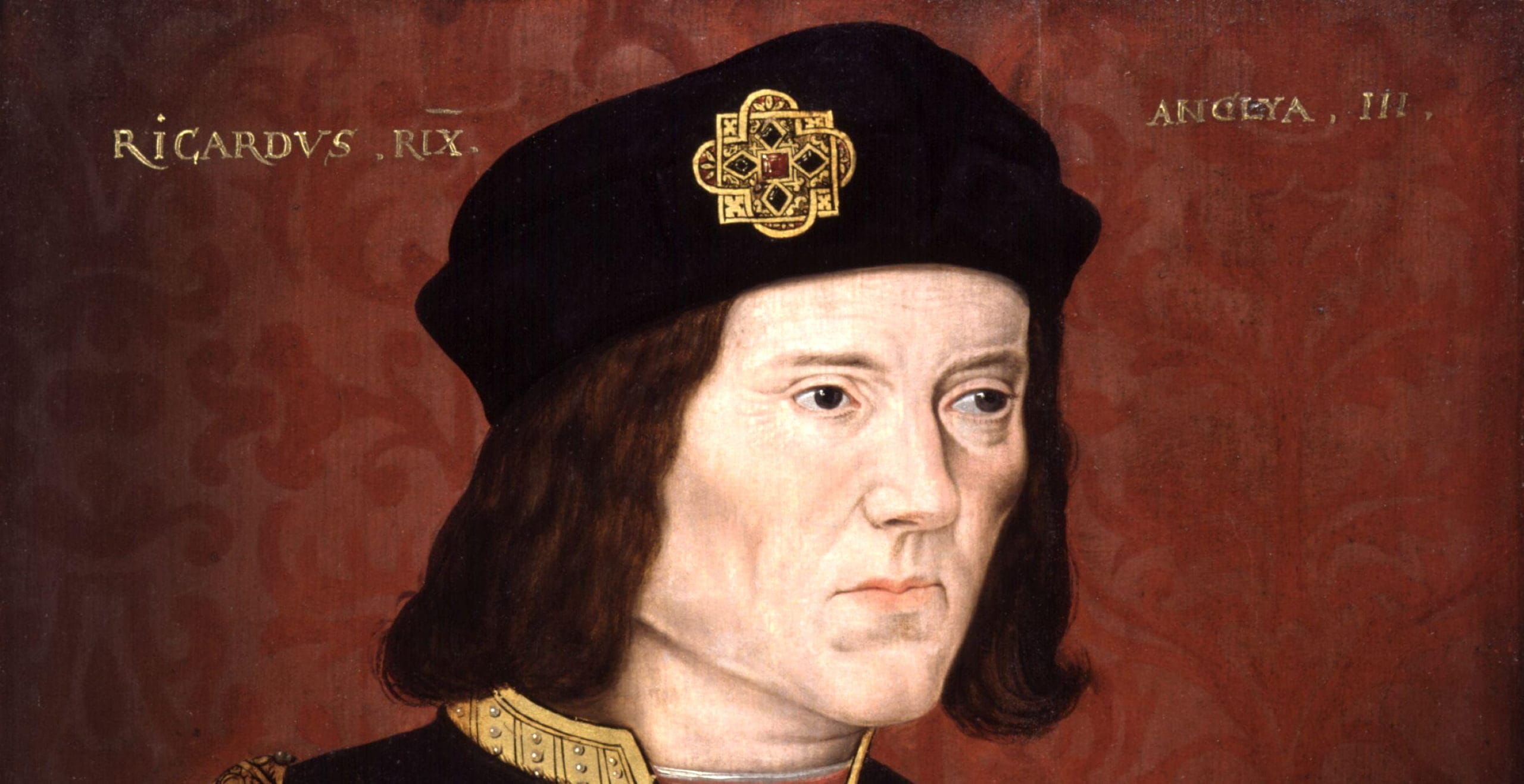
Richard III is the name most associated with the mystery of the two little princes. It is said that he had them killed as their right to the throne was stronger than his. Shakespeare certainly decided that he had given the order for the boys to be killed.
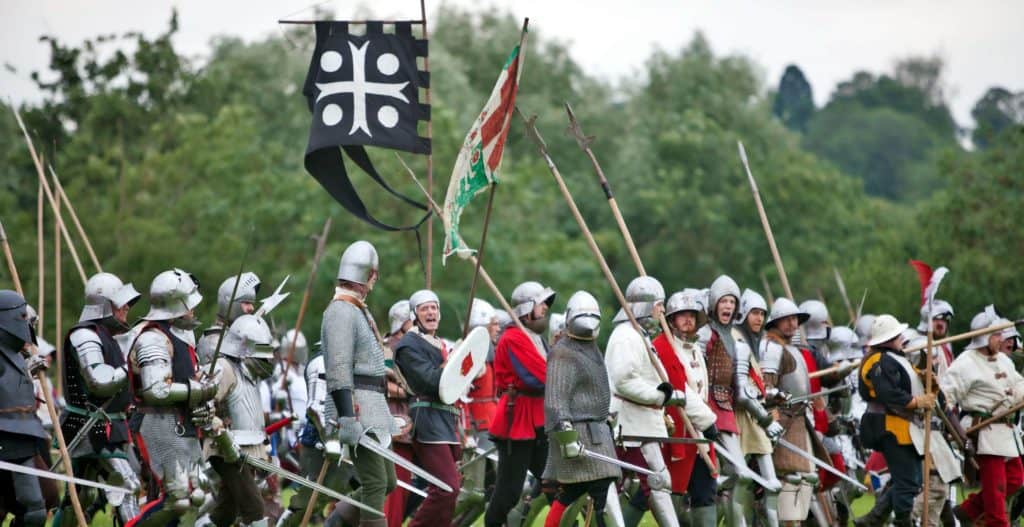
But Henry Tudor, who later became Henry VII in 1485 after defeating Richard III at the Battle of Bosworth, had an even shakier claim to the throne. His claim was based on the right of conquest!
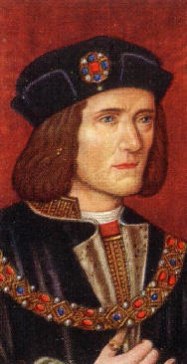
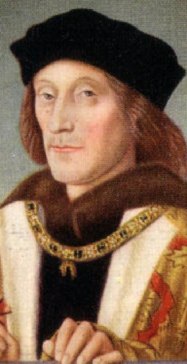
Richard III Henry VII
If the princes were alive in 1485, and they could have been, they would have been a great embarrassment to Henry, and Henry had as much to gain as Richard by the death of the young boys.
There is no proof of Henry’s guilt any more than there is of Richard’s.
Immediately Henry gained the throne he accused Richard of cruelty and tyranny but strangely did not mention the murder of the little princes. Henry did not announce that the boys had been murdered until July 1486, nearly a year after Richard’s death.
Did Henry have them murdered?
It is likely we will never know exactly what happened to the princes, and so this will remain one of the most intriguing who-done-its of all time.
Published: 19th March 2015