The History of England Magazine
Every month we present new feature articles relating to the history of this green and pleasant land. From ancient battlefields to famous people, hangings to national celebrations, we’ve got something to interest everyone.
You may also be interested in our History of Britain section covering the period from the Act of Union during Queen Anne‘s reign to the modern day.
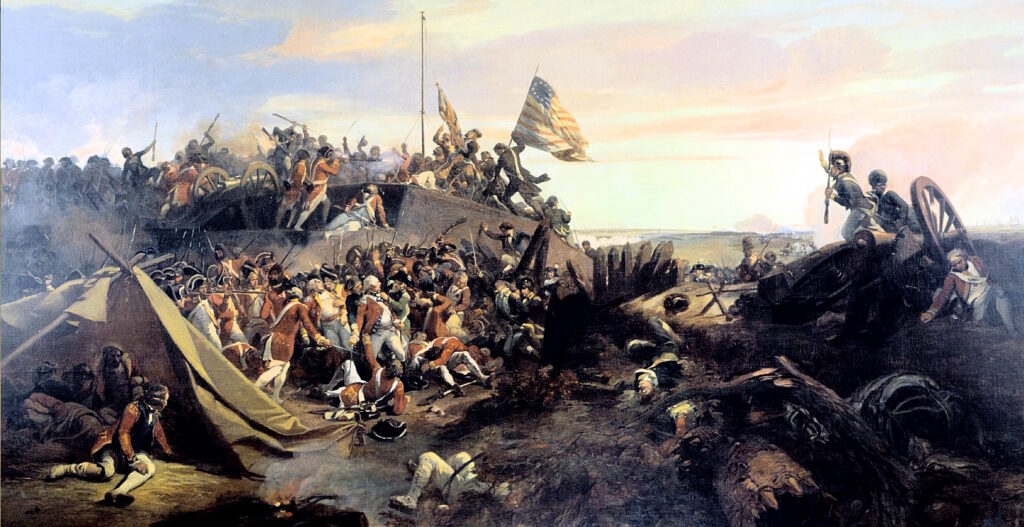
The Siege of Yorktown
In 1781, American and French forces under George Washington laid siege to the British army at Yorktown. This would become the most decisive battle of the American Revolutionary War…
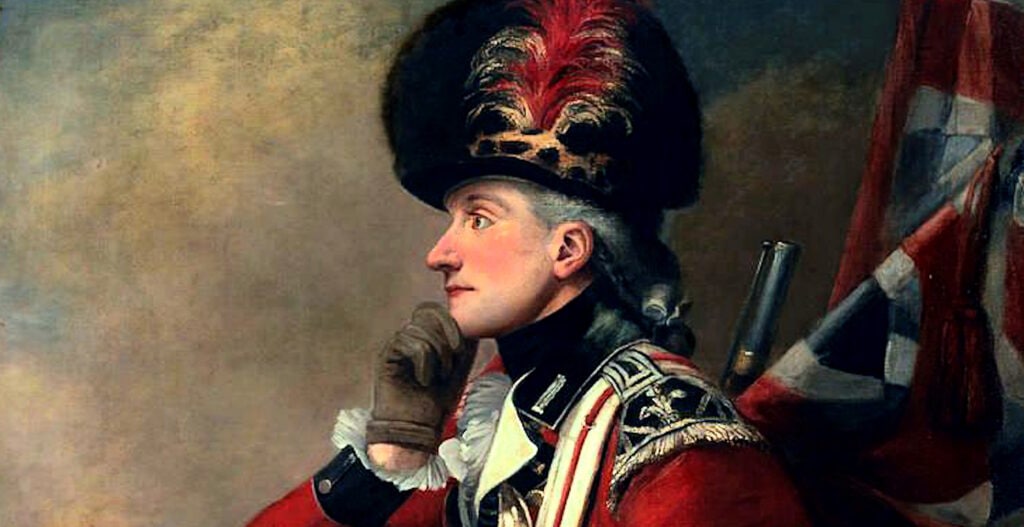
Major John André
A British Army intelligence officer, John André was hanged as a spy at Tappan, New York, on Oct. 2nd 1780 on the orders of George Washington..
The Common Yew
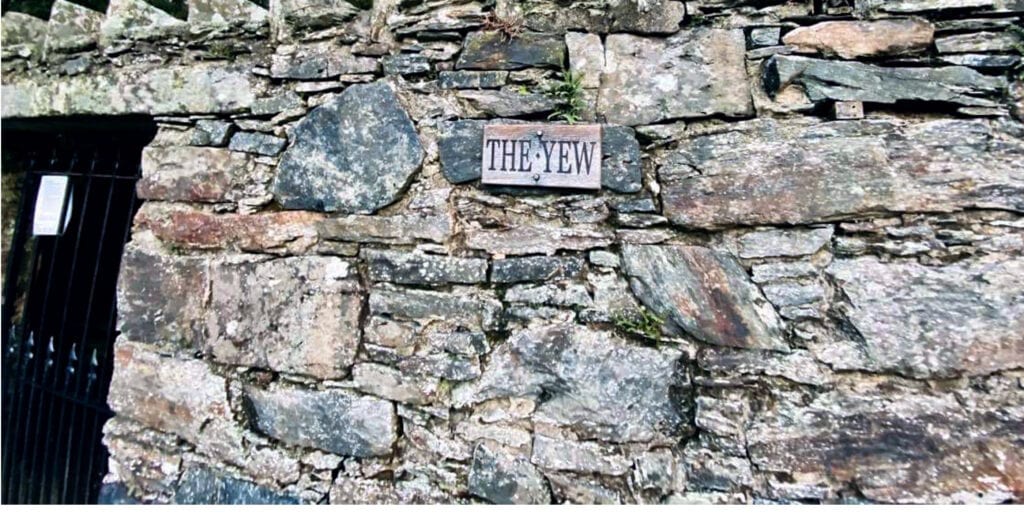
Worshipped by the Druids for its longevity, the Common Yew is typically found in churchyards, its soft wood used over centuries for the longbows that defined medieval warfare. Its Latin name however warns us of its toxicity: ‘Taxus baccata’ translates as ‘toxic tree with berries’…
The Witan
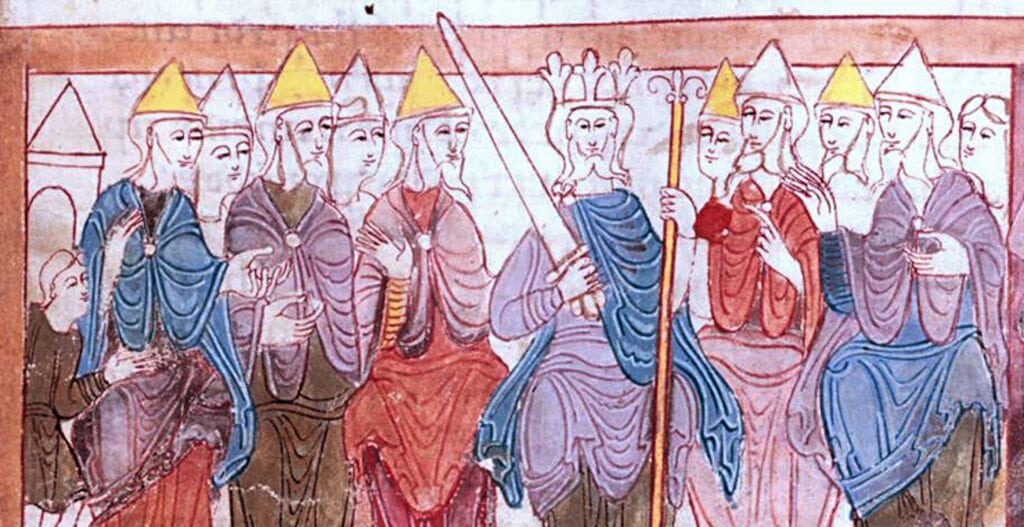
It could be argued that the concept of a parliament has its roots in Anglo-Saxon England with the Witan, or Witenagemot. This was a meeting or council of wise men whose role was to advise the king…
A Timeline of Parliament
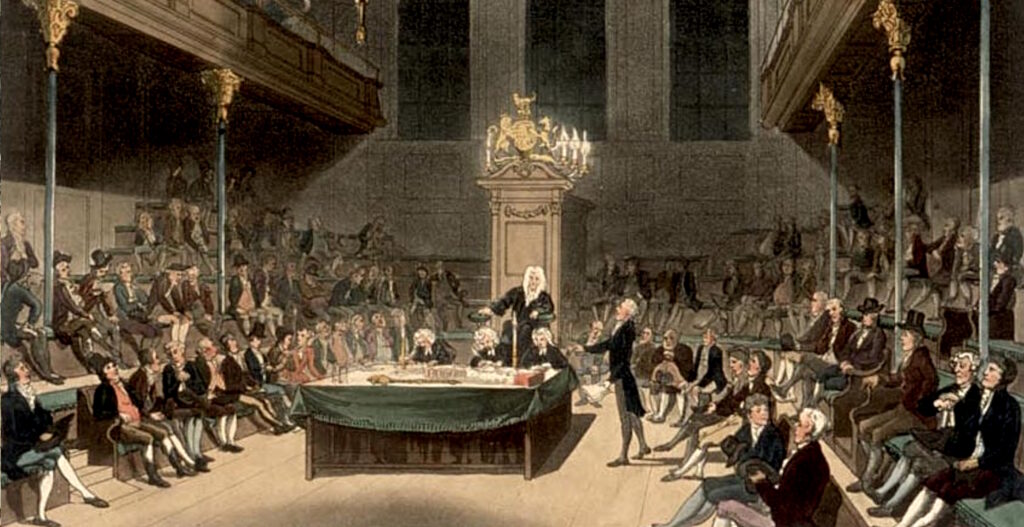
The UK Parliament is made up of the Monarch, House of Lords and the House of Commons. Known as ‘The Mother of Parliaments’ this parliamentary system has been copied by many countries around the world. Its foundation began way back with the Anglo-Saxon Witan…
Lady Blanche Arundell and the Siege of Wardour Castle
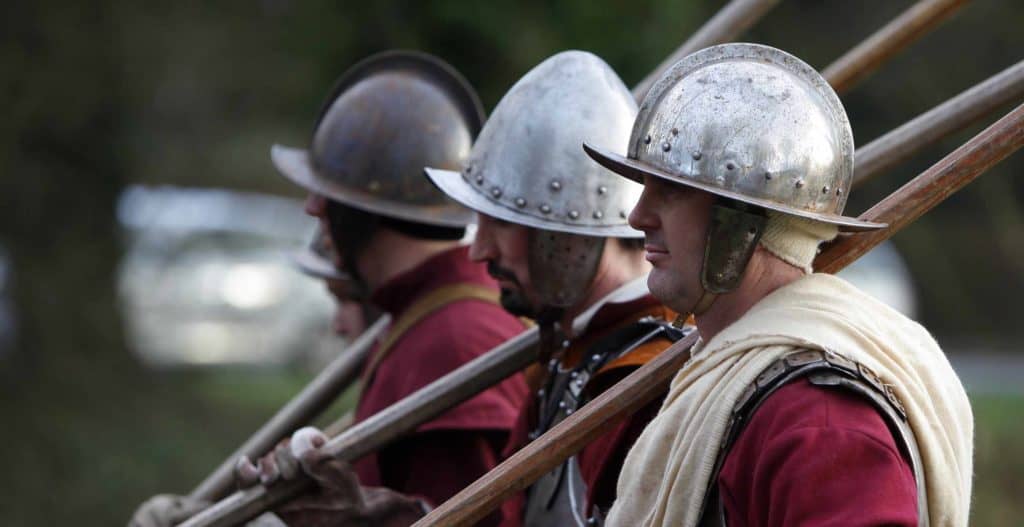
Aged 61, Lady Blanche Arundell, her children, a handful of servants and a garrison of just 25 men, held Wardour Castle for six days against a large Parliamentarian force during the English Civil War.
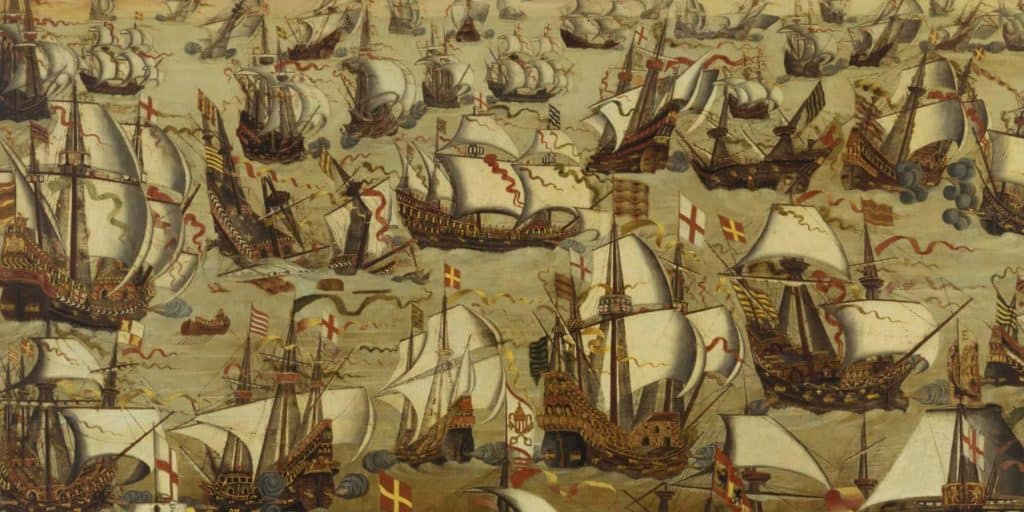
Queen Elizabeth I and the Tilbury Speech
England held its breath as the mighty Spanish Armada sailed up the English Channel. Invasion appeared imminent. Then Queen Elizabeth I is reputed to have made a rousing speech to her troops as they gathered at Tilbury: “I know I have the body of a weak and feeble woman; but I have the heart and stomach of a king, and of a king of England too…”
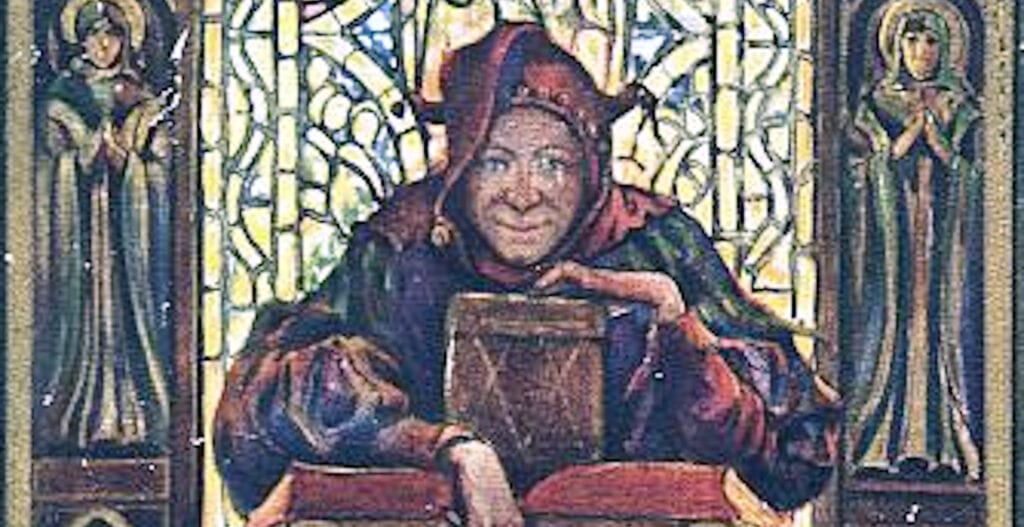
The Lord of Misrule
“Eat, drink and be merry!” With roots in the Roman festival of Saturnalia, the Lord of Misrule was a festive, roll-reversal figure, a ‘mock king’ appointed to preside over revelry and disorder, most famously during Christmas or Twelfth Night festivities in medieval and Tudor England.