
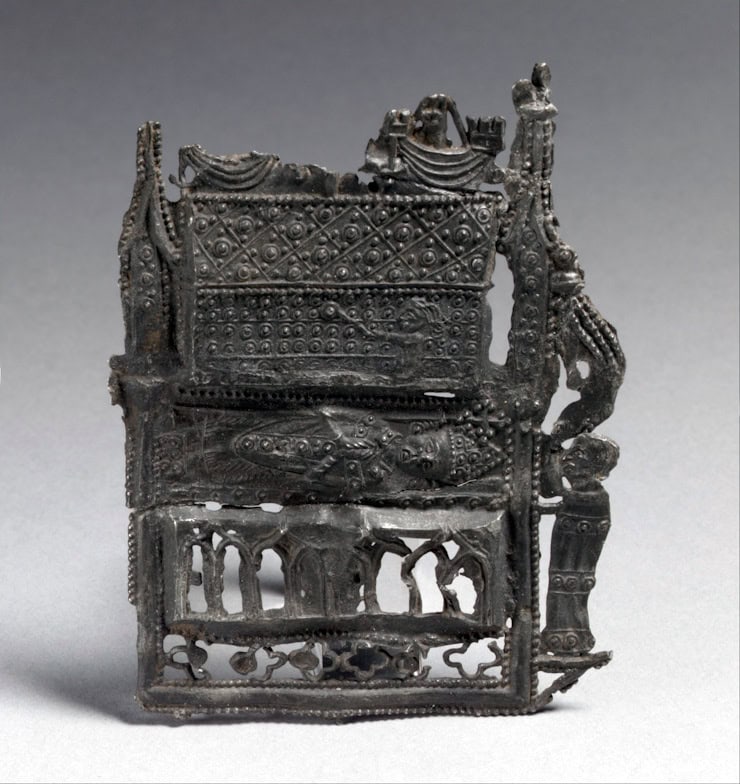
A badge of honour, a tourist souvenir, religious object and talisman, the pilgrim badge made popular in medieval Europe served a variety of functions for its wearers.
For Christians, the practice of pilgrimage began with the conversion of Emperor Constantine to Christianity in the early fourth century. His mother Helena, along with church fathers such as Saint Jerome, became an integral figure in the spread of Christianity and the pilgrimage tradition. Pilgrimages to the Holy Land extended to other sites which were associated with Christian martyrs, apparitions of the Virgin Mary, saints and apostles.
Locations across Europe became pilgrimage destinations frequented by increasing numbers of travellers throughout the medieval period. The most important and significant sites were listed in travel guides such as the Mirabilia Urbis Romae dating from the 12th century.
Alongside the growing popularity of the pilgrimage tradition was the desire to acquire a token object which represented the journey and status of the weary traveller as a pilgrim.
The emergence of the pilgrim badge in the early medieval period was one such item, predated by a similar object of significance made popular in the Roman period known as an ampulla, a form of early pilgrim flask which was used to carry water or oil.
In the late third century, the Egyptian Roman soldier Menas was martyred for his Christian faith and was depicted on an ampulla between two camels used to return his body for burial to Egypt.
Over time, the cult of Saint Menas became associated with healing properties and thus attracted people from all over the Christian world seeking resolutions to their ailing health.
The pilgrims would gather at the site of Abu Mena near Alexandria, where little clay Menas flasks inscribed with his name and picture were distributed. Such souvenirs have since been uncovered by archaeologists in locations across the world, ranging from Eritrea and Sudan to Heidelberg in Germany and Meols in Cheshire.
Such popularity was later mimicked by the pilgrim badge which became mass produced and attracted sales of around 100,000 a year at the most popular sites.
Often thrown into local rivers for good luck, many centuries later the retrieval of pilgrim badges has centred around rivers and waterways. In Norfolk, the Lynn Museum houses a collection of badges which were found by children in a local river. Whilst in Salisbury, the collection was obtained when the medieval sewers in the town were excavated.
For early followers, gathering at the tomb of Christian martyrs on the anniversary of their death in order to remember them became a key aspect of worship. Thus, the development of the cult of saints, which continued to gather momentum throughout the medieval period, made the process of pilgrimage increasingly popular as the relics gained new significance.
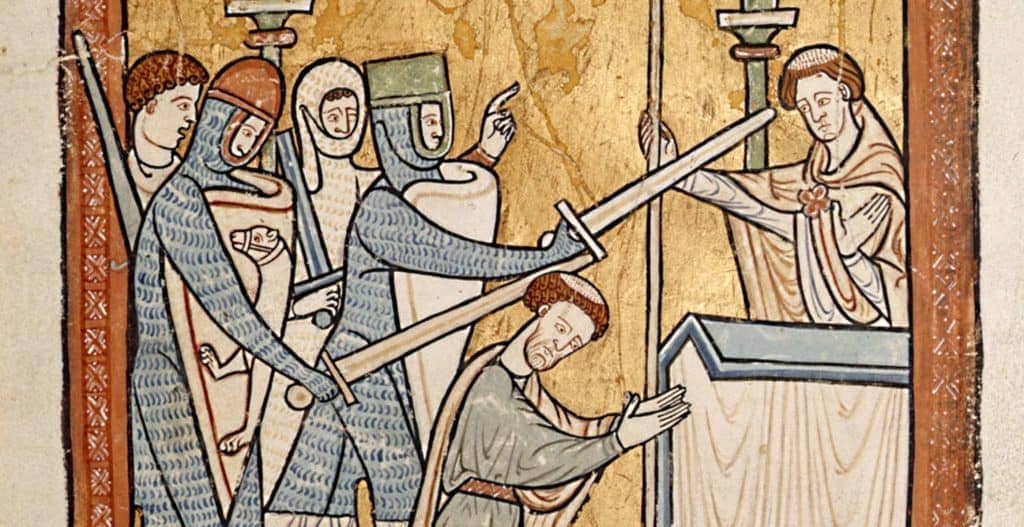
In England, a variety of spiritual locations became popular, with shrines drawing worshippers to their sites. In the southeast of England, Canterbury Cathedral, containing the tomb of Thomas Becket, drew large numbers of pilgrims.
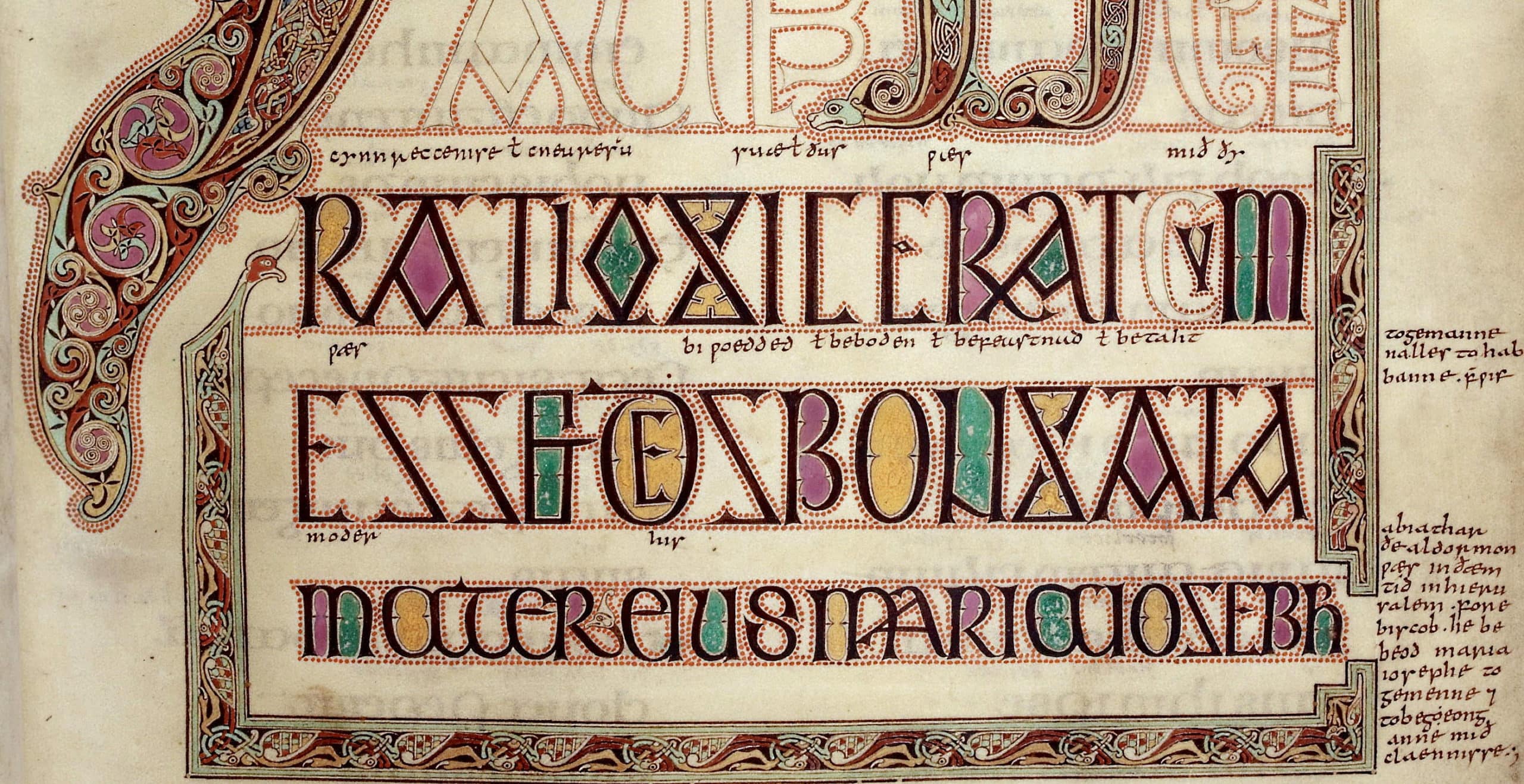
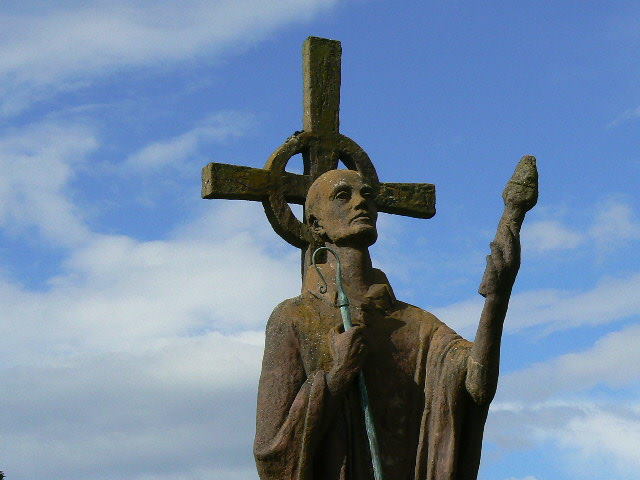
Other locations included the Holy Island of Lindisfarne which had sacred links to the development of early Celtic Christianity and where the Lindisfarne Gospels were made. Likewise, in the northeast of England, Durham Cathedral contains the shrine belonging to the relics of St Cuthbert.
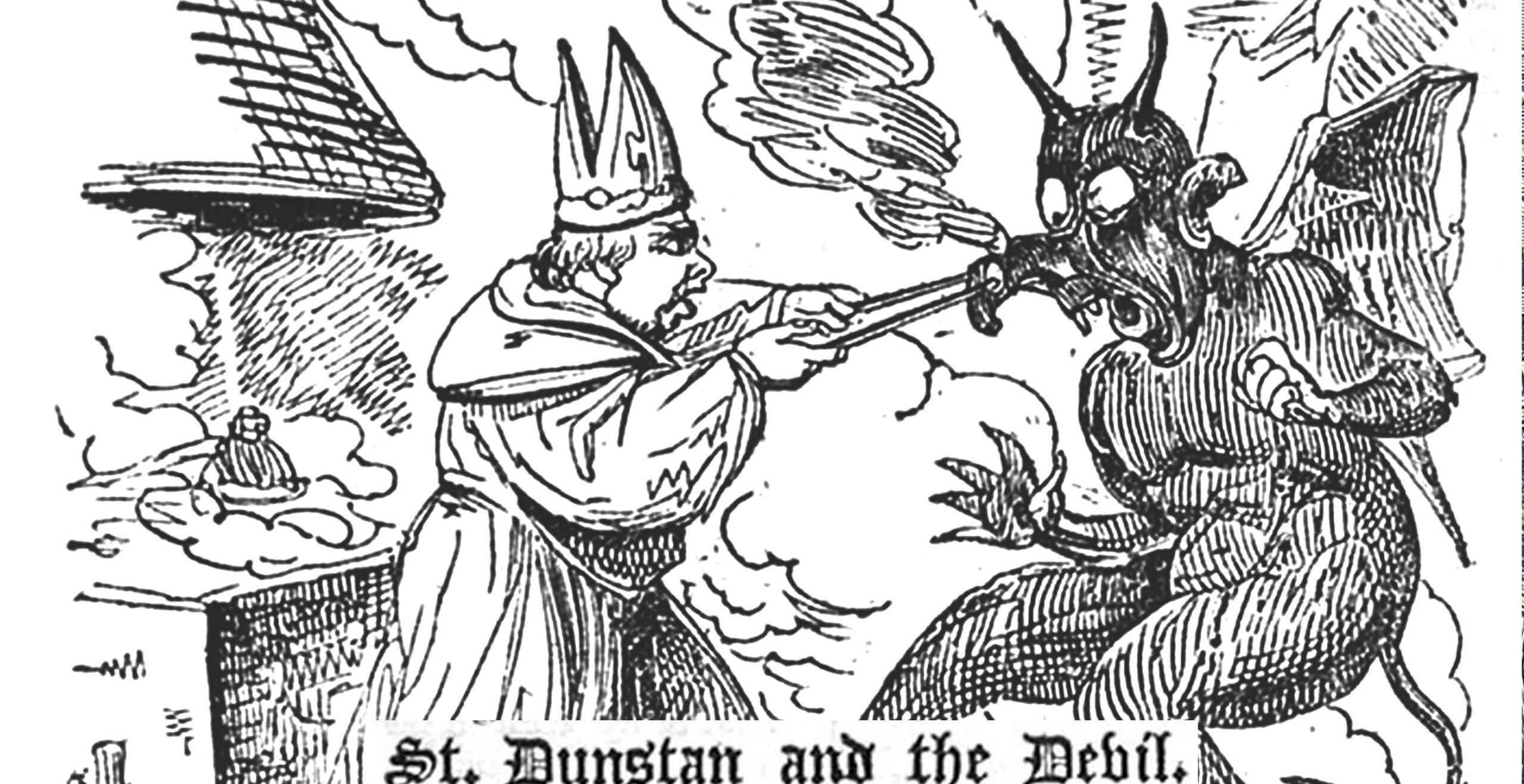
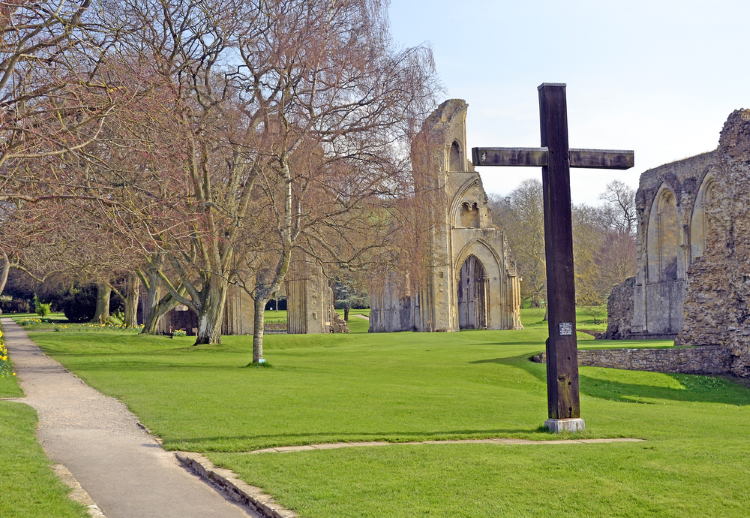
In the south of the country, Glastonbury Abbey is linked to a variety of saints including the founder of the original church in the first century St Joseph of Arimathea, as well as St Patrick who was believed to have visited or retired to the abbey in the 5th century. Other prominent saints include St David who is attributed to have founded a monastic unit, as well as St Dunstan who became abbot of the abbey before rising to become the Archbishop of Canterbury.
In Norfolk, Walsingham Abbey and its associated shrines have centuries of devotion linked to the shrine of the Virgin Mary (Our Lady of Walsingham), in commemoration of the 1061 apparition of noblewoman Richeldis de Faverches.
Meanwhile, St Alban’s Cathedral holds great significance as the burial site of Britain’s first Christian saint and martyr. Today, major events include the Alban Pilgrimage held in June representing the enduring tradition as well as the walking route known as St Alban’s Way taking travellers from St Paul’s Cathedral to St Albans.
These locations across the country drew worshippers both from the surrounding area and further afield, facilitated in the medieval period by growing infrastructure to support such communities on the road.
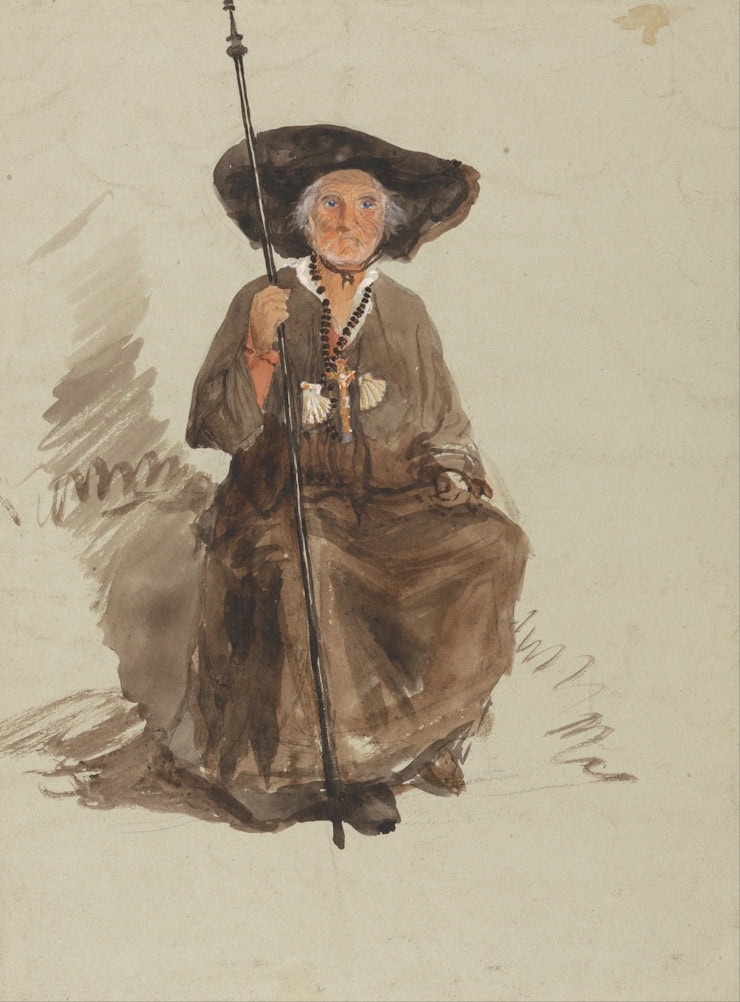
During these often long and arduous journeys, it was not uncommon for pilgrims to pick up objects along the way, in effect finding their own souvenirs.
In more extreme cases, pilgrims would try and retrieve some of the holy shrine itself, chipping off a section in order to obtain a connection with the holy site. Small statues and any other objects pertaining to the shrine were liable to be taken by the pilgrims and thus necessitated a solution.
The Church reacted by specially commissioning artisans to produce pilgrim objects in order to avoid the sites being damaged. These objects often took the form of badges made from pewter or ampullae which were miniature flasks of holy water.
The creation of the pilgrim souvenir in early Christian medieval Europe gained great traction amongst its followers and became a visible part of the pilgrimage experience across Europe.
Objects produced specifically for pilgrims were produced and sold near holy sites and were seen as tangible symbols, donned by pilgrims either wearing the item as a necklace or as a badge.
Designed to be worn on cloaks, outer garments or hats, in Britain the badge was typically constructed with a pin and clasp in order to attach it to clothing whereas in Europe, badges contained sewing loops.

The most popular imagery was the depiction of the scallop shell, originally designed for the shrine of St James at Santiago de Compostela in Galicia.
The pilgrims travelling along the northern shoreline of Spain would have either picked up shells along the way or purchased them nearby the church. As a result, local artisans began producing shell badges in both pewter and jet as pilgrim mementos.
This practice soon gained huge popularity and became the most ubiquitous pilgrim badge design, replicated by many others across Europe including in Cologne, Mont-Saint-Michel and Canterbury.
The shell however was not the only design. Other images included more traditional depictions of the Christ, Virgin Mary and the saints worshipped at the particular religious sites. Moreover, much like modern-day tourist trinkets, some of the depictions were of the locations themselves, a permanent reminder for the pilgrims to reflect on their journey.
The process of making the amulets involved using limestone moulds which were filled with a pewter or tin mixture, a process which could be replicated on a large scale. A variety of moulds were used to create different sizes and shapes, whilst some badges were finished with a coating of paint.
For pilgrims with less purchasing power, badges made from thin sheets of brass were constructed, emulating the sheen of the more expensive gold badges.
For richer pilgrims, the badges were more elaborately designed and finished, adorned with gemstones and precious metals. These designs would have included stones and material associated with healing and protection.
Pilgrims would sometimes dip their badges in water or wine which would be subsequently drunk for its medicinal benefits.The badges were not only an object demarcating your journey and status as a pilgrim but were viewed as having protective qualities, able to ward off evil spirits and heal your ailments. In this way, they were less like souvenirs and more like amulets, giving the recipient protection.
This resulted in the pilgrim badge becoming a universal feature in a medieval household, sometimes kept within the house for safety, placed on land to guard against intruders or vermin, and in some cases sewn into manuscripts as a form of travelogue or diary.
The souvenirs’ popularity resulted in a highly profitable business for artisans and sellers. Some shrines had such high demand, particularly during periods of religious festivities such as Holy Week, that extra labour was used in order to keep up with the demand.
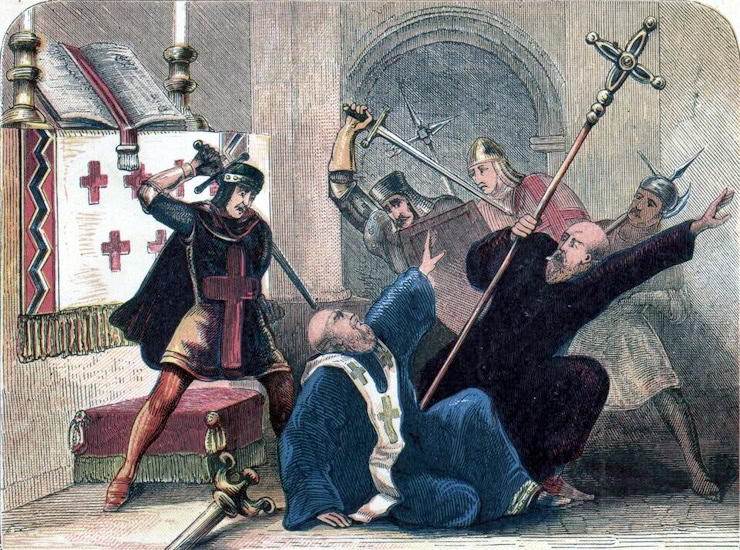
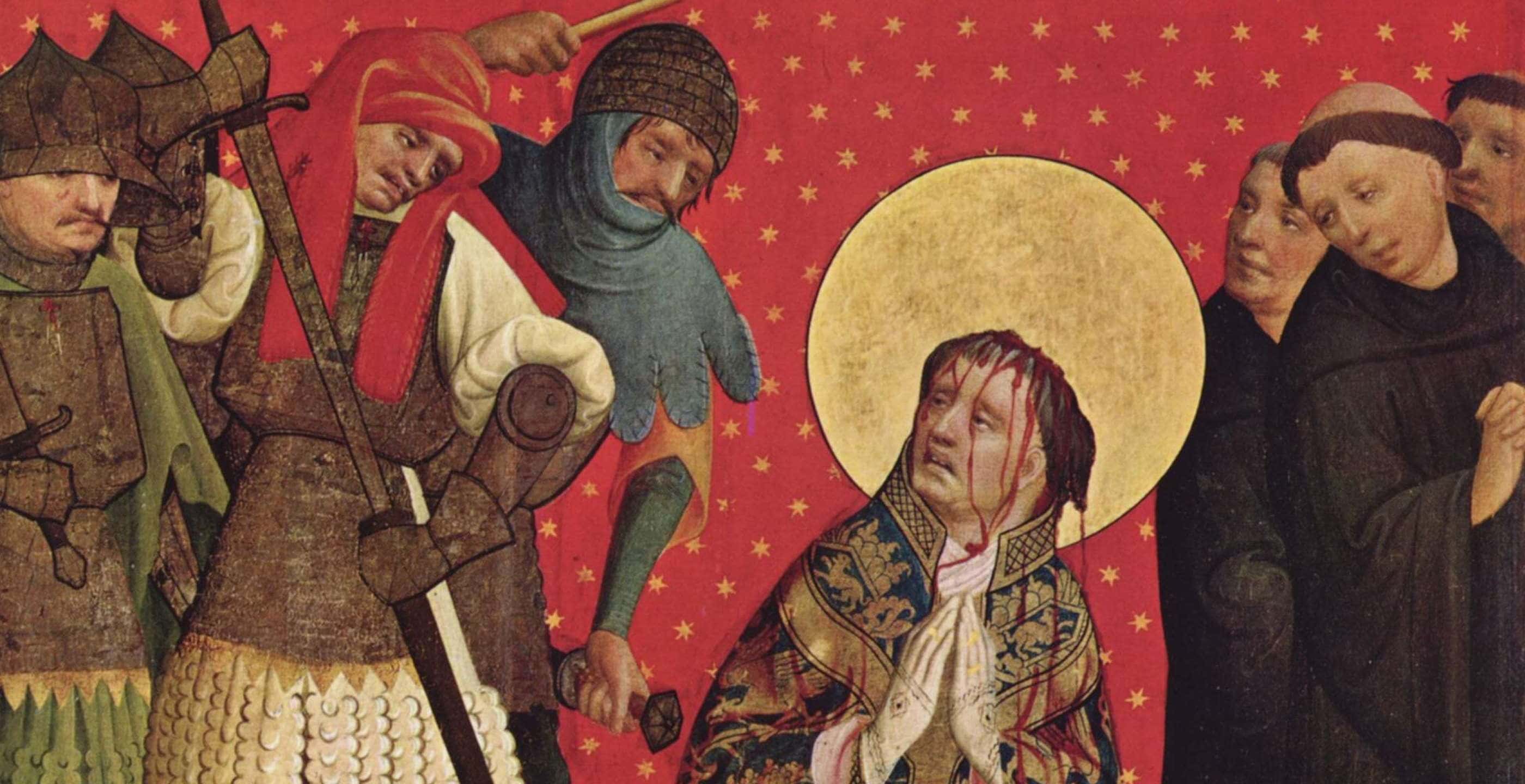
This included the site of St Thomas Becket’s martyrdom at Canterbury Cathedral which became the nucleus of a popular and enduring religious following. For those visiting the site, an array of badges would have been produced using a variety of imagery ranging from his head, depictions of his life or that of his shrine.
The popularity of the pilgrim tradition however downturned with the advent of the Reformation, which curtailed the practice across large swathes of Protestant Europe.
In England, the tradition perished in the 16th century when the popularity of pilgrimages dwindled and was viewed with suspicion. The subsequent ban by the Anglican church was not mirrored by other branches including the Lutherans and the Reformed, who continued pilgrimages whilst the rest of Catholic Europe retained the practice.
The pilgrim badge is thus an enduring symbol of medieval Europe and its religious traditions, reflecting the coexistence of the spiritual undertaking of the pilgrimage with the symbolism derived from objects as well as the consumerism more commonly associated with the modern world.
Today, thousands of people continue to embark on such journeys both as pilgrims and as tourists.
Jessica Brain is a freelance writer specialising in history. Based in Kent and a lover of all things historical.
Published: 25th September 2026.