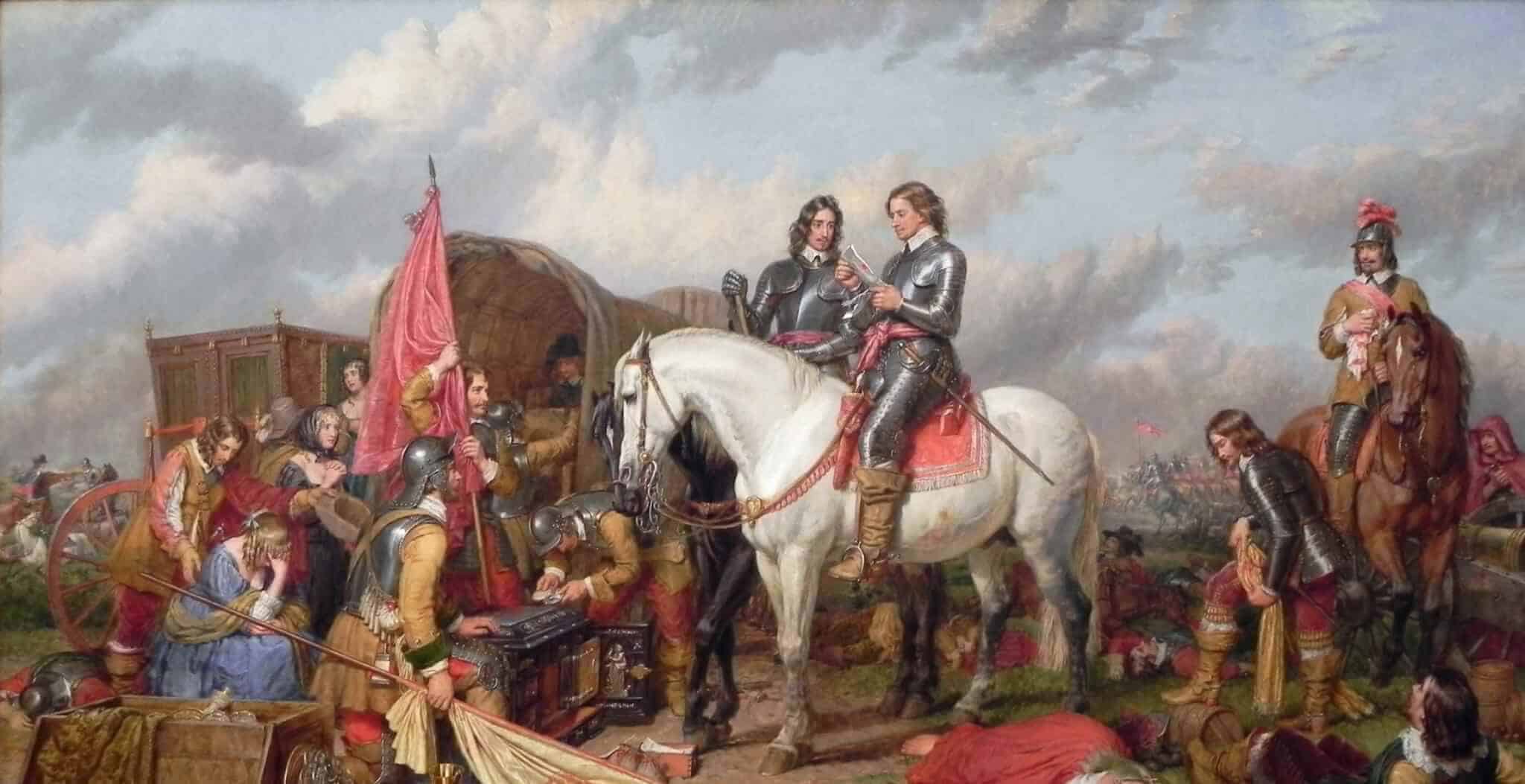

Over the course of six days, Lady Blanche Arundell defended her family estate in the absence of her husband against a baying mob of Parliamentarians, earning her great fame and recognition as a Royalist heroine.
An English noblewoman by birth, she was the daughter of Edward Somerset, 4th Earl of Worcester and Lady Elizabeth Hastings.
She grew up in Wales at the family seat of Raglan Castle and whilst her father opened himself up to Protestantism in support of Queen Elizabeth I, the rest of the family practised Catholicism in the privacy of their own home.
On 11th May 1607, at the age of twenty-four Blanche married into the Arundell family, an equally prominent family with Roman Catholic sympathies. She married Thomas Arundell, 2nd Baron Arundell of Wardour and became Lady Blanche Arundell. The couple went on to have three children during their marriage and lived in Wardour Castle.
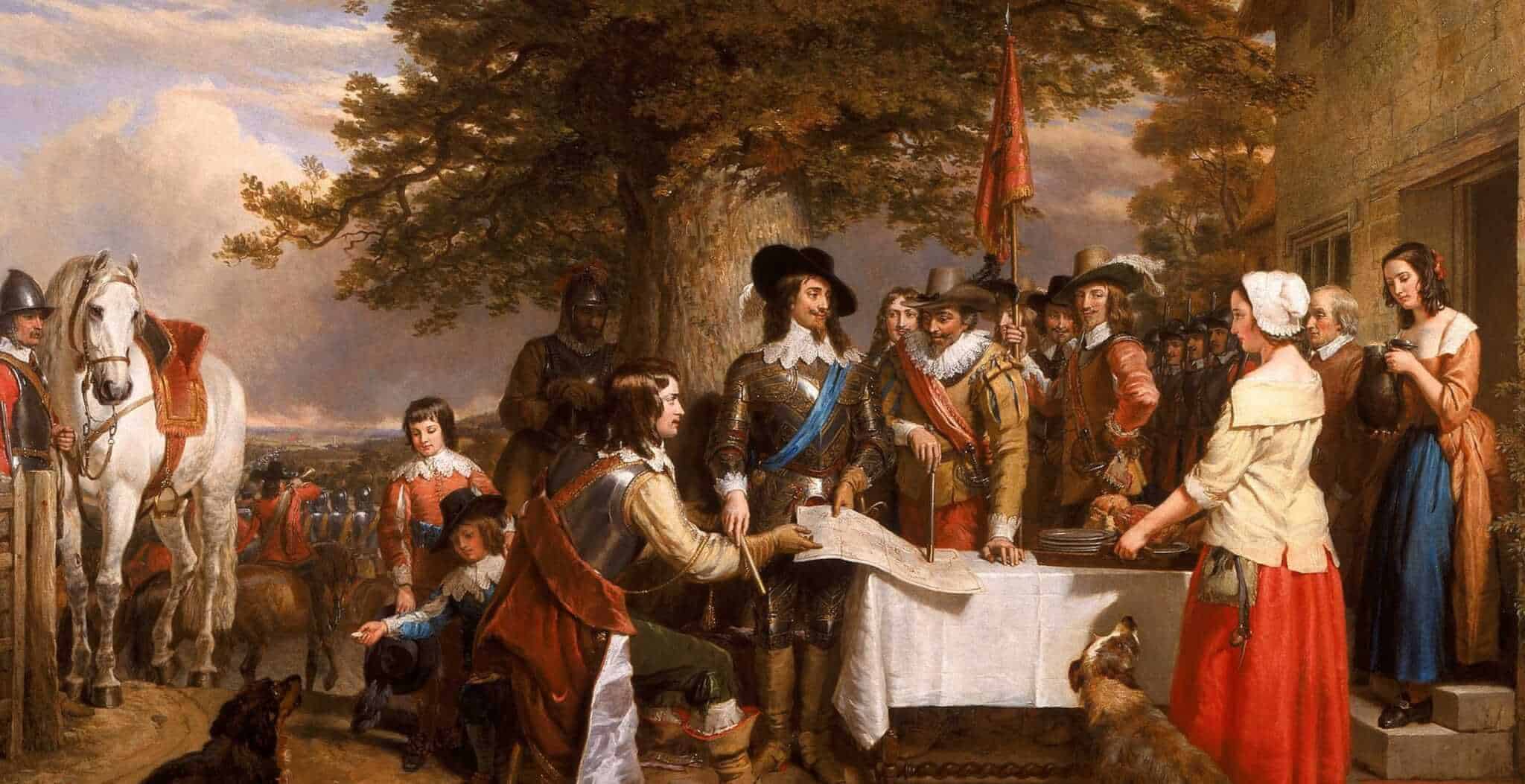
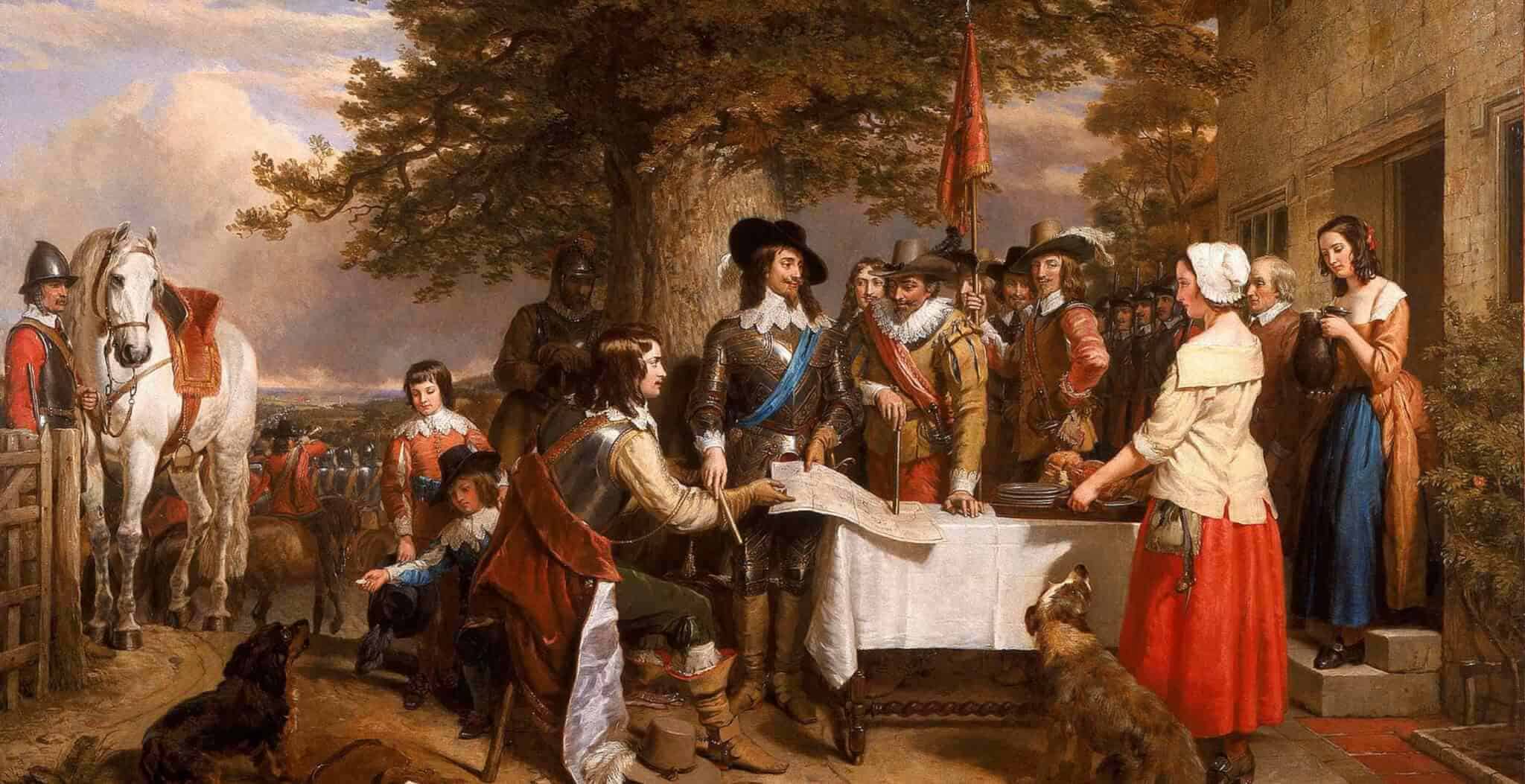
Politically active with financial status and holders of a great deal of land, the Arundell family were natural Royalists and much like others in their position, watched closely the unfolding political events during the reign of Charles I, as a chasm opened up between the monarch and Parliament.

In August 1642 these political machinations imploded and with Charles fleeing for his life, a declaration of war was issued.
From a prominent family backing the king, Thomas Arundell soon found himself facing an arrest warrant from Parliament.
With the Civil War in full swing, English men and women were forced to choose a side, the Parliamentarians or the Royalists. For many the choice was simple, those with aristocratic backgrounds and wealth supported the king, whilst those of a puritanical Protestant background favoured the Parliamentarians.
For Lady Blanche Arundell and her husband, their unwavering support of King Charles I was never in doubt.
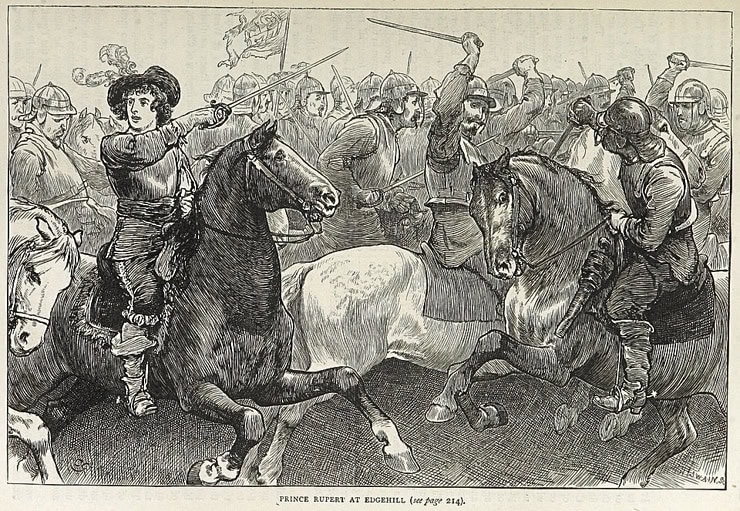
The first battle of the Civil War took place at Edgehill in Warwickshire and whilst it ended inconclusively, both sides sought to capture territory.
With the king based in Oxford, he held significant portions of northern England, Wales, Cornwall and the West Midlands, whilst the Parliamentarians maintained control of the East Midlands and southern England.
By the spring of 1643, Thomas Arundell had offered his services to the king, leaving Blanche and the rest of his household behind at Wardour.
Whilst small skirmishes were fought in the Midlands, Sir Edward Hungerford’s army were gaining more ground in the southwest.
Within the coming months, the Parliamentarians had set their sights on the imposing Wardour Castle, the Arundells’ home and a well-known Royalist and Catholic stronghold.

Lady Blanche Arundell, now aged 61, was left behind to defend their home of Wardour Castle. The lady of the house, alongside her children and a handful of servants had only a garrison of just 25 men in which to defend the imposing family home.
Wardour Castle was located between the villages of Donhead St Andrew and Tisbury in southwest Wiltshire. Constructed in the late 14th century, it was purchased by the Arundell family in the 1540s.
On 2nd May, whilst her husband was away on the battlefield, the Parliamentarians found the ideal opportunity to attack Wardour Castle.
Sir Edward Hungerford, leading a large army, thought to be around 1000 men, issued the demand for Lady Blanche to hand over the castle. Such a request was met with a resounding no from Lady Blanche who held her nerve against such an imposing military sight at her door.
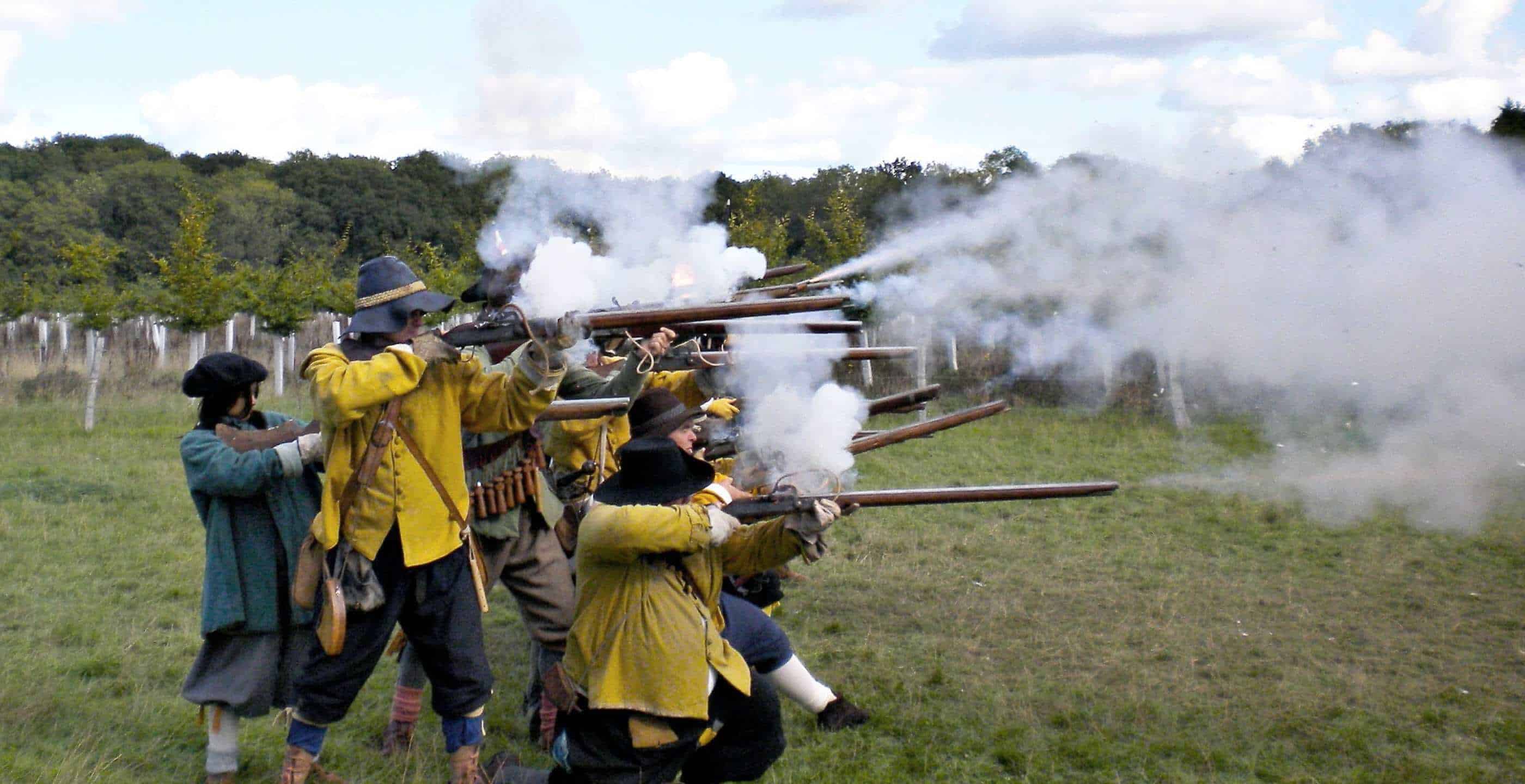
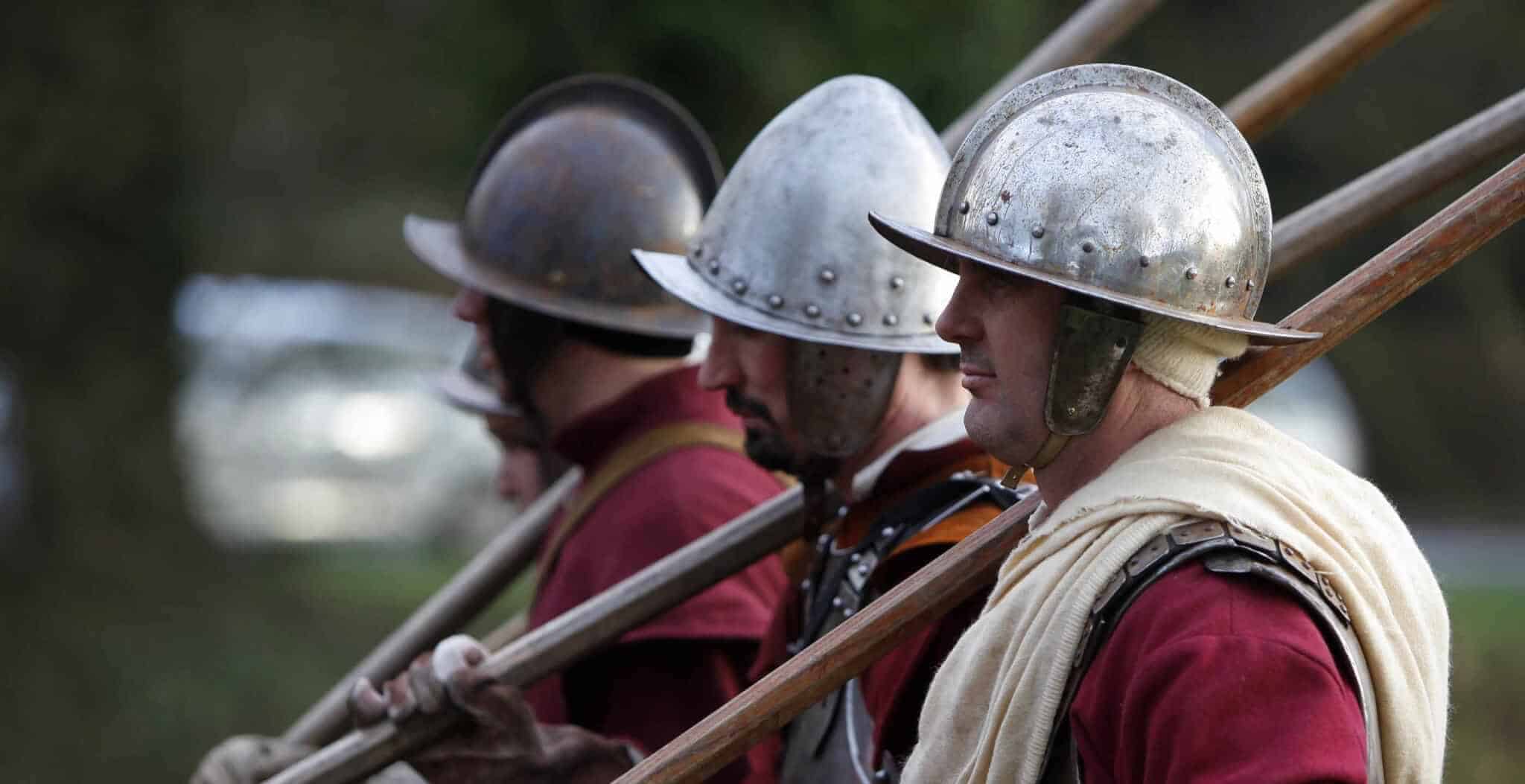
Hungerford was not pleased with such a response and called in reinforcements in the form of two small Parliamentarian field guns and positioned them to the north-east of the castle. With artillery in position, the army began their siege, setting up a base by digging trenches and constructing parapets.
In the coming days, the Parliamentarians negotiated with Lady Blanche, offering to spare the lives of herself and her household but not the small garrison of 25 men who were positioned to defend the castle.
Blanche alongside her daughter-in-law did not take Hungerford up on his offer, instead resolving to meet their fate rather than survive on ‘dishonourable terms’.
Most likely surprised by the defiant response coming from within the castle, the Parliamentarians subsequently launched small amounts of artillery fire causing superficial damage to the castle walls and windows in order to agitate for a surrender.
Stepping up their efforts, the besiegers mined a part of the castle, placing barrels of gunpowder in a strategic position before detonating, sparking an explosion which passed up through the latrine shaft of the southern side of the castle and causing much damage.
In the meantime, the castle’s small garrison of men began to flounder, needing both rest and sustenance in the face of a considerably large military force. Lady Blanche recognised their fatigue and ordered the maids to reload the guns with bullets and powder.
By 8th May, the Parliamentarians threatened the household with an explosion of gunpowder in another part of the castle. This threat had the desired effect of forcing Lady Blanche into negotiations.
After initial talks, it was agreed by Lady Blanche and the Parliamentarians that the household would surrender and stipulated three articles relating to such a capitulation. Firstly, that all the men and women would be spared, this included the 25 man garrison. Secondly, the women of the house would be allowed to leave the castle followed by six male servants. Finally, the agreement allowed for all furniture and goods inside the castle to have a guarantee of safety from being plundered.
Under these conditions, after holding out for six days, the siege was over. Lady Blanche had surrendered.
In the coming days, the siege of Wardour Castle proved to be a significant event which hit the headlines. In the Royalist newspaper ‘Mercurius Rusticus’ the siege was depicted on the front cover, whilst propaganda on both sides depicted the siege in pamphlets and engravings.
Whilst it was celebrated as a Parliamentarian victory, the Royalists camp heralded the bravery of Lady Blanche holding out against superior forces and showing unwavering bravery in the face of such a threat.
The castle was subsequently placed under the control of Colonel Edmund Ludlow who would later write an account of the siege in his autobiography.
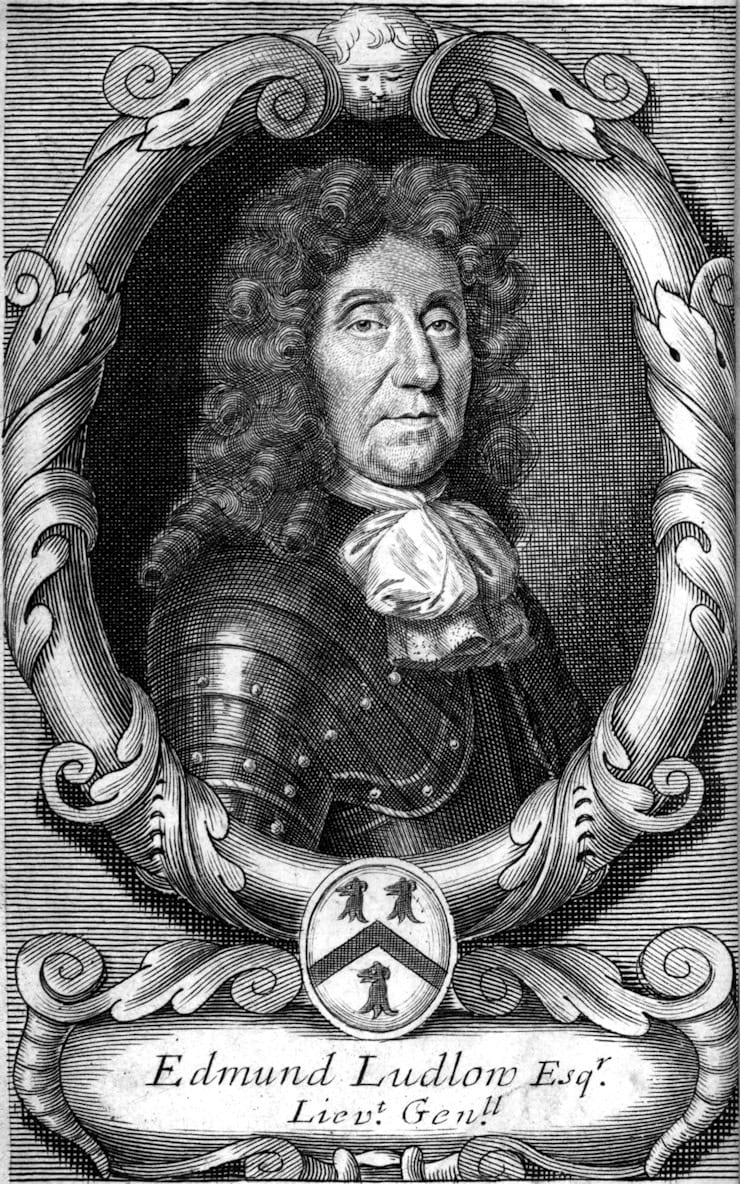
Unfortunately, the terms of surrender were not adhered to by the soldiers who subsequently sacked the castle and had Lady Blanche taken as a prisoner to Shaftesbury.
The subsequent ransack which ensued caused a great deal of damage and saw several items looted and sold.
After the women were escorted in only the clothes they were wearing, they were transported to Shaftesbury before being transferred to Dorchester.
Whilst the Parliamentarians failed to comply with the articles of the surrender, Lady Blanche and her daughter-in-law Cicely were released by the forces in early June and sought refuge in Salisbury where she learned of her husband’s death on the battlefield.
In order to avenge his father’s death and restore the family seat, the following year Henry, 3rd Lord Arundell and son of Thomas and Blanche, blockaded Wardour and forced a Parliamentarian surrender in March 1644.
When Henry recaptured the castle, he was dismayed to find the castle in ruins.
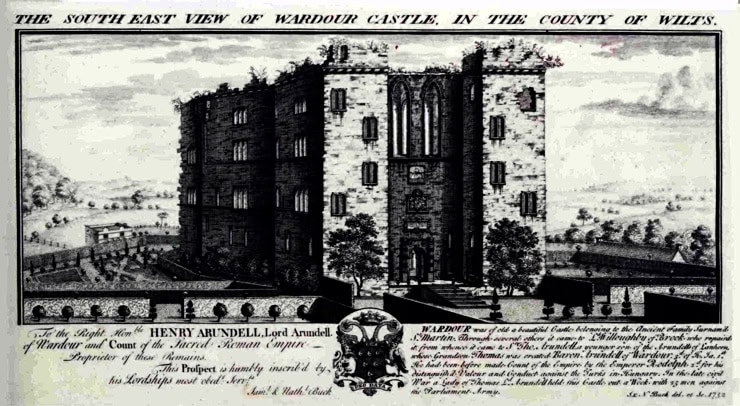
In 1646, after the conclusion of the First Civil War, parliament saw fit to confiscate Wardour Castle and the Arundell estate.
Henry Arundell would have to wait many more years until the Restoration in 1660, when the estate was restored and the ruins of the castle fell into the family’s hands once more.
Meanwhile, the Arundells found themselves living in restricted circumstances, only allowed a small chunk of the revenue derived from their estate. Moreover, the grandchildren were held in the care of a Puritan schoolmaster until relief came in the form of a prisoner exchange.
Whilst she had survived the siege and the ensuing conflict, Blanche’s health began to worsen and she passed away a few months after the execution of King Charles I in 1649.
Her final resting place was besides her husband, buried in St John Tisbury, the parish church of Wardour Castle.
Whilst the Parliamentarians had successfully besieged the castle, Lady Blanche’s daring refusal to capitulate and hold on for six days despite being outnumbered earned her great fame and was heralded as an example of Royalist virtues, a heroine amongst heroes.
Jessica Brain is a freelance writer specialising in history. Based in Kent and a lover of all things historical.
Published: 26th February 2026