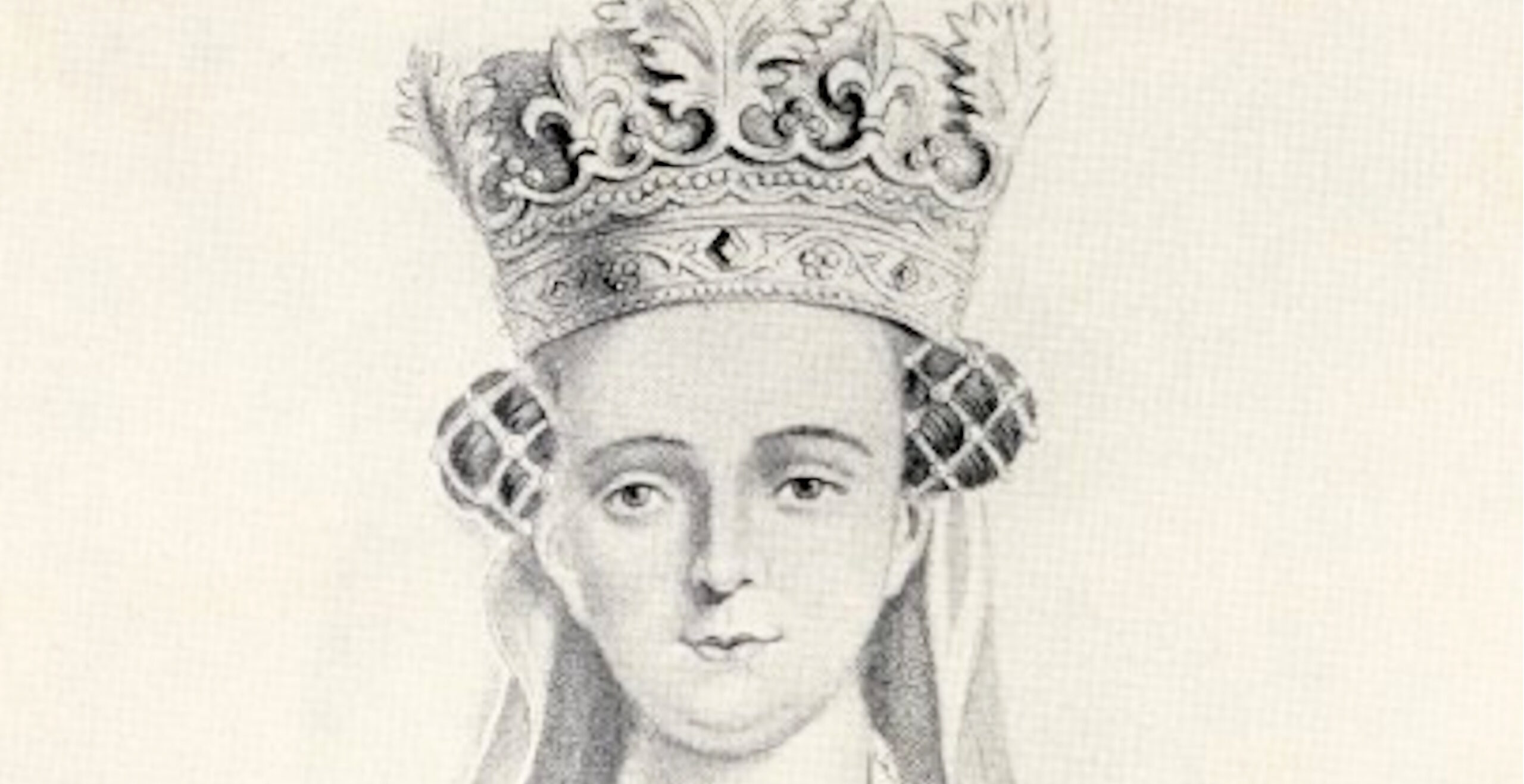


Joan of Navarre was an integral member of medieval European royalty. Straddling kingdoms across the continent, she was the daughter of the King of Navarre, granddaughter of the King of France, regent of Brittany and later Queen of England.
Joan began her life in Navarre, Spain, the daughter of Jeanne de Valois (who was daughter of the King of France) and her husband, Charles II of Navarre (also known as Charles the Bad). Her father had extensive territory, not only the Kingdom of Navarre but also expansive land in Normandy which he had inherited from his father, Count Philip of Évreux. He played an instrumental role in the Hundred Years’ War, switching allegiances between England and France when it suited him.
His daughter meanwhile lived the typical and sheltered life of a royal child, destined to grow up and make an advantageous marriage which would be critical in forming alliances between kingdoms across Europe.
By the time she was twelve, Charles II of Navarre had arranged for his daughter to marry the heir to the Kingdom of Castile. Such plans would have seen the two kingdoms, which shared a border, united by marriage however in 1382, Joan married John de Montfort, Duke of Brittany.
Now Duchess of Brittany, Joan began a fruitful thirteen year marriage which produced eight children. Duke John IV of Brittany had already been married twice, however without issue, so Joan of Navarre enjoyed a successful marriage, producing heirs to the title and territory.
On 1st November 1399, John died and was succeeded by his eldest son, John V. As the boy was only nine years old, Joan served as his guardian, becoming regent of Brittany during his minority rule which lasted for four years. During this time Joan met and became close to the future English monarch Henry IV, during his banishment from England in 1398. After Henry took the throne, he proposed to Joan and she accepted on the condition that the future of the Duchy of Brittany was secured for her children.
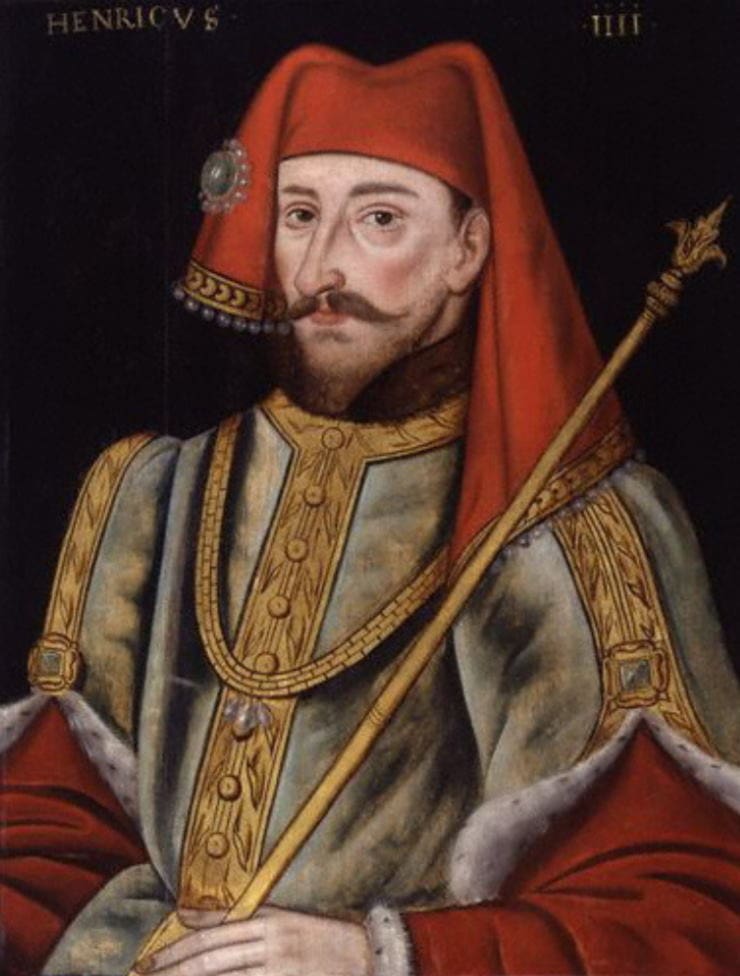
The union was likely to cause friction, as England and France were in the midst of the Hundred Years’ War, creating unease amongst the Breton nobility who did not see the marriage as likely to improve relations between the kingdoms.
The complications which arose from her acceptance of marriage required a papal dispensation, which was subsequently acquired.
After careful negotiations with the Duke of Burgundy, she secured guardianship for her sons, with the duke accepting the role of guardian as well as regent of Brittany.
Thus in order to become Queen of England she gave up her title in Brittany, relinquished custody of her sons and set off for England with her daughters.
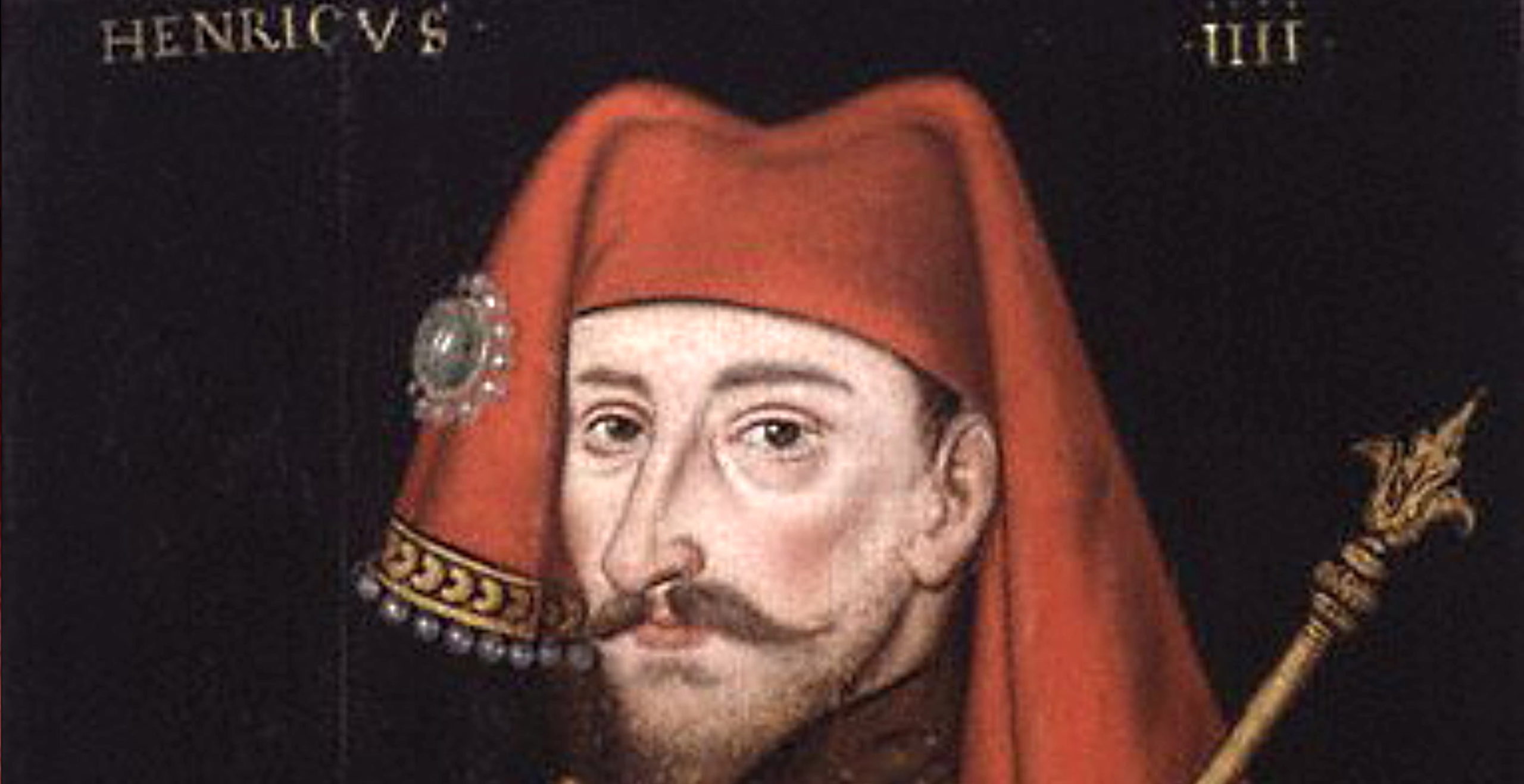
In February 1403, Joan of Navarre married Henry IV of England at Winchester Cathedral and was crowned queen a few months later.
Initial reports about her were favourable, at least with regards to her looks, as she was described as attractive and gracious in appearance, however her character was viewed with suspicion. She was deemed to put her own financial interests first, leading to accusations of greed, bribery and corruption.
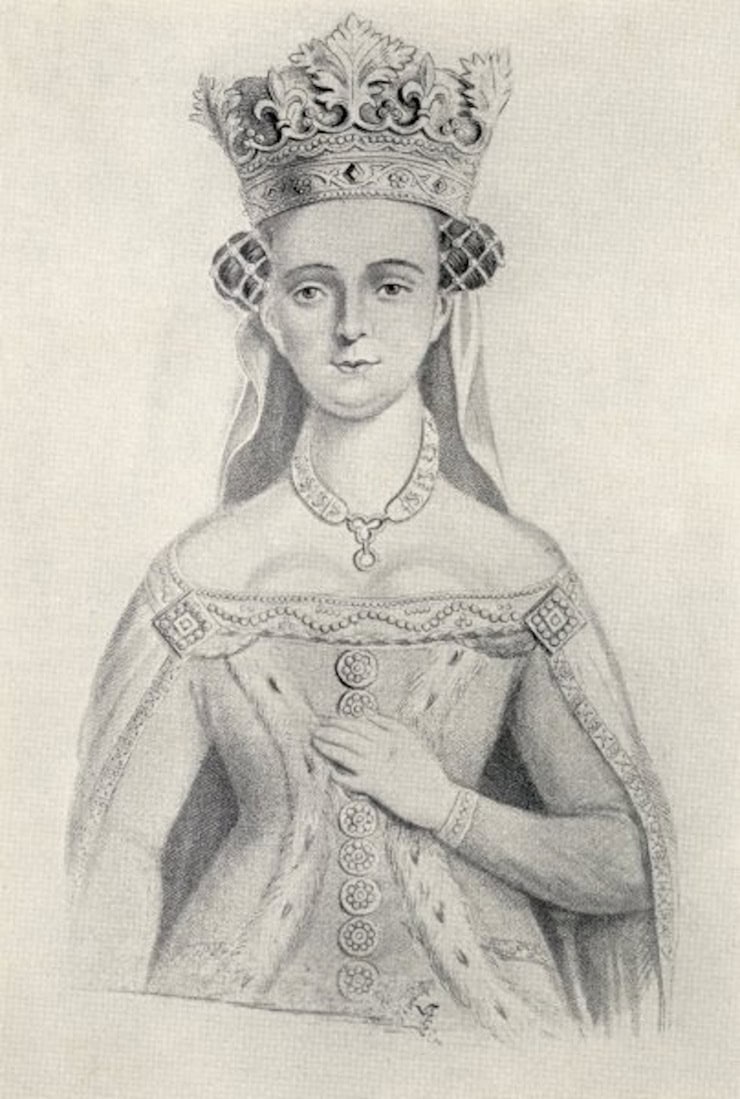
Moreover, the queen preferred to associate with her Breton courtiers rather than English ones, which caused friction when Parliament gave an order to exile the Bretons from the court. Due to his fragile relationship with Parliament, King Henry IV acquiesced, leaving a fractious and divided royal house.
Joan meanwhile was left saddened and upset by an attack on a Breton ship by the English not long after her wedding day, causing her to view the English in an equally unfavourable manner.
Despite this internal battle, the marriage itself appeared compassionate and attentive, with Henry lavishing Joan with an extravagant allowance which far surpassed that of any previous queen.
Whilst they never had children together, Henry IV already had six children from his first marriage to Mary de Bohun who had died before he was crowned king.
Joan therefore became stepmother to the six children and developed a strong bond with them. These relations would later be challenged; however whilst they were married, their family life appeared content.
Sadly, Henry IV began to suffer serious health issues, including a debilitating skin disease which began to plague him from 1405 onwards.
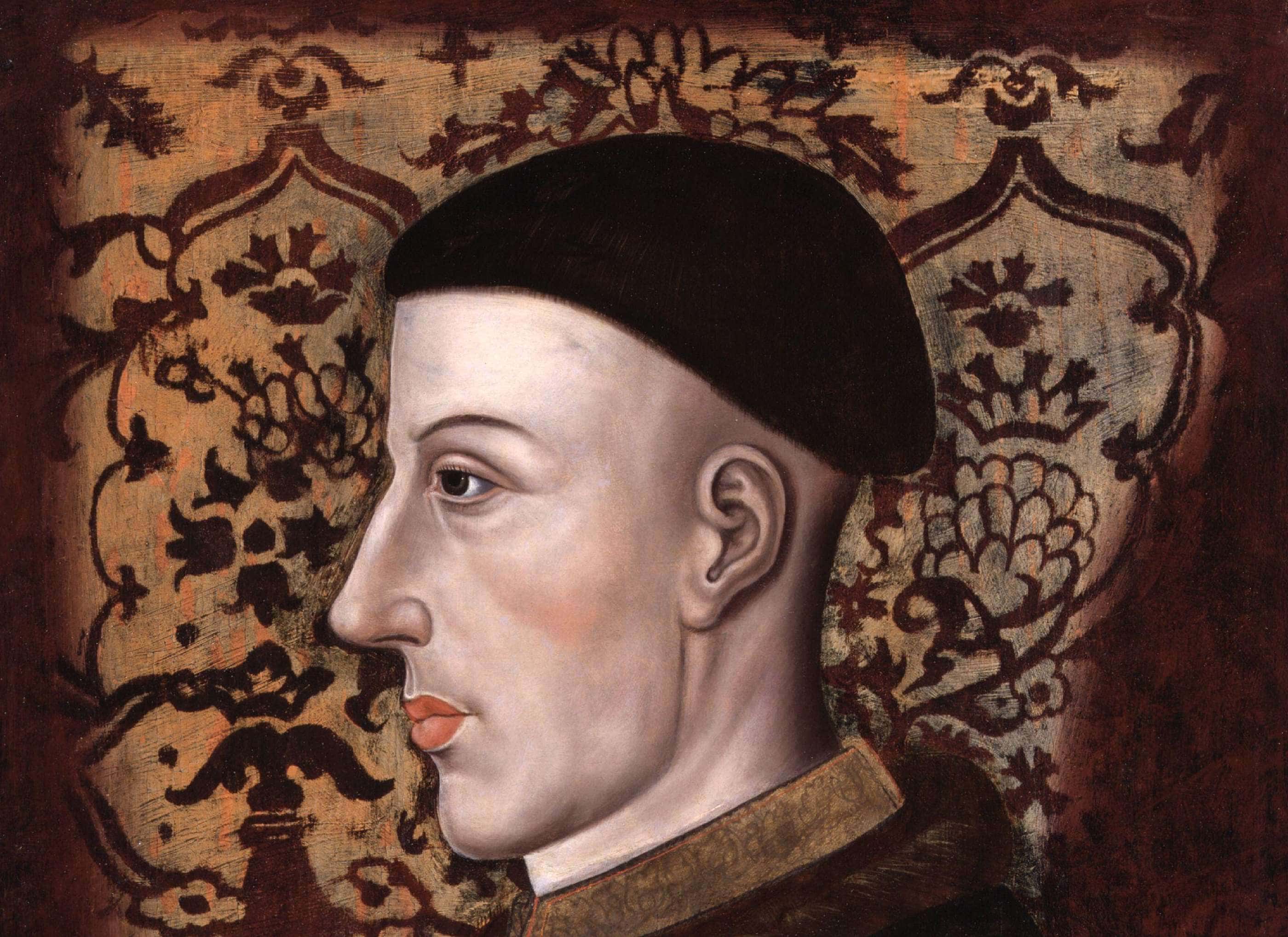
By 1410, the king’s health was so precarious that his eldest son, Henry of Monmouth assumed control of the government. Three years later Henry IV died leaving his son to succeed him as Henry V of England. Joan became a widow and dowager queen.
Whilst Joan could have taken the opportunity of her husband’s death to return to Brittany, she chose instead to remain in England. During the first few years of the transition from father to son, Joan maintained a close and successful relationship with her stepchildren, particularly with Henry who allowed her unlimited use of his numerous royal castles.
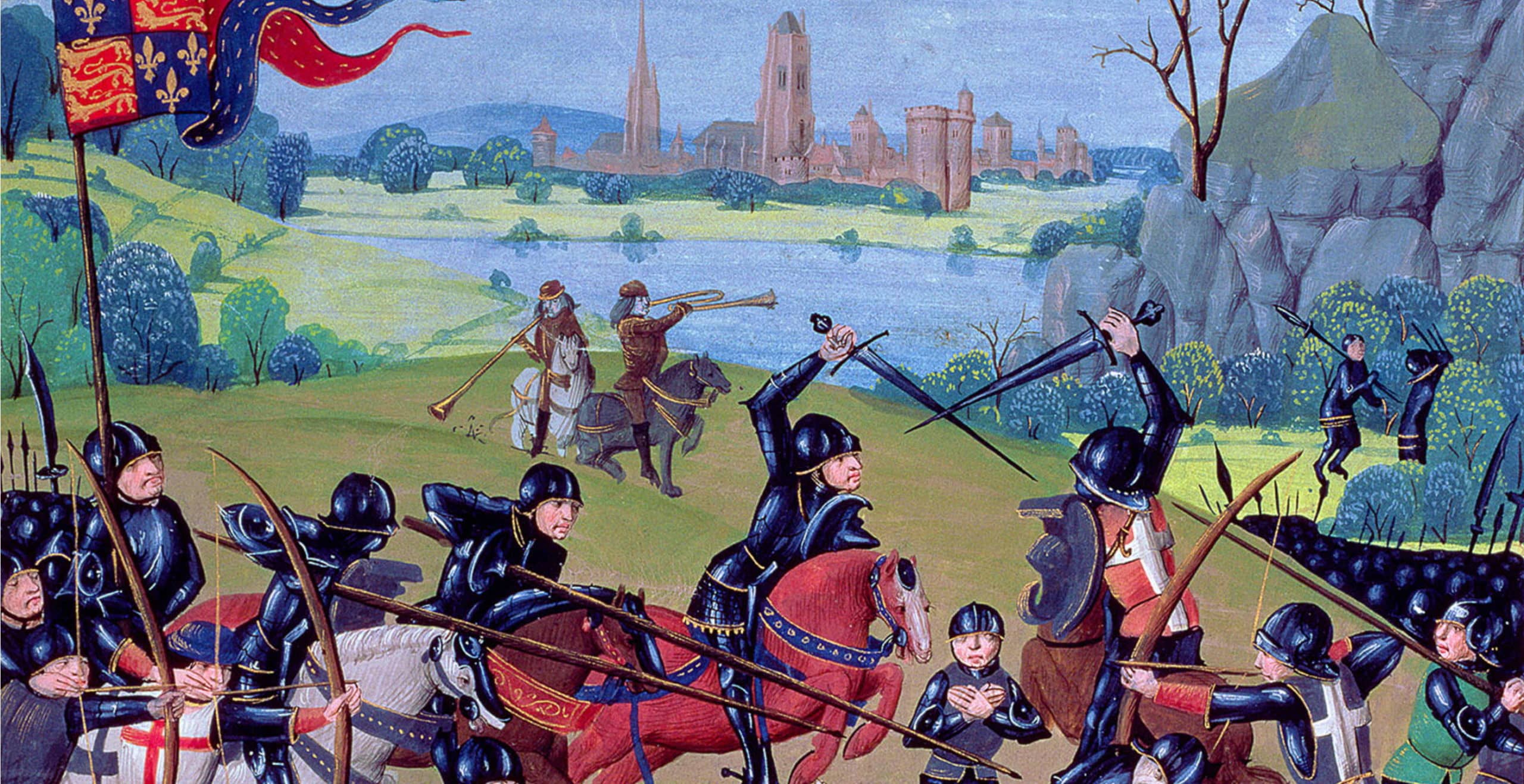
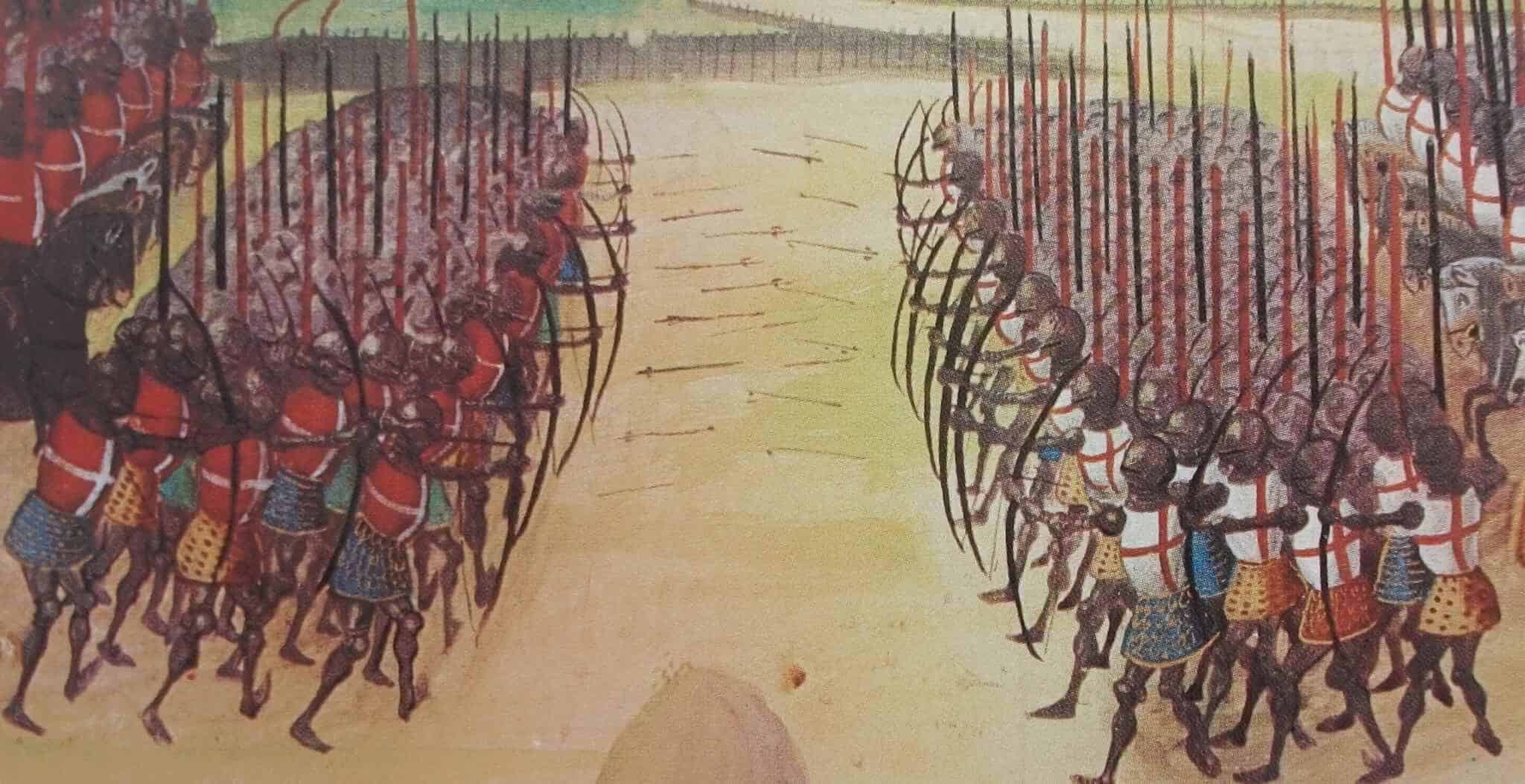
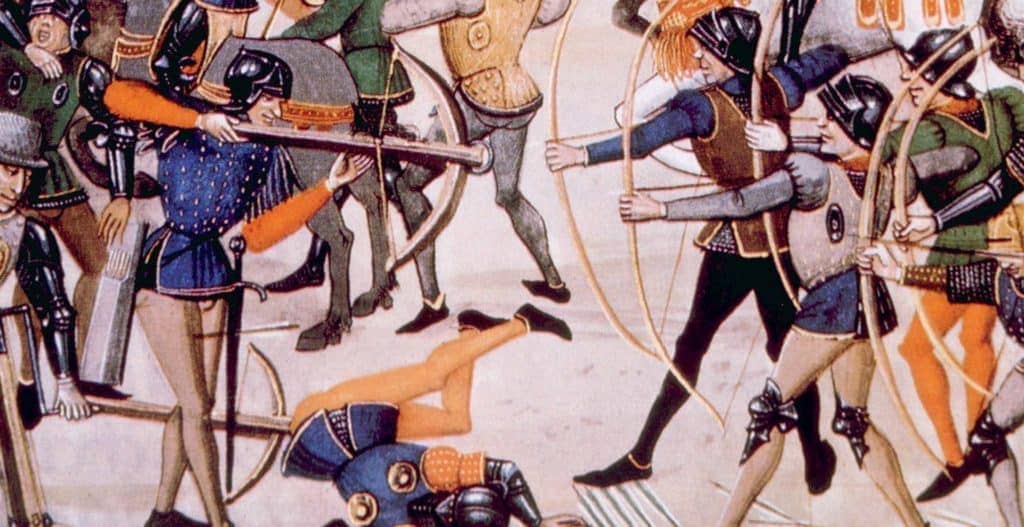
Meanwhile he was busy in France resuming a new stage of the Hundred Years’ War which would become known as the Lancastrian phase. This, his first military campaign against the French, included the famous victory at Agincourt.
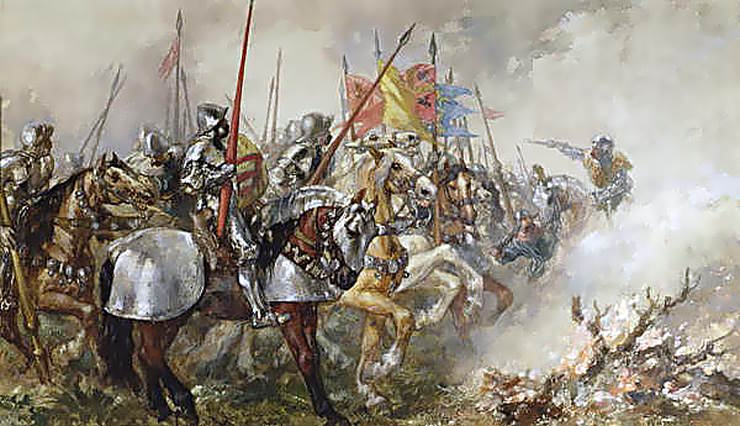
With the king preoccupied in France, Joan effectively maintained her regal role during his absence. This arrangement worked well until his return four years later, when he travelled back to England taking her son, Arthur of Brittany with him as a prisoner. Such an act permanently damaged the stepmother and stepson’s relationship, as Joan unsuccessfully attempted to secure her son’s release from incarceration.
Moreover, Henry V began to resent Joan’s generous dowry, of which she was still in receipt, as the money could have been used to serve his growing military agenda.
By September 1419, their relationship had decayed considerably and Joan was subsequently accused of witchcraft and sorcery, with the view of ultimately killing the king. This accusation was levelled at her by her own priest Friar Randolph, who stood before Parliament to claim that she was scheming to murder the king.
In response to this, Henry had all of Joan’s property and considerable fortune confiscated and in an unprecedented move in medieval kingship, had the dowager queen imprisoned at Pevensey Castle in Sussex.
Beginning her incarceration in December, she was placed in the guardianship of Sir John Pelham who had been defending the castle and had previously helped Henry IV in his effort to to usurp Richard II.
Joan was held captive at Pevensey in relative comfort, avoiding the seclusion and darkness of the dungeons which was the preserve of the poorest prisoners.
During this time, she was permitted to keep servants and receive guests. Whilst her captivity was made as comfortable as possible, the contrast between her previous life of luxury and her imprisonment was stark.
Moreover, whilst she was accused of heinous crimes against the king, the charges were never brought in front of a court, demonstrating how Henry used the unsubstantiated claims to simply hold her in captivity, with no serious intention of believing or pursuing the alleged crimes
Eventually she was moved from Pevensey Castle and transferred to Leeds Castle in Kent, where she would hear of her upcoming release in 1422.
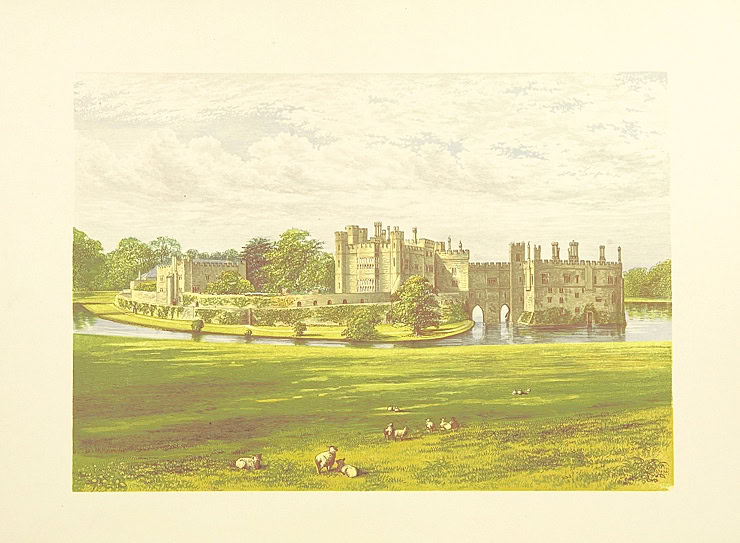
Her three years spent in prison had finally come to an end, coinciding with the poor health and subsequent death of her stepson Henry V, who died just six weeks later.
His instructions were to release her and restore her property and lands, thus allowing her to reclaim not only her freedom but also her previous life.
After suffering in captivity for the last few years, Joan wanted nothing more than to embrace a quiet and unassuming life, spending it in seclusion and comfort.
Joan subsequently retired from political and public life, and lived with her own court at Nottingham Castle where she was allowed to stay during the reign of the new king, King Henry VI
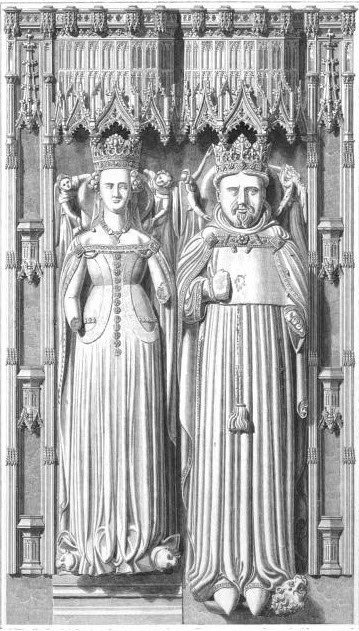
In June 1437 she passed away and was laid to rest at Canterbury Cathedral next to her husband, Henry IV.[/caption]
Jessica Brain is a freelance writer specialising in history. Based in Kent and a lover of all things historical.
Published: 6th August 2026.