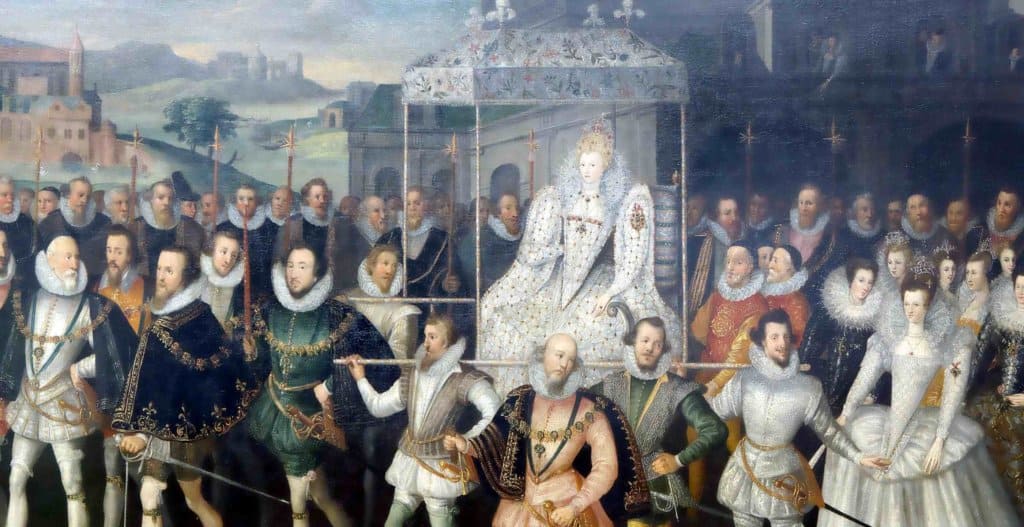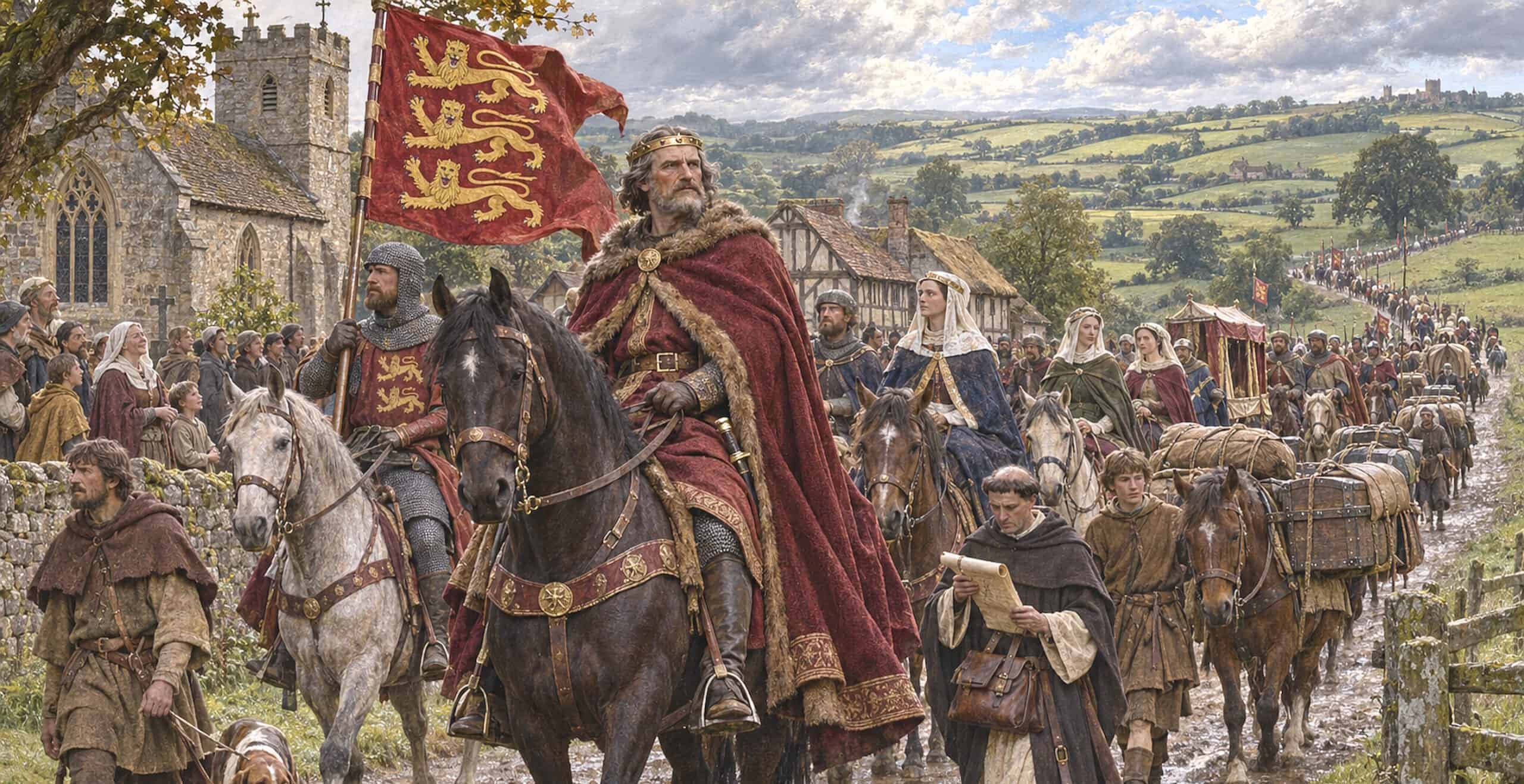


To the modern observer accustomed to centralised capital cities, permanent government offices like those in Whitehall and digital bureaucracy, the medieval monarch appears to be perpetually displaced. Rulers such as Henry II, Edward I, and even the often-maligned Henry III spent an extraordinary amount of their reigns in motion around their kingdom. They traversed muddy tracks, forded swollen rivers and cramped in draughty castles or monastic guesthouses. Yet, this constant wandering was neither an eccentric peculiarity nor accidental nomadism; it was the essential engine of medieval governance. Each of them was literally performing the King. In an era before permanent standing armies, robust civil services and instantaneous communication, power could not be projected effectively from a static seat.
Governance depended utterly on royal presence, far and wide.
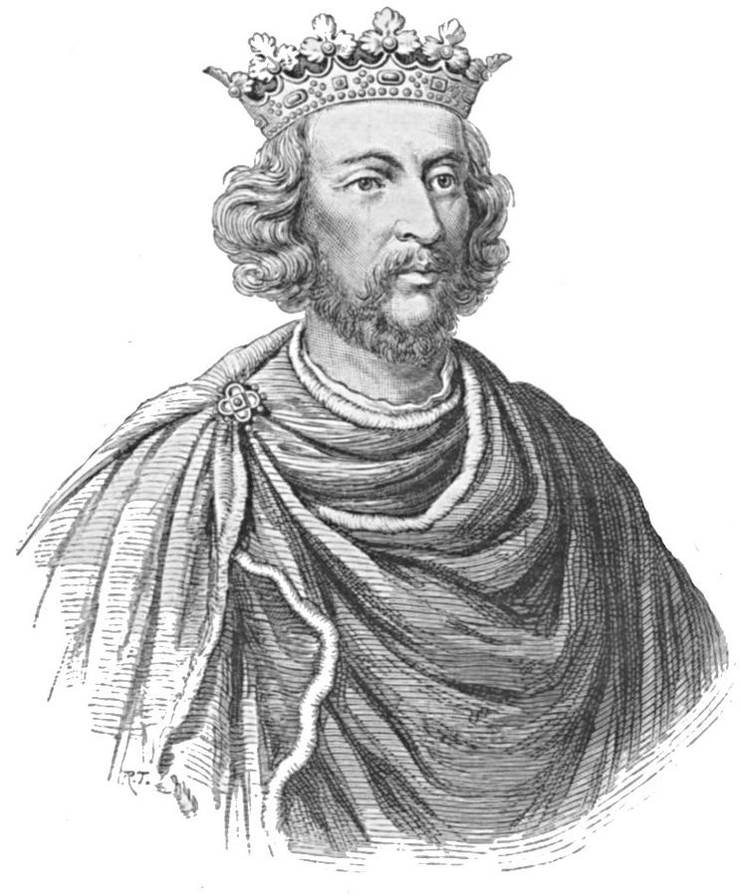
The fundamental reality of medieval political structures was personal loyalty. Unlike modern nation states governed by abstract institutions and constitutional frameworks, medieval realms were held together by networks of oaths, personal fealty and direct interpersonal relationships. If a king remained sequestered in a single palace, his authority quickly dissolved at the peripheries of his kingdom.
By physically moving the royal court – consisting of the monarch’s family, close counsellors, chamberlains, clerks and an armed retinue – the king brought the centre of power directly to the localities. This itinerancy served multiple vital functions that sustained the political order.
First and foremost, local barons, sheriffs and regional magnates were far more likely to honour royal decrees and pay taxes when the monarch and his armed retinue were encamped just miles away. Physical proximity acted as an immediate deterrent against rebellion and tax evasion.
Furthermore, the king was viewed as the ultimate fountain of justice. Travelling allowed litigants, victims of local oppression and aggrieved communities to petition the sovereign directly, bypassing corrupt or partial local courts. Finally, feeding a royal household numbering in the hundreds was a monumental logistical challenge. Rather than hauling vast quantities of grain and livestock across impassable road to a single capital, it was far more efficient for the king and his court to move from royal manor to royal manor, consuming local agricultural yields directly on-site and easing the burden of long-distance transport.
To understand the sheer scale of medieval royal travel, one need only examine the surviving administrative documents, such as wardrobe accounts and witness lists on royal charters.
Historians tracking the itineraries of English monarchs have revealed astonishing levels of mobility.

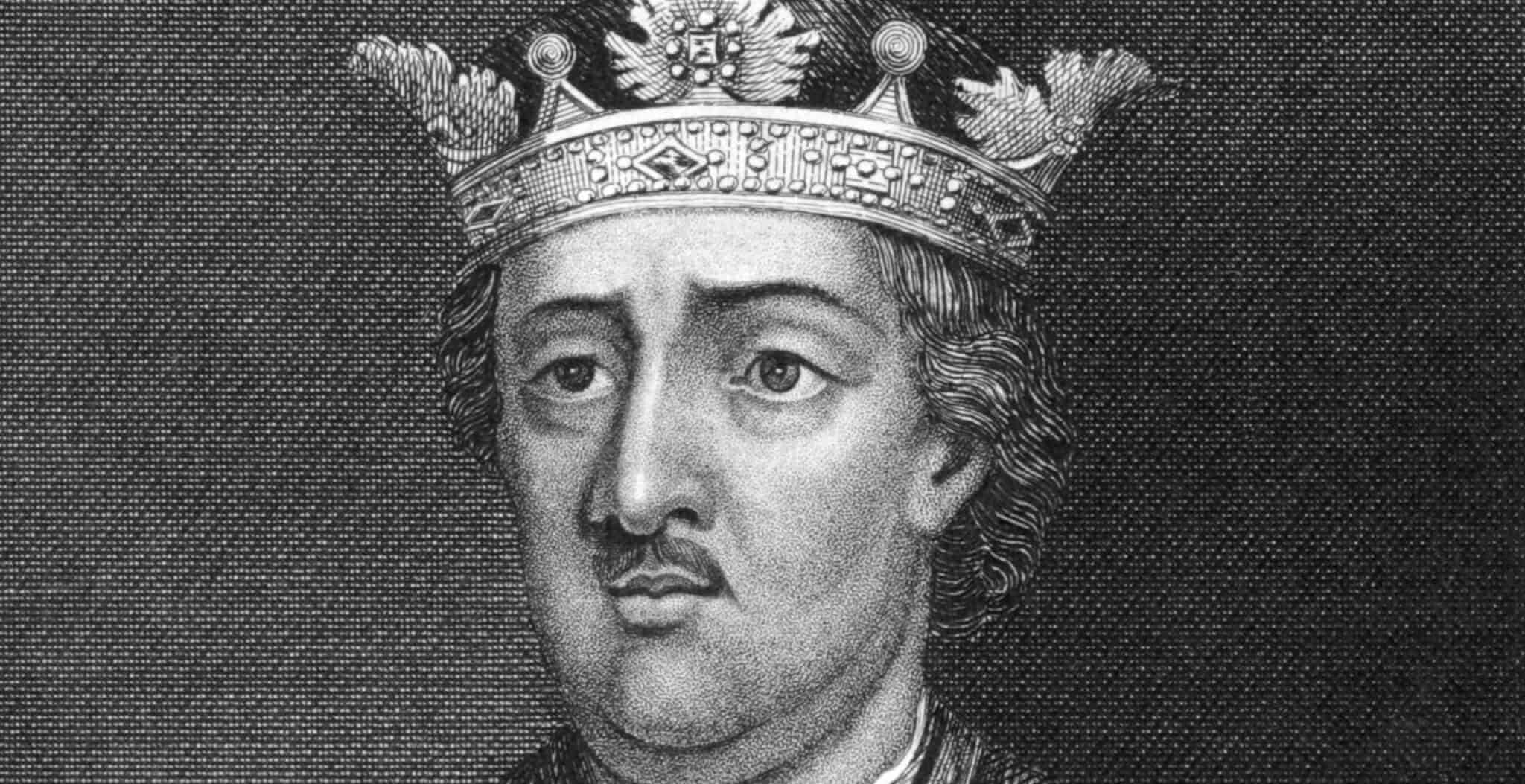
Henry II, who reigned from 1154 to 1189, stands out as one of the most effective and energetic rulers of the Middle Ages, operating as a relentless traveller. His vast Angevin Empire stretched from the Scottish border down to the Pyrenees, requiring him to cross the English Channel dozens of times amidst endless domestic rebellions, baronial disputes and continental diplomacy. Henry’s contemporaries often marvelled at his restless energy, observing that the king seemed to be everywhere at once, confounding his enemies by his sudden and unexpected arrivals across his sprawling domains. Medieval chronicler, Peter of Blois, remarked famously on the frantic pace of Henry II’s court:
‘When the king sets out in the morning, you are regulars to see men running about like madmen, beating their horses, rushing their baggage trains, and transforming the whole scene into the likeness of a routed army.’
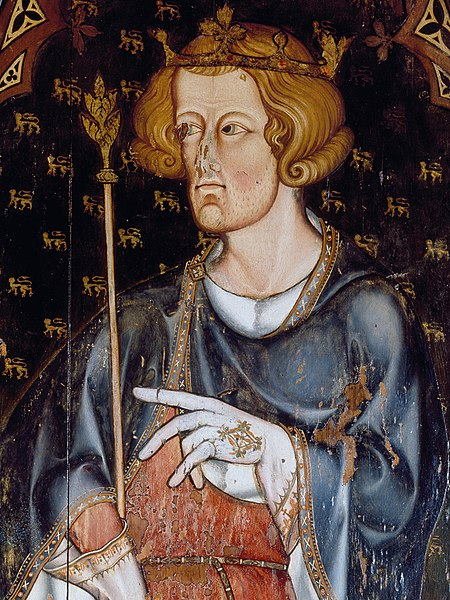
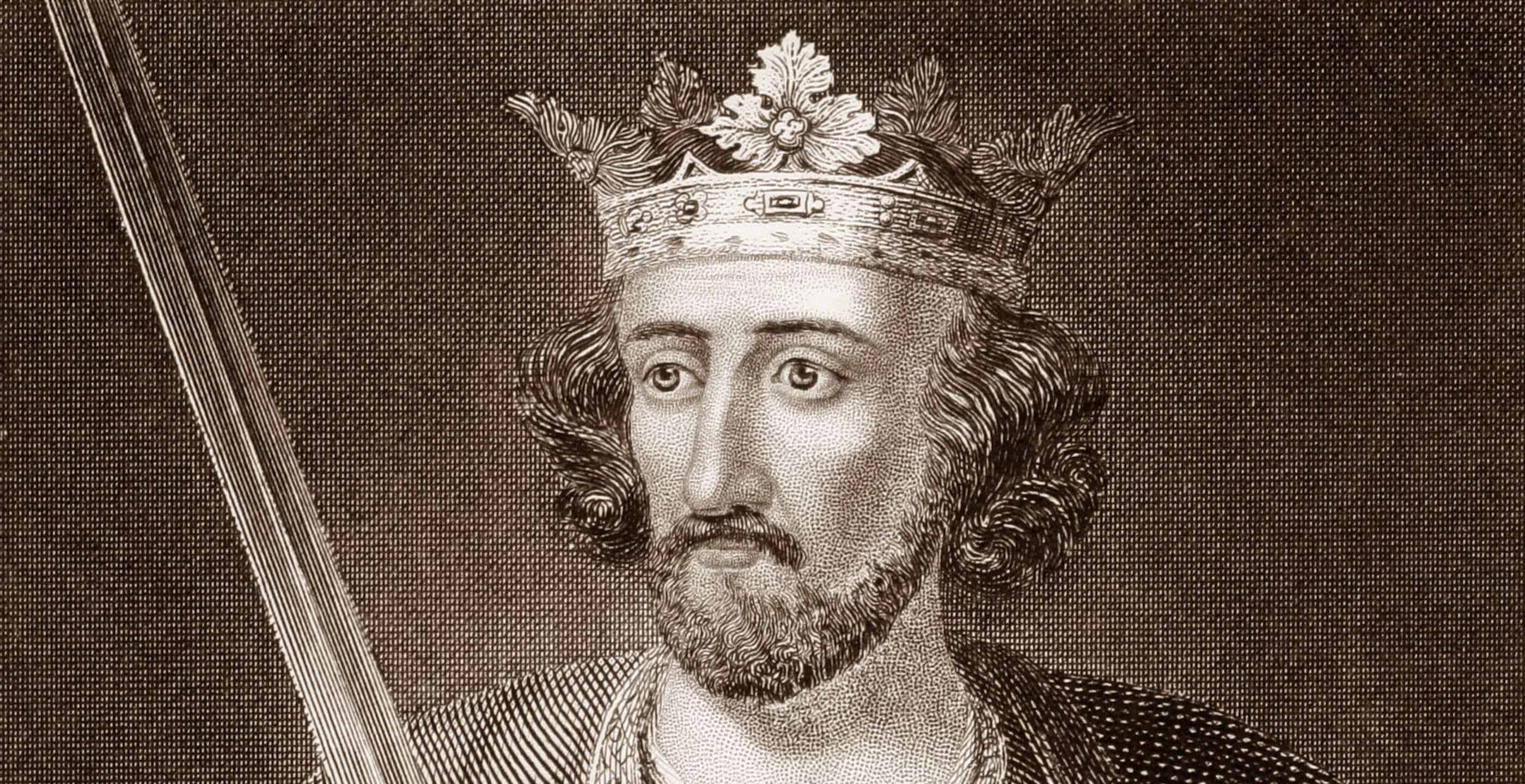
Similarly, Edward I, who reigned from 1272 to 1307 and was frequently dubbed the Hammer of the Scots, spent his decades-long reign crisscrossing Britain and Gascony. Edward’s itineraries demonstrate how travel was intimately tied to military campaigns and territorial consolidation. Whether subduing Welsh princes, arbitrating Scottish succession disputes, or raising funds for continental wars, Edward’s court operated essentially as a mobile command centre. His commanding presence in the Welsh marches or northern England signalled both an immediate military threat and an administrative anchor, forcing recalcitrant lords into submission.
The constant motion of the royal court had profound structural effects on the development of English and European institutions. Far from being a chaotic disruption, itinerancy catalysed administrative centralisation.
As long as the king was travelling, the administrative machinery had to travel with him.
Official documents, charters and writers were drafted on the road by the royal chancery.
 Created in the late 12th to early 13th century from the curia regis, the King’s Bench initially followed the monarch on his travels. The King’s Bench finally joined the Court of Common Pleas and Exchequer of Pleas in Westminster Hall in 1318, making its last travels in 1421.
Financial audits and tax collections were processed by the Exchequer, which eventually established a permanent home at Westminster by the twelfth and thirteenth centuries, even as the king himself continued to roam. This functional split marked and important milestone in political history: the institutionalisation of government separate from the physical body of the monarch, laying the foundational groundwork for the modern state. To handle the overwhelming volume of legal disputes encountered during royal progresses, kings like Henry II dispatched royal judges – known as justices in eyre – out from the court into the various shires.
These mobile judges heard local pleas, settled land disputes and enforced the royal peace across the country. This system was instrumental in establishing the English common law, creating a unified legal standard across disparate regions that superseded fragmented and often contradictory local customs.
Beyond practical administration, royal itinerancy was an exercise in high political theatre. In pre-modern societies, legitimacy was fundamentally performative. When a king entered a provincial town or baronial stronghold surrounded by banners, armed guards, and clerical dignitaries, it served as a physical manifestation of royal majesty. Grand feasts, coronations held outside London, and public audiences allowed subjects to touch, see, and fear their sovereign. This built a deep reservoir of emotional loyalty and prestige that sustained the crown during times of crisis.
By the late Middle Ages and the dawn of the early modern period, the practical necessity of itinerant kingship began to wane. Several interlocking developments rendered the traveling court obsolete. The growth of bureaucracy meant that government departments grew far too large, complex, and paper-heavy to be packed onto carts and hauled across muddy medieval roads. Expanding archives, permanent treasuries, and specialized courts required fixed, secure brick-and-mortar homes.
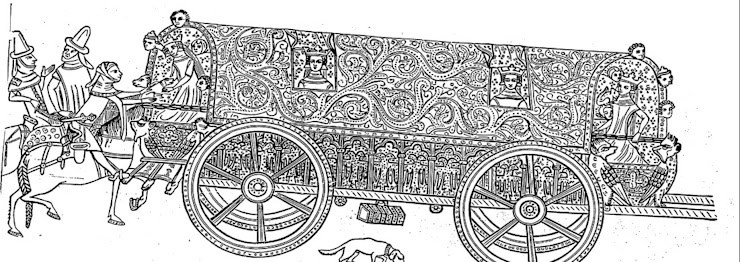 Travelling English Court – 14th century English Carriage. Author: Ezra Funes. CC BY-SA 4.0
Concurrently, financial innovations allowed monarchs to shift away from consuming goods locally toward monetary taxation and sophisticated credit systems managed by centralized banking networks in major urban centres like London, Paris, and Bruges. Furthermore, technological and infrastructural advances, including the rise of permanent capitals, sophisticated postal networks, and improved communication, meant that a king could issue commands from a fixed location and expect them to be executed across distant provinces without personally visiting them.
Itinerant kingship was far more than a lifestyle choice dictated by the lack of a capital city; it was the primary instrument through which medieval governance functioned. By riding constantly through their realms, monarchs like Henry II and Edward I bridged the chasm between central power and local autonomy, cultivated personal loyalty, and laid the institutional foundations of modern administration. In the medieval world, to rule was to ride — and the road was the true throne of the king.
By Matthew Connor Martin, King’s College London.
Published: 19th November 2026
Top image, ‘King Edward I on royal progress, c. 1295. An imagined scene of Edward and his travelling court passing through an English village’, created by ChatGPT 2026.