

Literally meaning ‘Children’s Transport’, Kindertransport was a programme designed to evacuate children from areas controlled by the Germans in the months preceding all-out war. As a result of this scheme, Britain became home for around 10,000 children rescued from locations across Europe including Germany, Austria, Poland and Czechoslovakia.
As part of this scheme, usual requirements for visas and immigration documents were wavered and permitted Jewish children, with no limit on numbers, to escape the persecution they faced at home.
The programme was global in scope and whilst Britain is most commonly associated with ‘Kindertransport’, the evacuation of children in smaller numbers likewise occurred across Europe with evacuees finding homes in the Netherlands, Belgium, Switzerland, France and Sweden.
In the United States, efforts to increase the quota of immigrants was hampered by Congress.
Meanwhile, charitable organisations such as the Central British Fund for German Jewry had been set up earlier in the decade in order to provide relief for Jewish communities falling victim to rising extreme ideologies in Germany and Austria.
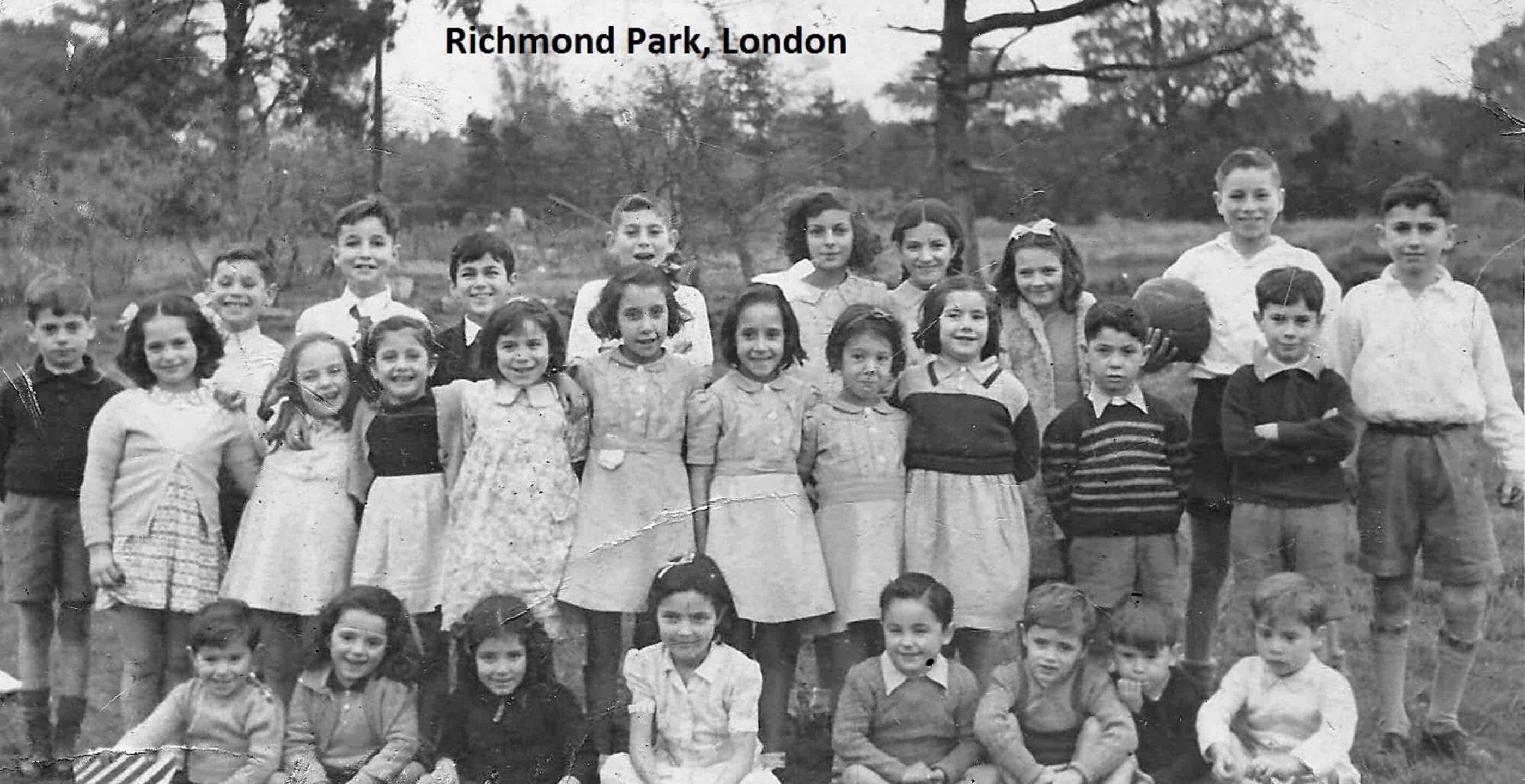
The children who would receive help via the new programme were taken in to British foster homes as well as hostels, farms and schools. Very often unaccompanied, the children in many cases were already the only surviving members of their family.
The necessity for swift and decisive action had been hastened by the barbarity of Kristallnacht (Night of Broken Glass) which had taken place in November 1938 on the streets of Germany and Austria.
Carried out by the Nazi Party’s SA and SS paramilitary groups, as well as the Hitler Youth and willing participants from the civilian population, Kristallnacht demonstrated the intent of German authorities to destroy Jewish homes, hospitals, schools, businesses and places of worship. As a result, around 30,000 Jewish men were taken away, incarcerated and held in concentration camps.
Five days after this devastation unfolded, a delegation of British Jewish and Quaker community leaders took it upon themselves to petition the Prime Minister Neville Chamberlain in order to stress the severity of the situation and appeal for a quick response.
One of those measures discussed was the admission of unaccompanied Jewish children, an issue which finally made it into a bill after lengthy discussions in Parliament.
The result was a bill stating that the government were disbanding with usual immigration requirements to allow unaccompanied children up to the age of seventeen entry into the UK. Under these conditions, no limit on numbers was formally established.
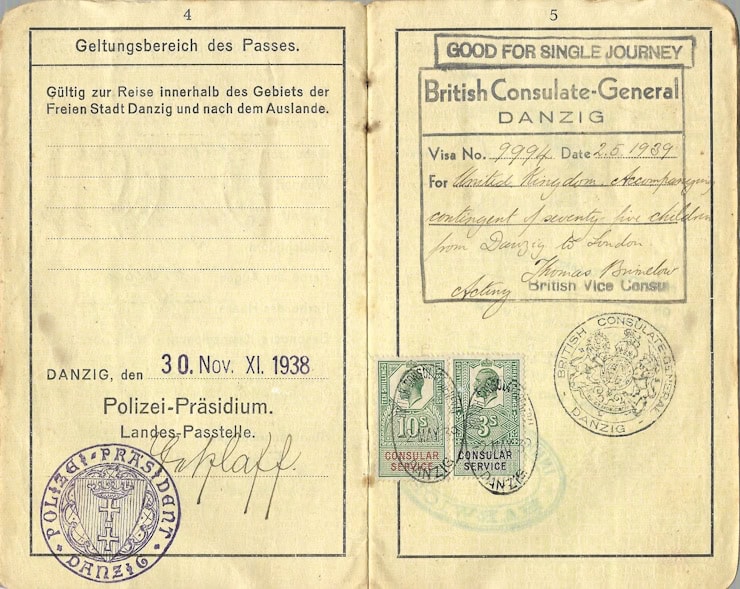
The debate which ensued in the House of Commons had been prompted by the delegation of charitable groups campaigning and pressuring the government on behalf of the refugees. As a result, the groups fell under an umbrella organisation called the ‘Movement for the Care of Children from Germany’. Whilst the government accepted the recommendations of these campaigners, they left administrative and financial responsibilities in the hands of the charities.
The Home Office subsequently declared that any efforts to move children to the safety of the UK would not be hampered by the government, however the task of finding suitable accommodation and funding the project would be arranged by the same communities and representatives who had originally raised the issue.
With government approval, the Movement for the Care of Children from Germany, (later known as the Refugee Children’s Movement), wasted no time in sending representatives to Germany and Austria in order to begin the difficult logistical operation of removing the children and transporting them to the UK.
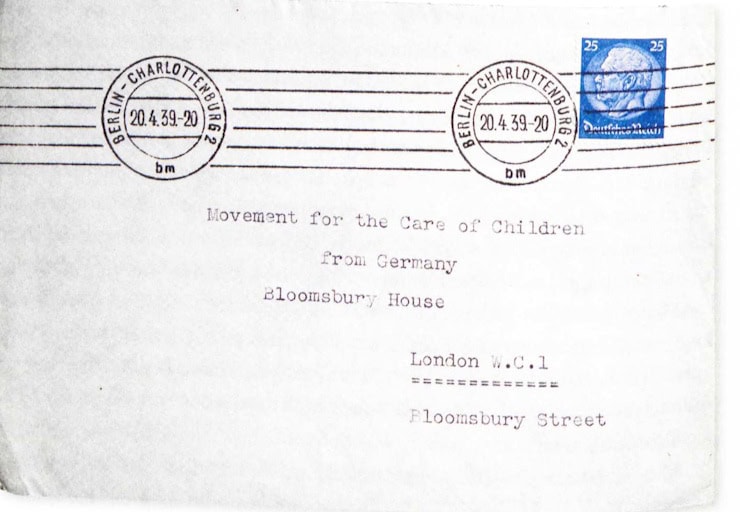
The financial responsibilities of the project were handled by the Central British Fund for German Jewry who provided the monetary backing to support the endeavour.
A list of children was quickly drawn up, selected on the basis of priorities for safety, taking into account issues such as child poverty, orphaned infants and older children who were in danger from the authorities.
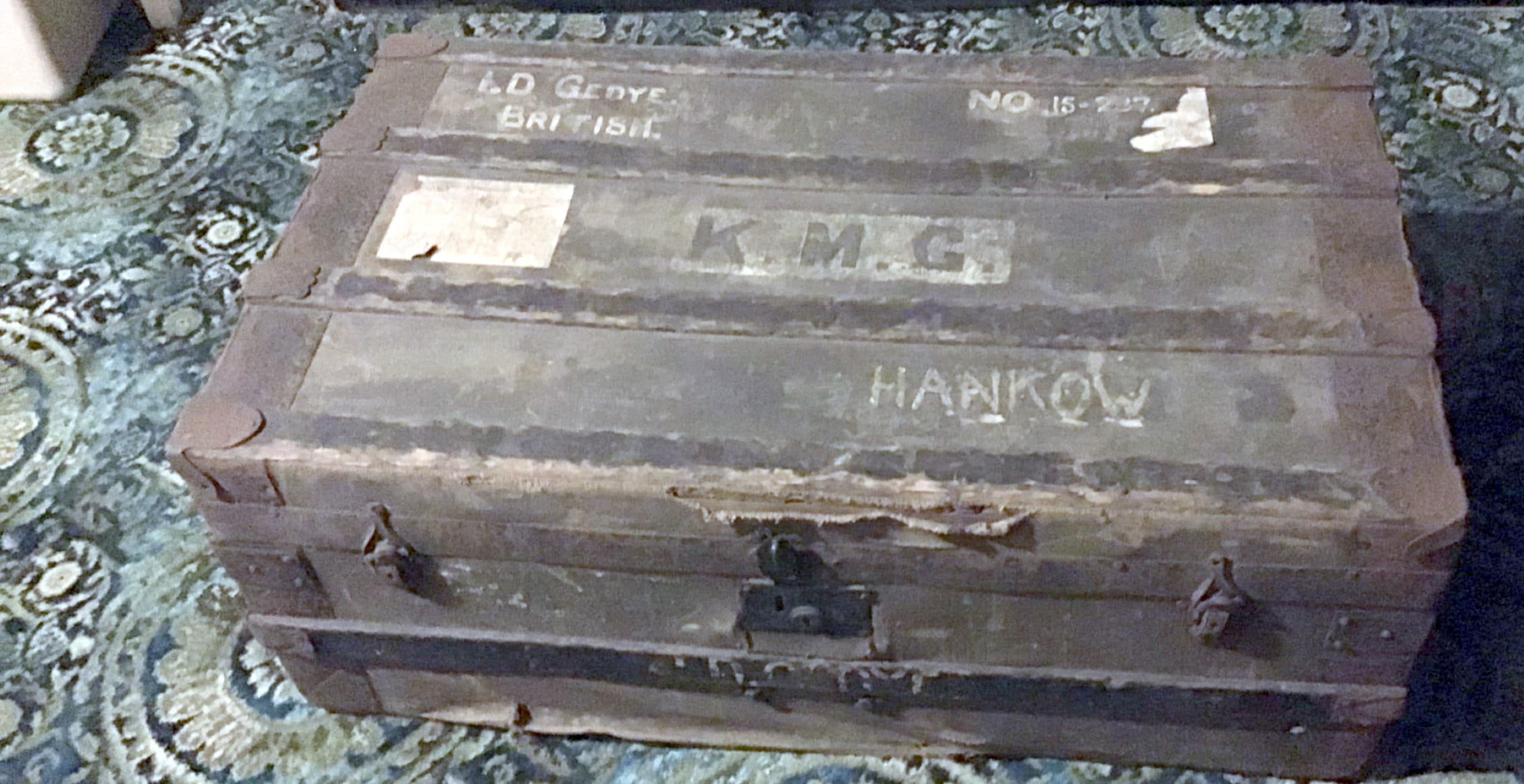
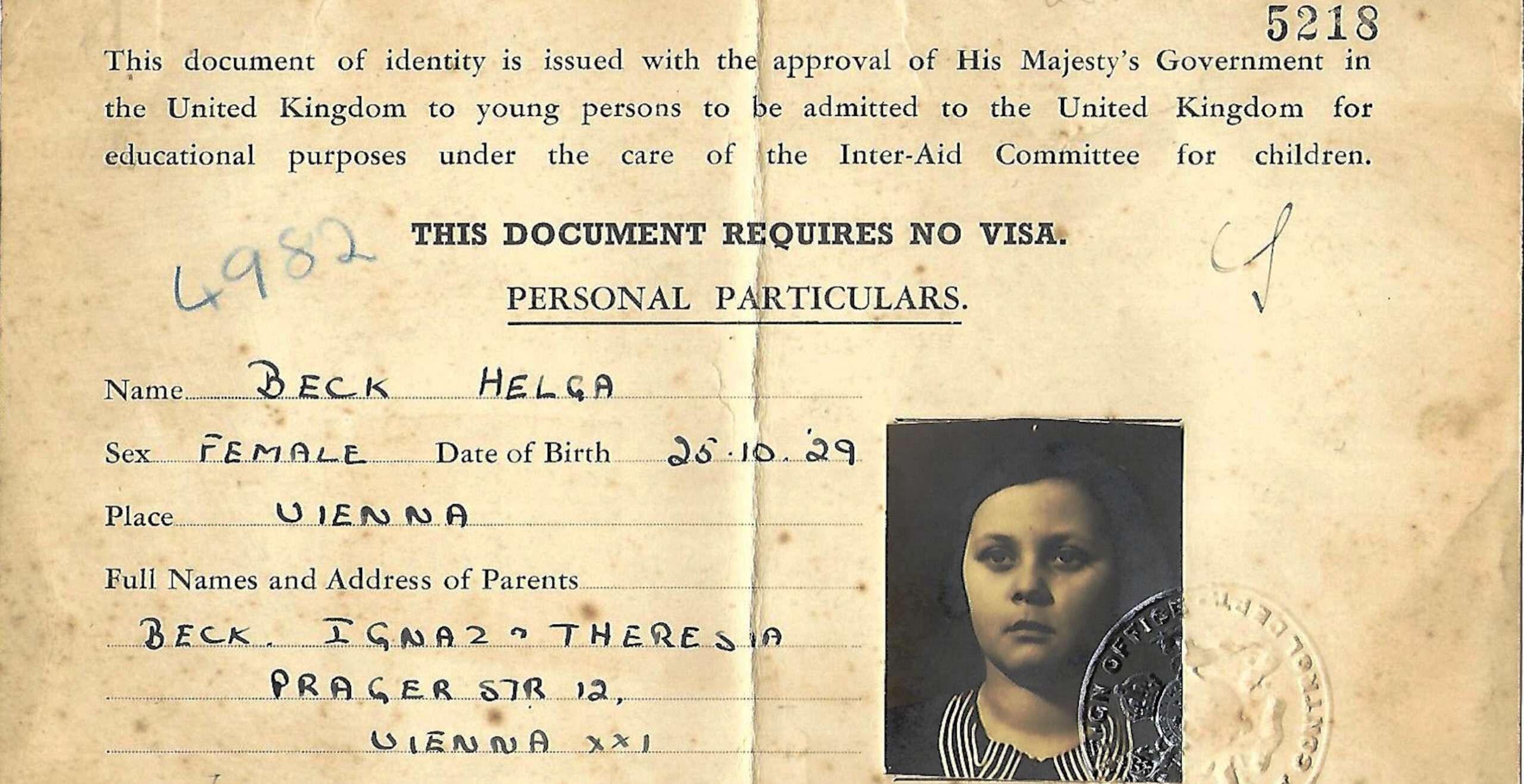
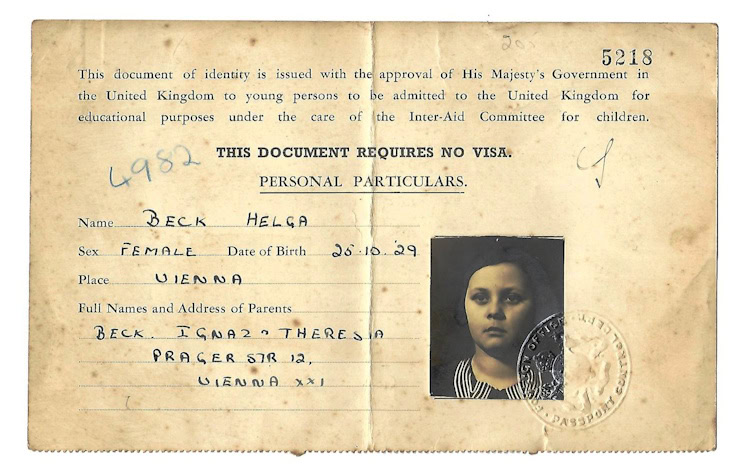
The children were allowed no more than a small suitcase containing basics and ten marks in money, if that. Many children had nothing but a tag with their names written and others an identity card with a photograph.
Back in Britain, the priority was to find suitable accommodation and in late November, the BBC Home Service radio station broadcast an appeal for foster homes. As a result, 500 homes volunteered and were subsequently inspected for suitability. The requirements however were fairly rudimentary, merely clean housing and respectable looking families.
Once these arrangements were in place, the first group of children arrived in England at Harwich, just three weeks after the barbarous Kristallnacht had taken place.
In the months that followed, other children made their way across Europe to their final destination of England. Over the course of less than a year, 10,000 children were participants of the scheme and found themselves rehomed far away from their family and old life.
Whilst many of the children originated from Germany and Austria after the initial surge in violence experienced in these locations, soon the programme was expanded to include children from Czechoslovakia after the Germans occupied the country in March 1939. Hastily made arrangements by organisers helped ferry children out of Nazi-occupied areas across the region throughout the year until September and the declaration of war.
In a dramatic turn of events, as the Germans began to occupy more territory, the last transport to arrive in England was on 14th May 1940 from the Netherlands. A day later, there was no chance to leave, as the Nazis closed down the borders.
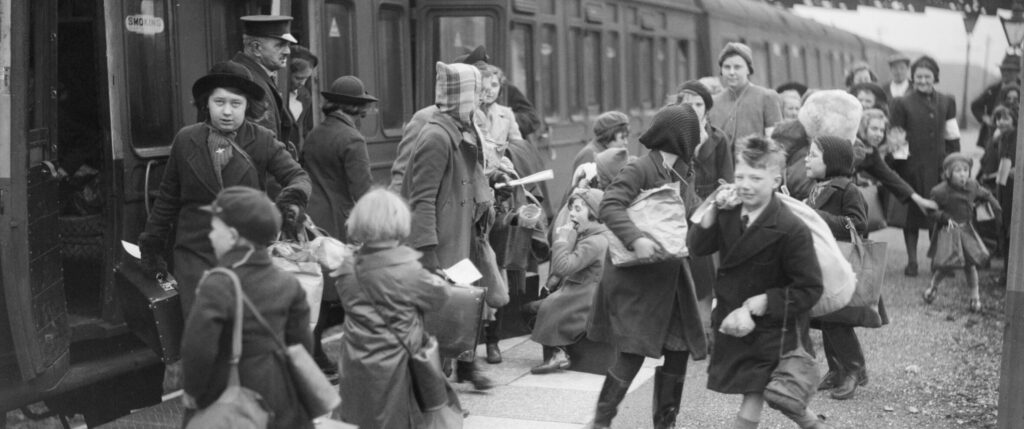
After travelling through many countries to get to Britain, once the children had arrived, some of them would take trains to other locations in order to meet up with their new foster families. Others who had not been assigned family homes were given temporary accommodation in holiday camps.
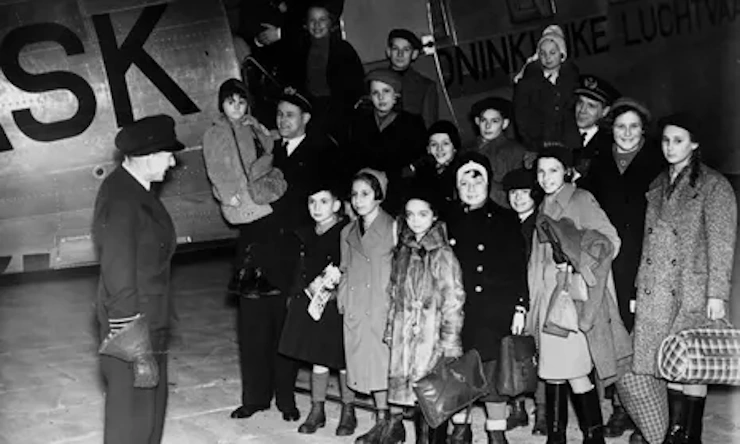
In the first arrival, 198 children arrived in Harwich in December 1938, not long after their Berlin Jewish orphanage had been burned down.
Another group subsequently made its way from Vienna with 600 children, assisted by the efforts of a Dutch organiser Geertruida Wijsmuller-Meijer who made great attempts to negotiate with Adolf Eichmann, who finally relented and gave her 600 children to transport (hoping the sheer number would be too overwhelming for her to cope). She was able to ferry out 500 children to England and another 100 found homes in the Netherlands.
Such vast numbers proved to be logistically challenging and in many cases children who were left without foster families were found alternative accommodations such as the Whittingehame Farm School in Scotland, on the estate of the family home of former Prime Minister Arthur Balfour.
In the course of a year, thousands of children were being transported out of German occupied territory and taken to safety in England. Such a task was administratively difficult, time-consuming and financially draining. By September 1939, the charity ran out of money and the last group left Germany on the day that Germany invaded Poland.
In the end, 10,000 children had managed to be moved during the nine months leading up to the war, helped by the efforts of volunteers who worked tirelessly to ensure that as many children as possible were rescued.
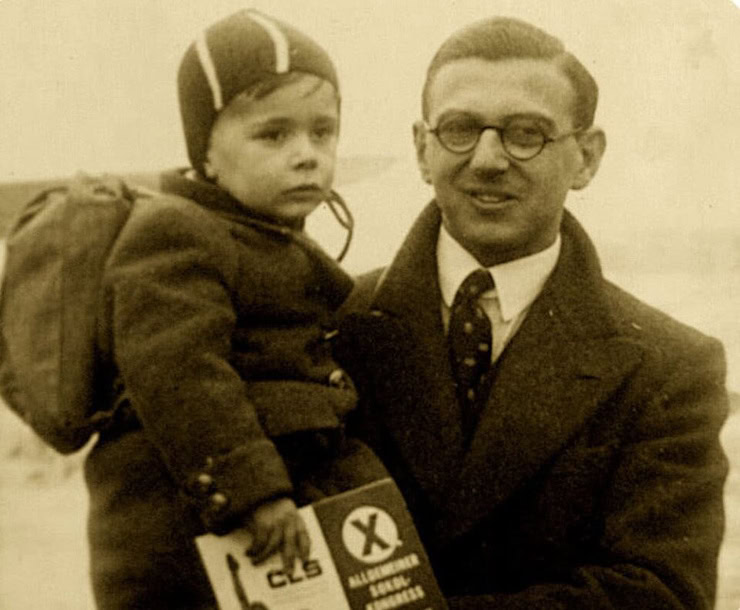
Important figures in orchestrating these efforts included Nicholas Winton, a British stockbroker of Jewish heritage who assisted in the work of volunteers in Czechoslovakia. Wilfrid Israel, who provided important intelligence regarding Nazi activities, was at the forefront of ideas for initiating a plan of rescue for Jewish communities, aided by the efforts of British Quakers. Meanwhile, Rabbi Solomon Schonfeld housed many children in his own London home and provided countless other Jews with papers in order to escape.
As the war entered a new phase, in June 1940, Churchill gave orders for all male 16-70 year old refugees from enemy countries to be interned. For many children who had turned sixteen, this meant that they now faced internment in camps such as those on the Isle of Man. It has been estimated that around 1,000 Kindertransport children were now ‘friendly enemy aliens’ under supervision in internment camps for the duration of the war.
Once they had turned eighteen, the camp internees were given the chance to do war work. This result in around 1000 ‘kinder’ serving in the British armed forces. For many in particular, being bilingual meant that they joined elite divisions involving valuable intelligence work.
The fate of many of these refugee children, now placed in internment camps, was fiercely debated in the House of Commons with many politicians expressing their dismay and calling for the measure to be reversed.
In 1945, the war eventually came to an end and Germany was defeated. The resulting euphoria was quickly followed by requests to find loved ones, with agencies dealing with overwhelming paperwork detailing children looking for their parents, or any other surviving relatives.
For some lucky few, the discovery of a surviving relative brought an opportunity for a long-awaited reunion, but for many others the picture was much bleaker.
Like countless others after the war, many were forced to rebuild their lives with the small fragments of their pre-war life. Millions of displaced persons, unaccompanied minors, returning soldiers and a post-war Germany divided by Allied powers and Soviet authorities, resulted in a new battle for survival, to rebuild and reclaim life and start again.
Out of these survivors came thousands of young people who escaped the fate of the Holocaust thanks to the immeasurable efforts of volunteers across Europe and the programme known as Kindertransport.
Jessica Brain is a freelance writer specialising in history. Based in Kent and a lover of all things historical.
Published: 9th June 2026.