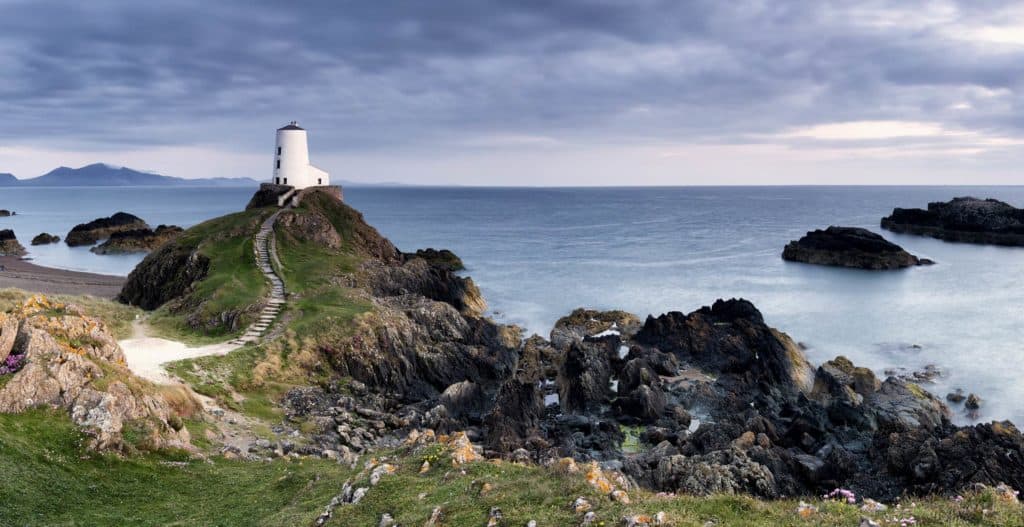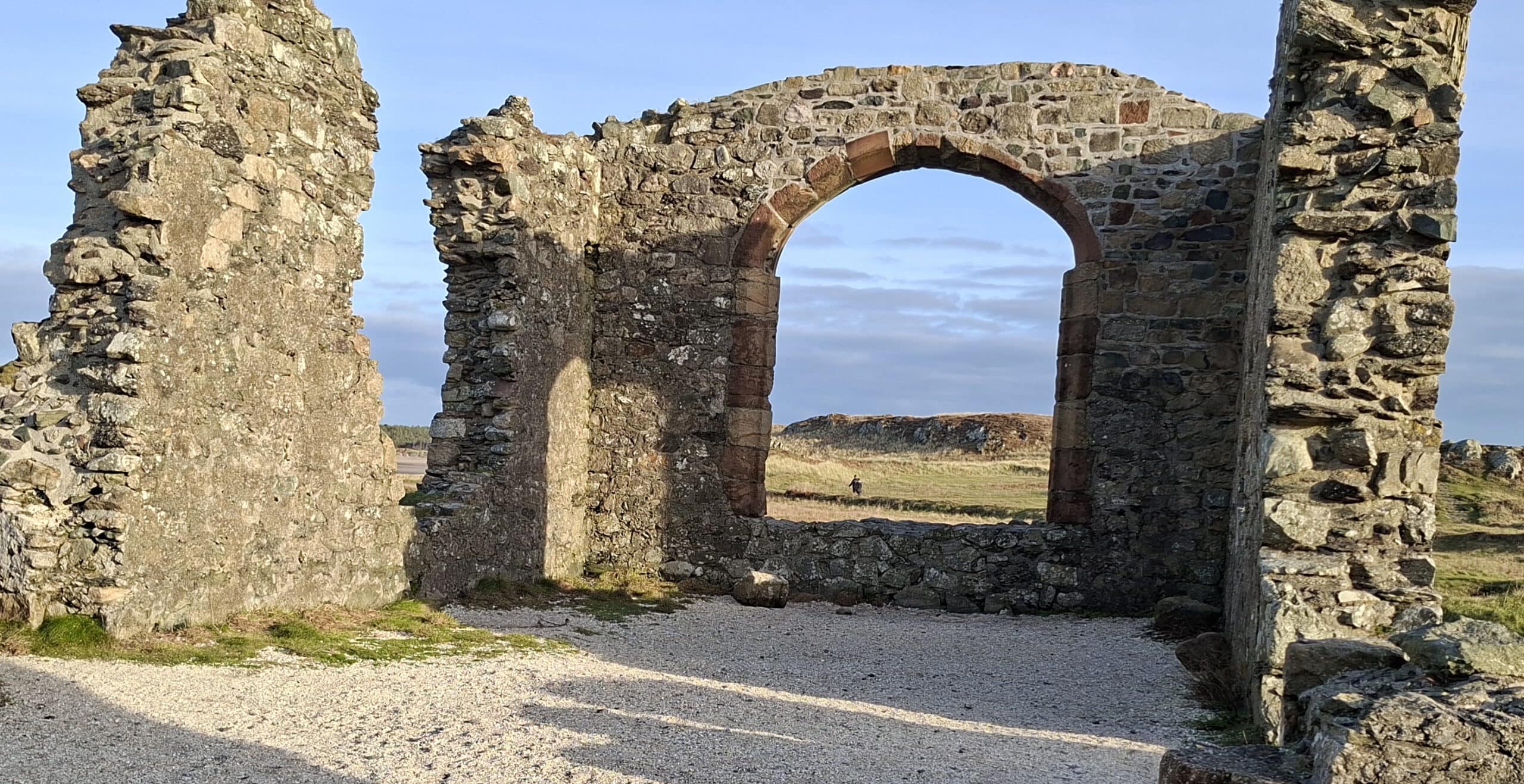


As the winter sun shone over the golden sands of Newborough Warren on the Welsh Isle of Anglesey one late December morning, I was unaware the route I was following had been well trodden by pilgrims heading towards the church of the Welsh patron saint of lovers, the equivalent of St. Valentine, St. Dwynwen. This church is on a small grassy island called Ynys Llanddwyn which directly translates to the ‘Island of the Church of St. Dwynwen’.
The small outcrop has a fascinatingly varied history which includes mythological, maritime and geographical stories. In this article I dive into the history and landscape of this hidden gem jutting into Caernarfon Bay at the south-western entrance to the Menai Strait which is accessible on foot only at low tide.
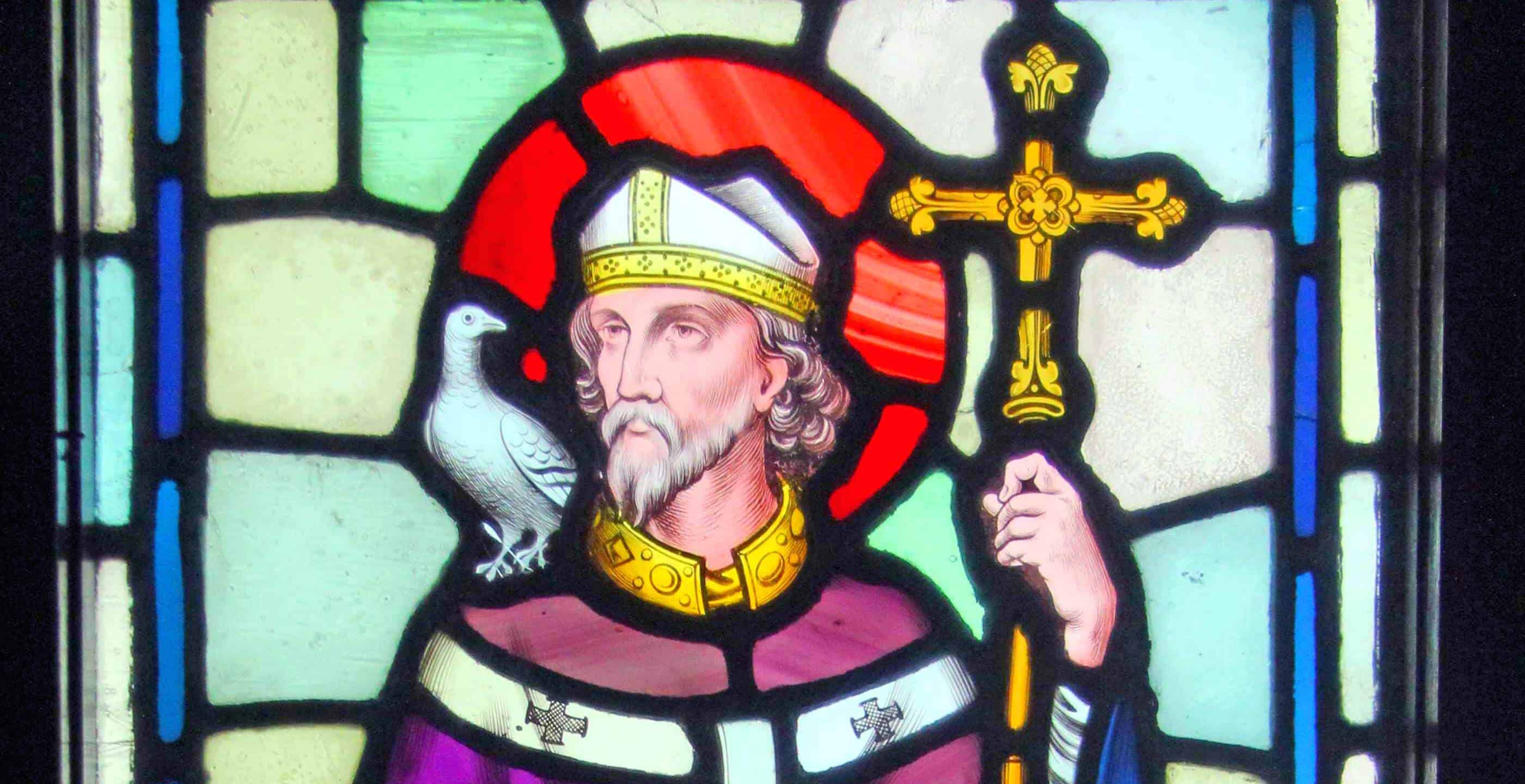
Llanddwyn’s history begins in the fifth century with the birth of St. Dwynwen, who was one of 24 daughters of St. Brychan, a Welsh prince of Brycheiniog (Brecon). Depending on which story you read, Dwynwen soon fell in love with a young man called Maelon, but rejected his advances with either a desire to become a nun or because her father wanted her to marry another man. This left the young lady in an unhappy situation and as a result she prayed to be released.
Legend says she was soon given a potion by an angel which turned her former lover, Maelon, to ice. Furthermore, she prayed for three wishes to be granted to her including that ‘Maelon be revived’ alongside the idea ‘that all true lovers find happiness’ something she had been unable to find for herself. Dwynwen would later retreat to Ynys Llanddwyn to live the rest of her life as a hermit.
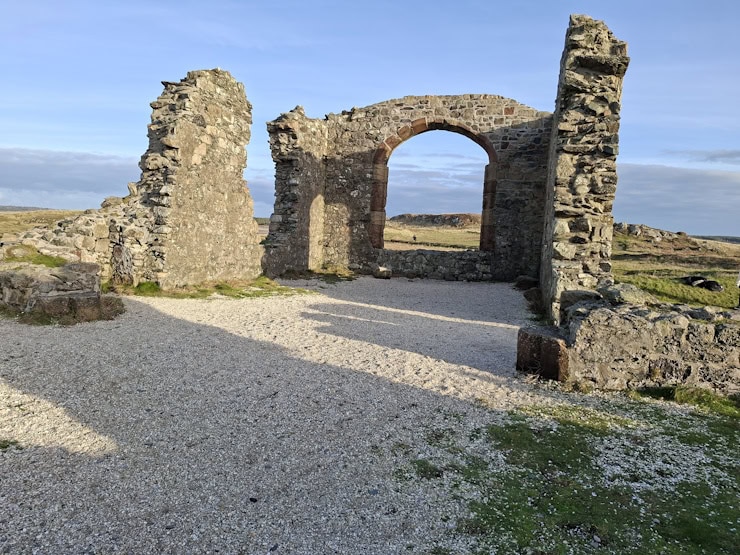
Due to her romantic story, she became the patron saint of lovers and many hundreds of devoted pilgrims headed to pay their respects to her holy well. Visitors to the picturesque Anglesey outcrop would also leave offerings at her shrine which resulted in the area becoming one of the richest locally during the 16th and 17th century. As a result, this funded the latest phase of rebuilding of a chapel on the site of the original structure. The ruins of this chapel can still be visited today with the footprint of the various rooms and windows still visible with a small panel offering some information on the history of the building.
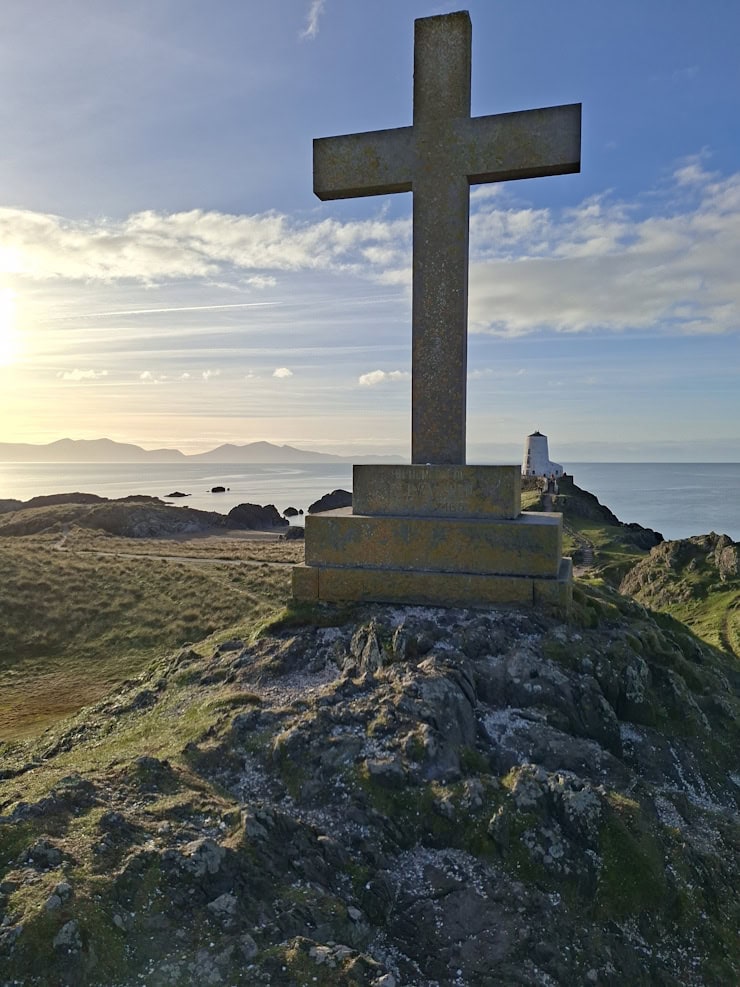
This isn’t the only building on this island which sits at the entrance to the Menai Strait. As you head on from the church you will come to a large stone cross dedicated to St. Dwynwen and then on to a now weather-worn Victorian-era lighthouse with paint peeling off the windswept whitewashed building. Tŵr Mawr lighthouse, as it is known, was built in 1845 to accompany the older Tŵr Bach lighthouse which is situated at the tip of the small island and provided navigational guidance to ships carrying slate from the surrounding port towns including Caernarfon.
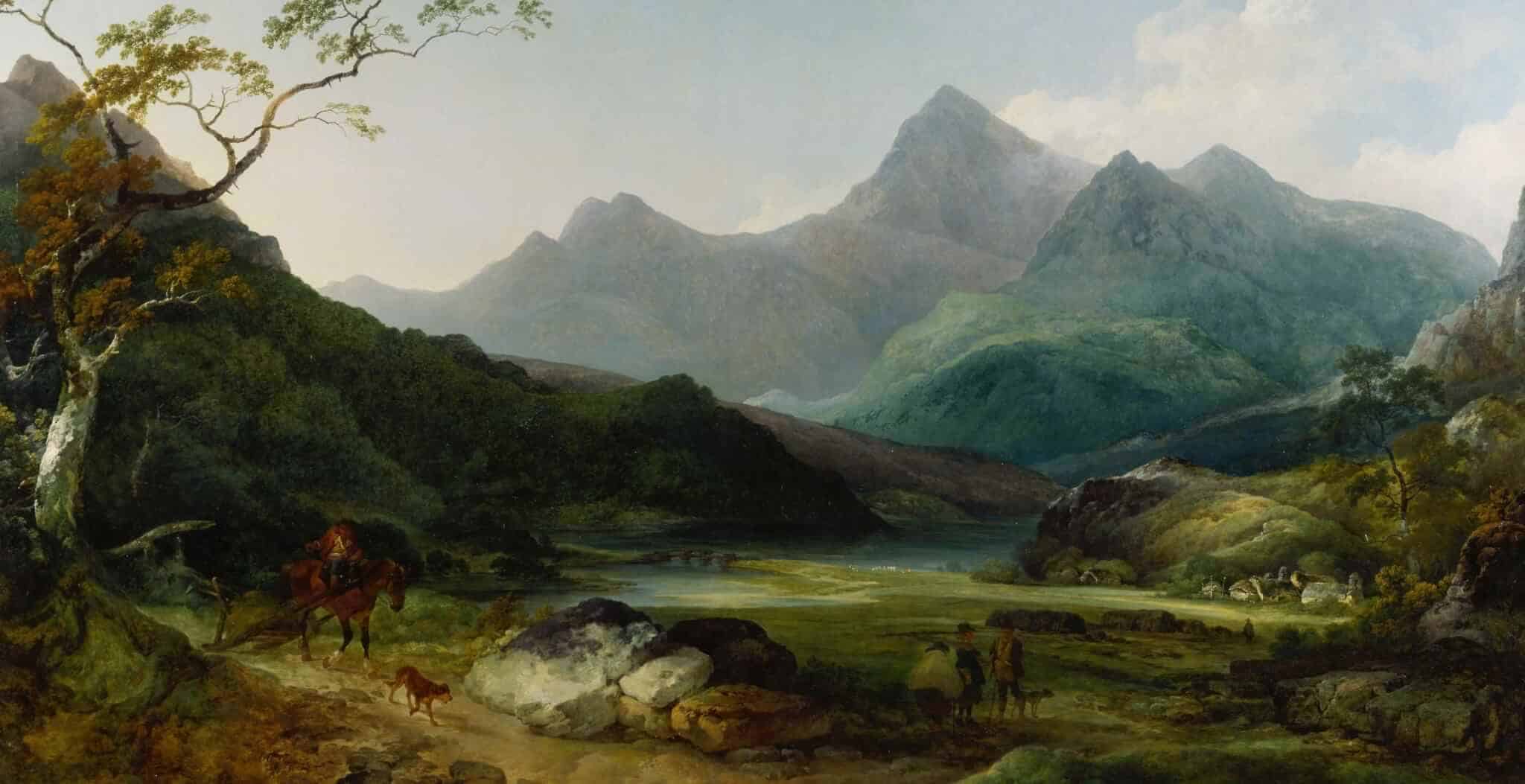
As you stand by either of the lighthouses, the older of which has since been restored and is still providing light to travellers along the treacherous seas, and look out over the Strait the lashing of the waves and the sound of passing birds are all you can hear with a postcard-worthy scene of the Snowdonia mountain range looming behind.
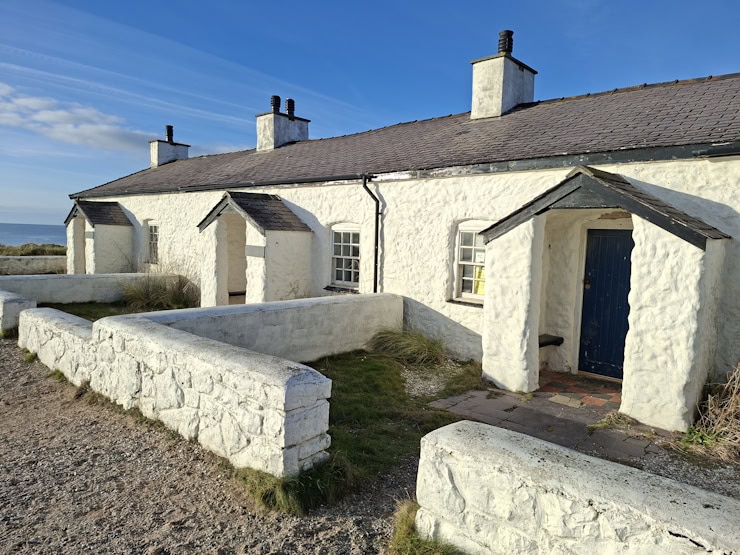
Alongside its navigational importance the island is also home to a row of small whitewashed bungalows. These small homes housed pilots who were tasked with guiding boats through the choppy waters and whirlpools of the Menai Strait. The men also manned a lifeboat from the Island from 1840 until 1903 during which time the brave men in a wooden rowing boat saved 101 lives in 35 incidents. This included three rescues in just seven days in December 1852, where ‘36 sailors from three separate wrecks: Athena (Greek), Die Krone (Prussian) and Juno (Russian)’ were successfully brought back to land.
A North Wales Chronicle article from the 24 December 1852 offers a dramatic account of the wreckage of the Athena which was 83 days into its journey travelling from Alexandria to Liverpool under the captaincy of George H. Colscundi, and the subsequent rescue effort.
[The Ship] was stranded early on Monday morning [20 December 1852], in Trefdraeth bay, between Llanddwyn and Bodowen Point, in Carnarvon bay. The crew, 14 in number, all Greeks, except one Livernese, were seen from there, soon after daylight, waving their caps and making other signs for aid, while the sea was breaking in fearful waves over the ill-fated vessel, and no boat could live in the terrific sea off Llanddwyn Point. The pilots at the light-house brought the life-boat at last round the southern side of the rocks, and across the narrow neck which joins this diminutive peninsula to the mainland, and by the aid of the surrounding inhabitants, launched it nearly opposite the stranded brig. The crew were all rescued, but with few of their effects, except what they had on at the time, and hospitably treated at the pilots’ cottages. In the evening, 12 of them (leaving the captain and one seaman to look after the wreck) were conveyed to Carnarvon, and on the following morning forwarded to Liverpool. The vessel appears to be old, and very slightly built, breaking up rapidly. The cargo of beans strews the shore for more than a mile, and the neighbouring peasantry are collecting it in heaps near the tent erected by the pilot watchmen. The sea has been less agitated since the wreck, and hopes are now entertained that the rigging and sails will be saved, unless it returns again to blow from the S.W.
The wreck of the boat can still sometimes be seen at low tide and as this story conveys, this small peninsula on the south-western tip of Anglesey holds fascinating stories of pilgrimage and survival. These are intertwined with the beauty of 500 million years of geographical history, most of which we cannot go into in this article but information boards on the island offer a fascinating insight into this, as well as the walks you can embark on around this island paradise.
David Morgan is a public historian and writer currently undertaking a Masters by Research at the University of Gloucestershire focusing on Second World War soldier tourism in Italy. David has also recently co-curated an exhibition at the Holst Victorian House in Cheltenham looking at the Second World War through a local lens.
Photos taken by David Morgan
Published: 23rd January 2026