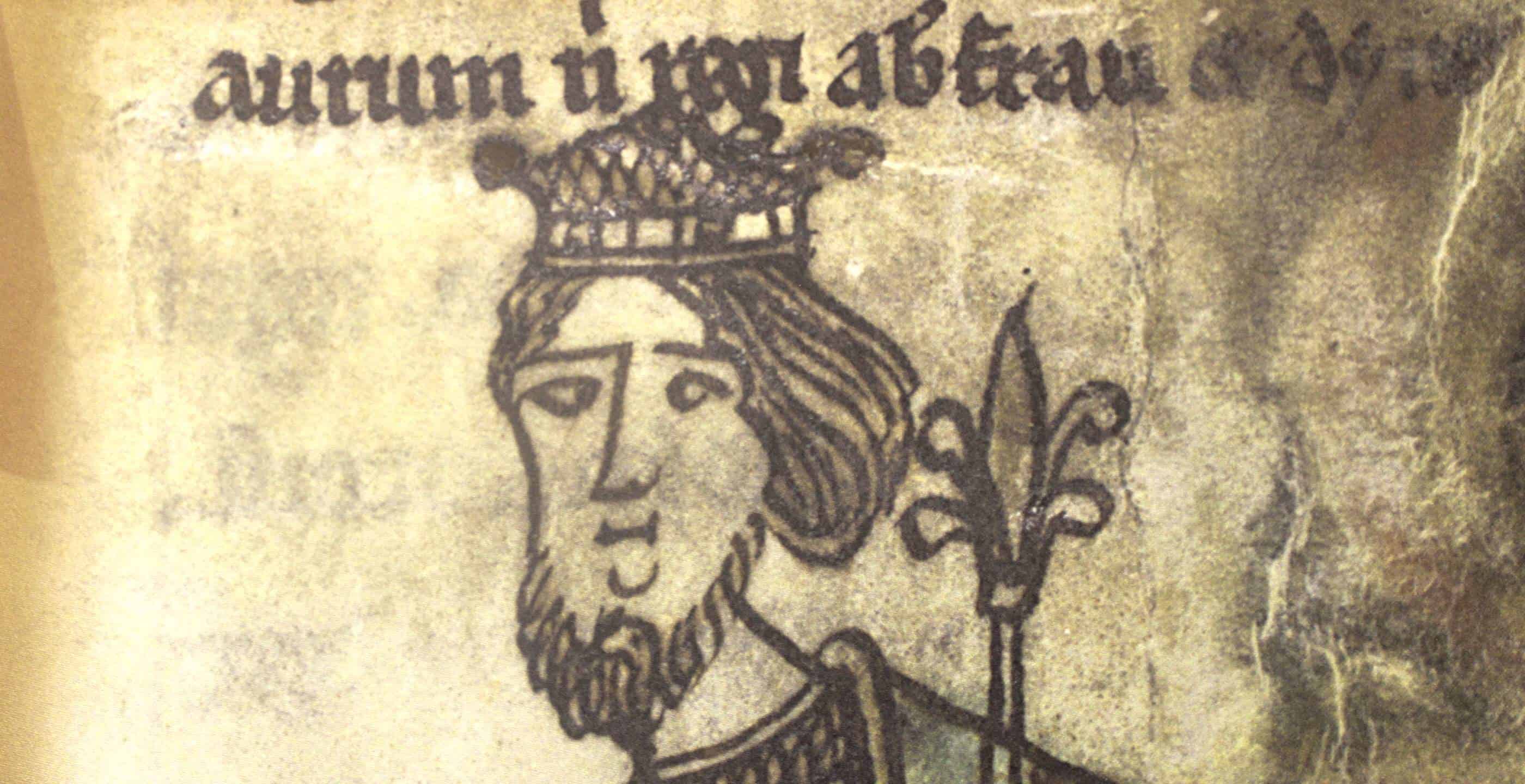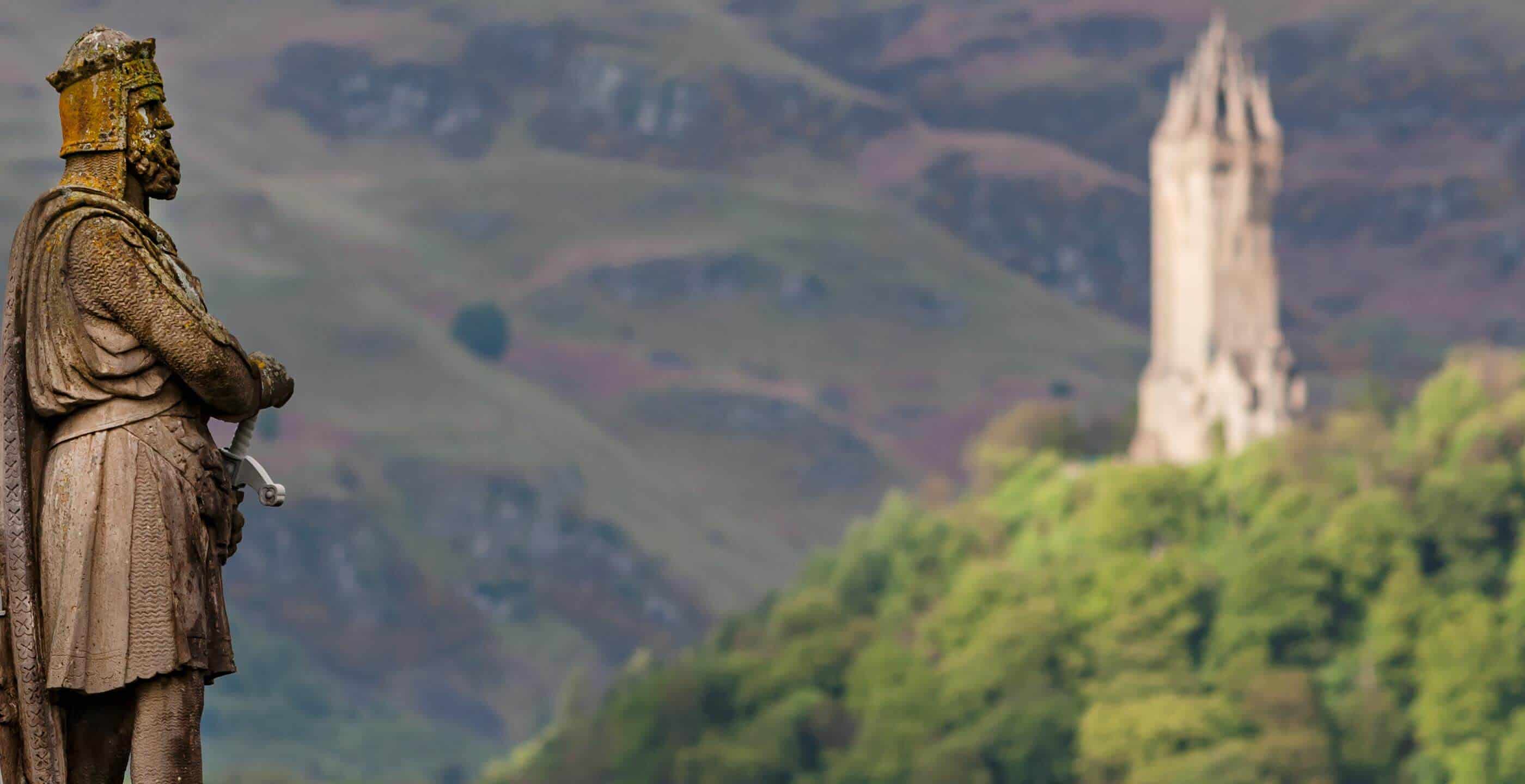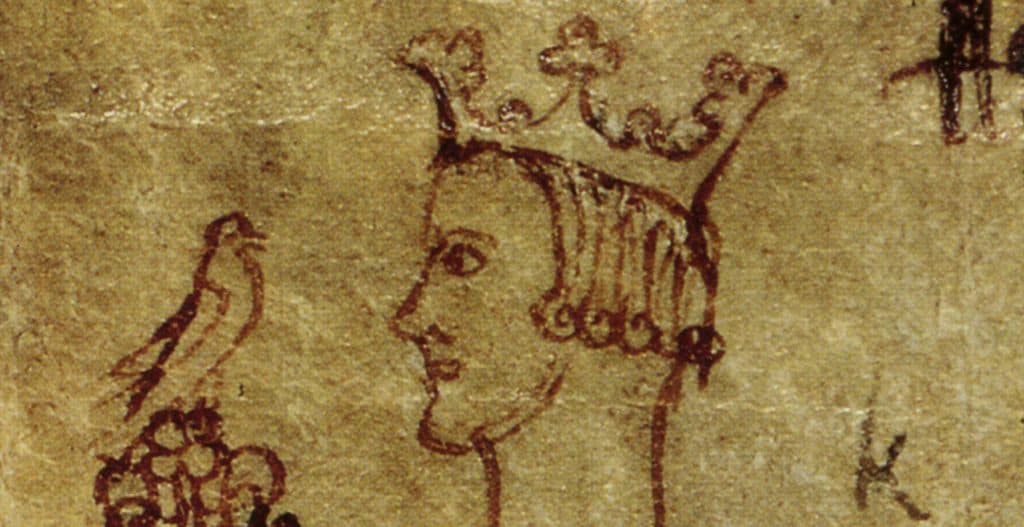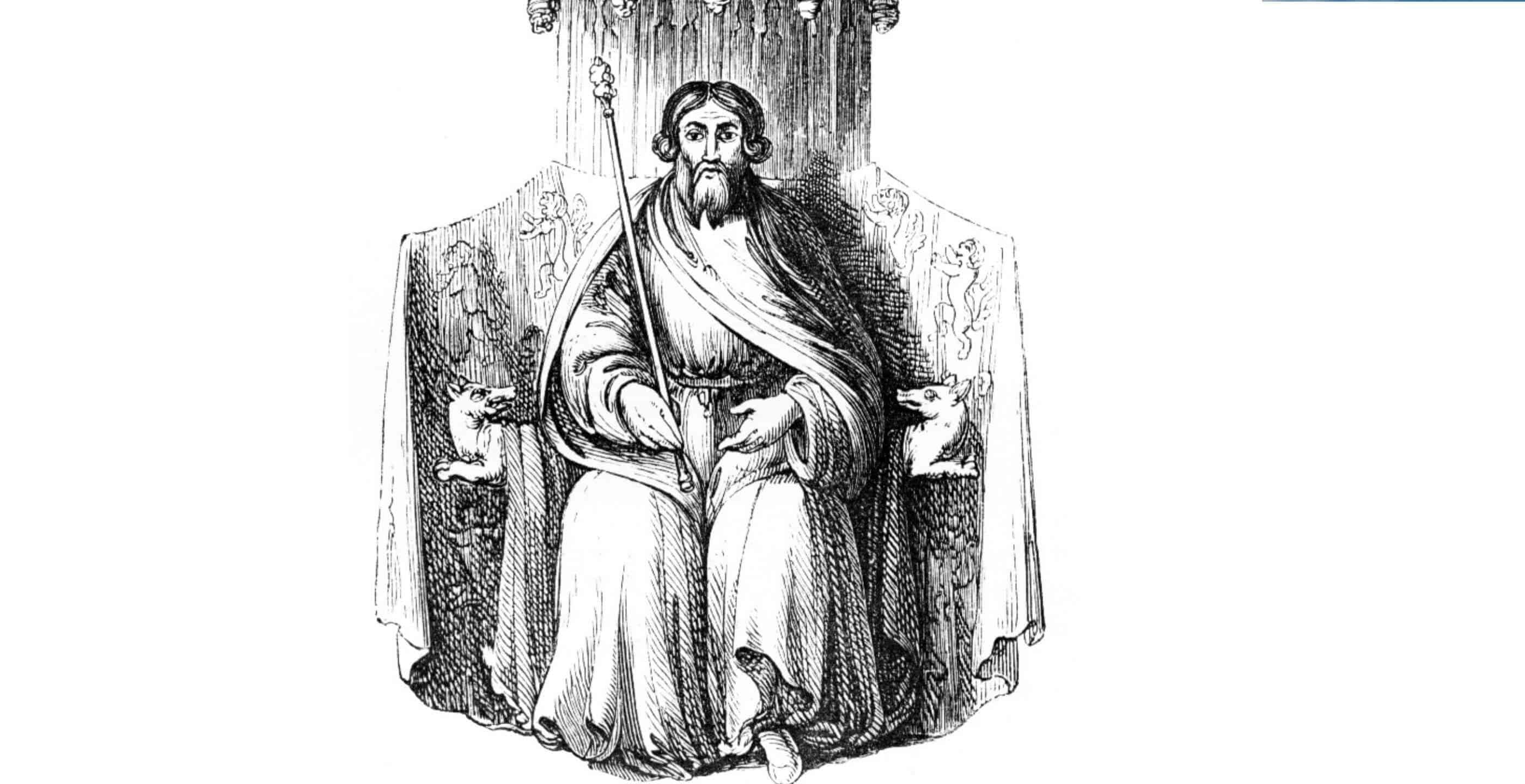


The followers of Owen Glendower, the medieval Welsh nationalist leader who disappeared in around 1415, firmly believed that should Wales be in any danger from the English, he would return and free them from oppression.
His name is still remembered and revered today.
Owen Glyn Dŵr, Owen of the Glen of Dee Water, was thought to have been born in the year 1354, although the exact date is unknown. He claimed descent from Llewelyn the Great and the ruling princes of Wales.
He was the heir to two of the four great princely houses of Wales and following his father’s death in 1370, received the best education that money could buy in London. He even enjoyed the fashionable ‘finishing school’ environment provided by the Inns of Court.
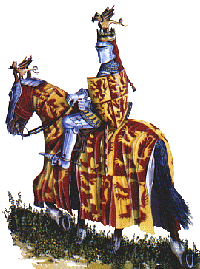 He went on to serve the English Crown as a soldier against the Scots, and wearing a scarlet flamingo feather as his crest he is said to have bore down on the Scotsmen before him with only the butt of his broken lance!
He married the daughter of an Anglo-Welsh judge, fathering six sons with remarkable speed, and led a very peaceful life on his pleasant estates. It was, however, in the late 1390’s that the seeds of rebellion were sown, following a series of disagreements and disputes with the English Crown and Parliament concerning the loss of lands and honour.
And so in September, 1400, when he was 50, Owen organised a rebellion against the recently usurping English king, Henry IV and claimed the title, Prince of Wales.
His popularity appears to have soared almost overnight with Welsh students, seeing in him the leader they had long been looking for, abandoning their university studies to join him. Welsh labourers threw down their hoes and joined the national uprising. More importantly for Owen, hundreds of seasoned Welsh archers and soldiers, fresh from campaigns in France and Scotland, left English service to join the rebellion.
Owen’s forces spread quickly through northeast Wales. Ruthin, Denbigh, Rhuddlan, Flint, Hawarden, Holt, Oswestry and Welshpool fell quickly. Simultaneously, the Tudor brothers from Anglesey launched a guerrilla war against the English. The Tudors were a prominent Anglesey family and cousins of Owen.
Owen’s cause continued to grow fast – in 1401, despite English expeditions into north and south Wales his stature grew as a national hero. The whole of northern and central Wales went over to Owain.
In 1402 the sighting of a great comet in the sky was taken by Owen’s followers to be a sign of victory and they captured Owen’s enemy Reginald Grey of Ruthin. Grey was later released on the payment of a ransom of £6,666.
Owen was blessed with a sound common sense, and when Edmund Mortimer, the King’s nephew was captured, he did not demand a ransom for him, but married him instead to his daughter Catherine. Now Owen was on course for not only the throne of Wales, but for that of England too!
Owen continued to fight the English but after the battle at Woodbury Hill near Worcester in 1405 he retreated back to Wales.
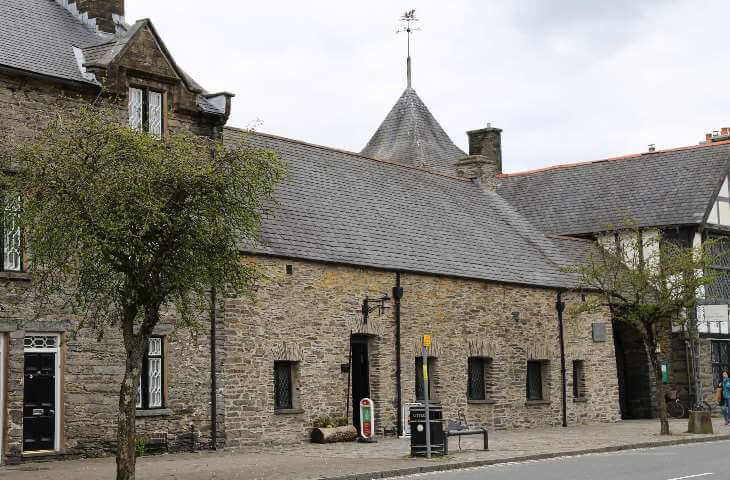
In Wales, Owen issued the Pennal Manifesto on the future of the Welsh Church which was supported by most of the churchmen. It appears that not all of the churchmen were loyal to the end though.
Prior to the battle of Pwll Melyn in 1406, legend has it that a friar had preached with great spirit that all who fell in the fighting would sup that night in heaven! As it became obvious that defeat for Owen’s army was in the wind, the friar tried to slip away, however some soldiers caught him and pointed out to him that he was missing the chance of a heavenly banquet; he smartly informed them that this was one of his fast days, and scurried away to safety.
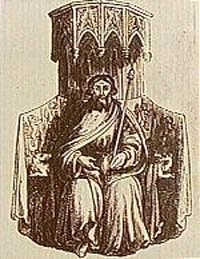 Following this defeat, one by one, Owen’s castles surrendered to the English, his wife and children were captured, and by 1410 he had become a hunted outlaw.
Despite the substantial rewards being offered, Owen was never captured or betrayed and his place of hiding remains a mystery to this day. Fragments of information about him kept surfacing, until 1416 when he was believed to have died somewhere, possibly on the estate of his daughters’ husband in Herefordshire, ironically in England.
Like the legend of King Arthur, Welsh legend has it that when Wales is threatened again, he will rise in order to lead the defense of Wales. The year 2000 saw the 600th anniversary of of the rising and was commemorated throughout Wales. Owen’s personal standard (the quartered arms of Powys and Deheubarth rampant) can now to be seen all over Wales – especially at rugby matches against the English!