

The Brahan Seer, or Coinneach Odhar, was gifted with “the sight” – an ability to see visions that came unbidden day or night. His prophecies were so impressive that they are still quoted to this day.
The Second Sight, more correctly called the Two Sights, is the ability to see both this world and another world at the same time. The Second Sight has never been regarded as witchcraft in Scotland, it is seen more as a curse.
According to folklore, The Brahan Seer, Kenneth the Sallow (Coinneach Odhar) was born Kenneth Mackenzie, at Baile-na-Cille, in the Parish of Uig and Island of Lewis, about the beginning of the 17th century. He lived at Loch Ussie near to Dingwall in Ross-shire and worked as a labourer on the Brahan estate, seat of the Seaforth chieftains, from somewhere around 1675.
According to legend, it was through his mother that Kenneth the Sallow was given the sight. At a graveyard one night when ghosts were known to roam the earth, his mother encountered the ghost of a Danish princess on her way back to her grave. In order to allow her to pass back into the grave, Kenneth’s mother demanded that the princess should pay a tribute, and asked that her son should be given the second sight. The legend goes that later that day, Kenneth found a small stone with a hole in the middle, through which he would look and see visions.
Some of his prophetic visions that came true in the years following his death include:
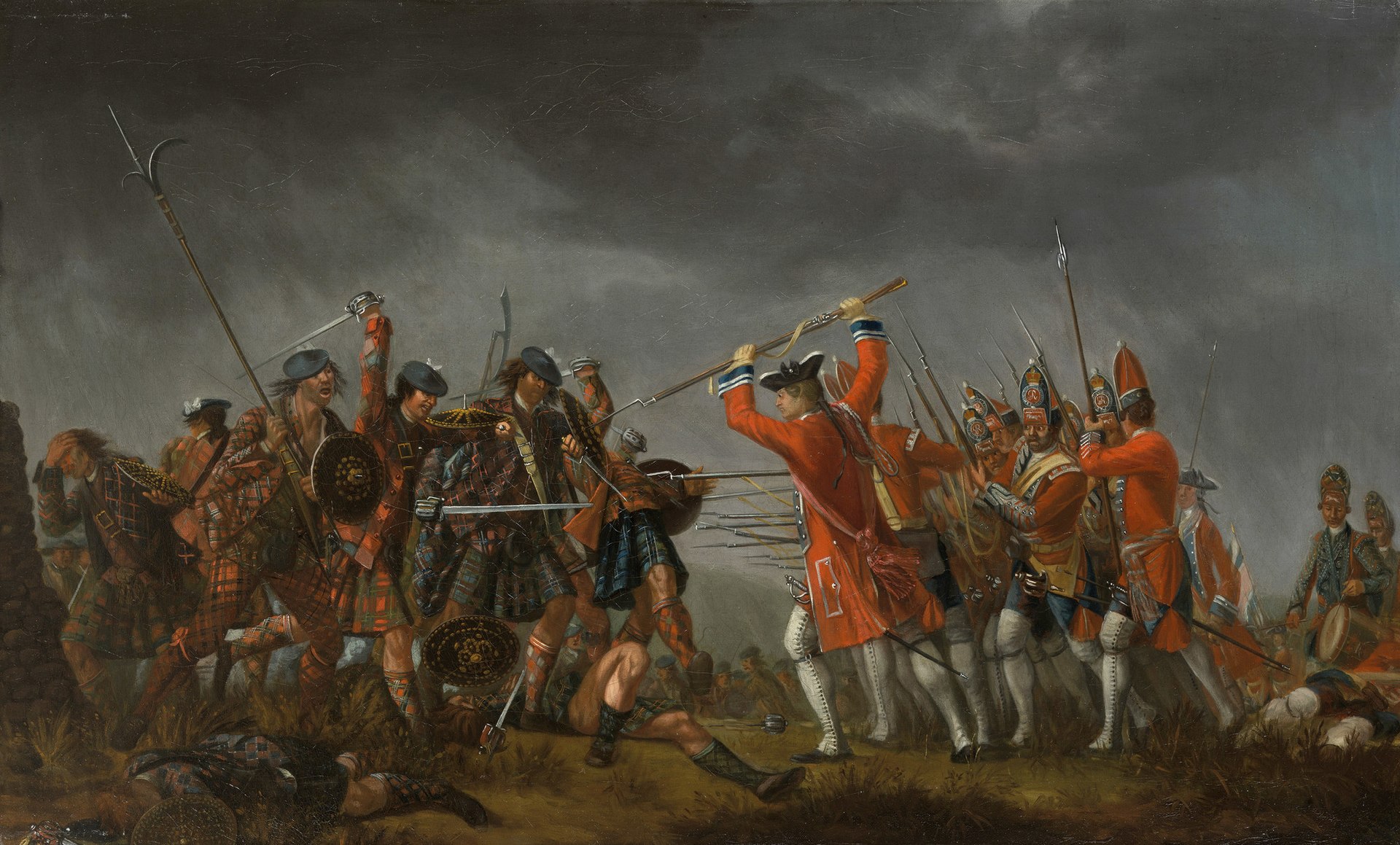
The Battle of Culloden (1745), which he uttered at the site, and his words were recorded. “Oh! Drumossie, thy bleak moor shall, ere many generations have passed away, be stained with the best blood of the Highlands. Glad am I that I will not see the day, for it will be a fearful period; heads will be lopped off by the score, and no mercy shall be shown or quarter given on either side.”
The joining of the lochs in the Great Glen. This was accomplished by the construction of the Caledonian Canal in the 19th Century.
He talked of great black, bridleless horses, belching fire and steam, drawing lines of carriages through the glens. More than 200 years later, railways were built through the Highlands.
North Sea oil was foretold: “A black rain will bring riches to Aberdeen.”
Coinneach Odhar spoke of the day when Scotland would once again have its own Parliament. This would only come, he said, when men could walk dry shod from England to France. The opening of the Channel Tunnel in 1994 was followed a few years later by the opening of the first Scottish Parliament since 1707.
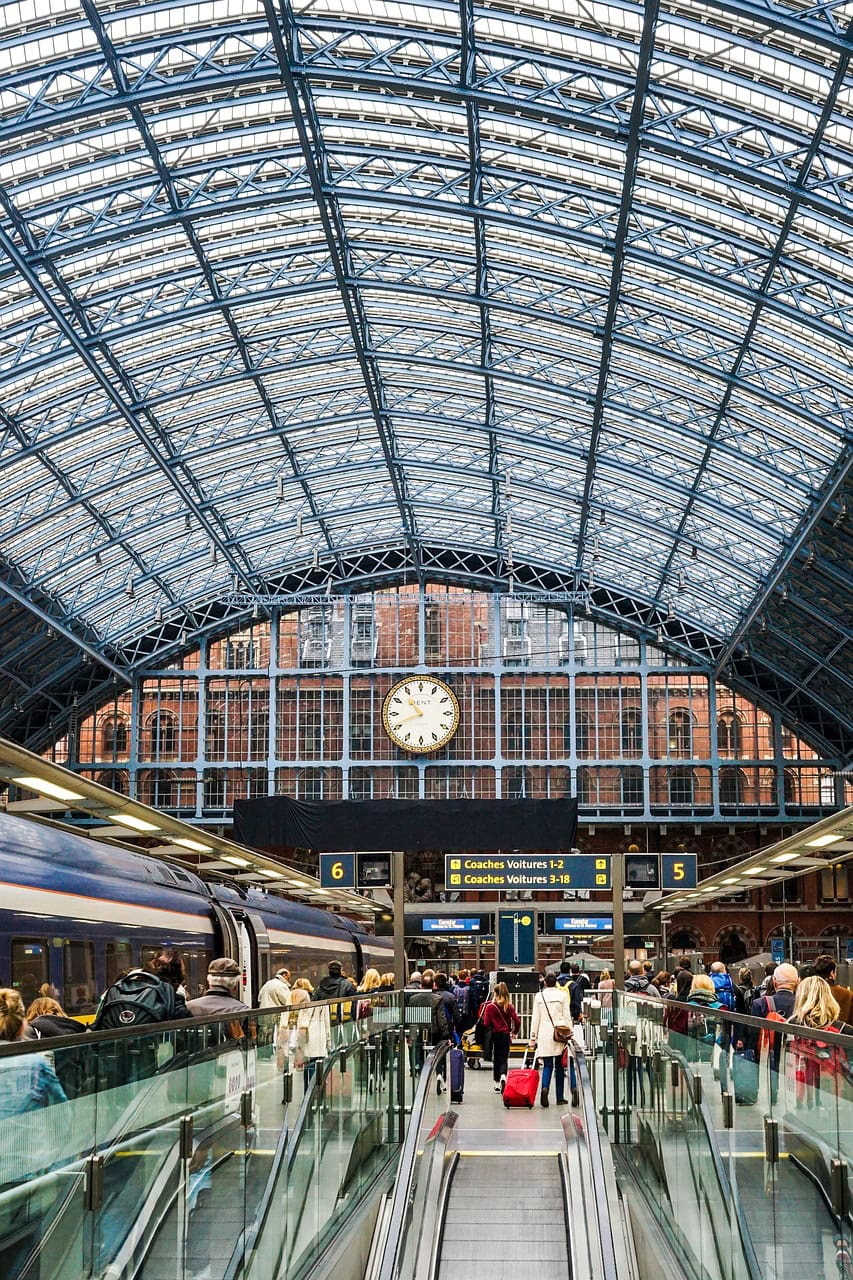
Streams of fire and water, he said, would run beneath the streets of Inverness and into every house. Gas and water pipes were laid down in the 19th century.
Pointing to a field far from seashore, loch or river, he said that a ship would anchor there one day. “A village with four churches will get another spire,” said Coinneach, “and a ship will come from the sky and moor at it.” This happened in 1932 when an airship made an emergency landing and was tied up to the spire of the new church.
“The sheep shall eat the men” During the Highland Clearances, families were driven from the Highlands by the landowners and the land they farmed was given over to the grazing of sheep.
At the height of his fame and powers, Odhar made his most notorious prediction which would ultimately cost him his life. Isabella, wife of the Earl of Seaforth and said to be one of the ugliest women in Scotland, asked for his advice. She wanted news of her husband who was on a visit to Paris. Odhar reassured her that the Earl was in good health but refused to elaborate further.
This enraged Isabella, who demanded that he tell her everything or she would have him killed. Coinneach told her that her husband was with another woman, fairer than herself, and he foretold the end of the Seaforth line, with the last heir being deaf and dumb. (Francis Humberston Mackenzie, deaf and dumb from scarlet fever as a child, inherited the title in 1783. He had four children who died prematurely and the line came to an end.) Isabella was so incensed by this that she had Coinneach seized and thrown head-first into a barrel of boiling tar.
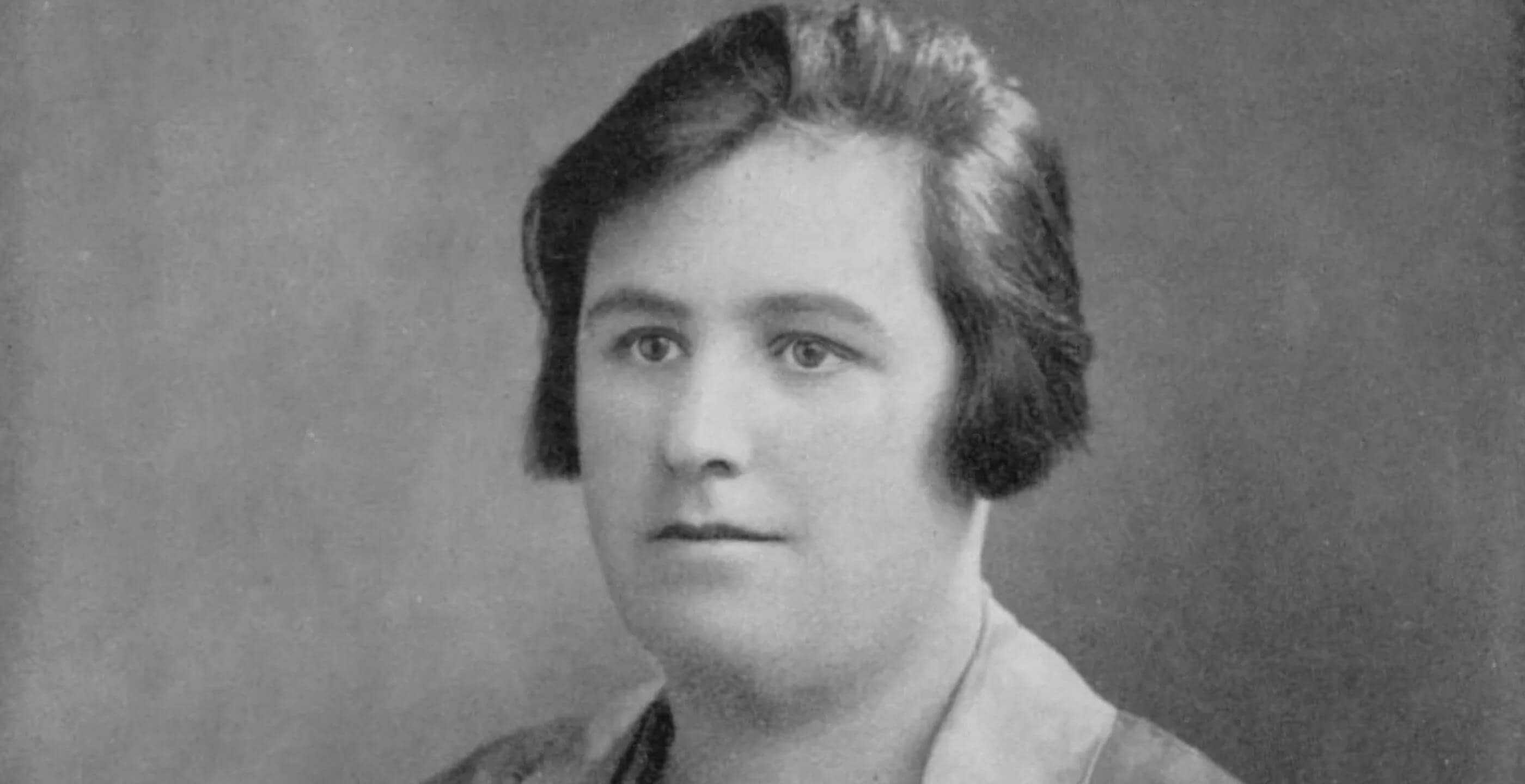
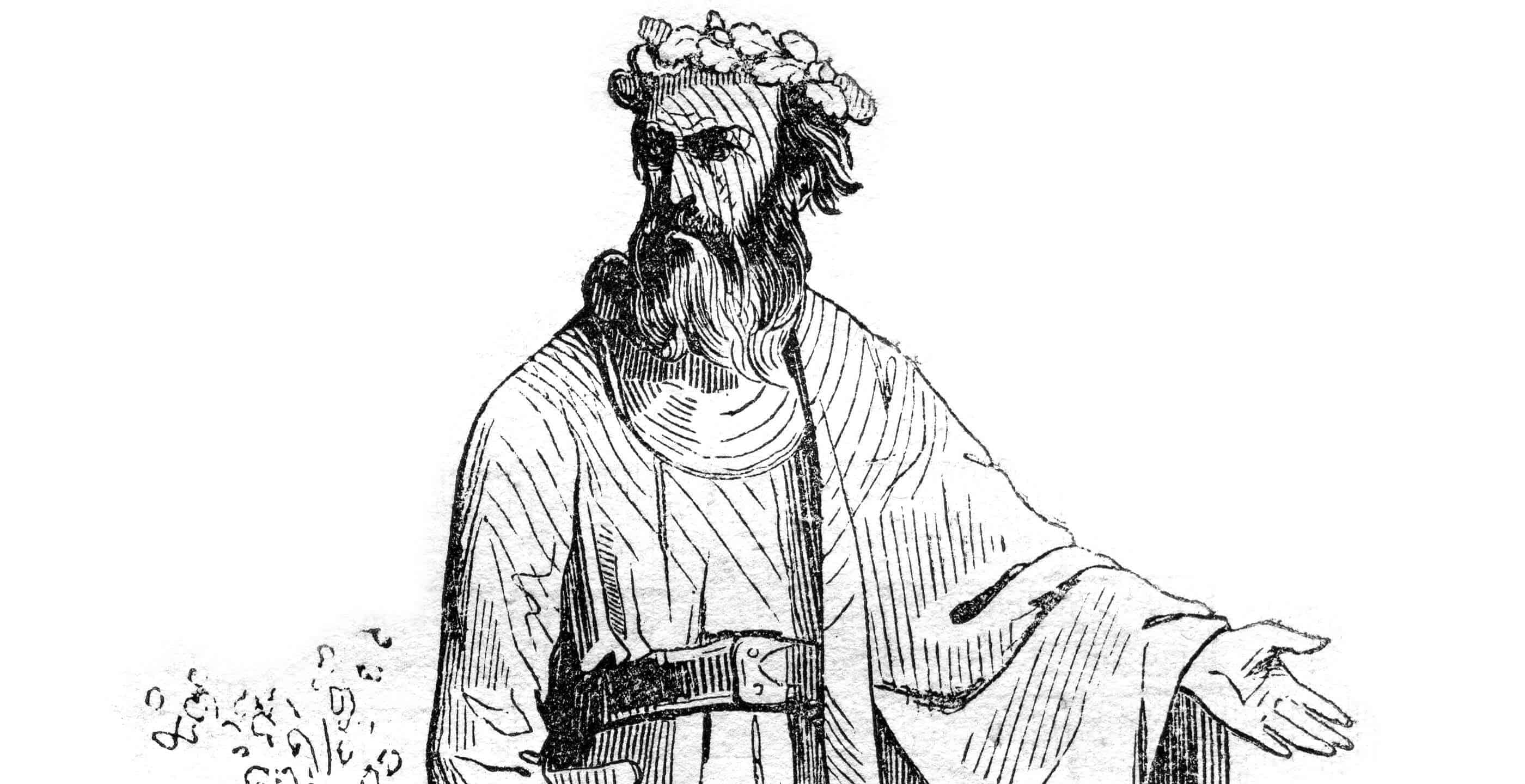
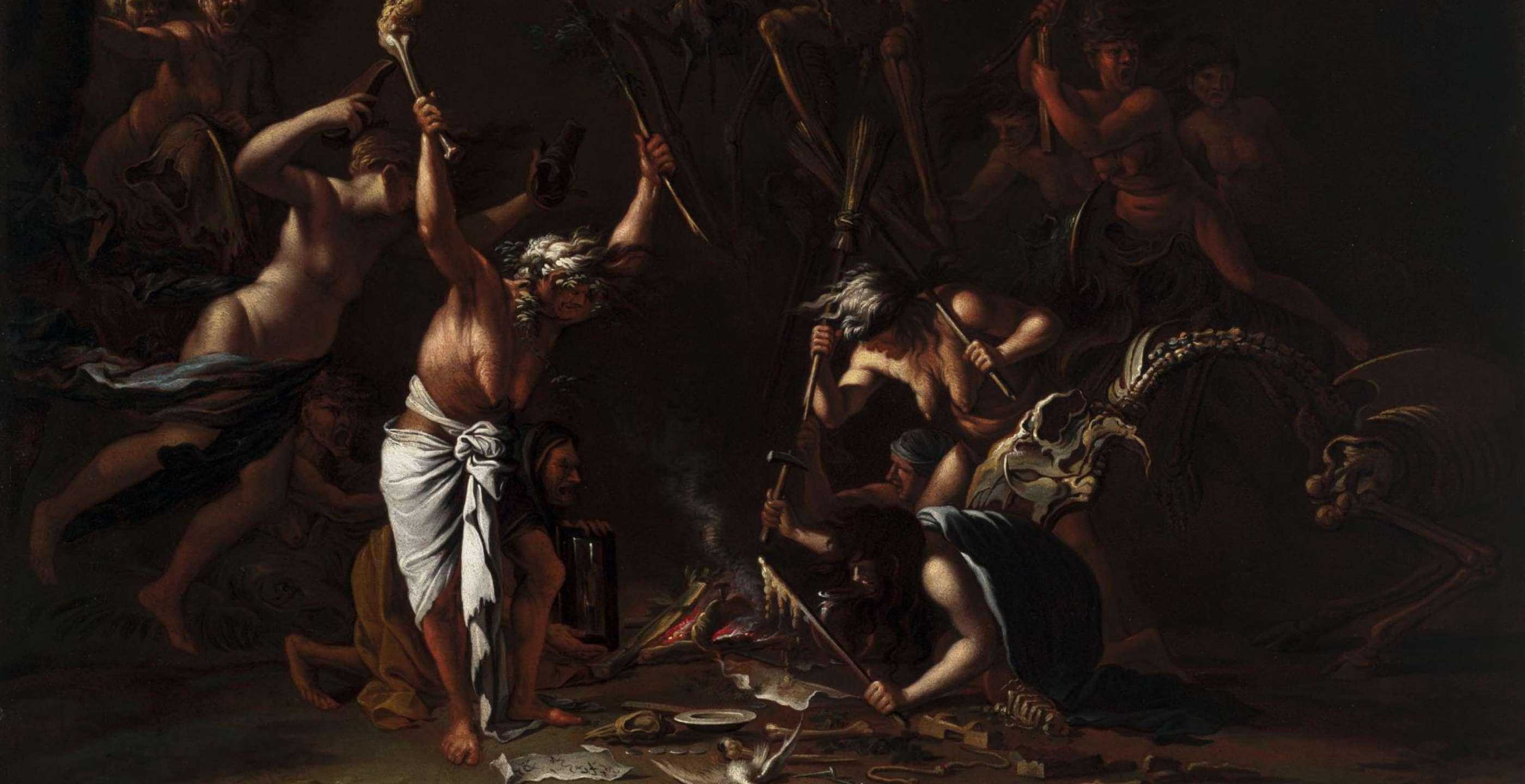
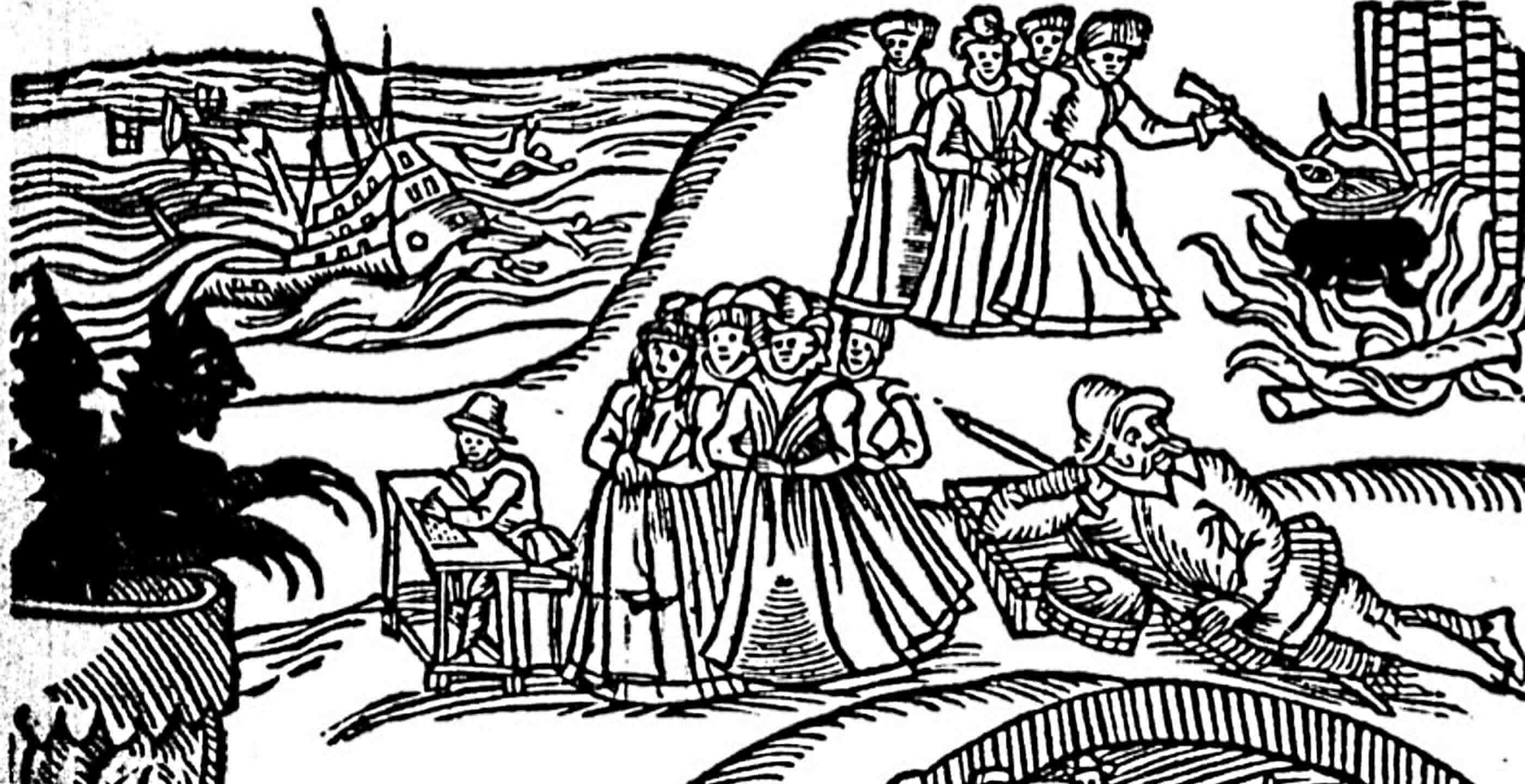
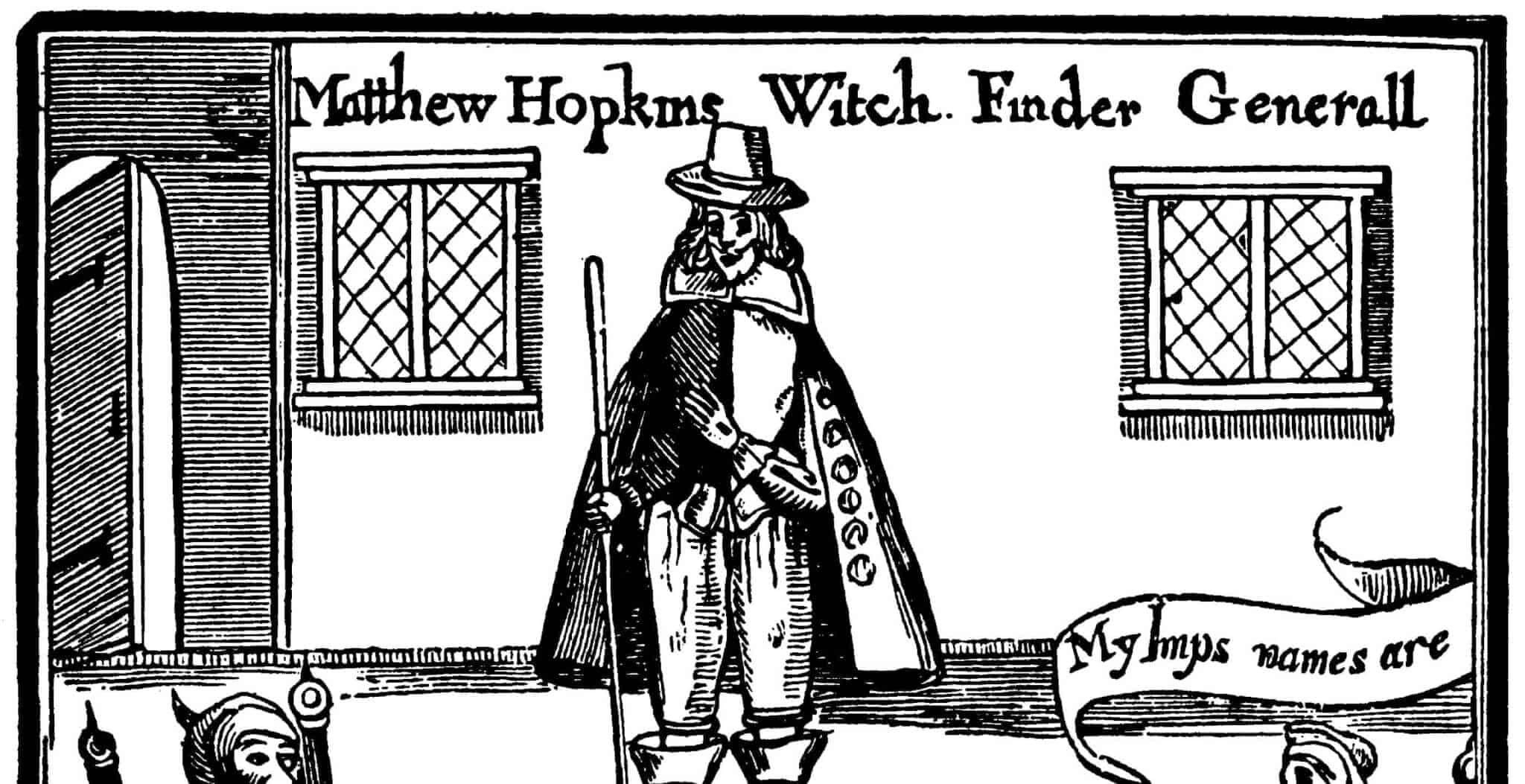
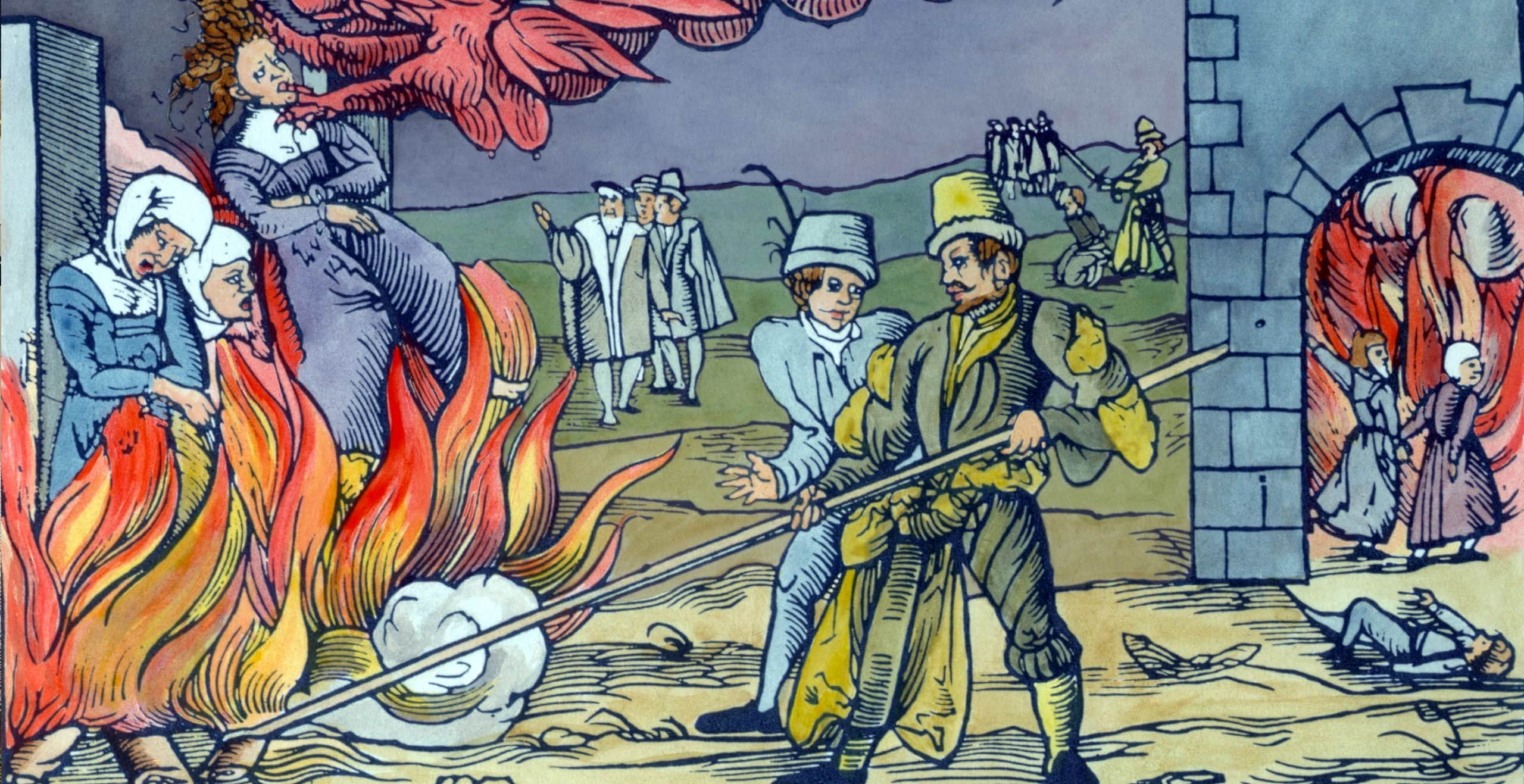
Whilst the legend of the Brahan Seer is well known in folklore, there is no documentation of a Coinneach Odhar ever having existed in the Highlands during the 17th century. But there is in the 16th century.
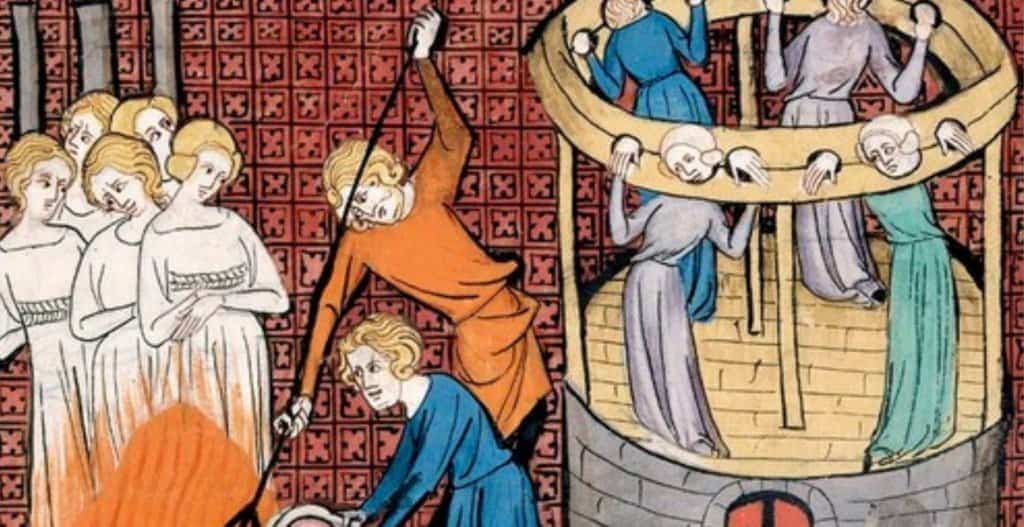
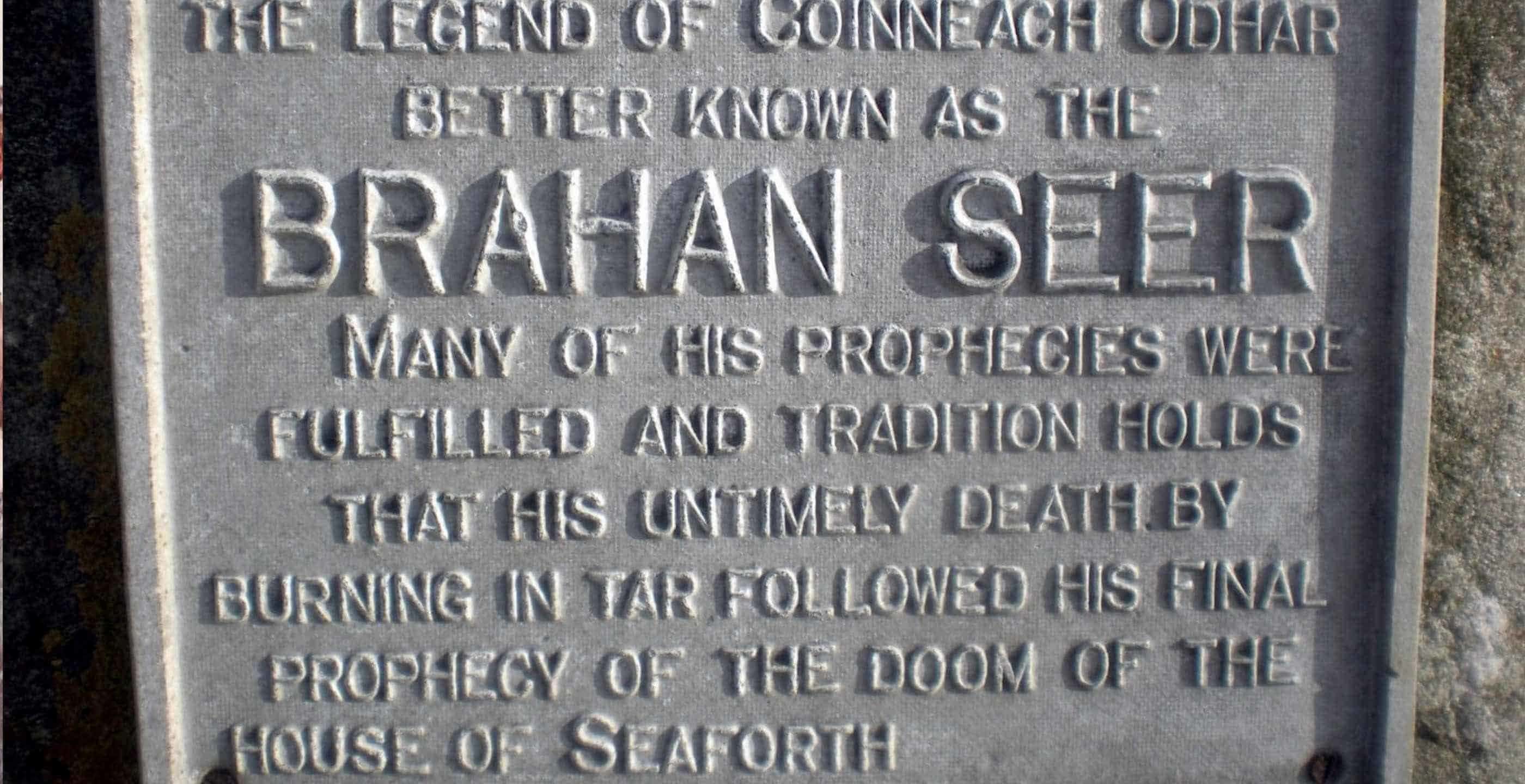
Parliamentary records from 1577 show that two writs were issued for the arrest of the “principal enchanter” Coinneach Odhar. This Coinneach was reputedly a gypsy who supplied poison to a Catherine Ross, who wished to remove the rivals to the inheritance of her sons. She had already recruited some 26 witches who had failed. The police were called and records show that while many of the witches were caught and burnt, what happened to Coinneach remains a mystery. If he was caught it is likely that he too would have been burnt, which reflects the legend that he was burnt in a spiked tar barrel. There is a stone slab by the light house at Chanonry Point, near Fortrose, that is said to mark the spot where he died. The inscription reads: “This stone commemorates the legend of Coinneach Odhar better known as the BRAHAN SEER – Many of his prophesies were fulfilled and tradition holds that his untimely death by burning in tar followed his final prophecy of the doom of the House of Seaforth.”
Were these two different people or the same? Could the life of the gypsy and poisoner have been twisted into the story of the seer? Was the 16th century Coinneach the grandfather of the Brahan Seer?
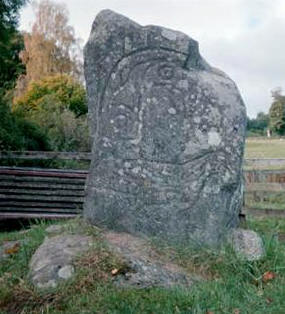
Whatever the truth, the legend is well known and respected today. A Celtic stone, the Eagle Stone, stands in Strathpeffer, Ross-shire. The Seer said that if the stone fell down three times, then Loch Ussie would flood the valley below so that ships could sail to Strathpeffer. The stone has fallen down twice: it is now set in concrete.