

Scotland and England have taken up arms against each other many times over the centuries. The major battles include Flodden in 1513 and Dunbar in 1650, with the Jacobites taking up arms against the British Crown at the battles of Prestonpans in 1745 and Culloden in 1746.
Battle of Flodden – 9 September 1513
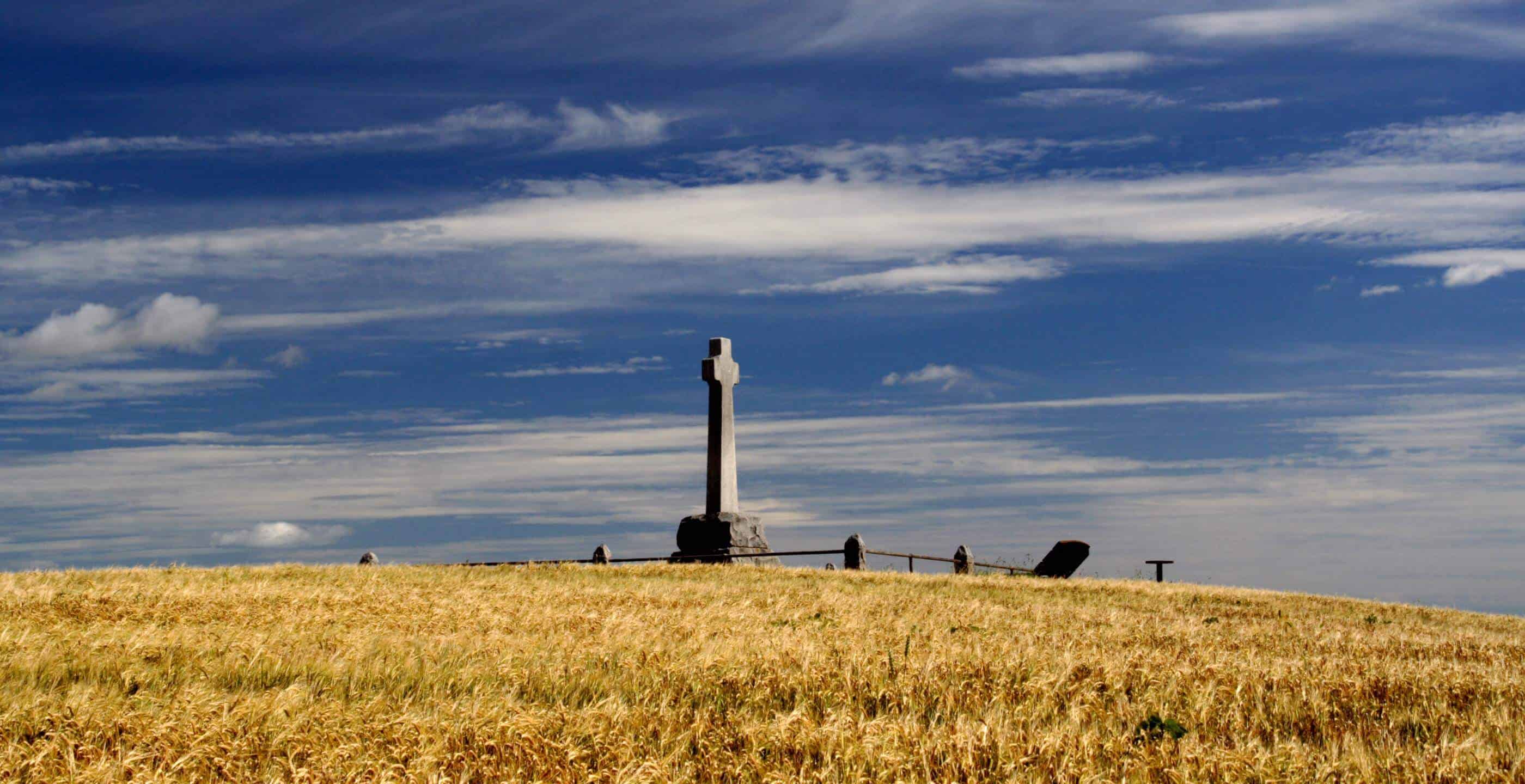
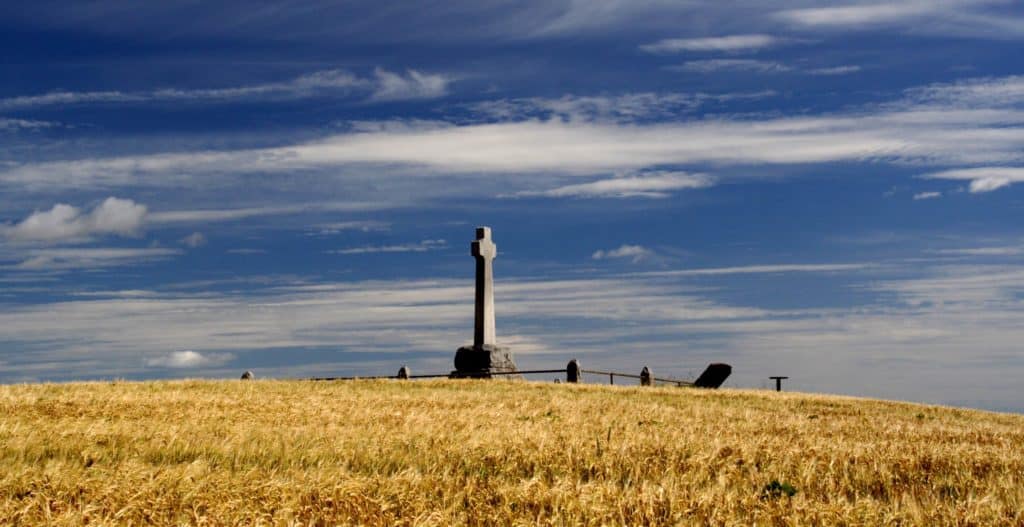
In the nineteenth century, Jane Elliot wrote a haunting ballad called “The Flowers of the Forest”. This haunting, beautiful ballad was written 300 years after the event it commemorates – the Battle of Flodden in 1513.
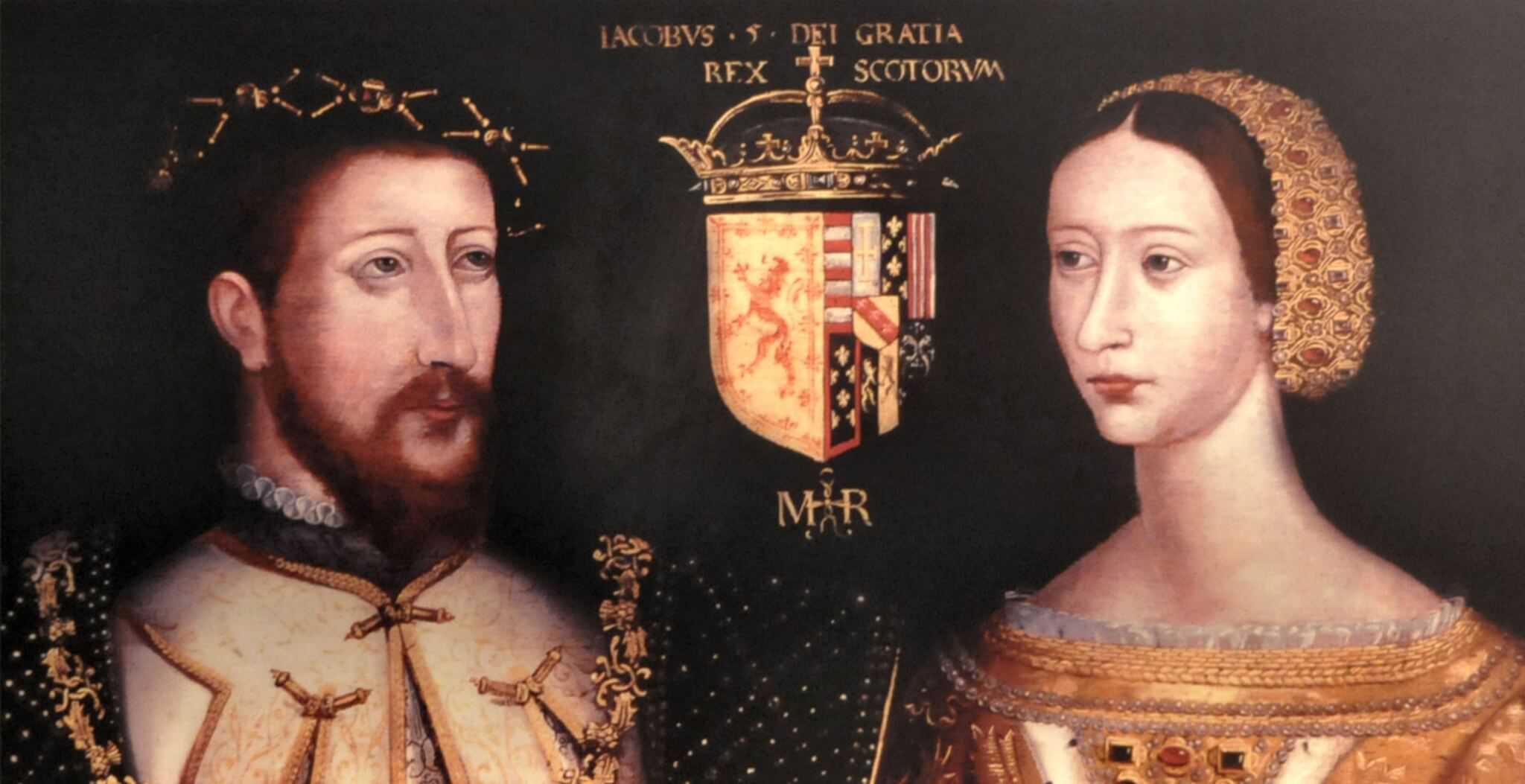
James IV of Scotland crossed into England with 30,000 men and met the Earl of Surrey, who commanded the English army, at the base of the hill of Flodden in Northumberland. Henry VIII was at Tournai in northern France, pursuing his war against the French. The Earl of Surrey had 26,000 men at his command. In a bold move, Surrey divided his army and circled round the Scots position, cutting off their retreat. The English men-at-arms were armed with short bills and halberds, and the Scots with 15ft French pikes.
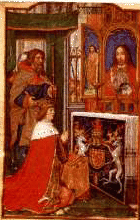
The battle was fierce and bloody, and although the poorly armed Highlanders fought bravely, they were put to flight. It was a victory for the English halberd over the unwieldy pike and heavy sword of the Scots.
James IV was killed together with 10,000 of his men – and the flower of all the noble families of Scotland. The English loss was 5,000 men.
Battle of Dunbar – 3 September 1650
The Battle of Dunbar took place on 3 September 1650. David Leslie, Cromwell’s former ally at the Battle of Marston Moor, was now the leader of the Scottish army.
Oliver Cromwell, supported by the Navy, met the Scots at Dunbar. Cromwell’s army was weakened by disease, but the Scots were unprepared when Cromwell attacked at dawn. The Scots had extinguished the match used to light their muskets because of the heavy rain in the night. A cavalry charge caught Leslie’s main force in the rear and the Scots were defeated.
Nearly 3,000 Scots were killed or wounded and 6,000 were captured. Edinburgh fell to Cromwell and Leslie had to withdraw to Stirling.
Battle of Preston Pans (East Lothian) – 20 September 1745
Prince Charles Edward Stuart landed on the west coast of Scotland in July 1745 accompanied by only 9 men carrying a few arms!
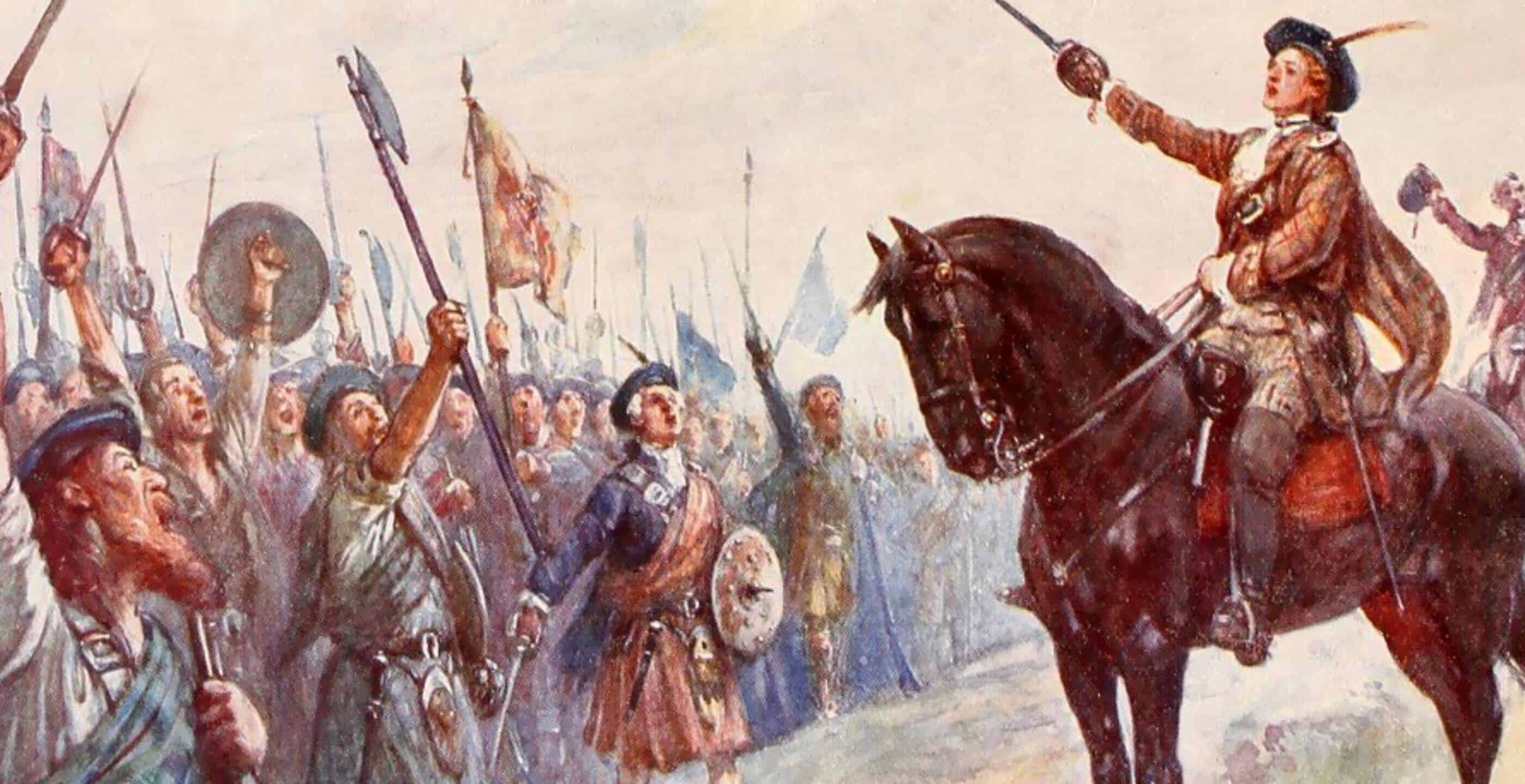
Prince Charles gathered together an army of Highlanders and marched into Edinburgh on 16 September 1745. The Scots, about 2,400 men, were badly equipped, had very few arms and their cavalry was only 40 strong.
Gathered at Dunbar was Sir John Cope who had six squadrons of dragoons and three companies of foot soldiers. Cope’s army numbered 3,000 and some artillery manned by naval gunners. Cope had a strong position in a corn field and his flanks were protected by marshy meadows. The Scots couldn’t mount a charge through the marshy meadows, so at 04.00 they attacked the east flank of Cope’s army. The Highlanders charged and Cope’s gunners fled, as the advancing Highlanders, with the sun behind them, appeared to outnumber the British army.
The Scots had 30 men killed and 70 wounded. The British lost 500 of the Infantry and Dragoons. Over 1,000 were captured.
Follow this link and listen to Arran Paul Johnston describe the battle.
After his victory Prince Charles Edward moved on into England.
Battle of Culloden (Inverness-shire) – 18 April 1746
After the Jacobite victory at Falkirk, the Scots withdrew to Perth and to Inverness.
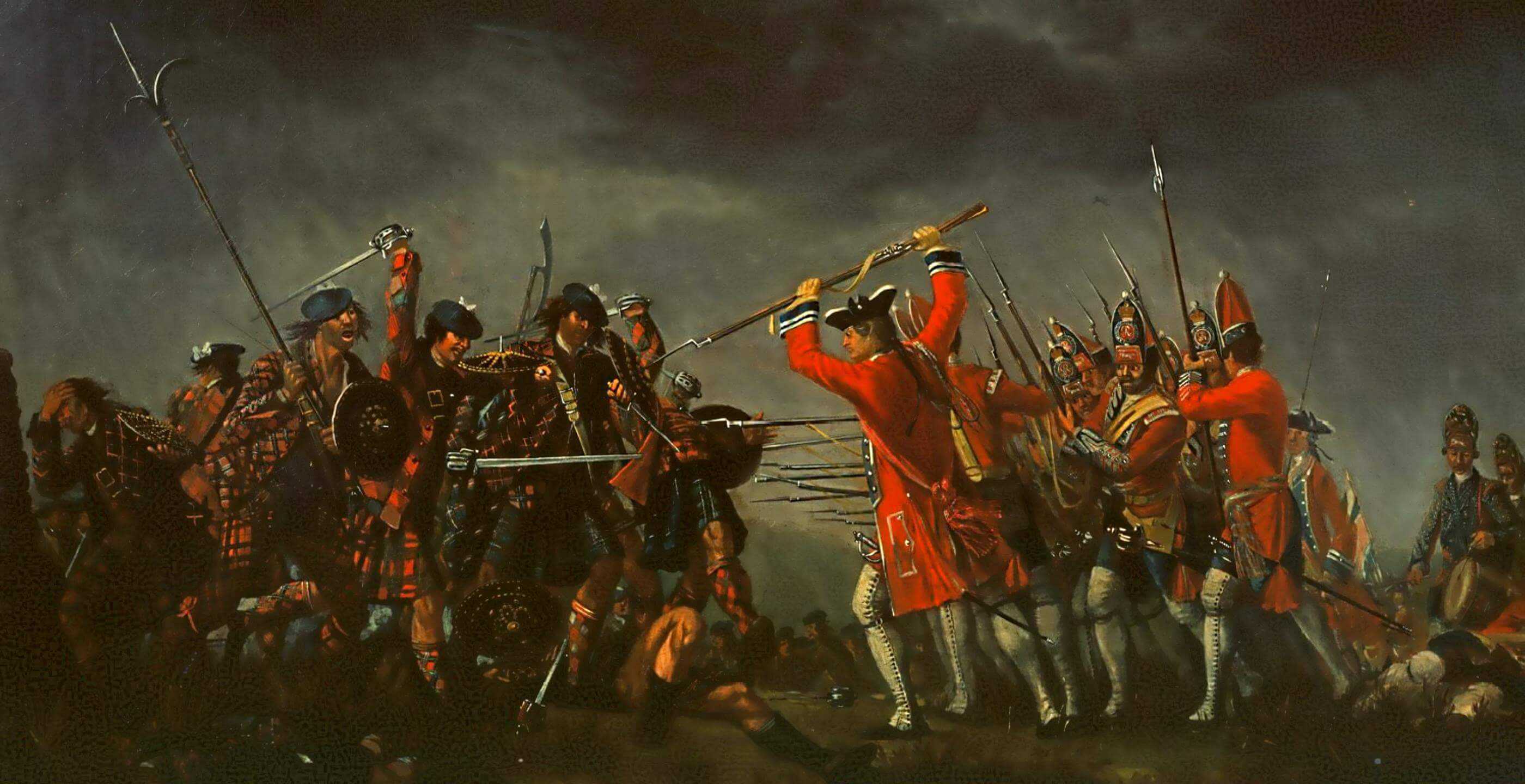
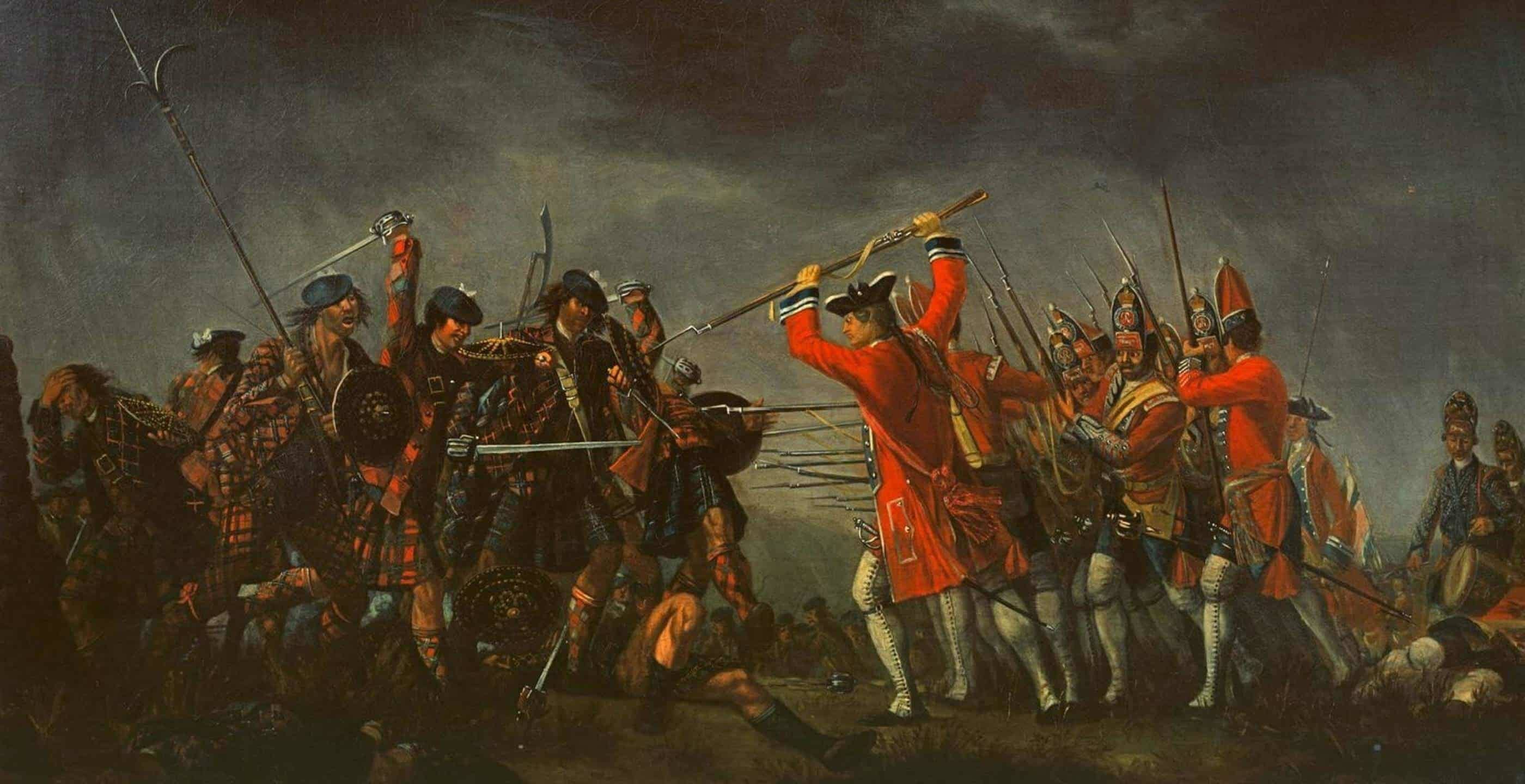
The Duke of Cumberland’s army arrived at Nairn on 14 April. The army was nearly 10,000 strong and accompanied by mortars and cannon. Charles Stuart’s army numbered 4,900 and were weak from disease and hunger. The battle took place on an open moor at Drummossie, totally unsuitable for the Highlanders’ method of attack.
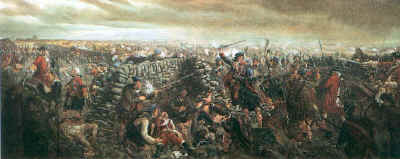
The Highlanders went forward but were so closely bunched together, only a few could fire. Cumberland ordered up his band of Horses (units) and massacred the Scots on the left flank. With a few followers and part of the Fitzjames Horse, Charles Stuart escaped from the field.
The battle was over but Cumberland’s own men gave no quarter and few escaped. The wounded Scots were shot and many of the British were sickened by such brutality.
This was the last battle to be fought in Britain, and ended the Jacobite cause in England.
What happened after the battle horrified the nation – the cruel harrowing of the Glens, when Scotland was laid bare by ‘Butcher Cumberland’.