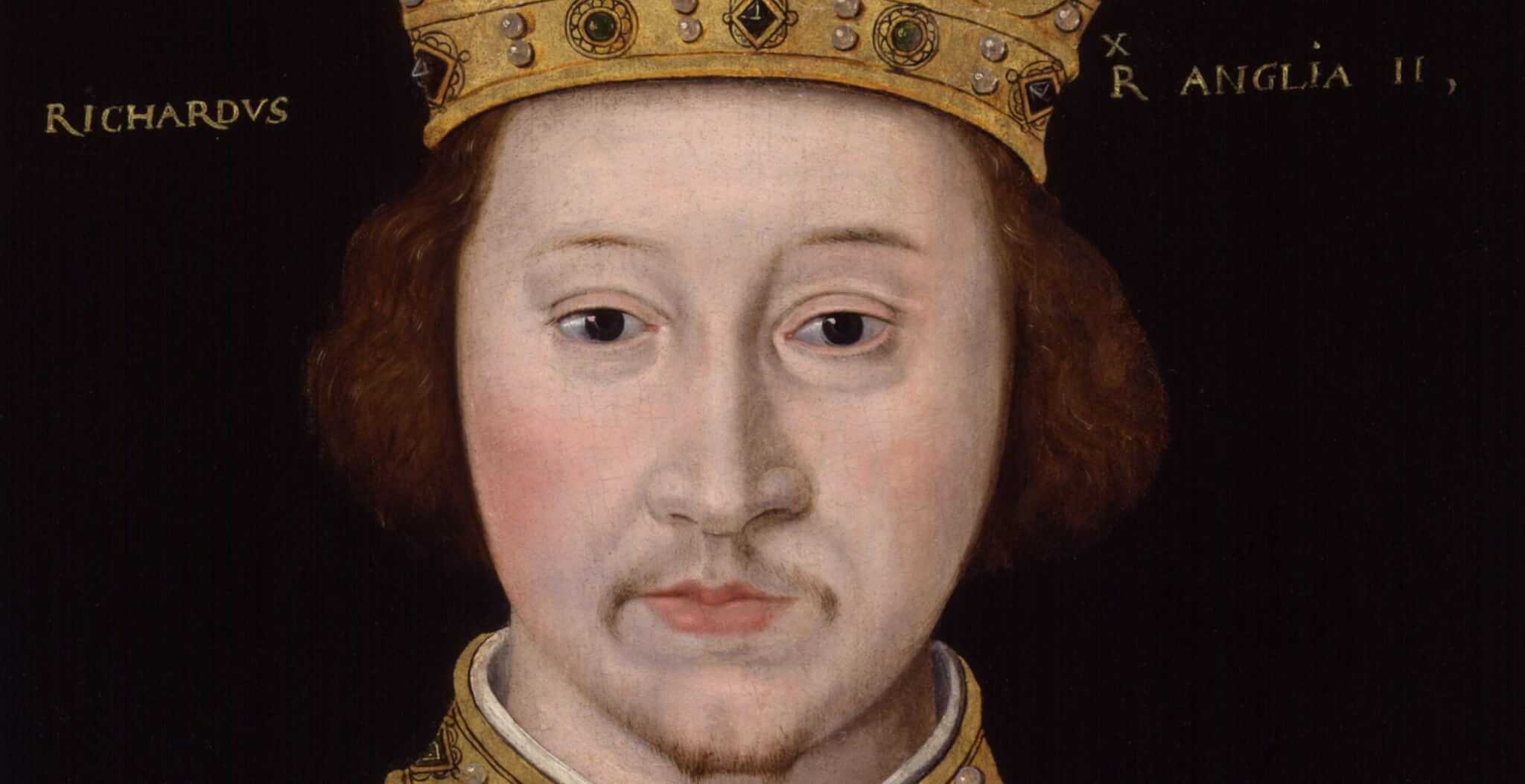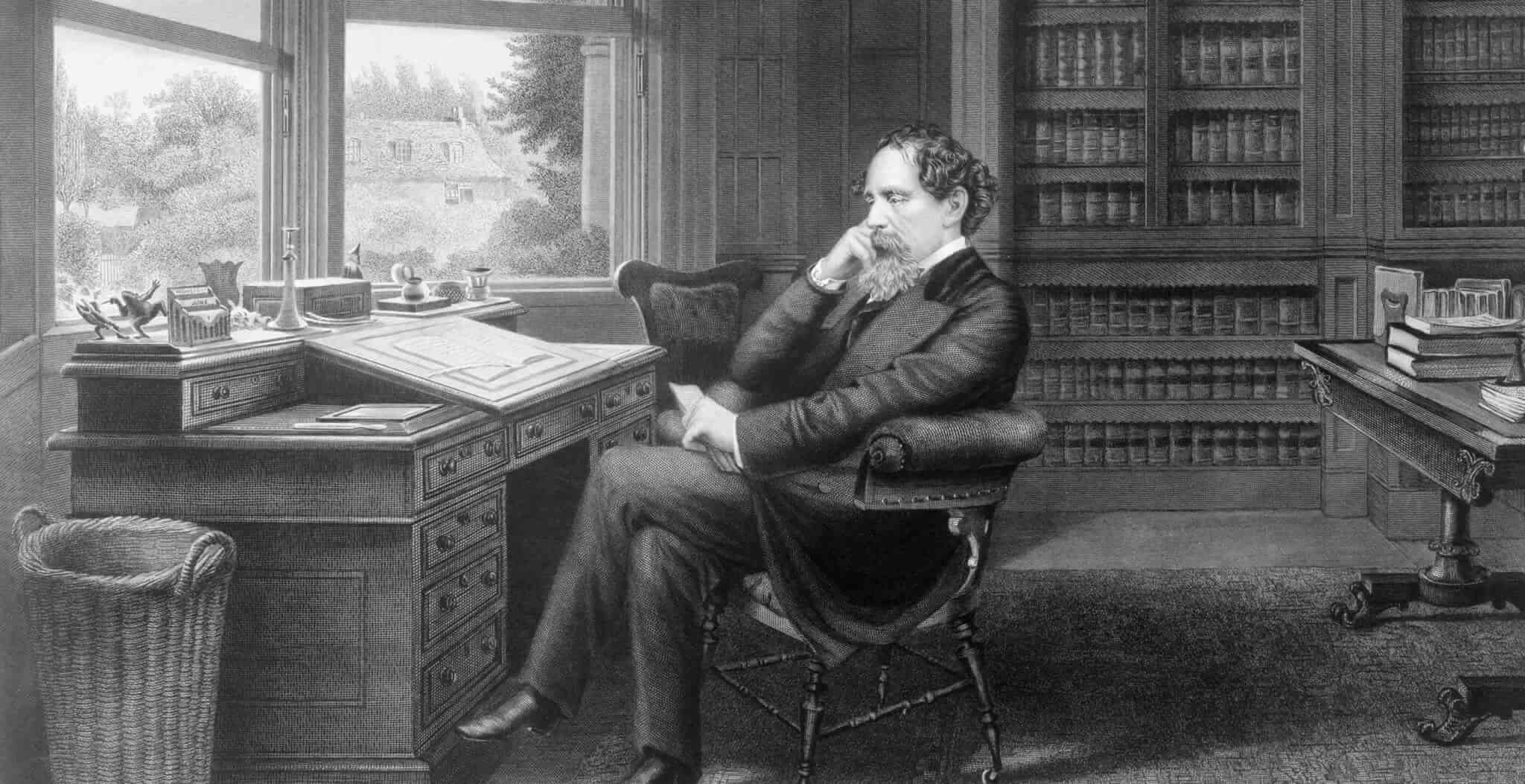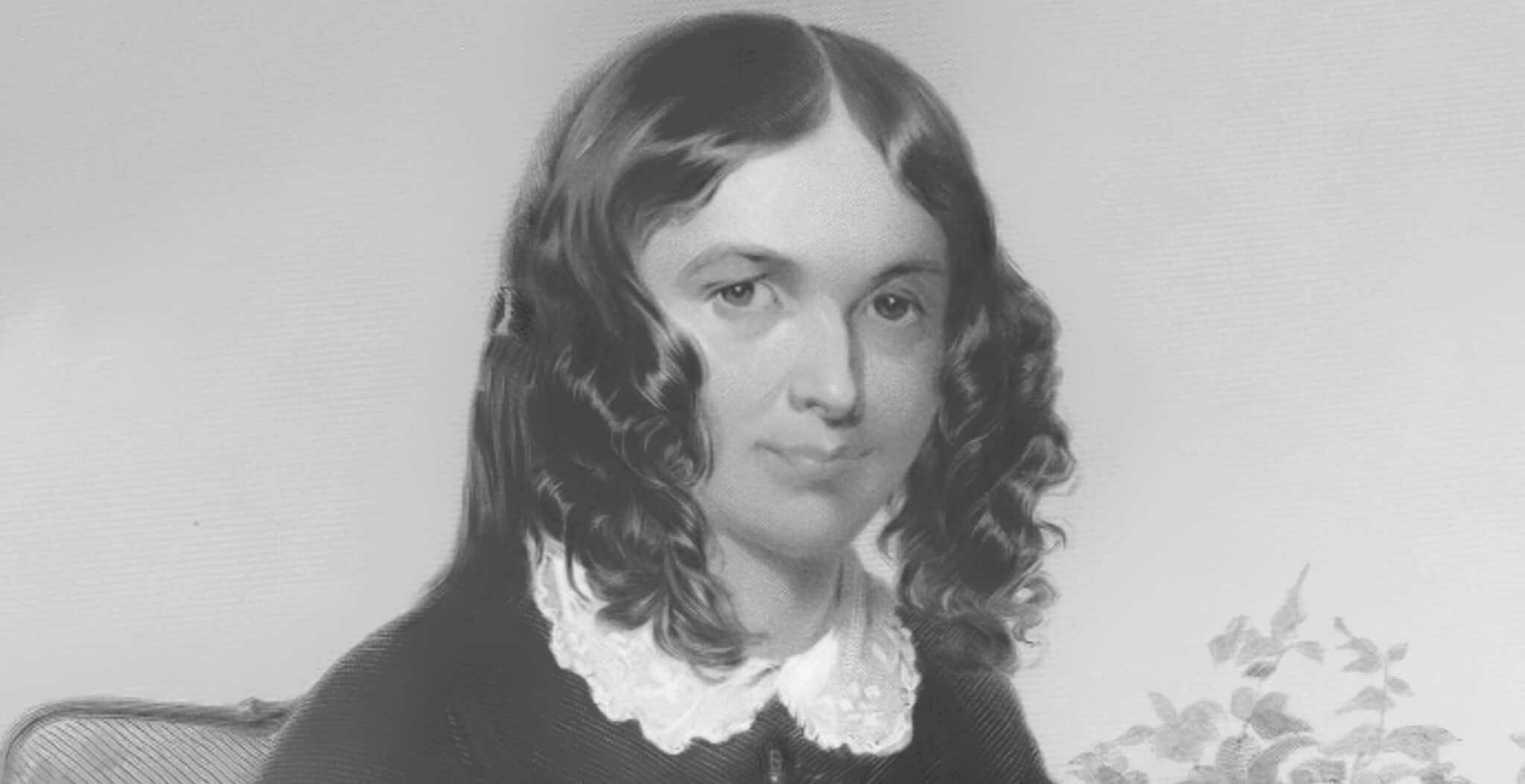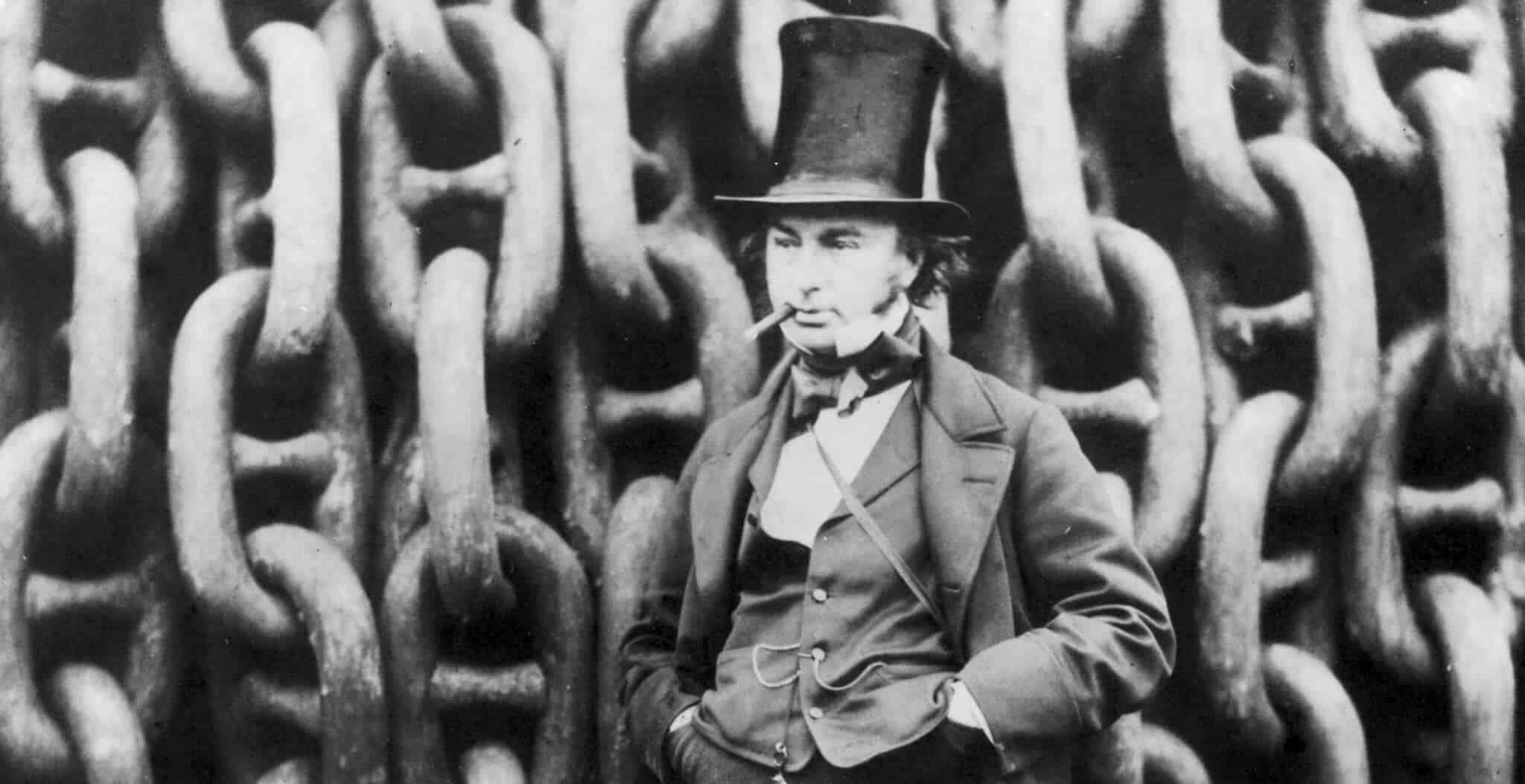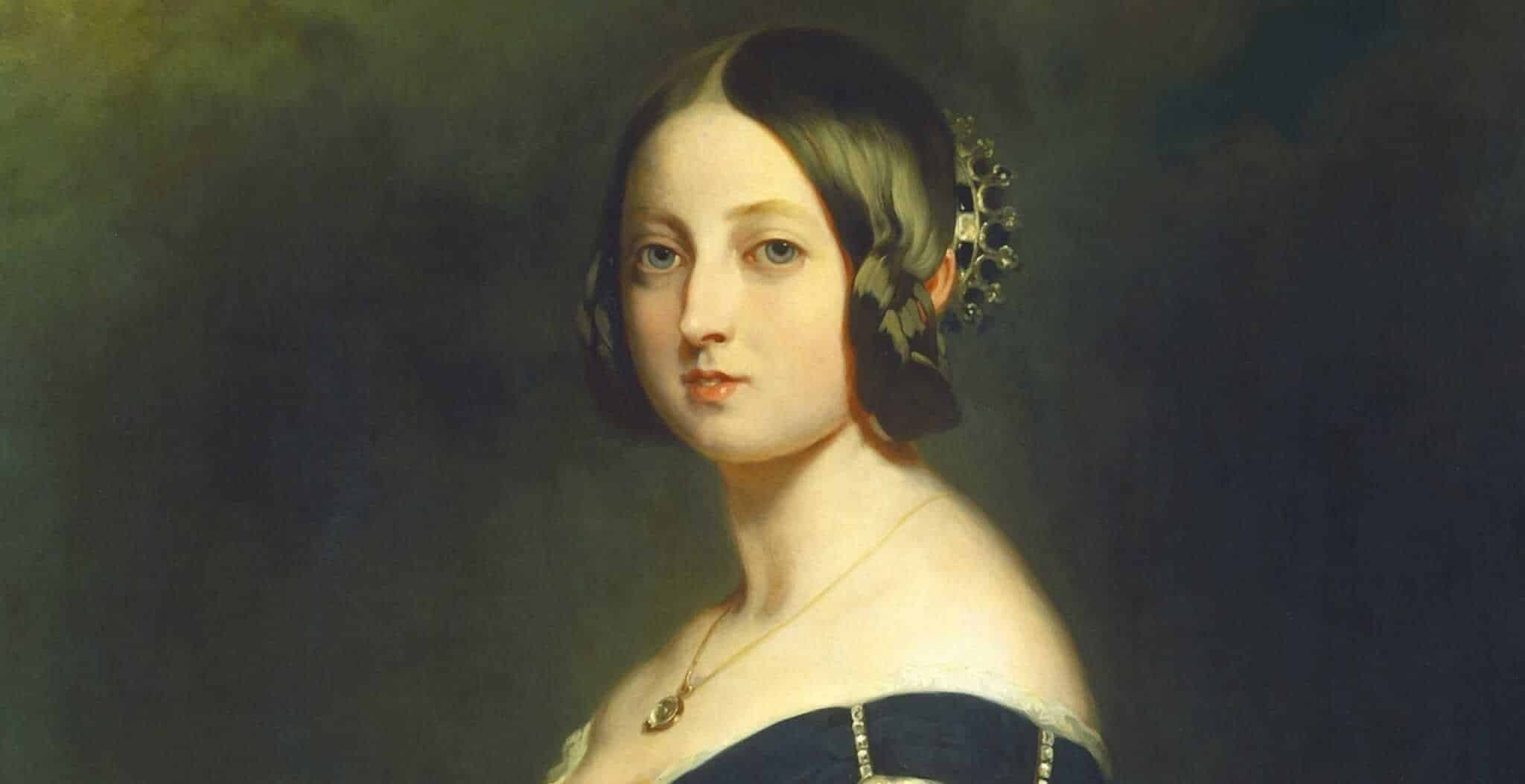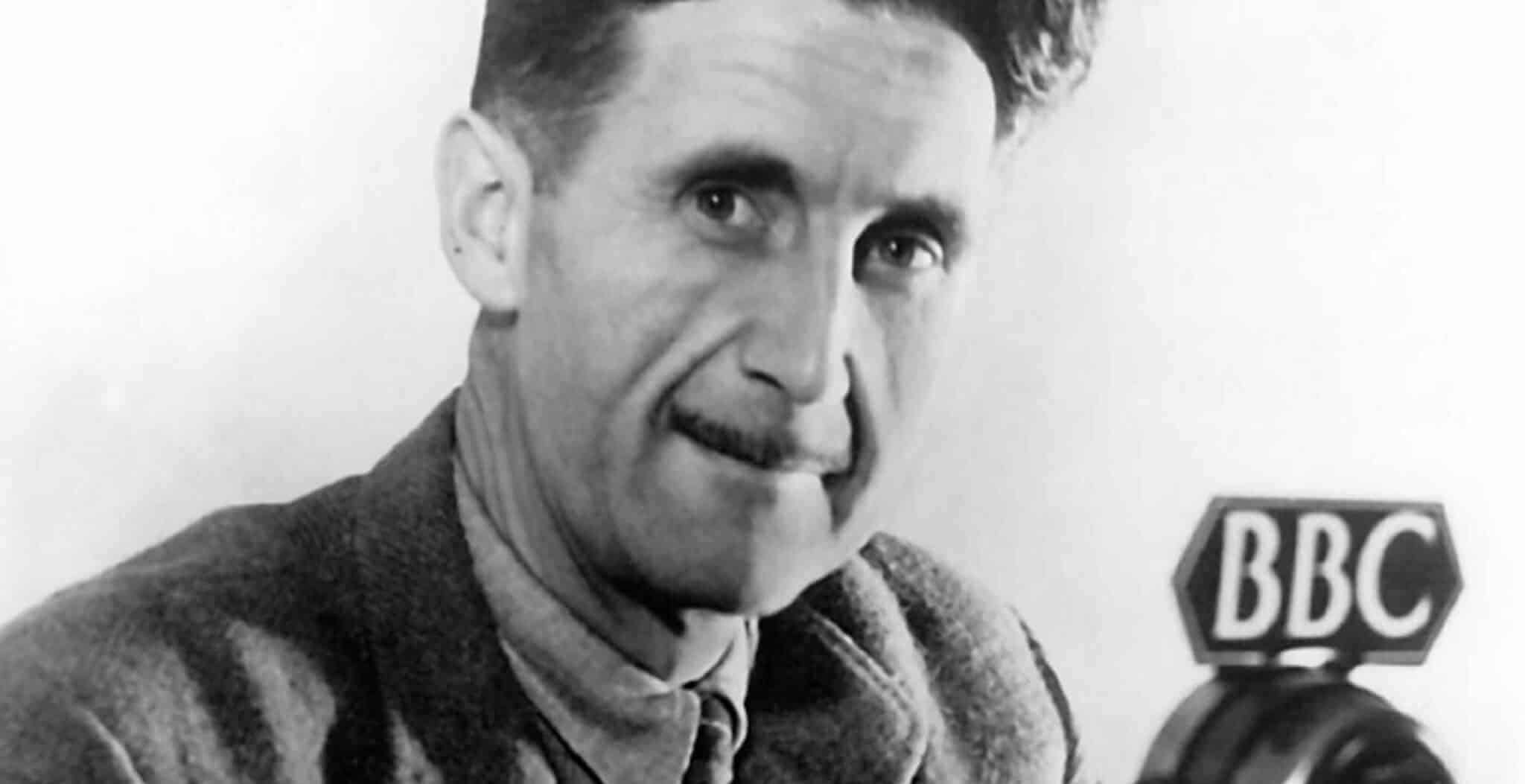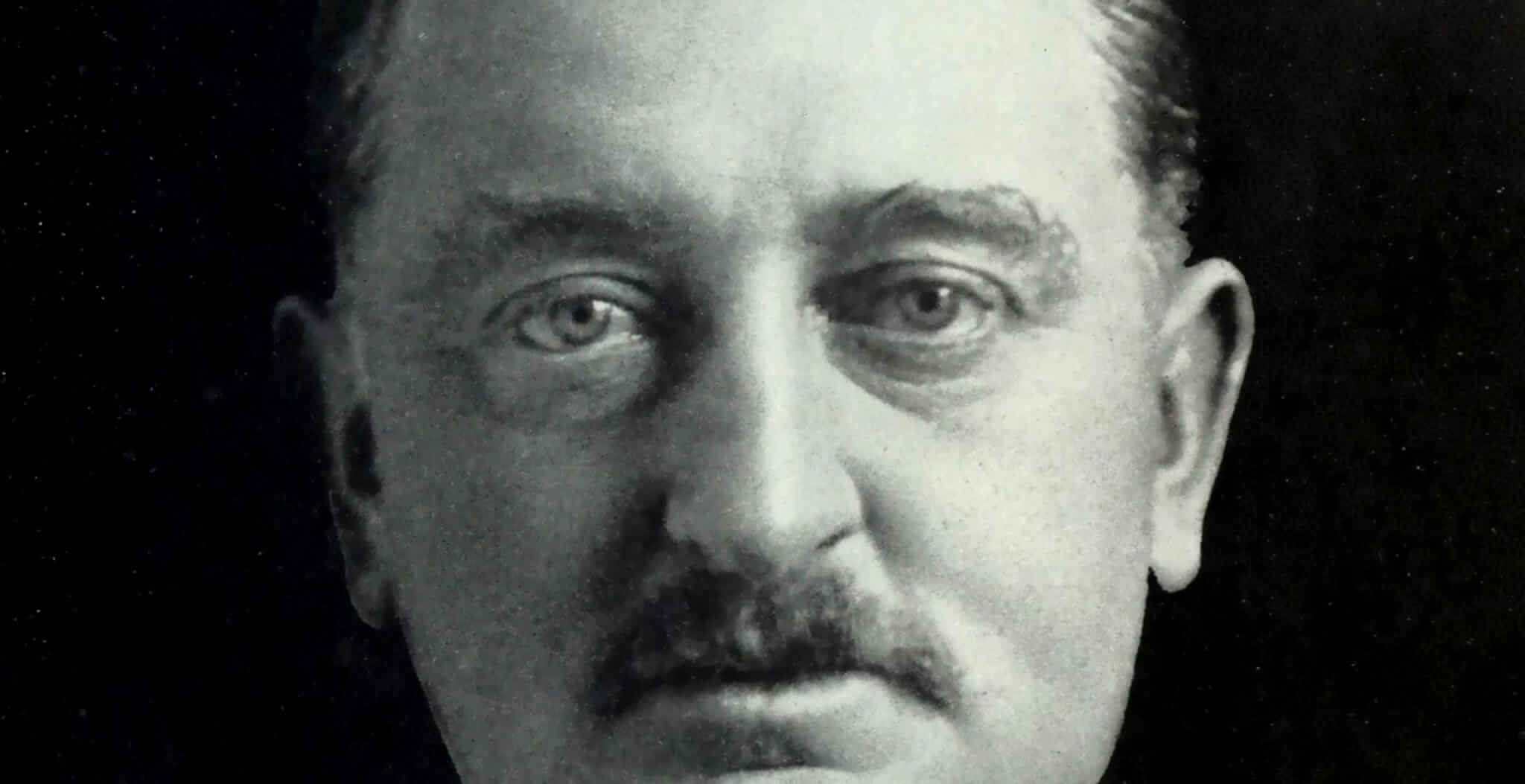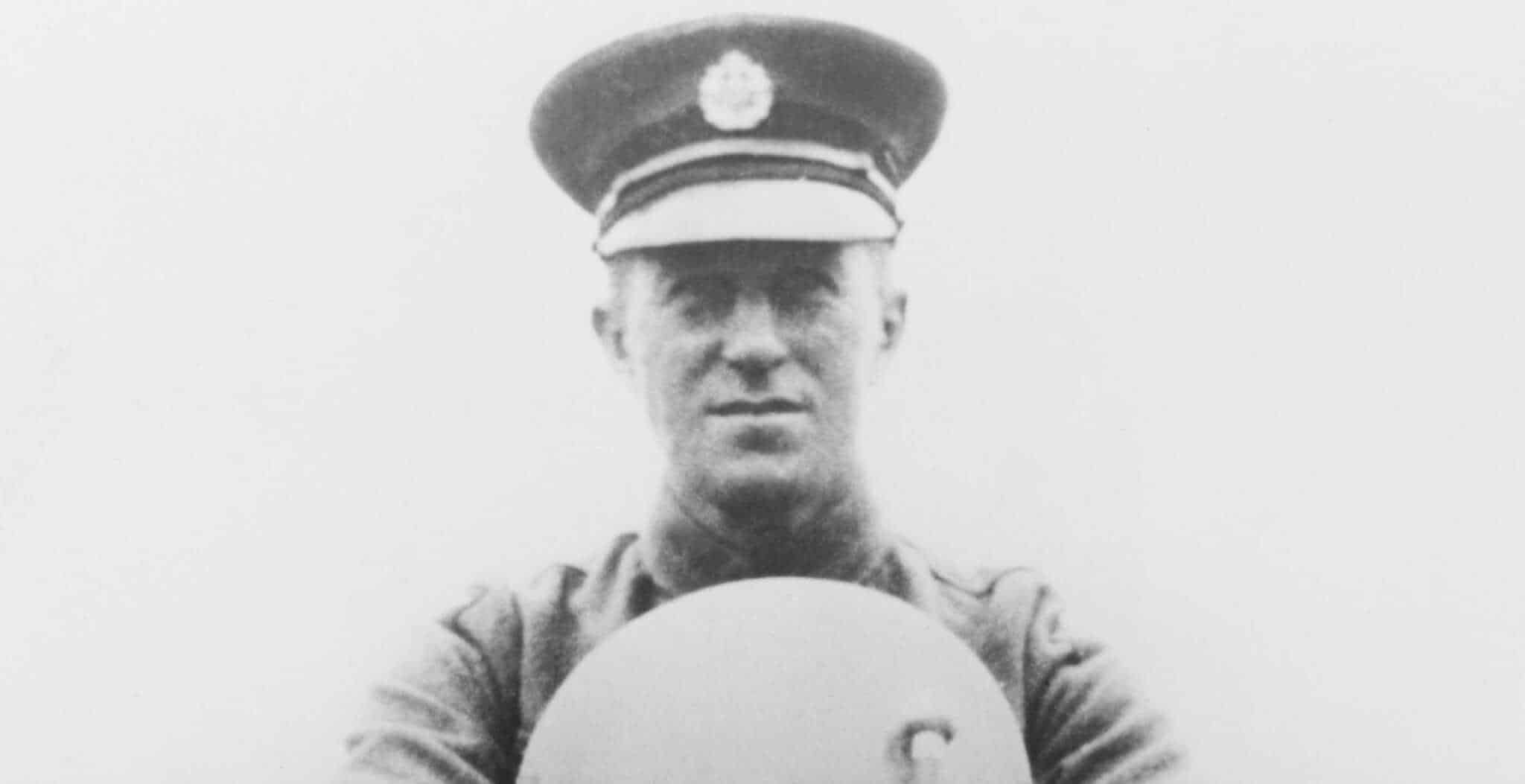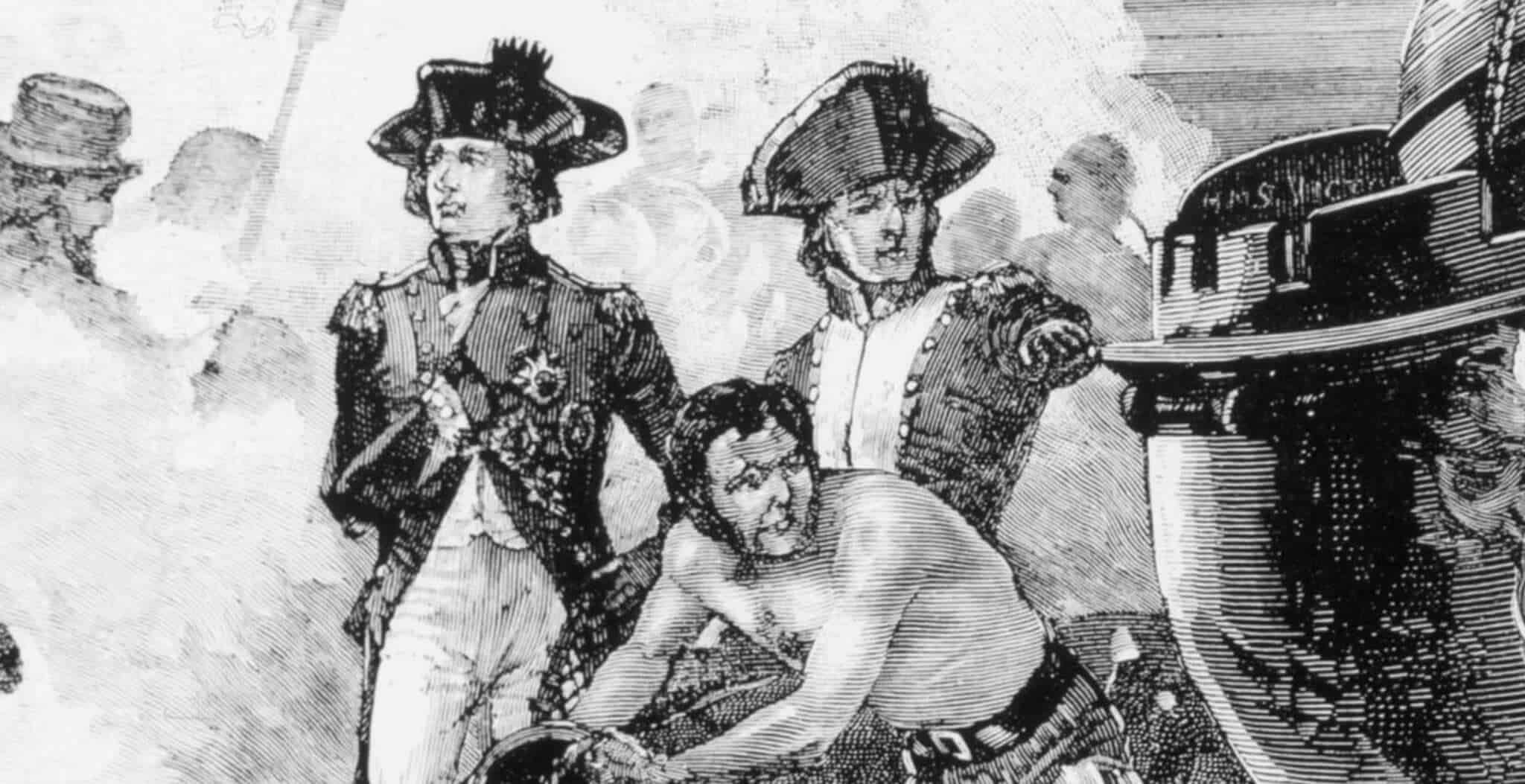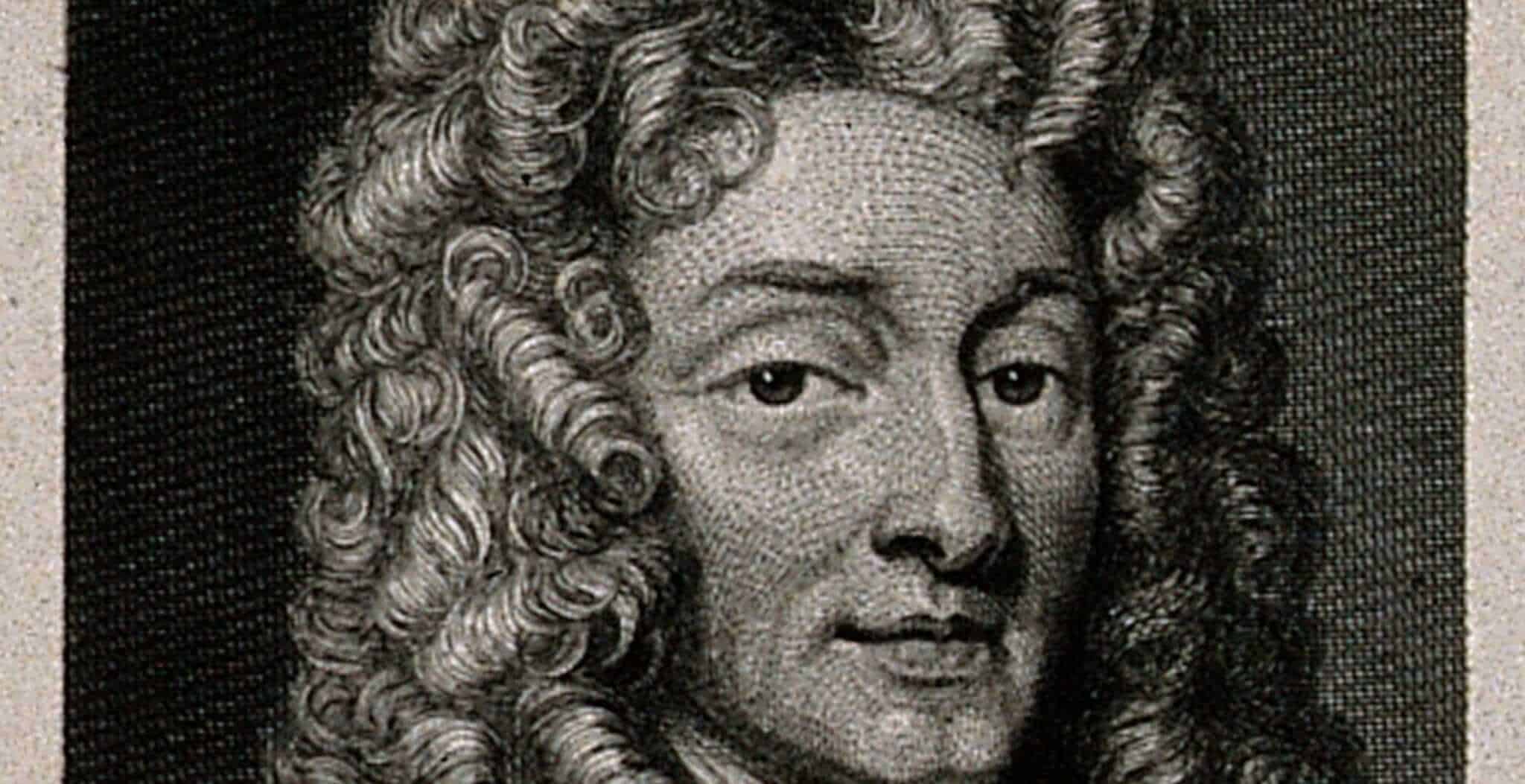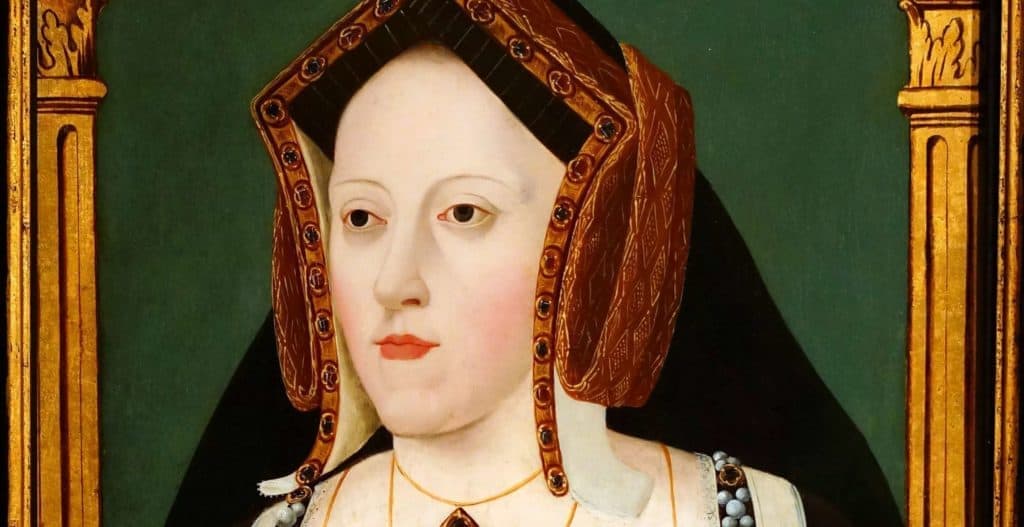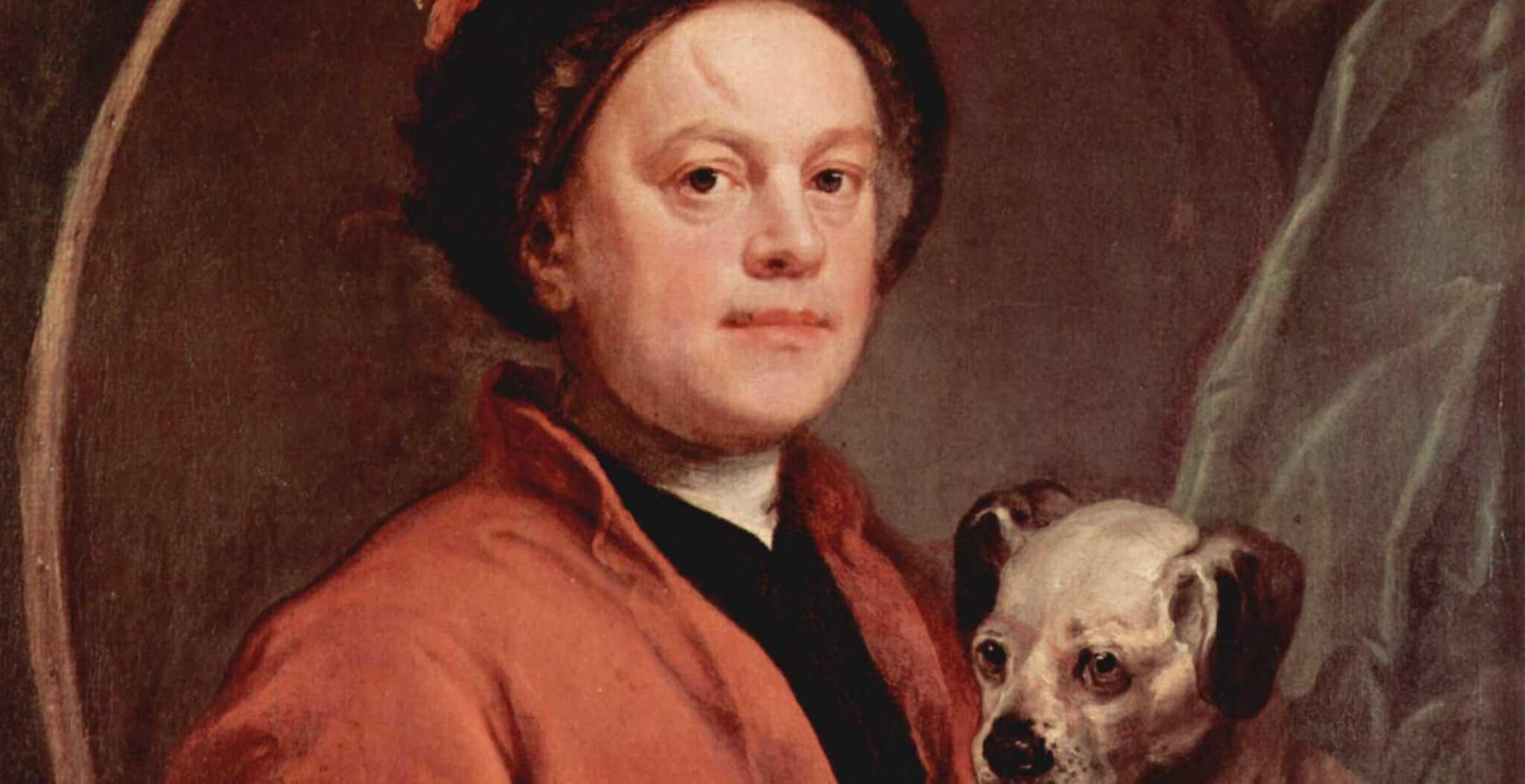


Our selection of historic birthdates in November, including Winston Churchill, King Charles I and William Hogarth (pictured above).
| 1 Nov. | 1762 | Spencer Perceval, British Prime Minister who was assassinated in the House of Commons in 1812 by a Liverpool merchant who blamed the government for his bankruptcy. | |
| 2 Nov. | 1815 | George Boole, son of a Lincolnshire cobbler, who despite having no formal education and no degree, was appointed Professor of Mathematics at Cork University in 1849.The logic of his Boolean algebra remains essential to the design of circuits and computers. | |
| 3 Nov. | 1919 | Sir Ludovic Kennedy Edinburgh-born TV broadcaster and writer, joined the BBC in the 1950’s as librarian – editor – interviewer – newscaster, etc., noted for his just stance, his many books include Ten Rillington Place and Euthanasia: the good death. | |
| 4 Nov. | 1650 | William III, Dutch-born King of Great Britain and Ireland who just happened to be passing Torbay with an army of English and Dutch troops when Parliament declared the throne empty. | |
| 5 Nov. | 1935 | Lester Keith Piggott, widely considered to be the most brilliant jockey since World War II, he rode his first winner in 1948, and went on to win 30 Classics, including nine Derbies. | |
| 6 Nov. | 1892 | Sir John Alcock, Manchester-born pioneer aviator who in 1919 made the first non-stop flight across the Atlantic with Sir Arthur Whitten-Brown in a Vickers-Vimy biplane. | |
| 7 Nov. | 1949 | Su Pollard, comedy actress, best remembered for her role as Peggy the downtrodden cleaner in the 1970’s ‘Hi De Hi’, TV series. | |
| 8 Nov. | 1656 | Edmond Halley (note the spelling!), English Astronomer Royal and mathematician who was the first to realise that comets do not appear randomly, best remembered for the comet named after him and not Bill. | |
| 9 Nov. | 1841 | Edward VII, King of Great Britain and Ireland, considered by his mother Queen Victoria to be “too frivolous” for politics. He was a keen sportsman and gambler. | |
| 10 Nov. | 1697 | William Hogarth, son of a London teacher. He studied painting under Sir James Thornhill, with whose daughter he eloped in 1729. His social commentaries of the day concerning ‘men of the lowest rank’, are recorded in his prints Gin Lane and Beer Street (1751). | |
| 11 Nov. | 1947 | Rodney Marsh, cricketer who made his debut as a wicket-keeper for Australia in 1970 and continued in that role for 14 years, making a record total of 355 dismissals; many, many, many of them English. | |
| 12 Nov. | 1940 | Screaming Lord Sutch, 1960’s pop singer, politician, leader of the Official Monster Raving Loony Party, died 16th June 1999 … his eccentricity lives on through us all! | |
| 13 Nov. | 1312 | Edward III, English King who attempted to restore some order back into the monarchy following his father’s chaotic reign, but did not appear to help matters by claiming the French Crown, declaring war against Philip VI and starting the Hundred Year War. | |
| 14 Nov. | 1948 | Charles, Prince of Wales and heir apparent to the British throne, married Lady Diana Spencer in 1981, they divorced in 1996. | |
| 15 Nov. | 1708 | William Pitt the Elder, English Whig politician also known as the ‘Great Commoner’. As Paymaster of the Forces 1746-55, he broke with tradition by refusing to enrich himself. Following his death in1778 the government voted £20,000 to pay off his debts. | |
| 16 Nov. | 1811 | John Bright, son of a Rochdale cotton-spinner, became an MP in 1843. A leading opponent of the Corn Laws and a staunch supporter of the Peace Society, he denounced the Crimean War. | |
| 17 Nov. | 1887 | Bernard Law Montgomery (of Alamein), British Field-Marshal of World War II whose many victories in battle included the defeat of Erwin Rommel’s army in North Africa 1942. He was known as a ‘soldiers general’ and considered by some to be the best British Field Commander since the Duke of Wellington. | |
| 18 Nov. | 1836 | Sir W(illiam) S(chwenck) Gilbert, best remembered as librettist of Arthur Sullivan’s light comic operas, their partnership started in 1871 creating masterpieces such as HMS Pinafore and The Pirates of Penzance. | |
| 19 Nov. | 1600 | Charles I, King of Great Britain and Ireland who, after upsetting the Puritans and Scots, alienated the rest of the nation with his taxes and finally declared war on his Parliament. He lost his head after the Civil War on 30th January 1649 in Whitehall, London. | |
| 20 Nov. | 1908 | Alistair (Alfred) Cooke, Salford-born journalist and broadcaster who moved to the USA and became a US citizen in 1941. He has written numerous books on the America’s and has broadcast his weekly radio programme Letter from America since 1946. | |
| 21 Nov. | 1787 | Sir Samual Cunard. Canadian-born, he emigrated to Britain in 1838, and together with Glaswegian George Burns and Liverpudlian David McIver, founded the British and North American Royal Mail Steam Packet Company, later known as the Cunard Line. | |
| 22 Nov. | 1819 | George Eliot (Mary Ann Evans), prolific writer who captured the images and characters of her fellow native Midlanders in her novels which include classics such as Mill on the Floss, Silas Marner and perhaps her greatest work Middlemarch. | |
| 23 Nov. | 1887 | Boris Karloff, Dulwich-born actor who after moving to Hollywood made a career for himself on the silver screen starring mainly in horror films such as Frankenstein (1931) and The Body Snatcher (1945). | |
| 24 Nov. | 1713 | Laurence Sterne, Irish-born, Halifax and Cambridge-educated novelist, who mastered a technique of channelling his own sentiments through his books such as The Life and Opinions of Tristram Shandy and Letters from Yorick to Eliza. | |
| 25 Nov. | 1835 | Andrew Carnegie. Born in Dunfermline, he emigrated to Pittsburgh in 1848, there he founded and grew the largest iron and steel works in the USA, retiring back to Scotland in 1901, a multimillionaire. | |
| 26 Nov. | 1810 | William George Armstrong. Originally a Newcastle solicitor, he turned his attention to engineering in the 1840’s, developing and inventing hydraulic cranes, engines and bridges, before turning his attention to ordnance with the ‘Armstrong’ breech-loading gun. | |
| 27 Nov. | 1809 | Fanny Kemble. Made her debut as an actress at Covent Garden in 1829, when her Juliet created a great sensation, moving to and marrying in the USA, she eventually returned to London, she published dramas, poems and eight volumes of autobiography. | |
| 28 Nov. | 1757 | William Blake. Guided and encouraged by his visitations from the spiritual world, he engraved and painted many illustrated books, his finest works adorn the National Gallery and many of his poems have been put to music including Jerusalem. | |
| 29 Nov. | 1898 | C(live) S(taples) Lewis. Belfast-born he won a scholarship to Oxford where he headed a group of writers known as the ‘Inklings’, which included J R R Tolkien. He went on to be one of the most influential authors of children’s books with The Chronicles of Narnia. | |
| 30 Nov. | 1874 | Sir Winston Spencer Churchill. Began his ‘walk with destiny’ as Prime Minister of the coalition government in World War II masterminding battle strategy and the diplomacy which ultimately drew the USA into the conflict. In a recent pole voted the ‘Greatest Britain of all Time’ – the result of which is difficult to argue against! | |