

With the Roman Conquest in 43 AD came the first written records of England’s history. Julius Caesar had of course paid earlier visits to Britain in 55 and 54 BC however these had only been to please his adoring public back home in Rome (political propaganda!). In 43 AD the Emperor Claudius resumed the work of Caesar by ordering the invasion of Britain under the command of Aulus Plautius.
The Romans quickly established control over the tribes of present day southeastern England. One British chieftain of the Catuvallauni tribe known as Caractacus, who initially fled from Camulodunum (Colchester) to present day south Wales, stirred up some resistance until his defeat and capture in 51 AD. Dispatched off to Rome, he obviously made friends in high places, appearing in Claudius’ triumphal procession. He was later released in recognition of his courage and died in Rome. Resistance to Roman rule continued in what is now Wales, particularly inspired by the Druids, the priests of the native Celtic peoples.
All was relatively quiet in Britannia for ten years or so until Prasutagus the king of the Iceni tribe, died. His queen, Boudica, a little upset at having her lands taken from her by the Romans and her two daughters raped, opted for affirmative action rather than the diplomatic approach. Under Boudica’s leadership the Iceni together with their southern neighbours the Trinovantes revolted, burning to the ground Londinium (London), Verulamium (St. Albans) and Camulodunum (Colchester). Boudica poisoned herself after her army was virtually annihilated by Roman legions returning from active service in North Wales. They had again been attempting to quell the Druids in Anglesey.
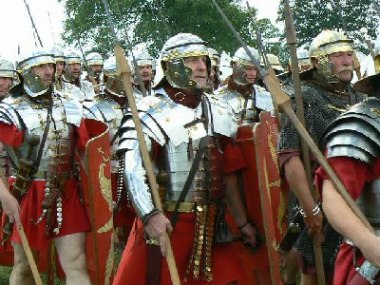
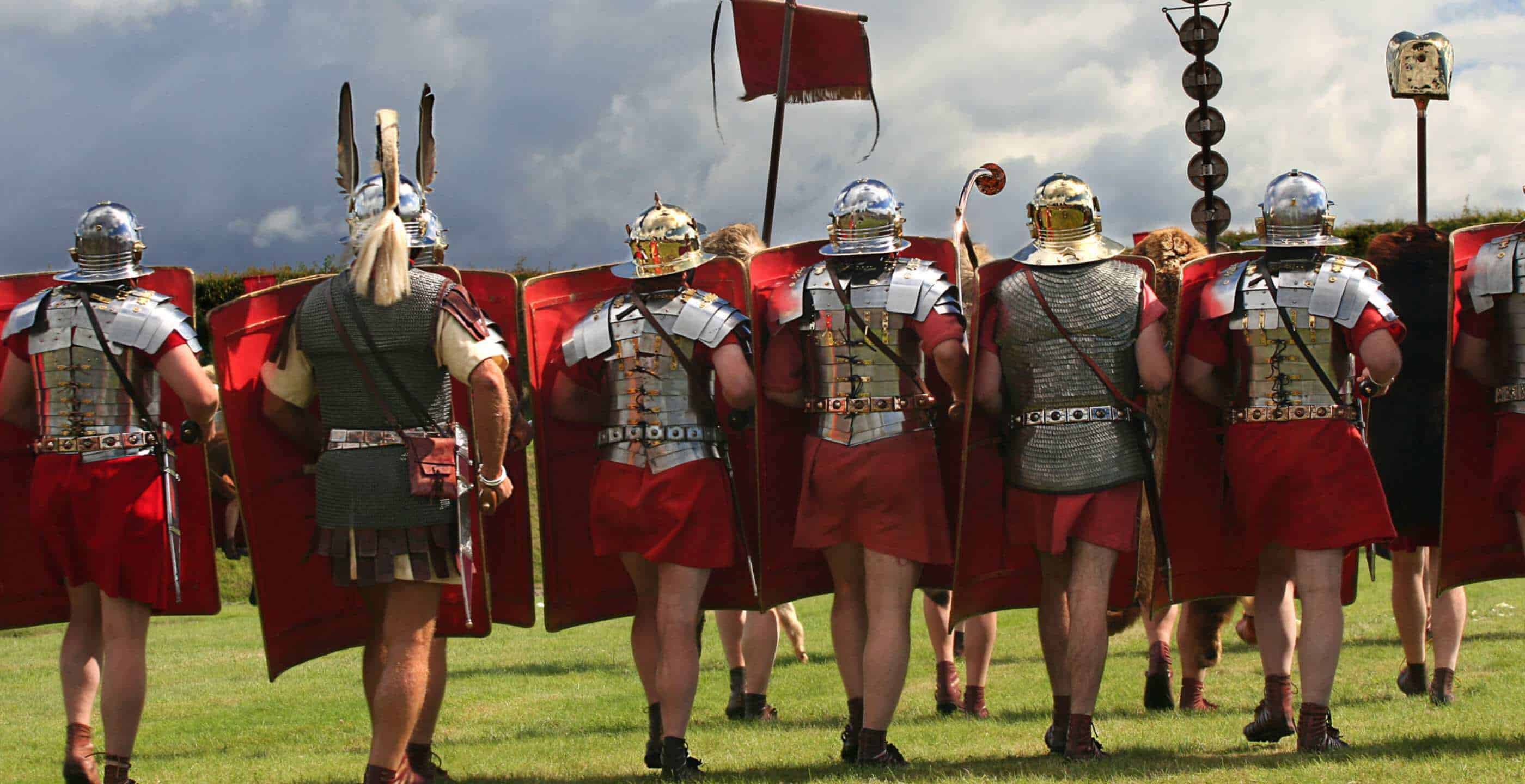
During the 70’s and 80’s the Romans, under the command of Gnaeus Julius Agricola extended their control into northern and western England. Legions were located at York, Chester and Caerleon marking the limits of the ‘Civil Zone’. Agricola moved northwards defeating the Caledonian tribes under the leadership of Calgacus at the battle of Mons Graupius in present day northeastern Scotland. The Romans gradually gave up their conquests in Scotland until in 122 AD the emperor Hadrian ordered the construction of a wall from the west coast of Britain to the east.
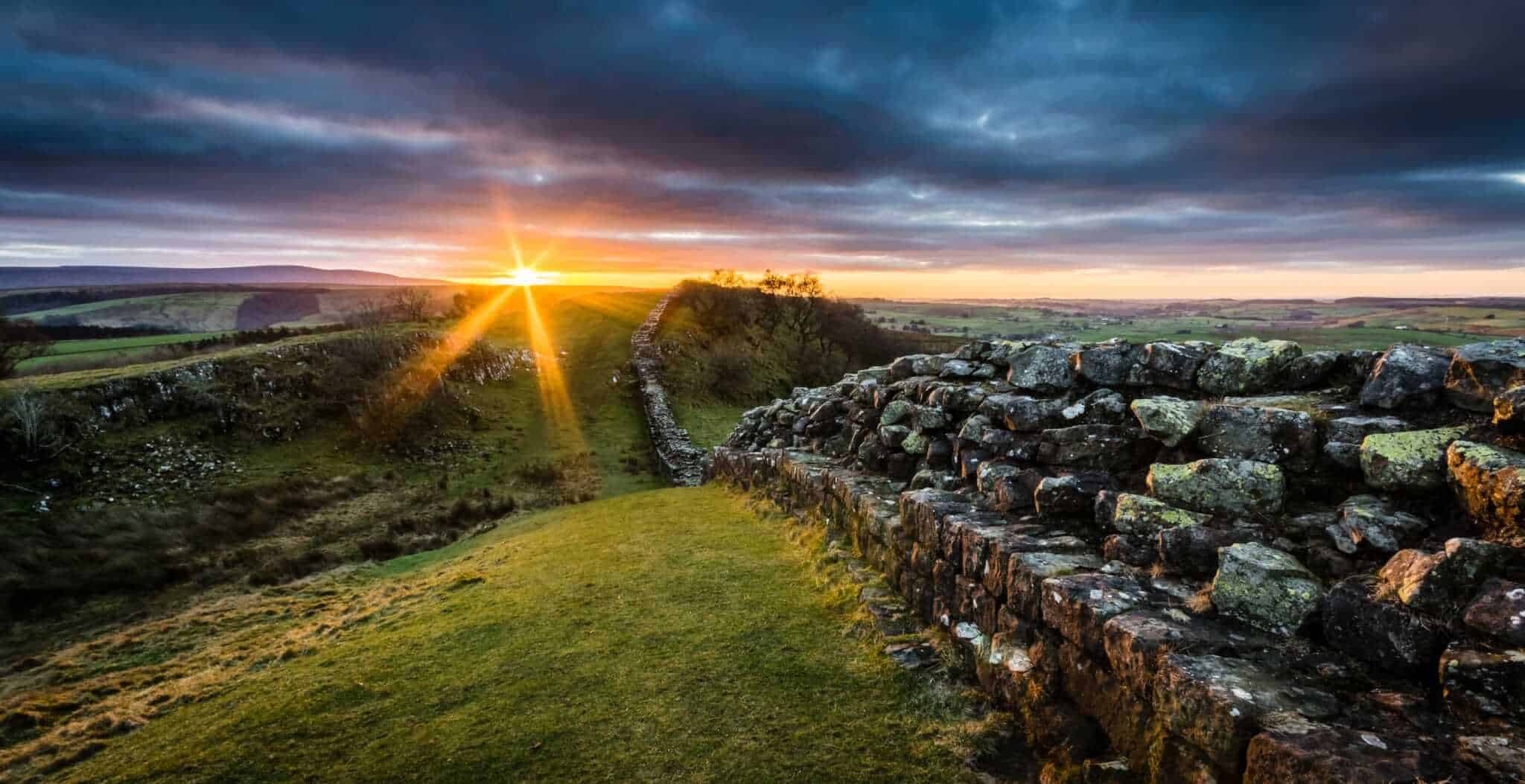
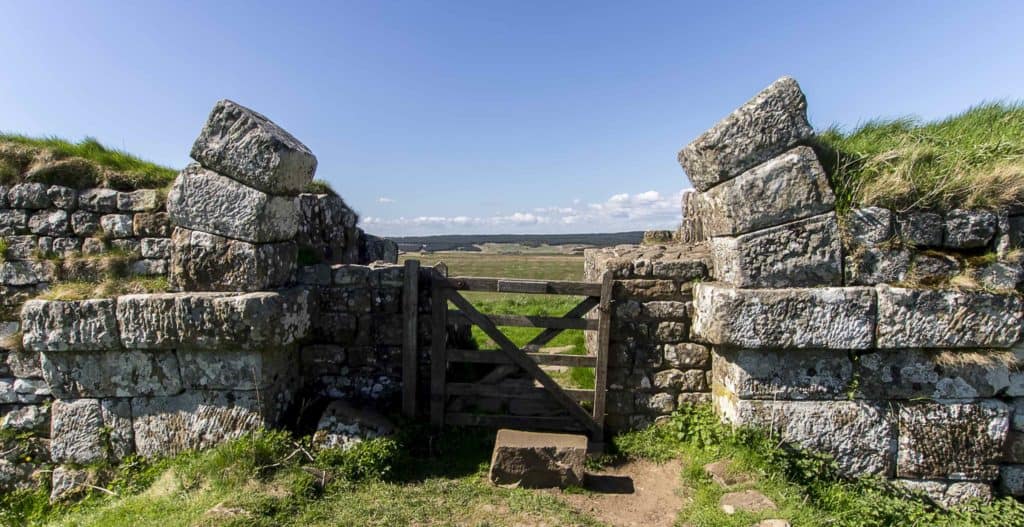
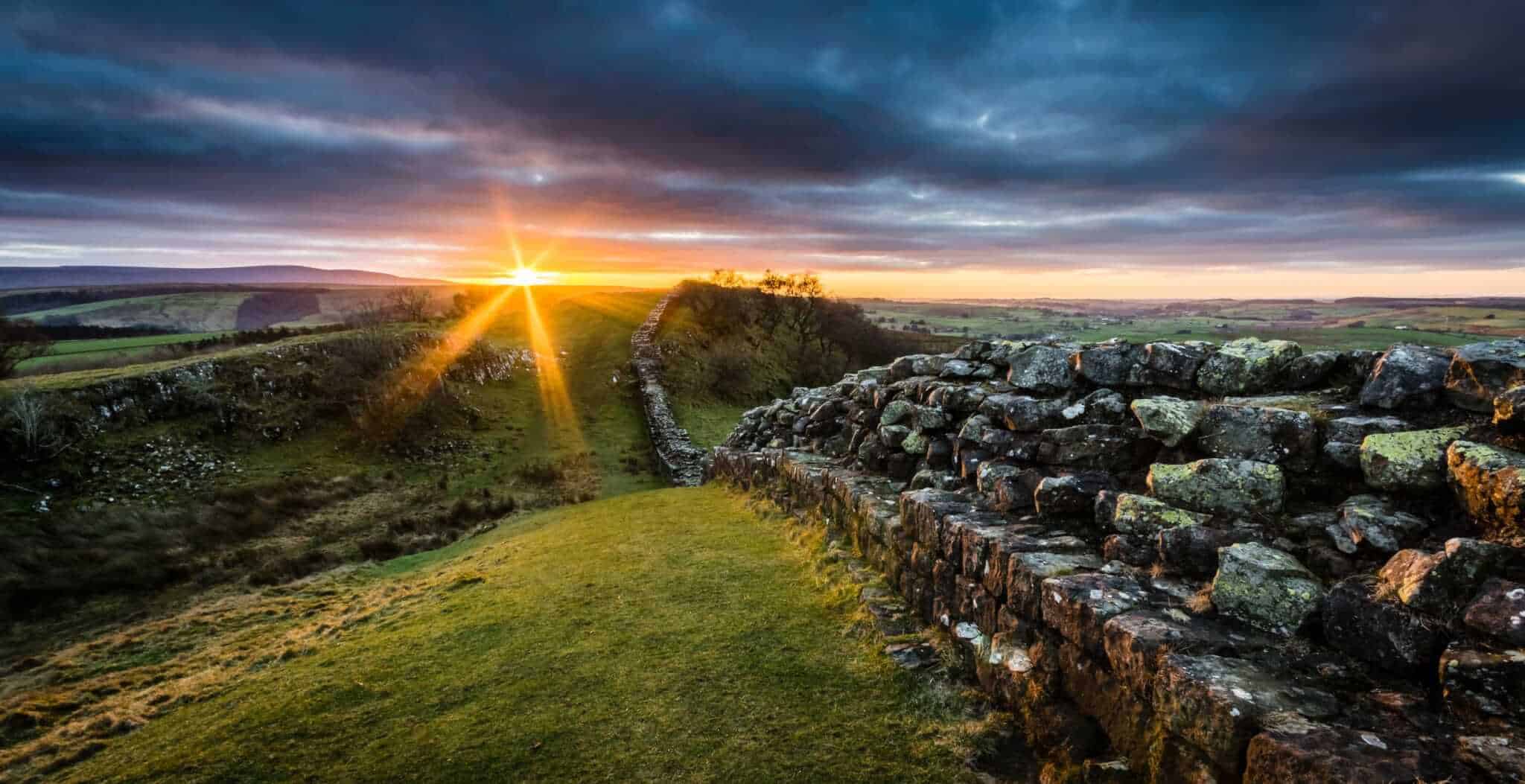
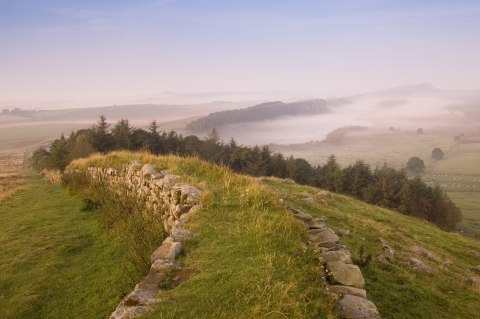
Hadrian’s Wall ran for eighty miles from Newcastle in the east to Carlisle in the west. Designed to mark the boundaries of the Roman Empire, much of the great monument can still be seen today. When Hadrian died in 138 AD his successor Antonius Pius abandoned the newly completed wall and again pushed northwards. A new frontier, the Antonine Wall was established between the Forth and Clyde rivers in Scotland. Around 160 AD the Antonine Wall was abandoned and thereafter Hadrian’s Wall again became the northern boundary of the Roman Empire in Britain.
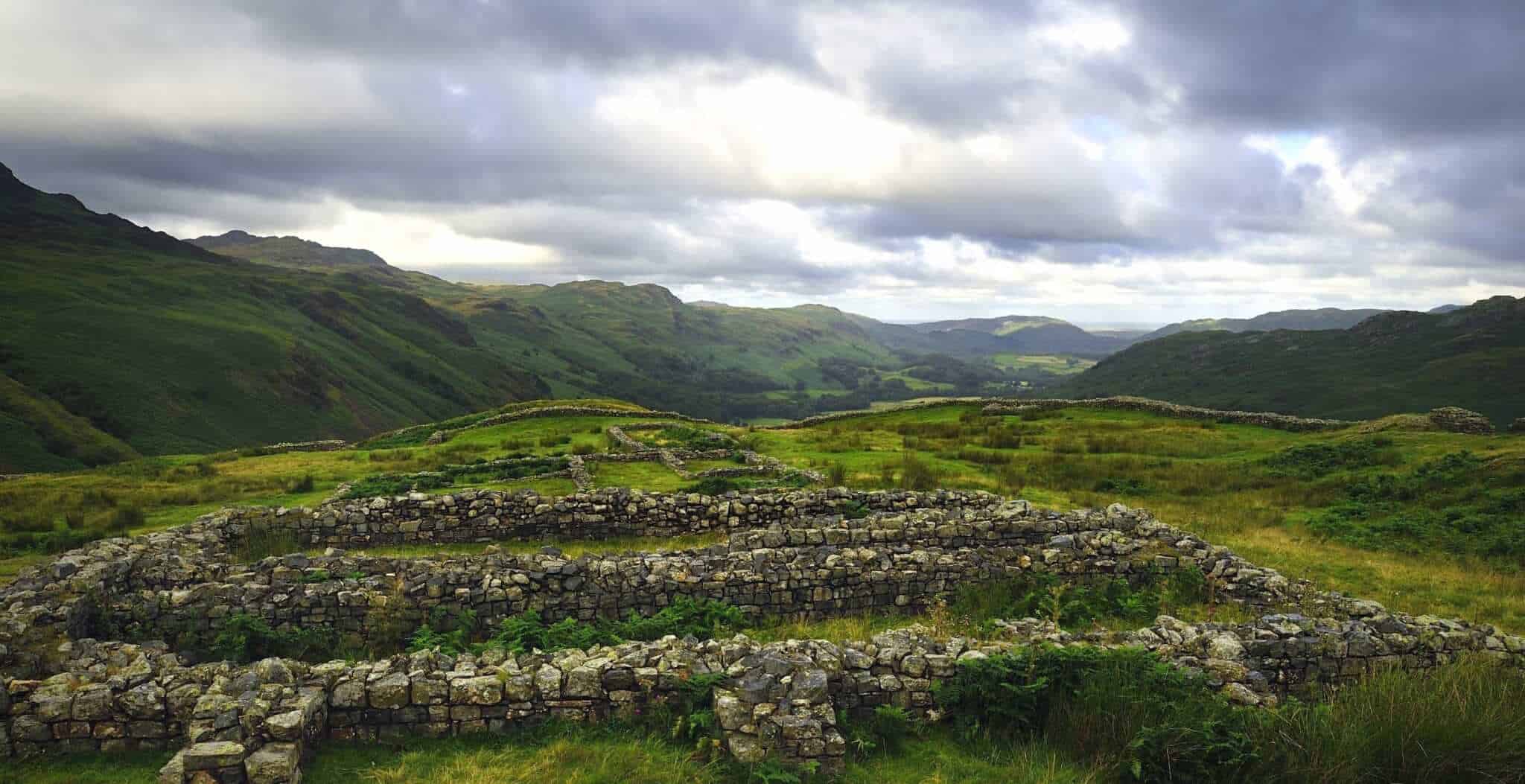
The Romans never did succeed in subduing all of Britain. They always had to maintain a significant military presence to control the threat from the unconquered tribes. But most people in southern Britain settled down to Roman order and discipline. Towns appeared for the first time across the country, including York, Chester, St. Albans, Bath, Lincoln, Gloucester and Colchester. All of these major centres are still linked today by the system of Roman military roads radiating from the great port of London such as Ermine Street, Watling Street and the Fosse Way. These roads also allowed for the distribution of Roman luxuries such as spices, wines, glass etc. brought in from other regions of the Empire. It is likely that the Romanisation of Britain principally affected only the rich. This aristocracy may have increased status by adopting Roman ways and practices such as regular bathing. The vast majority of the populace would remain relatively untouched by Roman civilisation, living off the land and eking out a living.