

In the first five years following their conquest of Britain in AD 43, the Roman armies advanced slowly from their administrative and economic centre, London. They advanced on three fronts; north to Lincoln, and west to Wroxeter and Gloucester.
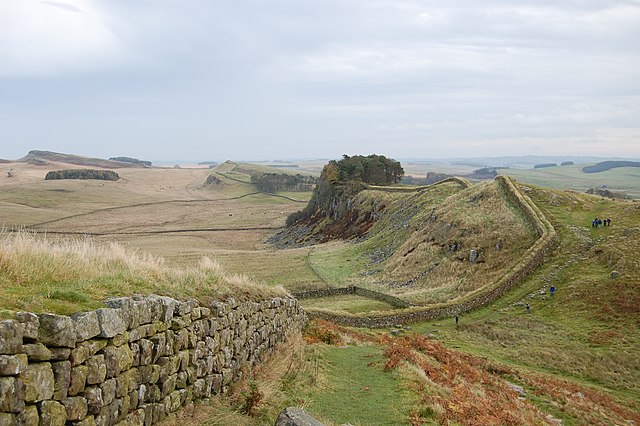
The Romans spent the next thirty years attempting to tame the ‘wild barbarians’ of northern England and Scotland (see Hadrian’s Wall). In order to protect their toga-clad rears, the legions of Lincoln, Wroxeter and Gloucester were moved forward to York, Chester and Caerleon, these points becoming the effective limits of the ‘civil zone’. The Romans found Britain divided into little states or kingdoms, each under a native king. The Romans used these native kings and nobles to keep control over each state or canton – the native Bricantes tribes ruling most of the canton now called Yorkshire came under the control of the legionary fortress of Eburacum, thought to mean ‘a place of yew trees’ (York). The famous Ninth Roman Legion settled here in AD 71.
Britain underwent a remarkable change as the Romanisation of the ‘civil zone’ proceeded. Order and discipline replaced prehistoric disorder. Towns, houses and political institutions rapidly appeared. The ‘great unwashed’ were even introduced to the social institution of public baths and the country settled down to be as Roman as it could.
When the Romans left in AD 410, Britain again reverted to a series of little Celtic states enjoying various degrees of Romanisation. A time of temporary but relative prosperity – yippee! No Roman taxes to pay! The ‘wild barbarians’ that the Romans had failed to subdue in the North, namely the Irish, Picts and Scots, dropped in from time to time to plunder this wealth. Time for some protection – some bodyguards – the Saxons.
The Saxons, at first brought in as mercenaries, liked the place and the people so much that they decided to stay, bringing their own Germanic culture and social system to the area. The Saxon system had no need of the towns or roads of Roman Britain and York’s influence declined.
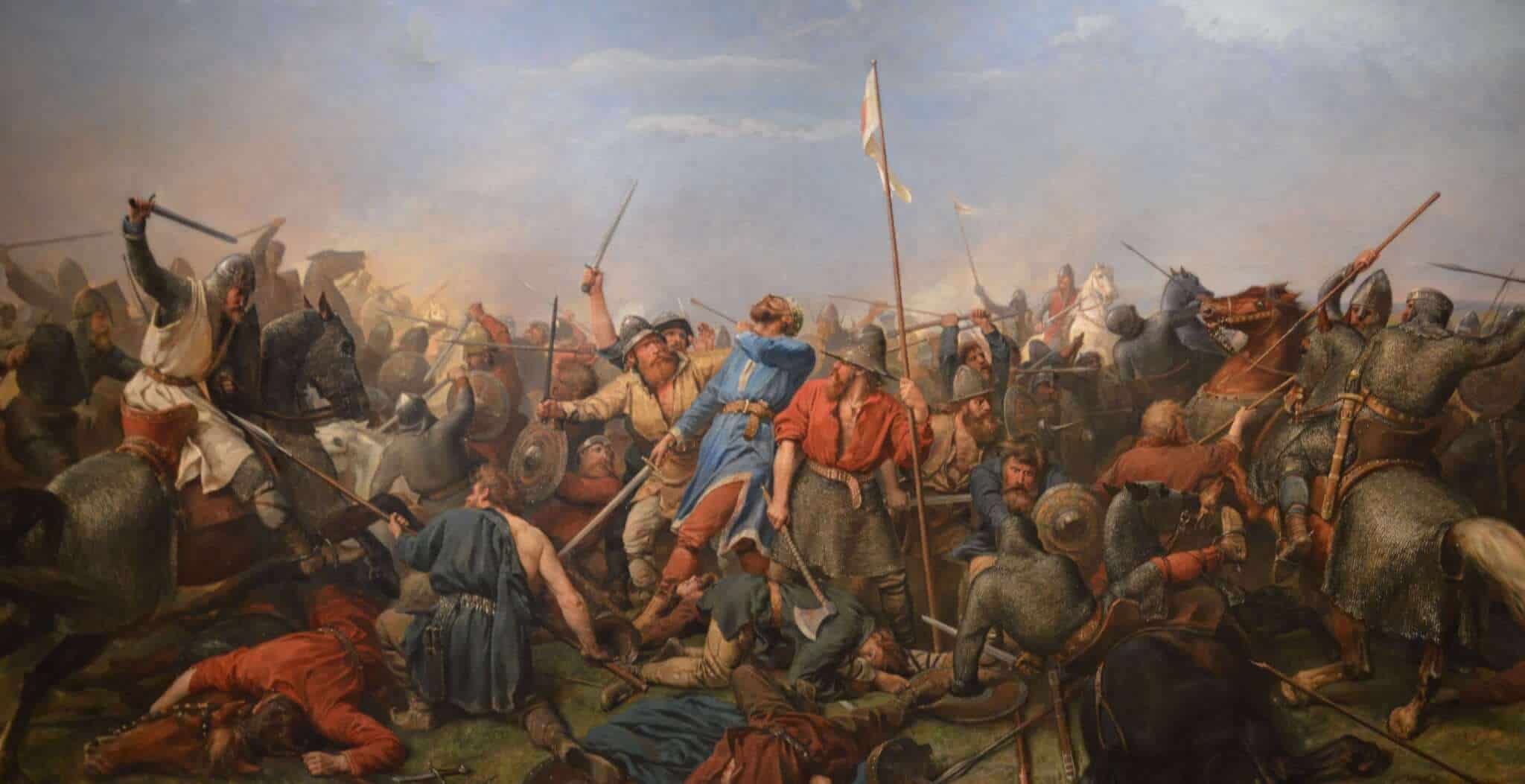
In 866, Danish Viking invaders ransacked the city and changed its name to Jorvick. A Viking kingdom which stretched from the River Tees in the north to the River Thames in the south, was under Danish control (Danelaw). By AD1000 York had expanded and had some 8,000 inhabitants. The influence of the Vikings is apparent in York and throughout Yorkshire today in many street and place names – Stonegate, Swinegate, village names ending in ‘by’ and ‘thorpe’. Danish territorial divisions survive in the three Ridings (Thirdings) of Yorkshire.
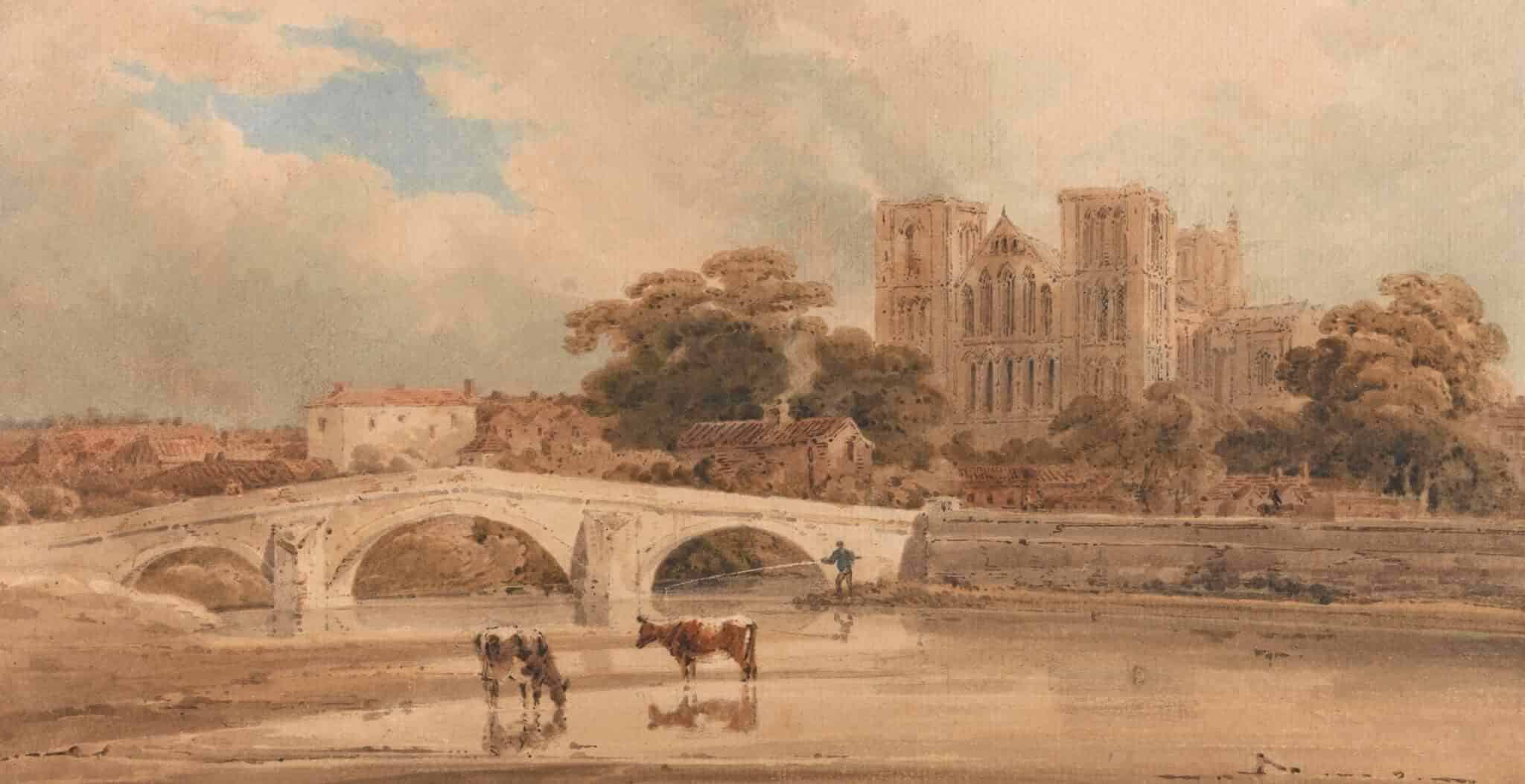
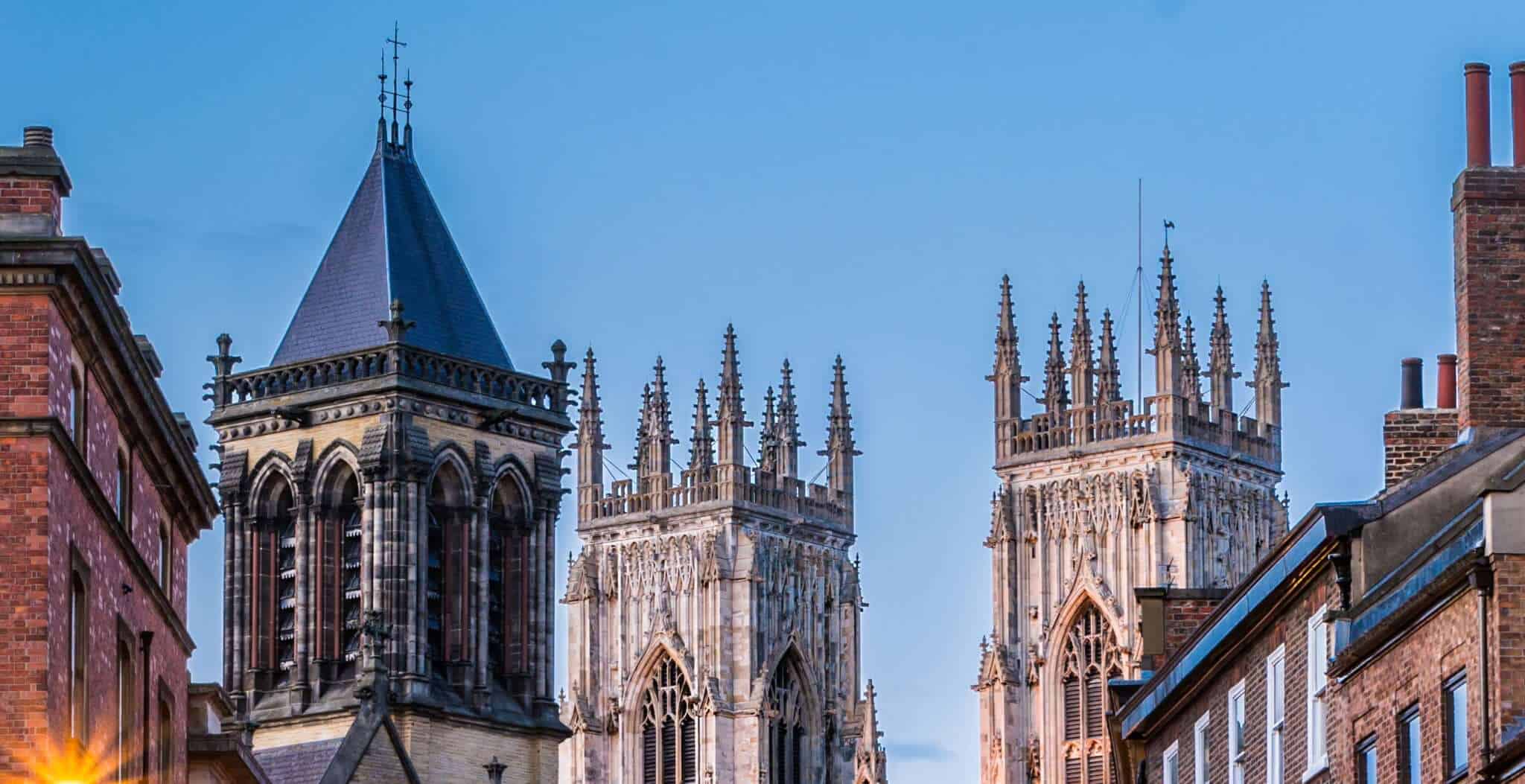
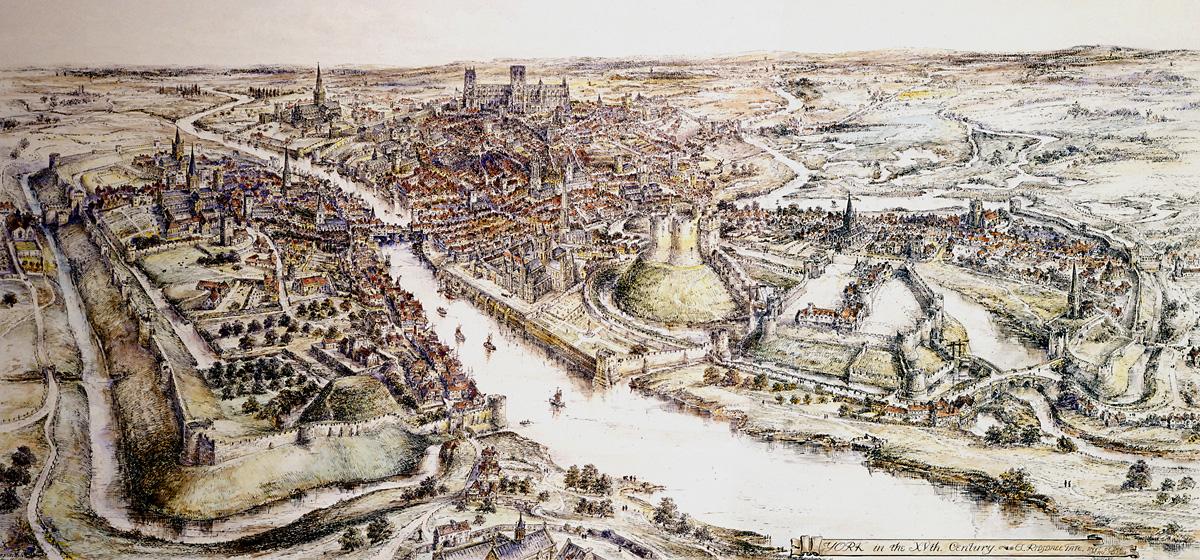
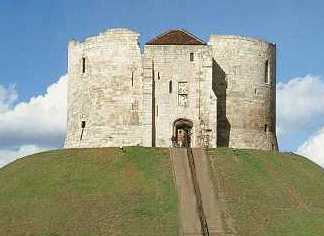
The Norman invasion of 1066 changed the face of York and Britain to one easily recognisable today. Saxon and Viking buildings were mostly wooden and few of them stood above tree level. The Normans however brought with them a genius for architecture. They possessed building skills which in their day would have amounted to an industrial revolution. Stone churches replaced wooden structures, castles and castle mounds like York’s Clifford’s Tower demonstrated the Norman desire for order, unity and good government. Surely the finest example is the 800 year old York Minster, the largest Gothic cathedral in Northern Europe.
New scientific thought and religious freedom of the 16th and 17th centuries led through to technical advances based on iron, steel and powered machinery. Ultimately this took us to the Industrial Revolution of the 18th century. York played a significant role in this as a major manufacturer of railway rolling stock. The National Railway Museum houses the world’s largest collection of engines and carriages in its three unique galleries.
Tours of historic York
For more information concerning tours of tours of historic York, please follow this link.
Getting here
York is easily accessible by both road and rail, please try our UK Travel Guide for further information.
Roman Sites
Try our interactive map of Roman Sites in Britain to browse our database of visible Roman remains.
Anglo-Saxon Sites in Britain
Explore our interactive map of Anglo-Saxon Sites in Britain for nearby sites.
Cathedrals in Britain
Browse our interactive map showing the Christian Cathedrals of Britain including York Minster.
Museums
View our interactive map of Museums in Britain for details of local galleries and museums.
Castles in England
Try our interactive map of Castles in England to browse our huge database.
Published: 23rd December 2015.