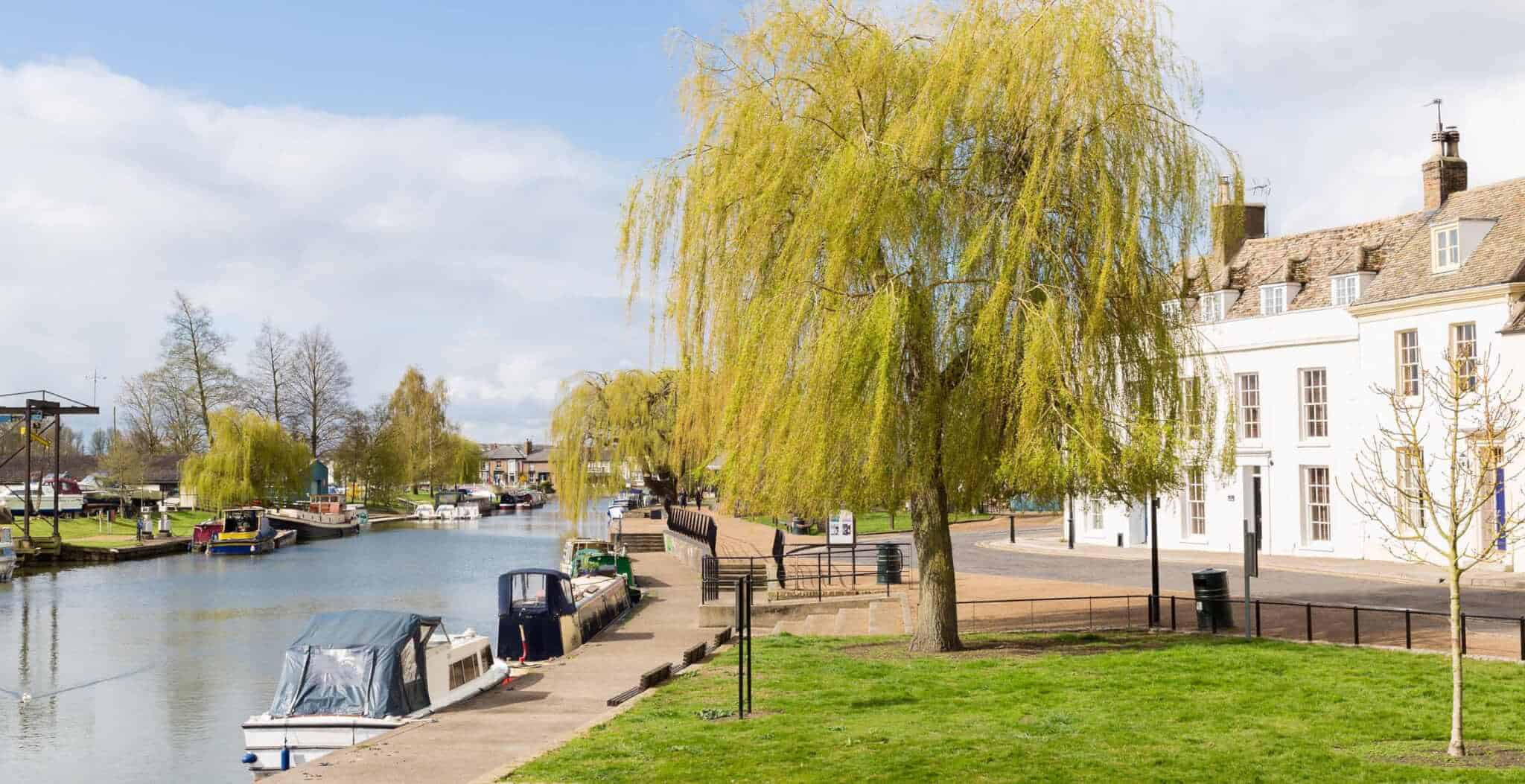


The ancient city of Ely occupies the largest island in the Cambridgeshire Fens. The “Isle of Ely” is so called because it was only accessible by boat until the waterlogged Fens were drained in the 17th century. Still susceptible to flooding today, it was these watery surrounds that gave Ely its original name the ‘Isle of Eels’, a translation of the Anglo Saxon word ‘Eilig’.
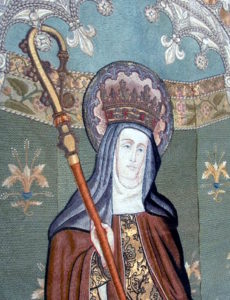
It was an Anglo Saxon princess, Saint Ethelreda, who founded the first Christian community on the islands’ hill top site in 673 A.D. for both monks and nuns. Like her father Anna, the king of East Anglia, Ethelfreda had become an enthusiastic supporter of the new religion that was fast spreading through the country.
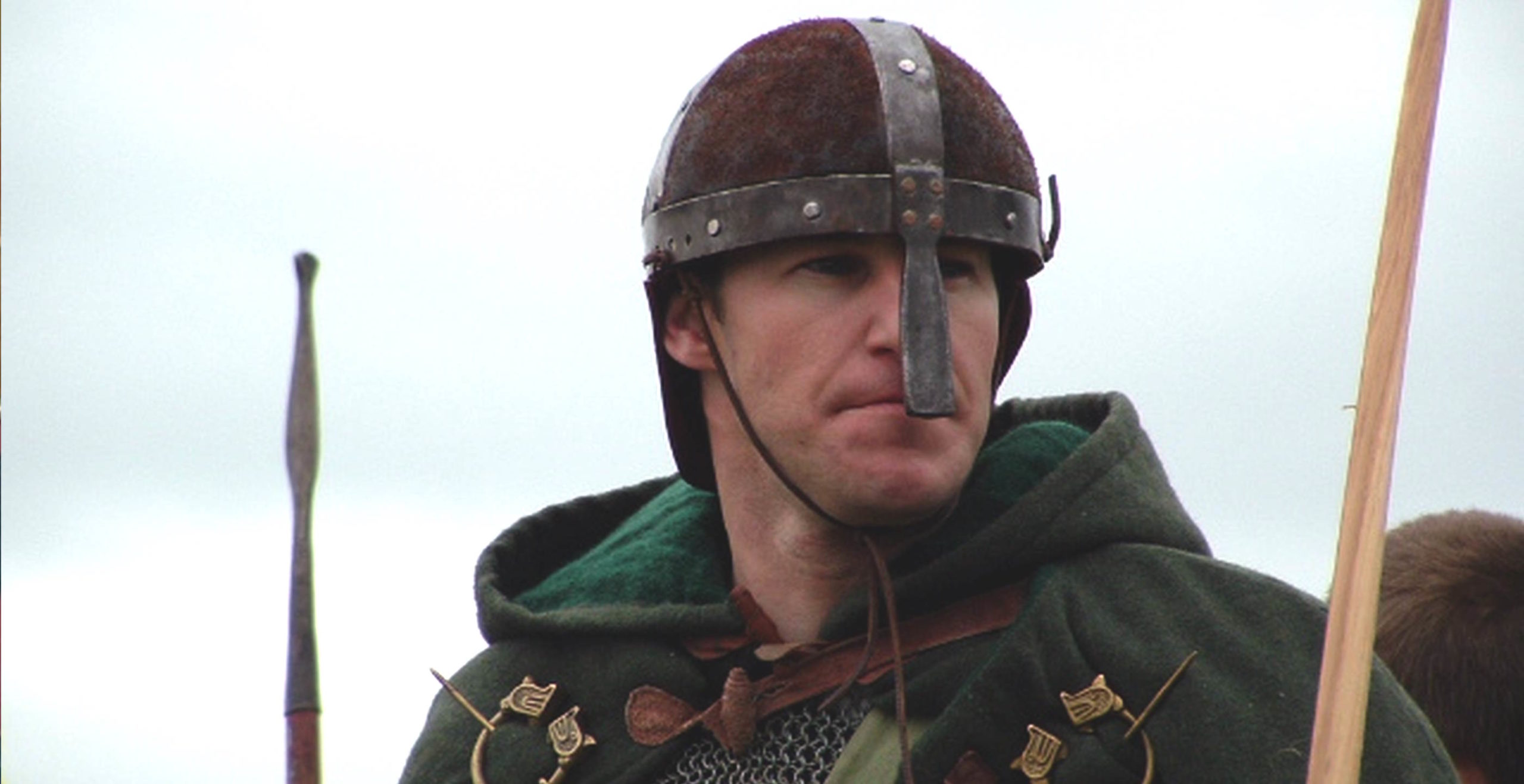
Rich in folk history, Ely was also the stronghold of Hereward the Wake (meaning ‘wary’). Hereward exploited the natural defences of the Isle of Eels to stage the final Anglo Saxon resistance to the Norman invasion of 1066, led by William the Conqueror. Unfortunately for Hereward however, he did not have the full support of the Ely monks, some of whom provided William with the information he needed to capture the island.
Hereward escaped to fight another day, but William exacted a heavy toll on the abbot and monks of Ely. At that time Ely was the second richest monastery in England, but in order to gain their pardon the monks were forced to melt down and sell all the silver and gold objects within the church as recompense.
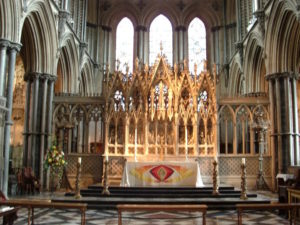
Today nothing survives of the Anglo Saxon church. Ely is now dominated by the magnificent Norman Cathedral, a legacy left by William I. The invading Normans undoubtedly used their building skills to demonstrate their power over the local population. With its intricately carved stonework, Ely Cathedral took almost 300 years to complete. Today, more that 1,000 years later, it still towers over the surrounding low-lying fenland, one of the finest example of Romanesque architecture in the country …’The Ship of the Fens’.
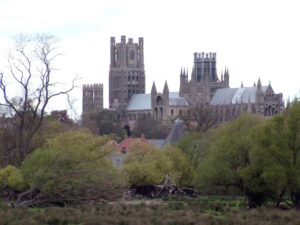
The cathedral with its many interesting features, including the 14th century Lady Chapel and Octagon Tower, will no doubt be recognised by millions, as it was used as a film set for the two recent Elizabethan epics ‘The Golden Age’ and ‘The Other Boleyn Girl’.
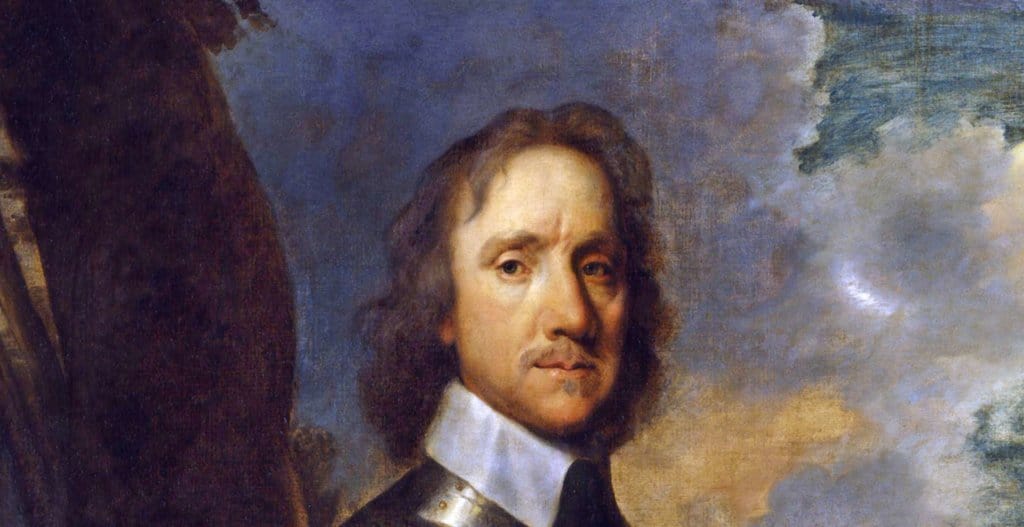
Perhaps the most famous resident of Ely was The Lord Protector, the uncrowned King of Great Britain and Ireland, Oliver Cromwell. In 1636 Cromwell inherited a large estate in the area from his uncle Sir Thomas Steward. He became the local tax collector, a man of wealth and great standing within certain sectors of the community. Not perhaps the greatest admirer of the local (Catholic) clergy, he was responsible for closing the cathedral for approximately 10 years following a disagreement with them. He did however put the building to good use during this period, as stabling for his cavalry horses.
Due to its historic isolation, Ely has remained small. Visitors can explore the ancient buildings and medieval gateways, the Cathedral Close (the largest collection of domestic monastic buildings in the country) or Oliver Cromwell’s House, which is open all year round with exhibitions, period rooms and a haunted room. Stroll along the riverside (in the summer there are daily boat trips to Cambridge) or visit the tearooms and antique shops which nestle cosily in the narrow streets of this ancient city.
Twice weekly markets are held in Ely; a general produce market on Thursdays and a Crafts and Collectibles market on Saturdays.
Ely is ideally situated: Cambridge is a 20 minute drive, Newmarket 15 minutes, and the Norfolk Heritage coast is only an hour away by car.
Places to Visit:
Ely Museum, The Old Gaol, Market Street, Ely
Ely Museum tells the fascinating history of the Isle of Ely and the cathedral city at its heart. Nine galleries tell the story from the Ice Age to modern times. From time to time actors play the part of prisoners in the cells and re-enact the visit of John Howard.
Open All Year. 10.30am – 4.30pm daily except Bank Holidays.
Tel: 01353 666 655
Oliver Cromwell’s House, 29 St Mary’s Street, Ely
The former home of the Lord Protector is open all year. Videos, exhibitions and period rooms tell the history of Cromwell’s family home and gives a vivid portrayal of 17th century life. Hats and helmets to try, and a dressing-up box for children. Haunted Bedroom. Tourist Information Centre. Gift Shop.
Open:
Open all year round with the exception of 25th and 26th December and 1st January.
Summer, 1st April – 31st October: 10am – 5pm daily including Saturday, Sunday and Bank Holidays.
Winter, 1st November – 31st March: 11am – 4pm Monday to Friday, Saturdays 10am – 5pm
Tel: 01353 662 062
Stained Glass Museum, Ely Cathedral
The Stained Glass Museum is a unique collection of stained glass dating from the Middle Ages. The windows trace the history and development of this fascinating art form up to the present day. Over one hundred panels of glass displayed at eye-level in the magnificent setting of Ely Cathedral.
Open:
Summer: Mon – Fri 10.30am – 5.00pm, Sat, 10.30am – 5.30pm and Sun 12 noon -6.00pm
Winter: Mon – Fri 10.30 – 4.30pm, Sat 10.30am – 5.00pm and Sun 12 noon – 4.15pm
Tel: 01353 660 347
Getting here:
Ely is easily accessible by both road and rail, please try our UK Travel Guide for further information.