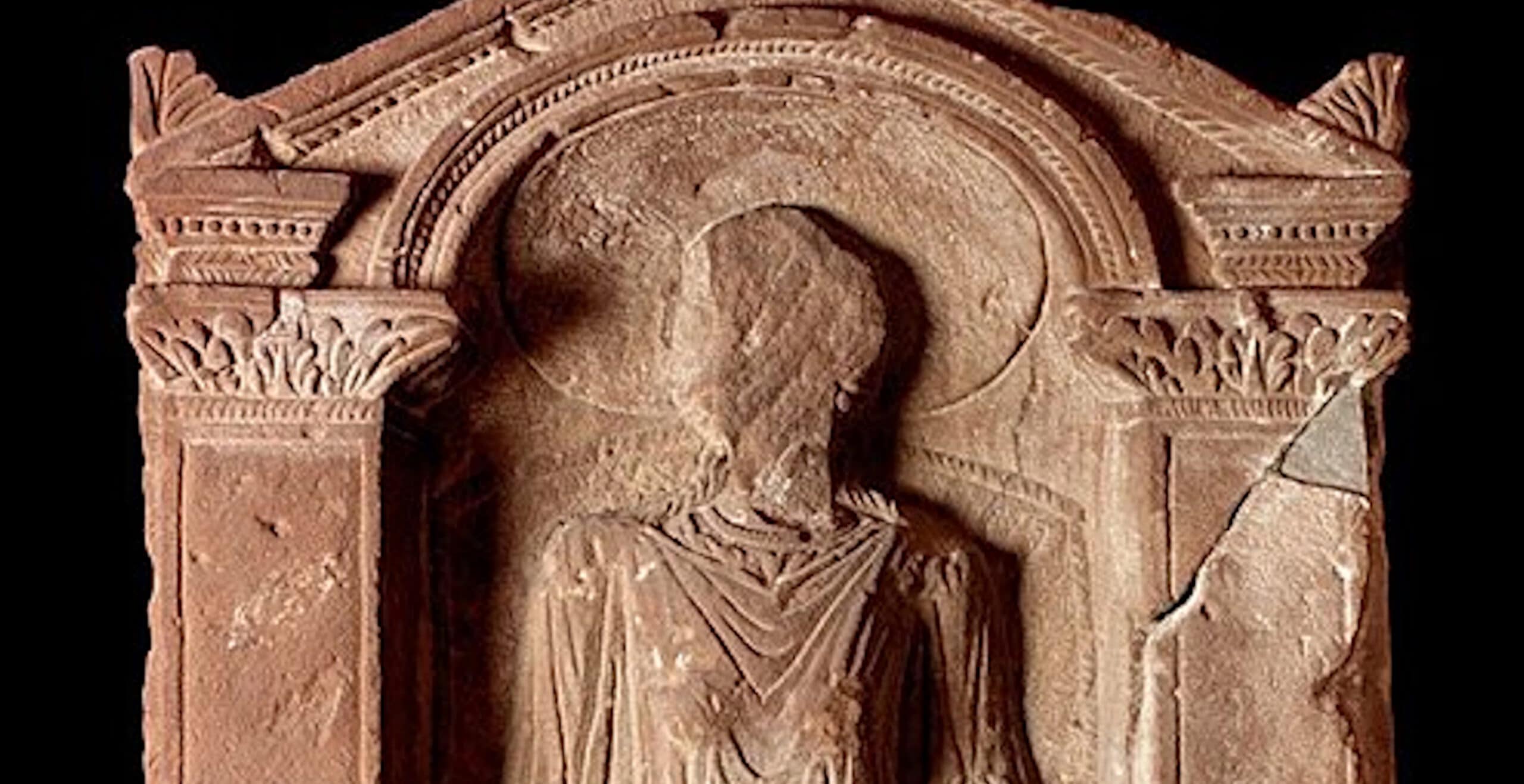


In 1878, one of the most remarkable tombstones from Roman Britain, and indeed the entire Roman world, was found in the port city of South Shields in the North East of England. The tombstone honours a woman named ‘Regina’, and features a stunningly detailed and finely carved portrait of the deceased as an idealised, well-to-do Roman British woman. She is shown wearing a carefully arranged tunic and robe, and holds the spindle and distaff used in spinning wool, a task associated with femininity, dignity, and duty. Her wealth is further underscored by a closed jewellery box at her right side.
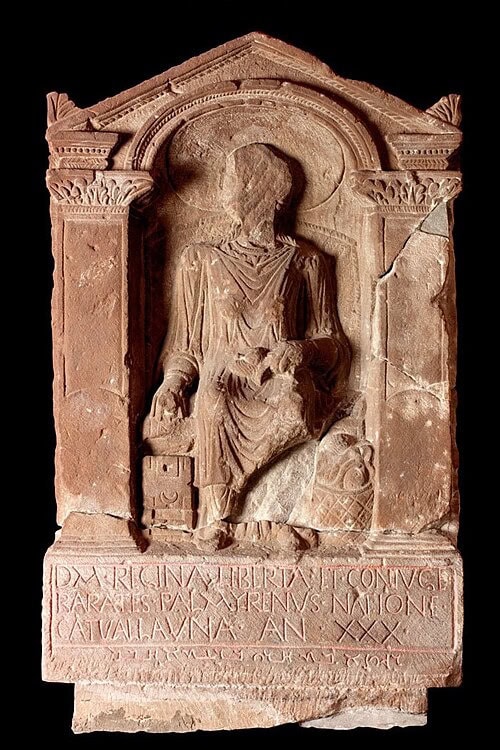
None of this is especially unusual in a tombstone for an elite woman in the Roman Empire. However, the two inscriptions carved beneath the portrait of Regina unveil surprising details about her life. The first, in Latin, reveals that Regina was a freedwoman (former slave) and a native British woman of the Catuvellauni tribe (who were originally based in the South East of England). Regina—Latin for ‘Queen’—is presumably a name given to her upon becoming a slave: her original, Celtic name is lost to history. At some point in her life, she was manumitted and married her former master, a wealthy merchant named ‘Barates’, who erected the tombstone after her death.
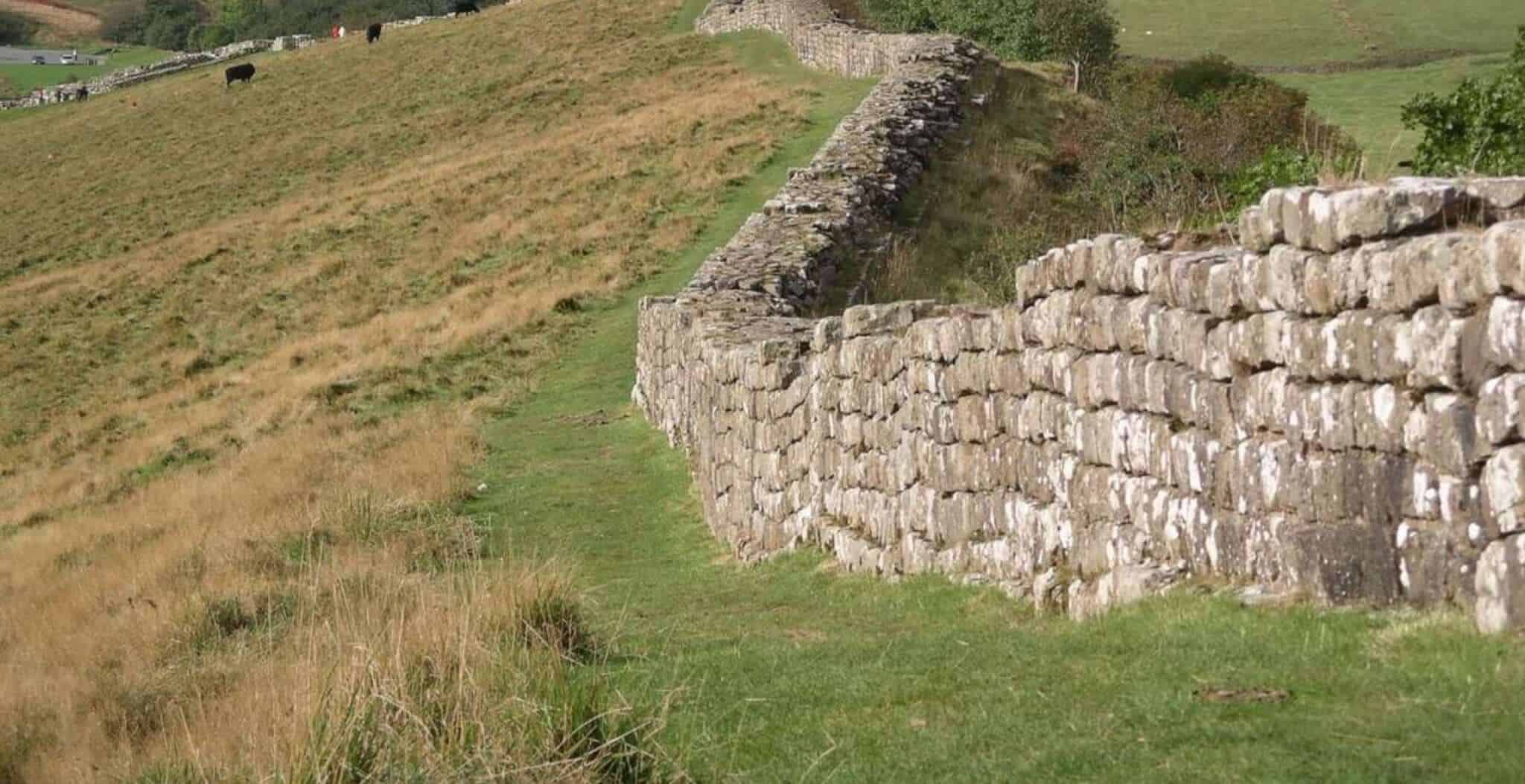
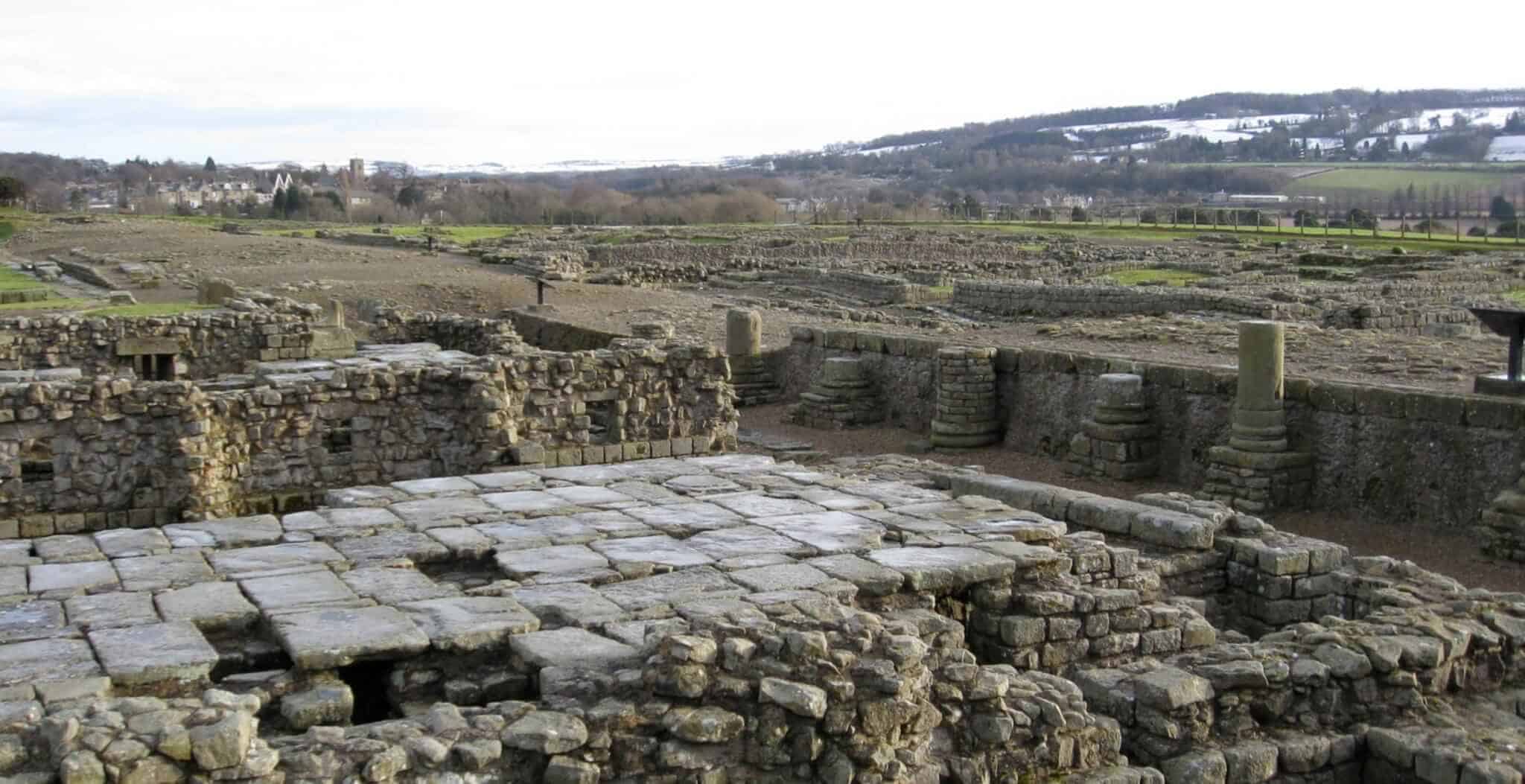
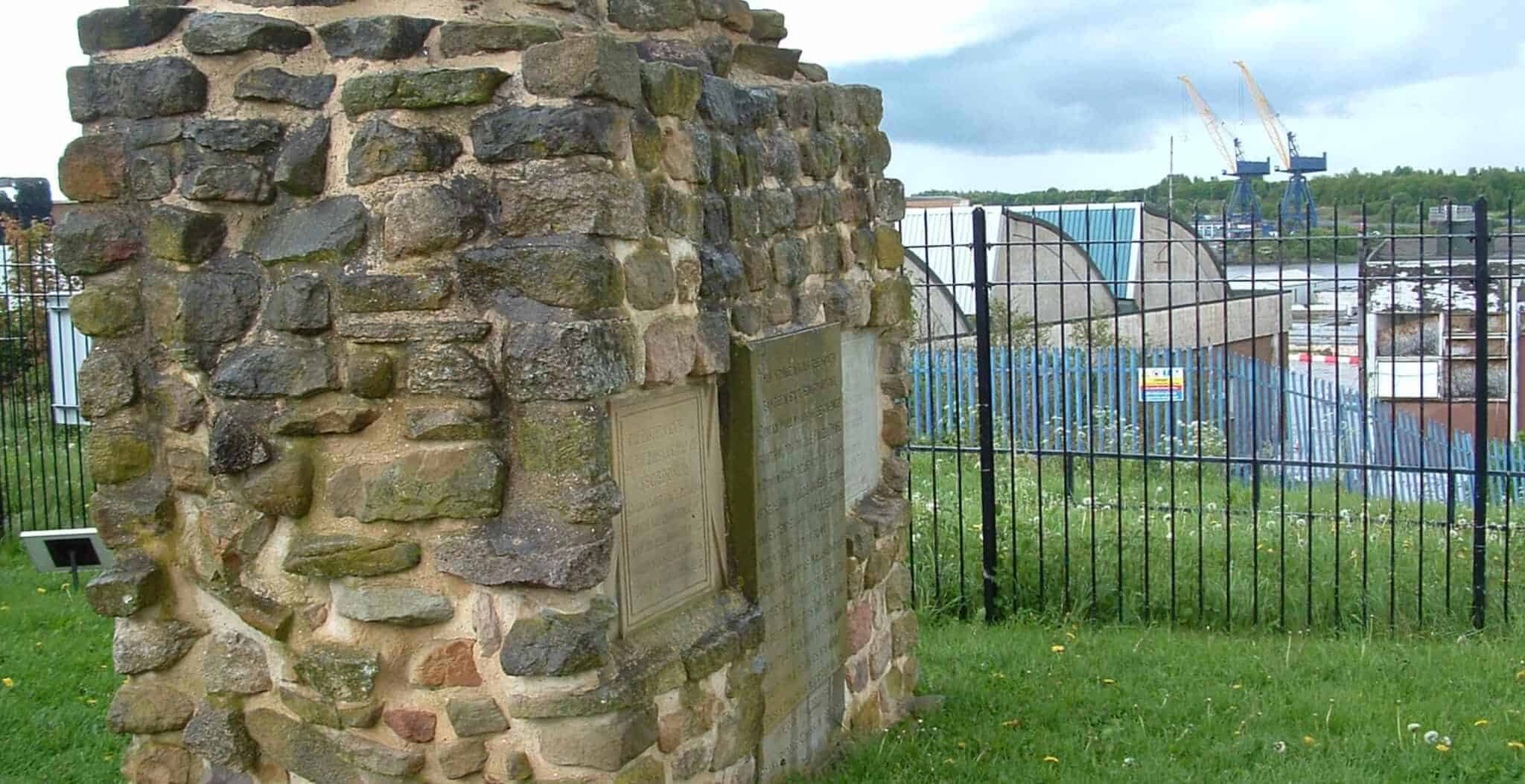
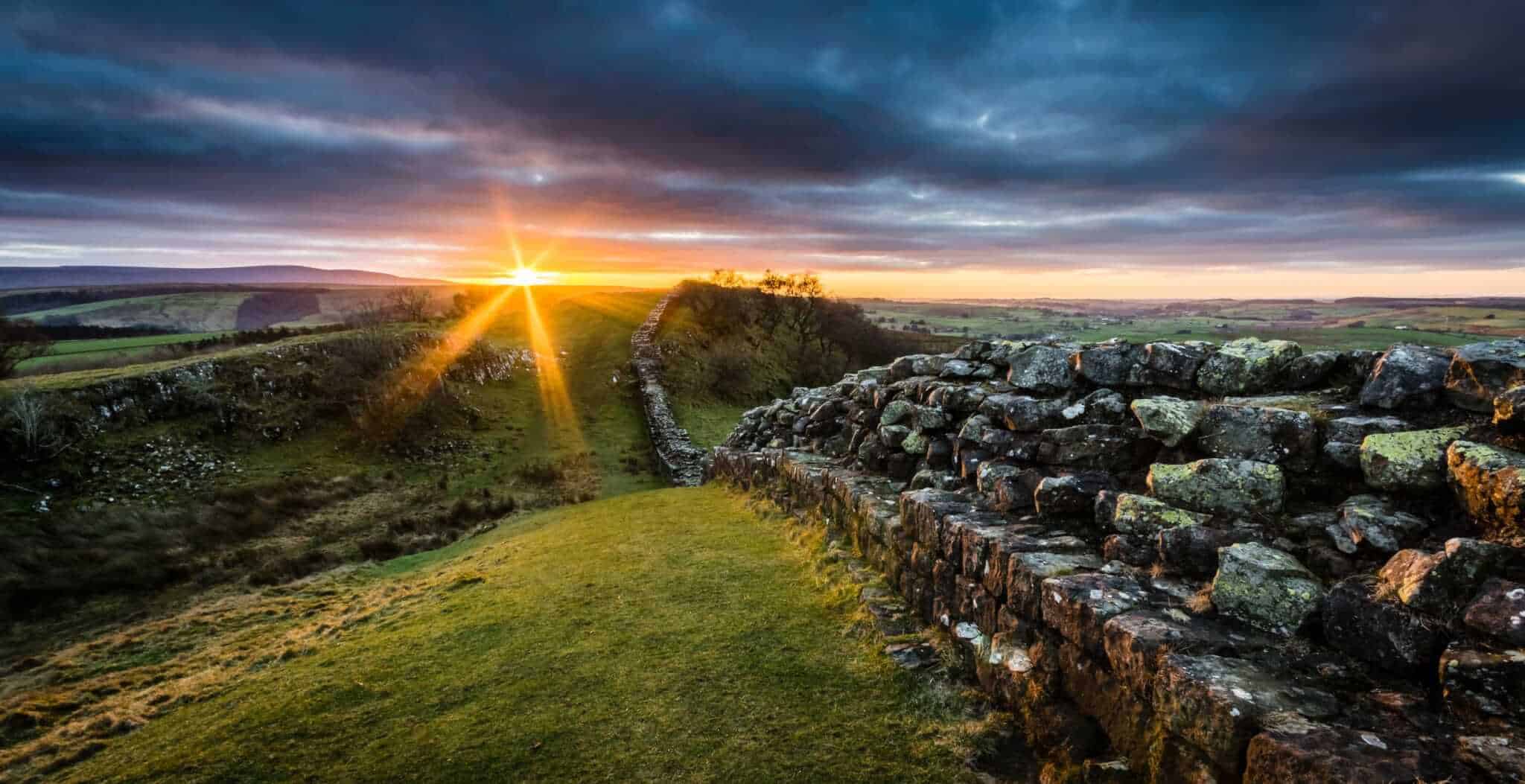
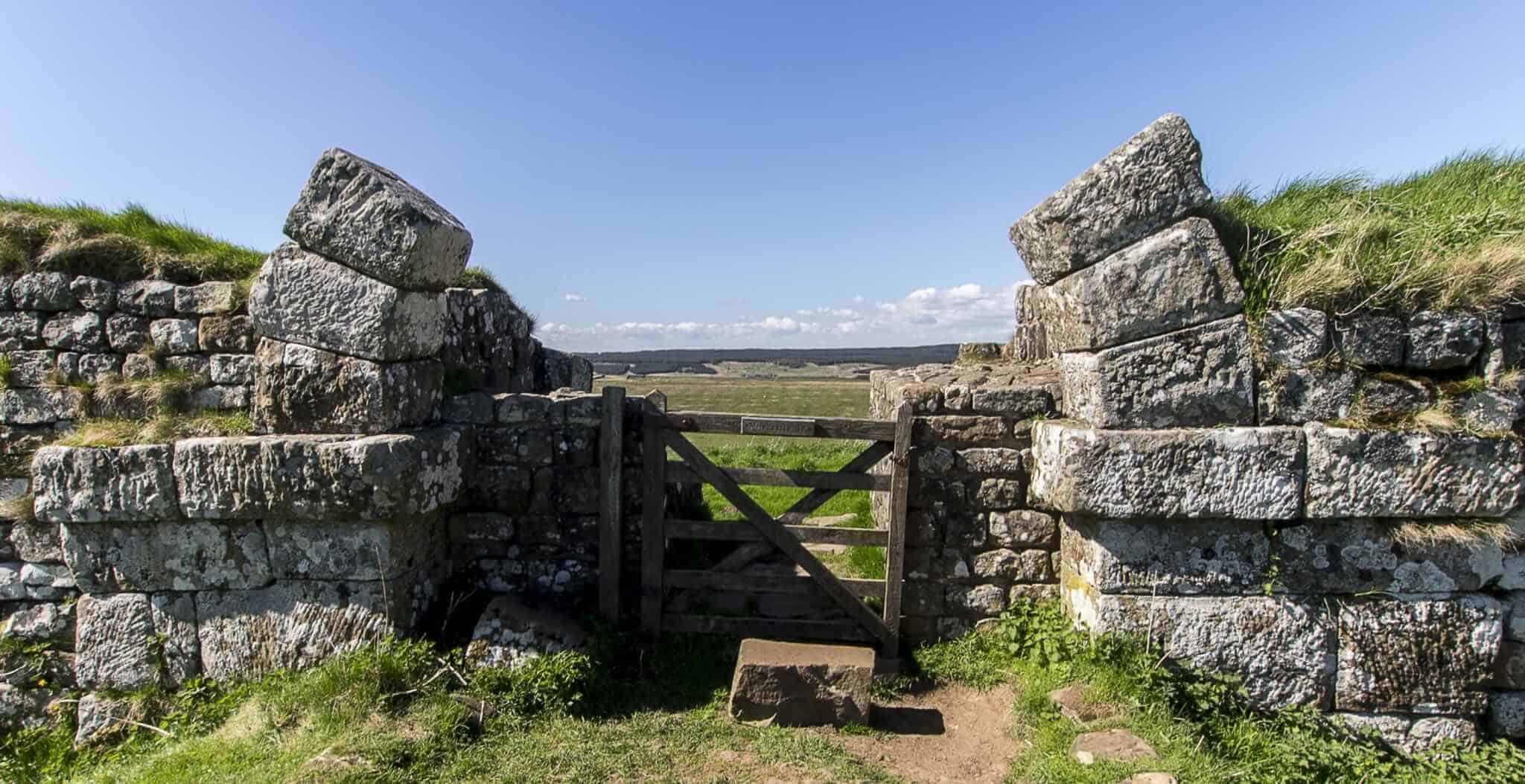
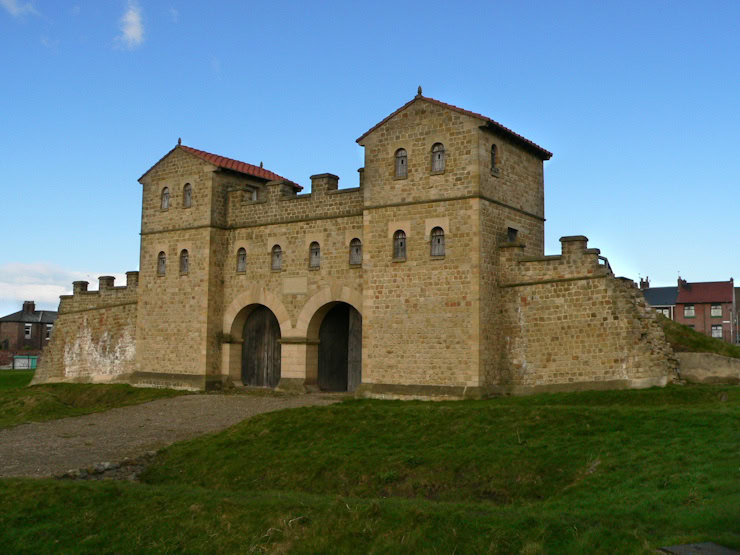
Barates’ own story is a fascinating insight into the enormous, interconnected world of the Roman Empire. While he had evidently settled in Britain, he originally hailed from the city of Palmyra, a major Silk Road trading hub located in modern Syria almost 4,000 kilometres away. Palmyrene merchants were famous throughout the Roman Empire for their long-distance trading networks, which stretched from Britain to the Persian Gulf and beyond. Barates was probably brought to the North East of England by the commercial opportunities offered by the concentration of Roman soldiers in the region. South Shields itself was, at the time of Regina’s death, an important military fort known as ‘Arbeia’, which guarded the principal maritime supply route to Hadrian’s Wall and would have needed regular resupply with fresh food, equipment, and other goods. Barates had made his home in the region and remained after his wife’s death, as indicated by his own tombstone which was discovered at Corbridge in Northumberland.
Despite the colossal distance between Barates’ new home and his city of origin, he had retained a sentimental connection to his ancestral homeland. This is revealed in the second inscription, which was written in Palmyrene, a dialect of Aramaic (which is best known as the native language of Jesus of Nazareth). Very few monuments from Roman Britain combine Latin with a language from the eastern Roman Empire, making Regina’s tombstone one of the clearest surviving reminders of the empire’s astonishing linguistic and cultural diversity. This second inscription is much shorter, only reading ‘Regina, the freedwoman of Barates, alas’.
Ever since its discovery in the late 19th century, the tombstone has been regarded as one of the most moving artefacts from Roman Britain. Firstly, it is a monument to a tragically short life: the Latin inscription notes that Regina died at only thirty years old, which was notably young even by the standards of the ancient world. The Palmyrene inscription in particular has been read as touchingly romantic, partly for the final lament ‘alas’ which suggests genuine grief, but also because Barates expended the time and money to find someone capable of carving Palmyrene in Tyneside. It is clear that he invested in a skilled engraver, as the Aramaic letters are even more accurately and elegantly rendered than the Latin. It is impossible to know whether Regina fully reciprocated her husband’s affection: there remains the unsettling possibility that marriage was expected — or even coerced — as the price of her freedom.
The tombstone also tells us an enormous amount about the Roman world. Regina’s dramatic and possibly traumatic transition from slavery to becoming the wife of a wealthy Palmyrene merchant is known to us only in outline, but speaks to the extraordinary social mobility which was possible in the Roman Empire. While most slaves led lives of miserable exploitation and hardship, the luckiest could attain their freedom and, like Regina, win both wealth and social status. It also underscores the cultural impact of Roman rule. The army brought people from across the Roman world to man the garrison in Britain, while the deepening of commercial networks saw merchants such as Barates travel vast distances in search of opportunities.
Finally, the story of Regina and Barates helps to dispel the perception of Roman Britain as a culturally and economically impoverished backwater inhabited by grim Roman soldiers and restive blue-painted Celts. It is, firstly, an impressive, beautiful object, the product of fine craftsmanship and attention to detail. t such a monument could be produced in Britain attests to the wealth and artistic vibrancy of the province (as does Barates’ decision to make his home there). The marriage of Regina and Barates also demonstrates the cosmopolitanism of certain pockets of the country, as well as the complex personal relationships that could develop between local Britons and migrants from across the Roman Empire.
Nearly two thousand years after her death, Regina’s carefully carved portrait still sits quietly beside the words of a grieving husband from the other end of the Roman Empire. Together, they remind us that Roman Britain was not an isolated frontier, but part of a vast world in which people, languages, goods, and lives crossed extraordinary distances.
Dr Michael Economou is a historian specialising in the Roman Empire, ancient religion and the history of Palestine. He has published widely on ancient texts, inscriptions and coinage, and worked as a university lecturer and heritage consultant.
Published: 10th July 2026.
Featured (top) image: Tombstone of Regina (Abigail Baker and Alison Cooley under Creative Commons License 4.0).