

The film ‘The Uprising’ will be released in cinemas in September 2026 and tells the story of the Peasants’ Revolt of 1381. In the trailer for the film, we see the main protagonist tilling his vast fields by his remote farmhouse. But is this how it was for the peasant farmer in medieval times?
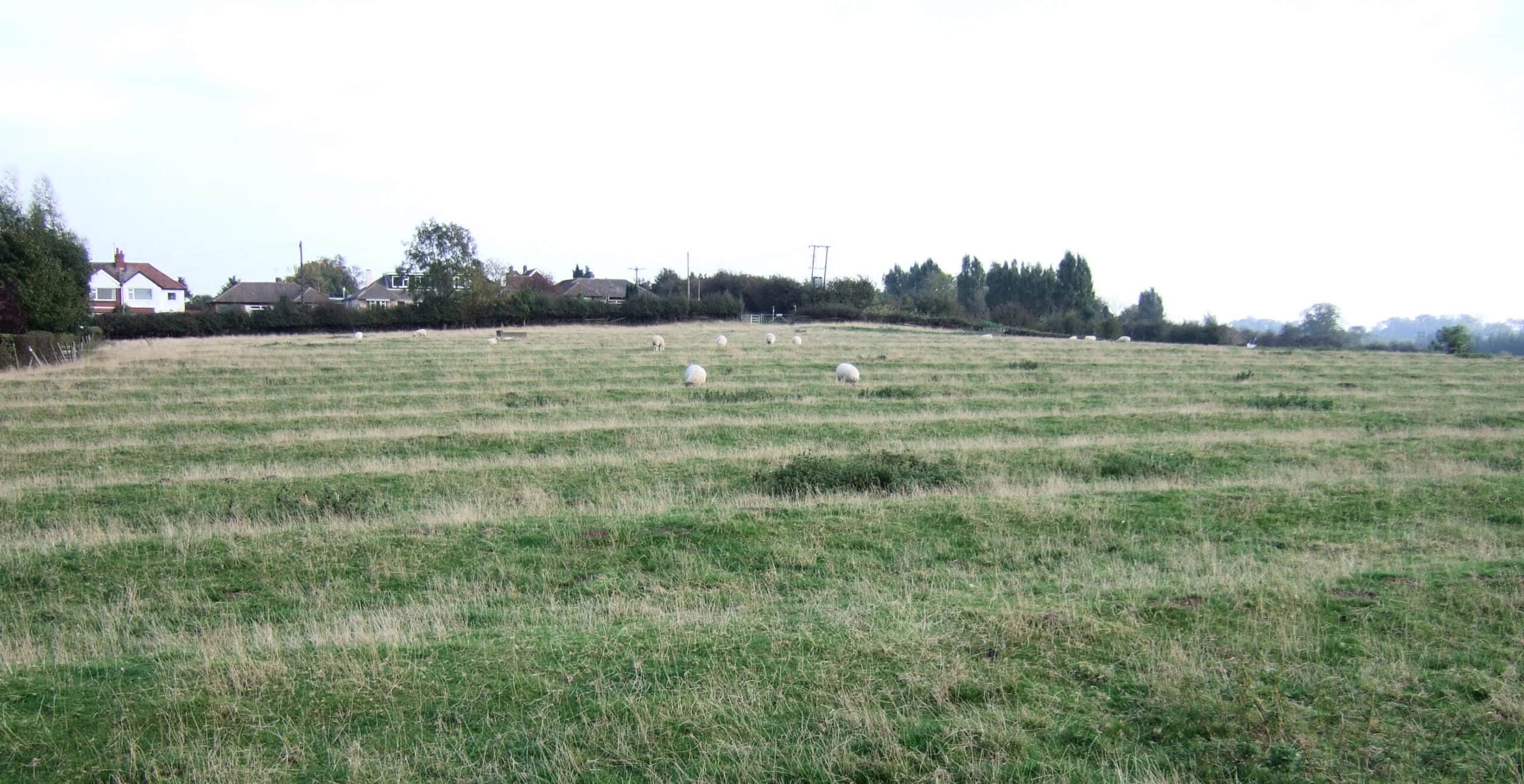
Children who were at primary school in the 1950s and 1960s will remember learning about the ridge and furrow field system of the Middle Ages. Reminders of this field system are still to be seen all over the country in the ridged fields surrounding villages.
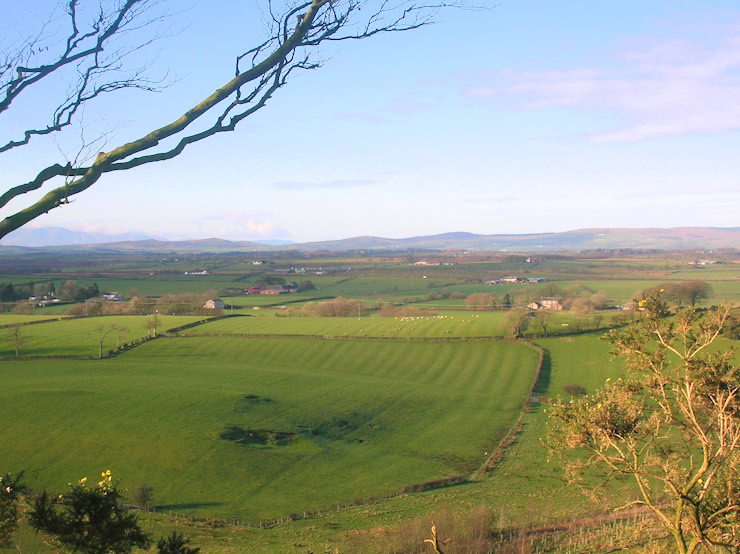
Land varies in quality: some pieces of land are more fertile than others. To ensure fairness, a system of ridges and furrows divided up the land around villages. A number of these long, thin and parallel strips were allocated to each family, scattered across the communal fields to ensure everyone had an equal share of good and poor land to till. The ridge kept the soil dry, with any water draining into the furrow.
The term furlong, used as a measure of distance in horse racing, comes from this field system. Strips were usually a furlong (furrow-long), 220 yards in length.
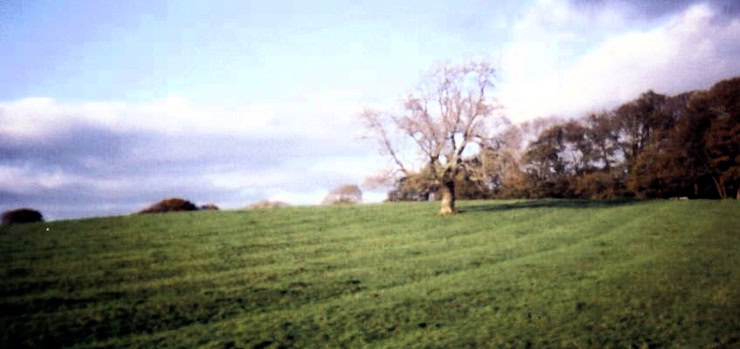
There were two or three of these huge fields on the edge of the medieval village, all divided up into strips. The villagers farmed the strips, rotated crops and any fallow ground was used for grazing livestock.
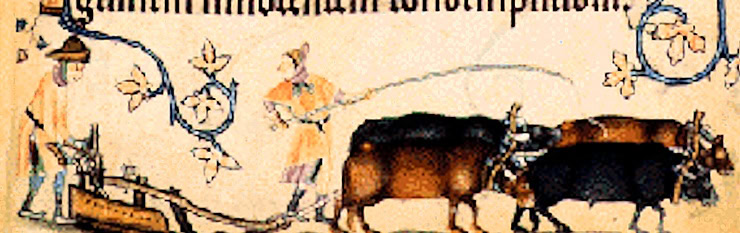 Ploughman and his oxman, detail from a page from the 14th-century Luttrell Psalter.
Unlike the illustration above from the 14th century Luttrell Psalter, in the trailer for the film the lonely ploughman tills one large open field alone. There appears to be no sign of the ridge and furrow strips, nor of any other villagers also working on the land.
As the film has yet to be released, comment can only be made based on the trailer. However when the film is released, it will be interesting to see how accurately medieval farming is portrayed.
The 14th century Luttrell Psalter is unique in that it is richly illustrated with scenes of everyday life in medieval England, and is a hugely valuable resource for historians and those studying the Middle Ages.
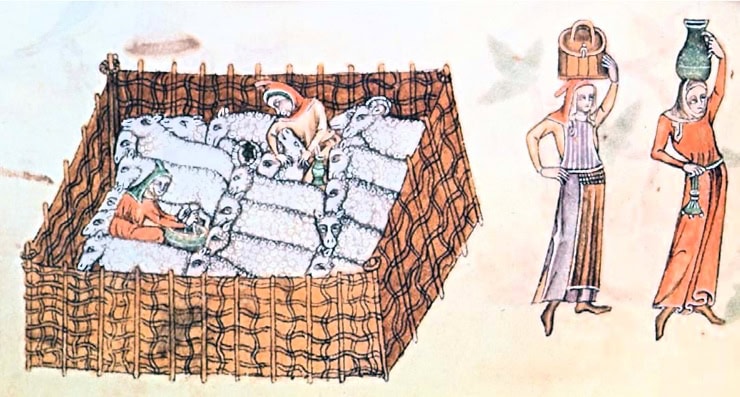
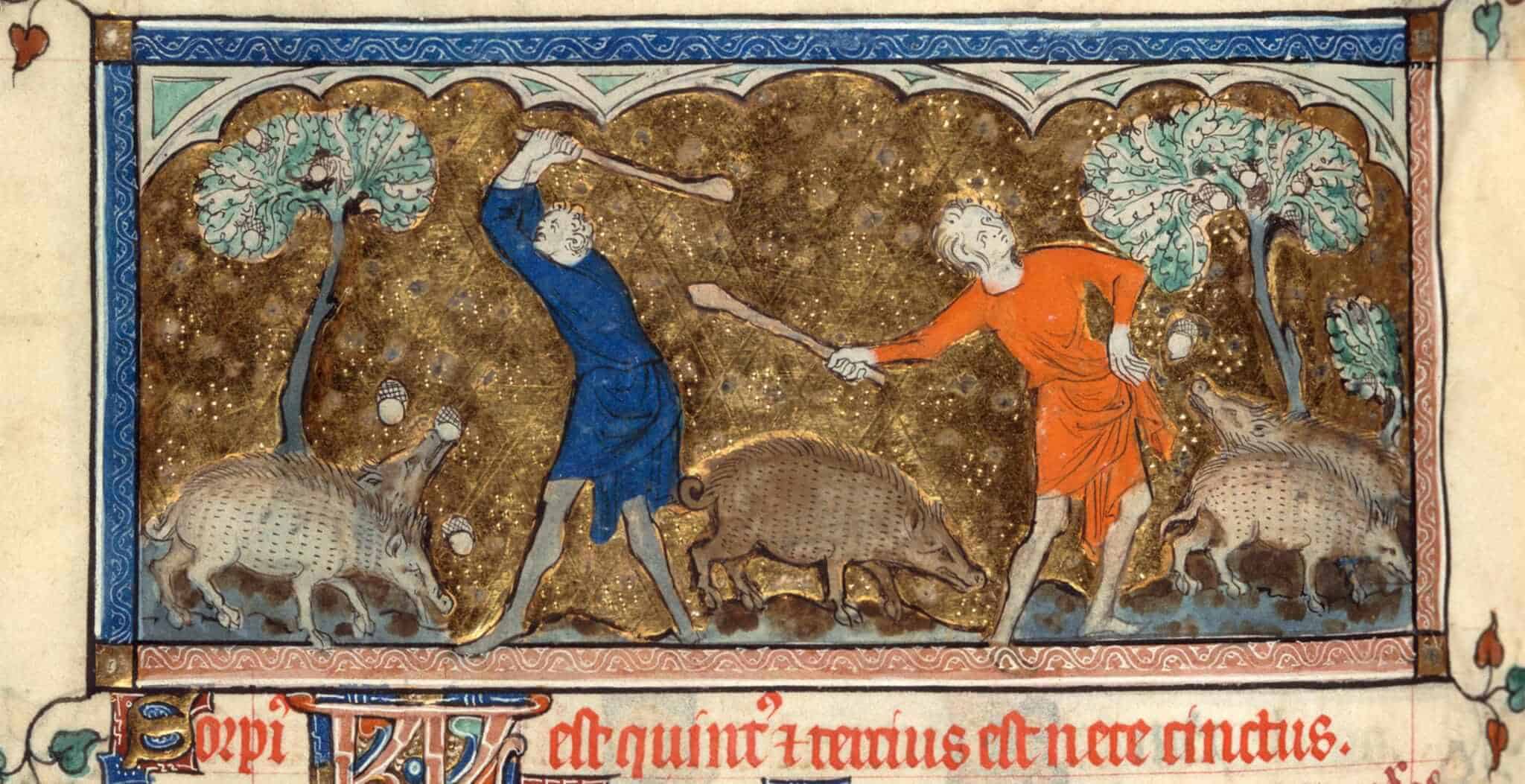
The Psalter shows us peasants dressed in colourful clothes, in blues, yellows, reds and greens, and wearing liripipe hoods and coloured hose. This leads us to another potential misstep in the new film. Rather than dressing the peasantry as shown in the 14th century historic psalter, in the film the peasants are depicted in drab and coarse clothing. This device is often used by directors deliberately to reinforce the notion of the poor being downtrodden, oppressed and exploited. However, should historic accuracy trump this cinematic convention?
Published: 18th August 2026.