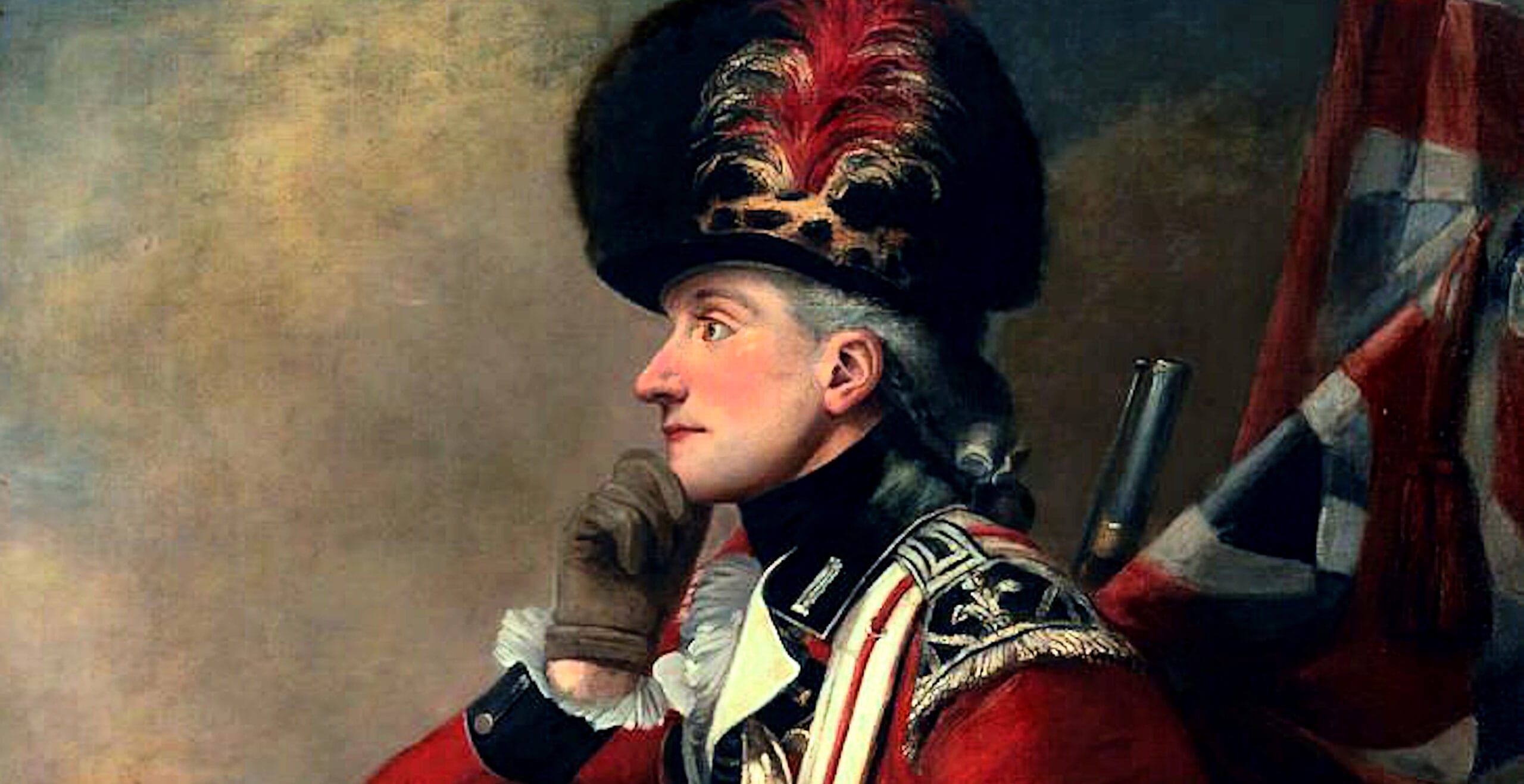


“He was more unfortunate than criminal, an accomplished man and a gallant officer.”
These were the words of George Washington in reference to the British army officer Major John André who was hanged on his orders for espionage, during the American War of Independence.
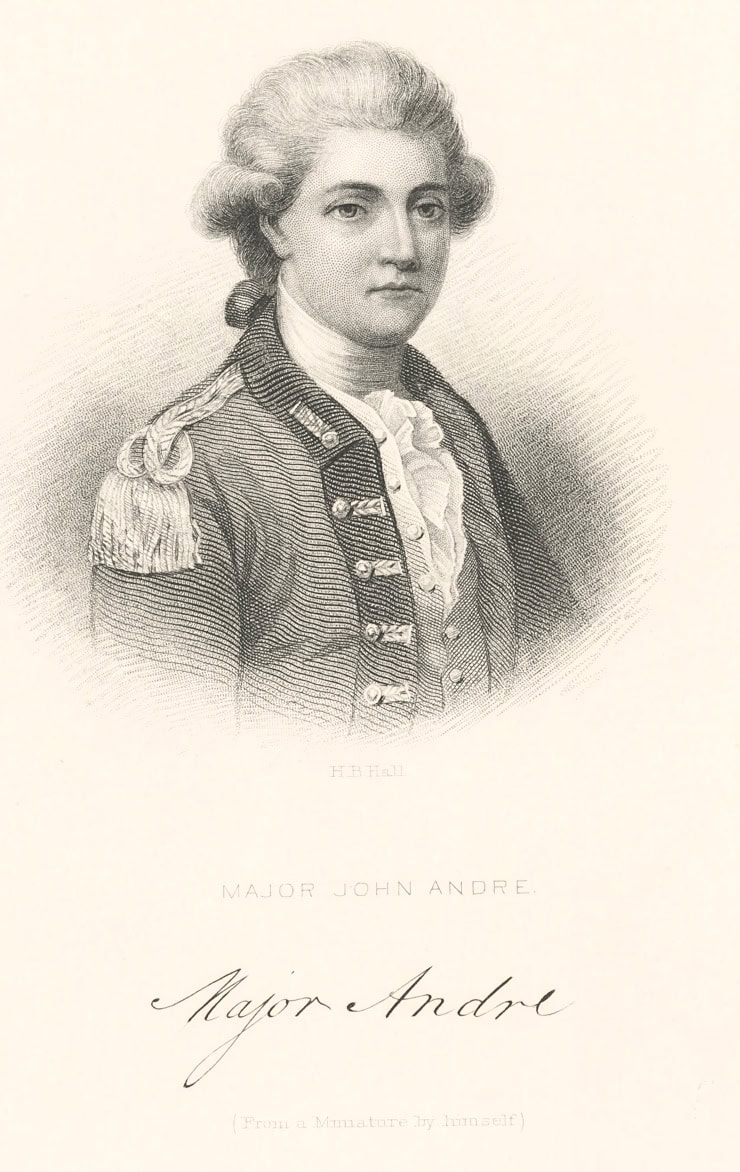
The British officer began his life in London in May 1750, the son of wealthy Huguenot parents who had emigrated from Paris and Geneva. André received a good education at the prestigious St Paul’s School, followed by a school in Geneva.
By the age of twenty and in receipt of a substantial fortune after the death of his wealthy merchant father, he purchased a commission in the British Army and joined the 23rd Regiment of Foot (Royal Welsh Fusiliers) as a second lieutenant. He was promptly promoted not long after joining and became a lieutenant in the 7th Regiments of Foot (Royal Fusiliers).
After taking a leave of absence for two years in Germany, he subsequently re-joined the army and was immediately posted to British North America.
Soon after, André found himself captured and interned near Fort Saint-Jean at Lancaster, Pennsylvania, by the Continental Army under the orders of General Richard Montgomery.
During this time, he lived in the house of Caleb Cope after giving his word that he would not attempt to make an escape. His captors demonstrated their trust in him as they let him enjoy the freedom of the town.
A year later, he regained his freedom as a result of a prisoner exchange and by January 1777 was promoted to the rank of captain in the 26th Regiment of Foot.
After surviving his incarceration, his status became elevated when British authorities became aware of the maps which he had been secretly drawing whilst incarcerated in the town. His skills and natural intelligence could prove to be useful and he was appointed as an aide-de-camp to Major-General Charles Grey during the British expedition to capture Philadelphia.
Once Grey returned to England, he was appointed as an aide-de-cap to General Sir Henry Clinton, Commander of the British Army in New York.
In this prominent role, André found himself well-liked not only by his fellow soldiers but by American society generally, who were at the time under British military occupation in both Philadelphia and New York and thus his amenable character won him support.
John André was a high-ranking British Army officer but he was also a very skilled writer, poet, linguist (able to speak four languages), a singer and painter. Applying his myriad of talents, he organised a fete in Philadelphia in May 1778 in honour of General William Howe who was returning to England.
By 1779 he had received the rank of major and became adjutant general of the British Army.
Significantly, a few months later he took on a role which would put him on a course that would change his life forever, as head of British intelligence operations in North America.
After briefly participating in Clinton’s invasion of the south, most of André’s time was taken up with British communications.
In the same year that he was promoted to become a major, André began to engage in secret communications with the American General Benedict Arnold.
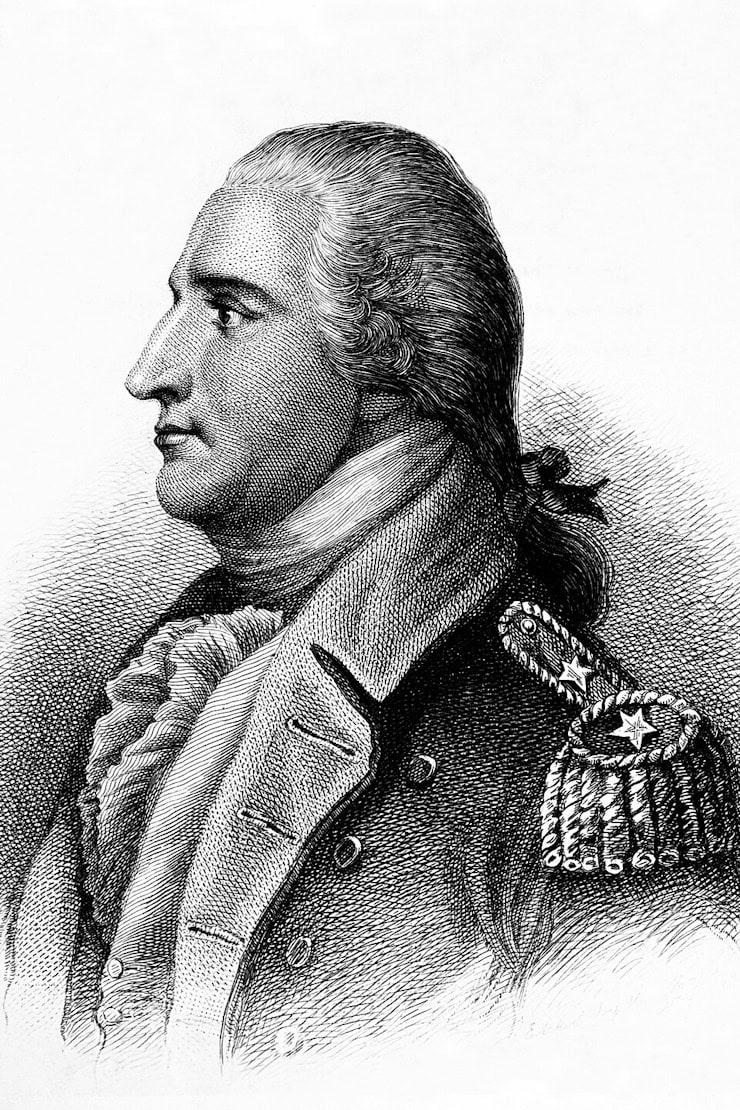
Arnold was himself a prominent figure in his own right. Lauded as an American hero for his role in the Battles of Saratoga, he had already been wounded and enjoyed great popularity. Arnold however had personal grievances which were boiling to the surface, most significantly that his finances had taken a hit as a result of the ensuing war as well as his sentiment that he was entitled to more promotions than were being offered to him. In light of these complaints, Arnold’s loyalties were being tested and his willingness to confer with the enemy made him a prime target for defection.
André and Arnold began their correspondence, facilitated by Arnold’s wife, Margaret (better known as Peggy) Shippen who was a Loyalist.
As their communication continued, Arnold proved himself and his information to be both reliable and strategically advantageous, particularly his intelligence on American military manoeuvres and Washington’s strategy.
Arnold was careful in his surveillance, making sure that he was in a position to access valuable information from those in high command.
The target was West Point, New York, the fortifications of which were critical for the Continental Army to retain if they wanted to stop the British controlling the entirety of the Hudson River.
In the coming months Arnold successfully gained the confidence of those in charge and was given command of West Point in the summer of 1780.
Once in this position, the agreement was to surrender the American forces and their position to the British for the price of £20,000 (in today’s money roughly £4 million).
West Point was a geographically strategic location that would assist the British in seizing control of the entire region by cutting off New England from the other colonies.
In order to execute this audacious plan, Arnold and André were forced to arrange a clandestine meeting to negotiate terms and exchange information.
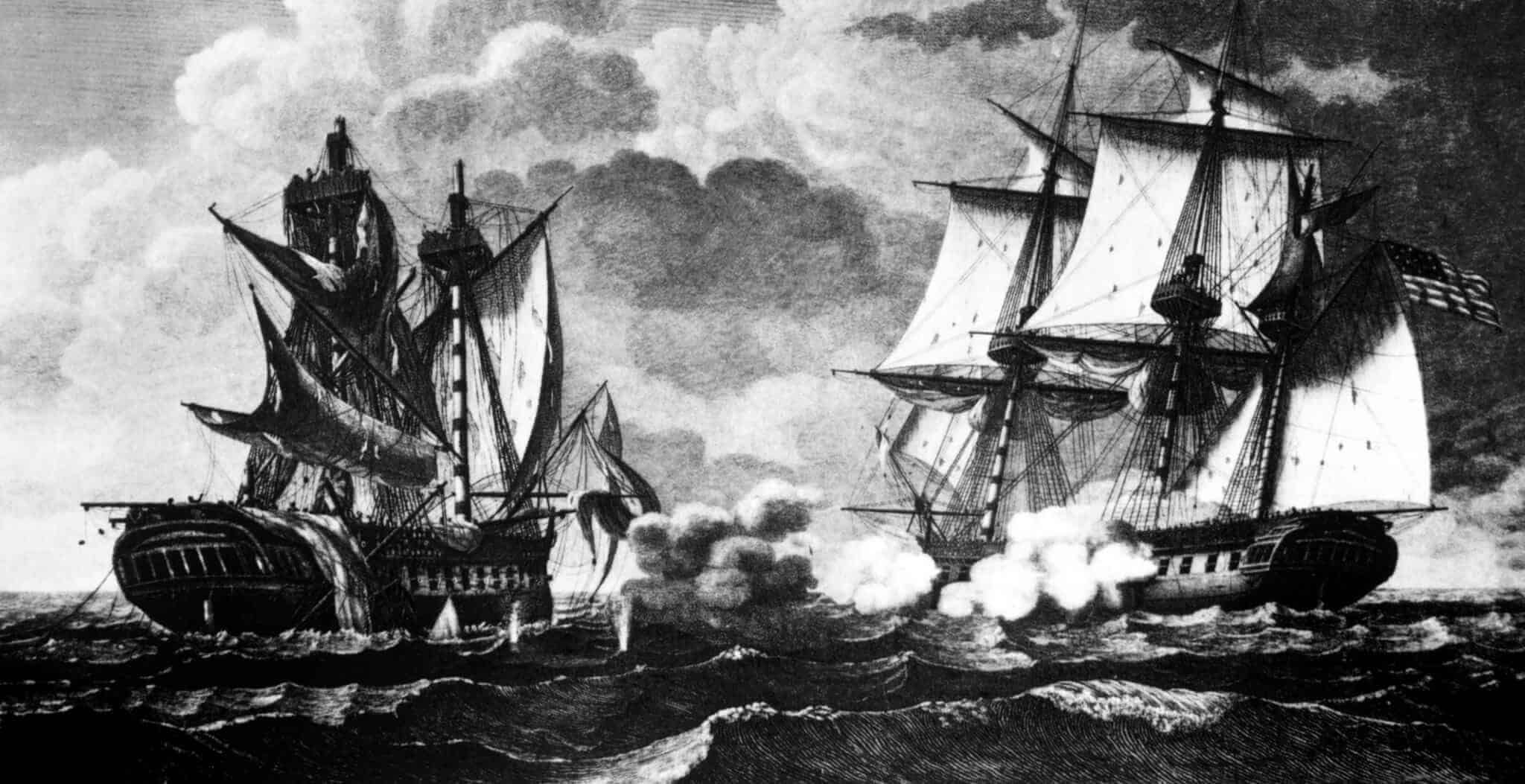
In a pre-arranged meeting on the night of the 21st September 1780, André travelled up the Hudson River on the Royal Navy sloop-of-war Vulture, where he met Arnold at a house on the banks of the river in the cover of darkness.
After agreeing to surrender West Point and receive £20,000 in exchange, Arnold also provided André with vital information about the fortification itself which was necessary for the subsequent military engagement ahead. André would hide these detailed notes in his boots and subsequently left the meeting.
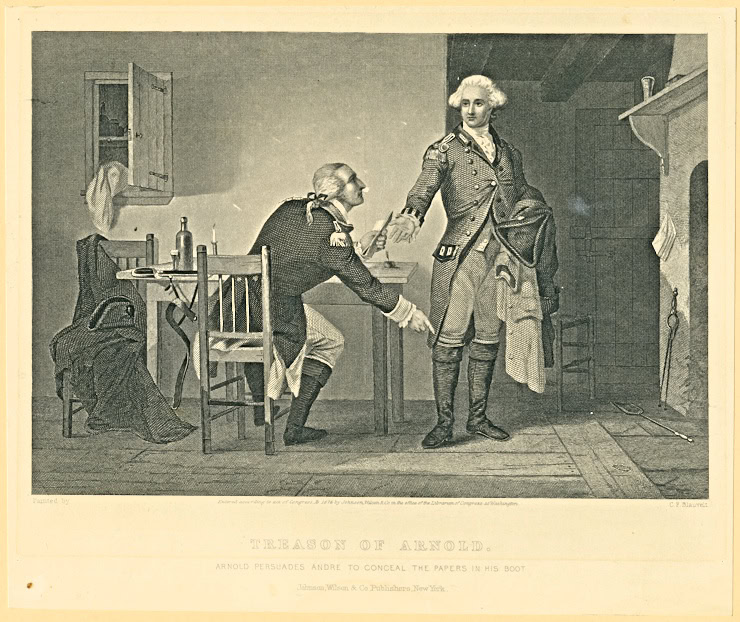
Unfortunately for André however, his arrival had not gone unnoticed. Whilst the two men were in discussions until dawn, his ship was discovered by two American soldiers who subsequently alerted their superiors before launching an attack on the Vulture.
Eventually after sustaining damage and being held back by the tide, the ship was able to escape from enemy fire and sailed downriver, leaving André stranded on dry land and in American territory.
As a result of these series of unfortunate events, André was left with no choice but to travel back to British lines through American territory whilst wearing civilian clothes. He also was in considerable danger as he had the sensitive information relayed by Arnold contained within his boots.
In order to assist him in his escape, Arnold gave André a fake passport under the name of John Anderson.
After receiving assistance from two of Arnold’s men and spending the night a local home, André continued heading southwards in the hope of encountering Loyalist groups. Having received instructions to stay inland, he fatally chose to ignore this advice and began moving westwards in line with the edge of the Hudson River.
On 23rd September, having successfully navigated for a day on the road, he came across a stream and three Americans called John Paulding, Isaac Van Wart and David Williams who André had incorrectly identified as Loyalists due to Paulding’s uniform. This was a result of Paulding having recently escaped from British incarceration and disguising himself in this uniform. The grave mistake by André would cost him his life.
After revealing himself to be a British officer, Paulding responded by saying that “We are Americans” and took him prisoner.
After making such a vital error, he tried to reason with his captors and showed them the false passport given to him by Arnold, however with their suspicions already roused it was too late. When they searched him and found the documents hidden on him, all of André’s protestations and attempts at negotiation failed.
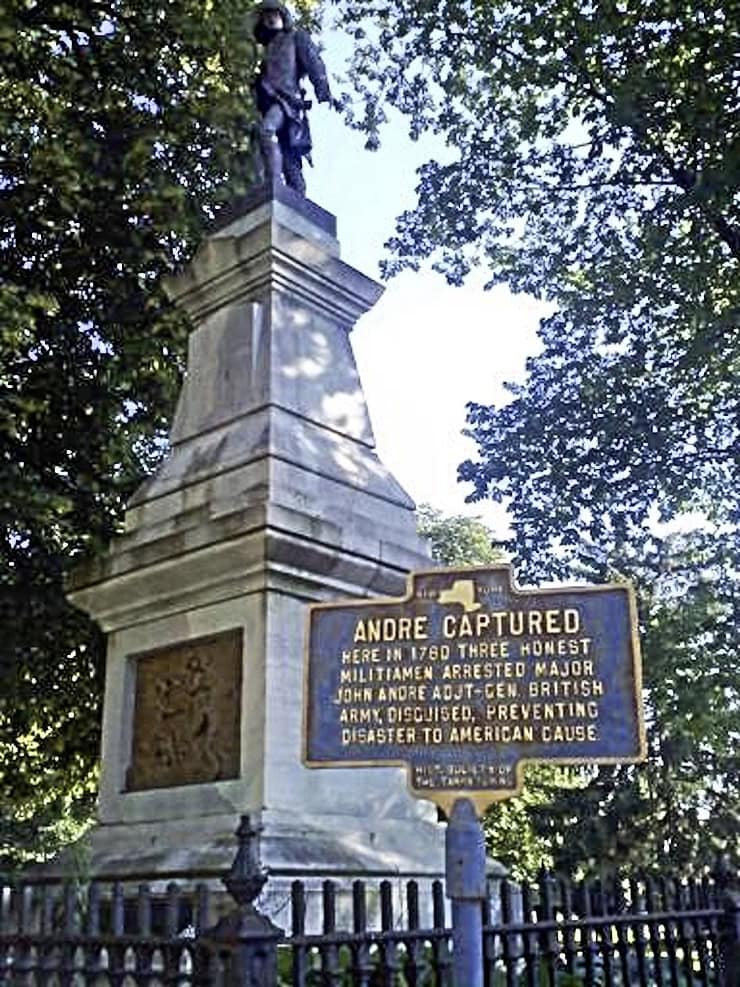
He was subsequently taken to the Continental Army’s frontline headquarters where the first man to encounter him was Colonel John Jameson, whom he managed to persuade to return him back to Arnold at West Point.
Unfortunately for André his plan was scuppered by Major Benjamin Tallmadge, Head of Intelligence in the Continental Army, who recalled him, returned him back into custody and informed Washington.
Jameson followed these orders but also sent a note to Arnold informing him of André’s arrest, thus giving him time to flee.
In the meantime, Washington received the documents which André had been carrying and launched an investigation.
André was left in the custody of Tallmadge (Washington’s spy chief) with whom he conversed as he was being transported. During their conversation, Tallmadge discussed events relating to Nathan Hale, an old friend of his from Yale who had been caught and executed by the British in cold blood. In no uncertain terms, Tallmadge made it clear to André that such a fate awaited him, alluding to an element of retaliation.
Meanwhile, Washington appeared open to an exchange of André for Arnold. However the British refused, thus sealing André’s fate.
On 28th September 1780 he was found guilty of espionage and sentenced by Washington to be hanged.
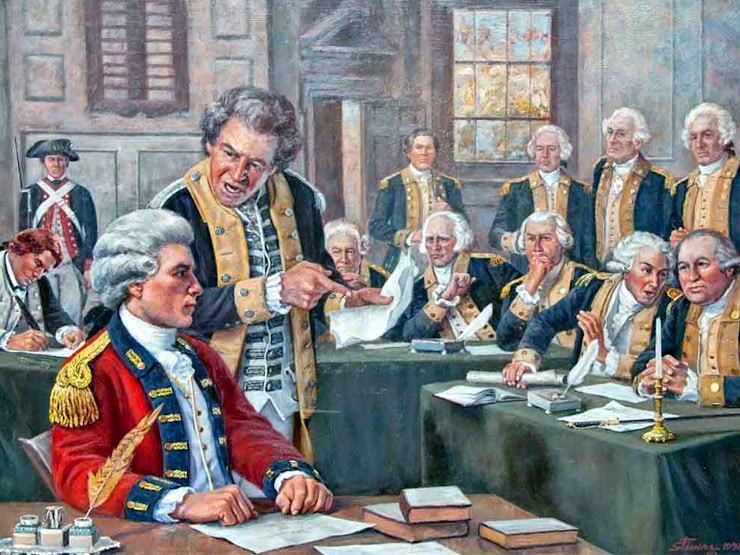
With only a few days left to live, André appealed to Washington to be executed by firing squad as a soldier, rather than hung as a spy. Sadly, Washington refused his final request and on 2nd October 1780 in Tappan, Major John André was hanged in front of 2000 spectators.
The sombre occasion was a cause for great sadness, not only amongst the British and Loyalists but Americans alike who had warmed to André and his unobtrusive manner.
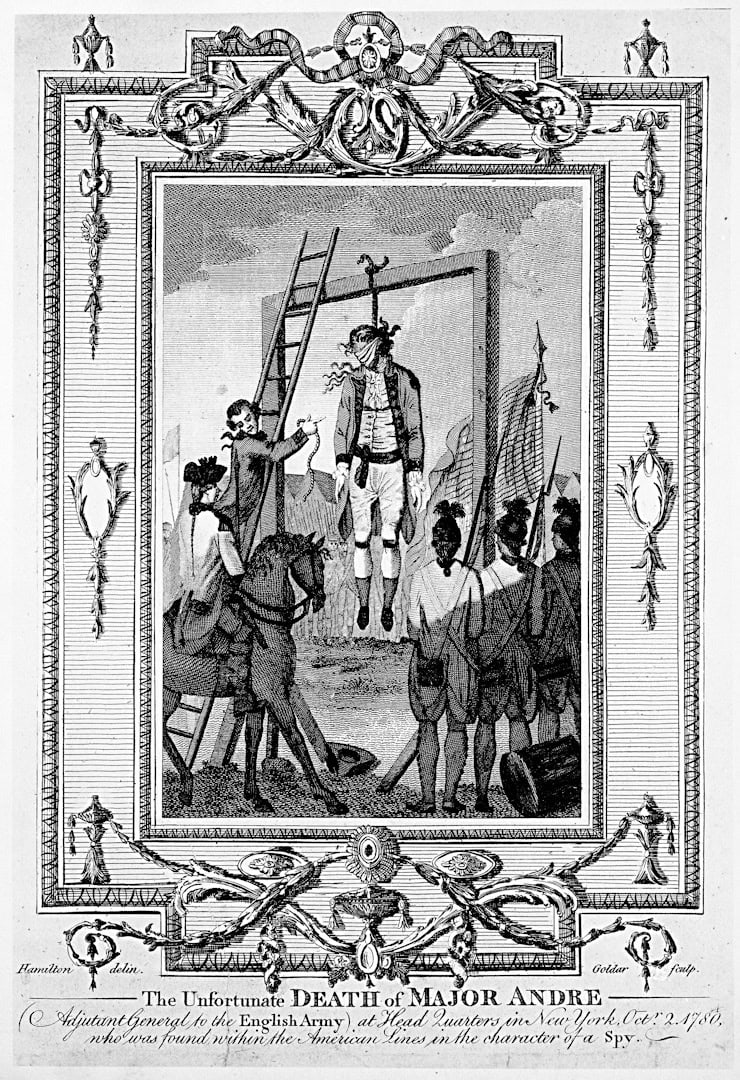
Back in Britain, Major John André was treated as a fallen hero and a surge of anti-American sentiment was awakened as a result of his execution.
After being buried in New York, his remains were subsequently exhumed and transported back to London where he was laid to rest at Westminster Abbey as a mark of respect and admiration.
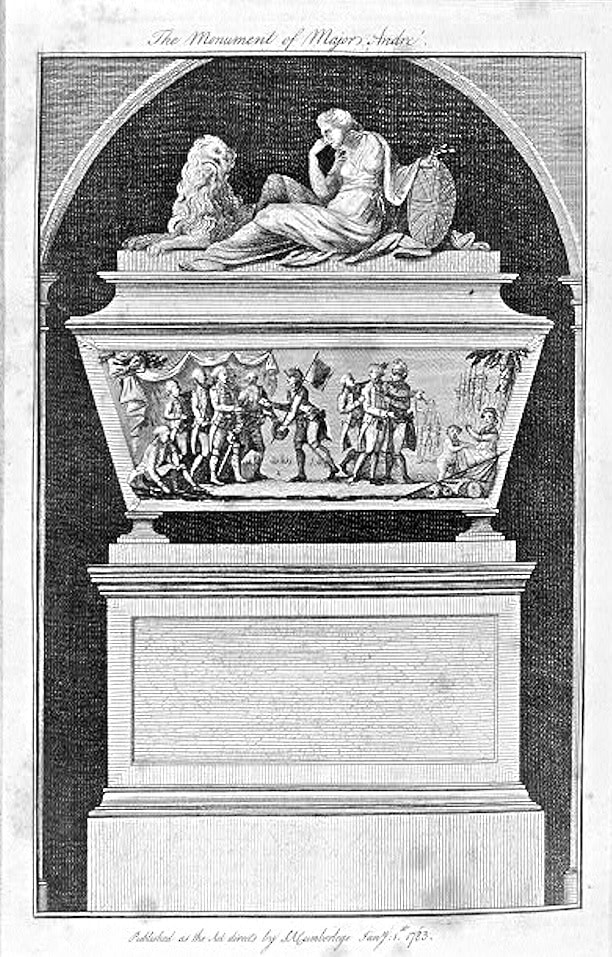
Major John André was a significant figure in the American War of Independence. He was a gentleman able to win favour from even those behind enemy lines. Whilst Benedict Arnold managed to escape such a grisly fate, John André’s involvement cost him his life.
He was a man of many talents but none could save him from being one of the many casualties of war.
Jessica Brain is a freelance writer specialising in history. Based in Kent and a lover of all things historical.
Published: 29th June 2026.