

“I screamed and wept, rendered speechless at seeing the most unutterable of wonderful things”.
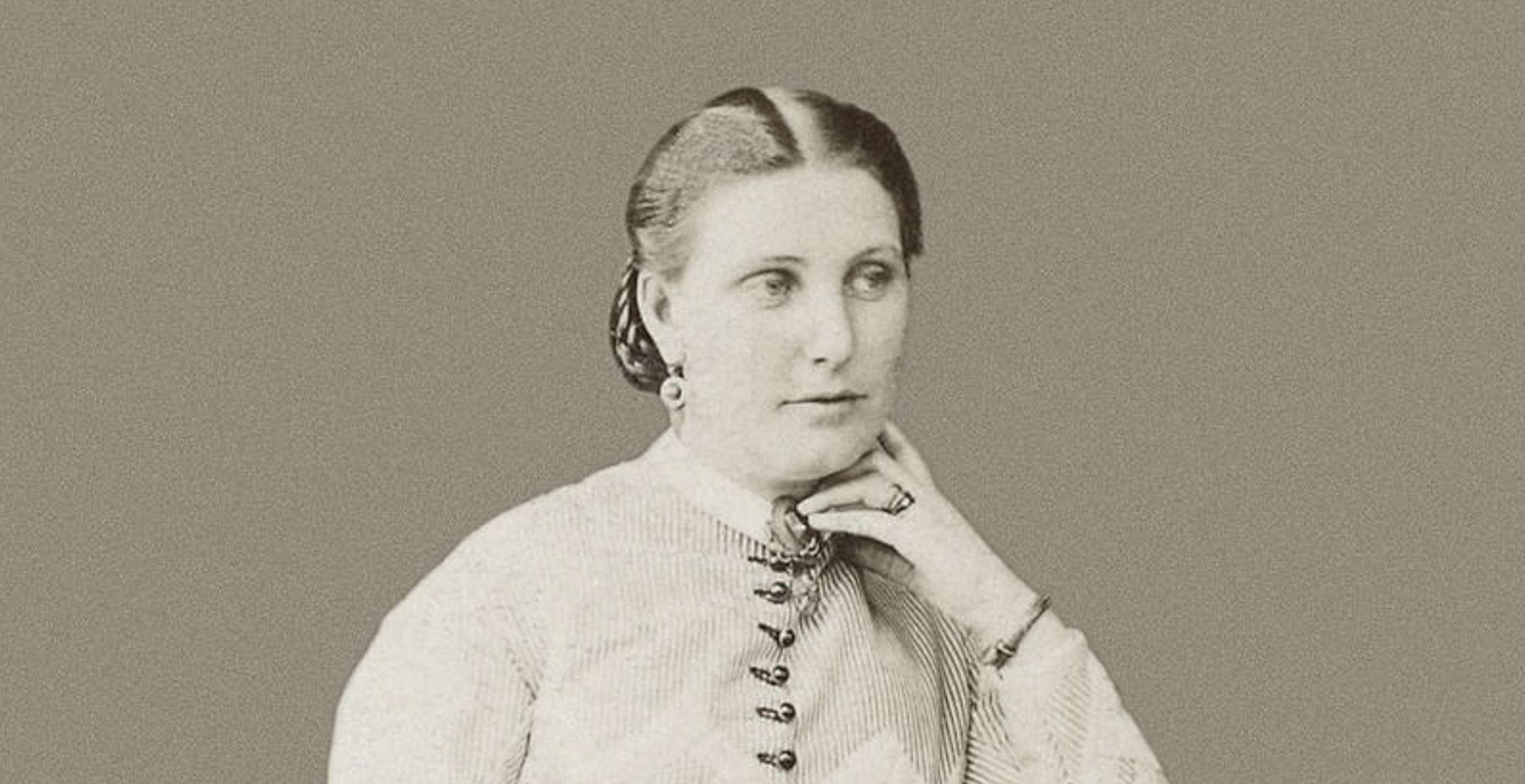
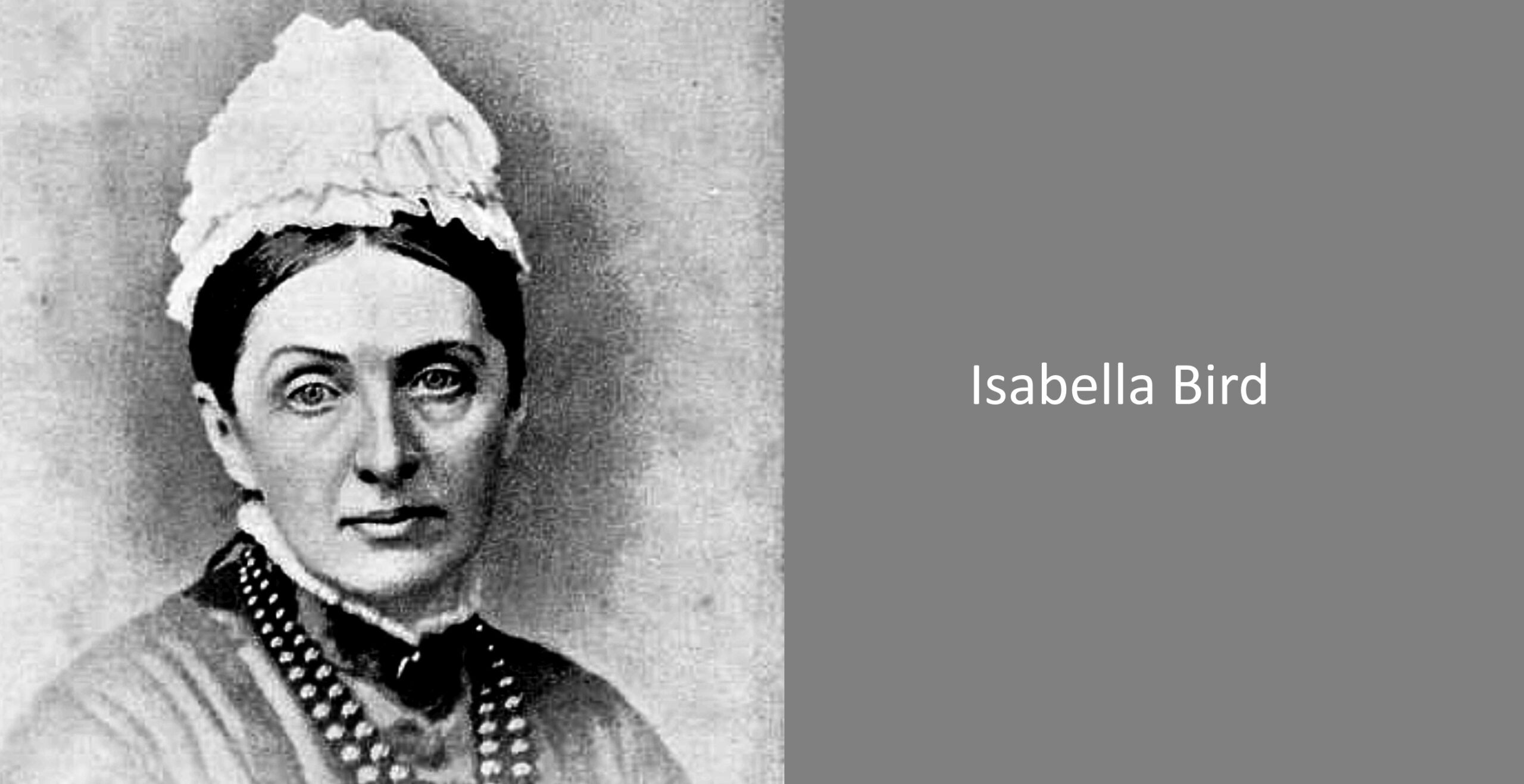
These are the words of Isabella Bird, a Victorian traveller and writer who described her experiences of travelling around the world.
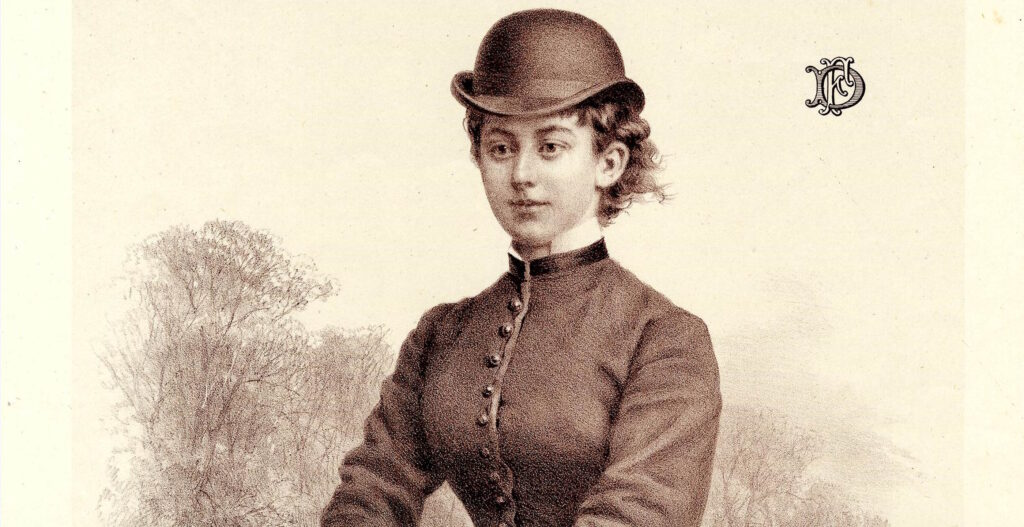
A diminutive woman who dressed in a typical Victorian style, Isabella Bird embraced her freedom and travelled to far-flung locations, meeting local characters and throwing off the shackles of Victorian sensibilities.
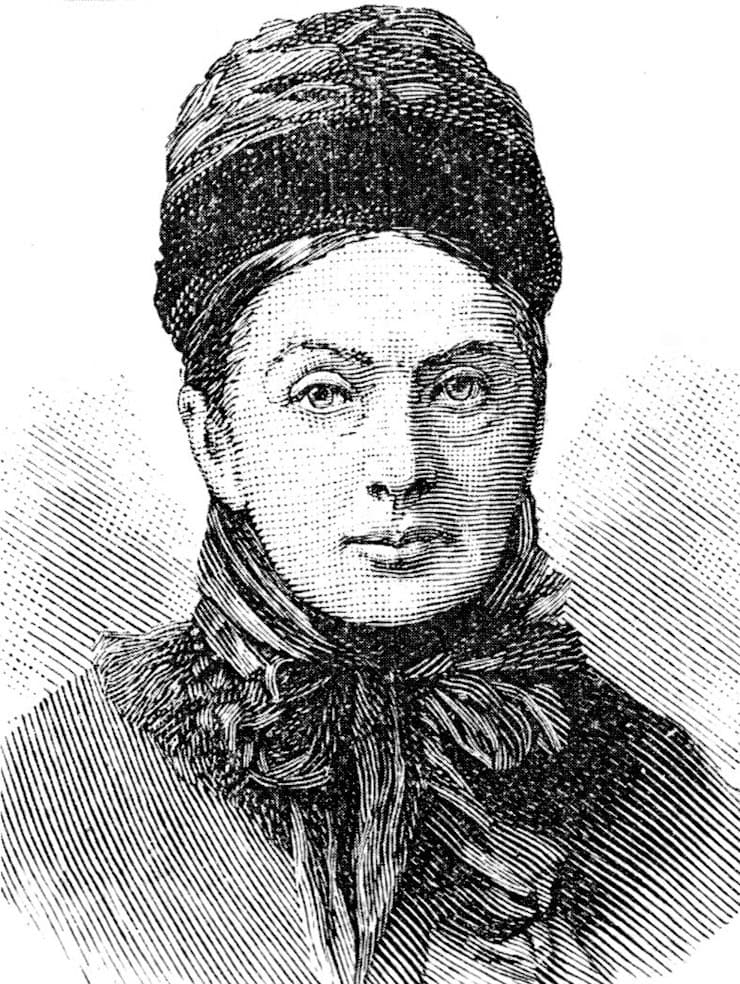
Motivated by nothing more than her boundless curiosity, she flouted social conventions, refused to ride sidesaddle, carried a pistol and entertained a host of interesting male company.
She began life in Yorkshire; born in Boroughbridge Hall, the family home in October 1831, her father was Reverend Edward Bird and her mother was Dora Lawson. Her extended family included the politician William Wilberforce who was well-known for his stance on slavery and was a pioneer of the abolitionist movement.
As a result of her father’s work as a priest, Isabella moved around a lot during her childhood, spending time in Eastbourne and Cambridge.
A precocious child with a curious nature, Isabella was educated by her parents at home and proved to be intelligent, well-read and gifted, so much so, that by the age of 16 she wrote a pamphlet about trade principles. Her first publication would be one of many as she continued to write for numerous periodicals during her life and developed a successful literary career.
Her father also taught her to ride, a skill which would become essential for many of her future overland adventures. She often took trips into the countryside with him where she met people and explored nature, learning about flora and fauna which instilled in her a powerful observational acumen.
Unfortunately, her childhood was mired by a number of health issues which continued to plague her into adulthood, including severe insomnia and spinal problems. When she was still a teenager, she underwent an operation to remove a tumour from her spinal area and continued to suffer with ill-health sporadically for the rest of her life.
She was sent on numerous occassions up to Scotland in order to improve her health and was subsequently prescribed a sea voyage by her doctors which resulted in her first experience of travel.
In 1854, she accompanied her cousins who were journeying to the United States. Her excitement at her first overseas travel would soon form the basis of her first book, ‘An Englishwoman in America’ which was full of vivid observations and anecdotes.
After catching the travelling bug early in her life, Isabella left Britain once more in 1872 to travel to the other side of the world on an adventure to Australia.
Sadly, Australia proved less liberating than she had anticipated, observing the social etiquette was not unlike Britain. She then visited a place she found much more appealing, the exotic islands of Hawaii where she soon found herself at home, exploring the volcanoes, riding across the country and camping out in the wilderness. Known at the time as the Sandwich Islands, her trip saw her climb both Mauna Kea and Mauna Loa and served as inspiration for her second book.
Later she moved on to Colorado where she noted the refreshing and healthy air, something which was significant for someone like Isabella who had spent so long suffering ill-health.
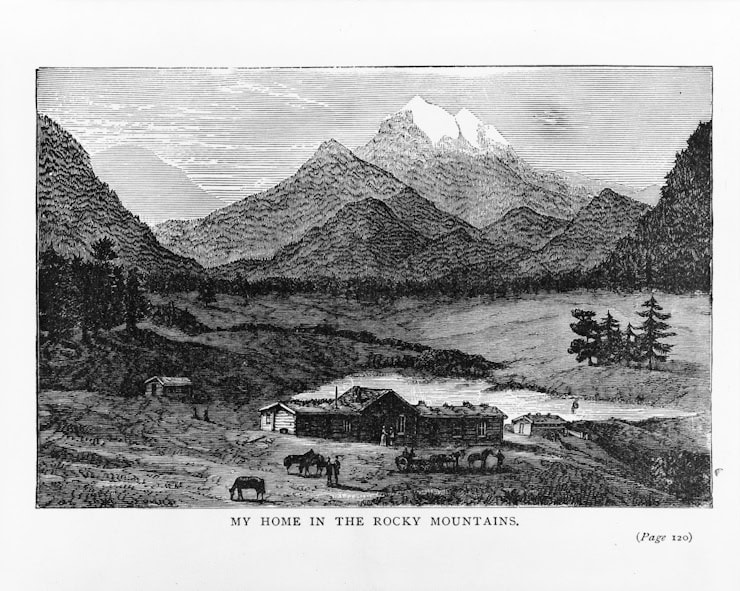
Whilst she was in America, she took to riding, dressing in a practical fashion and riding astride the horse rather than in the usual feminine style of sidesaddle. Her horseriding ventures would see her cover the impressive American terrain of the Rocky Mountains, a journey of over 800 miles.
Her travels across America took her to the lawless and exhilarating Wild West on horseback, meeting a host of interesting characters as well as well as experiencing the odd encounter with a bear.
Some of her more colourful anecdotes included how she avoided almost drowning whilst on a white-knuckler river trek and was only saved due to the assistance of a naked man who lassoed her horse.
Her experiences were recorded in the form of various letters written to her sisters which found a home in the magazine known as ‘The Leisure Hour’. The multitude of descriptions, observations and anecdotes would later comprise her fourth book entitled ‘A Lady’s Life in the Rocky Mountains’.
One particular noteworthy detail from her book included the character Jim Nugent whom she described as ‘Rocky Mountain Jim’, a man with a penchant for violence, a kind of swash-buckling outlaw who was appealing but definitely not marriage material, as observed by Isabella.
Her next series of travels took her to Asia where she visited a number of locations including Singapore, Malaya, Japan, Korea, China and Vietnam.
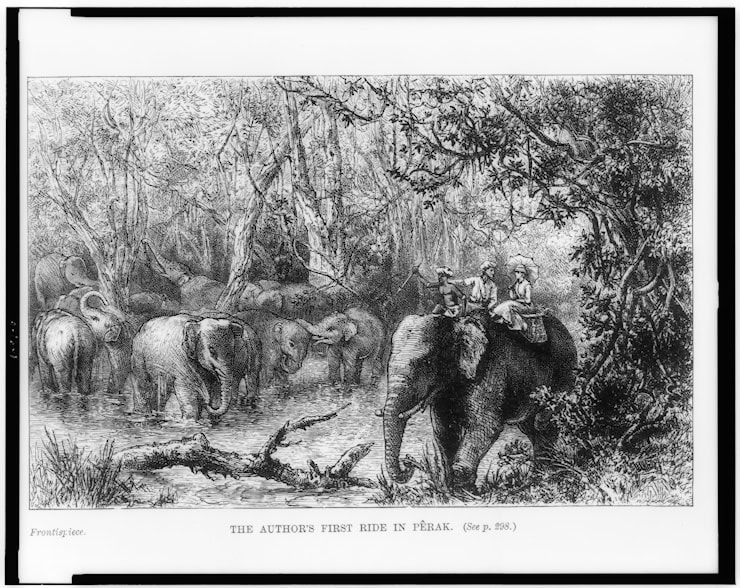
Whilst staying at the British consulate in Malaysia, she remarked happily that she had spent most of her time accompanied by non-human guests including apes, dogs and the thrilling noise of tigers in the far distance.
Meanwhile, back in Britain Isabella found herself on the receiving end of affections from a surgeon from Edinburgh called Dr John Bishop who had courted her for some time. She would eventually accept his marriage invitation and the two were married in February 1881.
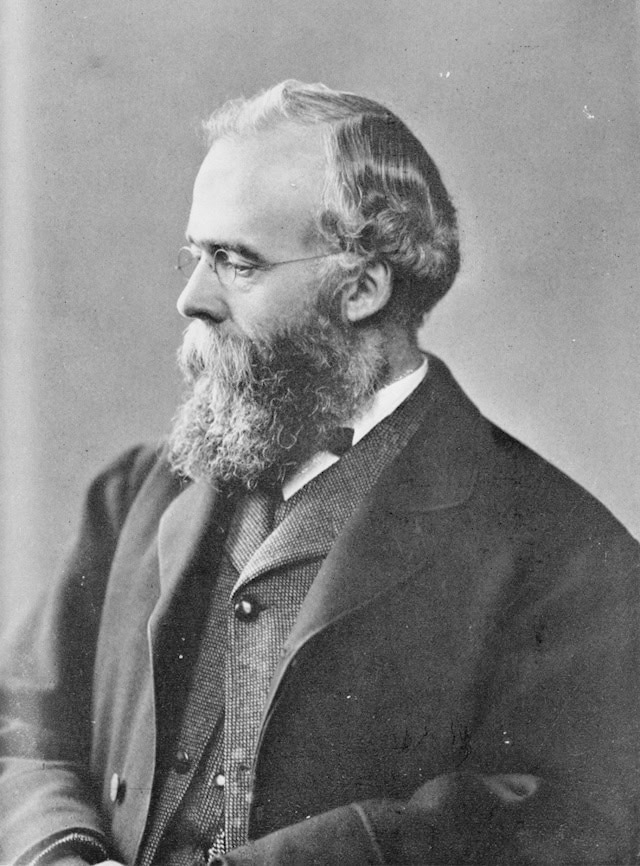
Sadly, their union would prove to be short-lived as seven years later he passed away leaving her a widow.
After losing her husband, Isabella suffered a bout of ill-health however as soon as she recovered, she resolved to do something worthwhile on her next travels, using her substantial inheritance for a good cause.
Whilst she was now 60 years old, she embraced education, dedicating herself to the study of medicine and embarked on a new adventure to India. She also travelled to the Middle East where she visited Iran, Turkey and Kurdistan.
In February 1889, she arrived in India and wasted no time in making her mark, visiting Ladakh on the border with Tibet. She was fortunate enough in her journey as a missionary to receive a piece of land from the Maharajah of Kashmir on which to build a hospital for sixty patients and a dispensary for women.
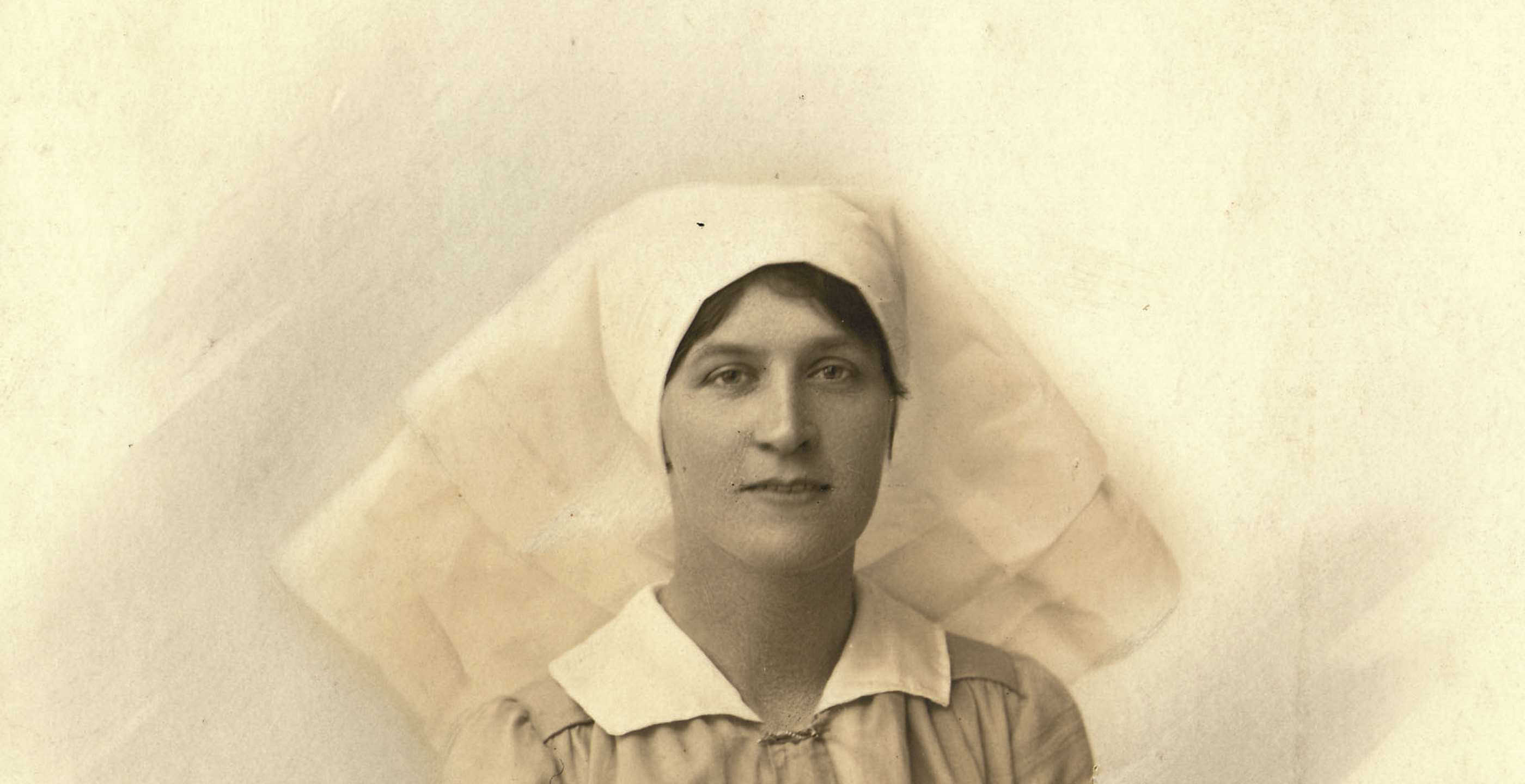
She was assisted in her endeavours by the medical missionary and first female doctor to travel to India, Fanny Jane Butler. Butler had been part of the first class of the London School of Medicine for Women and had worked tirelessly in several regions of India, opening up medical dispensaries in Srinagar and Bhagalpur, providing much needed facilities to local communities.
In collaboration, the two women initiated the building of the first hospital in Srinagar and named it the John Bishop Memorial Hospital, in memory of Isabella’s recently deceased husband.
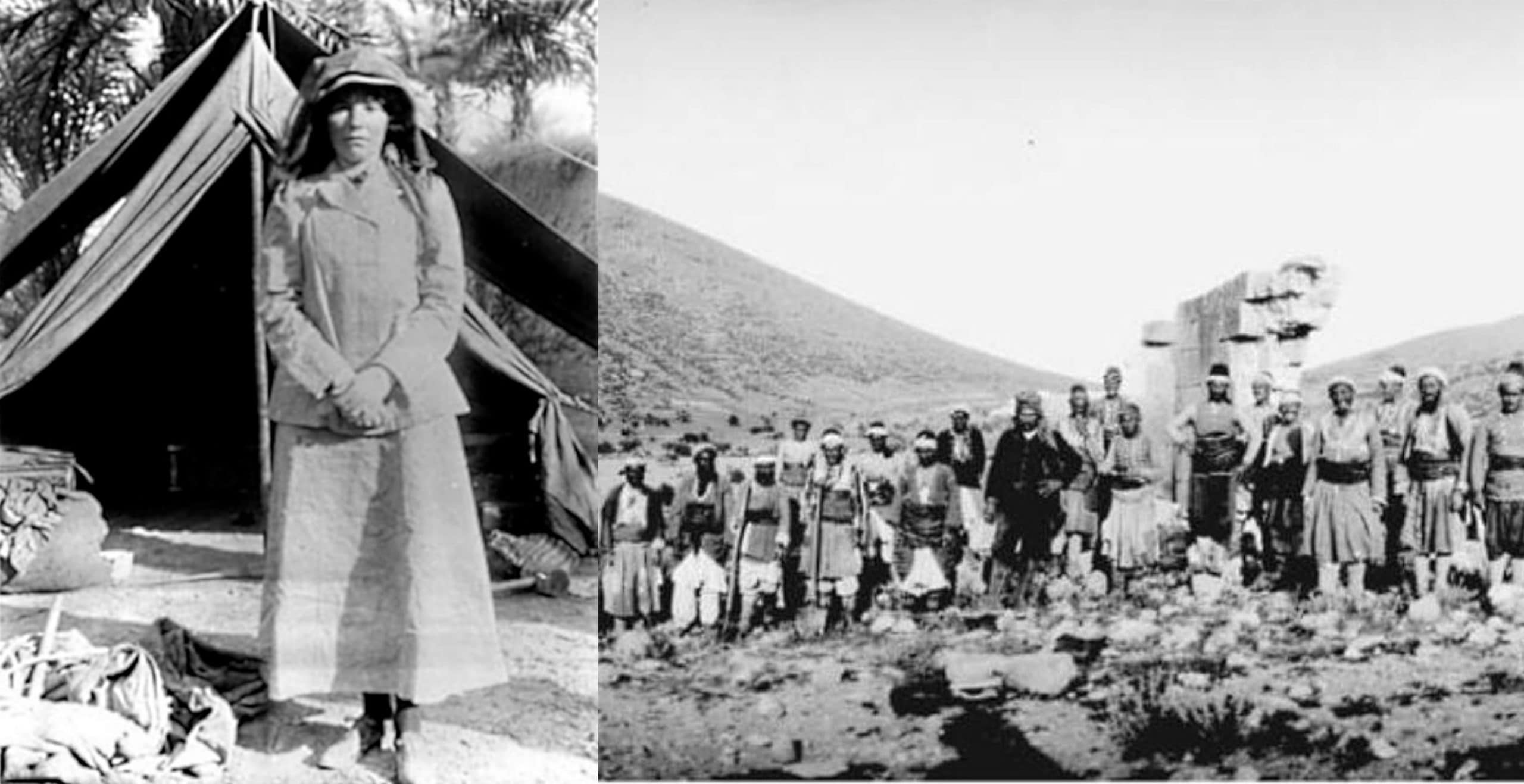
A year after achieving her accomplishments in India, Isabella moved on to the Middle East where she joined a unit of British soldiers whilst completing surveying work in the region. Not letting fear hold her back, she accompanied the soldiers with a medicine chest and revolver in tow.
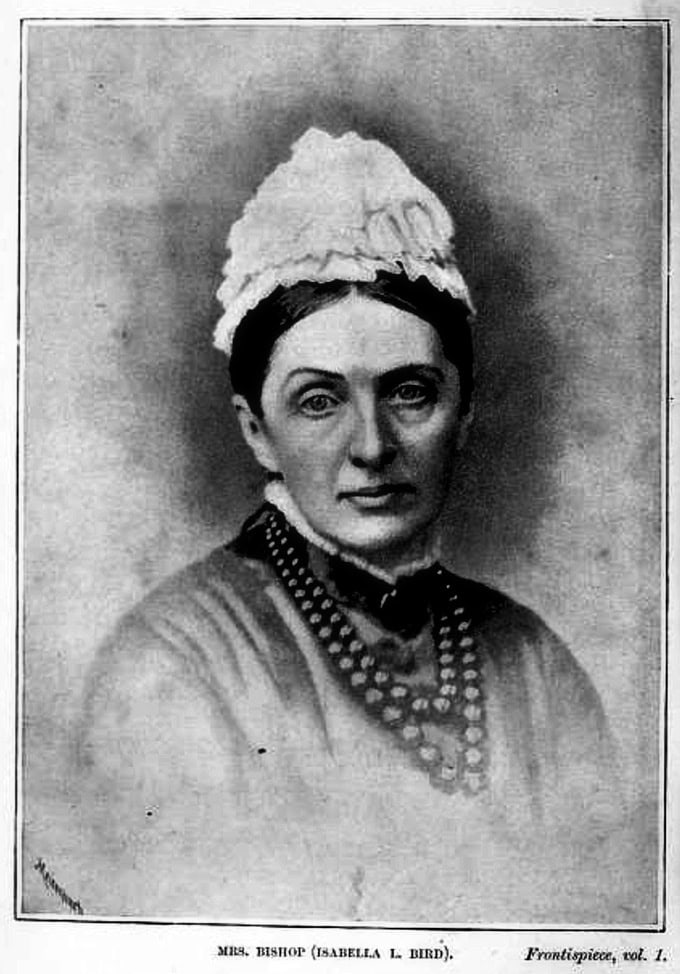
As a result of her extensive travels, she became well-versed on a range of issues relating to geography, culture, and society more generally. An example of this was demonstrated when she returned to England and gave a speech in a committee room of the House of Commons in which she discussed the issue of the persecution of Christians in Kurdistan.
The enormity of her travelling experiences and her accompanying literary recordings soon made her a well-known figure back in Britain. In 1890, she became the first woman to be bestowed with an Honorary Fellowship of the Royal Scottish Geographical Society. An honour which was soon followed by becoming the first woman to be permitted to join the Royal Geographical Society, as well as obtain membership of the Royal Photographic Society.
Accompanying many of her rousing accounts were numerous photographs taken by Isabella herself, and often used on her return to Britain for lectures.
In the latter years of her life, she embarked on one final extensive trip to Asia where she followed the Yangtze and Han rivers in China and Korea.
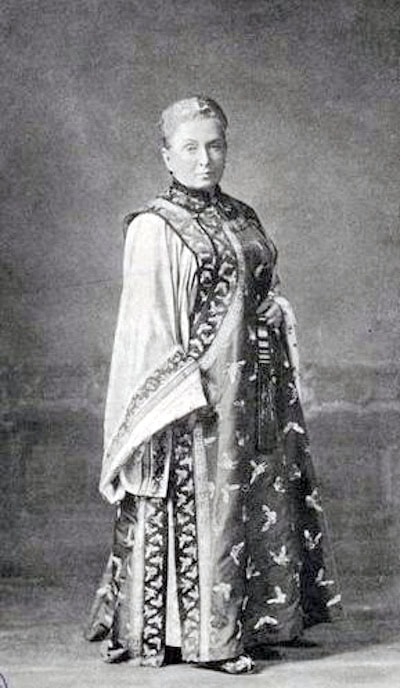
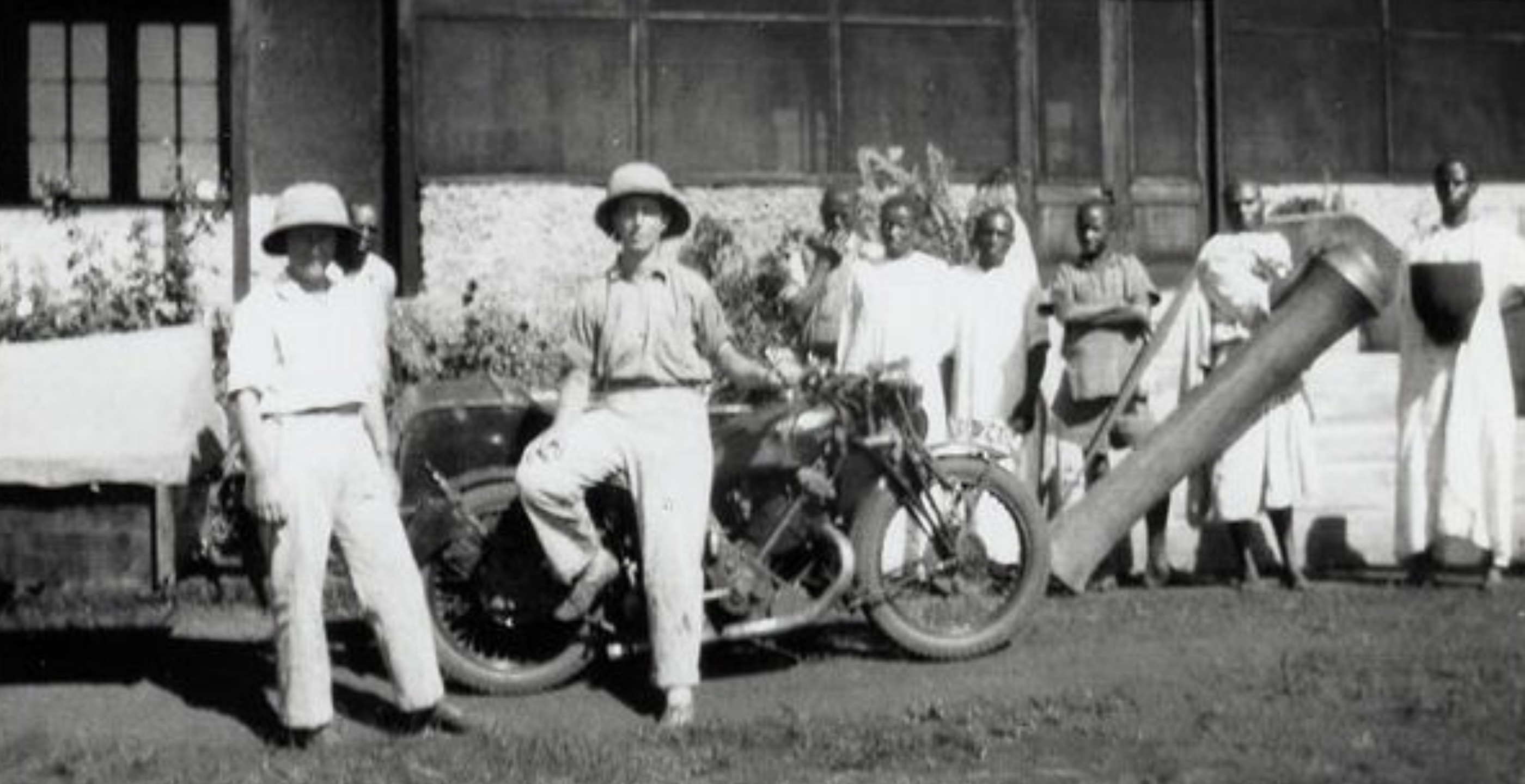
Finally, after spending the vast majority of her time on the road, she embarked on what would be her final journey, this time to North Africa where she visited Berbers in Morocco and rode on a black stallion which had been given to her as gift by the Sultan himself.
Only a few months after completing this intrepid journey with the Nomadic men of the desert, she had begun to plan for yet another trip taking her back to China, however this was to be one trip she would never fulfil, as she soon fell ill and passed away at home in Edinburgh on 7th October 1904.
Isabella Bird was a spirited and courageous woman who traversed great landscapes, visited hidden corners of the globe and encountered previously unknown cultures and communities. As a result, she made an invaluable contribution to the genre of travel literature, educating and enlightening those at home as to the varied and exciting world beyond Victorian England.
Jessica Brain is a freelance writer specialising in history. Based in Kent and a lover of all things historical.
Published: 14th April 2025.