

‘The Clyde made Glasgow, and Glasgow made the Clyde.’ – anon
The City of Glasgow is famous for many things; being the birthplace of comedy legend Billy Connolly and the literary genius Christopher Brookmyer, having the 3rd oldest subway system in the world behind those of London and Budapest, being the ‘world’s friendliest city’, a preponderance of stunning Victorian architecture, the Old Firm rivalry of Celtic and Rangers, not to mention the intellectual hothouse that is Glasgow University, synonymous with the genius of those such as Baron Lord Kelvin, Adam Smith, David Livingstone and James ‘Paraffin’ Young, to name but a few. However, despite all of these many accolades, Glasgow is perhaps most famous for a nowadays oft-overlooked area around the River Clyde, from which it takes its name: the Clydeside.
Glasgow’s Clydeside was once a powerhouse of industry and maritime engineering. For decades the term ‘Clydebuilt’ was tantamount to an engineering seal of approval. It was an area known to produce ships of incredibly high quality and endurance. In no small part due to the shipbuilding and industry on the Clydeside, Glasgow was also famous for being the ‘Second City of Empire’, behind London.
World-renowned Shipbuilding
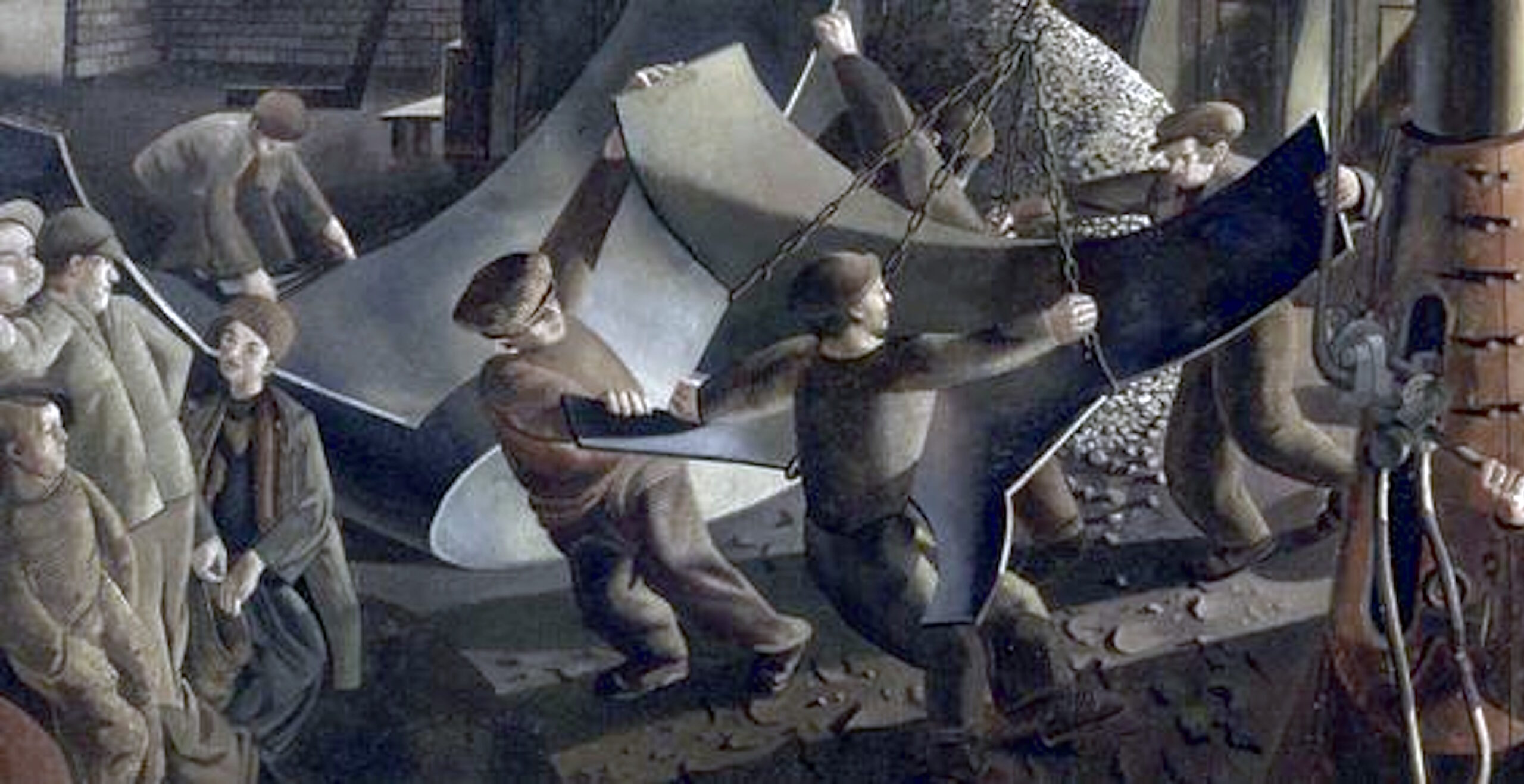
In 1711, the first shipyard on the Clydeside opened and began a tradition of shipbuilding that would last for nearly three centuries, and was undoubtedly the centre of the shipbuilding world for most of this time. In the early 1900s, at the height or the area’s prowess, an unbelievable 46% of all of the United Kingdom’s ships were built on the Clydeside, which was more than were made in the whole of the United States at the time. This gives some idea of the sheer scale of the industry in the area.
Before 1915 one fifth of all ships globally were built on the banks of the Clyde, continuing the Scottish tradition of significant global contributions from such a relatively tiny nation. (To get a full list of everything Scotland has given to the world I can highly recommend both Jeremey Clarkson’s list in episode eleven, series one of ‘The Grand Tour’, and Glasgow’s native-born author Christopher Brookmyer’s list in his novel ‘All Fun and Games Until Somone Loses an Eye’: it’s on pages 241-242 if you’re interested!)
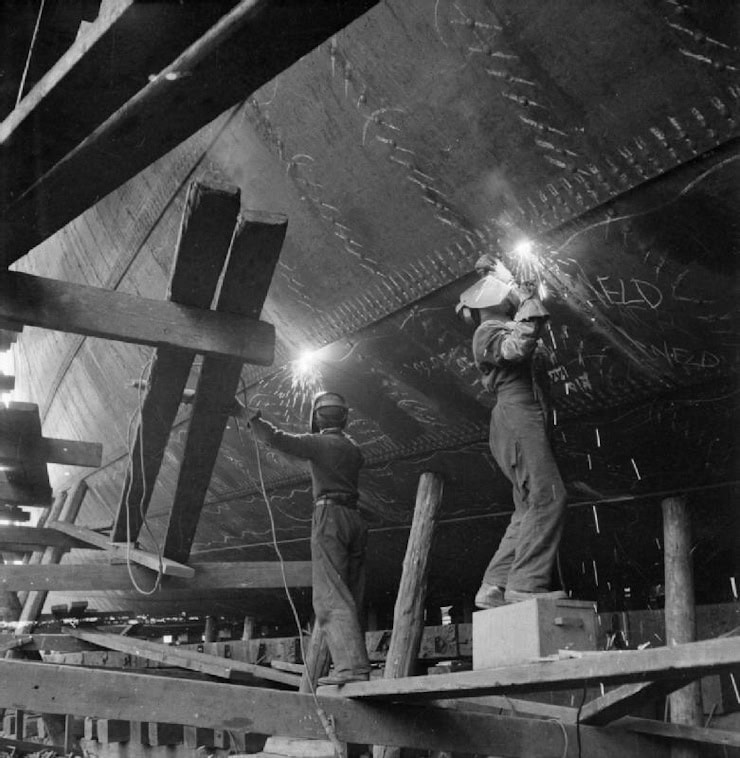
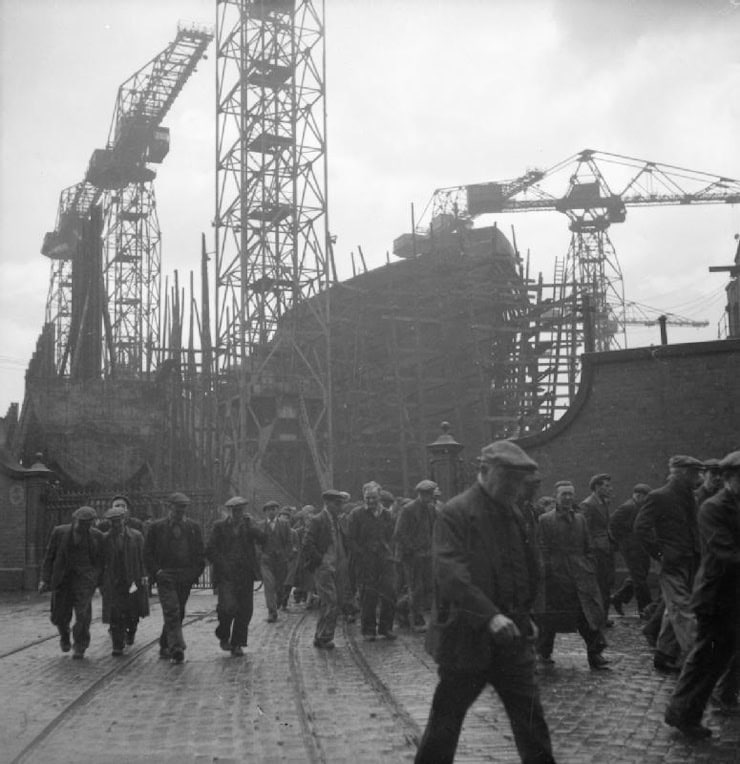
During its heyday there was hardly anyone in Glasgow who did not have some connection to a shipyard. Billy Connolly himself began his working life as a welder in a Glasgow Shipyard in the 1960s, at just sixteen years old. He even a song about it, called (perhaps somewhat unimaginatively), ‘Working in the Shipyard’.
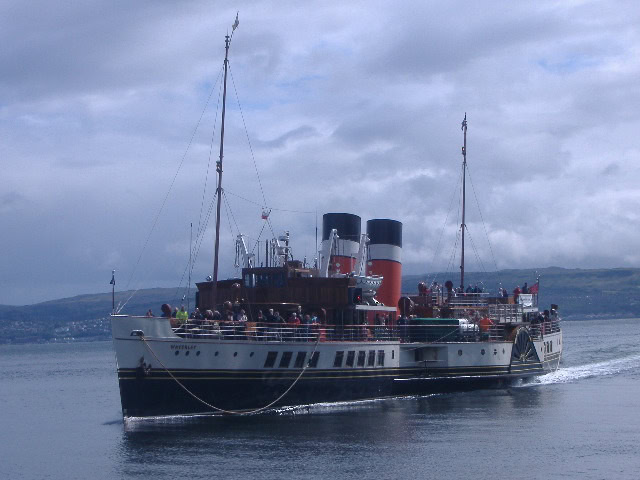
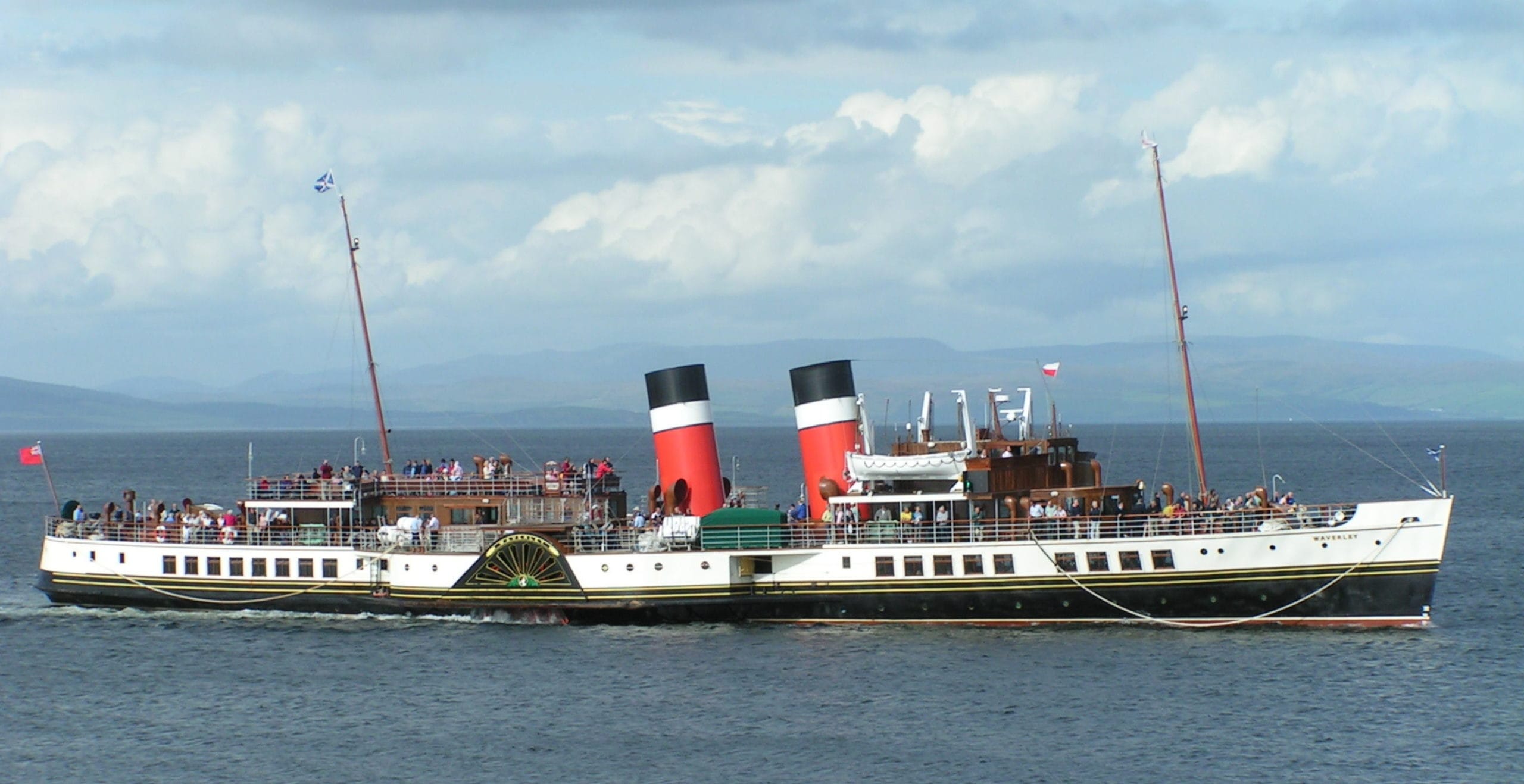
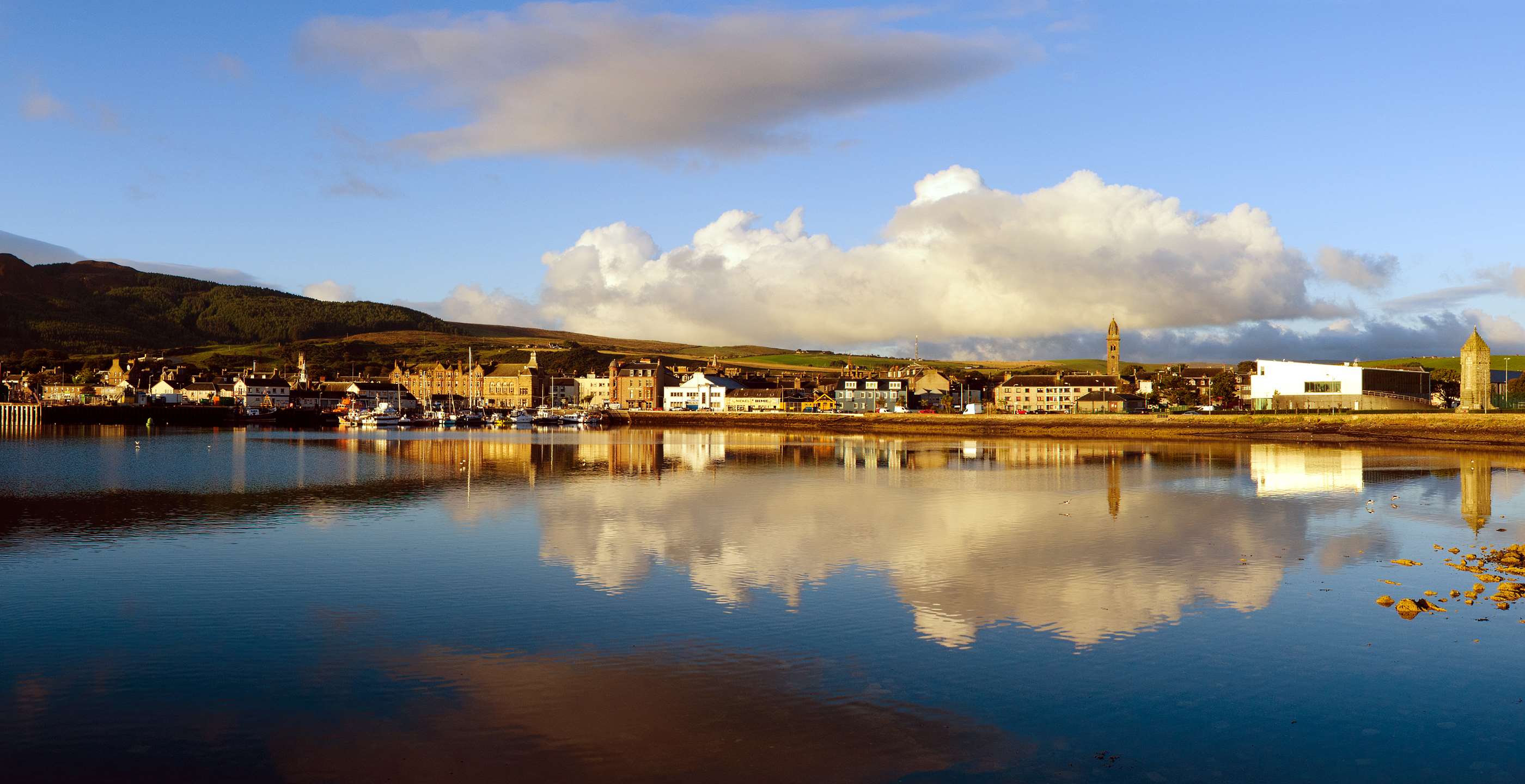
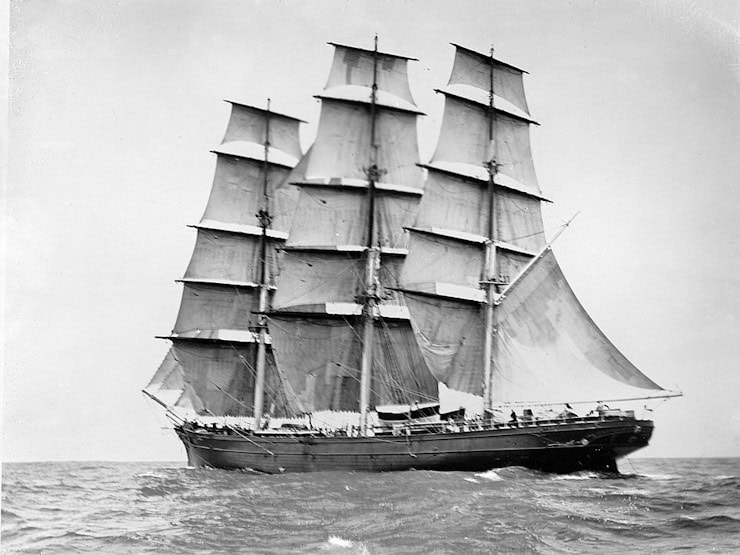
Some of the ships built on the Clydeside have noteworthy histories of their own. These include the very last paddle steamer ever to be built in Glasgow on the Clyde – the PS Waverley, which was built in 1946. This is the last seafaring passenger-carrying paddle boat that still runs anywhere in the world today. In fact, you can still get ‘steaming’ on the way down the Clyde from Glasgow to Campbeltown or ‘Whiskyopolis’ as it used to be better known, to this very day. Also, the fastest ship of her age, the world-famous Tea Clipper, the Cutty Sark, which now resides as an attraction and museum in Greenwich, London.
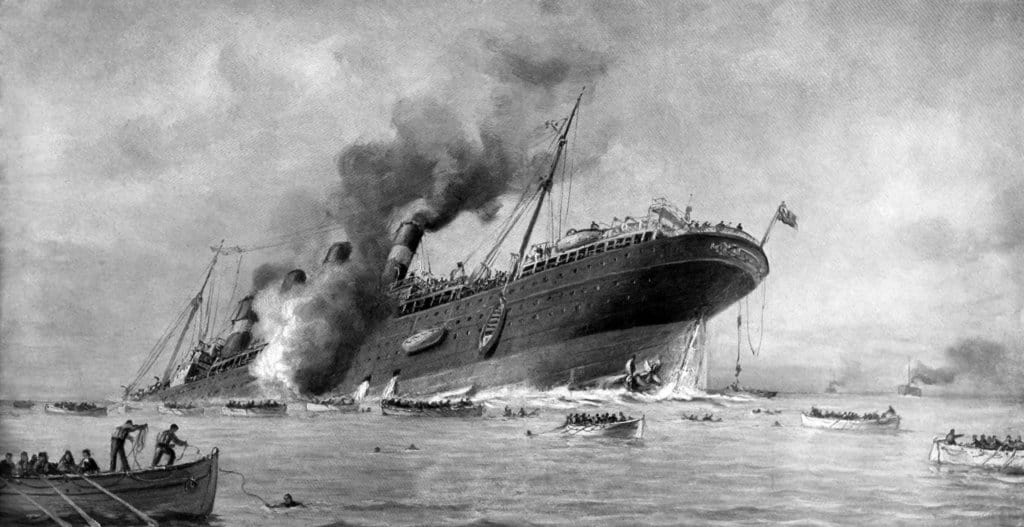
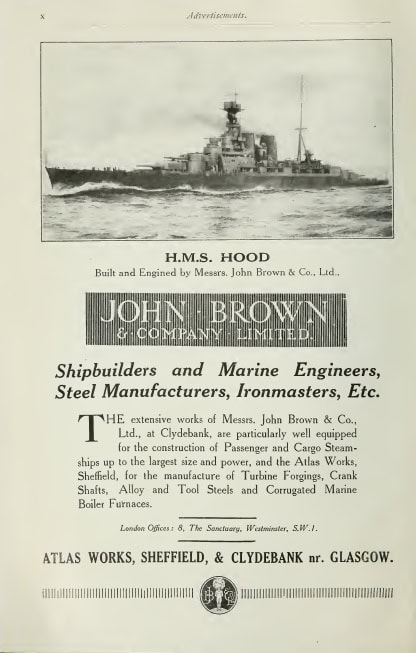
There are almost innumerable others of course, and many of these are attributed to one particular ship yard; John Brown and Company. This company has an immensely impressive heritage and was responsible for building, among others, the RMS Lusitania which was sunk by German ‘U’ Boats on the 7th May 1915 during the First World War whilst crossing from New York to Liverpool, leaving few survivors. The battle cruisers HMS Hood and HMS Repulse, both of which participated in the famous ‘Empire Cruise’ between 1923 – 1924 were also built here. For twenty years after she was commissioned, the Hood was the largest warship ever built, until she was sunk by the German battleship Bismark in 1941 during the Battle of the Denmark Strait. The giant Cunard White Star Liners RMS Queen Mary (now a hotel in California!), and RMS Queen Elizabeth were built here, as well as the royal Yacht HMY Britannia, the RMS Queen Elizabeth and even the QE2!
Brown’s shipyard was undoubtedly the most significant of its day, and it was able to build such titans of the sea, largely because it had one of its own. The shipyard boasts an enormous crane, the famous and very aptly named ‘Titan’. The refurbished Titan still sits proudly on Glasgow’s Clydeside today at Clydebank, next to the former shipyard which alas, no longer exists. The Titan stood 150 feet high, had a capacity of 160 tonnes, and was the largest cantilever crane ever built at the time. It is indisputable that the sheer lifting capability of the Titan contributed to the global success of the shipyard, as it could construct extremely large ships, including those aforementioned. Today you can actually enjoy the view from the top of the Titan thanks to years of careful refurbishment. It is a stroke of luck that the Titan exists at all, as the Clydeside was bombed heavily during the Second World War, consequently very little of the area was left unscathed.
The Clydebank Blitz
The Clydeside was the beating heart of shipbuilding during both of the World Wars, and during the Second World War it was seen as a serious threat to the Axis powers. Therefore, in 1941 the German Luftwaffe did their best to destroy it and were largely successful. Glasgow was heavily targeted by bombing raids due to the sheer amount of her heavy industry and production. It is no exaggeration to say that the Clydebank Blitz in March 1941 virtually destroyed the town, so much so, that when it was over there were only 7 properties in Clydebank that were undamaged. It was undoubtedly one of the worst bombing raids in Britain.
The raids, involving 260 Luftwaffe bombers on the first night and 200 on the second, specifically targeted the shipbuilding industry of Clydeside, but by some minor miracle, the Titan escaped undamaged. So relentlessly severe was the bombing of this area that many of the buildings along Glasgow’s Clydeside were painted black to avoid the Blitz. I am sure that many of the local residents thanked their lucky stars for Scot’s born Robert Watson-Watt, who invented radar and essentially won the Battle of Britain, unfortunately though not soon enough to save Glasgow’s shipbuilding epicentre.
It is fair to say that the industry never fully recovered after World War Two. The damage, coupled with the British government’s decision to privatise shipbuilding and stiff competition from Asia, sadly led this once great giant of Scottish industry to all but disappear. There is still some shipbuilding on Glasgow’s Clydeside: you’ll even find BAE Systems there building ships for the Royal Navy. Although it is barely comparable to that of the 19th and early 20th centuries, at least there remains some evidence of the once titanic industry that was synonymous with Glasgow’s Clydeside for nearly three hundred years.
Red Clydeside
The Clydeside isn’t just known for its shipbuilding, heavy industry, or the blitz, it is also known to be an area of noteworthy political activism and rebellion. It is largely associated with the labour movement, and the term ‘Red Clydeside’ was coined to describe the period of 1910 – 1930. It was also probably first used pejoratively, to associate those involved with communism, however it has come to mean something very different.
There is an excellent exhibition in Glasgow’s Kelvingrove Art Gallery and Museum that documents the struggles of those involved in ‘Red Clydeside’. During this time there were several worker’s strikes, such as those at the Singer sewing factory, strikes over rent increases, for a 40-hour work week and anti-war protests. This striking character continued during the height of its shipbuilding fame, and in the 1970s there were several strikes and work-ins in an attempt to keep the shipping industry going, but they were no match for the privatisations and closures, which were then exacerbated by the Thatcher administrations in the 1980s. There are still areas in Scotland today that blame Thatcher for the destruction of much of Scotland’s heavy industries, including shipbuilding.
The issue of the Clydeside shipyards was so significant that Sean Connery himself even directed and starred in a documentary film, ‘The Bowler and The Bunnet’ released in 1967. The film highlighted the plight of Glasgow’s shipping industry, the bowler colloquially referring to the ‘bosses’ and the bunnet to the ‘workers’, stressing the class divide felt in Scotland’s largest and most industrial city. It is both a love letter to Glasgow, and a spotlight on the devastating loss of the Clydeside shipyards. Connery says of Glasgow’s Clydeside that is was both the cradle and the graveyard of the Industrial Revolution. And of Glasgow itself he says, ‘it’s a grim, cheery place, where they eat fish and chips, and sing, and make love, and make ships.’ A fair judgment even today! Though sadly, not even intervention from one of Scotland’s most famous sons could save the shipbuilding industry from its eventual (though not quite total) demise.
Glasgow as a whole remains a stalwart of Labour support and working-class activism. Therefore, it is perhaps unsurprising that a place steeped in political activism and demonstrating unwavering solidarity, also saw that solidarity extend abroad. When the Spanish Civil War raged in Spain in the 1930s (which was during the height of the Red Clydeside movement) hundreds of Scottish people went to fight for the Republicans. In fact, Scots made up over twenty percent of the British volunteers who fought in the International Brigades. Out of 40,000 International Volunteers 2,100 were British, 500 were Scottish, and half of those again were from Glasgow, the majority of whom were working class. Of those brave 2,100, 534 would never return to Britain alive. And of those 534 British people killed fighting, an astounding 12% were Glaswegian. No other single nation can claim as many. There was even a play written by Glasgow’s own Jimmy Maley, who fought in The Spanish Civil War. He was captured after the battle of Jarama and held as a prisoner of war for months before returning to Glasgow to continue his political campaigns. The play is called from the Calton to Catalonia. It references a statue that stands on Glasgow’s Clydeside to this day, a statue of La Passionaria, a monument to those Scots and especially those Glaswegians, who went to fight and die for Spain. A symbol of more than just a foreign war, but of solidarity, and standing up for what is right.
The legacy of Glasgow’s Clydeside is impossible to fully incorporate in one short article, but here at least is a nod to the maritime majesty, incredible industry and political passion of a truly impressive part of Glasgow and Scotland.
By Terry MacEwen, Freelance Writer.
Published: 9th January 2026