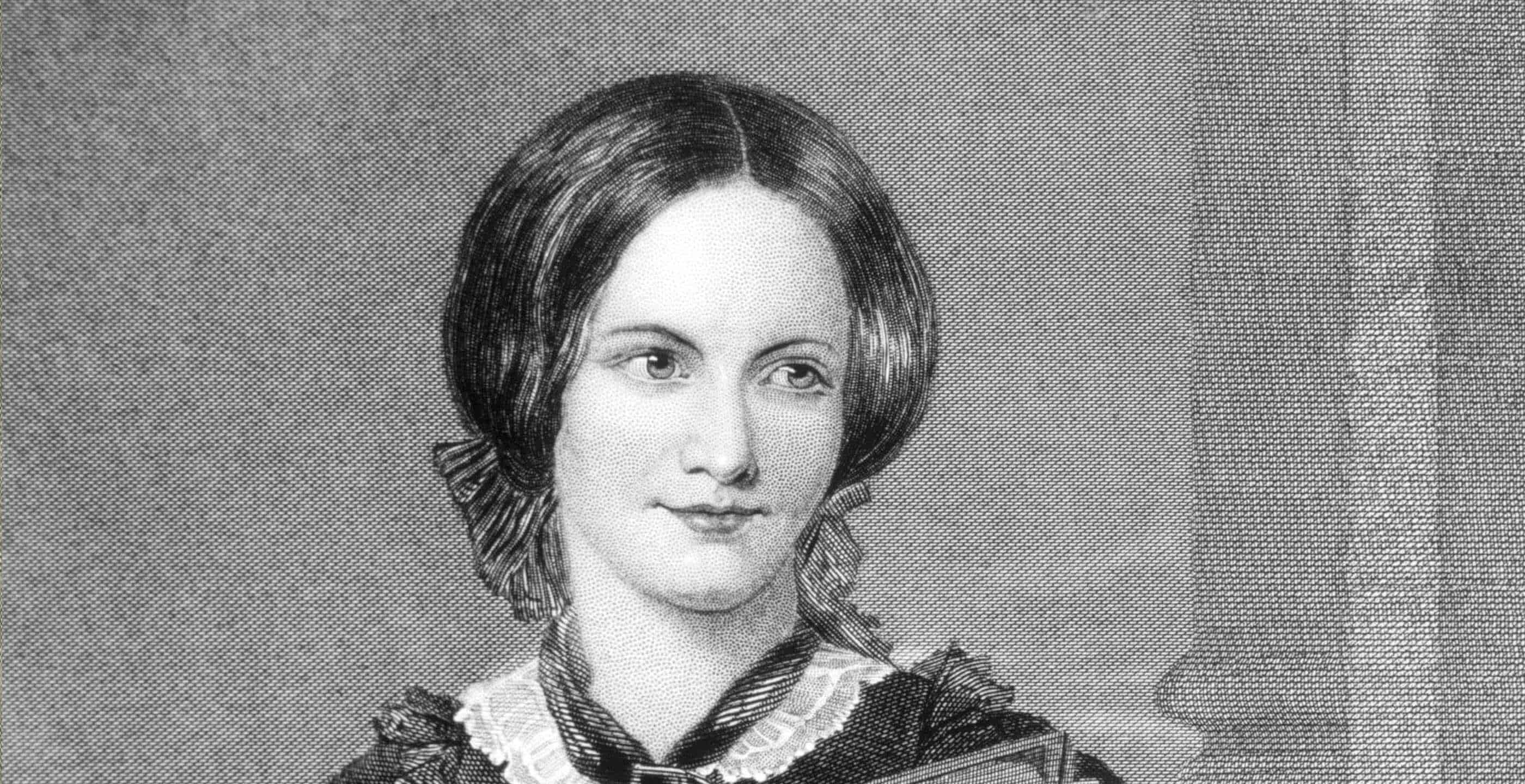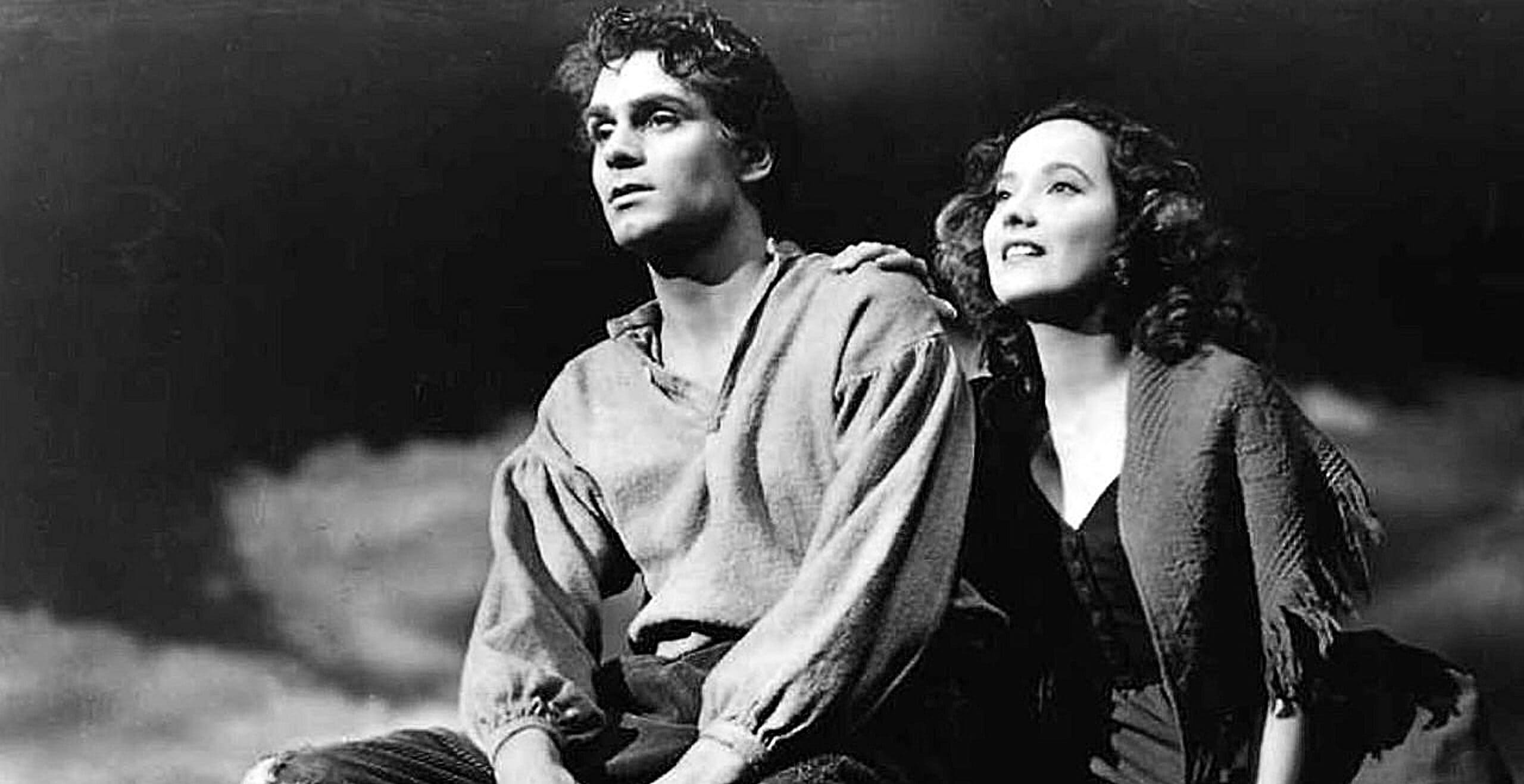


Upon its publication in 1847, Wuthering Heights was met with a mixture of horror and awe. The intense story of the doomed love between Heathcliff and Catherine Earnshaw, and the repercussions their relationship has on the subsequent generation, was both praised and condemned for its violence and passion. When the discovery was made that the author was a reclusive curate’s daughter, the shock deepened. How had Emily Brontë come to write such a singular work? Her seemingly sheltered life in Yorkshire with her father, Patrick, and three siblings Charlotte, Branwell and Anne, seemed to offer little clues. Yet this apparent quiet life was formed by tragedy, imagination and the landscape around it.
Historical Tales
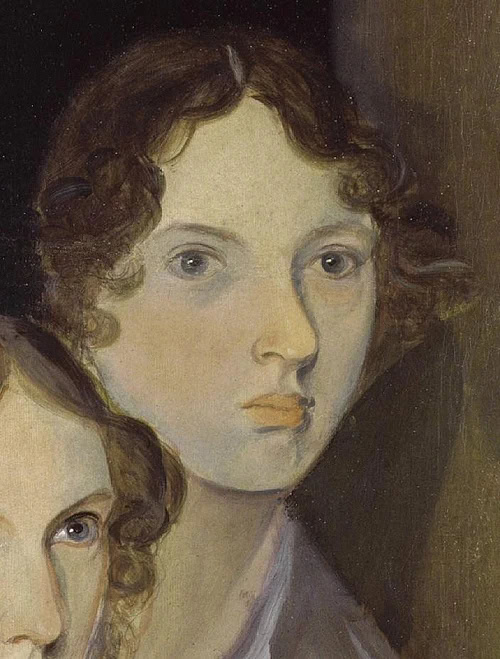
An avid reader, Emily was well versed in history, and some of the inspiration behind Wuthering Heights can be found in the historical record. Her fraternal grandfather, Hugh Brunty, told a story of how he had been robbed of his inheritance by a ‘foundling’ uncle known as Welsh (or Walsh) in Ireland. It is possible that Patrick may have related this tale to his children, as he was fond of telling stories around the dining table, many related to the history and folklore of his native land.
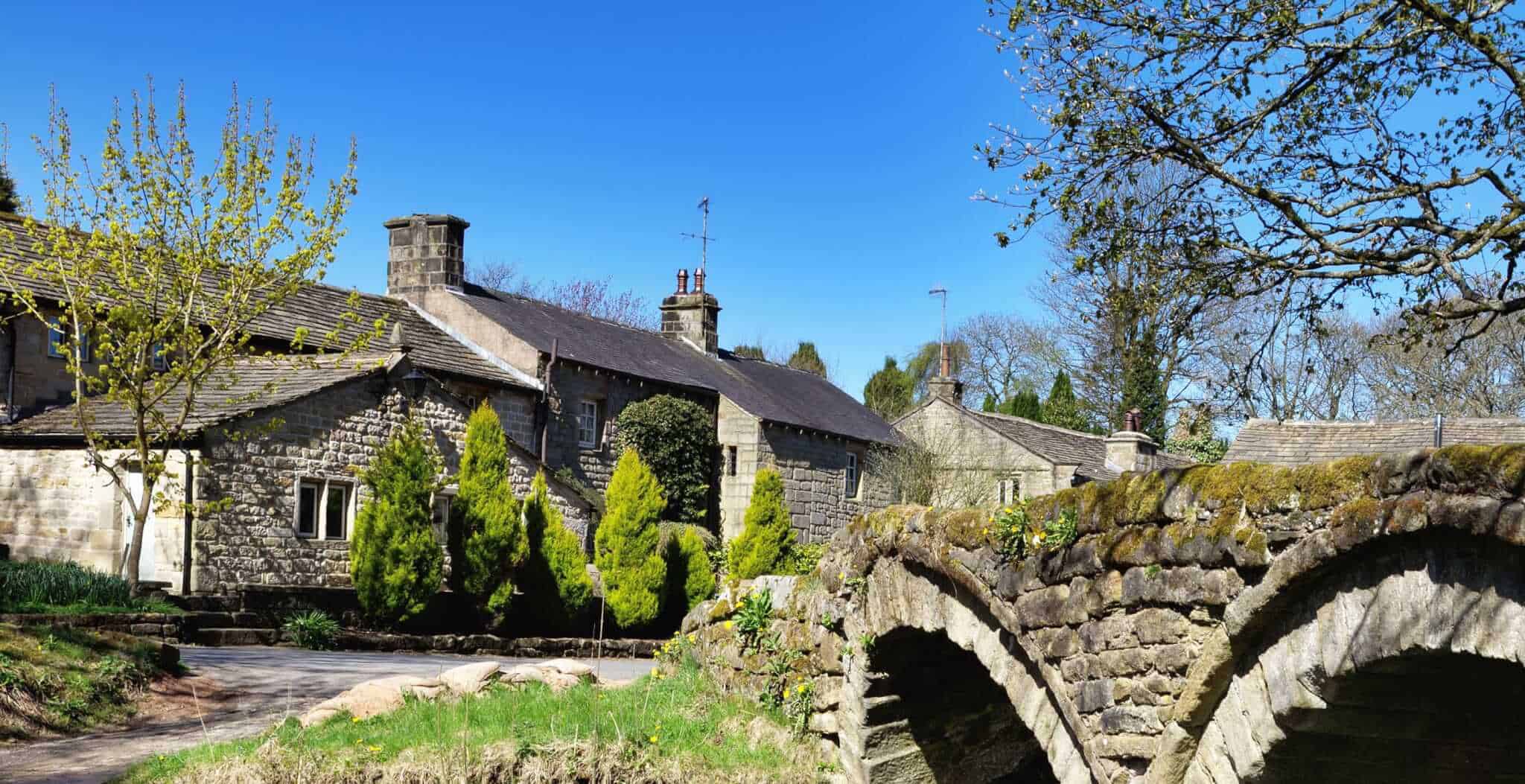
She may have encountered another such tale at nearby Ponden Hall, where history told that the owner of the hall was forced to buy back his inheritance from the cunning Henry Casson who had ingratiated himself into the family. Ponden is also believed to have served as an inspiration for both the houses Thrushcross Grange and Wuthering Heights. The most formative of these historical scoundrels was encountered at Law Hill, the school where Emily taught for a period of six months.
Jack Sharp, the owner and builder of Law Hill, had been adopted by John Walker, a wealthy wool merchant, and the owner of Waterclough Hall. Walker ended up being completely monopolised by his adopted son, who came to own the Hall and the family business, ruining both. He built Law Hill on a nearby rise that overlooked Waterclough, eventually ruining himself in America. There is more than a hint of Heathcliff and his usurpation of the Earnshaws in this story.
Life
Other characters and events in the novel took their inspiration from sources closer to home. The Brontë family experienced several tragedies that profoundly affected Emily. A prevalent theme in Emily’s work is death, as it was in her own life. Her mother, Maria, died when Emily was only three. Her elder sisters, Maria and Elizabeth, died at the ages of elven and ten respectively. In the years following the publication of Wuthering Heights, the remaining Brontë siblings would all pass prematurely, Branwell first, followed by Emily, Anne and Charlotte.
Life expectancy was low during this era, and Patrick’s work as a curate brought him into constant contact with death and the dying. Naturally his children developed a fascination with the subject and wrote about it repeatedly. The Brontë’s home, the Parsonage, was situated beside the Haworth graveyard, and Emily’s bedroom overlooked it. Death meant separation from loved ones, and from the natural world, and these became recurring themes in Emily’s work.
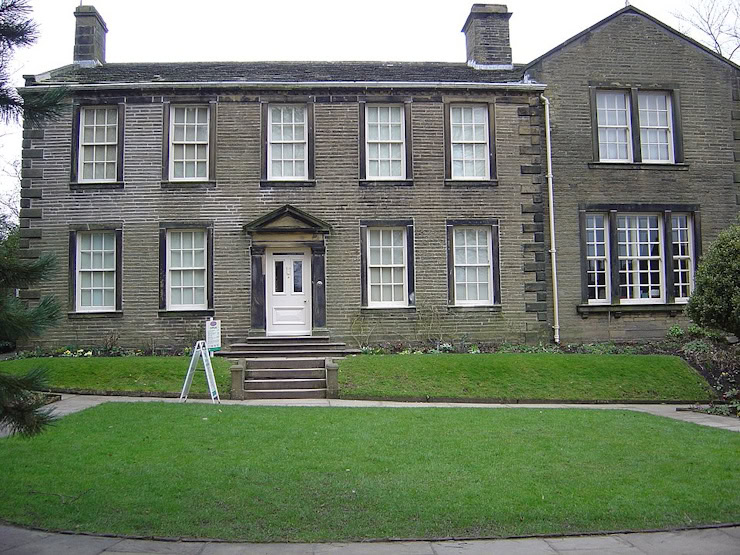
There was another form of separation to which she was well accustomed. Needing to make a living, Emily had two brief stints working as a teacher: both times were marred by homesickness so intense she became physically ill. These experiences appear in Wuthering Heights when the dying Catherine yearns to return to her childhood home, and the moors that surround it, “I wish I were a girl again, half savage and hardy, and free…I’m sure I should be myself were I once among the heather on those hills.”
For Catherine, as it seems to have been for Emily, ‘home’ was dearer and more wonderful than even the concept of heaven. Emily was at her happiest when she was allowed to stay at home, taking on the role of housekeeper, and making money from her writing.
Catherine’s words also echo another theme of Emily’s work, a longing to return to childhood, with its freedom from restrictions and responsibilities. Working as a teacher was a constant reminder that Emily had to ‘make her way’ in the world: the worldly need to earn money was an intrusion upon the world of home and imagination where she truly thrived. For women in Emily’s day there were little options open for them: depending on their social status, they were either expected to marry or become governesses. Emily deftly wove these societal expectations into her fictional story. Catherine feels she has to make an advantageous marriage, though it and the other expectation of motherhood, eventually destroy her and set off the tragedy that dominates the book.
Another real-life tragedy that no doubt inspired the character of Hindley Earnshaw, was Branwell’s descent into alcoholism following a disastrous affair with a married woman. When Emily wrote of Catherine’s brother, she was writing from experience.
Gondal & Literature
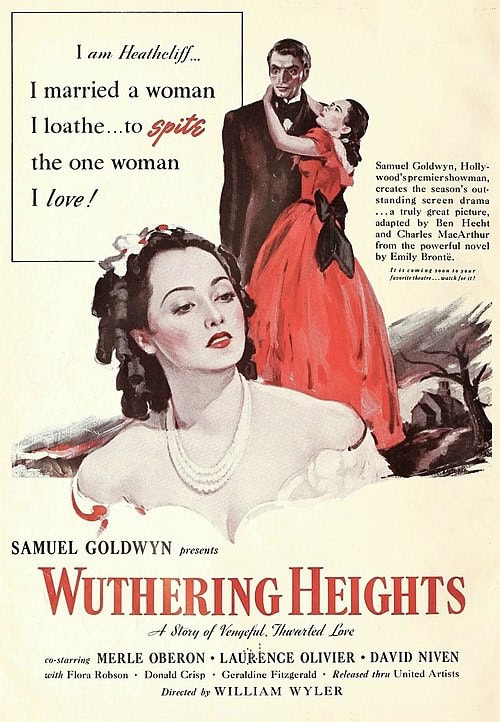
From childhood Emily and Anne had shared an imaginative kingdom they called Gondal. It formed the basis for an ongoing story that inspired most of their poems. For Emily, Gondal was almost as real as the world outside her window. The characters and themes found in Gondal would eventually be translated into Wuthering Heights. Much of Emily’s Gondal work was centred around the passionate, haughty Augusta G. Almeda (or A.G.A), and a major plot point focussed on Augusta’s tempestuous relationship with Julius Brenzaida. These two characters were the prototypes for Catherine and Heathcliff. Like Heathcliff, Julius was an orphan, a cruel man and a usurper, and Augusta betrays him for another.
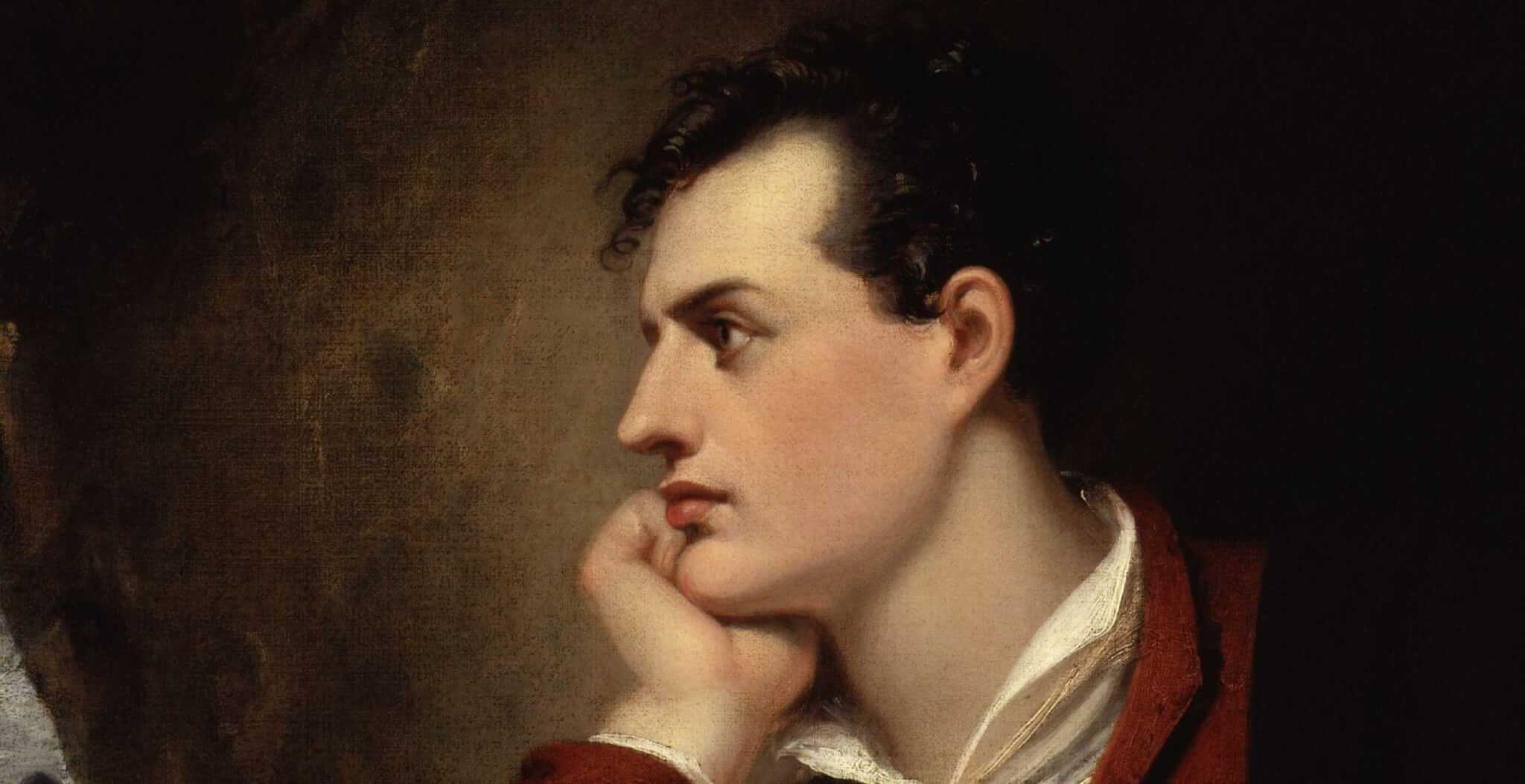
These tales were also heavily influenced by Romanticism, a movement centred around the themes of individuality, nature, imagination, the supernatural and passion. The famous Romantic poets, Byron, Shelley, Wordsworth, Keats and the novelist Walter Scott were formative influences on the young Brontës. The German word, Sensucht, also popular amongst the Romantics, was characterised as an intense longing for something unobtainable – another central theme in Emily’s work.
Scott and Shelley were particular favourites of Emily’s. Gondal’s landscape owed as much to the Scotland of Scott’s novels, as it did to Yorkshire. Biographers have also noted the influence of his novels, Old Morality and The Black Dwarf, the latter of which featured a character called Patrick Earnscliff. Shelley’s radical ideas about marriage, religion and freedom, as well as his reverence for nature, influenced and, at times, found kinship with Emily’s ideas and work.
Nature
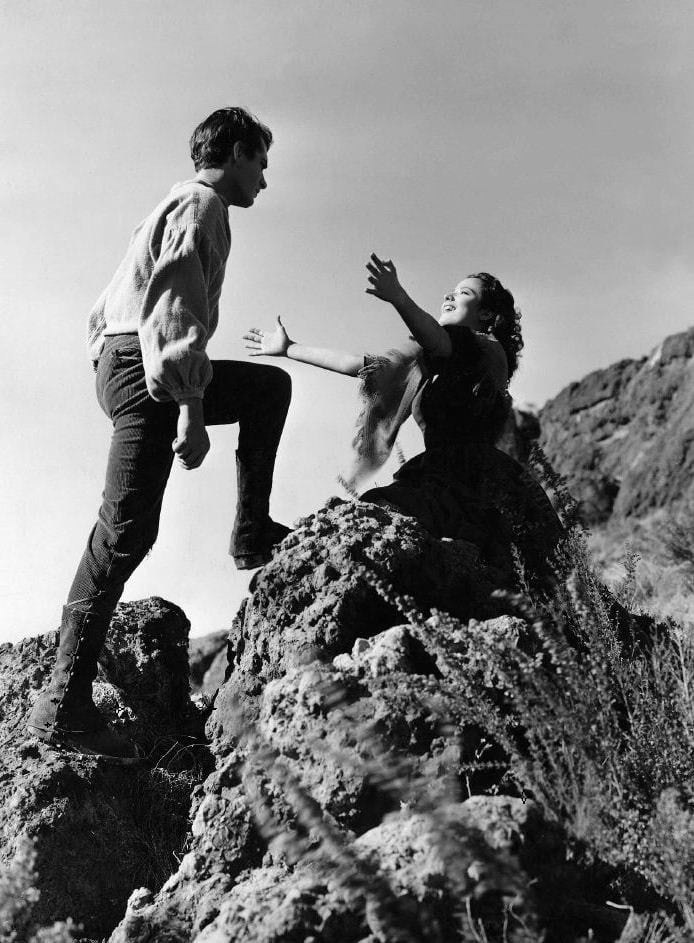
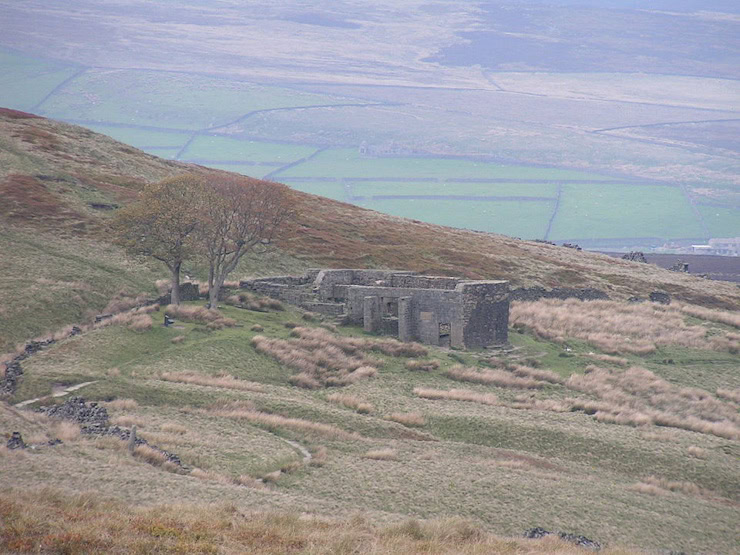
The greatest influence on Wuthering Heights however was undoubtedly the landscape of the Yorkshire moors. Emily walked almost every day on the moors, accompanied by her bull mastiff, Keeper. She was a familiar sight to the village, setting out on one of her treks. The Brontës had been rambling on the moors since childhood, and Emily knew every inch of this inhospitable, yet beautiful landscape. The moors are a wild place, dominated by heath and cliff, and the constant wind which stunts the growth of most plants. Even before she began work on her novel, Emily was writing about this landscape and its attributes in her poetry. The very name Heathcliff suggests that he is elemental, has sprung up from the landscape around him. Emily’s love for the moors was such that they become a character in their own right: they are symbolic of the natures of Heathcliff and Catherine, and their intense relationship. Even the man-made features of this world inspired Emily: the farm house Top Withens is situated within walking distance from the Parsonage. Though it bears little physical resemblance to the fictional Wuthering Heights, it is believed Emily drew inspiration from its remote location when she wrote of the bleak farm.
Though it appeared to have sprung from nowhere, Wuthering Heights was actually the result of a lifetimes worth of stories, history, literature and experiences. Emily drew on the world around her and beyond to write her powerful novel.
Erin Bienvenu is a freelance writer with a passion for history and literature. You can find more of her writing, including about Wuthering Heights, at, https://landscapeladies.substack.com/
Published: 26th March 2026