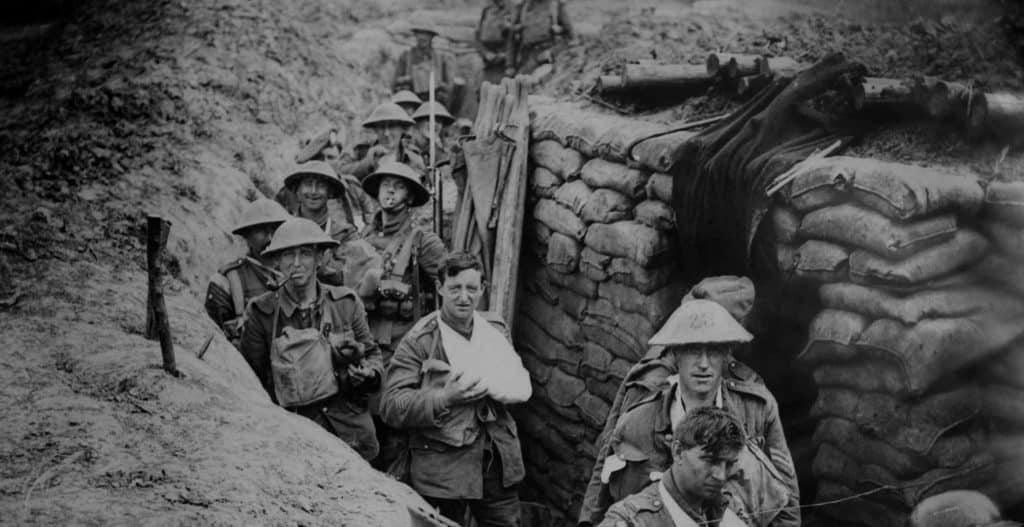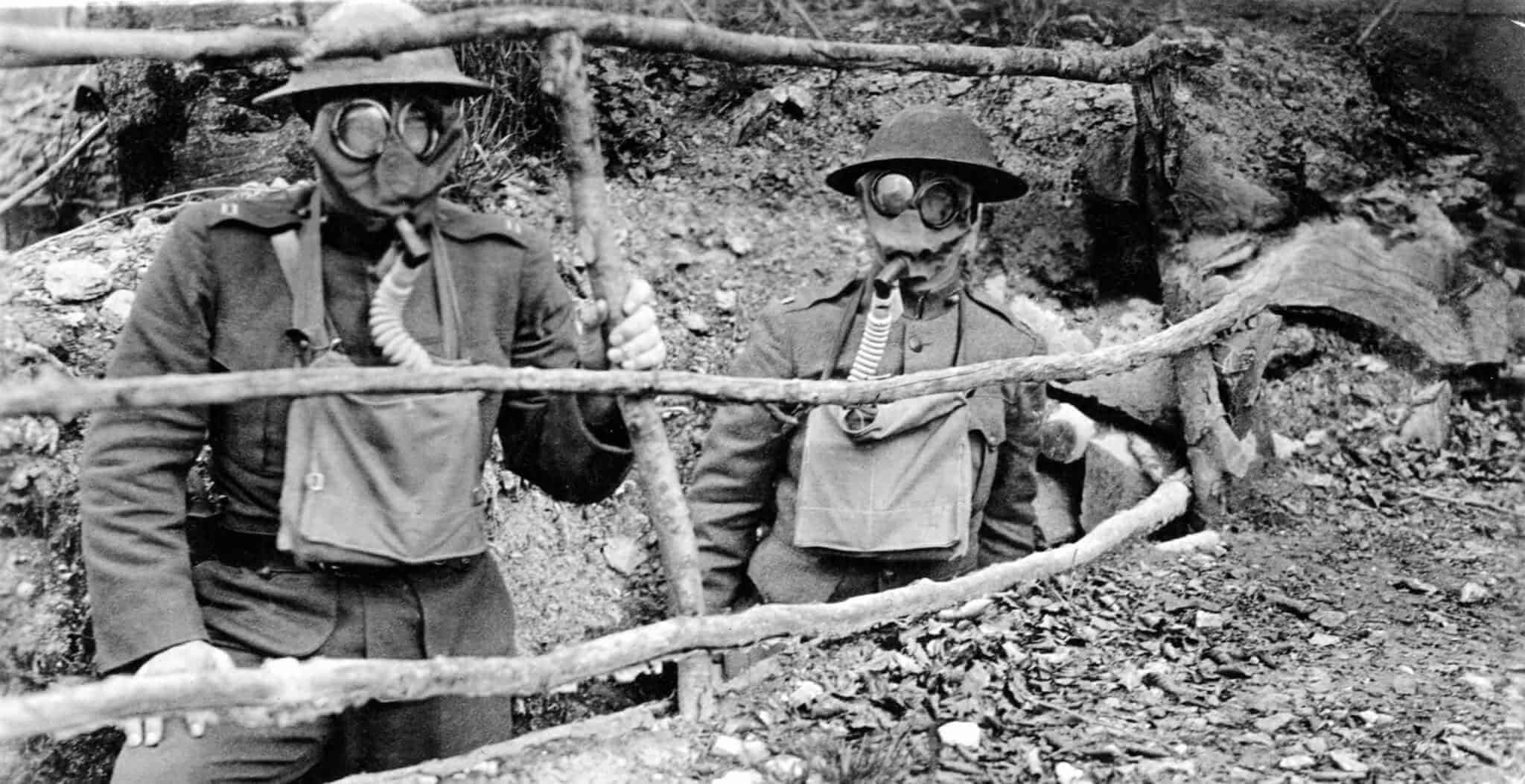


Important events of 1918 during the fifth and final year of the First World War, including the appointment of French Marshal Ferdinand Foch as Supreme Allied Commander.
| 3 March | A peace treaty is signed between Soviet Russia and the Central Powers (Germany, Austria-Hungary and Turkey) at Brest-Litovsk. The treaty marks Russia’s final withdrawal from World War I. The humiliating terms of the treaty effectively surrenders one third of Russia’s population, half of her industry and 90% of her coal mines. Russia also cedes lands including Poland, Ukraine and Finland, and cash payments are made to release Russian prisoners. |
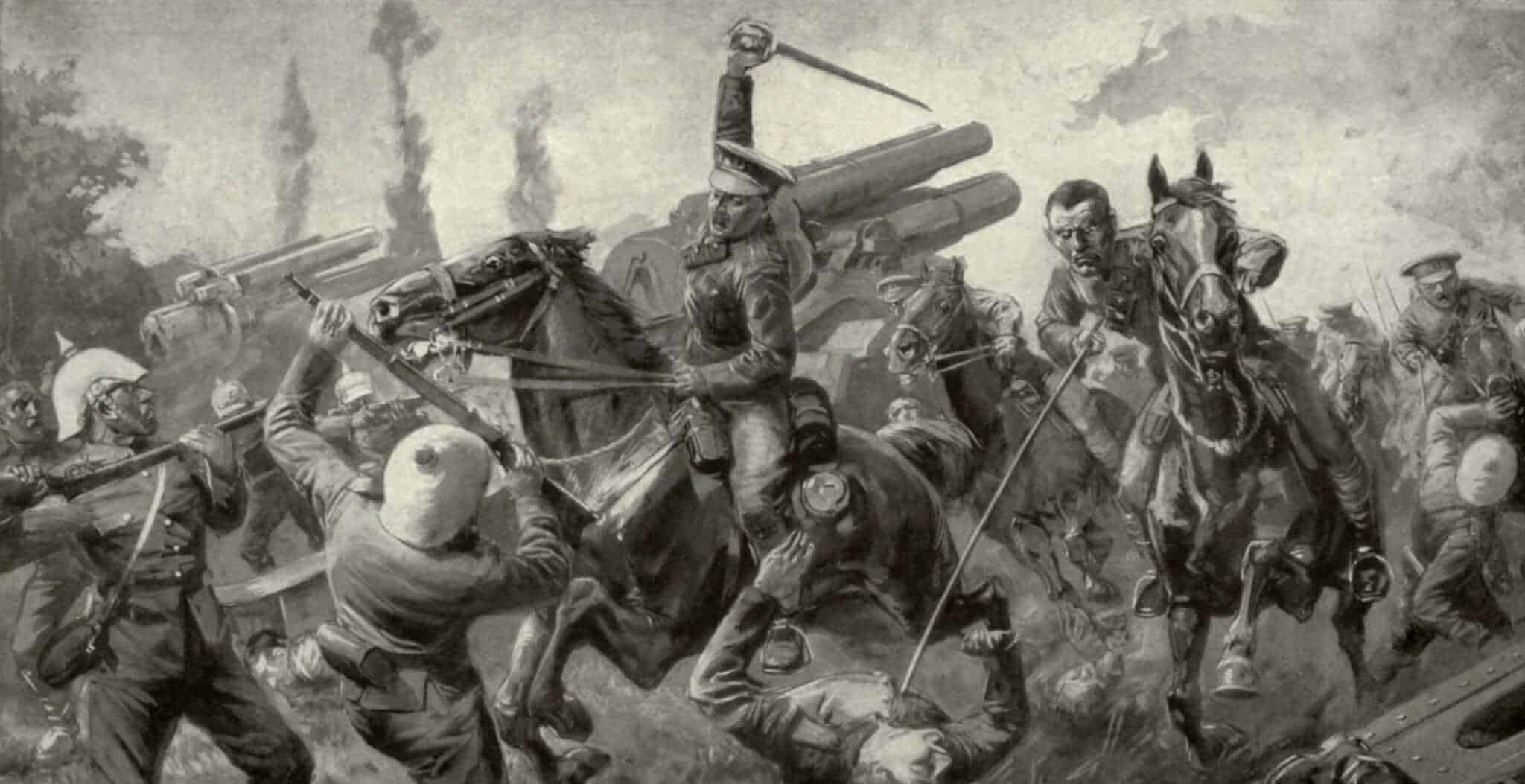
| 21 March | With 50 divisions now freed by the surrender of Russia, Germany realises that its only chance of victory is to defeat the Allies quickly before the huge human and industrial resources of America are deployed. Germany launches the Ludendorff (or first Spring) Offensive against the British on the Somme. |
| 26 March | The French Marshal Ferdinand Foch is appointed Supreme Allied Commander on the Western Front. |
| 1 April | The Royal Flying Corps and the Royal Naval Air Service are merged to form the Royal Air Force. |
| 9 April | Germany launches a second Spring Offensive, the Battle of the Lys, in the British sector of Armentieres. The front line Portuguese defenders are quickly overrun by overwhelming numbers of German troops. The capture of the Channel supply ports at Calais, Dunkirk and Boulogne could choke the British into defeat. |
| 23 April | The Zeebrugge Raid, an attempt by the British Royal Navy to block the Belgium port of Bruges-Zeebrugge. The port is an important base for German U-boats. The raid is only a partial military success but an important propaganda victory for the Allies. |
| 25 May | German U-boats appear in U.S. waters for first time. |
| 27 May | The Third German Spring Offensive, Third Battle of the Aisne, begins in the French sector along Chemin des Dames. The main objective of the Germans is to split French and British forces in an attempt to gain a quick victory before American troops are deployed in greater numbers on the battlefields of Europe. |
| 28 May | U.S. forces, some 4,000 troops, are victorious in their first major action of the war at the Battle of Cantigny. |
| 15 July | The final phase of the great German spring push, the Second Battle of Marne begins. The heavy toll on the German Army from the previous Spring Offences is beginning to show, with depleted and exhausted troops. |
| 16 July | The former Russian Tsar Nicholas II, his wife, and children, are murdered by the Bolsheviks. |
| 18 July | The Allies counterattack against German forces, seizing the initiative on the Western Front. |
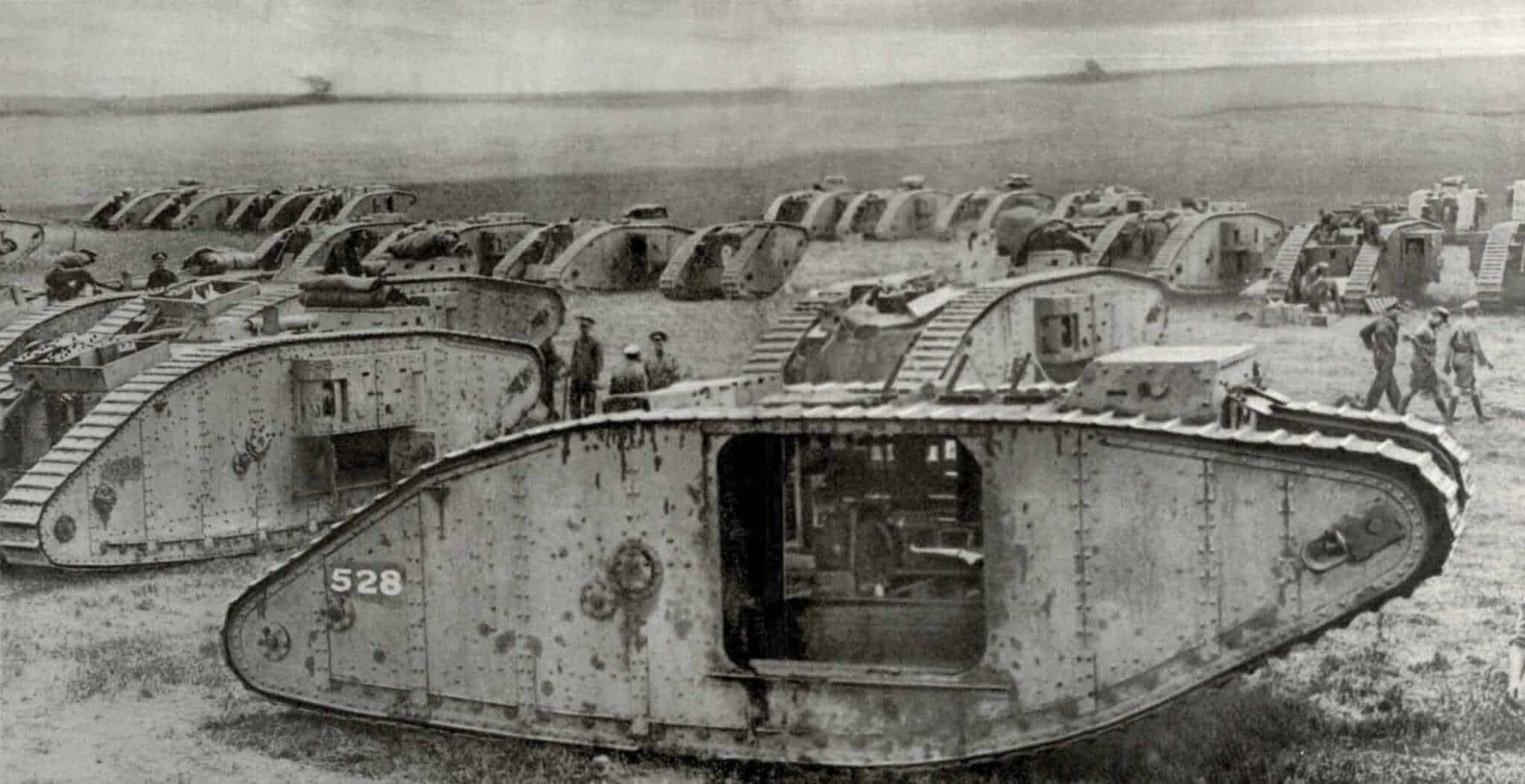
| 8 Aug | Start of the Battle of Amiens, the opening phase of the Allied Hundred Days Offensive, that will ultimately lead to the end of World War I. Allied armoured divisions smash through the once impregnable German trenches. Erich Ludendorff calls it “the black day of the German Army.” |
| 15 Sept | Start of an Allied offensive against Bulgarian forces. The Vardar Offensive would last little over a week with Bulgaria eventually signing an armistice and exiting the war. Bulgaria’s King Ferdinand would abdicate shortly afterwards. |
| 19 Sept | The British begin an offensive against Turkish forces in Palestine, the Battle of Megiddo. The battle would prove to be the final victory of British General Edmund Allenby’s conquest of Palestine. Unlike most other offences of World War I, Allenby’s campaigns had succeeded with relatively little cost. |
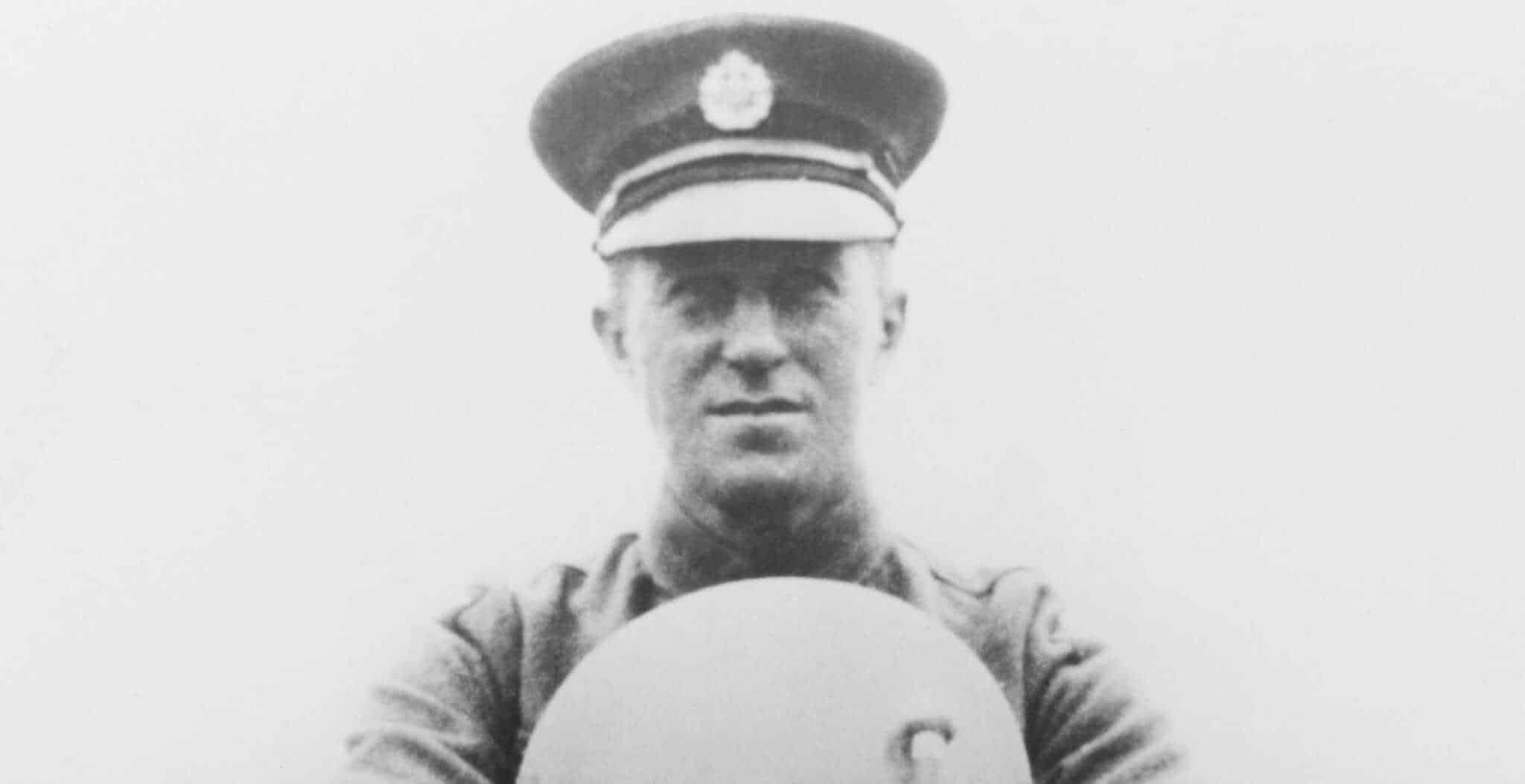
| 26 Sept | The Meuse-Argonne offensive begins. This will be the last Franco-American campaign of the war. It is during this battle that Corporal (later Sergeant) Alvin York makes his famous capture of 132 German prisoners. |
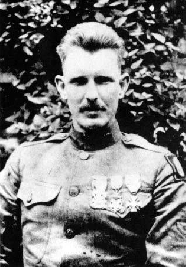 Sergeant Alvin York |
|
| 4 Oct | Germany asks the Allies for an armistice. |
| mid Oct | The Allies have now taken control of almost all of German-occupied France and part of Belgium. |
| 21 Oct | Germany ceases its policy of unrestricted submarine warfare. |
| 30 Oct | After refusing orders to put to sea in a bid to launch a final suicide attack on the British Royal Navy, sailors of the German Navy mutiny at the port of Kiel. After being forced back by Allied troops, Turkey requests an armistice. |
| 3 Nov | Following the fall of Trieste, Austro-Hungary concludes an armistice with the Allies. |
| 7 Nov | Germany begins negotiations for an armistice with the Allies in Ferdinand Foch’s railway carriage headquarters at Compiègne. |
| 9 Nov | The German Kaiser Wilhelm II abdicates. |
| 11 Nov | At the 11th hour of the 11th day of the 11th month, in Rethondes (Compiègne Forest) Germany signs an armistice with the Allies – the official date of the end of World War One. |
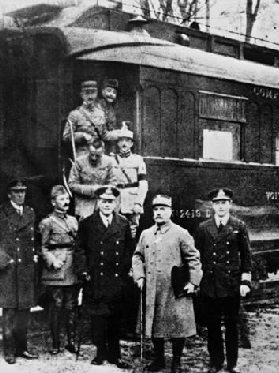 Signing of the armistice with Germany on 11 November in a railroad carriage at Compiègne. |
|
| Post-war 1919 | With the war now over the Allies squabble as to the terms of the Treaty of Versailles. Germany is plagued by chaos and violence as Communists attempt to seize power. |
| 12 Jan | Diplomats from more than 30 countries meet at the Paris Peace Conference in an attempt to form a lasting peace throughout the world. |
| 7 May | A draft copy of the Treaty of Versailles is submitted to the German delegation. |
| 21 June | After waiting for the British fleet to leave its base on exercise, Rear Admiral Ludvig von Reuter, the officer in command of the 74 interned German Navy ships being held at Scapa Flow, gives the order to scuttle his ships to prevent them from falling into British hands. Nine German sailors are shot as they attempt to scuttle their ship, the last casualties of the First World War. |
| 28 June | Exactly five years after the assassination of the Austrian Archduke Franz Ferdinand, the Treaty of Versailles is signed between the Allies and Germany at Versailles, officially ending the Great War. Many people in France and Britain are appalled that there is to be no trial for the German Kaiser or the other war leaders of the Central Powers. |
| 10 Sept | Treaty of St Germain-en-Laye signed between the Allies and Austria. |
| 4 June 1920 | Treaty of Trianon signed between the Allies and Hungary. |
| 24 July 1923 | Treaty of Lausanne signed between the Allies and Turkey |