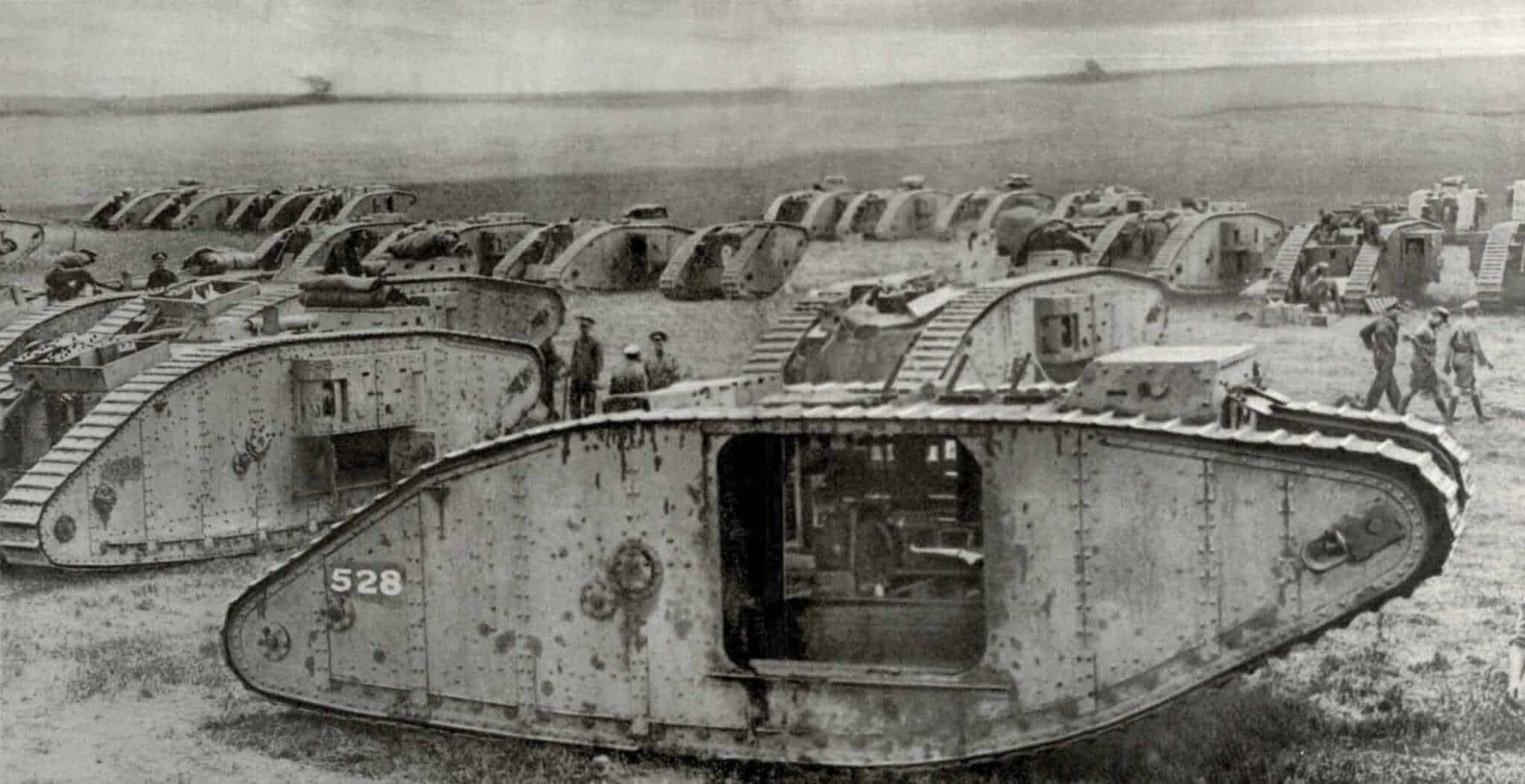


Important events of 1917 during the fourth and penultimate year of the First World War, including the surprise tank attack by the British (pictured above) at the Battle of Cambrai.
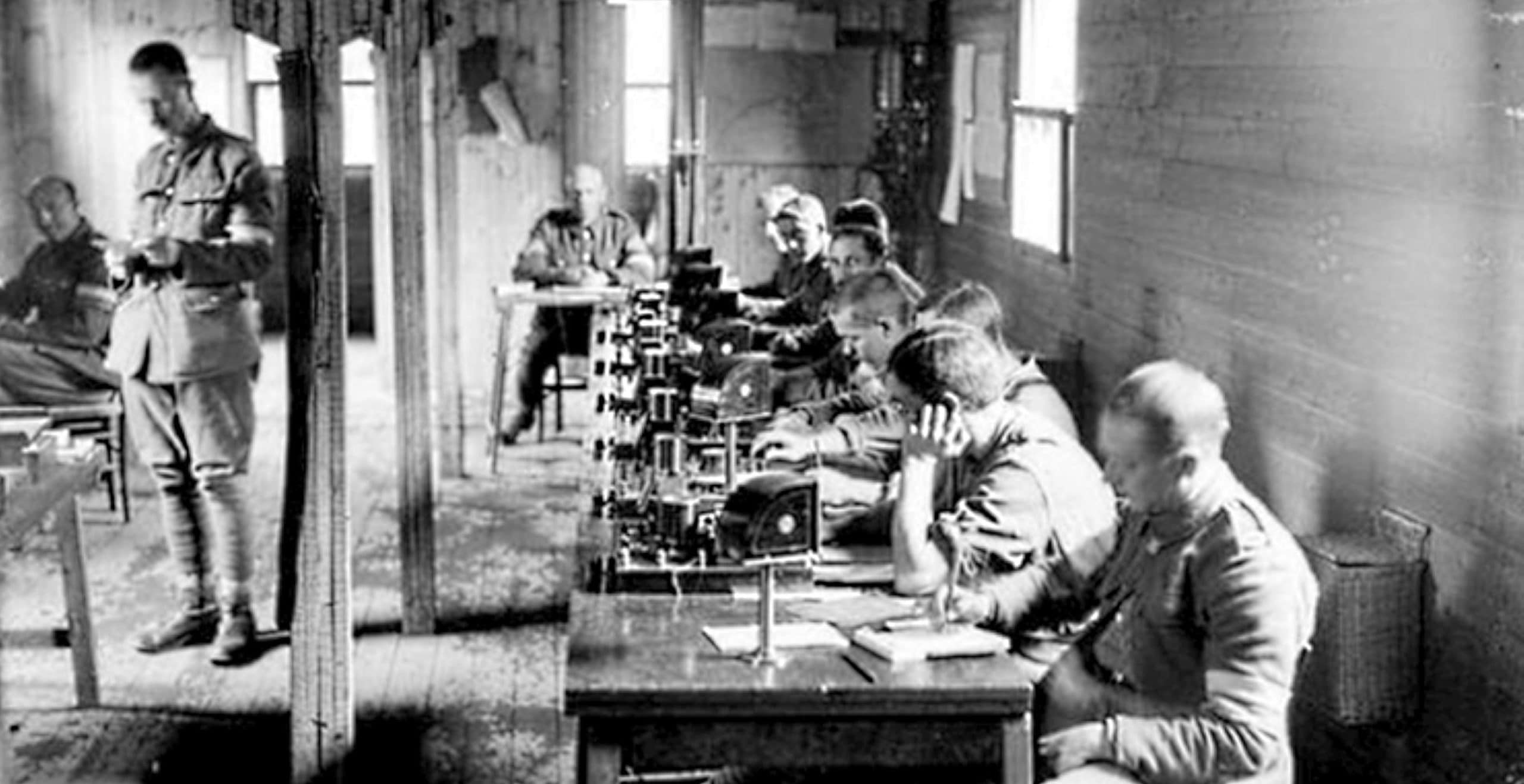
| 19 Jan | The British intercept and decode a telegram from the German Foreign Secretary Arthur Zimmermann to Mexico urging her entry into war against the United States. The American states of Texas, Arizona and New Mexico would be offered to the Mexican government in return for such assistance. |
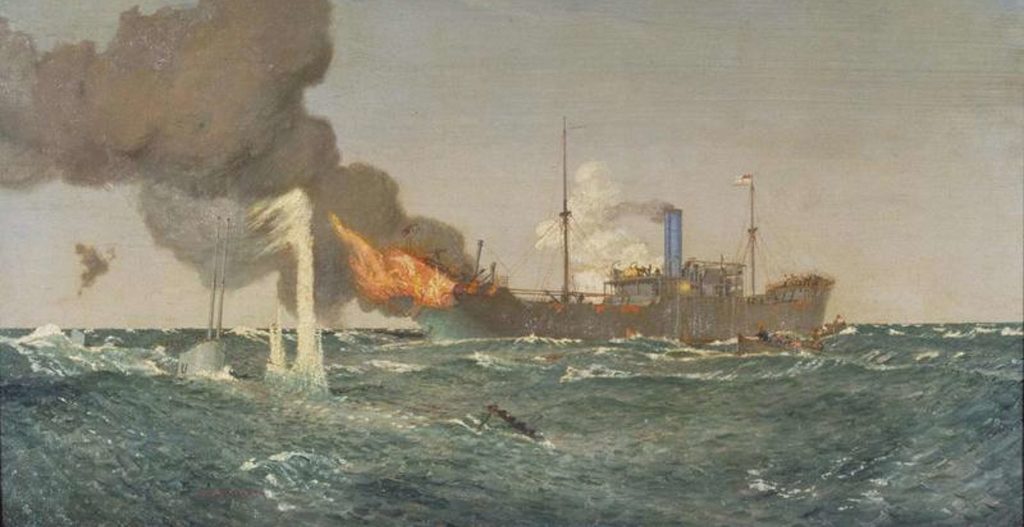
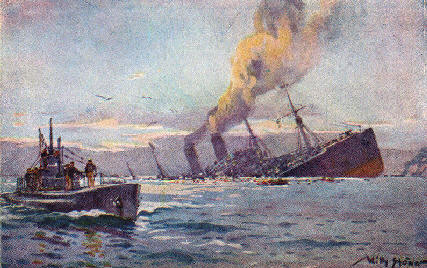
| 1 Feb | Germany resumes unrestricted U-boat warfare. All allied and neutral ships are to be sunk on sight. Over the next month close to a million tons of shipping would be lost. Lloyd George orders Royal Navy convoys to protect merchant ships destined for Britain. |
 |
|
| 3 Feb | The United States of America severs diplomatic ties with Germany. |
| 24 Feb | The Cunard passenger liner S.S. Laconia, sailing from New York to Liverpool, is sunk off the Irish coast by a German U-boat. The Zimmermann Telegram is passed to the United States government by the British. It contains details of the German proposal of an alliance with Mexico against America. |
| 11 March | British troops capture Baghdad. |
| 15 March | As a consequence of the Russian Revolution, Tsar Nicholas II abdicates. |
| 2 April | U.S. President Woodrow Wilson addresses Congress and asks the House of Representatives to declare war on Germany. |
| 6 April | The United States of America declares war on Germany. |
| 9 April | The Nivelle Offensive begins. |
| 13 April | Canadian troops capture Vimy Ridge. The Canadians seize ground of great military importance, and inflict heavy casualties on the German Army. |
| 16 April | Lenin arrives in Russia. |
| End April | The Nivelle and Chemin des Dames Offensives end in disastrous failures for the French. The high levels of casualties cause unrest throughout the French army with a month-long series of mutinies breaking out. General Nivelle is sacked, ending his career. |
| 28 May | U.S. Brigadier General Pershing leaves New York for France. |
| 7 June | The British detonate 19 large mines containing some 455 tonnes of explosive under the Messines Ridge in Belgium. The resulting explosions can be heard as far away as London and Dublin. More than 10,000 German soldiers are killed and much of the fortifications along the ridge are destroyed, as well as the town of Messines itself. |
| 26 June | The first U.S. troops, men of the 1st Division, begin to arrive in France. |
| 27 June | Greece enters the war on the side of the Allies. |
| 2 July | U.S. Brigadier General Pershing makes his first request for an army of 1,000,000 men. |
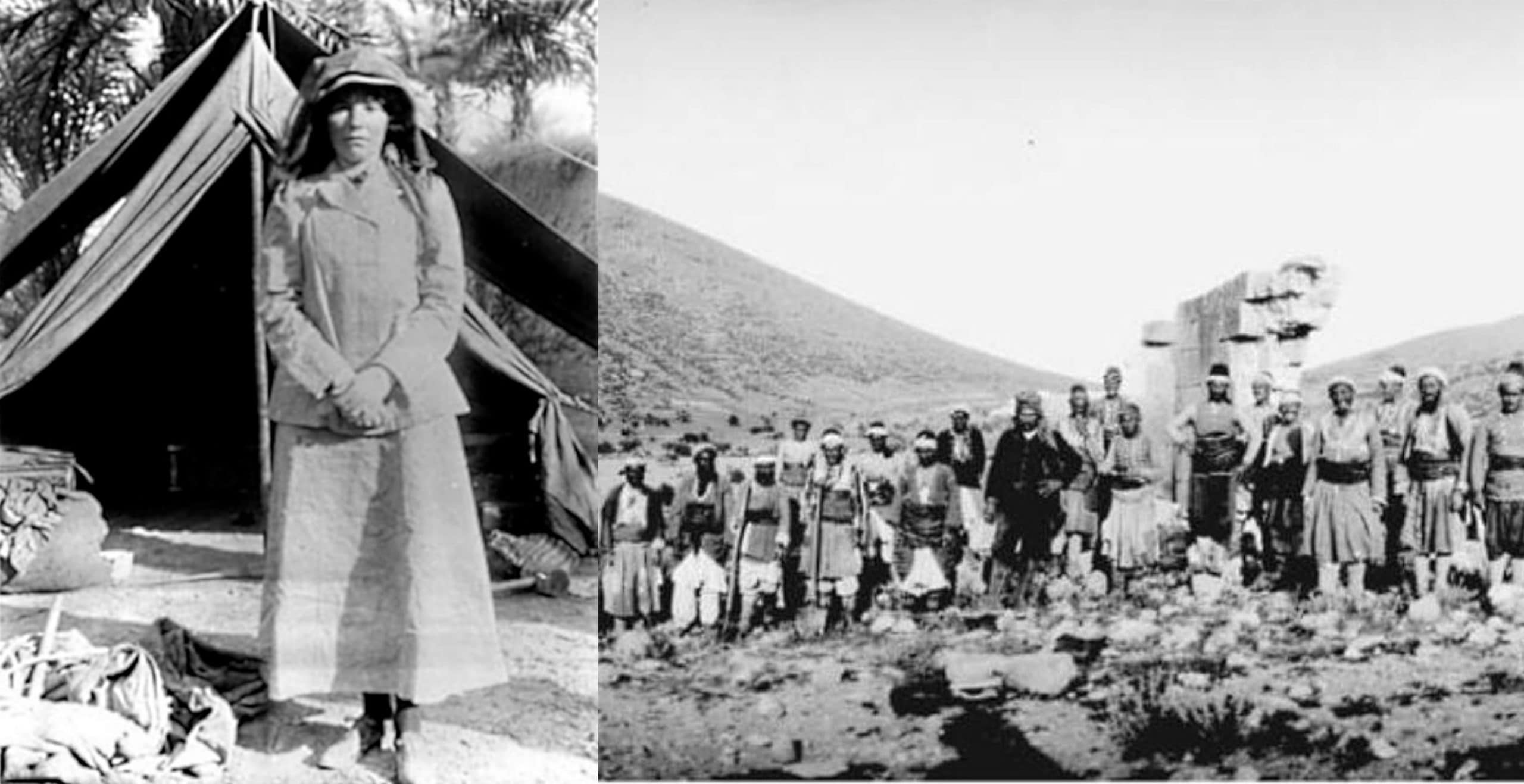
| 6 July | Aquaba is captured by Arabs led by T.E.Lawrence (of Arabia). |
| 11 July | Brigadier Pershing revises his army request figures upwards ‘slightly’ to 3,000,000 men. |
| 31 July | The main offensive of the Third Battle of Ypres (Passchendaele) begins. The Allies suffer about thirty-two thousand casualties – killed, wounded or missing – in this one action. |
|
|
|
| 6 Nov | British and Canadian forces finally reach Passchendael and so the Third Battle of Ypres ends.In the three and half months of the offensive, British and Empire forces had advanced barely five miles and had suffered horrendous casualties. |
| 7 Nov | On the Alpine Front between Italy and Austria-Hungary, the 12th and final Battle of Isonzo ends in terminal failure for the Italian army. Austria-German forces (among them a young Erwin Rommel) break through at Caporetto. Italian losses total more than 300,000. At least 60,000 soldiers from both sides are killed by avalanches. The Bolsheviks overthrow the Russian government and install a Communist one under Lenin. |
| 20 Nov | Battle of Cambrai begins with a surprise mass tank attack by the British. This demonstrates for the first time that the impenetrable German Hindenburg Line could in fact be breached. |
| 7 Dec | The United States declares war on Austro-Hungary. |
| 9 Dec | The British capture Jerusalem from the Turks. Edmund Allenby enters the city on foot in respect for the Holy City and quickly posts guards to protect all the sites held sacred by the Christian, Muslim and Jewish religions. |
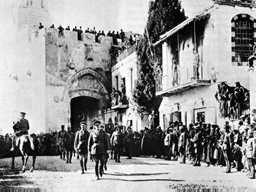 Edmund Allenby entering the city of Jerusalem |
|
| 22 Dec | Bolshevik Russia opens peace negotiations with Germany at Brest-Litovsk (now Brest, Belarus). |