

Important events of 1916 during the third year of the First World War, including Field Marshal Lord Kitchener’s request for US military participation.
| 1 Jan | Winston Churchill is appointed Lieutenant-Colonel, commanding the 6th battalion (Territorial Army) of the Royal Scots Fusiliers. He experiences active service for a few months on the Western Front in Belgium. |
| 27 Jan | Conscription is introduced in Britain. |
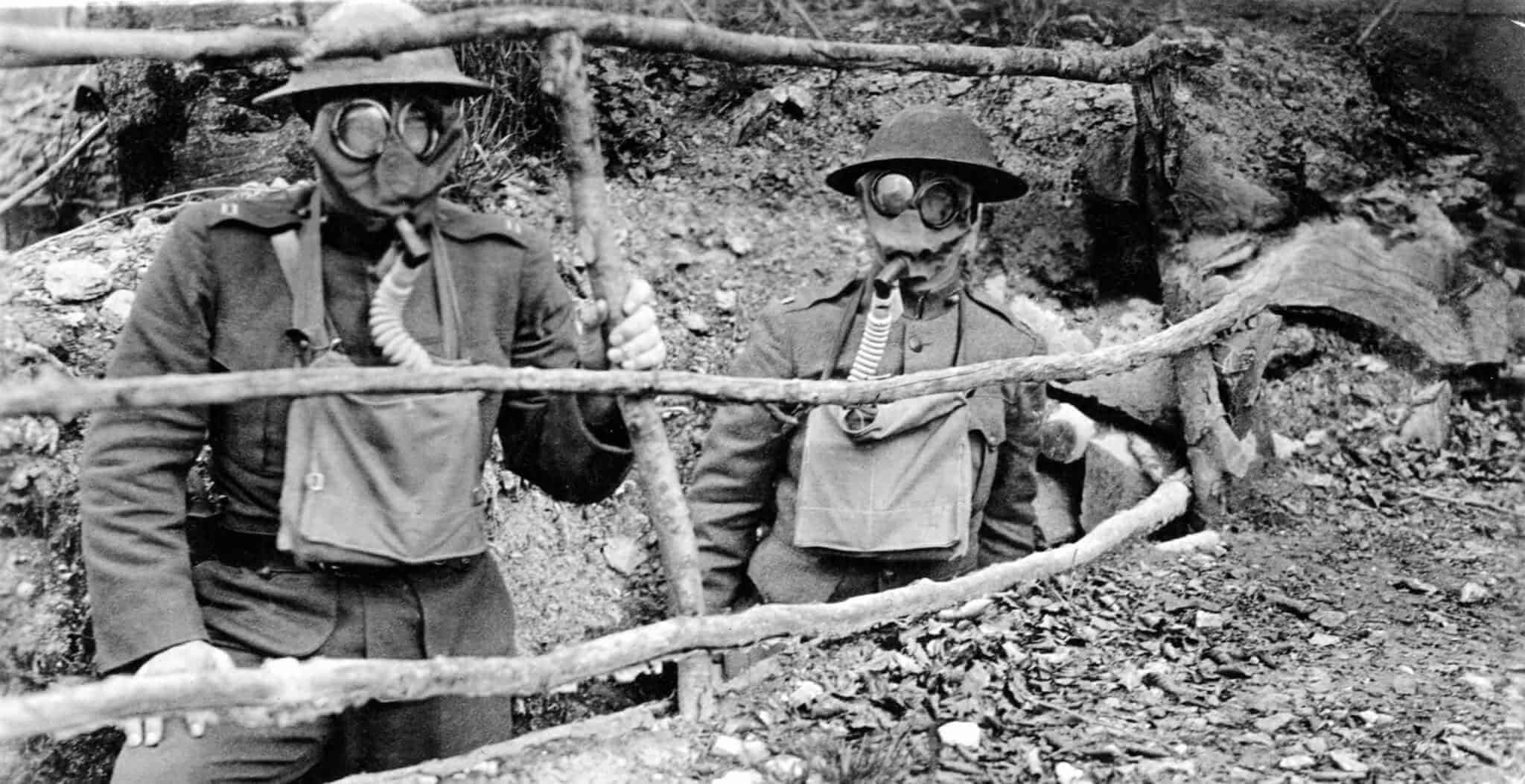
| 21 Feb | Using flamethrowers and Storm Troops for the first time, the Germans launch a massive attack against the French at Verdun, in what will become the longest and one of the bloodiest battles of the war. |
| 19 April | US President Wilson publicly calls for the Germans to stop their submarine policy of sinking all ships in enemy waters without warning. |
| 27 April | Field Marshal Lord Kitchener, the British Secretary of State for War, asks for US military participation in Europe. |
| 29 April | Described by one historian as “the most abject capitulation in Britain’s military history”, British Empire forces surrender to Turkish forces at Kut in Mesopotamia (modern day Iraq). Of the 13,000 soldiers captured, less than half would survive the Turkish jails. |
| 15 May | In an attempt to knock Italy out of the war in a single blow, Austro-Hungarian forces begin the Trentino Offensive towards Italy’s northern plain. |
| 31 May – 1 June | The Battle of Jutland. During the only large-scale naval battle of the war, German ships attempt to break free from a British naval blockade of the North Sea. Although the battle itself is inconclusive, it does keep the German surface fleet confined to port for the remainder of the war. Instead, the German Navy turns its efforts to submarine warfare. |
| 2 June | After heavy losses on both sides, the Trentino Offensive stabilises. The Italians have lost 147,000 men in defence of their land. |
| 4 June | In an attempt to relieve pressure on the British and French armies along the Western Front, Russia launches its Brusilov Offensive against Austro-Hungary in Carpathia (modern day Ukraine). |
| 5 June | With British support (led by T. E. Lawrence (of Arabia)), Hussein, Grand Sherif of Mecca, leads an Arab revolt against the Turks in the Hejaz. |
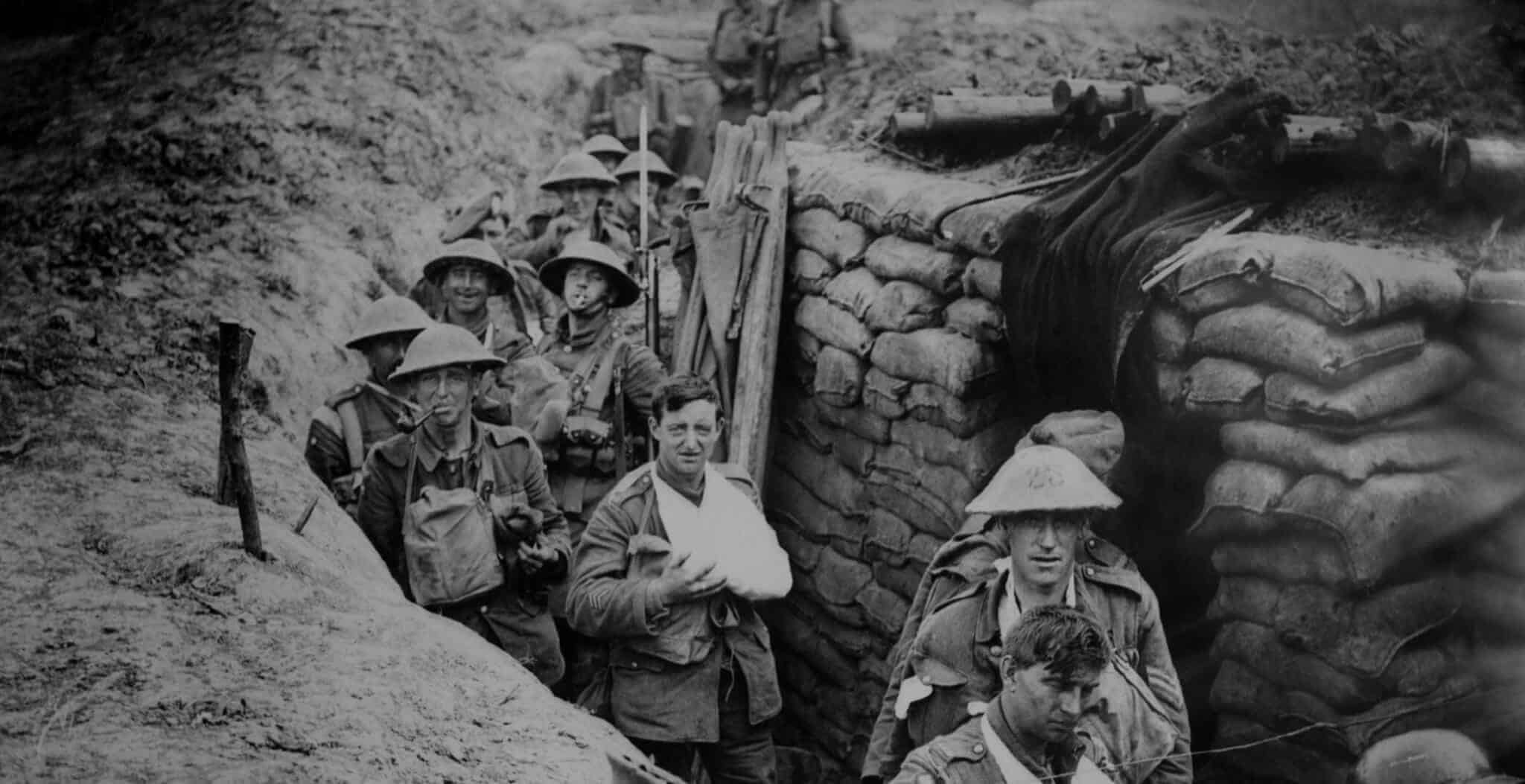
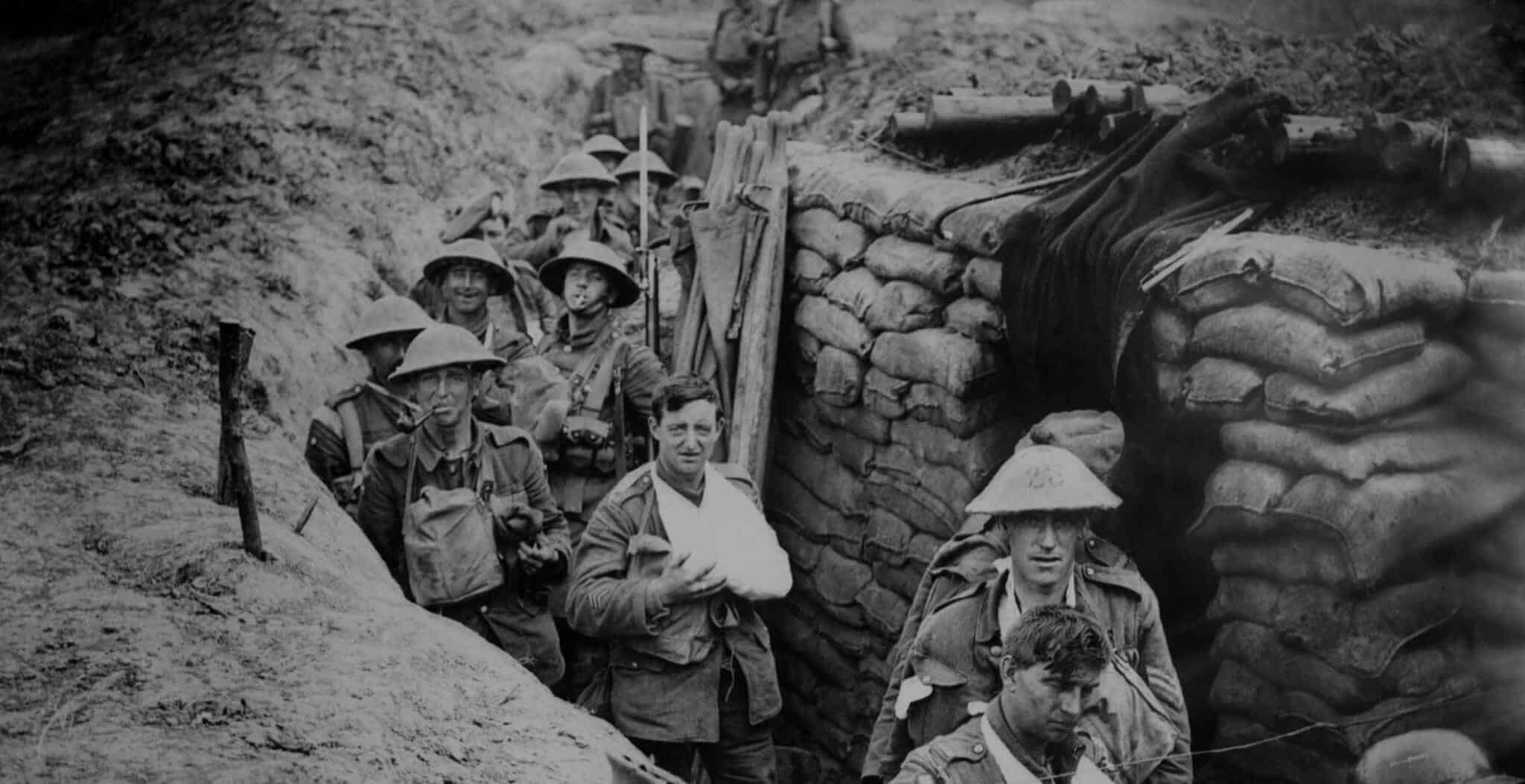
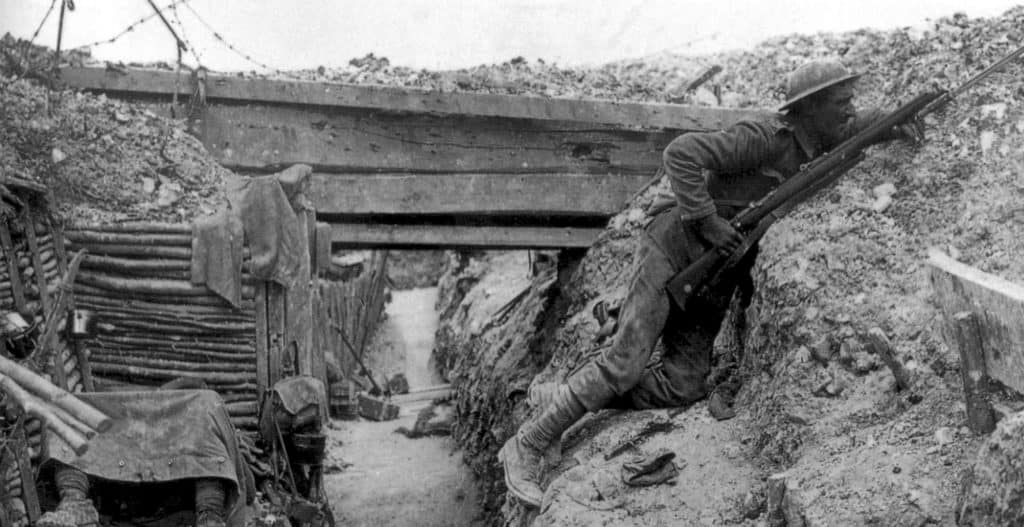
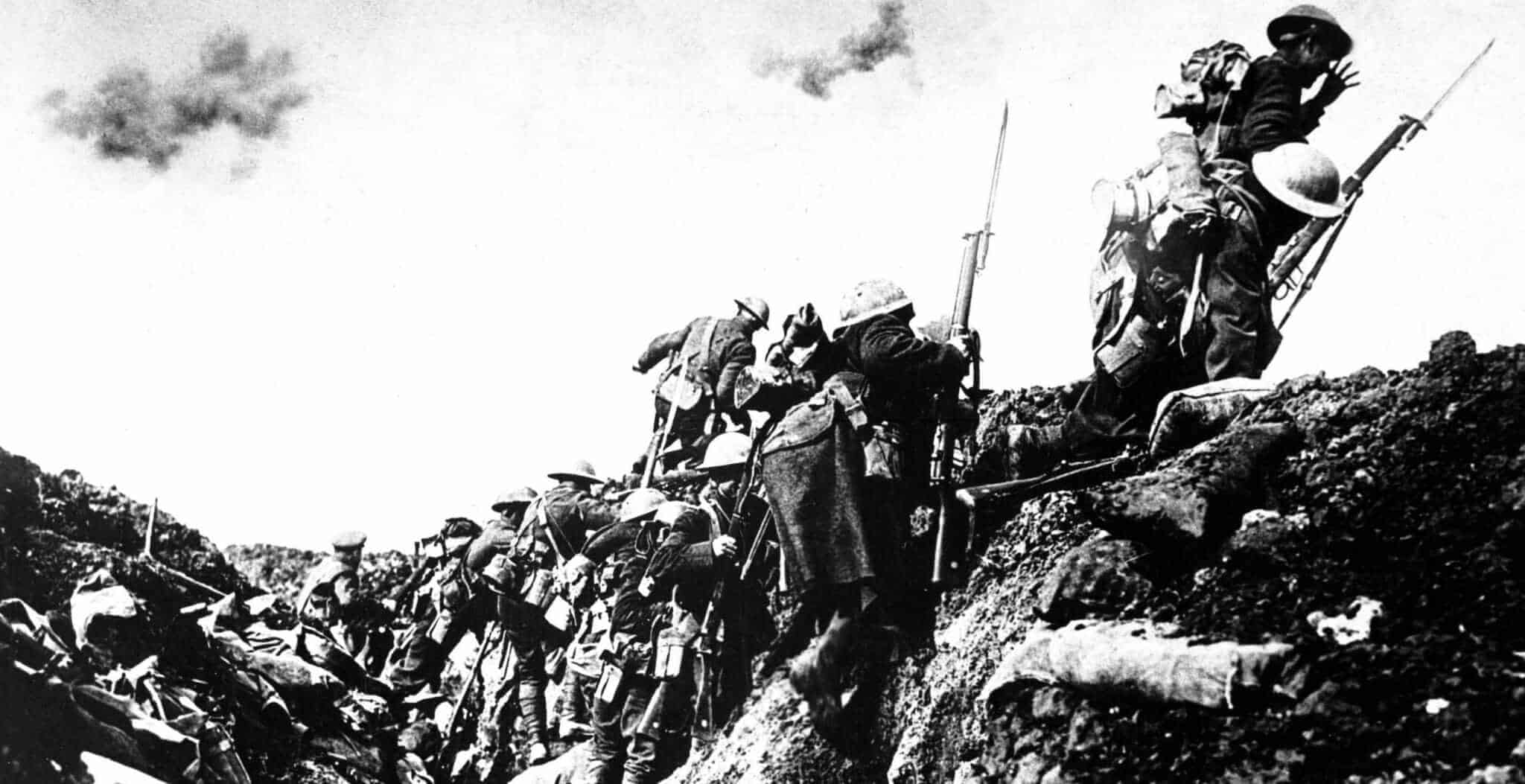
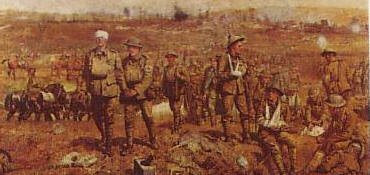
| 1 July | Start of the Battle of the Somme. Some 60,000 British men are killed or seriously wounded on the first day alone. Despite such huge losses, Field Marshal Douglas Haig orders that the battle must continue. |
 |
|
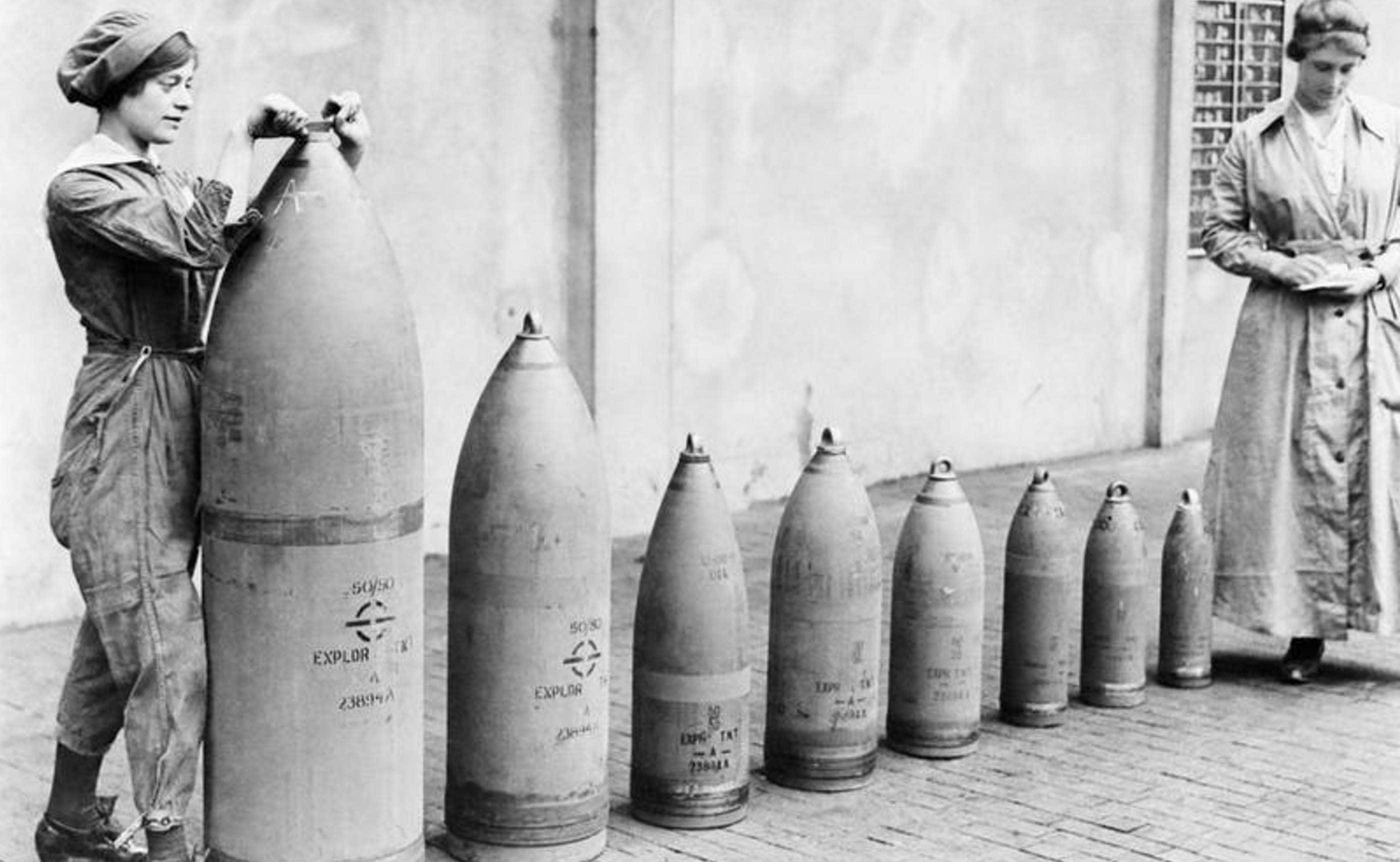
| 30 July | The Black Tom Island munitions plant in America’s Jersey City is destroyed by an explosion. German saboteurs appear to have bombed the plant to prevent materials being sold to the Allies. Shrapnel from the explosion damages the Statue of Liberty. |
| Aug | Romania enters the war on the side of the Allies. |
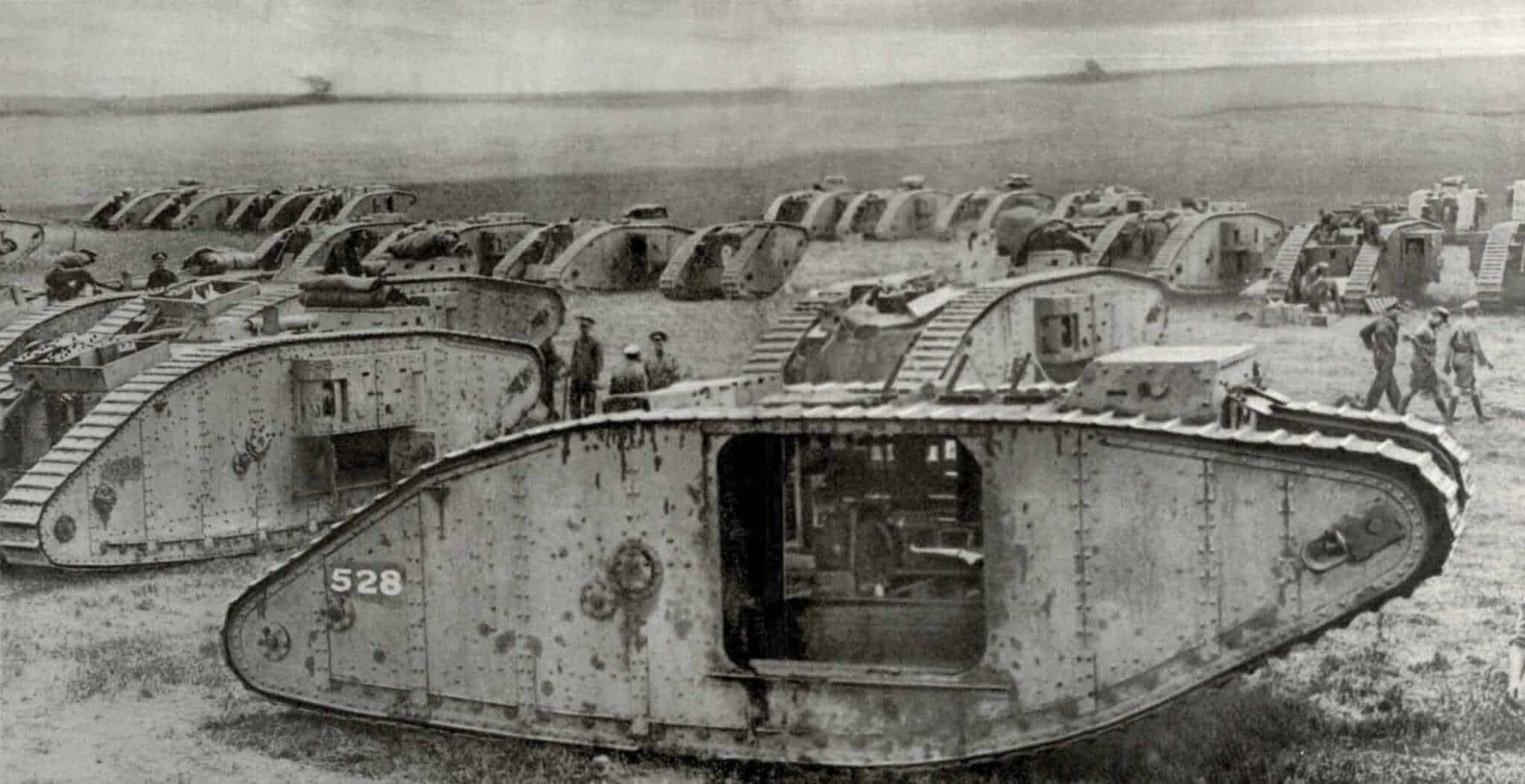
| 15 Sept | Tanks are introduced for the first time on the Somme battlefield by the British. They are used in such limited numbers that their impact is negligible. |
| 20 Sept | Russia’s Brusilov Offensive in Carpathia comes to an end. The Austro-Hungarian Army is all but wiped out, with 1.5 million men lost. Russian casualties are numbered at half a million. |
| 18 Nov | Battle of the Somme ends. With approximately 1.5 million casualties, it will be remembered as one of the bloodiest military operations in history. |
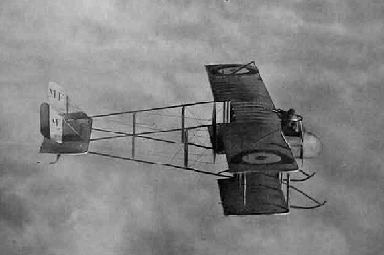
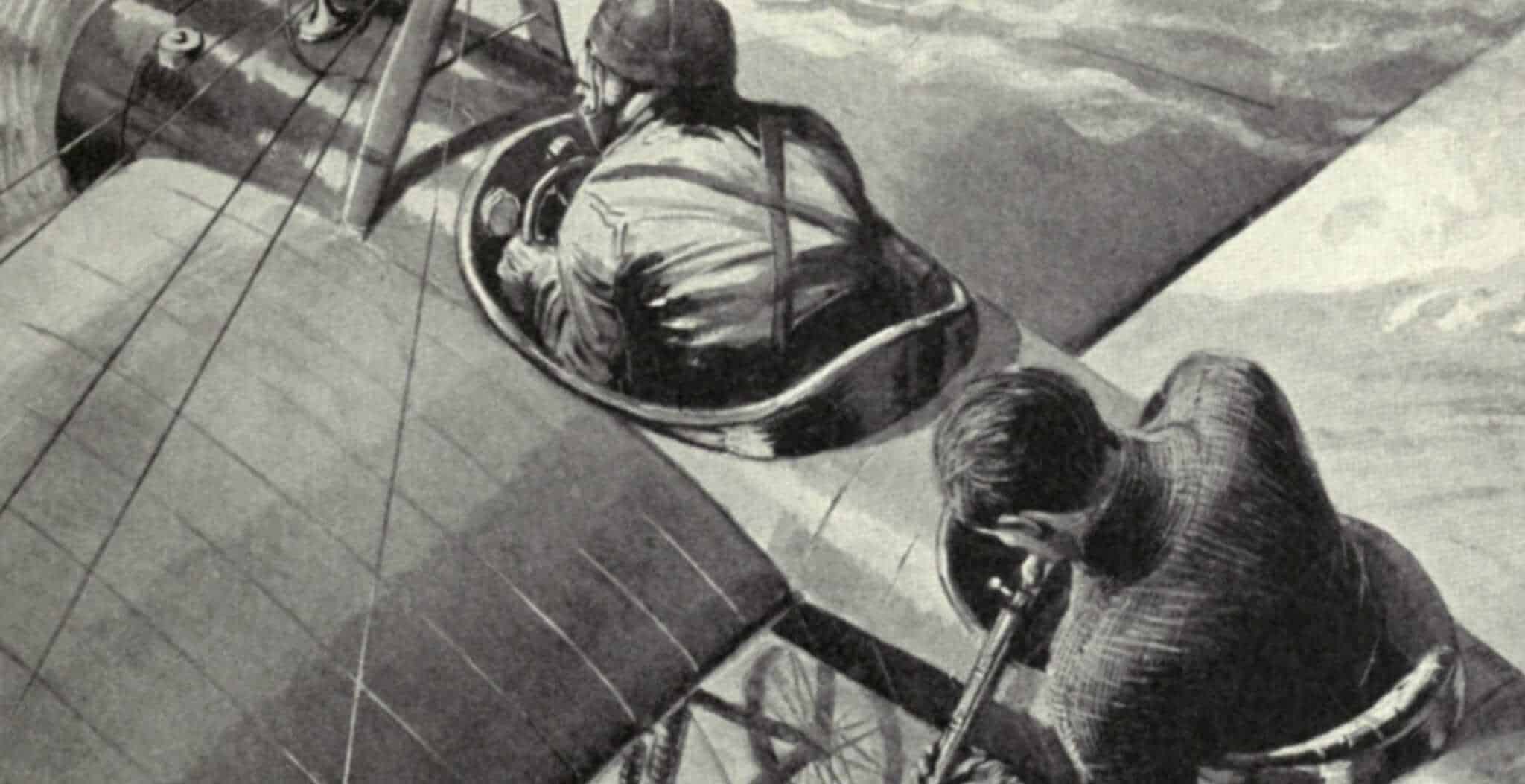
| 28 Nov | The first German airplane (as opposed to Zeppelin) air-raid on London. The plan was to occupy Royal Flying Corps aircraft in defence of England, rather than attacking the German air force. |
|
|
|
| 7 Dec | David Lloyd George replaces Asquith as British Prime Minister of the wartime coalition. His War Cabinet, unlike that of his predecessor, would meet every day. |
| 18 Dec | After almost ten months the German attack on Verdun ends, with the French holding their positions. The cost of the longest battle of the war is more than a quarter of a million deaths and at least a million wounded. |