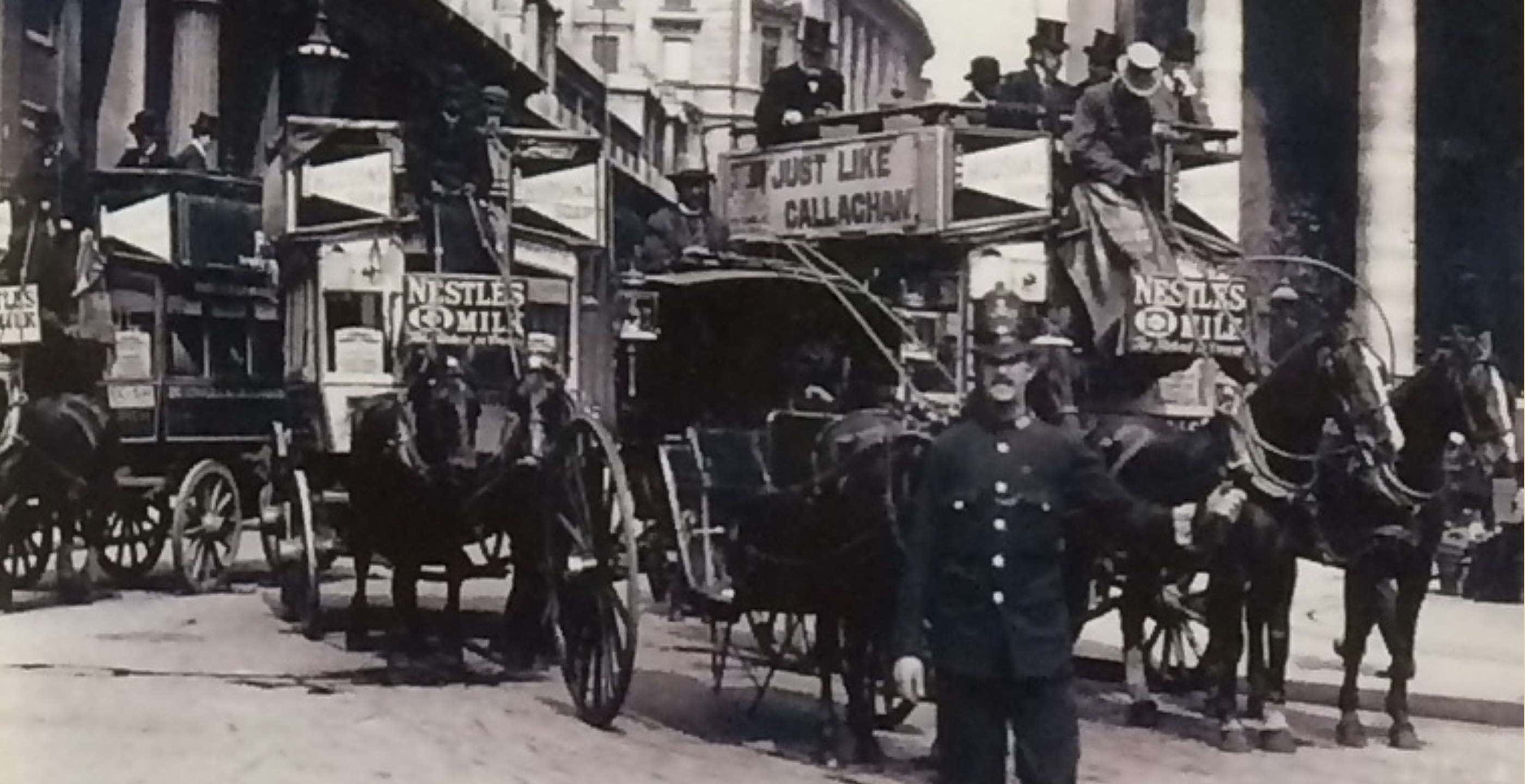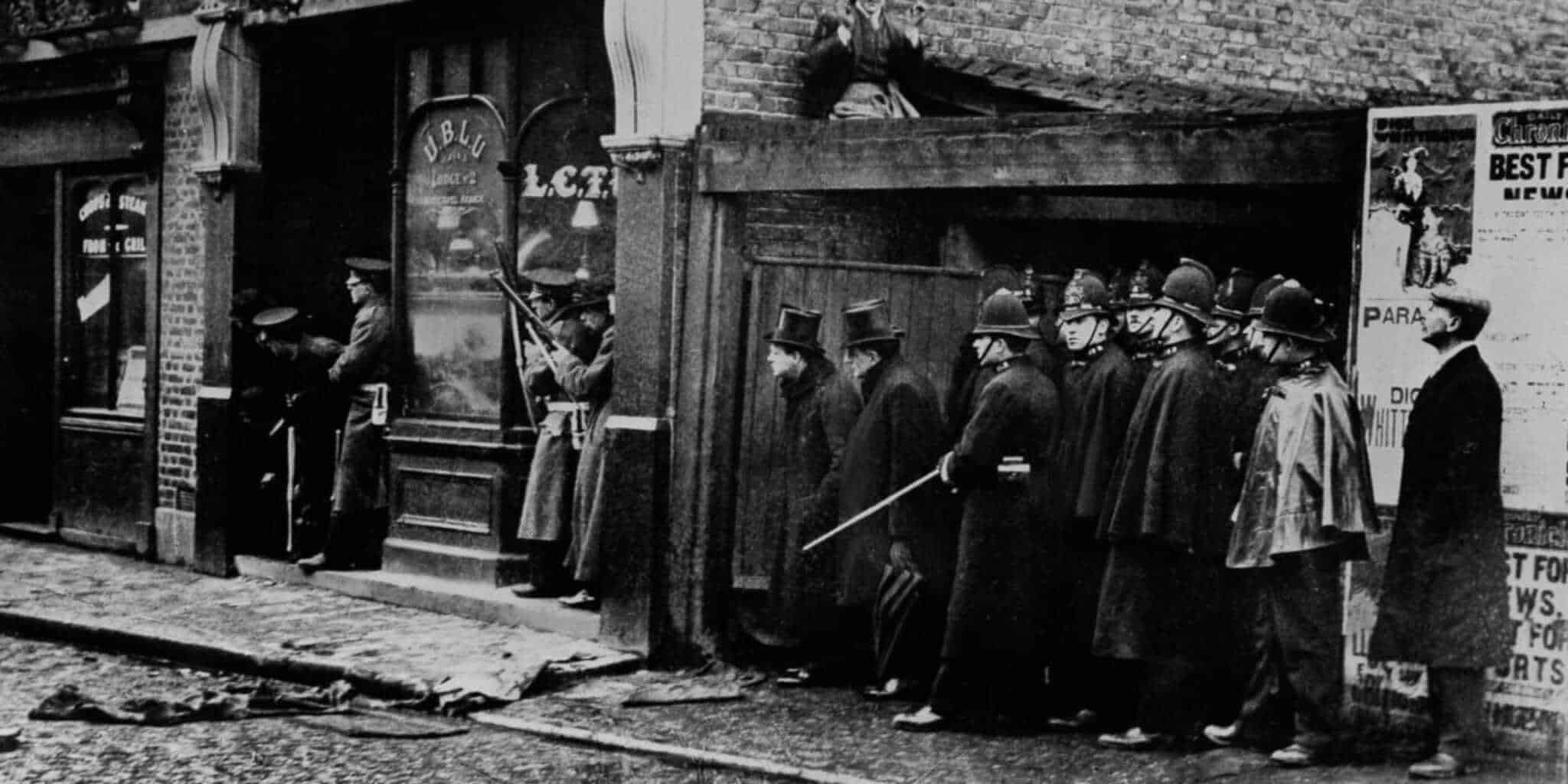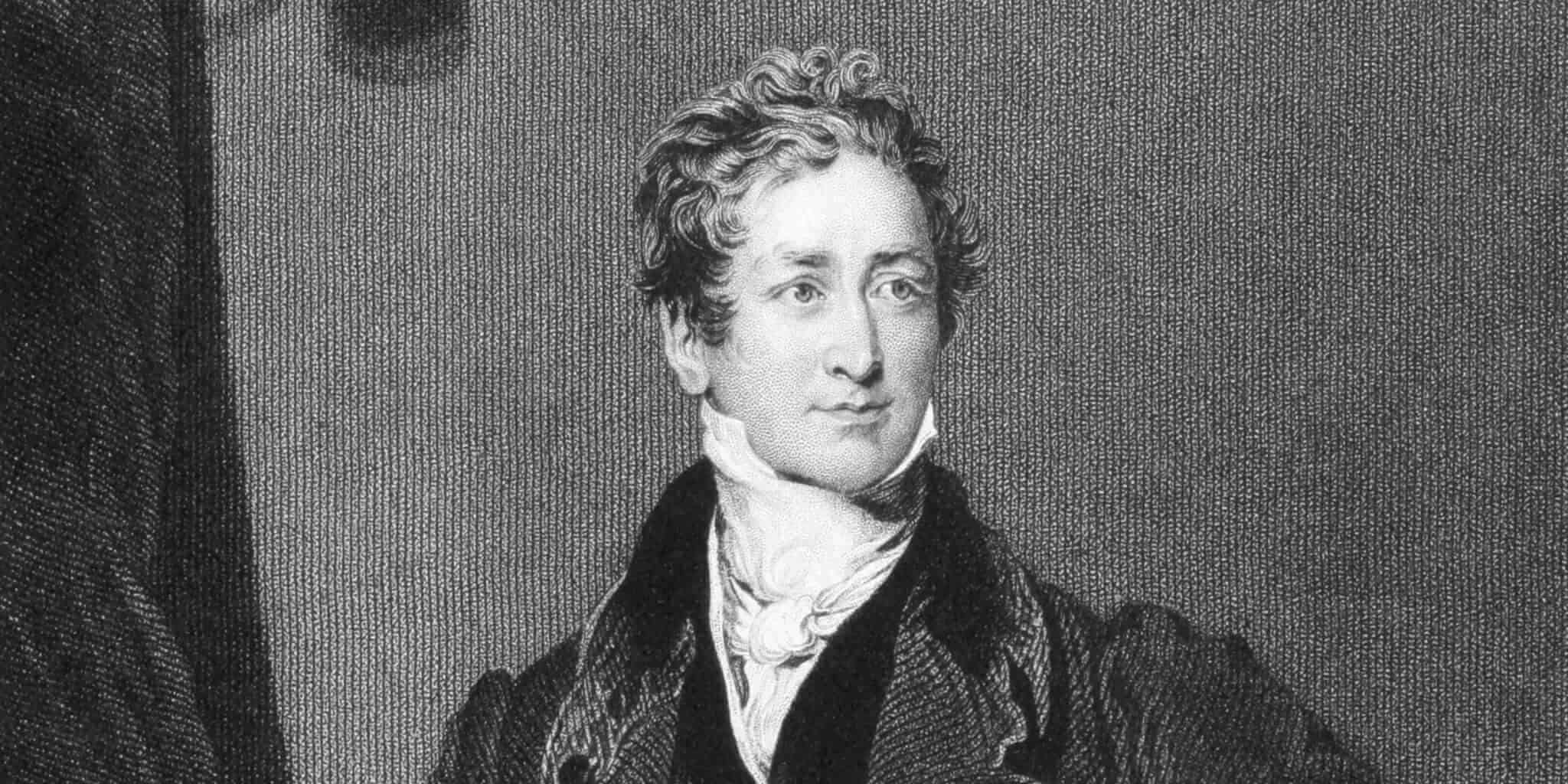


In Britain today, policemen are commonly referred to as ‘Bobbies’. Originally though, they were also known as ‘Peelers’, with both nicknames in honour of Sir Robert Peel (1788 – 1850).
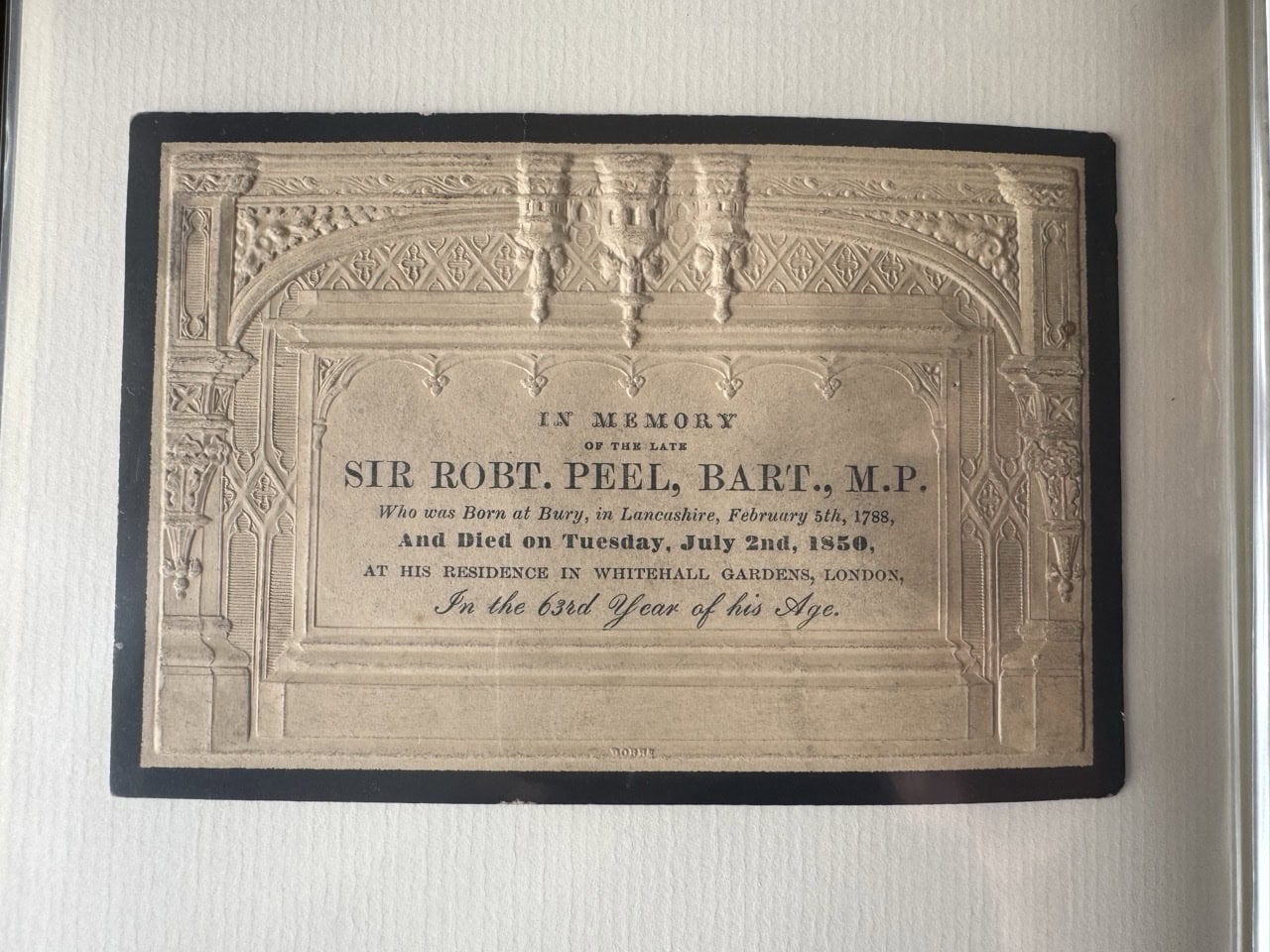
Born on 5th February 1788 in the Lancastrian textile town of Bury, Sir Robert Peel (2nd Baronet) introduced the Metropolitan Police Act and established the Metropolitan Police Service in his role as Home Secretary. This led to the creation of a professional police force in London for the first time, with the commission of one thousand police officers.
Today, it is hard to believe that England and its capital did not have a professional police force prior to the 19th century. Scotland had established a number of police forces following the introduction of the City of Glasgow Police in 1800 and the Royal Irish Constabulary was established in 1822, in large part because of the Peace Preservation Act of 1814 which Peel was heavily involved with. However, apart from the emergence of the Bow Street Runners and their privately funded ‘Thief Taker’ predecessors, who lacked training, coordination and formal discipline, London was sadly lacking a city-wide protective presence and effective crime prevention for its people.
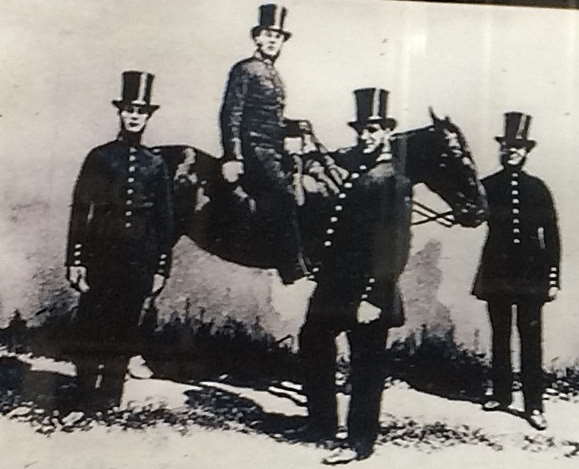
Following the success of the Royal Irish Constabulary it became obvious that something similar was needed in London. In 1829, when Sir Robert was Home Secretary in Lord Liverpool’s Tory Cabinet, the Metropolitan Police Act was passed, providing permanently appointed and paid constables to protect the capital as part of the Metropolitan Police Force.
Peel’s new police force was structured, professional, and accountable. It paved the way to increased social trust which imbued greater public safety. The principles he laid out emphasised crime prevention through minimal force and public cooperation which, albeit imperfect at times, remains today as a worldwide standard.
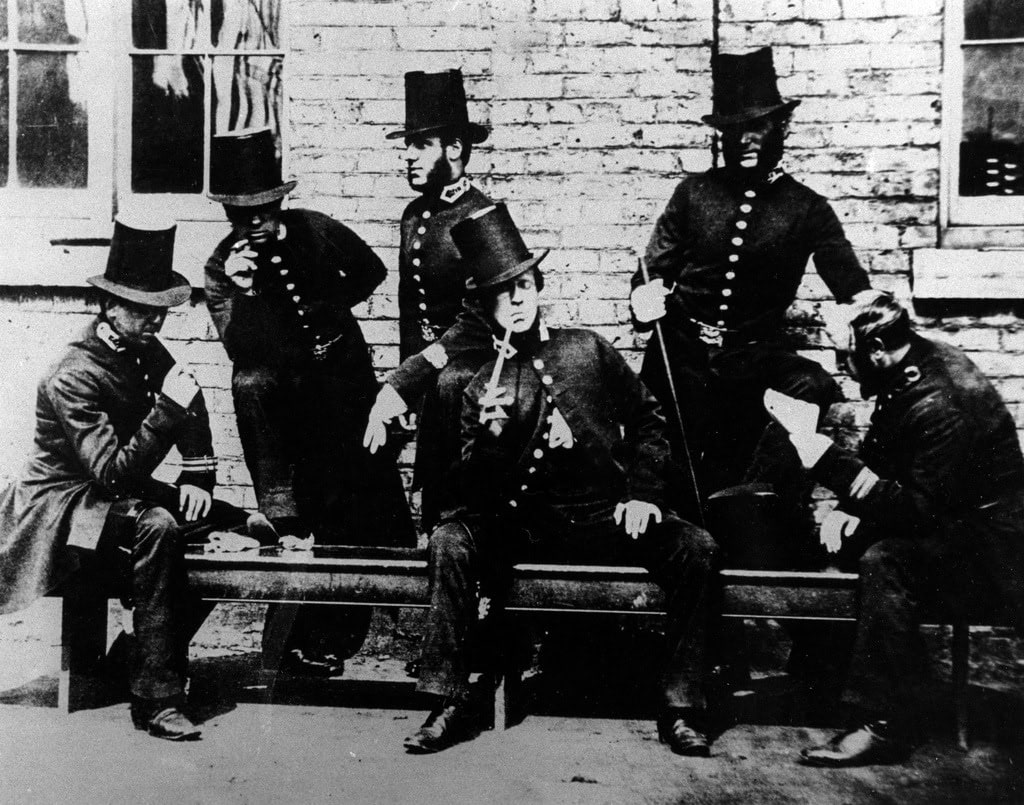
Requirements for becoming a ‘Bobby’.
Those first one thousand of Peel’s policemen, dressed in blue tailcoats and top hats, began to patrol the streets of London on 29th September 1829. The uniform was carefully selected to make the ‘Peelers’ look more like ordinary citizens, rather than a red-coated soldier with a helmet.
The ‘Peelers’ were issued with a wooden truncheon carried in a long pocket in the tail of their coat, a pair of handcuffs and a wooden rattle to raise the alarm. By the 1880s this rattle had been replaced by a whistle.
To be a ‘Peeler’ the rules were quite strict. You had to be aged 20–27, at least 5′ 7″ tall (or as near as possible), fit, literate and have no history of any wrong-doings.
These men became the model for the creation of all the provincial police forces; at first in the London Boroughs, and then throughout Britain’s counties and towns, after the passing of the County Police Act in 1839. Ironically perhaps, the Lancashire town of Bury, birthplace of Sir Robert, was the only major town which elected not to have its own separate police force. The town remained part of the Lancashire Constabulary until 1974.
Early Victorian police worked seven days a week, with only five days unpaid holiday a year for which they received the grand sum of £1 per week. Their lives were strictly controlled; they were not allowed to vote in elections and required permission to get married and even to share a meal with a civilian. To allay the public’s suspicion of being spied upon, officers were also required to wear their uniforms both on and off duty.
Beyond the ‘Bobbies’ – Peel the Politician
Whilst he is most well-known for his connection to policing, Peel also rose to become one of the most significant and transformative figures in British politics. He served twice as Prime Minister from 1834-1835, then again in 1841-1846, in addition to a string of other high-office and governmental roles including the Home Office and Chancellery.
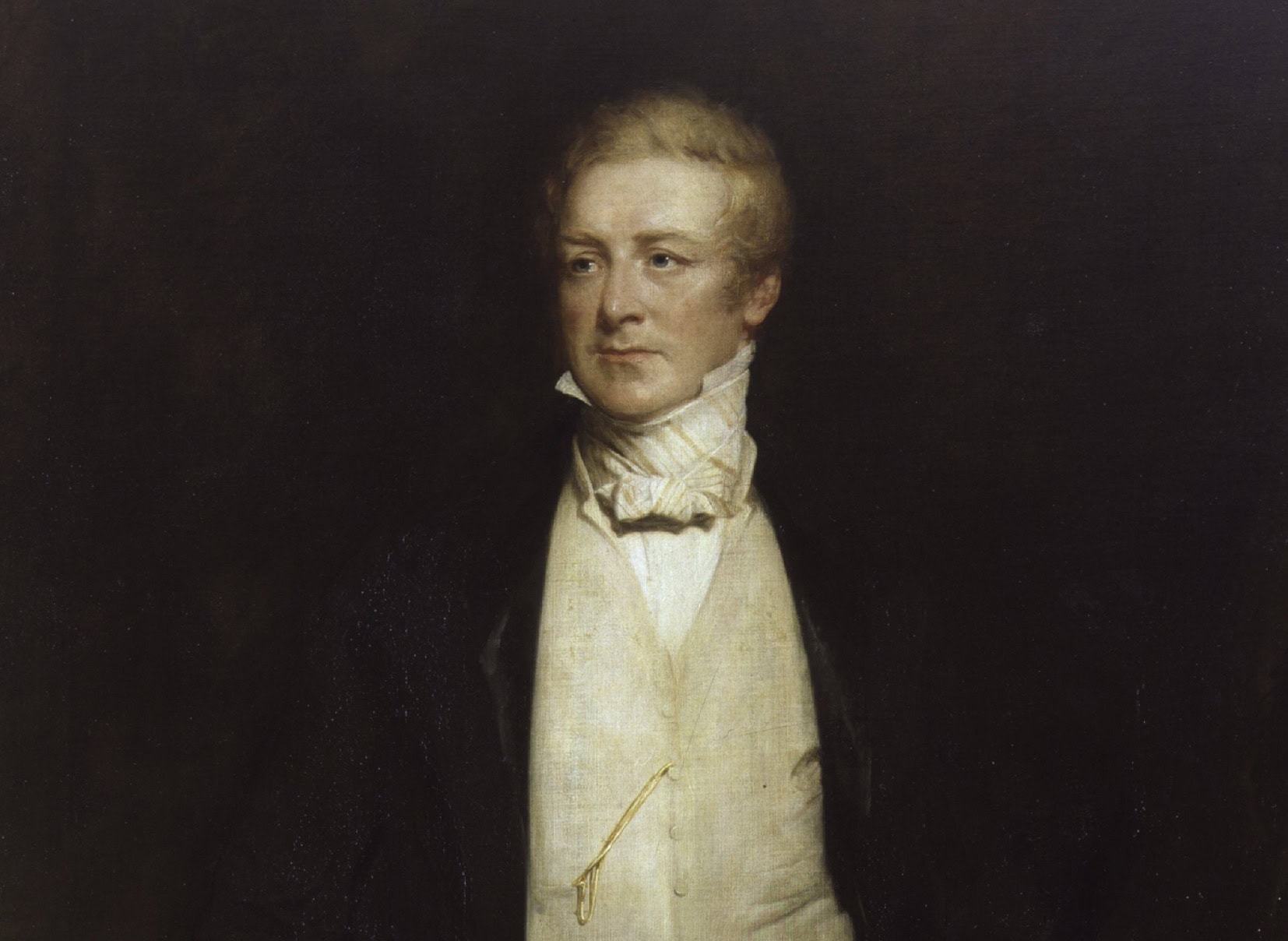
Despite, at times, being described as aloof and reserved in his manner, Peel’s tenure as Prime Minister marked a period of great prosperity for Britain, which laid the groundwork for unity between the Whigs and Tories under the Tamworth Manifesto of December 1834, where the modern unified Conservative Party was born.
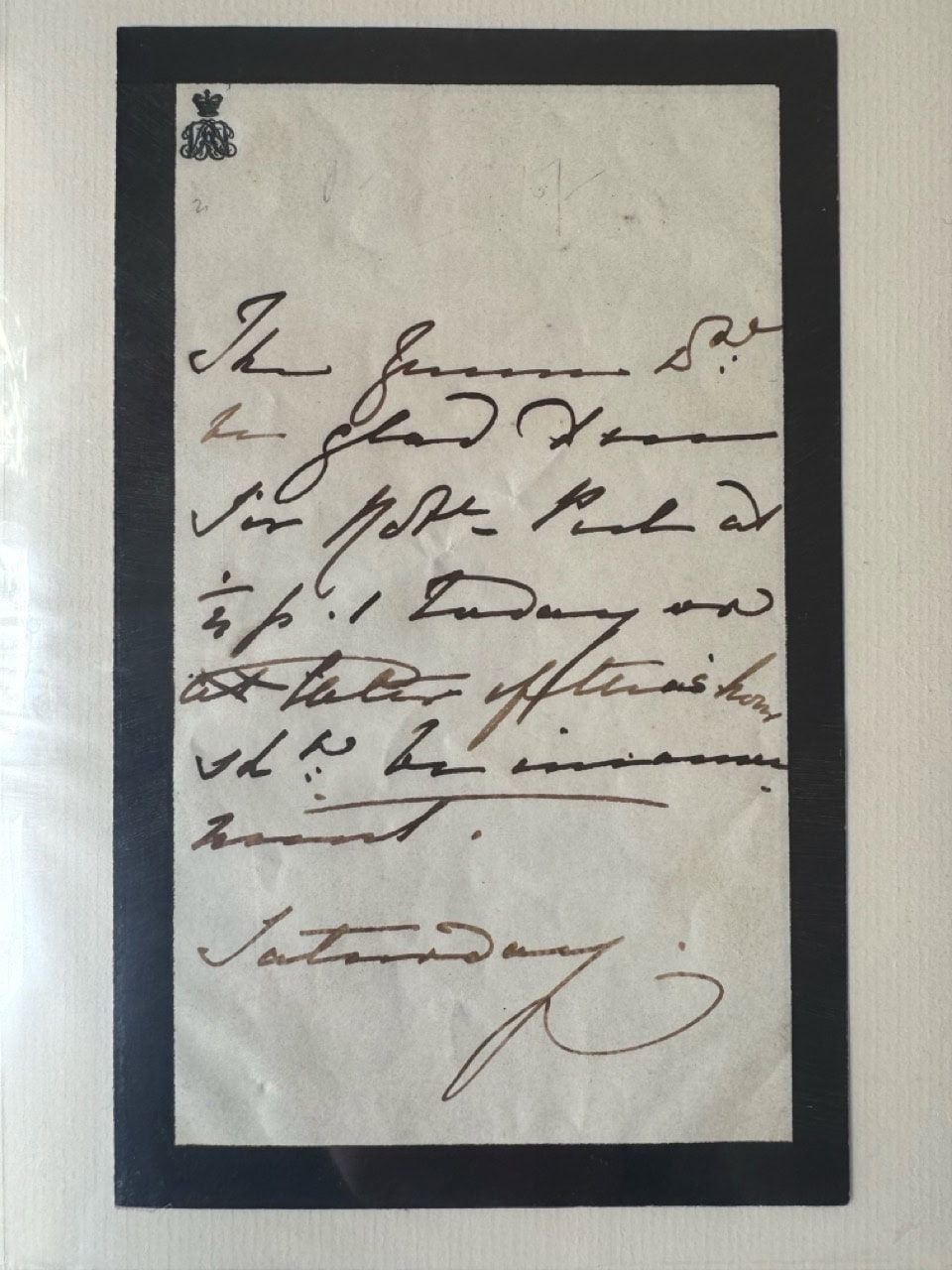
Indeed, Peel was even said to have persuaded Queen Victoria to accept some Tory ‘Ladies of the Bedchamber’ despite her preference for Whig ladies in waiting. Despite some disagreements between the two (most notably when he spoke against awarding her ‘darling’ Prince Albert an annual income of £50,000!) Peel and the monarch shared a relationship of mutual respect and collaboration.
Peel’s overall strategy was to deliver on a niche problem that few had addressed: The Industrial Revolution moved faster than society could adapt, leaving many people behind, stifling further growth and without clear ways to sustain its momentum. As a treatment to this issue, he pursued a pragmatic approach to social and economic policy, which very carefully balanced protectionism and openly competitive markets.
Unfortunately, after a long and distinguished career, Sir Robert came to an unfortunate end. He was thrown from his horse while riding on Constitution Hill in London on 29th June 1850 and died three days later aged sixty-two.
His legacy remains however as long as the British ‘Bobbies’ patrol the streets and keep the population safe from wrong doers…
Written in collaboration with Christopher R. Middleton OStG FLS FRAI, President of The Peel Club.
Christopher is a biological anthropologist, consultant and advisor to institutions, organisations, and governments for matters regarding complex problems within social and economic systems. More information on The Peel Club can be found at: https://www.thepeelclub.org
Published: December 12, 2016. Last Updated: July 27th, 2024.