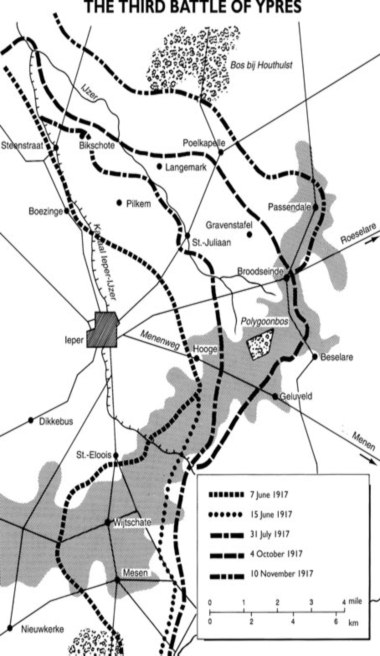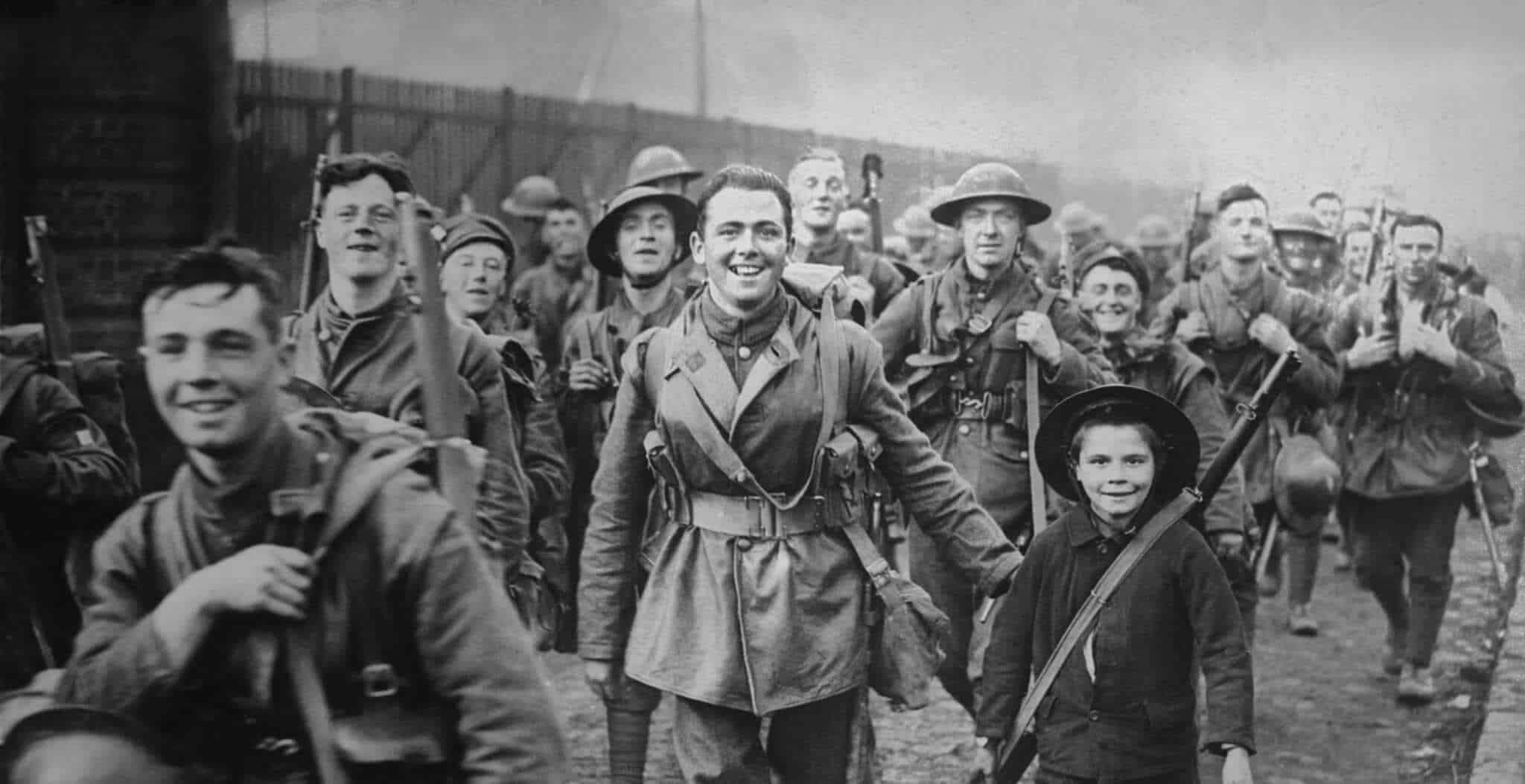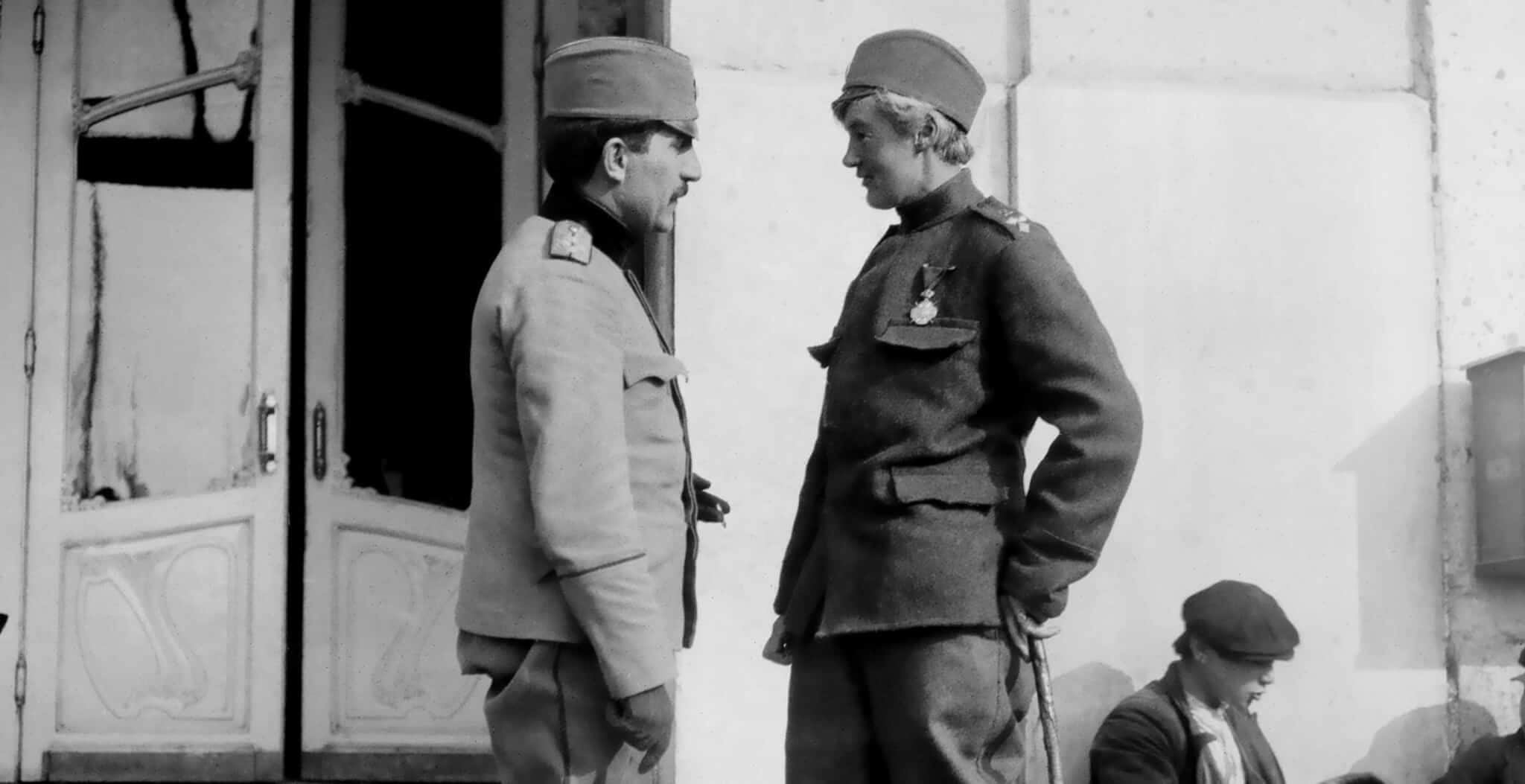


On 6th November 1917, after three months of fierce fighting, British and Canadian forces finally took control of the tiny village of Passchendaele in the West Flanders region of Belgium, so ending one of the bloodiest battles of World War I. With approximately a third of a million British and Allied soldiers either killed or wounded, the Battle of Passchendaele (officially the third battle of Ypres), symbolises the true horror of industrialised trench warfare.
General Sir Douglas Haig, the British Commander in Chief in France, had been convinced to launch his forces at the German submarine bases along the Belgian coast in an attempt to reduce the massive shipping losses then being suffered by the Royal Navy. General Haig also believed that the German army was close to collapse and that a major offensive …“just one more push”, could hasten the end the war.
Thus the offensive at Passchendaele was launched on the 18th July 1917 with a bombardment of the German lines involving 3,000 guns. In the 10 days that followed, it is estimated that over 4¼ million shells were fired. Many of these would have been filled by the brave Lasses of Barnbow.
The actual infantry assault followed at 03.50 on 31st July, but far from collapsing, the German Fourth Army fought well and restricted the main British advance to relatively small gains.
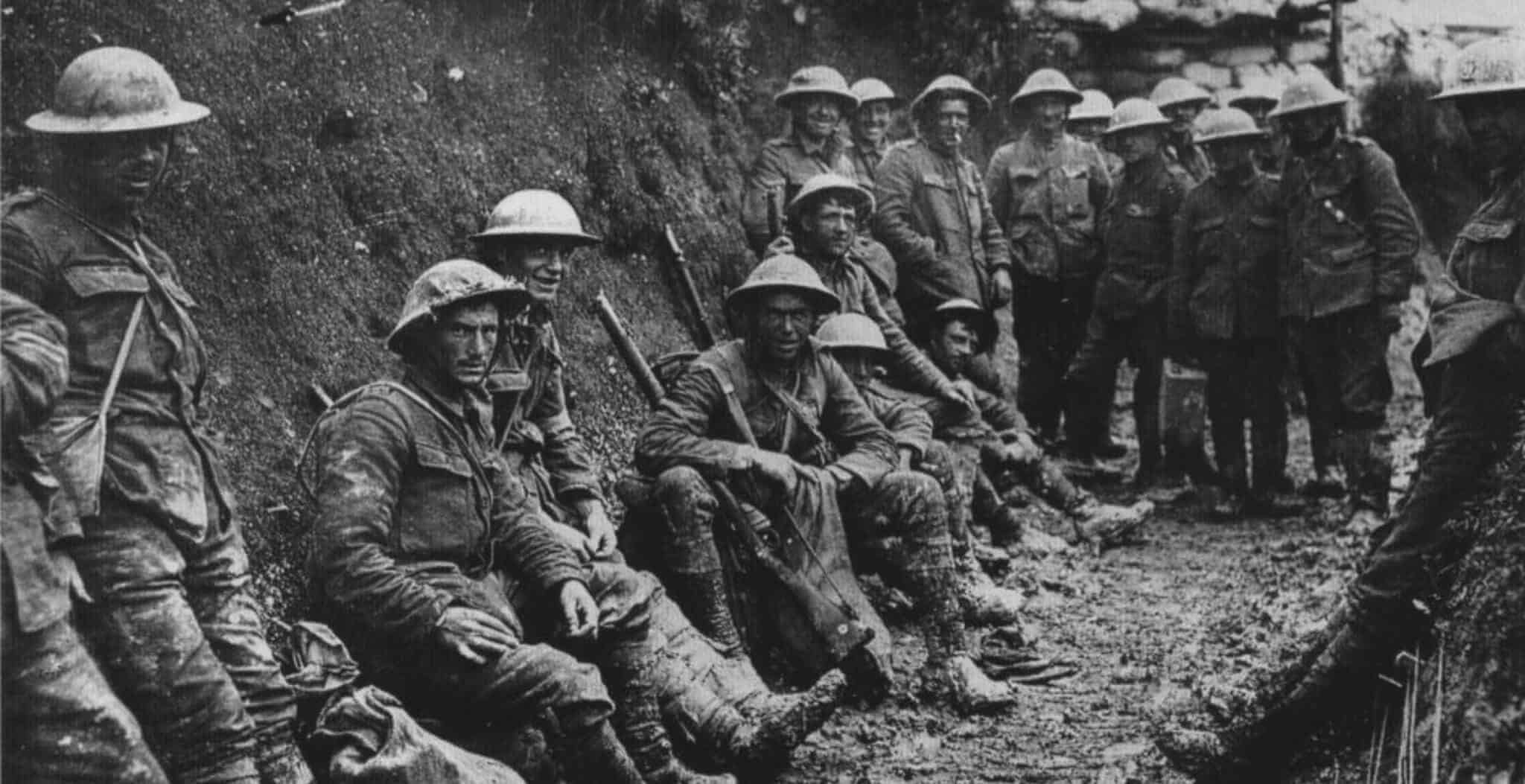
Shortly after the initial assault, the heaviest rains in more that 30 years began to fall on Flanders, drenching the soldiers and the low lying fields over which the battle was taking place. The artillery shells that had bombarded the German lines only days before had not only torn up the land but had also destroyed the drainage systems that were keeping the reclaimed marshland dry. With the continued pounding, the rain drenched ground quickly turned into a thick swamp of mud.
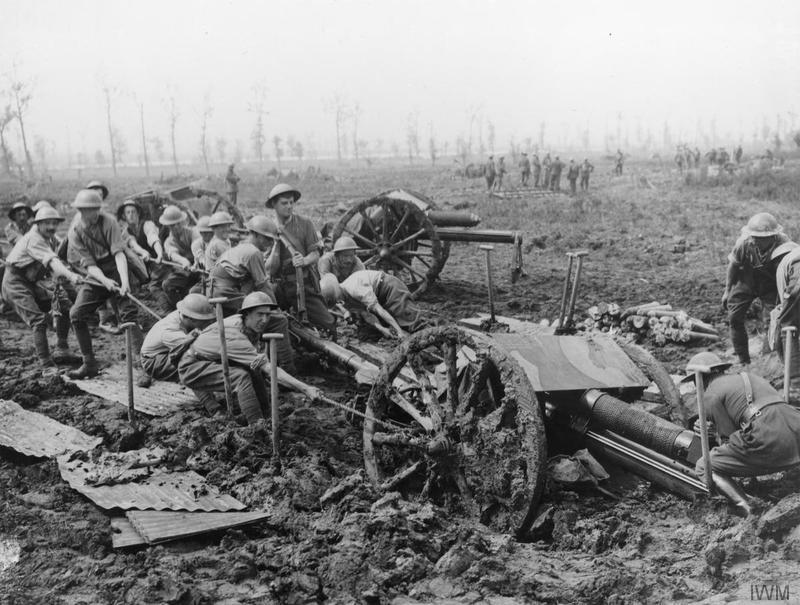
Even the newly-developed tanks made little headway; unable to move, they quickly became stuck fast in the liquid mud. With each new phase of the offensive the rain kept falling, filling the shell holes with water. The clinging mud caked the soldier’s uniforms and clogged their rifles, but that was the least of their worries as in places the mud had become so deep that both men and horses were drowned, lost forever in the stinking quagmire.
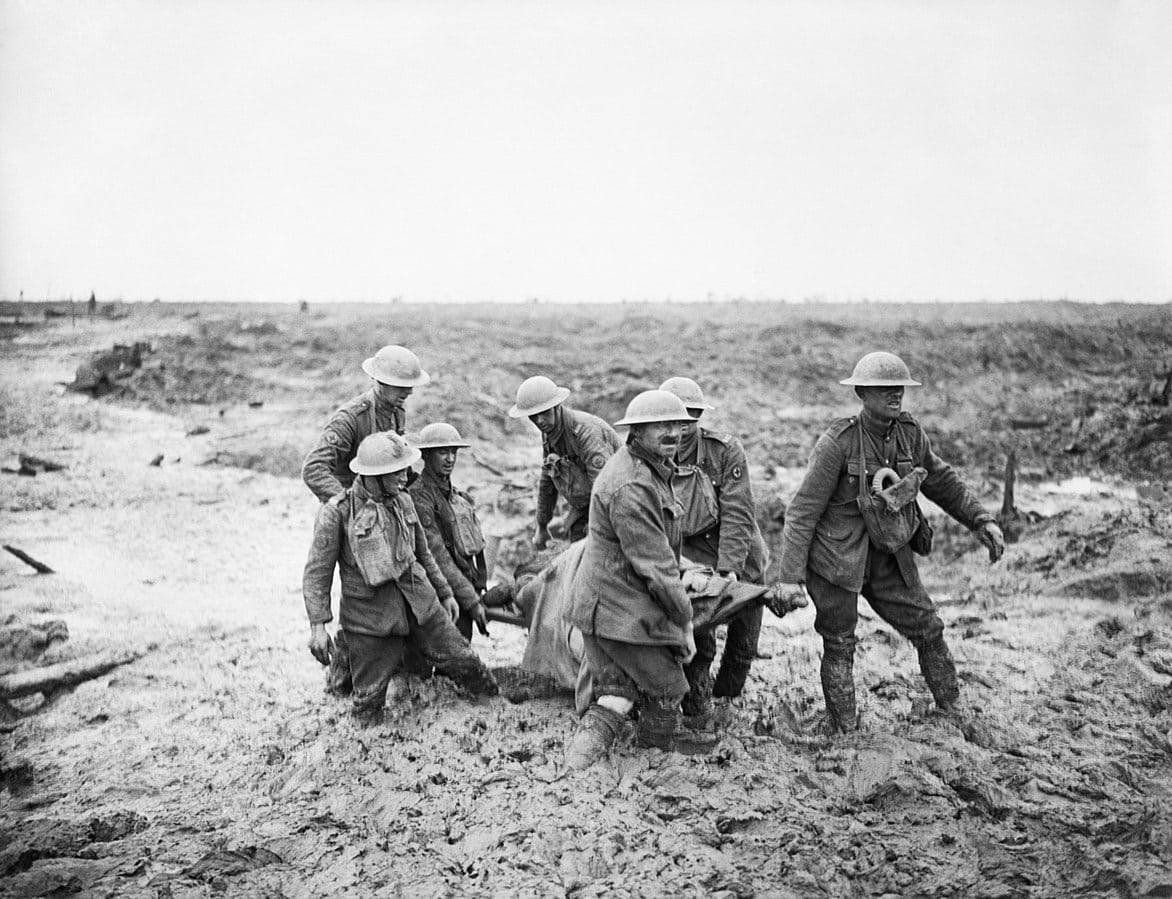
The only solid structures in this sea of desolation were the enemy’s concrete pillboxes; from here the German machine-gunners could scythe down any Allied infantry that had been ordered to advance.
With the hopelessness of the situation apparent, General Haig temporarily suspended the attack.
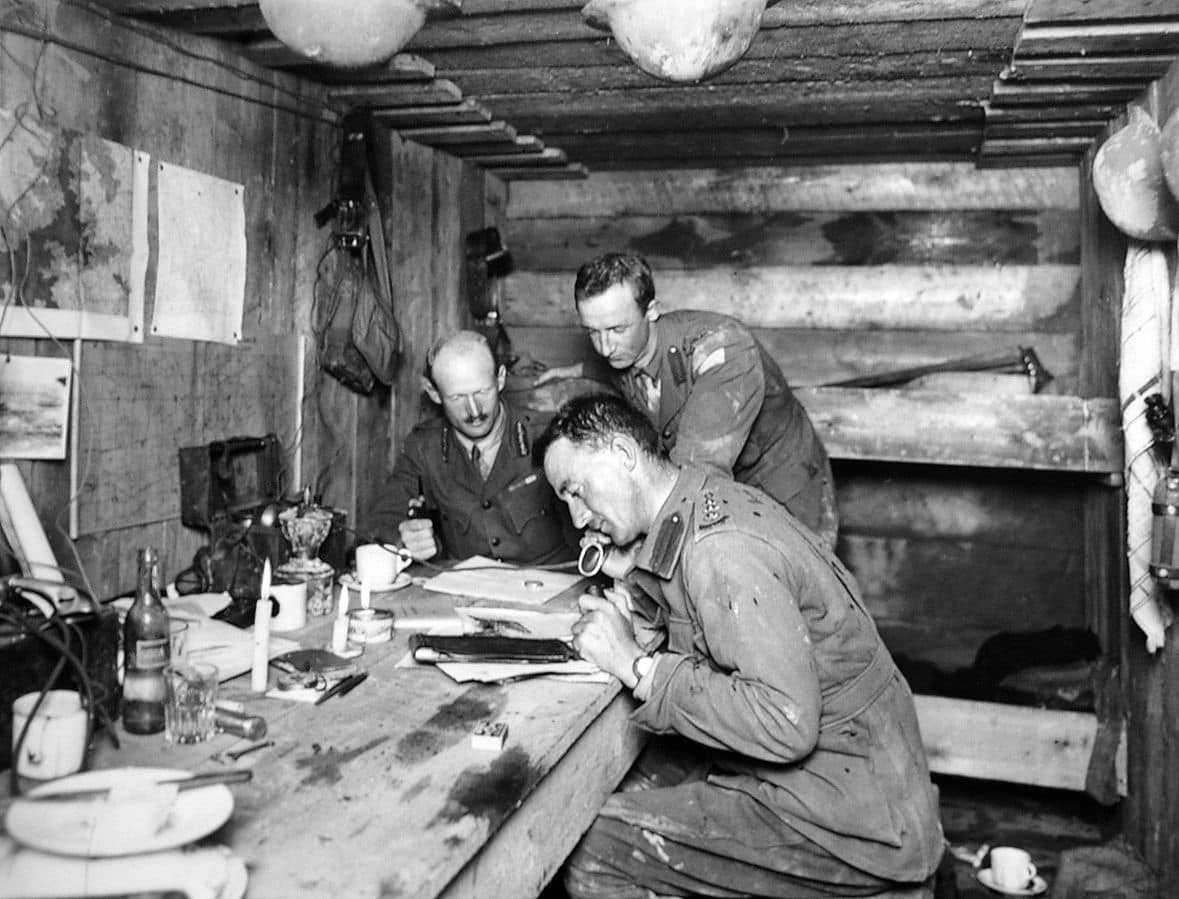
A fresh British offensive was launched on the 20th September under the command of Herbert Plumer which eventually resulted in some small gains being made including the capture of a nearby ridge just east of Ypres. General Haig ordered further attacks in early October which proved less successful. Allied troops met stiff opposition from German reserves being poured into the area, and many British and Empire soldiers suffered severe chemical burns as the Germans employed mustard gas to help defend their position.
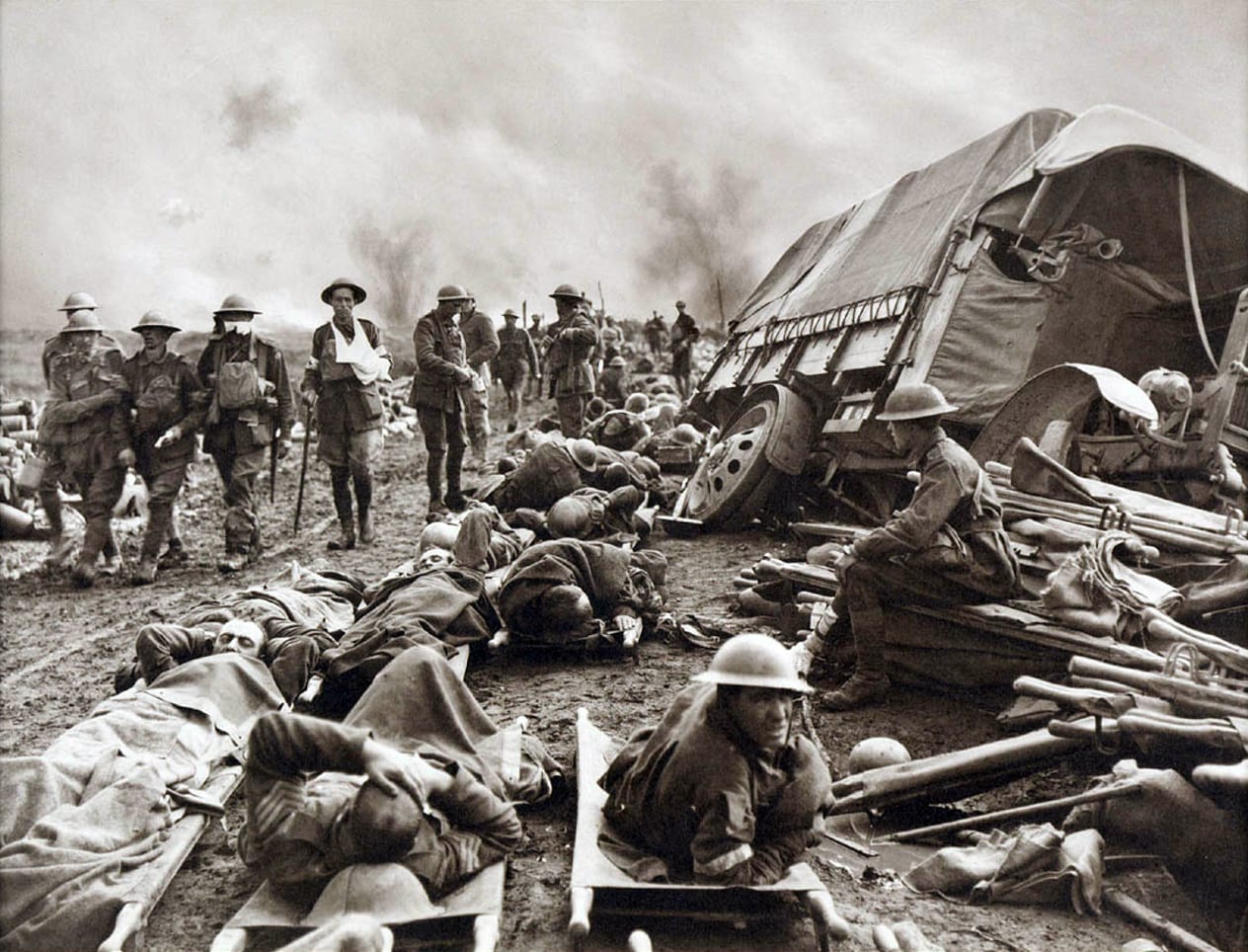
Unwilling to accept failure, General Haig ordered three more assaults on the Passchendaele ridge in late October. Casualty rates were high during these final stages, with Canadian divisions in particular suffering huge losses. When British and Canadian forces finally reached Passchendaele on 6th November 1917 hardly a trace of the original village structures remained. The capture of the village did however give General Haig the excuse to call an end to the offensive, claiming success.
In the three and half months of the offensive the British and Empire forces had advanced barely five miles, suffering horrendous casualties. Perhaps their only consolation was that the Germans had suffered almost as badly with around 250,000 killed or injured. In the aftermath of the battle, General Haig was severely criticised for continuing the offensive long after the operation had lost any real strategic value.
 Perhaps more than any other, Passchedaele has come to symbolise the horrors and the great human costs associated with the major battles of the First World War. British Empire losses included approximately 36,000 Australians, 3,500 New Zealanders and 16,000 Canadians – the latter of which were lost in the last few days / weeks of the final bloody assault. Some 90,000 bodies were never identified and 42,000 never recovered.
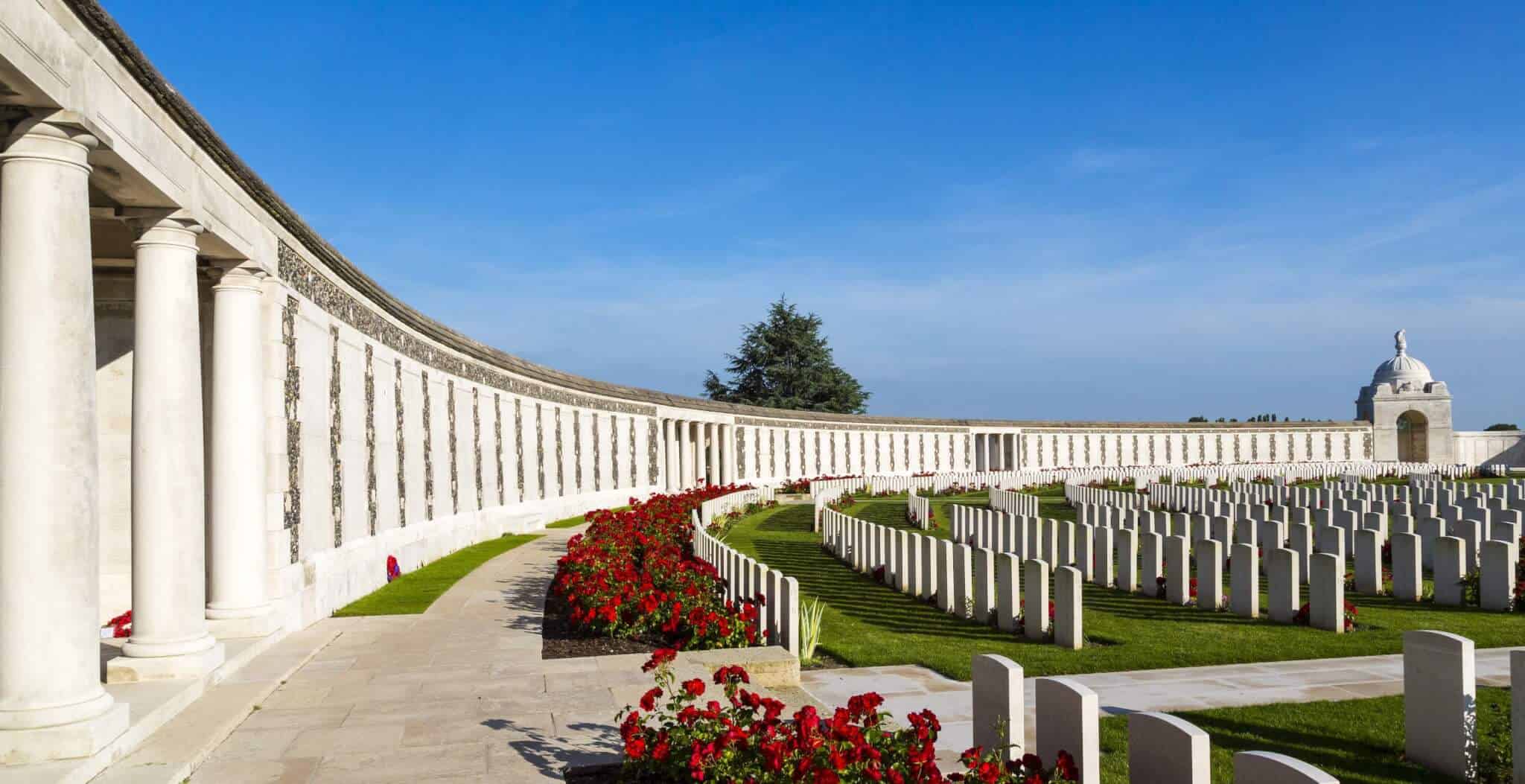
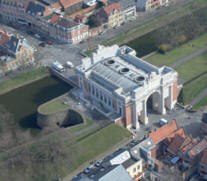
These battles and the British Empire soldiers that perished in them are today commemorated at the Menin Gate Memorial in Ypres, the Tyne Cot Cemetery and Memorial to the Missing.
Photographs courtesy of Memorial Museum Passchendaele 1917